

Pickled carrots and daikon
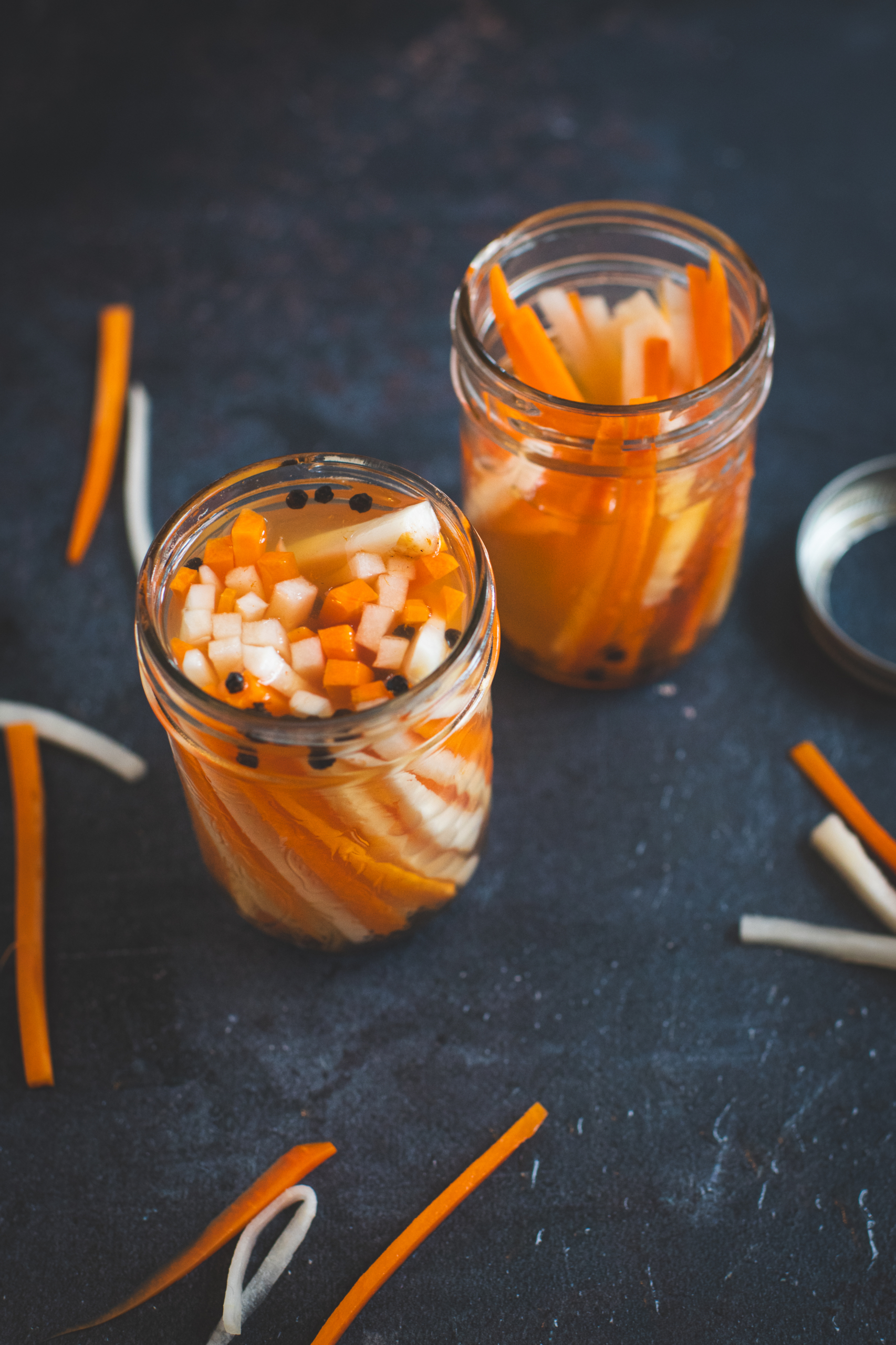
- Preparation 10 min
- Servings 4 to 6
- Freezing I do not suggest
Ads
🥕 The condiment that transforms any dish into a Vietnamese feast
These pickled carrots and daikon, the famous do chua, are Vietnamese cuisine’s best kept secret.
Two vegetables, a sweet-salty vinegar marinade, twenty minutes of patience and you get a crunchy
and tangy condiment that instantly elevates everything it touches. Banh mi, tacos, rice bowls, summer barbecues on the
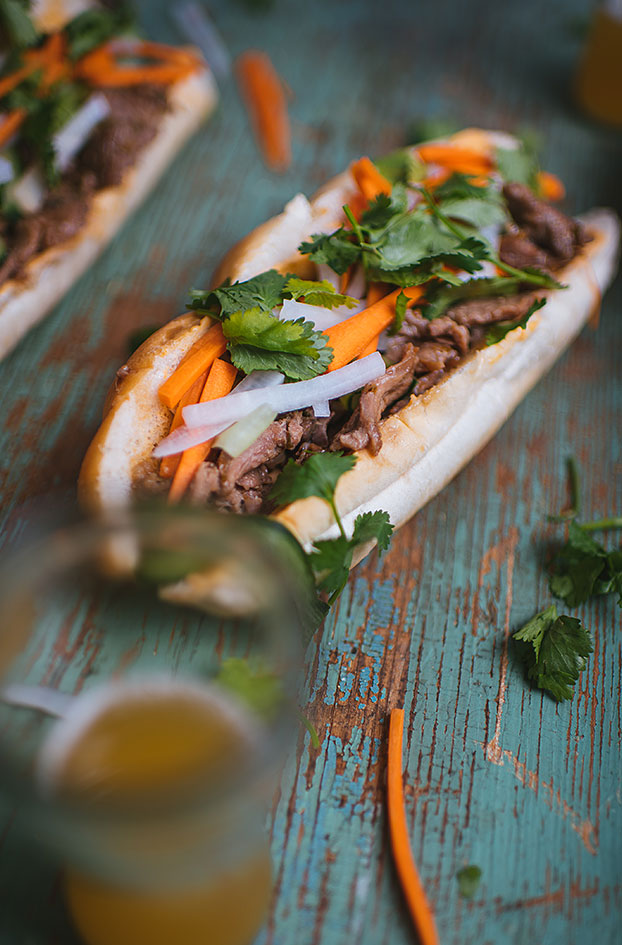
patio, even a simple grilled chicken sandwich: a spoonful of do chua and it’s another world. Impossible
to live without once you’ve tasted it.
🔥 Ready in 10 minutes, good for a week
The other beauty of this recipe is that it’s prepared in a flash and keeps in the fridge for days.
It’s the kind of preparation you make on Sunday for the week’s meal prep. Perfect for rushed
Tuesday night dinners or lunches that need a little pick-me-up. The honey softens the vinegar’s acidity, the peppercorns add a subtle warmth in the background, and the vegetables’ crunch holds up even after several days of marinating. In short, it’s the versatile condiment your fridge deserves.
Ads
Ads
🔪 The cut makes all the difference
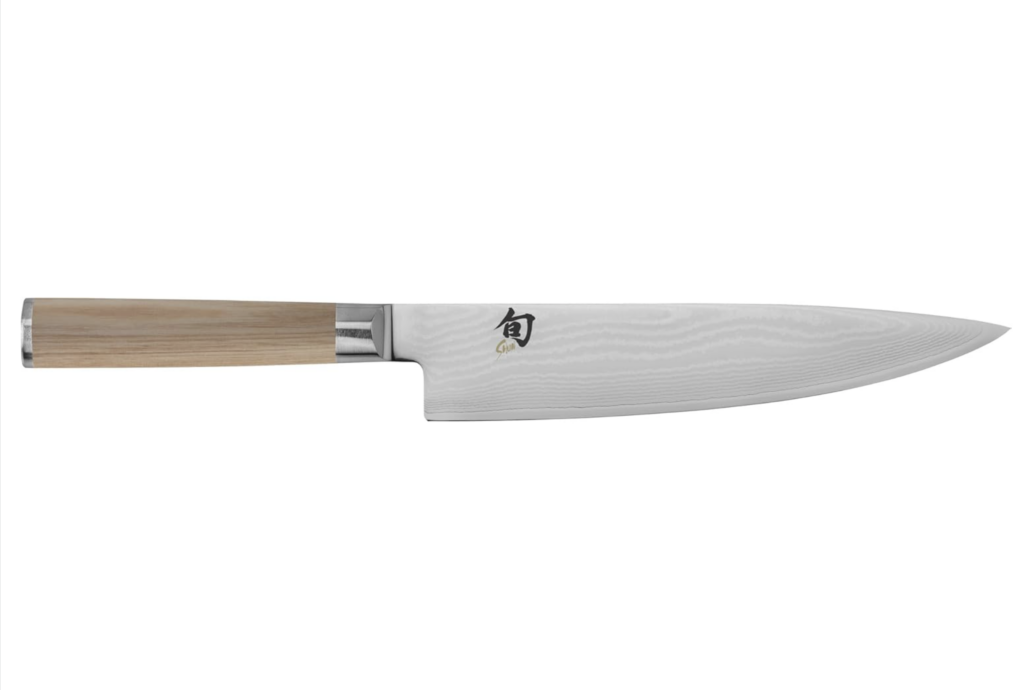
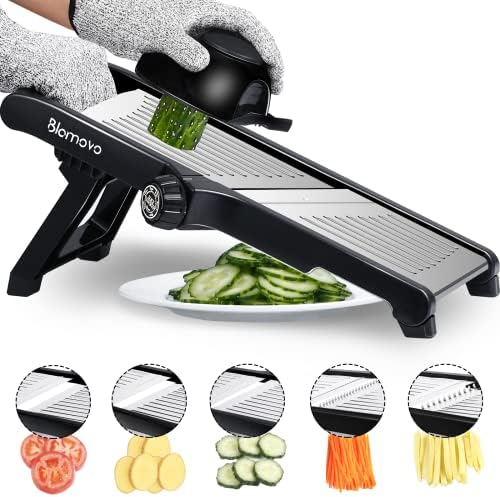
Fine and uniform julienne strips absorb the marinade much faster and offer superior crunch compared to roughly cut pieces. Aim for sticks about 5 cm long and 3 mm thick. A Japanese mandoline is your best ally here. If you grate rather than julienne, the result will be softer and more tender, perfect for garnishing sandwiches.
🫙 Mason jar, not a bowl
Using a Mason jar instead of a wide bowl allows the vegetables to stay completely submerged in the marinade, which ensures uniform flavor distribution. The jar’s narrow format naturally forces the vegetables down. If pieces float to the surface, press them down with a small saucer or weight to keep them submerged.
⏱️ Minimum versus optimal marinating time
Twenty minutes is the minimum for a flavorful result, but the magic really happens after a few hours in the fridge. After a full night, the vegetables reach a sweet-salty-acidic balance that is frankly addictive. The longer the marinade, the deeper the flavors penetrate. But beyond a week, the vegetables start to lose their crunch.
🌡️ Why the liquid must be hot
Pouring hot marinade over raw vegetables considerably speeds up the process. Heat opens the fibers of carrots and daikon, allowing vinegar and honey to penetrate quickly. If you pour cold marinade, you’ll have to wait at least 4 to 6 hours for a comparable result. The hot version gives you a shortcut without compromising on flavor.
🥢 Customize your marinade
The vinegar-honey-pepper base is classic, but nothing stops you from adding your touch. A piece of fresh sliced ginger, a crushed garlic clove, a pinch of chili flakes or a star anise completely transforms the flavor profile. The important thing is to keep the liquid-sugar-salt ratio intact so storage remains reliable.
Ads
Ingredients
- 1 cup (130 g) daikon, grated or julienned
- 1 cup (130 g) carrots, grated or julienned
- ½ cup (125 ml) water
- ¼ cup (60 ml) white vinegar
- ¼ cup (60 ml) apple cider vinegar
- 1 tbsp (15 ml) honey
- 1 tsp (5 ml) peppercorns
- ½ tsp (2.5 ml) salt
Ads
Preparation
- In a small saucepan, combine water, both vinegars, honey, peppercorns and salt. Bring to a boil while stirring until honey and salt are completely dissolved, then remove from heat.
- Pack the carrots and daikon into a clean Mason jar.
- Pour the hot liquid over the vegetables making sure they are completely submerged. Seal tightly, shake gently and let sit 20 minutes at room temperature before serving.
In an airtight Mason jar, they keep easily for a week in the refrigerator. After 5-6 days, the vegetables start to soften slightly but remain perfectly good. The important thing is to always use clean utensils to serve them and ensure the vegetables stay submerged in the marinade.
Yes, red radish, white turnip or English cucumber are good alternatives. White turnip offers the closest result to daikon in terms of texture and taste. Cucumber gives a milder result but loses its crunch faster. If you use it, consume within 2-3 days.
This is completely normal. Daikon is a crucifer that releases sulfur compounds when in contact with vinegar, especially in the first hours. The smell diminishes after a night in the fridge and absolutely doesn’t affect the taste. If the smell bothers you, add an extra pinch of sugar to the marinade.
Yes, no problem. White vinegar is sharper and more acidic than rice vinegar, so the result will be slightly more pungent. If you make the substitution, add an extra half tablespoon of honey to compensate and restore the natural sweetness of rice vinegar. Apple cider vinegar is also a great alternative that brings an interesting fruity roundness.
Pickled vegetables (like this recipe) use vinegar to create acidity. It’s quick, ready in 20 minutes. Fermented vegetables use natural lacto-fermentation with salt and water, without vinegar. A process that takes 3 to 7 days but develops more complex flavors and beneficial probiotics. Both methods are delicious, but vinegar pickling is by far the fastest.
Ads
Ads

Ads
Ads
Ads