

Vietnamese pork chops
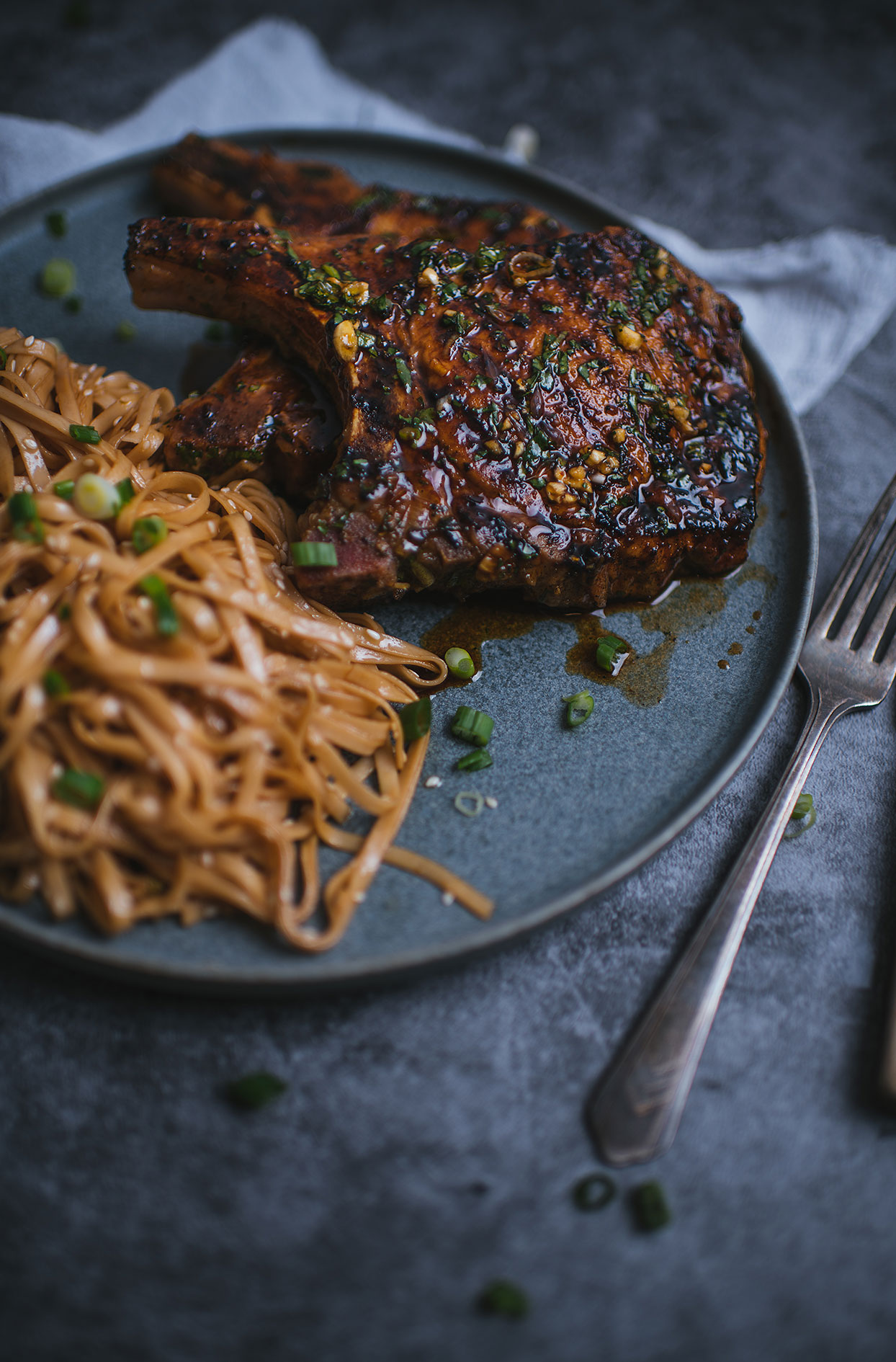
- Preparation 15 min
- Refrigeration 3 h
- Cooking 10 min
- Servings 4
- Freezing I do not suggest
Ads
🇻🇳 The marinade that turns an ordinary pork chop into something worth talking about
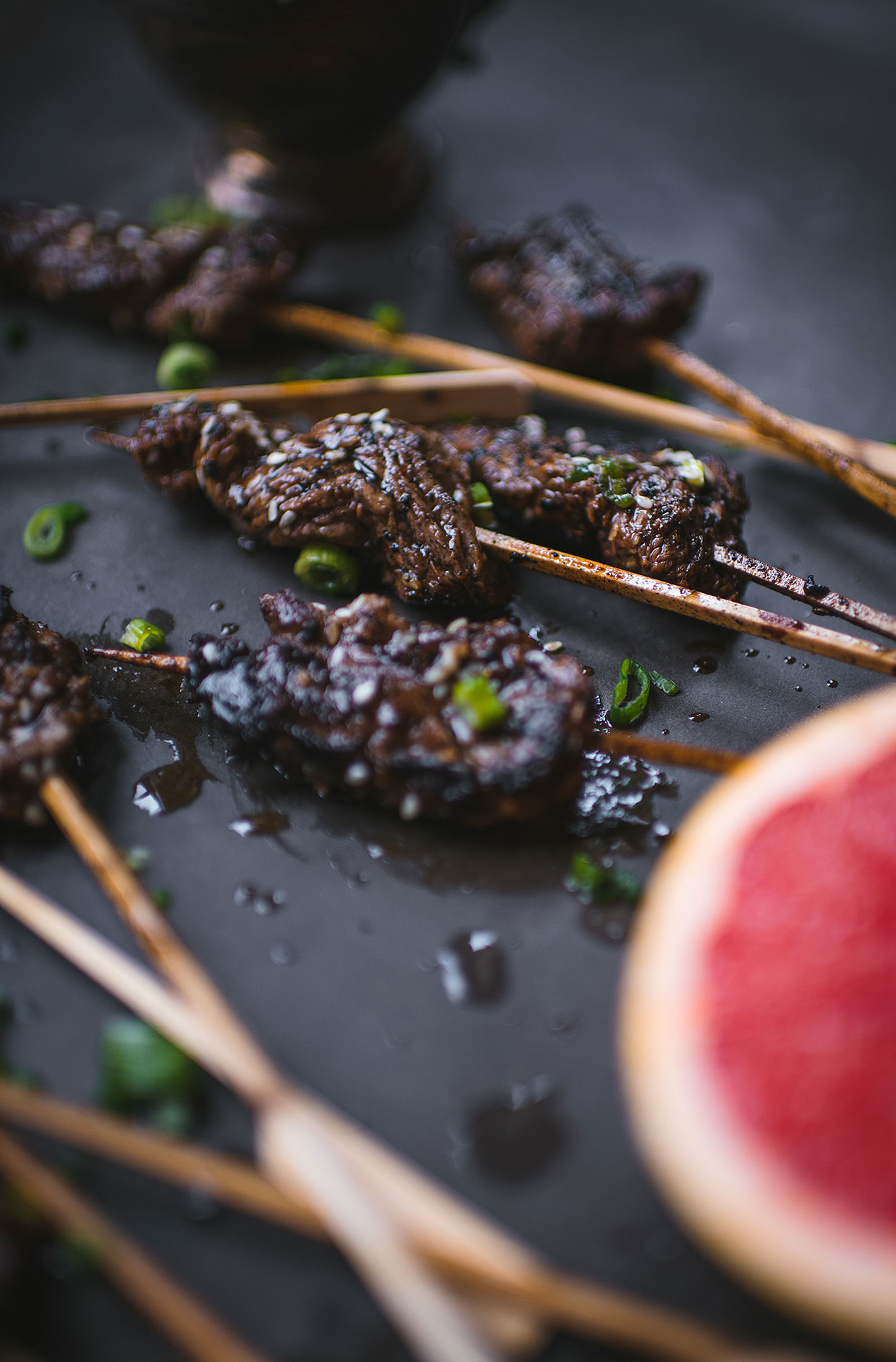
Vietnamese pork chops are what I make when I want a weeknight dinner that tastes like it came from a rice plate joint in Saigon. Four bone-in chops, a marinade you stir together in one bowl, and a crust that goes deep brown before the inside has any chance to dry out. The chops go into the bag in the morning and I forget about them until supper. That is the whole trick. There is nothing fussy here, and nobody at the table believes that.
🐟 Fish sauce, lime and brown sugar do all the heavy lifting
Fish sauce is the backbone. It smells aggressive out of the bottle and then it disappears into the meat as pure savory depth, the kind you cannot fake with soy sauce. Brown sugar is what builds the lacquered crust, lime juice keeps the whole thing from turning cloying and tenderizes the meat along the way, and the garlic, ginger and Sriracha sit underneath and push. Fresh cilantro and green onion go in raw.
You will notice there is no lemongrass. Most versions online lean on it, mine does not, and I have never missed it in this marinade.
🔥 Cast iron first, oven second, or straight onto the grill
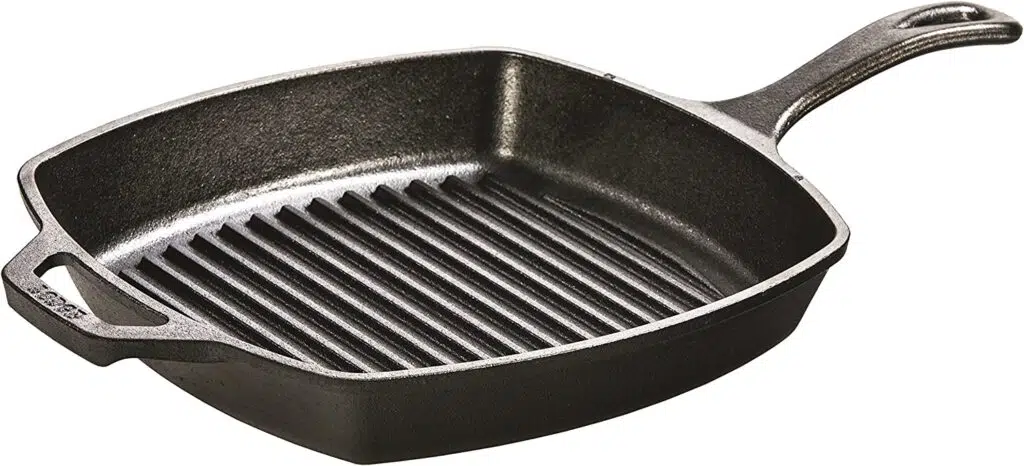
My method: a ripping hot cast iron grill pan for two to three minutes a side, then the whole pan into a 425°F (220°C) oven for five to seven minutes to finish. You get grill marks and an evenly cooked chop without babysitting flames. In July I skip all of that and cook them over direct heat on the barbecue instead, watching them closely, because sugar and open flame have a short honeymoon.
Ads
Ads
⏰ Three hours is the floor. Overnight is the whole point.
Three hours in the fridge will get you a good chop. Eight to twelve hours will get you the one you remember. The lime juice needs time to work on the muscle while the fish sauce and brown sugar travel all the way to the bone. I mix the marinade at breakfast, and by five o’clock supper is basically already made.
🥣 Double the marinade and keep half back
This is the one thing I would fight about. Make twice as much marinade and set half of it aside in a clean jar before any of it touches raw pork. That reserved half becomes a dipping sauce at the table, spooned over the chops and over the rice. It is the difference between a good pork chop and a plate people ask you about. Guests always want that jar, never the recipe for the chop itself.
🐟 Fish sauce, or nuoc mam, if you have never bought a bottle
Fish sauce is anchovies and salt, fermented for months, and it is the single ingredient that makes this taste Vietnamese instead of vaguely Asian. Do not substitute soy sauce, they are not doing the same job. Three Crabs and Red Boat are both easy to find in the Asian aisle of a regular grocery store, and a bottle keeps for months in the fridge once opened. If the smell in the bottle worries you, ignore it. Heat converts it completely.
🥩 Buy them bone-in and about three quarters of an inch thick
Thin boneless chops are the reason most people think pork is dry. The bone slows the cooking near the center and the extra thickness gives you room to build a crust before the middle overshoots. Ask the butcher for chops around 2 cm.
🌡️ Sugar burns. Manage the heat, not the clock.
Medium-high in the pan, and on the barbecue keep them off direct flame once the crust is set. If the outside is going black at three minutes your heat is too high, not your timing.
❄️ Leftovers
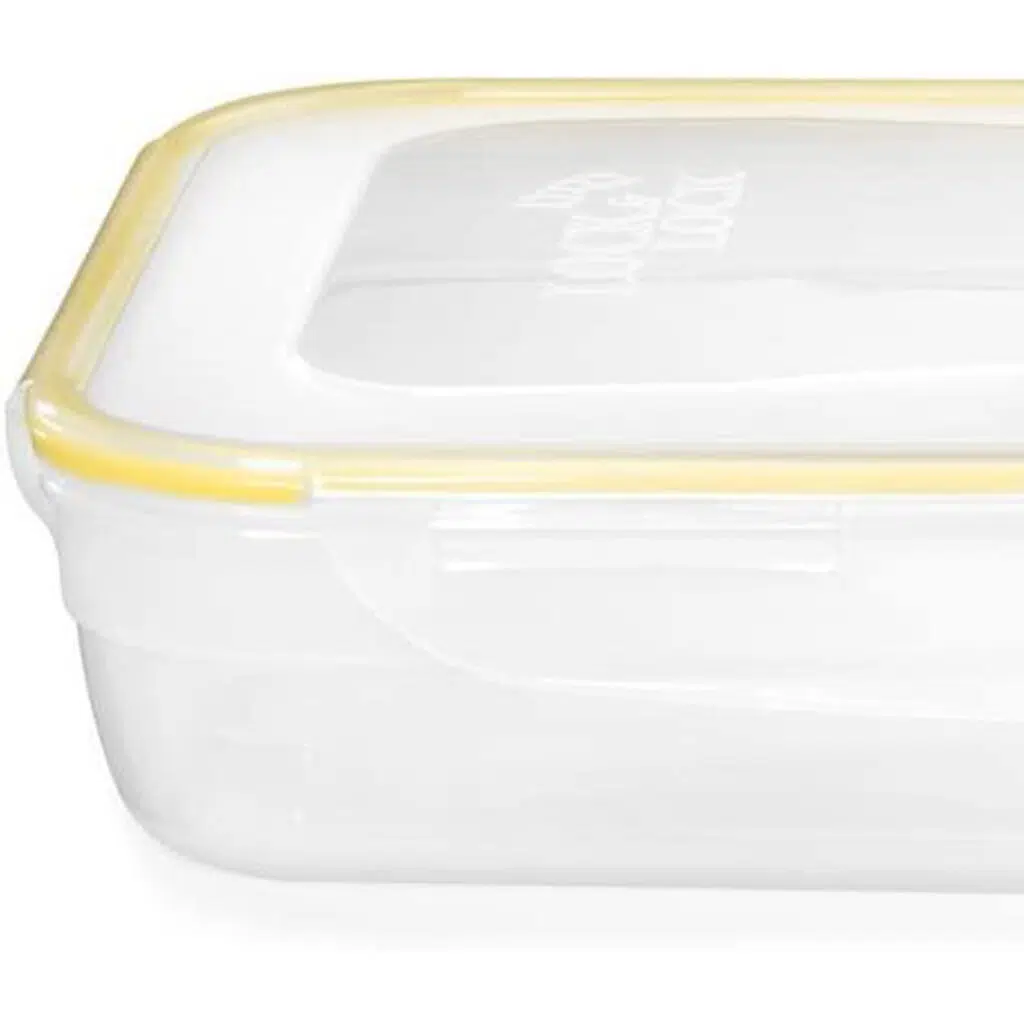
Three days in an airtight container. Reheat in the air fryer at 350°F (175°C) for three or four minutes, or in a pan over medium heat with a spoonful of the reserved marinade. The microwave turns them to rubber and kills the crust, so skip it. Sliced cold off the bone into a rice bowl the next day is honestly not a downgrade.
🍚 What to serve with Vietnamese pork chops
The classic plate is com tam, the broken rice plate you get in Vietnamese lunch spots, with the chop laid over the rice, a fried egg on the side and a pile of pickles. Make my pickled carrots and daikon a day ahead and you have most of that plate covered. If you would rather go the noodle route, my Vietnamese-style rice vermicelli salad turns it into a bun bowl, and my Asian cucumber salad takes ten minutes and cuts the sweetness.

Ads
Ingredients
- 4 bone-in pork chops, about ¾ in (2 cm) thick
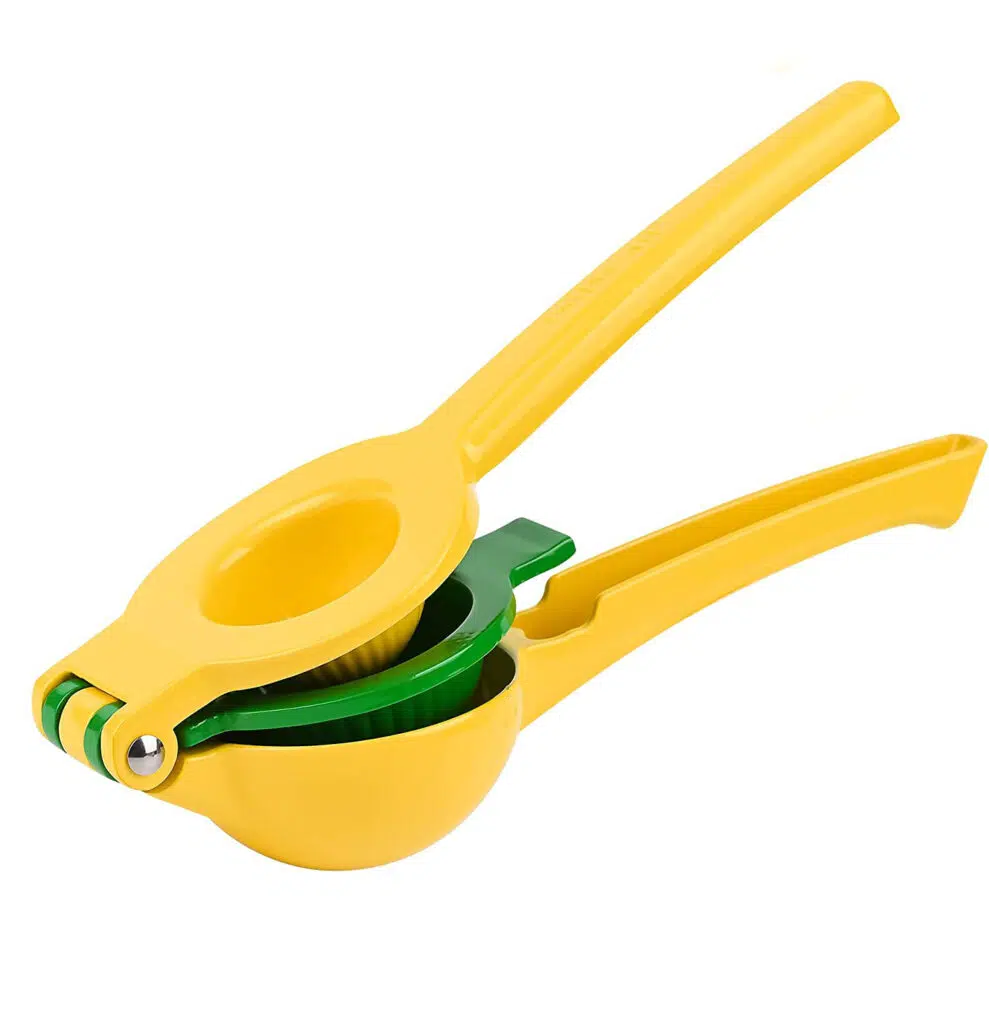
- Juice of 1 lime
- 1 green onion, finely sliced
- ¼ cup (60 ml) brown sugar
- 2 large garlic cloves, finely minced
- 3 tbsp (45 ml) olive oil
- 2 tbsp (30 ml) finely chopped fresh cilantro
- 2 tbsp (30 ml) fish sauce (nuoc mam)
- 1 tsp (5 ml) freshly grated ginger
- ½ tsp (2.5 ml) Sriracha
- Salt and freshly ground pepper, to taste
- To serve: extra fresh cilantro and lime wedges
Ads
Preparation
- Put the pork chops in a large zip-top freezer bag and set aside.
- In a large bowl, combine the lime juice, green onion, brown sugar, garlic, olive oil, cilantro, fish sauce, ginger and Sriracha. Season with salt and pepper, then whisk until the sugar dissolves.
- Pour ¾ of the marinade over the pork, work the bag to coat every side, press out the air and seal. Refrigerate 3 hours minimum, ideally overnight (8 to 12 hours). Keep the remaining marinade in a clean airtight jar in the fridge, it becomes the dipping sauce.
- Preheat the oven to 425°F (220°C) and heat a cast iron grill pan over medium-high with a thin film of olive oil.
- Take the chops out of the fridge, scrape off the excess marinade and lay them on the hot pan. Sear 2 to 3 minutes per side, without moving them, until the crust is deep golden.
- Transfer the pan (or the chops onto a sheet pan) to the oven and cook 5 to 7 minutes more, until the internal temperature reads 145°F (63°C) at the thickest point and the center is faintly pink.
- Cover loosely with foil and rest 5 minutes so the juices settle. Serve with the reserved marinade for dipping, plus extra cilantro and lime wedges.
One bowl, no cooking. Whisk together the juice of a lime, 2 tbsp (30 ml) fish sauce, ¼ cup (60 ml) brown sugar, minced garlic, grated ginger, sliced green onion, chopped cilantro, olive oil and a little Sriracha. Pour three quarters of it over bone-in chops in a sealed bag and refrigerate 3 hours minimum, 8 to 12 hours if you can plan ahead. Hold the last quarter back in a clean jar for the table. Past about 24 hours the lime juice starts working on the texture, so that is the ceiling.
Grilled pork chops are sườn nướng, and when they are served over a plate of broken rice the whole dish is cơm tấm sườn nướng. You will also see thịt nướng on menus, but that usually means thinly sliced grilled pork, the kind that goes into a bún bowl rather than onto a plate whole. Same family of marinade, different cut.
Fish sauce, or nước mắm, is anchovies packed in salt and fermented until they give up a thin amber liquid. It is the savory base of most Vietnamese cooking. You cannot leave it out of this marinade without losing the thing that makes it Vietnamese, and soy sauce is not a swap, it is salt without the depth. If you are cooking for someone with a shellfish allergy, note that fish sauce is made from fish and not shellfish, but read the label anyway since some brands add shrimp.
Pull them at an internal temperature of 145°F (63°C) read at the thickest point next to the bone, and let them rest five minutes under loose foil before you cut. Pork at 145°F is faintly pink in the middle and that is exactly right. Everything else follows from the cut: bone-in, about ¾ in (2 cm) thick, and out of the fridge fifteen minutes before it hits the pan.
Broken rice is the traditional answer, and jasmine rice is the easy one. Add something pickled and something raw: my pickled carrots and daikon or my Asian cucumber salad. For a full spread, my chicken chow mein, my pad thai with chicken and shrimp or my Singapore noodles all sit well next to these chops.
A brown ale is the pairing my Vietnamese pork chops ask for, and Avant-Garde's Mr Brown at 4.8% is the one I pour. Its long-cooked malt brings toasted hazelnut and brown sugar right up against the caramelized crust on the meat, matching it instead of competing with it. The dry, faintly roasted finish clears the fish sauce and lime off the palate between bites. Serve it around 46°F (8°C).
See the productAds
Ads


Ads
Ads
Ads