

Ads
🔥 Four dry rubs that will change the way you grill. Forever
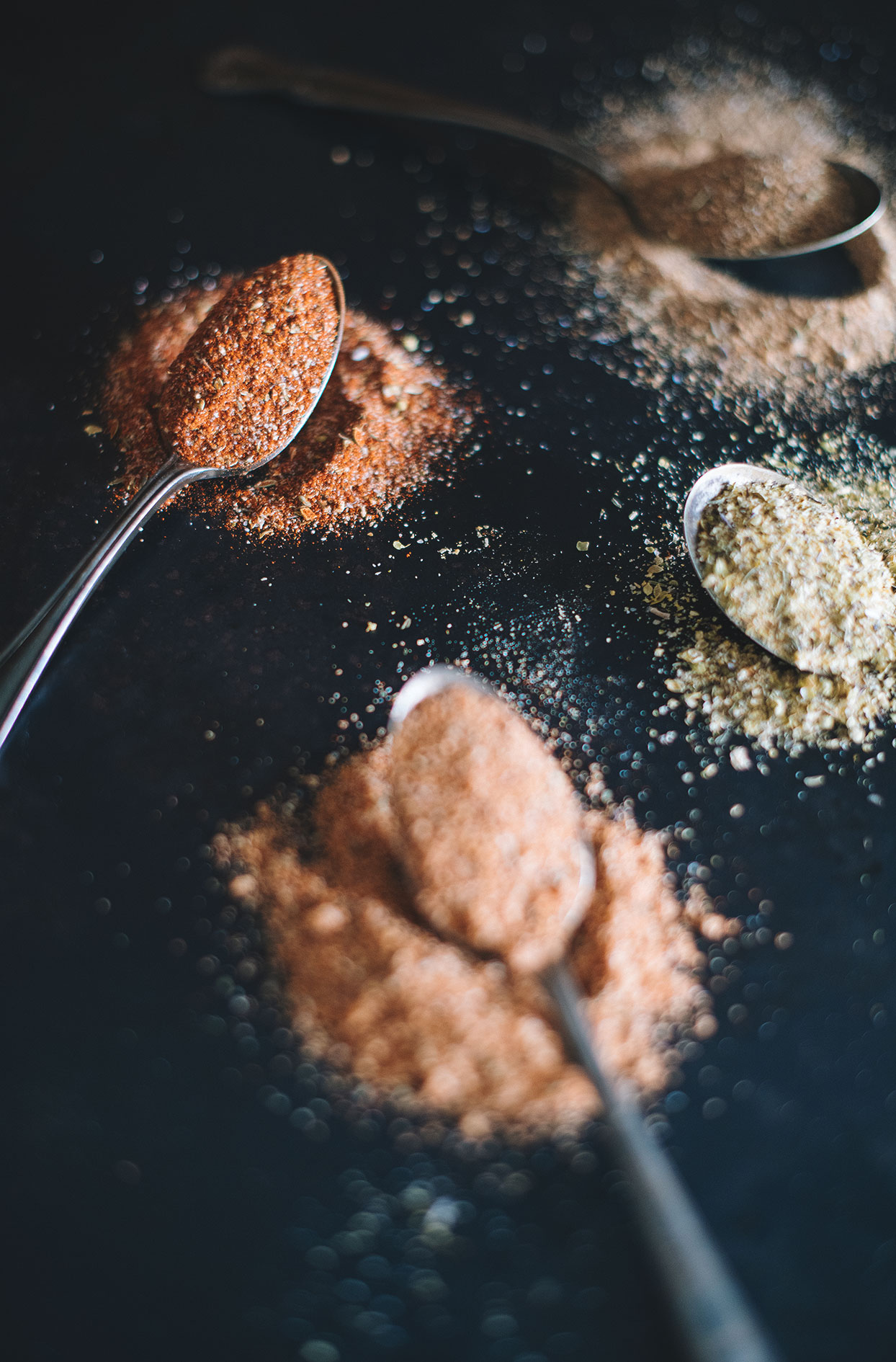
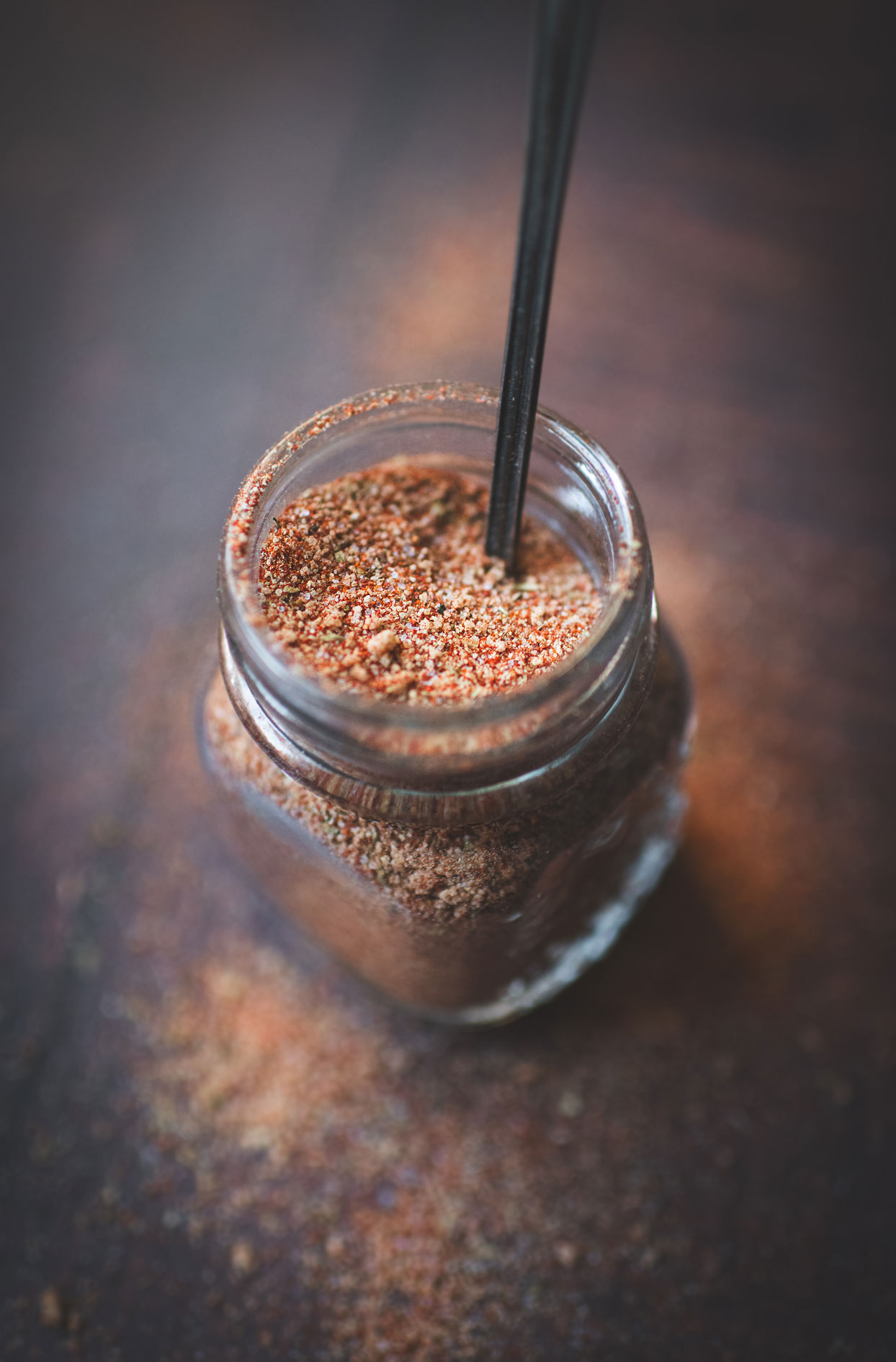
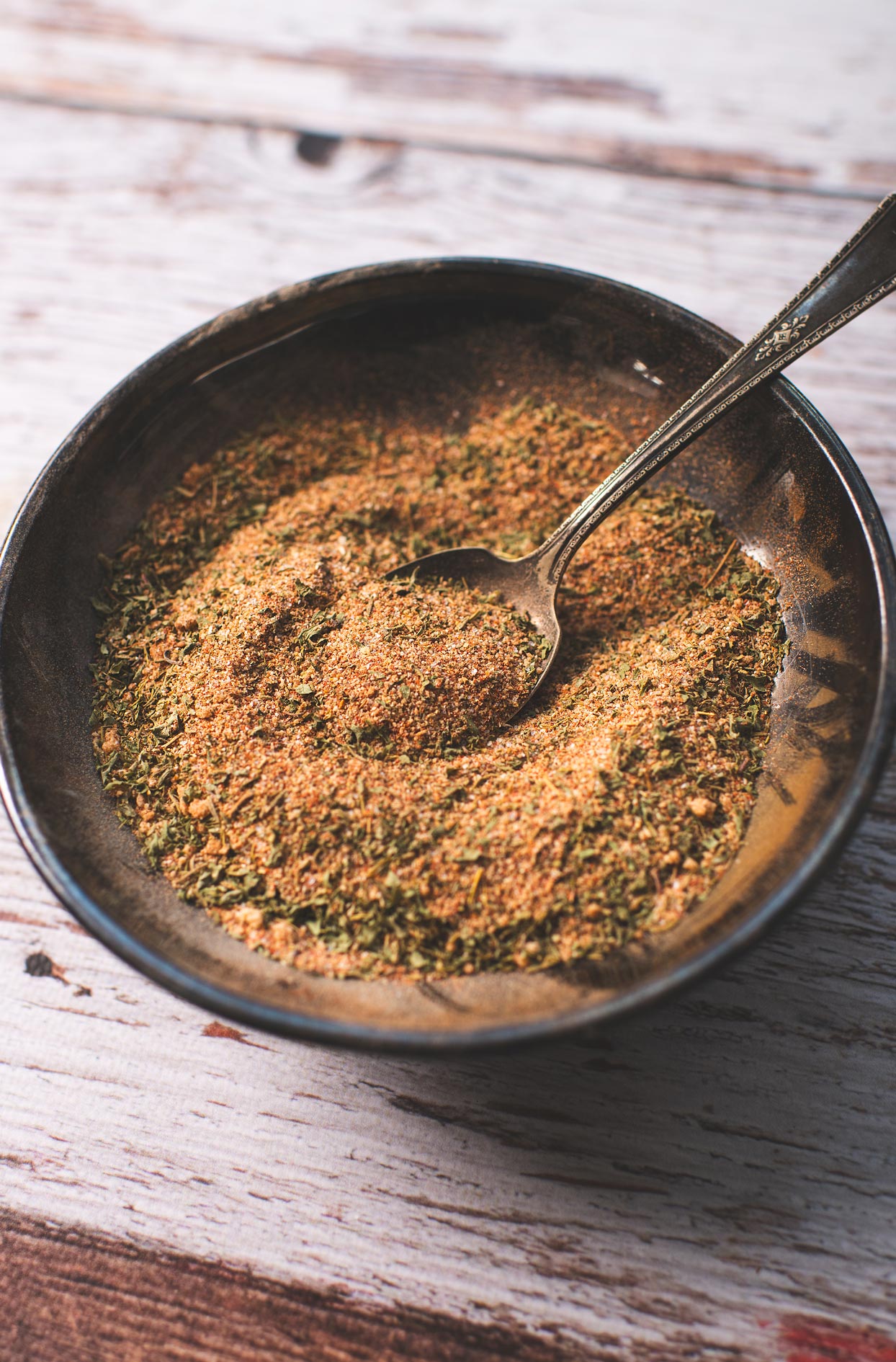
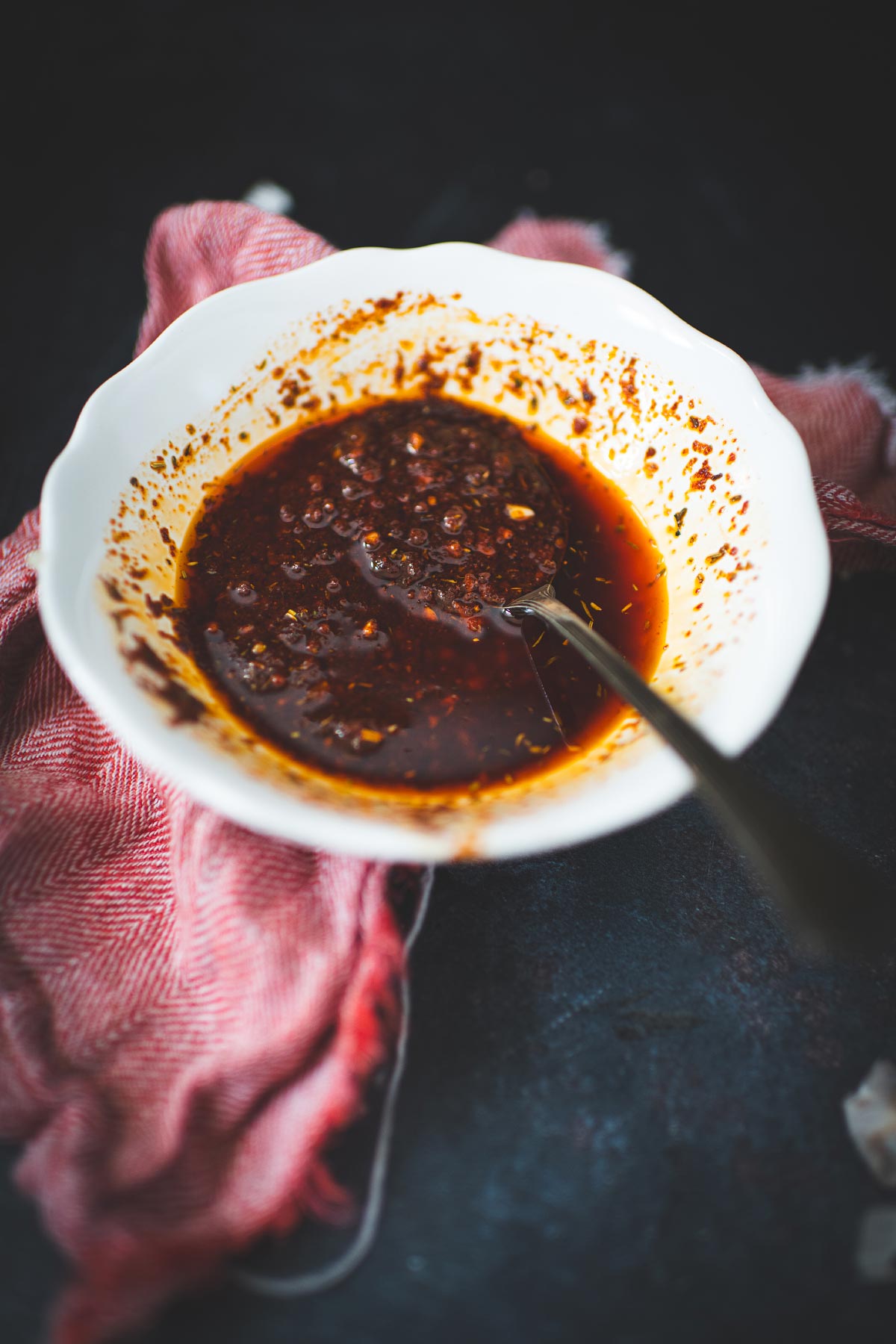
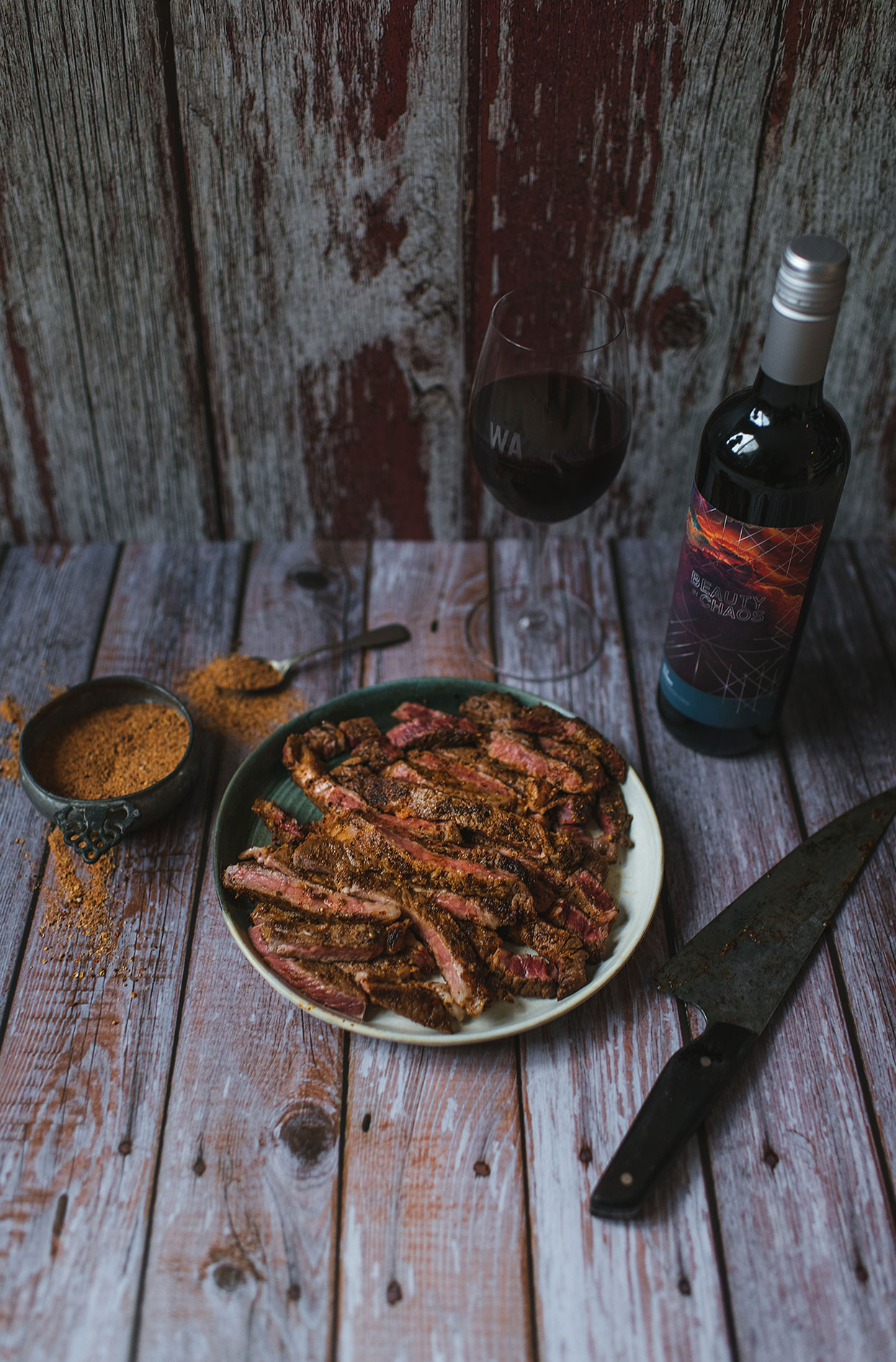
These 4 deluxe dry rubs for your grills are the complete arsenal for the serious griller. And the beginner who wants to look like a pro at the first BBQ of the season. A BBQ rub with its caramelized brown sugar and smoked paprika, a lemony rub all about herbal freshness, a Jamaican jerk rub with its hot, complex spices, and a Louisiana-style Cajun blackening rub for those who like their meat with character and a beautiful dark crust. Each blend takes 5 minutes to make, keeps easily for a year in an airtight jar, and goes on pork chops, beef striploin, chicken breasts, fish, shrimp or vegetables. The best decision you’ll make before firing up your BBQ this summer.
🏆 Why dry rubs beat liquid marinades
The strength of these 4 dry rubs is their absolute versatility and their ability to create a flavor crust right on the surface of the meat. Unlike liquid marinades that dilute flavor and add moisture, dry rubs adhere to the flesh, penetrate the fibers and caramelize on the BBQ heat to form a golden, slightly crispy aromatic crust. The kind of surface you see at American BBQ joints and can’t replicate with a Ziploc and lemon juice. Plus: you already have all the ingredients in your pantry, it costs a fraction of store-bought blends, and you can make industrial quantities in one go.
💡 Versatile. But here’s how I use them
The beauty of these rubs: they all work on all proteins. But here’s how I use them most often: BBQ is my classic for pork ribs and BBQ shrimp (mind-blowing). Lemony, I rub on grilled rapini or shrimp for an herbal freshness. Jerk is my go-to for chicken drumsticks or pork meatballs in burgers. Cajun blackening is for steaks, tomahawks and shrimp. Mason jar filled, hand-written label, you’ve got a BBQ host gift or Christmas gift that always works.
Ads
Ads
⏰ Apply ideally the night before, never straight on the BBQ
For maximum flavor penetration: 1 hour before cooking minimum, 3 hours is better, overnight is ideal. NEVER straight on the BBQ — you want the spices to set and adhere to the flesh. Wrap the meat in plastic wrap in the fridge once seasoned.
🫒 Pat dry, drizzle of oil, then rub
The foolproof technique: pat the meat dry (steak, shrimp, fish, chicken, whatever) with paper towels, then drizzle with olive oil and rub all over, then apply the rub. The oil makes the rub stick to the meat and keeps the crust moist during cooking — not dry, not bitter.
⚖️ Quantity: count ~1 tbsp per pound
Always use a generous amount because some falls off during cooking. Count about 1 tbsp (15 ml) per pound (450 g) of meat to coat the whole surface. For full racks of ribs, easily double. Too little = weak flavor. Too much = bitter crust. The drizzle of oil underneath compensates for the risk.
🧂 Salt is in the rubs — no double-seasoning
Salt is already mixed into each rub in balanced amounts. No need to salt the meat separately — keeps it simple. Salt in the rub also helps the other spices penetrate deeper into the flesh.
🔄 All rubs are interchangeable across all proteins
No strict rules: BBQ goes on chicken, lemony on shrimp, jerk on pork, Cajun on fish — they all work on everything. My personal favorites: BBQ on ribs + shrimp, lemony on grilled rapini + shrimp, jerk on chicken drumsticks + pork meatballs, Cajun on steak/tomahawk + shrimp. But explore.
🇯🇲 Origins: Jerk = Jamaica, Cajun = Louisiana
Jerk is Jamaican — hot spices (Scotch Bonnet pepper, allspice, thyme) that wake up your mouth. Cajun blackening is from Louisiana — paprika, garlic, onion, dried herbs, cayenne. Two completely different profiles, but both light-years above standard salt-and-pepper.
🫙 Storage: easily 1 year in an airtight jar
Store each rub in an airtight Mason jar, away from direct light. Suggested best-before: 16 months, but easily 1 year of optimal flavor. After that, spices start losing freshness and the profile won’t be at peak. Don’t panic — a year-old jar is still good, not dangerous.
🎁 Kitchen gift: Mason jar + hand-written label
To give as a BBQ host gift or Christmas gift, fill 4 small Mason jars with each rub, hand-written label with the name and 2-3 use suggestions. Cost: peanuts. Effect: you look like the chef who knows how to host. Your buddy opens his BBQ with these, you become his best friend forever.
⚠️ Fatal mistake: dry, bitter crust
The classic mistake: too much rub directly on dry meat, no oil drizzle. Result: crust burns, turns bitter, no golden caramel. Solution: pat meat dry, olive oil, then rub. If the crust looks too dry while cooking, brush with a touch of oil. We want a moist-caramelized crust, not a charred black coat.
BBQ dry rub
- ½ cup (125 ml) brown sugar
- 2 tbsp (30 ml) salt
- 2 tbsp (30 ml) smoked paprika
- 1 tbsp (15 ml) dried basil
- ½ tbsp (7.5 ml) ground cumin
- ½ tbsp (7.5 ml) onion powder
- ½ tbsp (7.5 ml) garlic powder
- ½ tbsp (7.5 ml) ground black pepper
- 1 tsp (5 ml) ground coriander
- ½ tsp (2.5 ml) cayenne pepper (optional)
Lemon dry rub
- 4 tbsp (60 ml) lemon pepper
- 2 tbsp (30 ml) dried oregano
- 1 tbsp (15 ml) dried thyme
- 1 tsp (5 ml) ground pepper
- ½ tsp (2.5 ml) onion powder
- ½ tsp (2.5 ml) garlic powder
Jamaican jerk dry rub
- 3 tbsp (45 ml) brown sugar
- 1 tbsp (15 ml) dried thyme
- 1 tbsp (15 ml) ground allspice
- 1 tsp (5 ml) onion powder
- 1 tsp (5 ml) garlic powder
- 1 tsp (5 ml) ground ginger
- 1 tsp (5 ml) ground pepper
- ½ tsp (2.5 ml) ground cinnamon
- ½ tsp (2.5 ml) ground nutmeg
- ½ tsp (2.5 ml) salt
- ¼ tsp (1.25 ml) cayenne pepper (optional)
Blackening rub
- 2 tbsp (30 ml) paprika
- 2 tbsp (30 ml) smoked paprika
- 1 tsp (5 ml) salt
- 1 tsp (5 ml) garlic powder
- 1 tsp (5 ml) onion powder
- 1 tsp (5 ml) dried thyme
- 1 tsp (5 ml) dried oregano
- ½ tsp (2.5 ml) ground black pepper
- ¼ tsp (1.25 ml) cayenne pepper (optional)
Ads
Preparation
- Choose your rub. Measure all the ingredients for that blend into a bowl and mix thoroughly until completely combined.
- Apply the dry rub generously onto your meat, fish or vegetables, pressing lightly to help the spices adhere to the surface. For best results, let rest for 15 to 30 minutes at room temperature before cooking — or overnight in the refrigerator for maximum flavour penetration on larger cuts.
- Grill on the BBQ, roast in the oven or sear in a pan depending on the protein. Store any remaining rub in a labelled airtight glass jar away from light and moisture — the blends keep for several months without losing their aromatic punch.
In an airtight Mason jar away from direct light, count a suggested best-before of 16 months, but easily 1 year of optimal flavor. After that, spices start losing freshness and the profile drops. A 1-year-old jar is still good — not dangerous — but the punch isn’t at peak. Buy small formats if you don’t use much, larger jars if you host often.
For maximum penetration: 1 hour before minimum, 3 hours is better, overnight is ideal. Wrap the meat in plastic wrap in the fridge once seasoned. NEVER straight on the BBQ without resting — spices need time to set into the flesh, otherwise they fall off at the first tong squeeze.
No. Salt is already included in each rub in balanced amounts. No need to salt separately — keeps it simple. Salt in the rub even helps the other spices penetrate deeper into the flesh.
Absolutely. All rubs are versatile: BBQ on chicken and shrimp, lemony on fish and pork, jerk on everything (drumsticks, meatballs, steak), Cajun blackening on shrimp and tomahawk. But here are my favorite pairings: BBQ + ribs, lemony + grilled rapini, jerk + chicken drumsticks, Cajun + steak or tomahawk. Explore based on your mood.
Too much rub directly on dry meat, no olive oil drizzle. Result: crust burns, turns bitter, doesn’t caramelize. Technique: pat meat dry, drizzle with olive oil, then apply the rub. The oil makes the blend stick and keeps the crust moist during cooking — that’s the difference between a golden caramelized crust and a charred black coat.
Ads
Ads

Ads
Ads
Ads