

Roasted garlic butter with thyme and rosemary
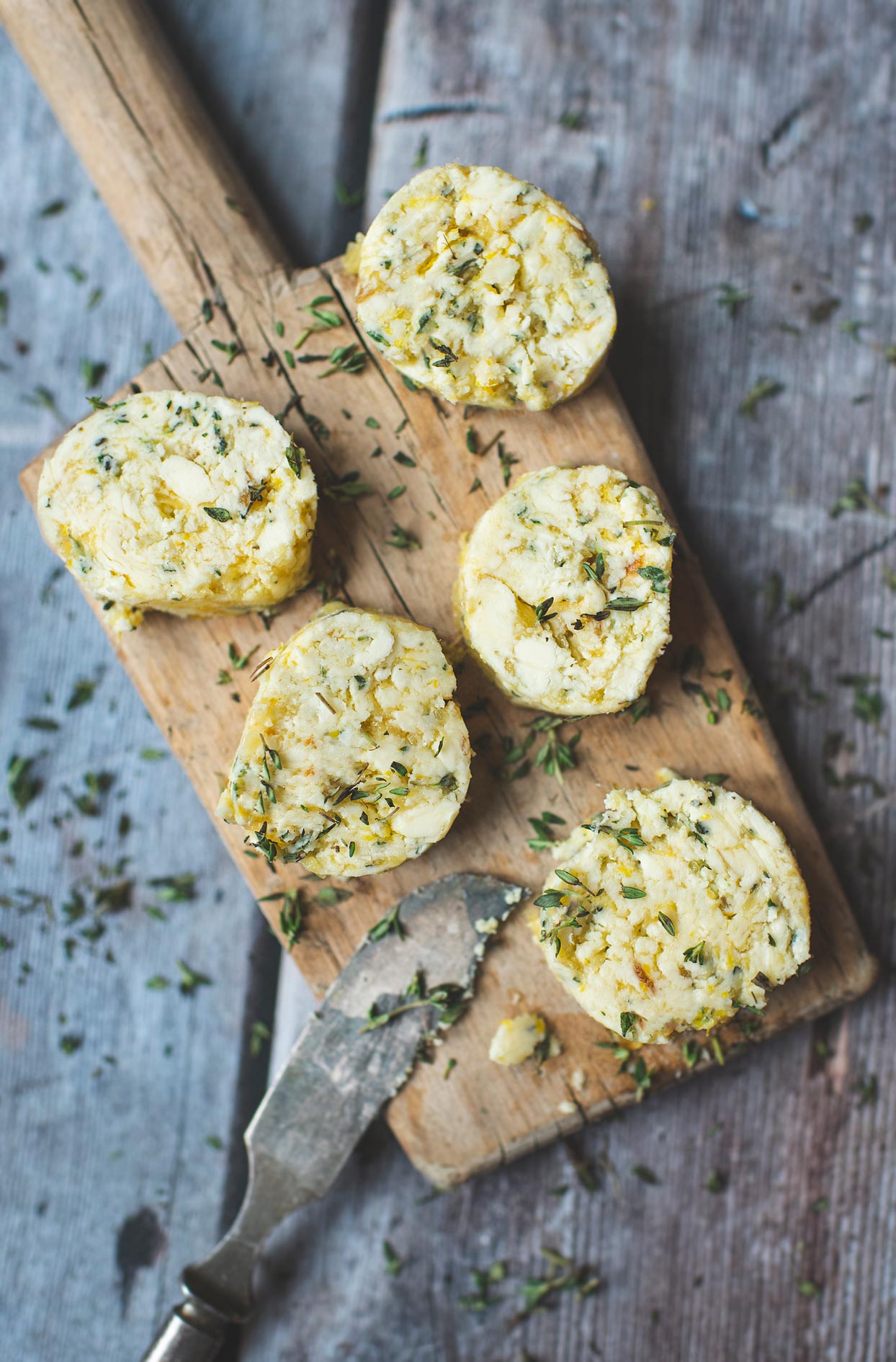
- Preparation 10 min
- Cooking 45 min
- Servings ⅔ cup
- Freezing Absolutely
Ads
🧄 A whole head of garlic, roasted for 45 minutes
That’s the entire recipe, and it’s also everything that sets it apart. A whole head of garlic, the top cut off, a drizzle of olive oil, a foil packet and 45 minutes in the oven. What comes out bears no resemblance to the garlic you know: the cloves are golden, sweet, creamy, and they squeeze out of their skins like toothpaste. You mash them directly into softened butter with fresh thyme and rosemary, and you end up with a compound butter that makes pretty much everything it touches better.
🔥 Never raw garlic, and there’s a reason for that
That’s the point I want to drive home. Raw garlic in a butter meant for scorching-hot meat burns in seconds and turns bitter and sharp. You ruin your butter and your cut of meat at the same time. Roasted, it’s exactly the opposite: it loses all its bite, turns mellow and melts into the fat instead of fighting it. The 45 minutes in the oven might seem like a detour for a simple condiment, but that’s precisely where everything happens.
🥩 Born on a rib roast, useful everywhere
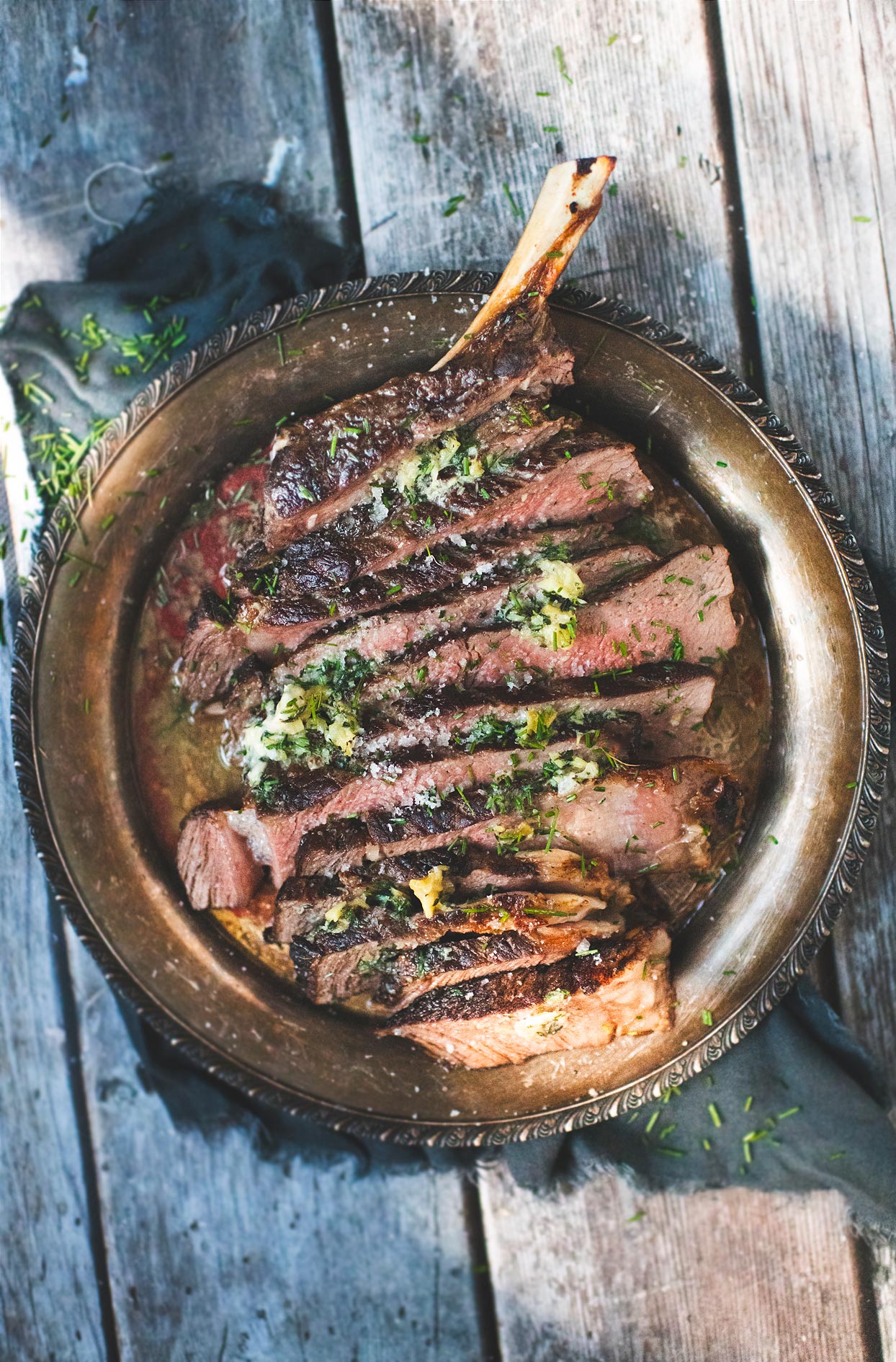
I developed it for my oven-roasted beef rib steak with roasted garlic butter, dropped in a knob on the searing-hot meat right out of the pan. But once you’ve got a log of it in the freezer, you slice rounds off for anything. On a steak coming off cast iron, on eggs in the morning, melted on grilled corn or on potatoes. It’s the kind of prep that takes ten minutes of work and serves you for three months.
Ads

Ads
🧄 Roasted garlic, never raw
This is the one non-negotiable rule of this recipe. Raw garlic contains allicin, the compound responsible for its bite, and when it hits a scorching-hot surface it burns almost instantly, turning bitter and acrid. Slowly roasted in a foil packet, the garlic’s sugars caramelize and its sharpness disappears completely. It becomes mild, almost confit-like, and it marries into the fat of the butter instead of fighting it. Those 45 minutes in the oven are non-negotiable too.
🔥 Roasted vs. confit. They’re not the same thing
You’ll often see garlic confit butters, and the two methods look similar, but they don’t give the same result. Confiting means cooking the cloves submerged in a fat, usually oil, at low temperature for a long time. The garlic becomes silky, soaks up the fat and its flavour stays more delicate, more neutral. Roasting means cooking the whole head dry in its own foil packet, at higher heat. Without oil surrounding it, the garlic loses moisture and its sugars truly caramelize, giving deeper, almost toasted notes and a more concentrated pulp. For a butter meant to go on a piece of meat, I strongly prefer the roasted version: it has enough character to hold its own next to beef.
🧈 Softened, never melted
This is the mistake that ruins most compound butters. If you melt your butter to speed things up, it will never come back together properly: the water and fat separate, and as it cools you get a grainy texture instead of a smooth paste. Take your butter out of the fridge an hour ahead so it’s soft enough to mash with a fork but still completely opaque. If you’re in a rush, cut it into small cubes. That speeds things up without melting it.
🌿 Rosemary goes through the knife, finely
Thyme leaves come off on their own by sliding your fingers down the stem. Nothing more to do. Rosemary is a different story: its needles stay firm even after cooking, and if you leave them whole you’ll bite right into them. Just chop it finely with a knife. No special technique needed, just patience and a few passes of the blade.
🧂 If you only have salted butter
The recipe calls for unsalted butter plus a teaspoon of fleur de sel, which gives you full control over the seasoning. With semi-salted or salted butter, simply go much easier on the fleur de sel: add half, taste, then adjust. It’s easier to add more than to take it away, and this butter often ends up on meat that’s already seasoned.
🌀 This is not a whipped garlic butter
There’s a common mix-up between the two. Whipped butter, the kind you’re sometimes served at restaurants with warm bread, is beaten for a long time with an electric mixer to incorporate air. It becomes pale, light and twice the volume, and it spreads like a mousse. Mine is a classic compound butter: dense, mashed with a fork, that keeps all its concentrated flavour. If you want the whipped version, just beat this butter with an electric mixer for three to four minutes once it’s mixed, but you’ll dilute the intensity of the garlic in the process.
🌡️ Take it out 15 to 20 minutes before serving
A compound butter straight from the fridge is rock solid: impossible to spread and it melts poorly on meat. Fifteen to twenty minutes on the counter is enough for it to soften up again. If you’re dropping it as a knob on searing-hot meat, though, keep it cold: the contrast between cold butter and hot meat makes it melt slowly, coating everything, instead of disappearing all at once.
✅ What to serve my roasted garlic butter with?
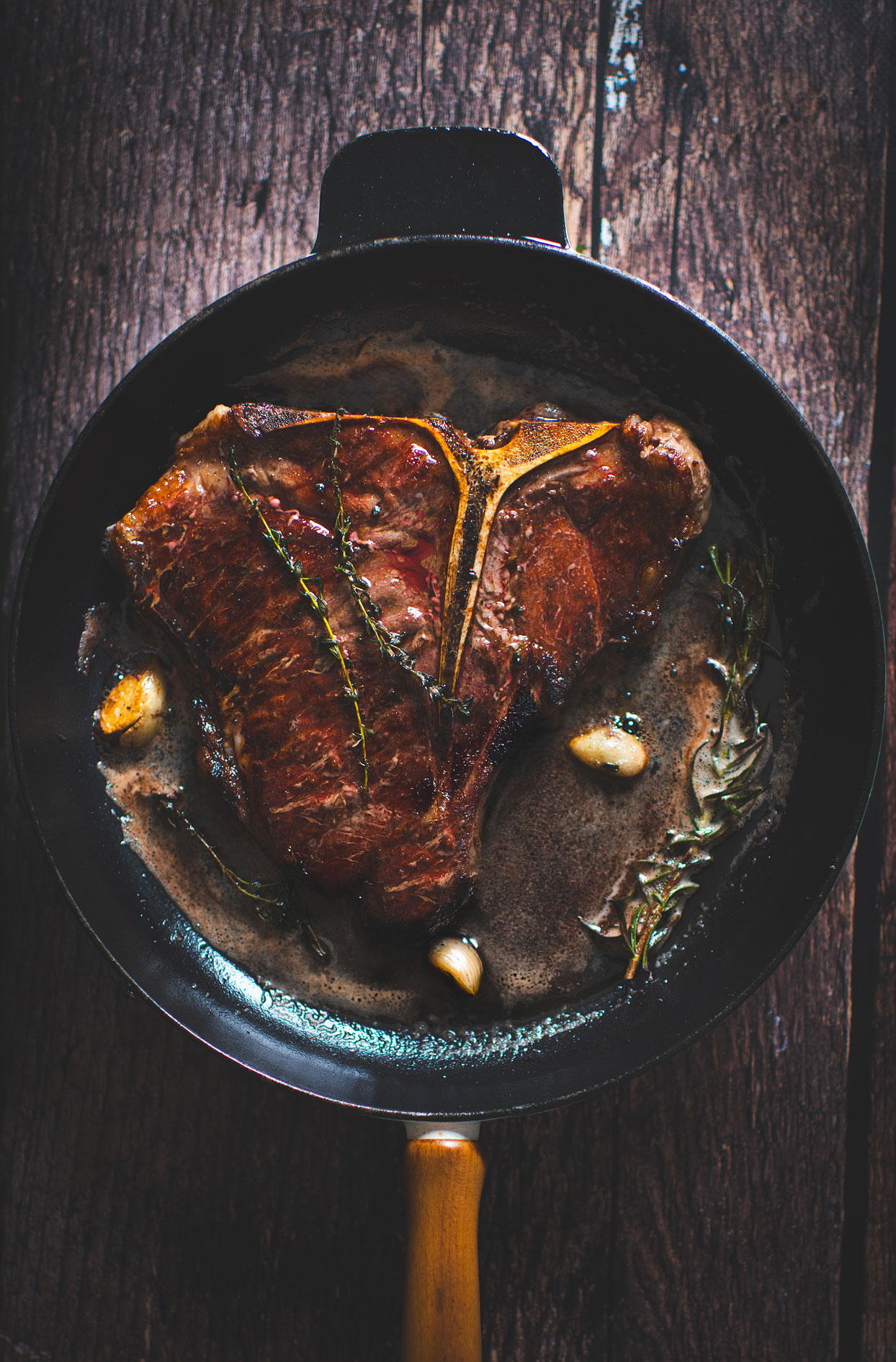
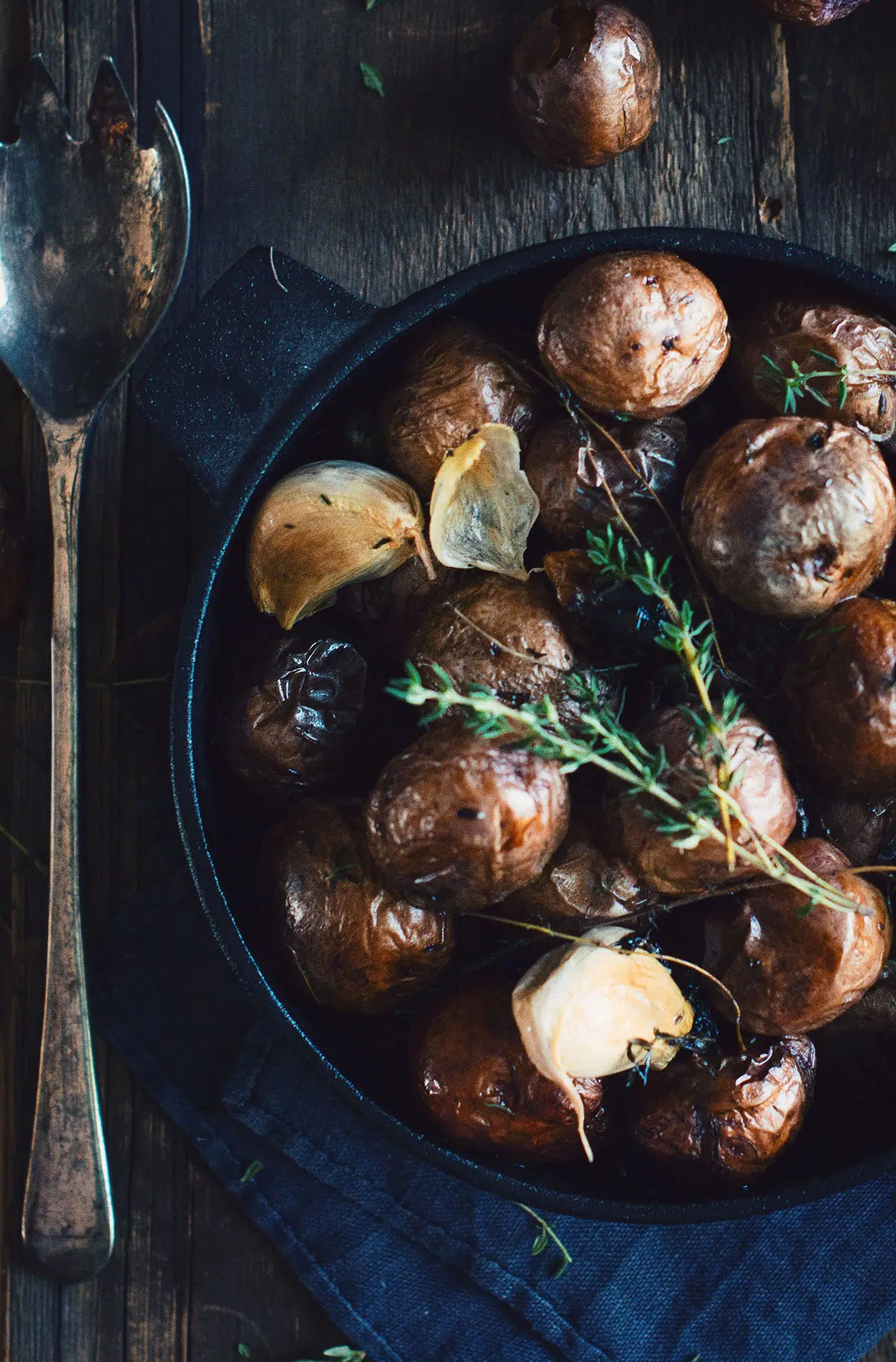
Its main calling is my oven-roasted beef rib steak with roasted garlic butter, but it does the same job on my Pan-seared beef T-bone with thyme and rosemary butter or any steak coming off cast iron. On the seafood side, it’s excellent with lobster and shrimp, in the same spirit as my Snow crab with garlic and herbs butter. Melted on Grilled corn with chipotle butter, on my Baby potatoes with roasted garlic and thyme or into Sautéed mushrooms in garlic butter and fresh herbs, it’s a knockout. And on scrambled eggs in the morning, that’s a secret I’m keeping to myself.
Ads
Roasted garlic
- 1 whole head of garlic
- 1 tbsp (15 ml) olive oil
Butter
- ½ cup (125 ml) unsalted butter, softened
- 2 tbsp (30 ml) fresh thyme, leaves picked
- 1 tbsp (15 ml) fresh rosemary, finely chopped
- 1 tsp (5 ml) fleur de sel
- Freshly ground pepper
Ads
Preparation
- Preheat the oven to 400 °F (200 °C). Cut the top off the head of garlic to expose the cloves, drizzle with olive oil and wrap in aluminum foil.
- Roast for 45 minutes, until the cloves are golden and creamy. Let cool slightly, then squeeze the head to push the pulp out of each clove.
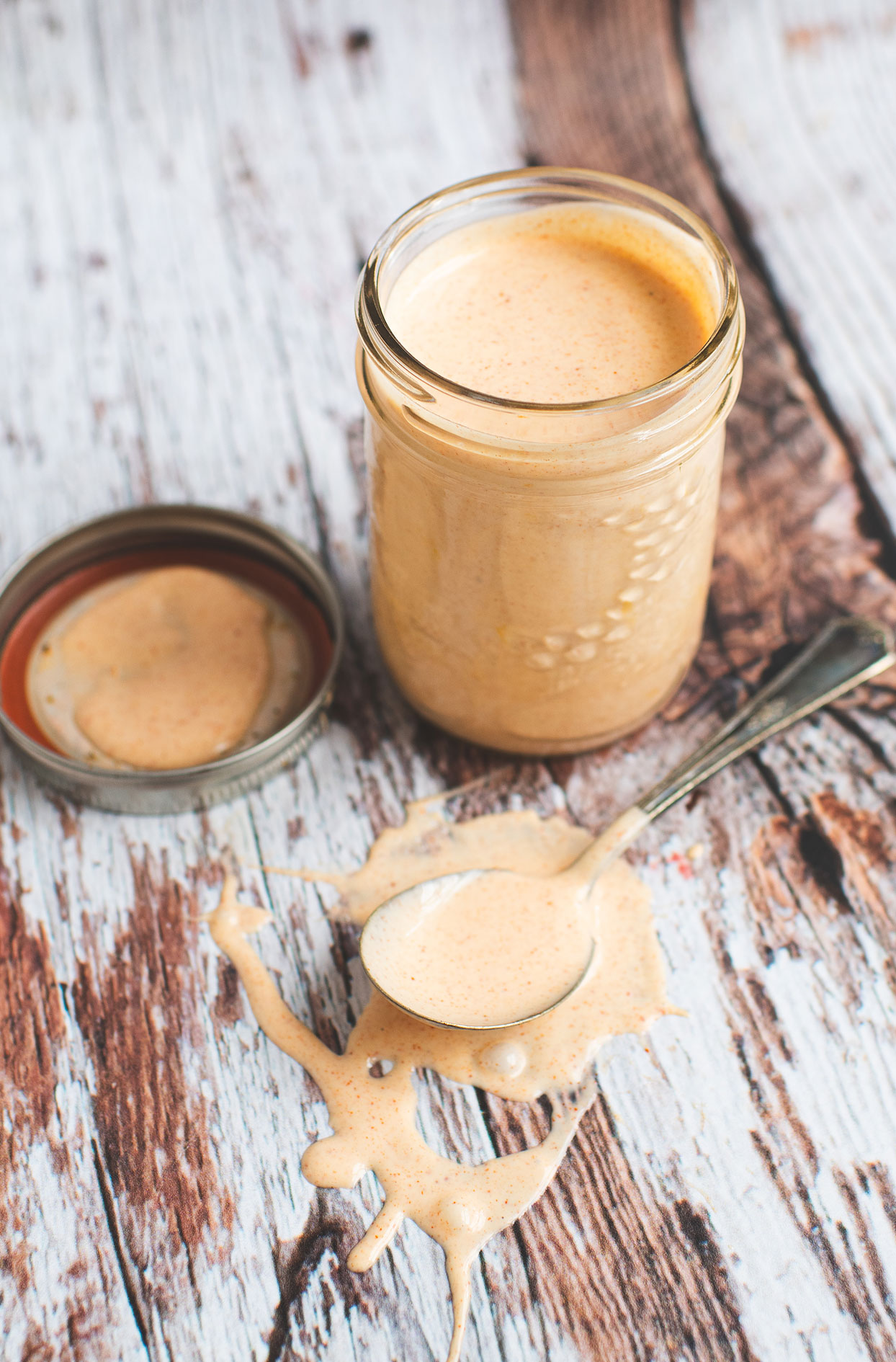
- Mash the garlic pulp with a fork into the softened butter, along with the thyme, rosemary, fleur de sel and pepper, until you get a smooth, uniform paste.
- Use immediately, or roll the butter into a log in plastic wrap and refrigerate.
It’s a two-step recipe and there’s nothing complicated about it. First you roast a whole head of garlic: cut the top off to expose the cloves, drizzle with olive oil, wrap in aluminum foil and roast for 45 minutes at 400 °F. Let it cool, then squeeze the head to push out the pulp, which slides right out of the skins on its own. Then you mash that pulp with a fork into softened butter, along with thyme, rosemary, fleur de sel and pepper, until you get a smooth paste. Ten minutes of active work in total. The one thing not to get wrong is that the butter must be softened. Never melted.
You can find it at grocery stores and cheese shops, but honestly, it’s the kind of product that’s really not worth buying. It costs a lot for what it is, most commercial versions use garlic powder or dehydrated garlic rather than fresh, and they contain preservatives that leave an aftertaste. A head of garlic costs less than a dollar and a block of butter is already in your fridge. With ten minutes of real work, you get a product that’s incomparable, and you can freeze it for three months. This is exactly the type of recipe where homemade crushes store-bought.
Whipped butter is simply a compound butter that’s been beaten for a long time to incorporate air, which makes it pale, light and much more voluminous. It’s the kind often served at restaurants with warm bread. To turn this recipe into a whipped version, prepare the butter as usual, then beat it with an electric mixer for three to four minutes at medium-high speed, until it almost doubles in volume and becomes light in colour. Keep in mind, though, that you’ll be diluting the intensity of the roasted garlic at the same time as you add air. For grilled meat, I strongly prefer the dense version.
About one week in the refrigerator, and up to three months in the freezer. The right method is to roll it into a log in plastic wrap as soon as it’s mixed, pressing firmly to push out any air. You can then slice off rounds as needed, directly from the frozen log, without having to thaw the rest. A round dropped on searing-hot meat melts in seconds anyway. If you’re keeping it in the fridge, take it out 15 to 20 minutes before serving so it softens back up and becomes spreadable.
On grilled and seared meats first and foremost: my oven-roasted beef rib steak with roasted garlic butter, which it was created for, my pan-seared beef t-bone with thyme and rosemary butter, or any steak. It’s also excellent with seafood, on lobster or shrimp, like in my snow crab with garlic and herbs butter. On the vegetable side, try it melted on grilled corn with chipotle butter or with my baby potatoes with roasted garlic and thyme, which share exactly the same flavour profile. And on scrambled eggs in the morning, you’ll understand why I always keep a log of it in the freezer.
Ads
Ads
Ads



Ads
Ads
Ads