

Homemade Sauerkraut Recipe (Mason Jar)
- Preparation 25 min
- Servings 2 liters
- Freezing I do not suggest
Ads
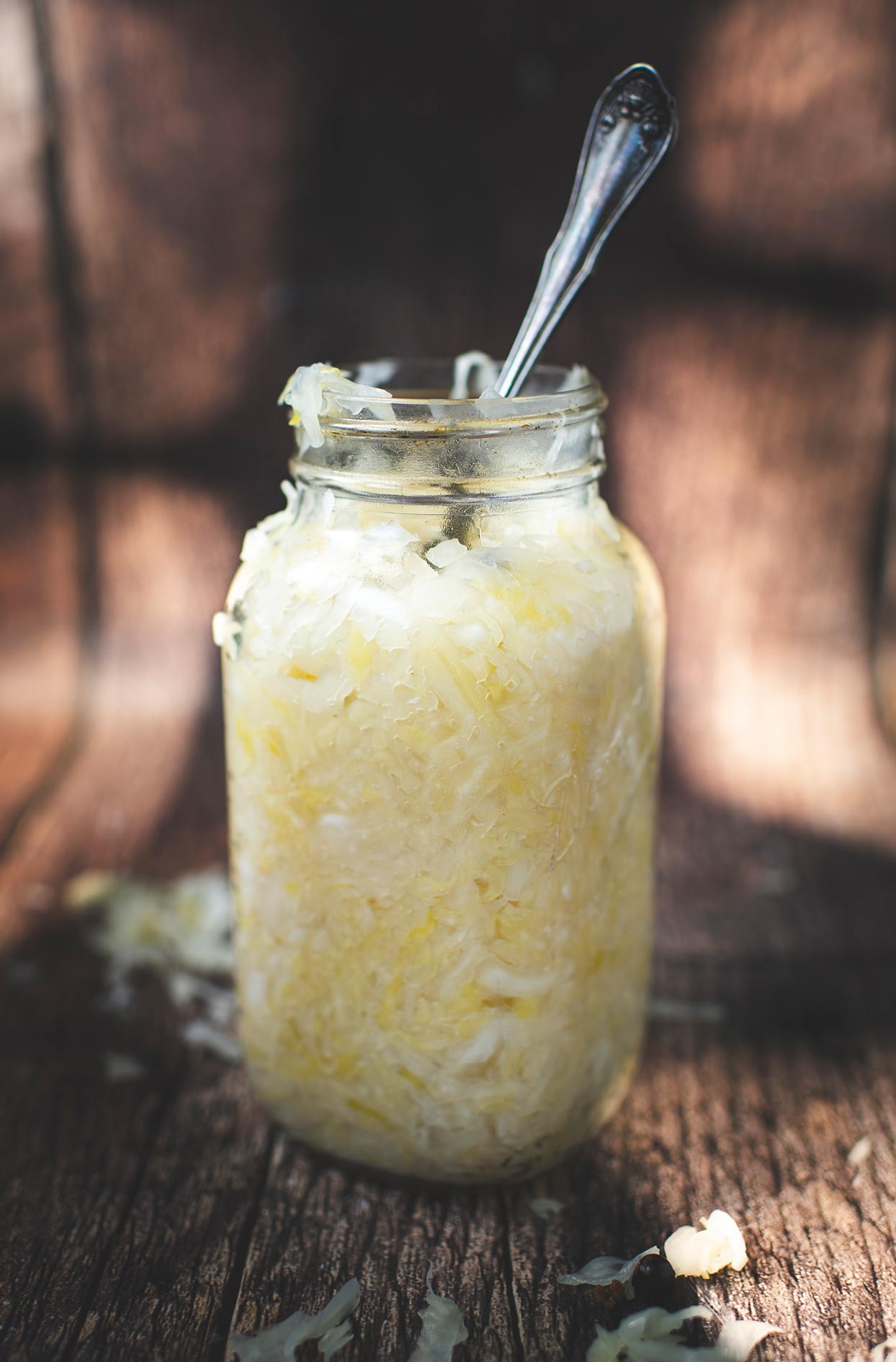
🥬 Crunchy homemade sauerkraut with a white wine kick!
I’m crazy about fermented food. I love it, love it, love it! So I wanted to make my own sauerkraut, and I’ll tell you right now, this won’t be the last fermented recipe you see from me. After seven days it still has plenty of snap: crunchy, tangy, with a winey note in the background that makes it something special. Pile it on hot dogs, on burgers, toss it in a salad, or just eat it straight out of the jar with a fork. Unreal.
💪 Fifteen minutes of massaging, not one less
This is where it all happens. As you massage, you slowly break down the cabbage, and the salt pulls the water out of it. That water becomes the brine your sauerkraut ferments in, no vinegar at all: this is lacto-fermentation, and the cabbage does all the work. At first it feels weird. The cabbage is hard and stiff and you wonder what you’re doing. Trust it! Set a timer, keep going, and after fifteen minutes it’s soft, it has shrunk down and there’s a real puddle of juice in the bottom of the bowl.
🍷 Sauvignon Blanc and juniper right in the jar
Most sauerkraut is cabbage and salt, period. I add a splash of white wine and juniper berries BEFORE it ferments, and it gives a depth of flavor plain cabbage just doesn’t have. Plan on two 1-liter Mason jars: in a single jar, mine barely fit and the brine overflowed several times. At seven days I loved it. At two weeks it was even better.
Ads
Ads
🔪 Use a mandoline for even strips
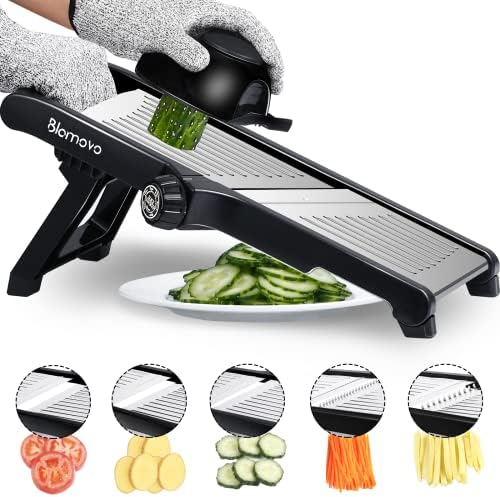
I strongly recommend it. Strips of the same thickness ferment at the same pace, so you don’t end up with raw chunks next to limp shreds. You can do it with a knife, but it’s slow and uneven. Cut the cabbage into quarters so it fits, and the mandoline gets through all of it in a few minutes. Just watch your fingers and use the hand guard.
🧂 Fine sea salt, not iodized table salt
Here’s why. Table salt contains an anti-caking agent that can make the brine cloudy, and iodine can darken the cabbage a little. It won’t make your sauerkraut unsafe, but it won’t look as good. Fine sea salt dissolves fast and has nothing else in it. The amount matters too: one tablespoon for a cabbage of about two pounds works out to roughly 2% of the weight, right where it should be for a safe ferment.
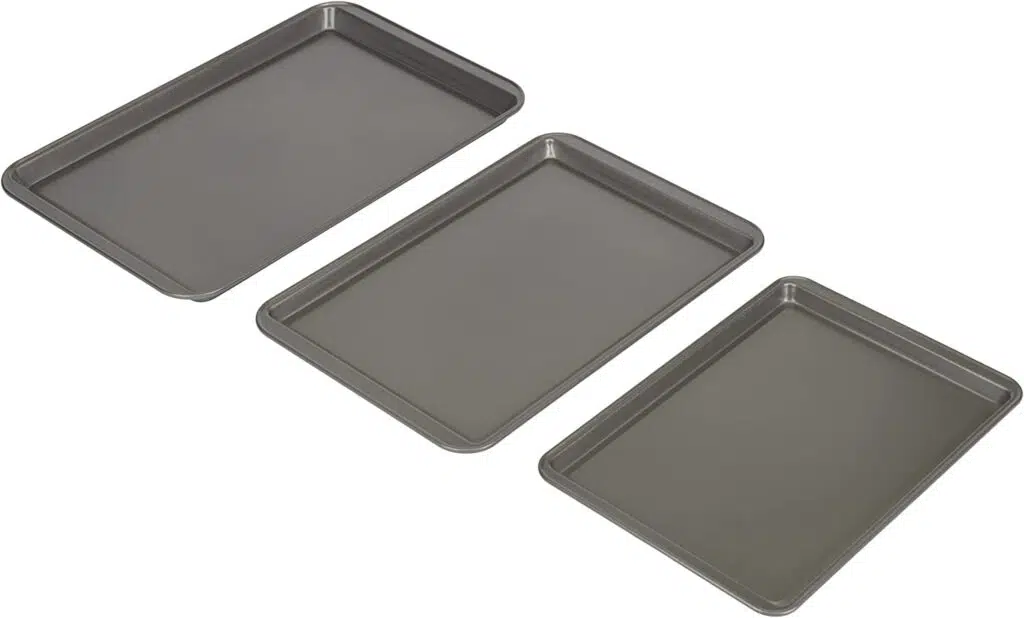
🫙 Two jars, and a baking sheet underneath
A cabbage this size in one 1-liter jar barely fits, and it overflows. Mine overflowed several times. Split it between two jars and set them on a baking sheet, you’ll thank me. And they don’t have to be Mason jars: any clean jar with a lid that closes will do.
💧 Keep the cabbage under the brine, every single day
I didn’t use a fermentation weight or cabbage leaves on top. I just packed the cabbage into the jar and checked on it daily. I’d open the lid to let the gas out, push the cabbage back under the liquid with a clean spoon and top it up whenever it ran low. Use salted water, one teaspoon of salt per cup: plain water would dilute the salt a little more every time. Cabbage exposed to air is what goes moldy, so that’s the one rule you can’t forget.
🟣 Red cabbage sauerkraut works too
Firm green cabbage is my pick, but the same method works with red cabbage or savoy cabbage. Red cabbage turns into a gorgeous sauerkraut and dyes all the brine. Pick one that’s firm and heavy for its size: that water inside the cabbage is what becomes your brine.
📅 Getting ahead
This recipe is already a make-ahead: plan one to three weeks before the day you want to serve it. The prep itself takes five minutes: jars washed and fully dry, salt measured, wine open, juniper berries out, timer ready and a baking sheet waiting on the counter. What can’t wait is the massaging: once the cabbage is sliced, massage it right away and pack it while it’s full of juice. On the day you’re feeding people, pull the jar from the fridge at the last minute and serve it cold, straight from the jar.
❄️ Fridge for months, never the freezer
Once refrigerated, your sauerkraut keeps for several months as long as it stays under its brine. The cold slows fermentation, so it keeps changing slowly. Always use a clean fork. I don’t freeze it: it loses its crunch, and the crunch is the whole point.
✅ What to serve with my homemade sauerkraut with white wine and juniper?
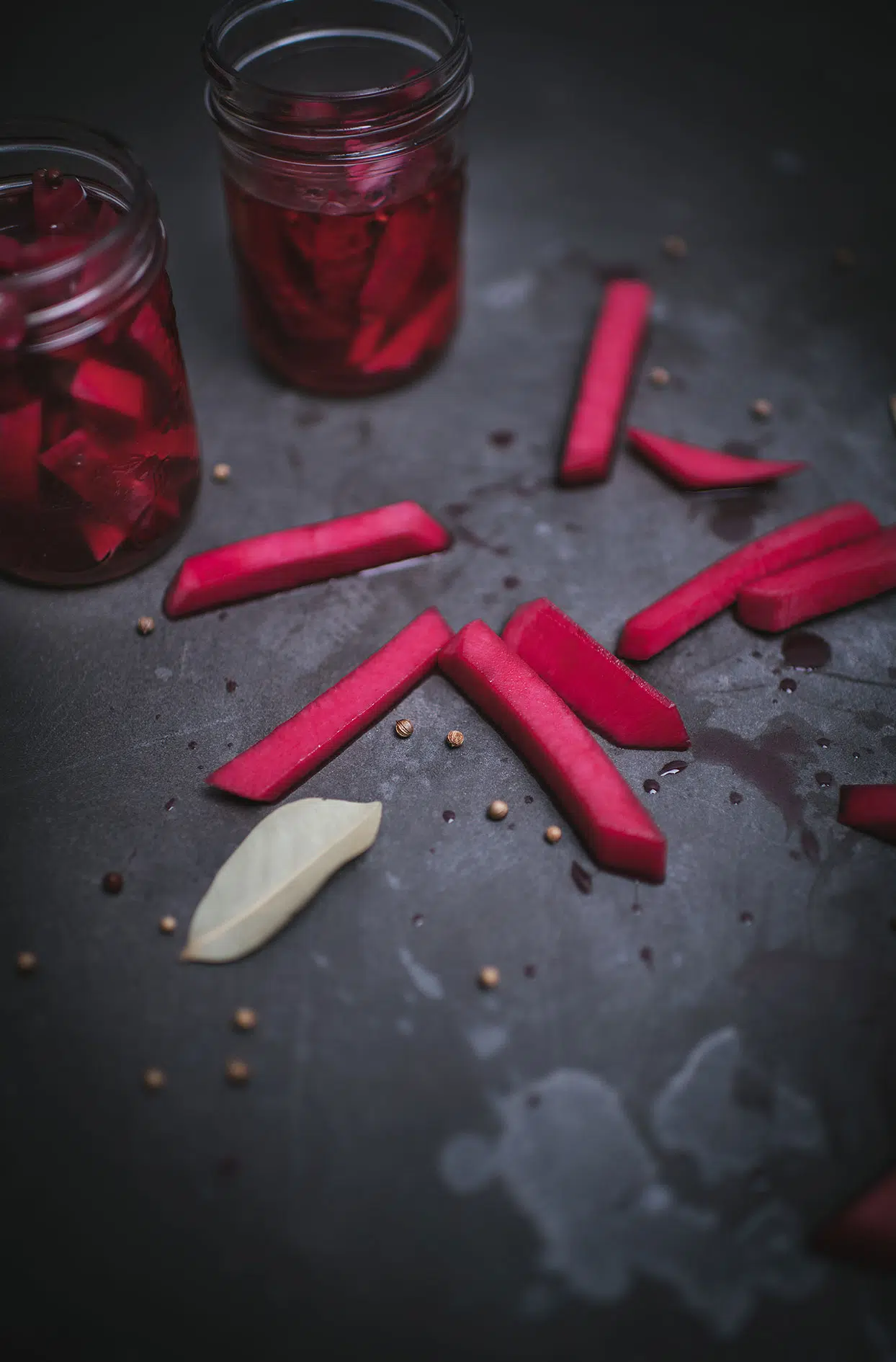
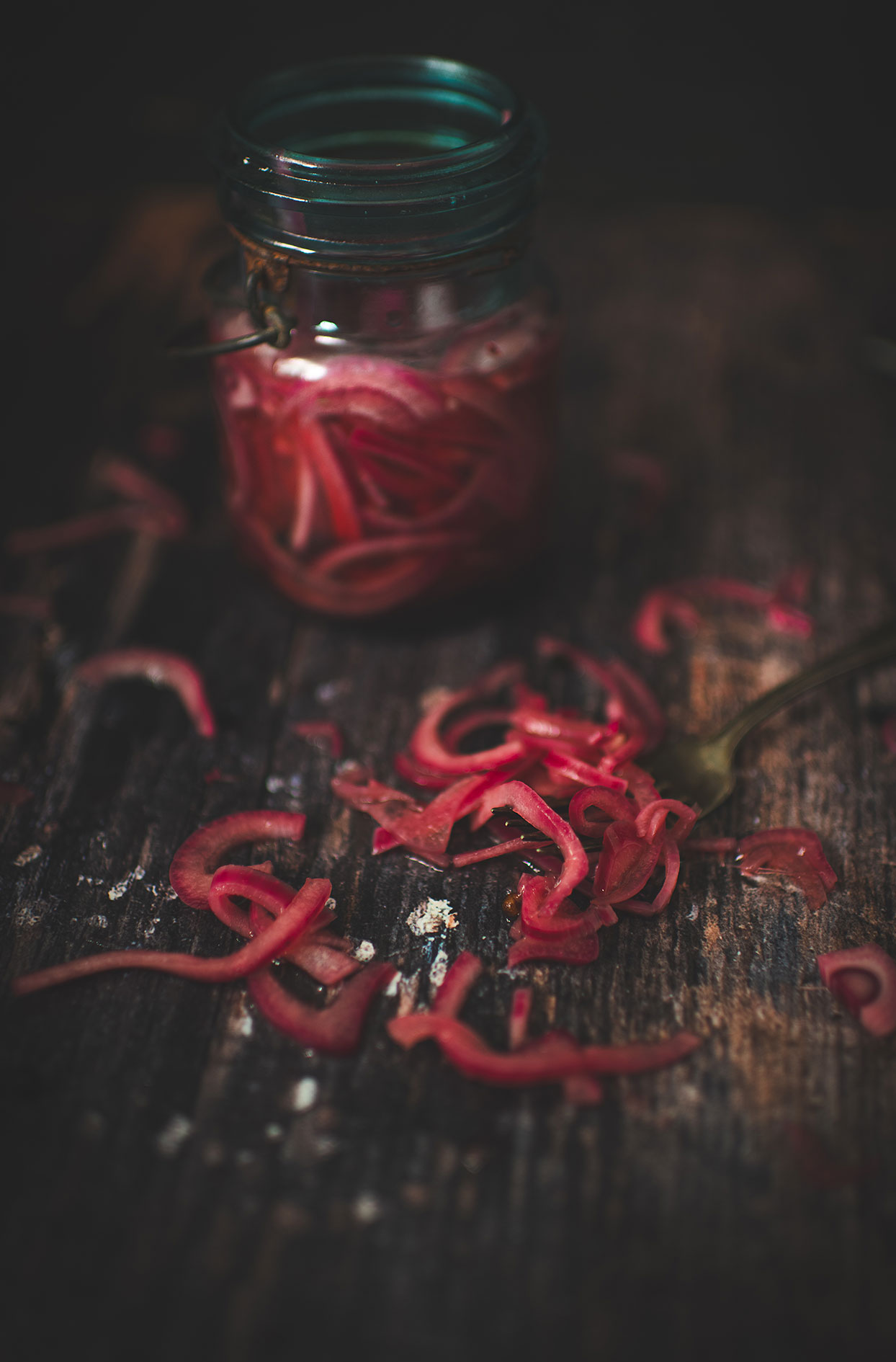
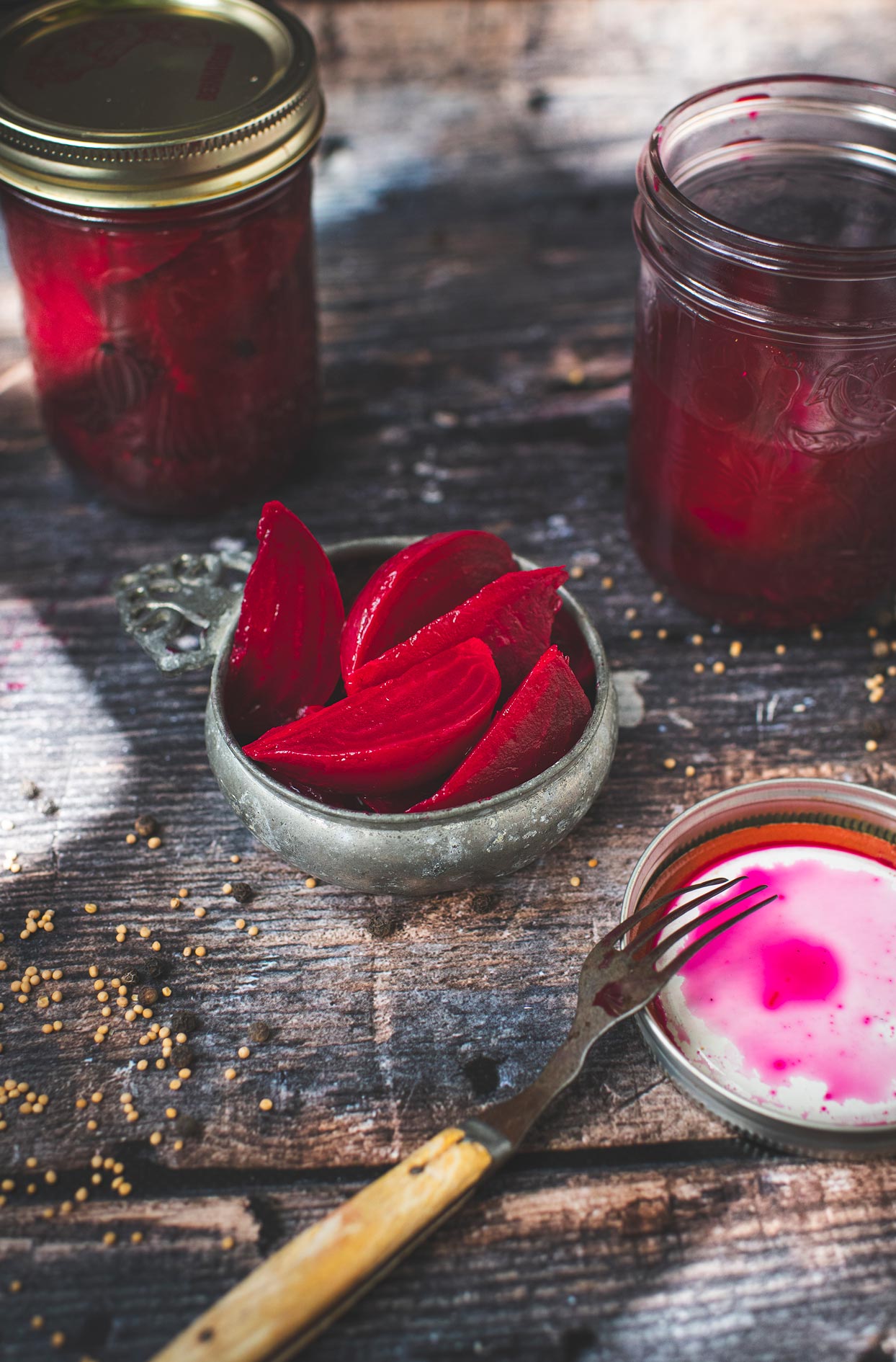
On a hot dog, it’s a classic nobody argues with: try it on my European hot dogs with bacon, smoked mayo and sharp cheddar. It’s just as good on my smash burger recipe, where the tang cuts through the beef, and next to my bratwurst sausages with leeks and beer. Otherwise, a handful in a salad, or just straight up as a snack. And if you like keeping homemade jars in the fridge, make my homemade pickled beets and my quick pickled red onions too.
Ads
Ingrédients
- 1 firm green cabbage (about 2 lb / 900 g)
- 1 tbsp (15 ml) fine sea salt
- ¼ cup (60 ml) dry white wine, ideally Sauvignon Blanc
- 1 tsp (5 ml) juniper berries
- ½ tsp (2 ml) caraway seeds (optional)
- Salted water, as needed (1 tsp (5 ml) fine sea salt per cup (250 ml) water)
Ads
Preparation
- Remove the large outer leaves of the cabbage. Cut the cabbage into quarters, remove the hard core and slice very thinly on a mandoline so all the strips are the same thickness.
- Place the cabbage in a large bowl, sprinkle with the salt and massage vigorously with your hands for 15 minutes, with a timer running. At first the cabbage is hard and stiff; by the end it’s soft and a lot of liquid has collected in the bottom of the bowl.
- Add the white wine, juniper berries and caraway seeds, then mix well.
- Divide the cabbage between two clean 1-liter Mason jars, a small handful at a time, packing it down firmly with a tamper or your fist to push out the air and bring the liquid up. Pour the juice from the bowl over the top. The liquid must completely cover the cabbage; if it doesn’t, add a little salted water.
- Close the lids loosely and set the jars on a baking sheet, because the brine will overflow. Let ferment at room temperature, out of direct sunlight.
- Every day, open the jars to let the gas escape, press the cabbage back down under the liquid and add a little salted water as needed to keep it covered.
- Taste after 5 to 7 days. Refrigerate as soon as the tangy, winey flavor is where you like it, or let it ferment up to 3 weeks for a stronger sauerkraut.
It depends on how you like it. At seven days, mine was already excellent, still crunchy and nicely tangy. At two weeks it was even better, and you can let it go up to three weeks for a stronger flavor. Food preservation guides call for three to four weeks for a fully fermented sauerkraut; a younger one is milder and crunchier, and it’s delicious.
Homemade sauerkraut that hasn’t been pasteurized or cooked contains live lactic acid bacteria, what people call probiotics. It also brings fiber and vitamin C, like the cabbage it’s made from. Keep in mind that heat kills the live bacteria, so eat it cold to get them. It’s not a miracle cure, but it’s good food that tastes great.
Cold, as a condiment: on a hot dog, on a burger, in a salad, or straight from the jar as a snack. That’s how I eat it most. Hot, it’s the base of classic braised dishes where it simmers with sausages and pork. For an easy start, serve it with my bratwurst sausages with leeks and beer.
It won’t make it unsafe, but I don’t recommend it. Iodized table salt contains an anti-caking agent that can cloud the brine, and the iodine can darken the cabbage a bit. Fine sea salt, or any pure salt with no additives, gives you a clear brine and a better-looking sauerkraut. Whatever you use, measure it: about 2% of the cabbage’s weight.
A flat, matte white film on top of the brine is usually a harmless surface yeast: skim it off with a spoon and keep going. Fuzzy, raised mold that’s green, black, blue or pink is a different story, and you throw out the whole jar. To avoid both, always keep the cabbage under the liquid and open the jar with clean hands and utensils.
Several months, as long as the cabbage stays under its brine. The cold slows fermentation right down, so it keeps getting a little tangier over time. Always serve it with a clean fork, and put the lid back on right away. I don’t freeze it, because it loses its crunch.
Ads
Ads



Ads
Ads
Ads