

Pico de gallo
- Preparation 10 min
- Refrigeration 30 min
- Servings 3 cups
- Freezing I do not suggest
Ads
🌶️ The pico de gallo that completes my mexican trio
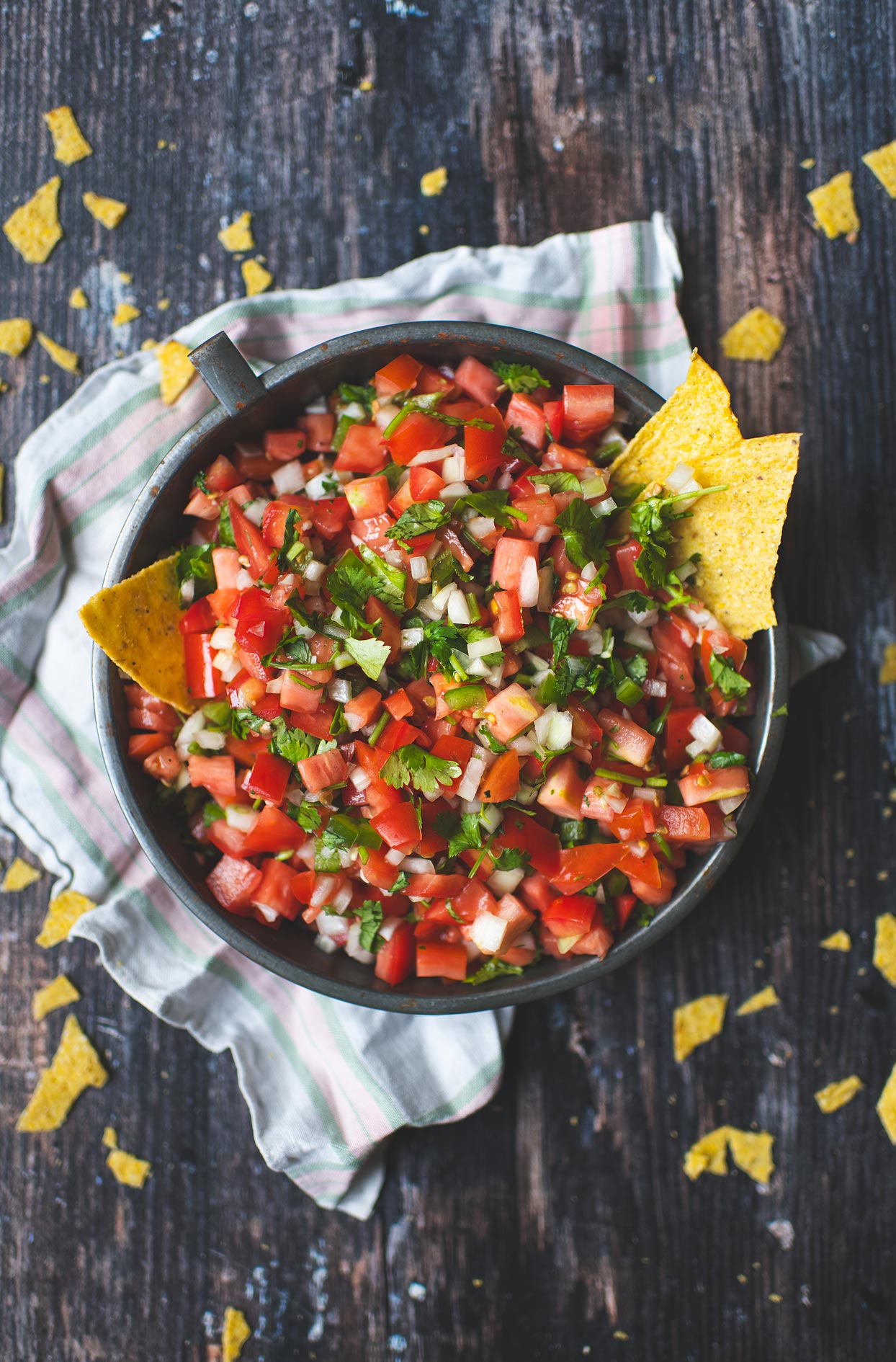
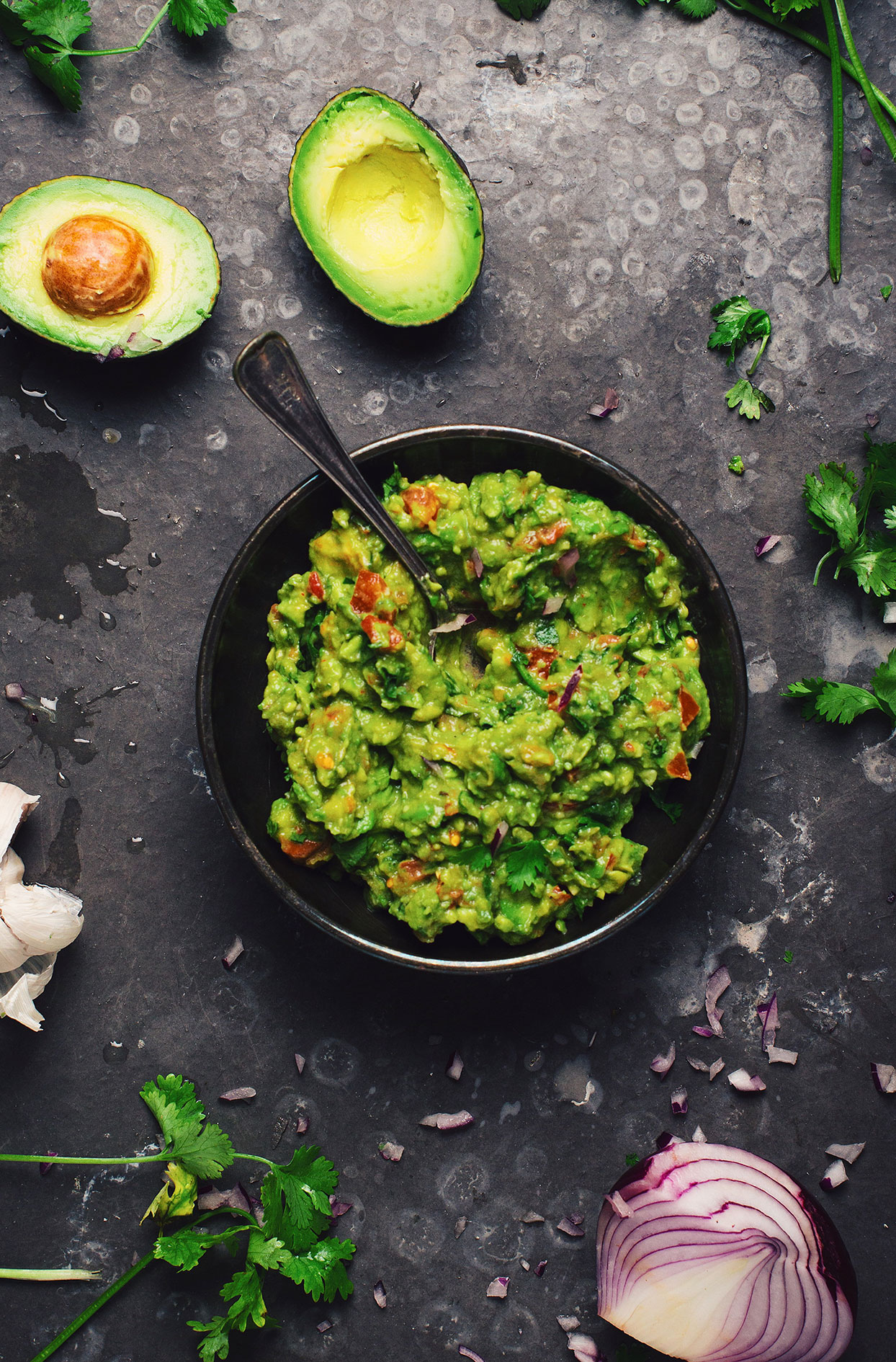
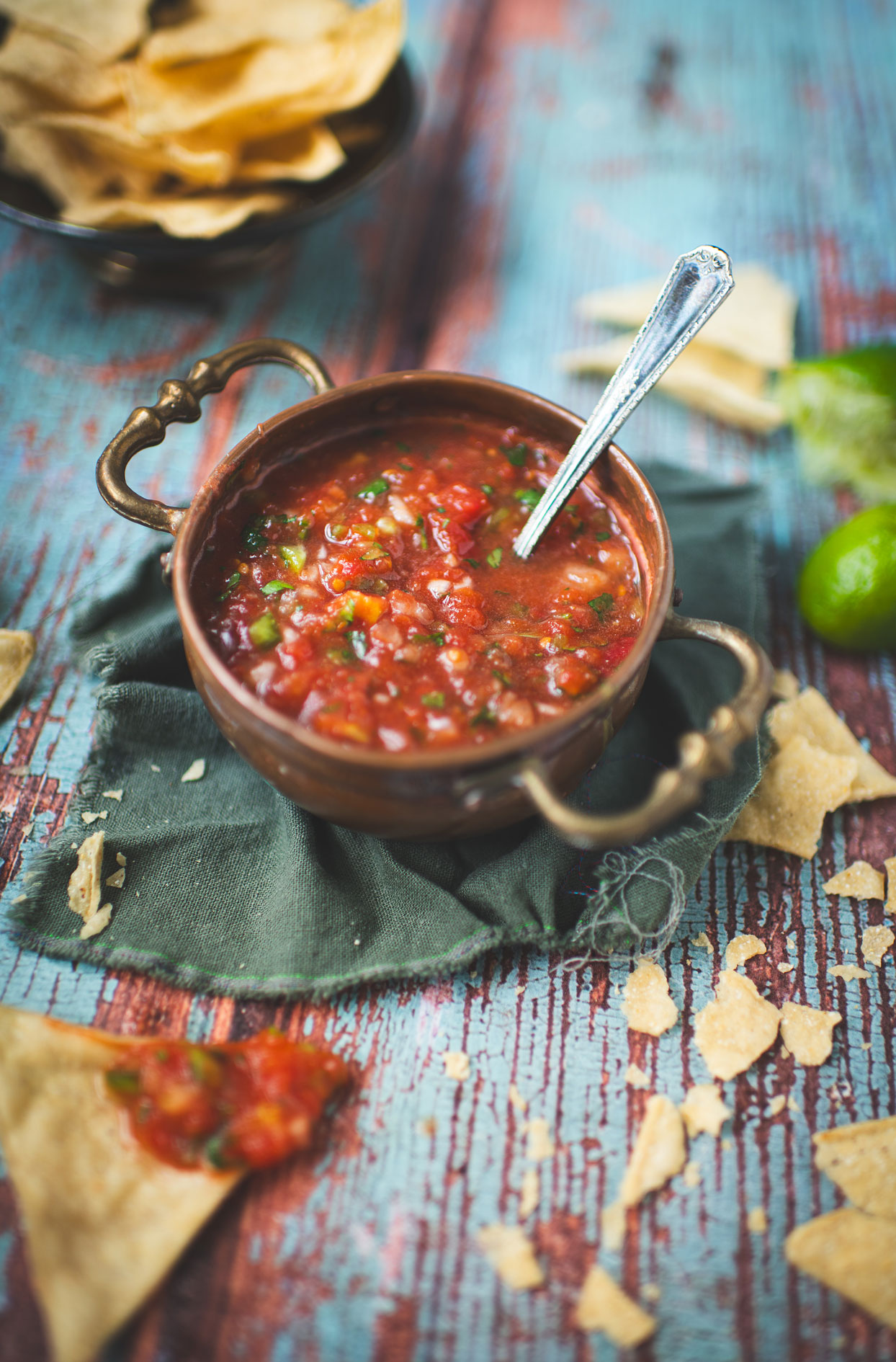
I love pico de gallo. It’s just so damn good. A fresh raw salsa with big chunks of Roma tomatoes, generous cilantro, jalapeño that packs just the right heat, and lime that wakes everything up. This is the recipe that completes my essential Mexican trio with my homemade guacamole and my traditional mexican salsa. You’ve got all three on the table next to a bowl of corn chips, your guests are in a trance, your party is already won.
🧄 My signature twist: microplane-grated garlic
What sets my version apart from all the classic recipes you see online is the addition of one garlic clove grated on a microplane. Garlic is good in everything, so I added some. The microplane allows the garlic to distribute evenly throughout the salsa without leaving big chunks that dominate each bite. It brings a subtle umami depth that elevates the pico de gallo above the classic tomato-onion-cilantro. Combined with my secret of draining the tomato juice beforehand and letting it rest 30 minutes in the fridge, you get a fresh salsa that doesn’t make water in the bottom of the bowl and tastes deeply.
🍅 Fresh salsa in 10 minutes, ultra flavorful
pico de gallo is the fastest side dish to make and one of the most versatile that exists. 10 minutes of prep, 30 minutes in the fridge, and you have a condiment that elevates absolutely everything it touches. Serve it on grilled fish, on a beautiful BBQ meat cut, in tacos, fajitas, nachos, on scrambled eggs at breakfast or simply with corn chips as an appetizer. It’s mind-blowing how something so simple can transform an ordinary meal into a Mexican feast.
Ads
Ads
🍅 Drain the juice from Roma tomatoes (no need to seed)
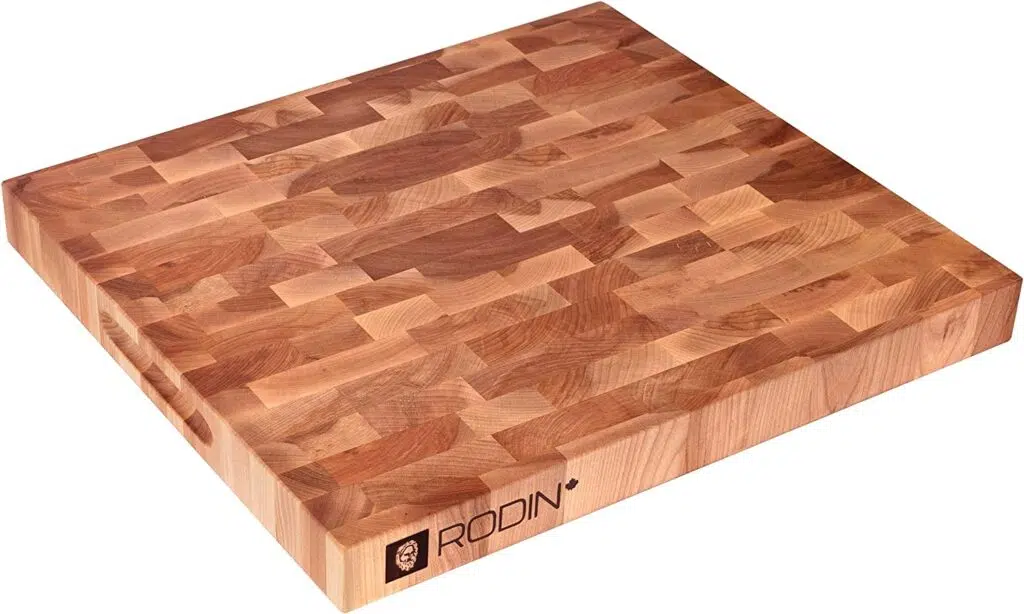
I don’t seed my tomatoes. It’s too much hassle for not much benefit. Instead, I cut the tomatoes in half and let the water run onto the cutting board. I then collect the liquid that remains inside the tomatoes by gently shaking them over the board. Once well drained, I cut into small dice. This quick method removes 80% of the excess water and guarantees you a pico de gallo that doesn’t swim in its juice at the bottom of the bowl.
🧄 Microplane-grated garlic, my signature twist
This is my personal touch that distinguishes this recipe from all the classic versions. One garlic clove grated on a microplane distributes evenly throughout the salsa and brings subtle umami depth without dominating or leaving big chunks. If you chop it finely with a knife, it’s OK but you’ll have bites where the garlic attacks too hard. The microplane remains my tool of choice. It’s life-changing for sauces, vinaigrettes and salsas.
🌿 Generous cilantro, packed
One cup (250 ml) of fresh cilantro packed is generous and it’s intentional. Well packed, that represents about ½ bunch of cilantro from the market. Cilantro is what gives pico de gallo that fresh herby side typically Mexican. Never use less. If you don’t like cilantro (it happens because of a gene that makes it taste like soap), replace with flat Italian parsley. It’s not authentic but it’s still very good.
🌶️ ½ seeded jalapeño for family-friendly heat
Half a seeded jalapeño is the perfect dose to have subtle heat that wakes up the salsa without making your sensitive guests cry. If you like spice, keep some seeds (that’s where the capsaicin concentrates) or go up to 1 whole jalapeño. For a really spicy version, replace with a serrano pepper (spicier and more fragrant than jalapeño). For a no-heat version, simply skip.
⏰ Refrigerate 30 minutes minimum
This is the step we’re tempted to skip and that you should NOT skip. The 30 minutes in the fridge allow the flavors to marry. The lime juice permeates the tomatoes, the garlic diffuses its aroma, the cilantro releases its oils. Without this resting time, you’re eating a chopped salad. With it, you’re eating real pico de gallo. If you can make it 2-3 hours ahead, it’s even better.
🥭 Tropical variation: add mango
For a softer, more tropical summer version, add ½ ripe mango in small dice when combining the ingredients. The sweet-tart mango balances the jalapeño heat and lime freshness. Magnificent combo with grilled fish or shrimp. Note that I’m going to make a dedicated mango salsa recipe later, so stay tuned.
🍍 BBQ variation: grilled pineapple
To push the barbecue side this summer, add ½ cup grilled pineapple in small dice. Grilled pineapple brings a smoky caramelized note that pairs beautifully with fresh tomatoes and onion. It’s my favorite variation to accompany my Grilled beef tacos or BBQ fish.
✅ What to serve with my pico de gallo?
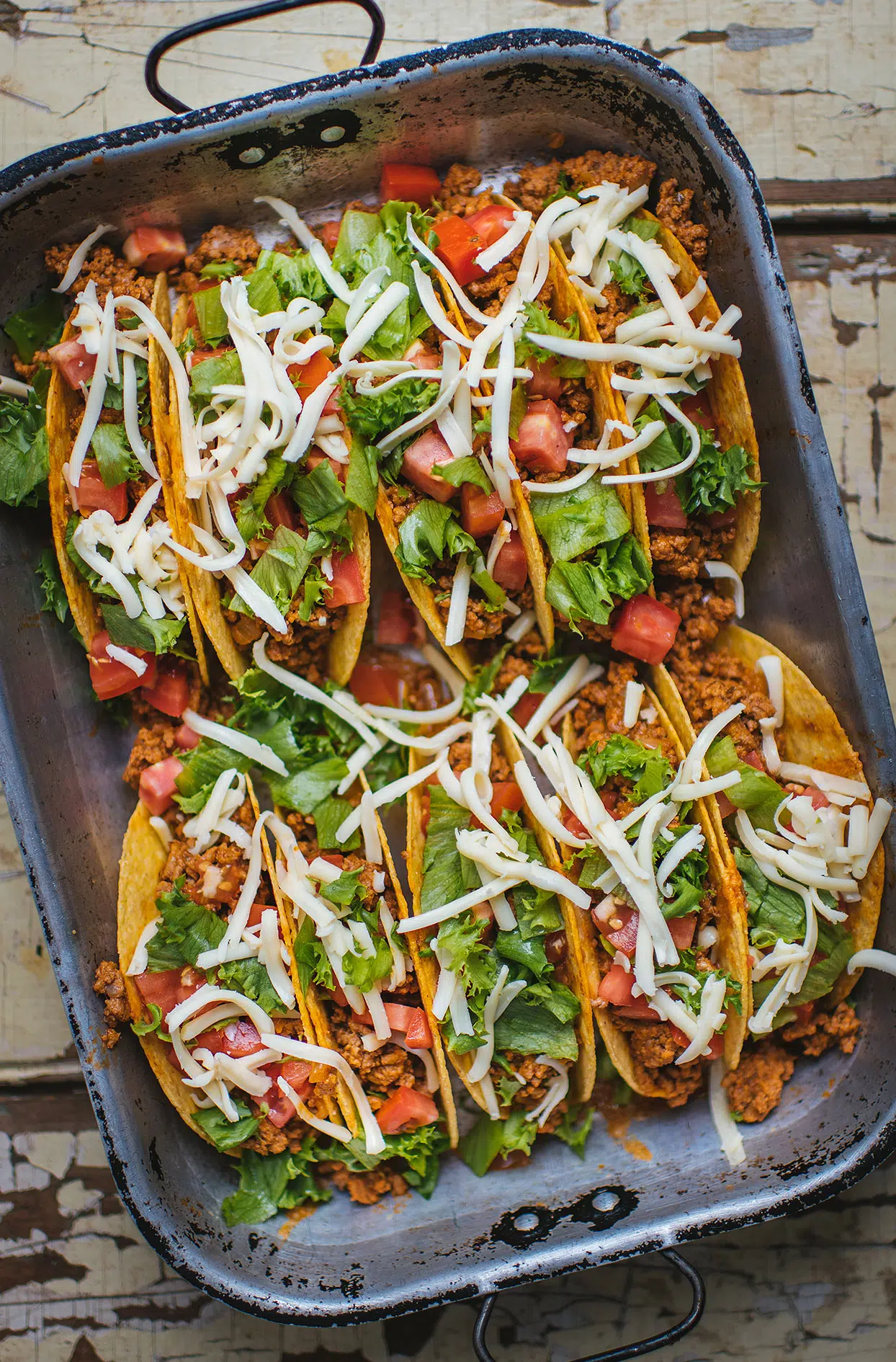
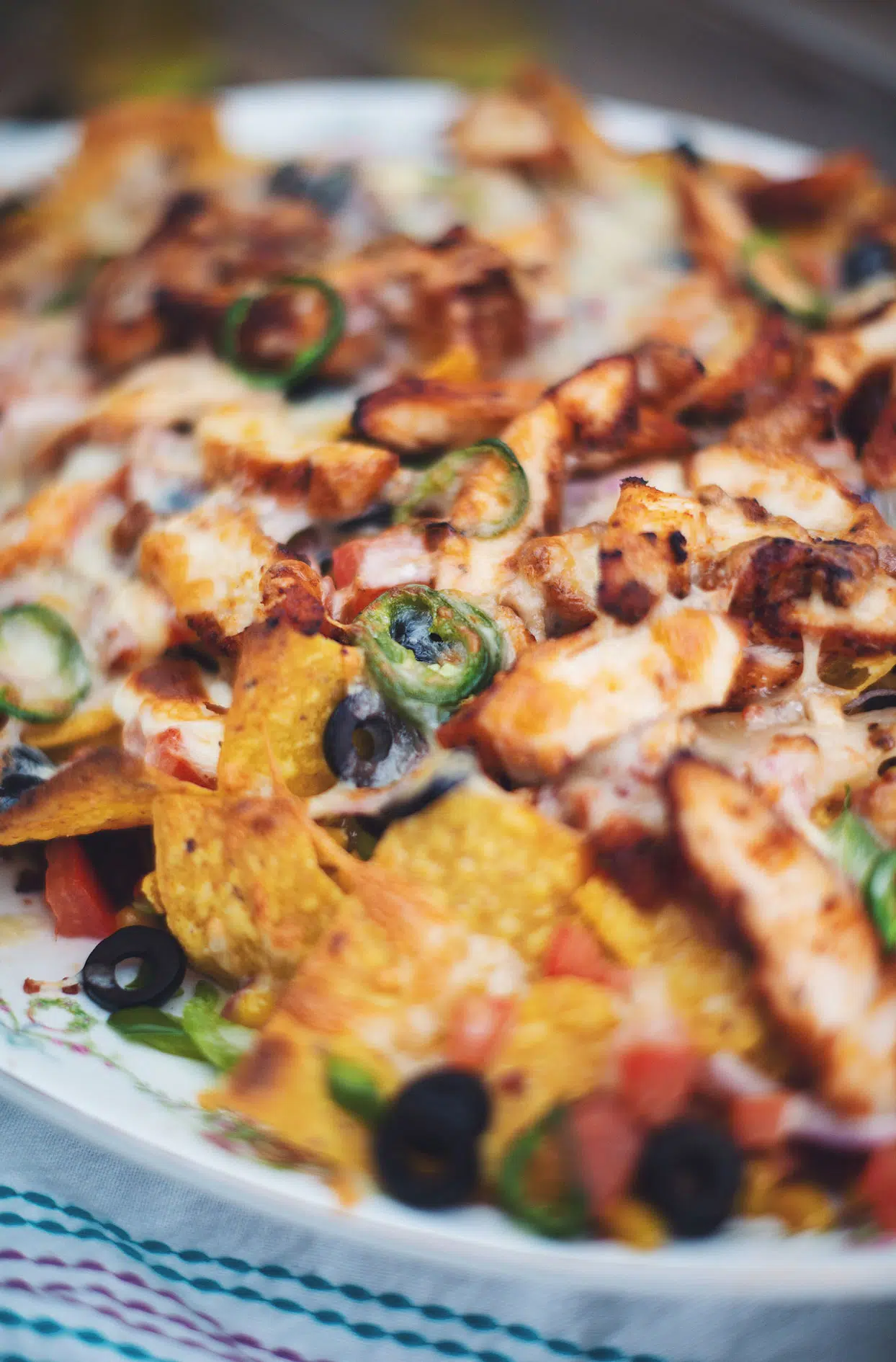
My pico de gallo invites itself everywhere. Bring it out as an appetizer with a bowl of corn chips and my Homemade guacamole to complete the Mexican trio. As a side, it’s divine on my Legendary Beef Tacos, my Supreme Nachos with BBQ Chicken, my Beef fajitas with lime and beer marinade or my Fish tacos with green apple salsa. It’s also mind-blowing on a simple grilled meat cut on the BBQ, baked fish, or on scrambled eggs for Mexican breakfast.


Ads
Ingredients
- 5 Roma tomatoes, diced (juice drained)
- ½ white onion, chopped
- 1 cup (250 ml) fresh cilantro packed, chopped
- ½ jalapeño, seeded and finely chopped
- 1 garlic clove, grated on microplane
- ¼ tsp (1 ml) salt
- Juice of 1 lime
Ads
Preparation
- Cut the Roma tomatoes in half and drain the water that runs out. Collect the liquid that remains on the cutting board by gently shaking the tomatoes to extract it. Then cut the tomatoes into small dice.
- In a bowl, combine the drained tomatoes, onion, cilantro, jalapeño, grated garlic, salt and lime juice. Mix gently.
- Taste and adjust salt as needed.
- Refrigerate for at least 30 minutes before serving to let the flavors develop.
Pico de gallo is a fresh and RAW Mexican salsa traditionally composed of tomatoes, onion, cilantro, jalapeño and lime juice. It’s the Latin equivalent of a chopped salad full of flavors, served as a condiment or dip. Unlike classic red salsa which is blended or cooked and has a smooth texture, pico de gallo keeps all ingredients chopped in small distinct pieces. That’s what gives it its fresh and crunchy texture. My version adds my signature twist: one garlic clove grated on a microplane for subtle umami depth.
Pico de gallo is traditionally spicy but moderately. The heat level depends entirely on how much jalapeño you use and whether you keep the seeds or not. My version with ½ seeded jalapeño is family-friendly. Subtle heat that wakes up the salsa without making your guests cry. To push the spice, keep the jalapeño seeds (capsaicin concentrates there), go up to 1 whole jalapeño, or replace with a serrano pepper. For a no-heat version, simply skip the jalapeño. Pico de gallo remains delicious.
“Pico de gallo” literally means “rooster’s beak” in Spanish. Several theories exist about the name’s origin. The most popular says that the sauce stings the palate like a bird’s beak peck. Another theory suggests that the pieces of fruit or tomatoes visually resemble rooster beaks in the bowl. Pico de gallo has been a classic of Mexican cuisine for centuries, served as a condiment throughout the country, on tacos, fajitas, grilled meats, fish and with corn chips as an appetizer.
Pico de gallo keeps for 3 days maximum in the refrigerator in an airtight container. Beyond that, the tomatoes become watery and the cilantro oxidizes, losing its bright green color and fresh aroma. Pico de gallo is designed to be consumed fresh. That’s its whole charm. If you see liquid accumulating in the bottom of the container after 1-2 days, it’s normal. Simply drain before serving. To prepare ahead, ideally make it in the morning for dinner that evening.
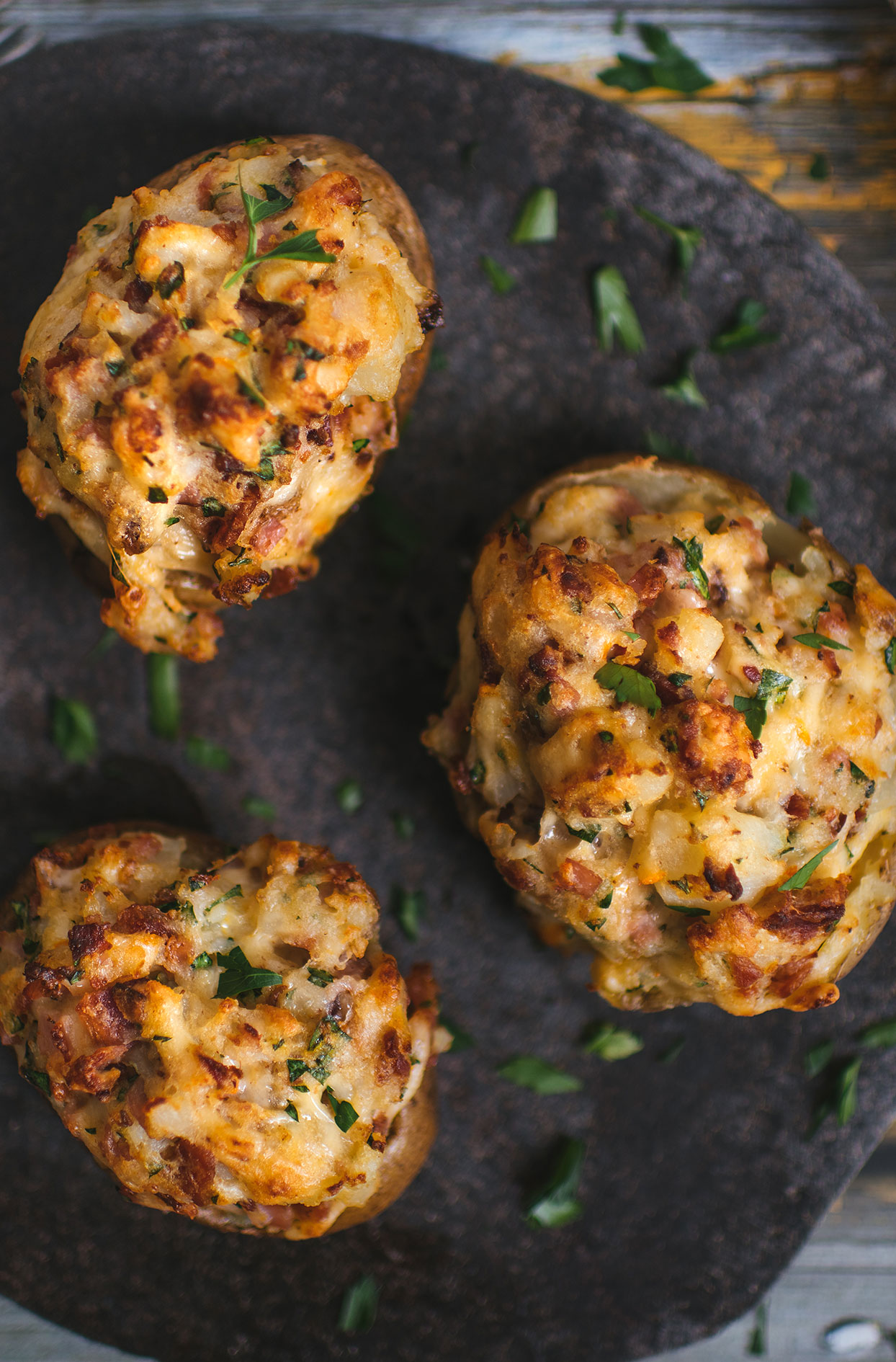
Pico de gallo is the most versatile side dish in the Mexican repertoire. As an appetizer, bring it out with a bowl of corn chips and my homemade guacamole to complete the essential Mexican trio. As a side, serve it on my legendary beef tacos, my supreme nachos with bbq chicken or my beef fajitas with lime and beer marinade. It’s also divine on a grilled meat cut on the BBQ, on a fish fillet baked in the oven, or on scrambled eggs for Mexican breakfast.
Ads
Ads
Ads
Ads
Ads
Ads