

Homemade honey Dijon mustard dressing
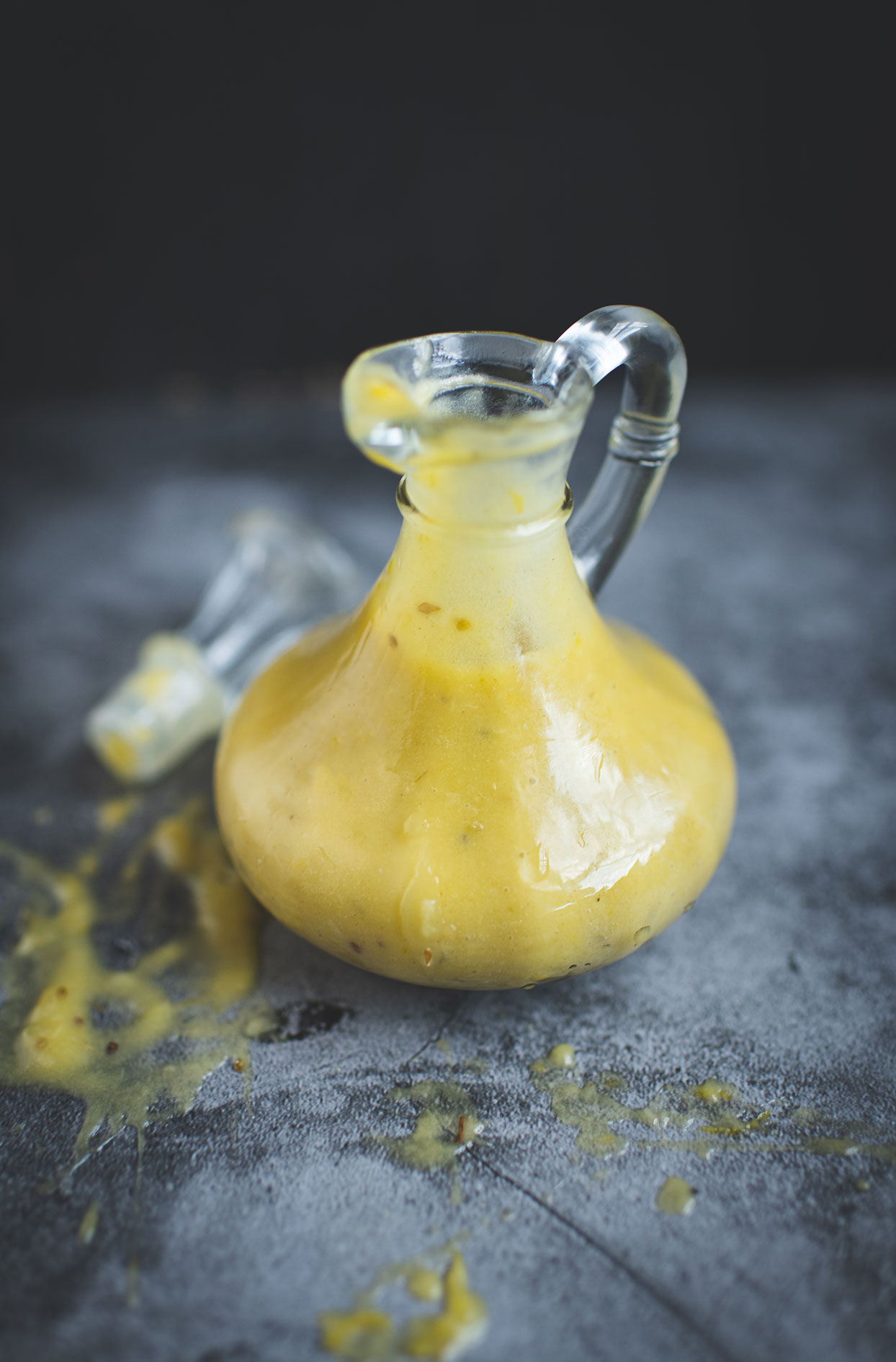
- Preparation 5 min
- Servings 1 cup
- Freezing I do not suggest
Ads
🍯 The dressing I make more than any other
This one was supposed to be a supporting act. I built it for my crunchy sugar snap pea salad and it walked off with the whole show. Dijon, honey, lemon, good olive oil, whisked until it turns pale and thick. No mayonnaise anywhere in it, which surprises people who grew up on the bottled stuff. There’s a jar of it in my fridge most weeks and it never lasts to Sunday.
🌿 Dried oregano is the part nobody sees coming
Honey and Dijon is a settled argument. Everyone makes some version of it, and most of them taste like each other.
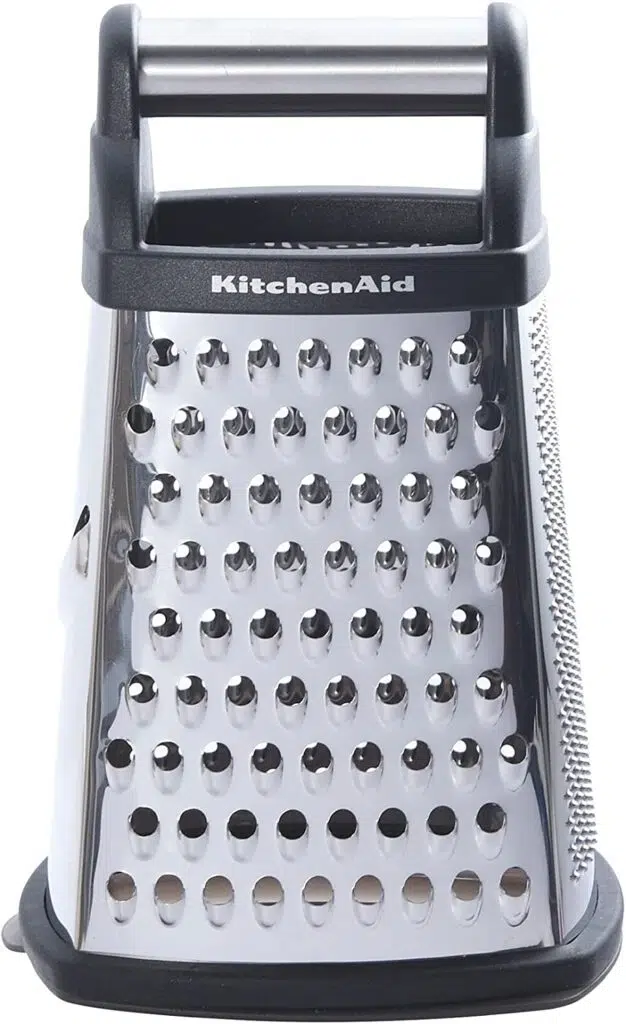
The oregano was a last-second decision. I wanted something Mediterranean in there and I wasn’t going to send anyone to the store for it, so I reached for the jar of dried oregano that has been in my pantry, and yours, since forever. It’s the one ingredient that turns this from a generic honey mustard dressing into mine. Dried, not fresh, on purpose: dried oregano is concentrated and slightly dusty in a way that suits an oil-based dressing much better than the leafy freshness of the fresh stuff. The garlic matters too, but only if you grate it on a Microplane instead of chopping it. Grated, it disappears into the oil and lands on every leaf.
🥗 Salad is where it starts, not where it ends
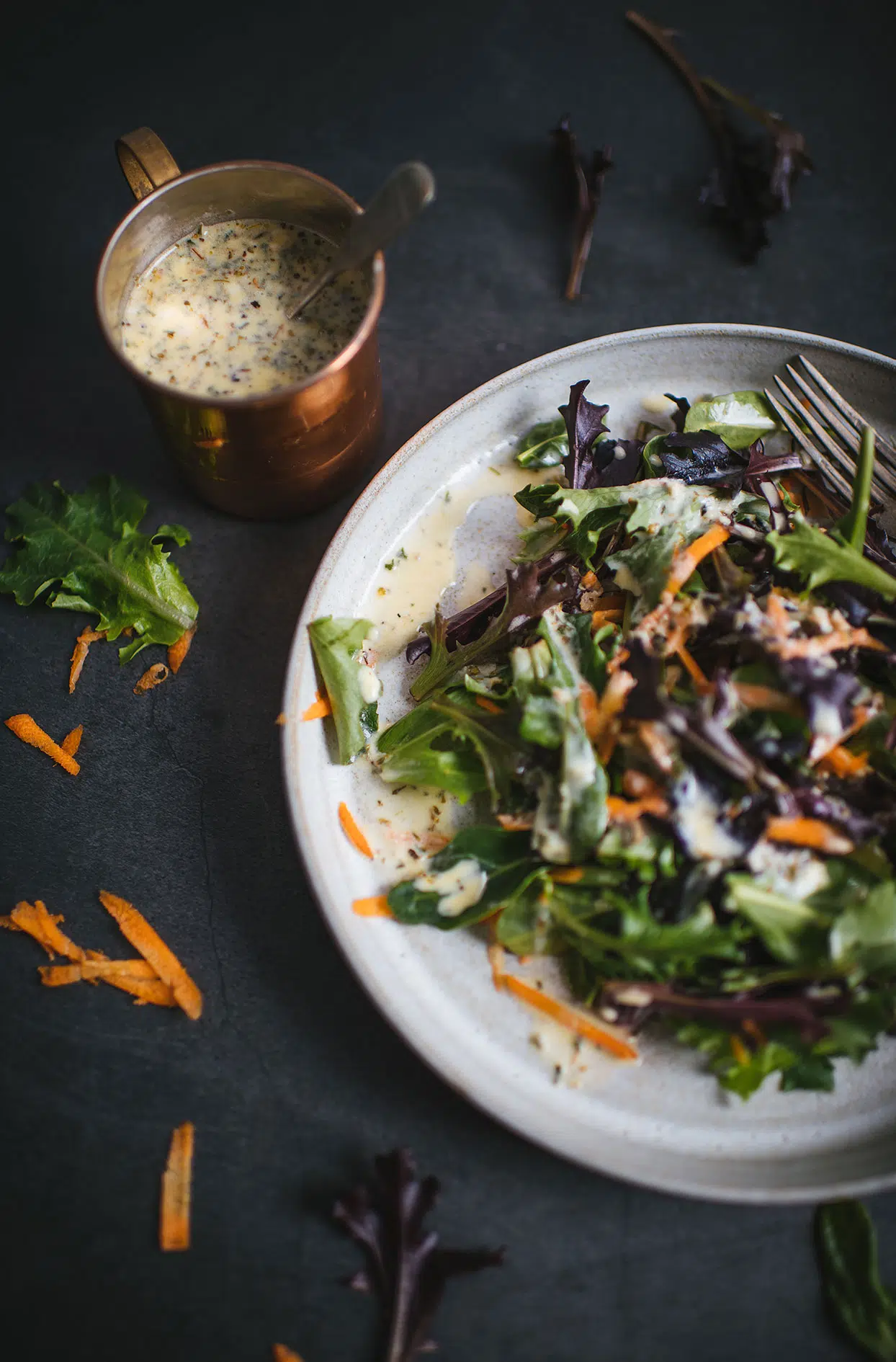
Kale, arugula, shaved cabbage, romaine that can take a heavy coat. Then keep going: warm roasted carrots, grilled asparagus straight off the grate, a bowl of barley and beets, a potato salad that could use waking up. Because it’s built on olive oil rather than mayonnaise, it also works as a marinade, which mayo-based dressings simply can’t do. Thirty minutes on chicken thighs before they hit the grill is all it takes. It thins with a splash of warm water and sharpens with more lemon, so you can bend it toward whatever you’re putting it on.
Ads
Ads
🥣 The order doesn’t matter. The whisking does.
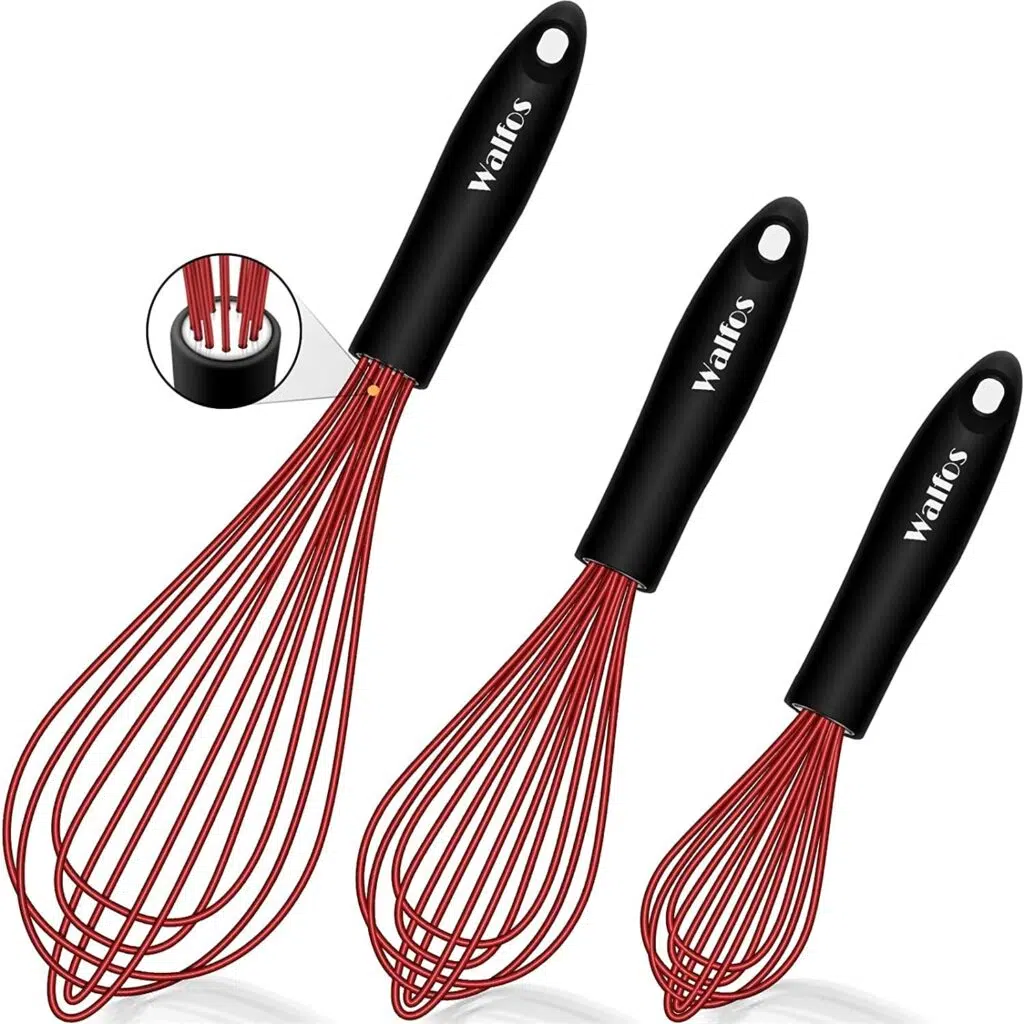
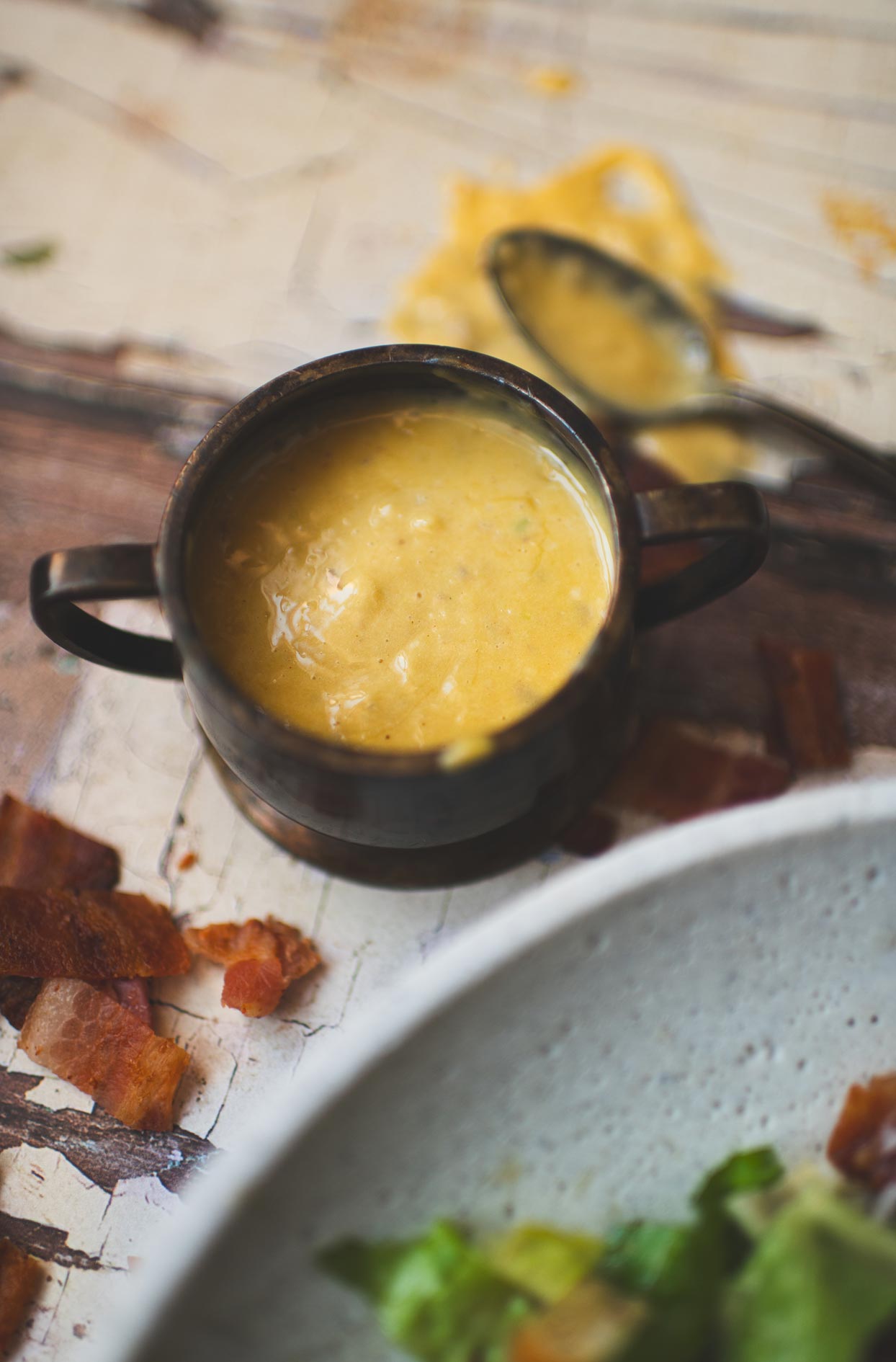
Every recipe out there tells you to add the oil last, drop by drop, like you’re making mayonnaise. You don’t have to. Dijon is a powerful emulsifier and honey is a second one, so this dressing holds together even when you’re careless with it. What it will not forgive is a lazy whisk. Go at it hard for twenty seconds and it turns pale and thick right in front of you.
🫙 The Mason jar shortcut
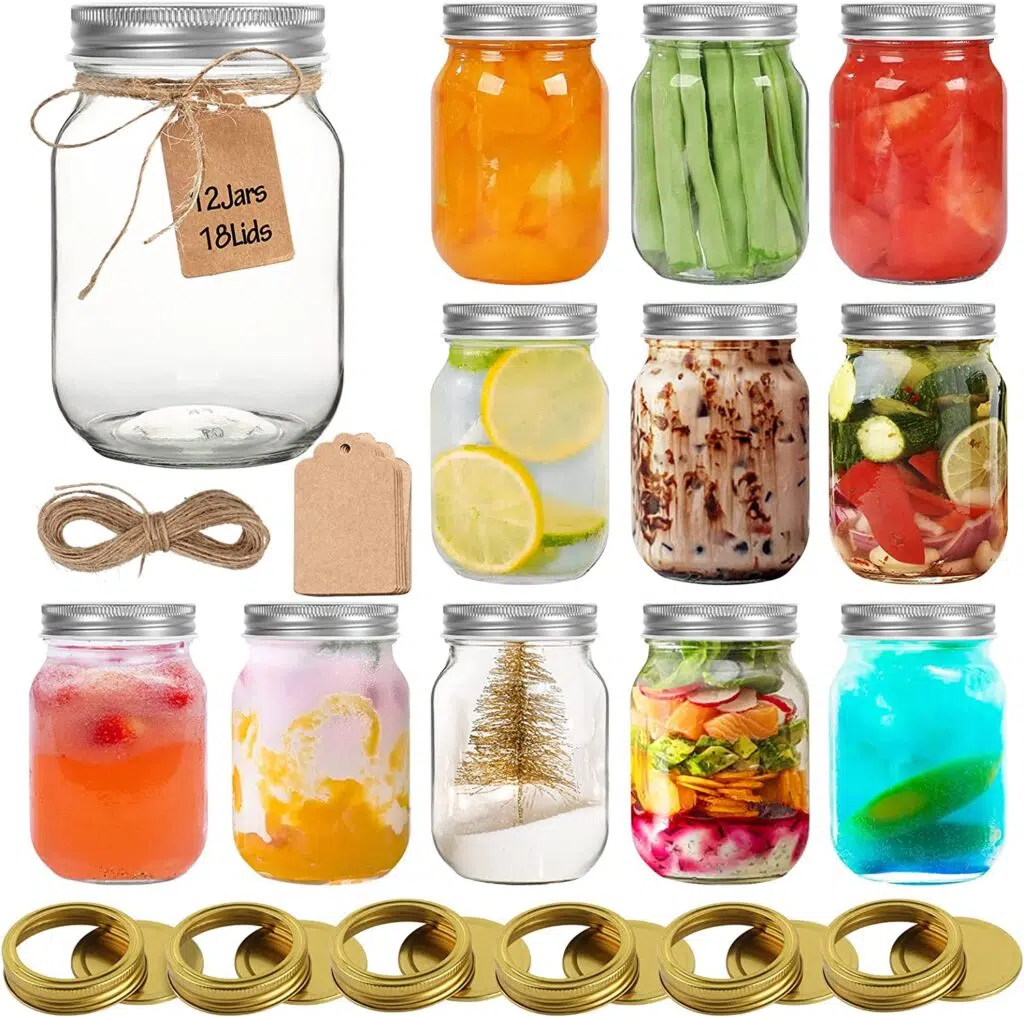
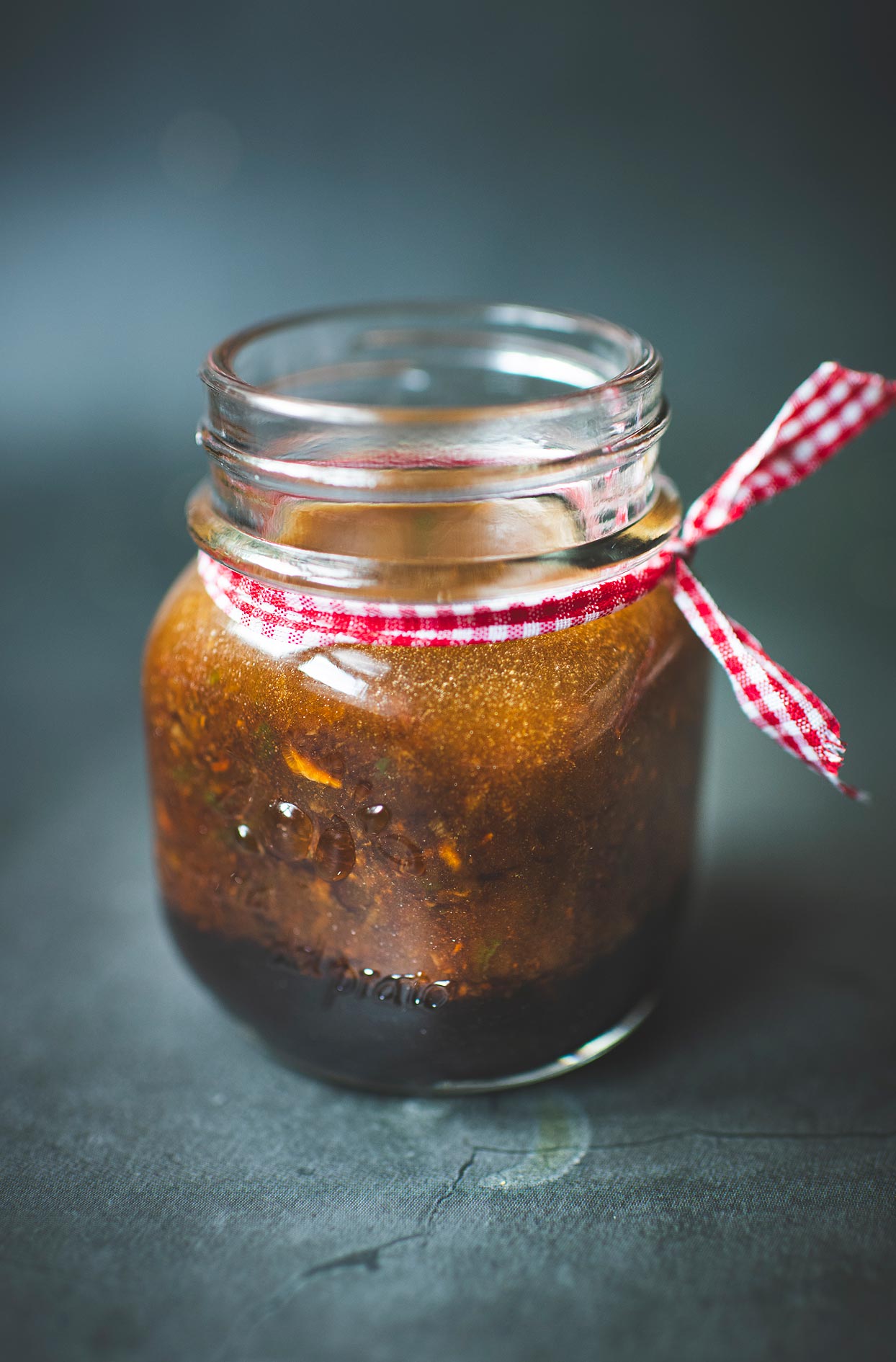
No whisk, no bowl, no cleanup. Everything goes in a 16 oz jar, lid on tight, thirty seconds of shaking. The jar you made it in is the jar it lives in.
🧄 Grate the garlic, don’t chop it
Minced garlic sinks. It ends up as three sharp bites at the bottom of the bowl and nothing on the leaves at the top. A Microplane turns the clove into a paste that dissolves straight into the oil, so the garlic is everywhere and nowhere at once. This is the single change that made the biggest difference for me.
🍯 Get the honey off the spoon
Measure the oil first, then the honey with the same spoon. It slides right off instead of clinging.
🧊 Cold oil goes solid, and that’s fine
Olive oil clouds and firms up in the fridge, which panics people into thinking the dressing broke. It didn’t. Set the jar on the counter for half an hour, shake it again, and it comes back exactly as it was. Give it two weeks in a sealed jar before you start questioning it.
🧂 Make it thinner, sweeter, or sharper
Too thick for delicate greens? A splash of warm water loosens it without watering down the flavor, which extra oil would. Too sharp? Another teaspoon of honey. Want it grainier and more rustic? Swap half the Dijon for whole grain mustard. And if you’d rather go all-Quebec, maple syrup steps in for the honey at the same measure and brings a woodier, darker note. That version is excellent on roasted root vegetables.
🥗 What to serve with my honey Dijon mustard dressing
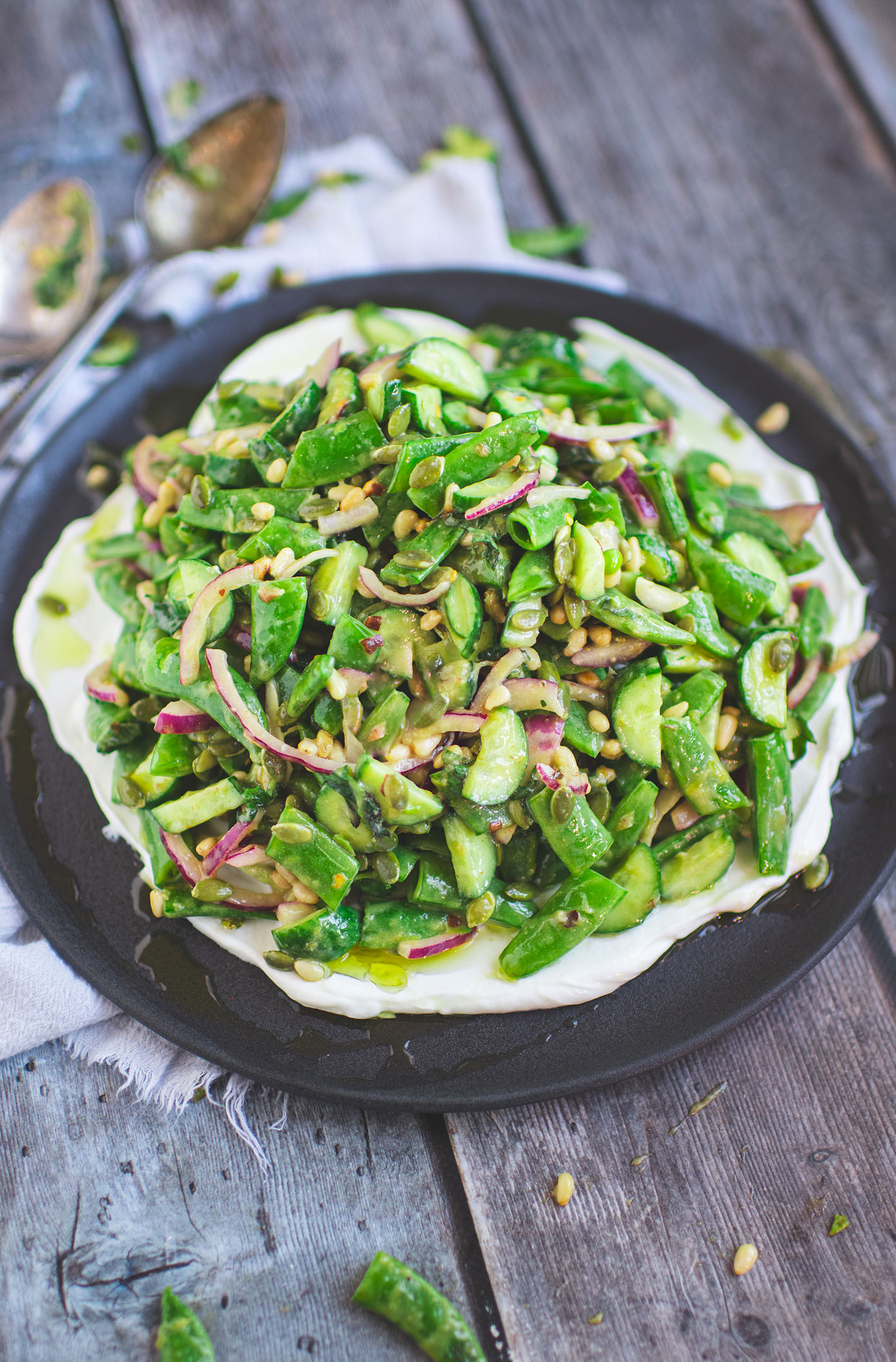
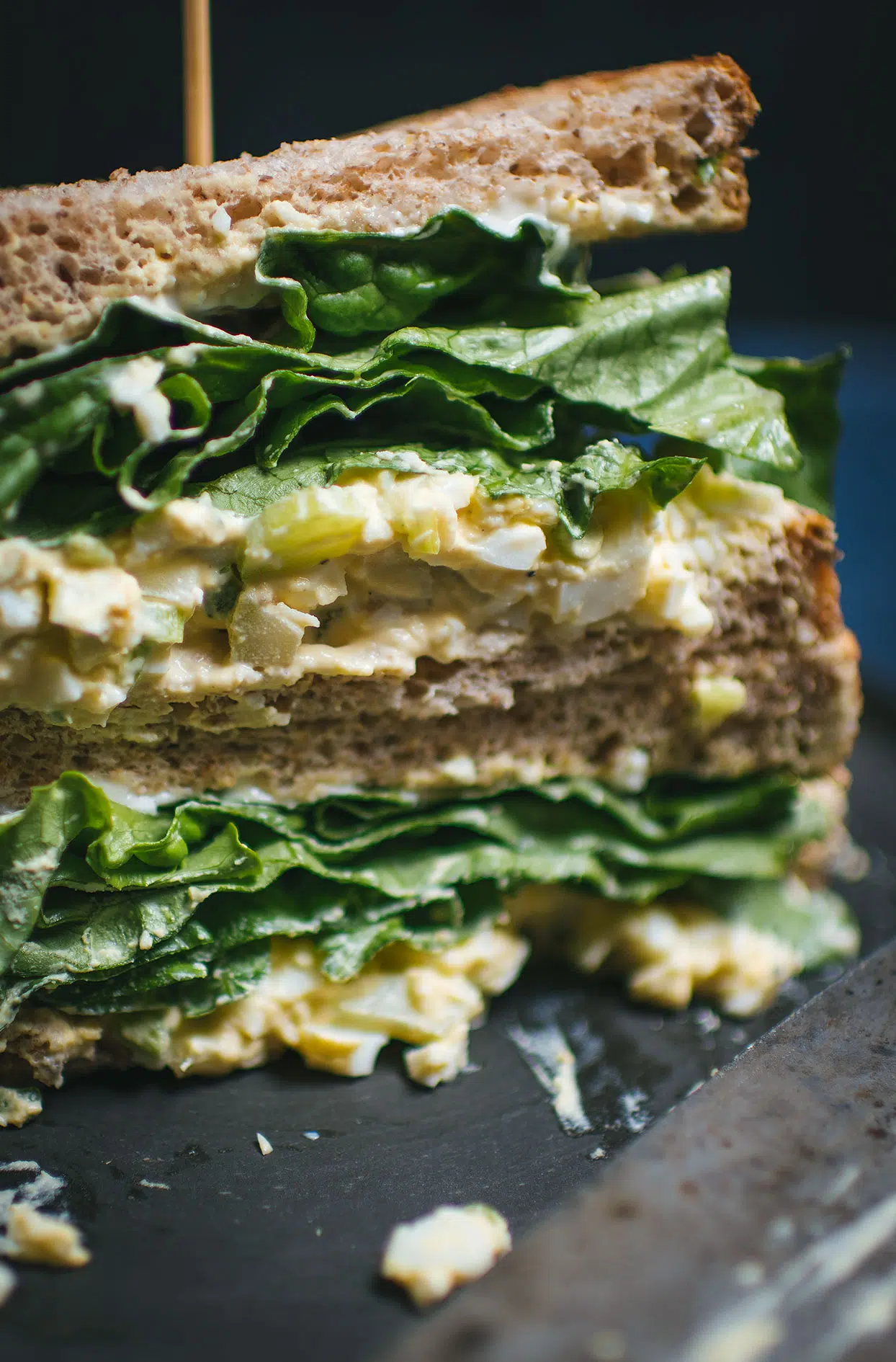
Start with the salad it was born for, my crunchy sugar snap pea salad, then let it loose. It’s terrific on my grilled barley salad with kale, beets and halloumi, where the honey softens the beets, and it turns my best egg salad into something brighter than the mayo version. Spoon it over grilled asparagus with walnuts and feta while the spears are still warm so it soaks in. It also doubles as a fast marinade: half an hour on chicken thighs before they hit the grill, or brushed onto salmon the way I do in my air fryer salmon with honey and mustard.
Ads
Ingredients
- 2 tbsp (30 ml) Dijon mustard
- Juice and zest of 1 lemon
- ¾ cup (180 ml) extra virgin olive oil
- 1 tbsp (21 g) honey
- 1 garlic clove, finely grated
- ½ tsp (2.5 ml) dried oregano
- Sea salt and freshly ground black pepper
Ads
Preparation
- In a medium bowl, whisk the Dijon mustard with the lemon juice and zest, the honey, the grated garlic and the dried oregano until smooth.
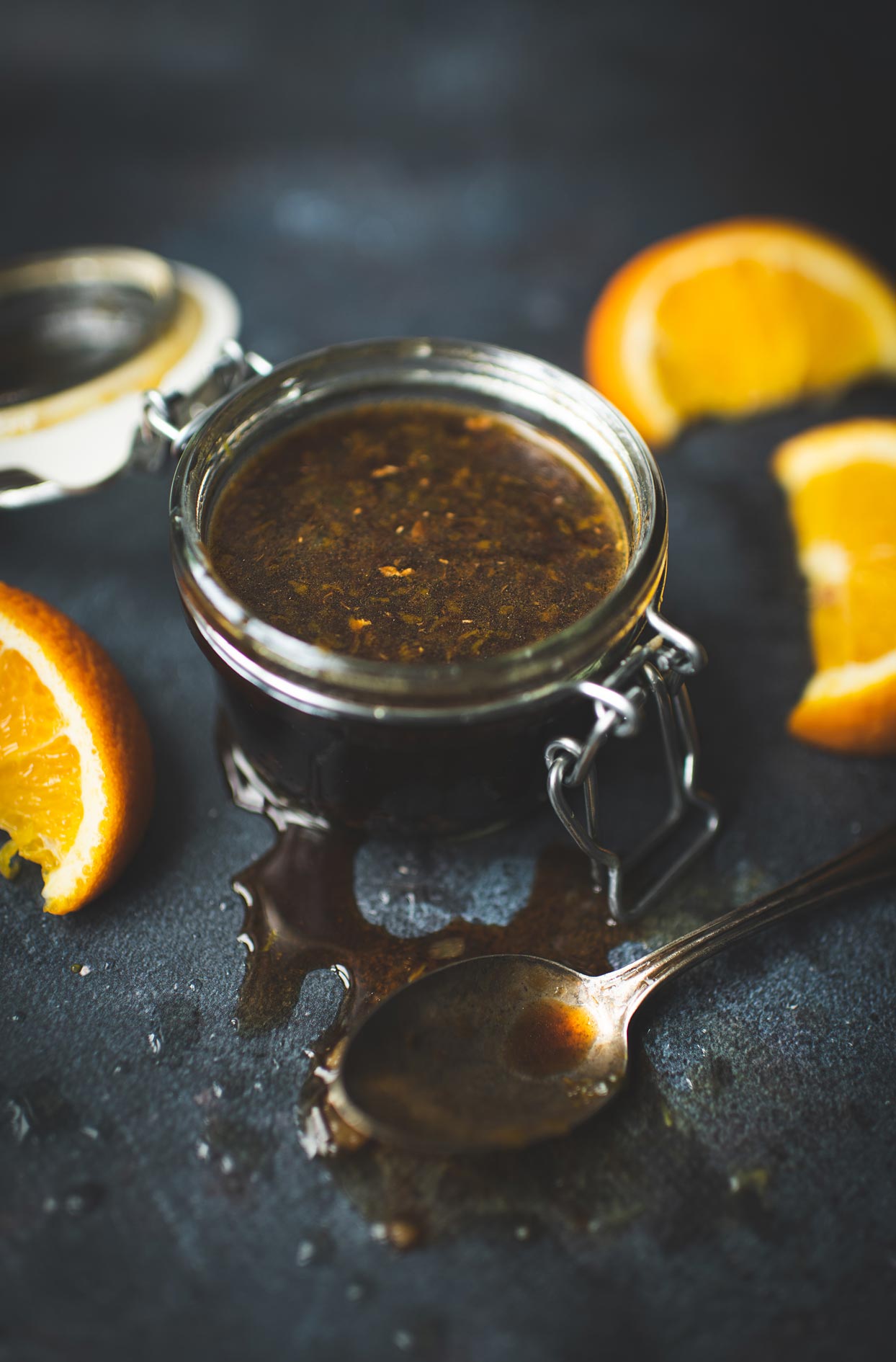
- Pour the olive oil in a thin, steady stream while whisking hard, until the dressing turns pale, glossy and thick enough to coat a spoon. (Or dump everything into a 16 oz / 475 ml Mason jar, screw the lid on and shake for 30 seconds.)
- Season with sea salt and freshly ground black pepper. Taste and adjust: more lemon to sharpen it, more honey to round it off.
- Use right away, or refrigerate in a sealed jar for up to two weeks.
Far more than salad. On greens it’s best with something sturdy and a little bitter: kale, arugula, romaine, shaved cabbage. It’s excellent on warm vegetables too, because the heat thins it slightly and it seeps in rather than sitting on top. Try it on roasted carrots, on grilled asparagus, or over my potato salad with bacon. And because it’s oil-based rather than dairy-based, it works as a marinade: give chicken thighs thirty minutes in it, or brush it on salmon before it goes in the oven.
Seven things: Dijon mustard, honey, lemon juice and zest, extra virgin olive oil, grated garlic, dried oregano, salt and pepper. Most American honey mustard dressings start from a base of mayonnaise, which is what makes them thick and pale. Mine gets its body from the emulsion itself, so it’s creamy on the leaf but still tastes like olive oil and lemon underneath. It also means it keeps longer and doesn’t split in the heat at a summer barbecue.
Yes, and here in Quebec that’s often the more local move. Use the same measure, 1 tbsp (21 g). Maple is a touch less sweet and noticeably woodier, so the dressing comes out darker in flavor and a little less bright. I lean maple in the fall with squash and root vegetables, and honey the rest of the year.
One to two weeks in a sealed jar in the fridge, which is the honest answer for anything with raw garlic in it. The lemon and the mustard are both working in your favor here. Freezing is not worth it: the emulsion breaks on thawing and never fully comes back, so make a cup at a time and use it.
Almost always one of two things: the oil went in too fast, or the whisking stopped too soon. Save it by whisking a fresh teaspoon of Dijon in a clean bowl and dribbling the broken dressing into it while you whisk. It comes right back. And if it looks separated straight out of the fridge, that’s not a break at all, that’s the olive oil setting in the cold. Let it warm up on the counter and shake.
Ads
Ads


Ads
Ads
Ads