

Homemade Italian Seasoning Recipe (7 Herbs)
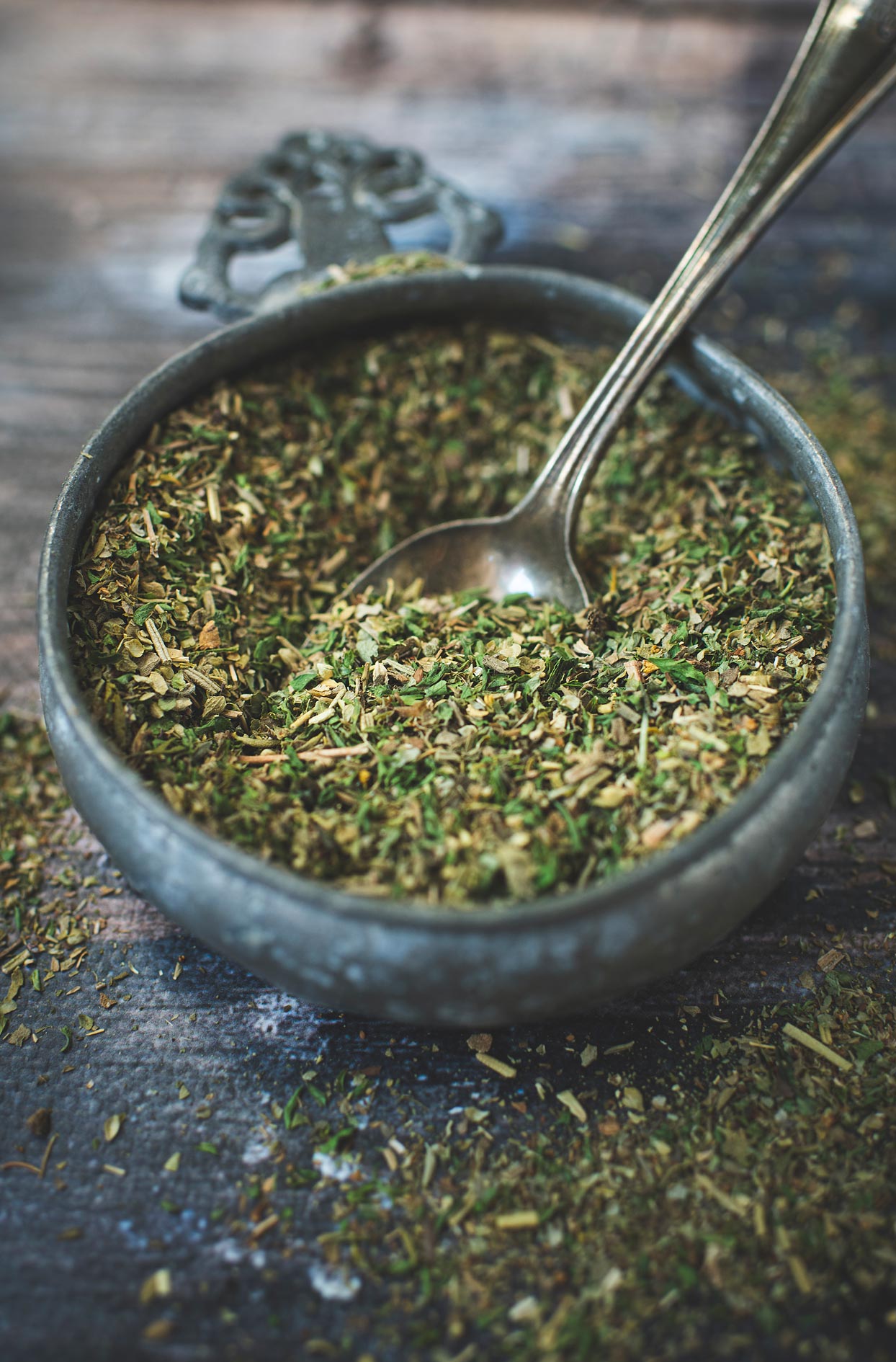
- Preparation 2 min
- Servings 8
- Freezing Absolutely
Ads
🌿 One spoonful and dinner moves up a level
This is the kind of thing that ends up living next to the salt and pepper. Two tablespoons in spaghetti sauce, four on a chicken headed for the oven, and suddenly the food tastes like something instead of tasting fine. Seven herbs, two minutes, one jar, and you are set for months. You will end up putting it in things you never thought to.
🇮🇹 The name lies, and that is fine
Here is the funny part: Italian seasoning does not exist in Italy. Pre-mixed dried herb blends are not part of the culture there, you reach for herbs one at a time. This is a North American invention, plain and simple. Which changes absolutely nothing, because the blend is genuinely good. I put it in the same camp as herbes de Provence: herbs that get along and improve whatever they touch.
🧄 Mine has no garlic and no chili, on purpose
Most recipes you will find include both. Mine does not, for two reasons. The first is shallow: it looks better without, the green herbs stand out instead of drowning in beige powder. The second is that heat and I do not always get along, and making my own blend means I control exactly what is in it. Garlic you can always add straight to the dish. If you want it in the jar though, the amounts are below.
Ads
Ads
🧄 Garlic and chili, if you want them
My version skips both, but that is a preference, not a rule. If you want them, add 2 tsp (10 ml) garlic powder and 1 tsp (5 ml) chili flakes. Dried minced garlic, sometimes sold as granulated garlic, also works and gives a better texture than fine powder. My advice anyway: make the jar without, then add garlic directly to the dish while cooking. You keep control, and the blend stays useful for recipes where garlic already shows up elsewhere.
📏 How much to actually use
This is the question nobody answers, and it is the one that matters once your jar is made. On a whole chicken, four to five tablespoons, easily. In spaghetti sauce for four people, at least two tablespoons. In a vinaigrette, to taste, since it depends entirely on how much you are making. Do not be shy: these are dried herbs, they lost punch in the drying, and most people use far too little.
💰 What it actually costs
A large jar of Italian seasoning at the grocery store runs about ten dollars. Your seven jars of dried herbs cost more up front, no question, but you make one batch, then another, then another, and you still have herbs left for everything else you cook. The math works itself out after two or three jars. And you know exactly what is in there, which is the real argument as far as I am concerned.
🌿 Why the parsley is in there
It barely tastes like anything, and that is precisely its job. Dried parsley adds volume and color, but mostly it keeps the oregano from steamrolling everything else. Oregano is the loudest herb in the lineup, and without something to stretch it your blend tastes like cheap pizzeria. Equal parts parsley, basil and oregano is the balance that works.
🇫🇷 How it differs from herbes de Provence
The two look alike from a distance and have nothing in common up close. Herbes de Provence is built on rosemary, thyme and savory, sometimes with lavender, which pushes floral and resinous: lamb, roast chicken, roasted vegetables. Italian seasoning is built on basil and oregano, two herbs made for tomato. That is why it ends up in sauce and on pizza. You can swap them, but spaghetti sauce with herbes de Provence tastes like southern France, not Italy.
🔄 You are out and you need it right now
A recipe calls for Italian seasoning and your jar is empty? Equal parts dried basil and oregano gets you eighty percent of the way there. Add a pinch of thyme if you have it and you are closer still. Those two herbs carry almost all of the character, the rest is support.
📅 Make ahead
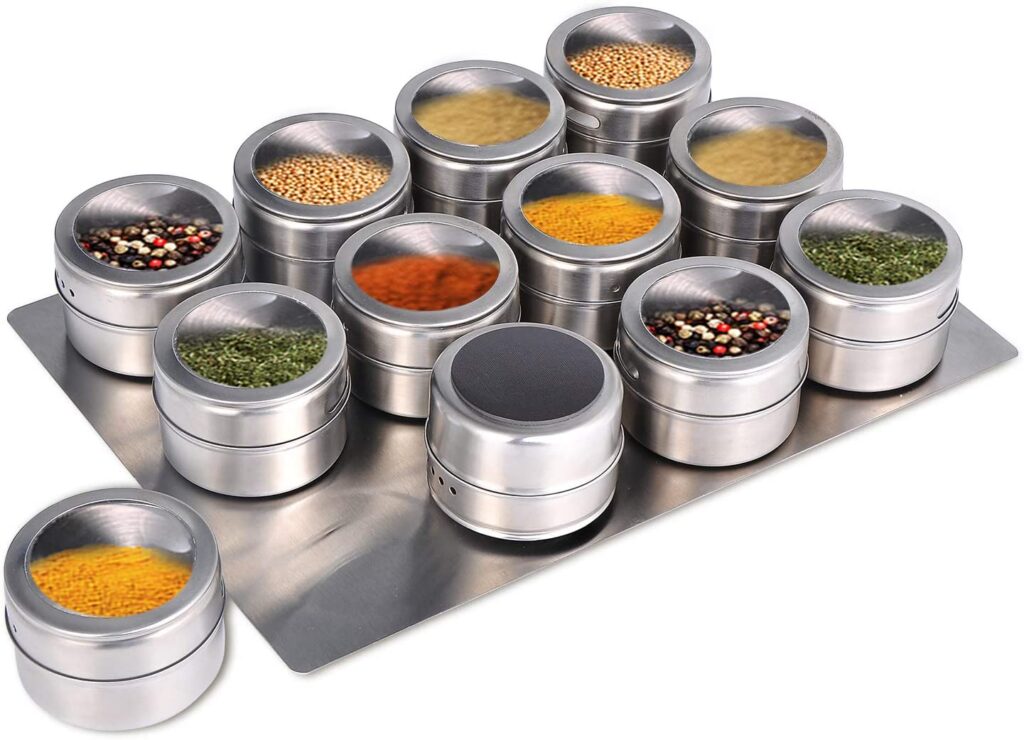
This is the kind of recipe you make double or triple, and that is what I do every time. It takes the same two minutes for three times the quantity, and you will not be pulling out seven jars again in three weeks. Something that helps when you are hosting: mix your blends for the week’s dishes while everything is already out on the counter. Label the jars with the date, not just the name, because in six months you will not remember which one is oldest.
❄️ Storage
Six months for full aroma, in an airtight jar kept cool, dry and away from light. After that it has not become unsafe, dried herbs do not spoil in the usual sense: what leaves are the volatile oils that carry the scent. The blend is still perfectly edible at a year, it just tastes like less and less. Keep it away from the stove, heat is what wears it out fastest.
Ads
Ingrédients
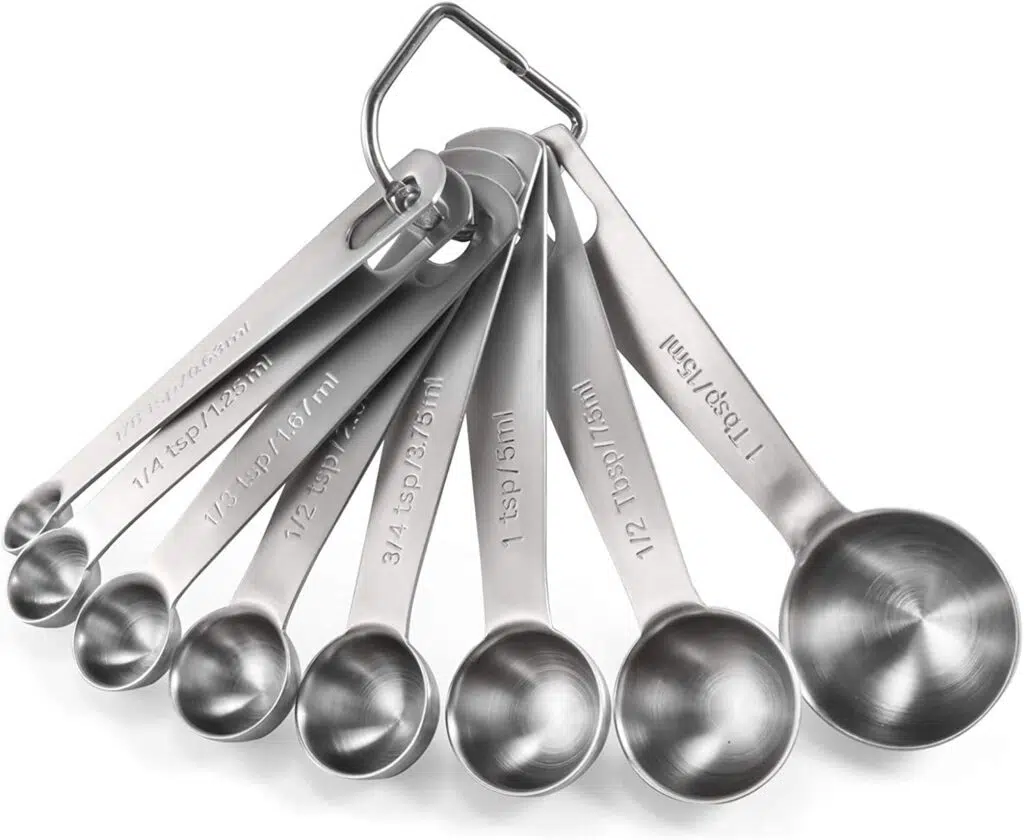
- 2 tbsp (30 ml) dried parsley
- 2 tbsp (30 ml) dried basil
- 2 tbsp (30 ml) dried oregano
- 1 tbsp (15 ml) dried thyme
- 1 tbsp (15 ml) dried rosemary
- 2 tsp (10 ml) dried marjoram
- 1 tsp (5 ml) ground sage
Ads
Preparation
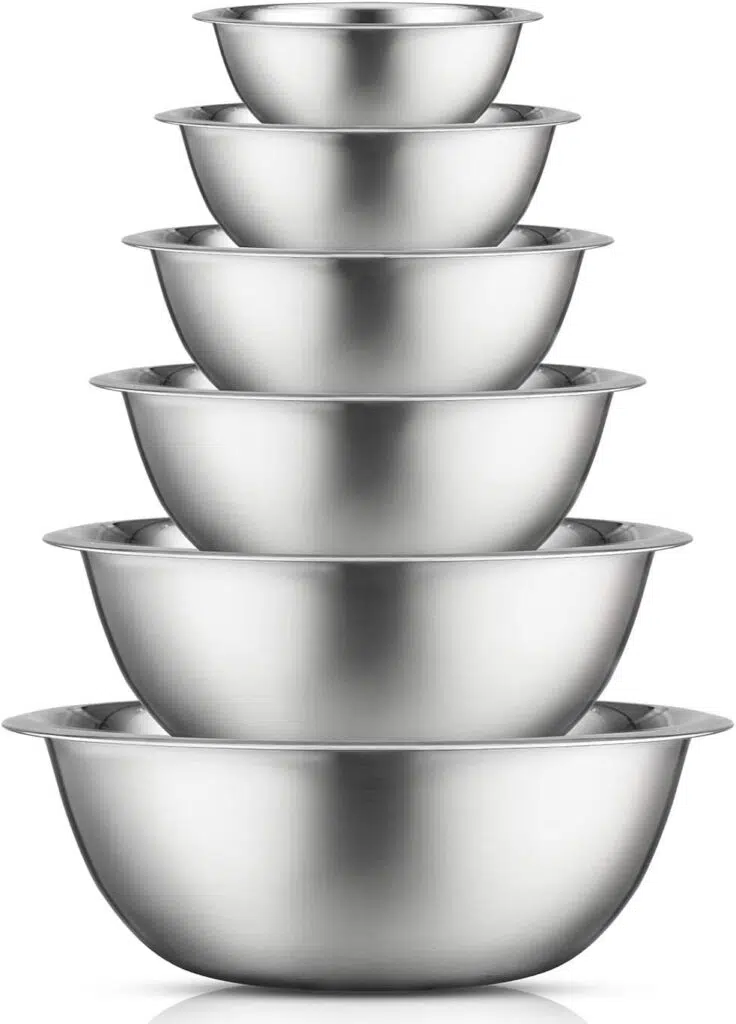
- In a small bowl, combine the parsley, basil, oregano, thyme, rosemary, marjoram and sage.
- Stir well so everything is evenly distributed, with no clump of one herb sitting in a corner.
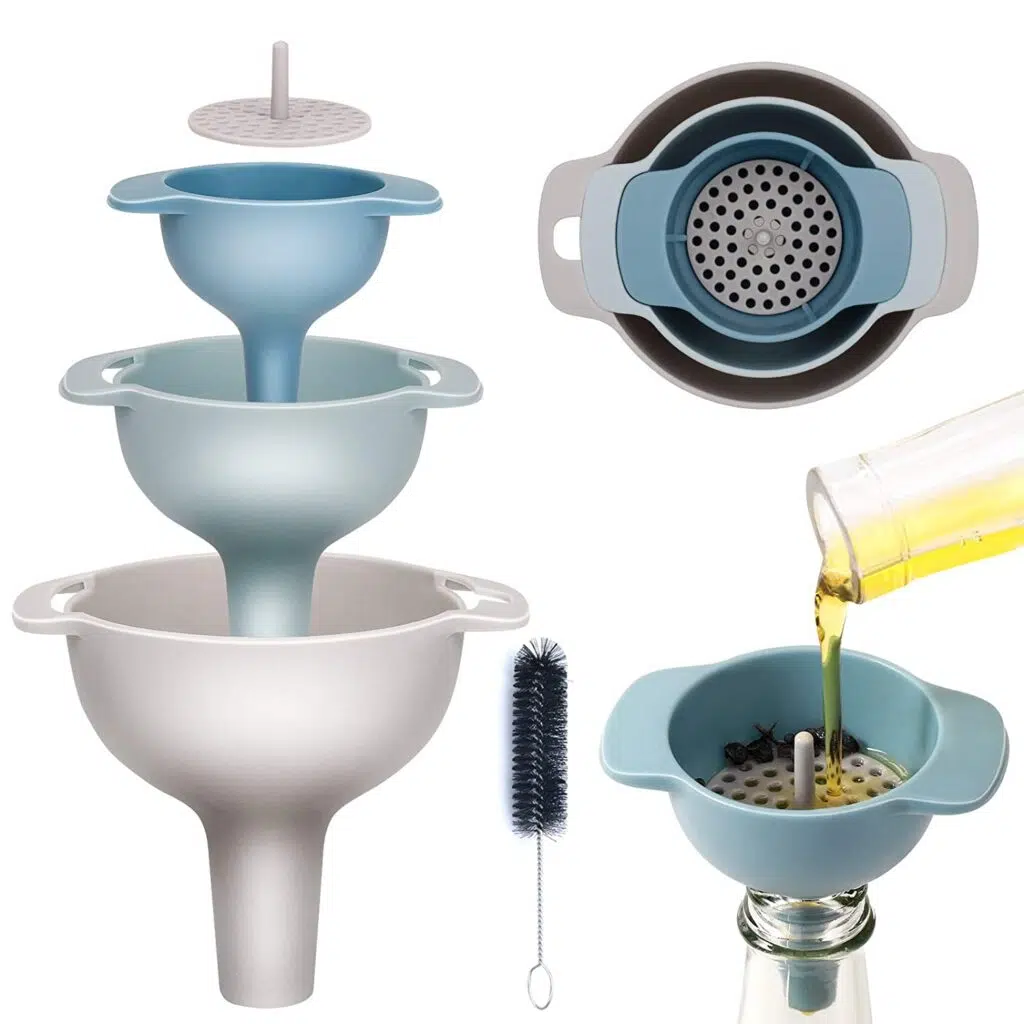
- Transfer to a jar or airtight container and seal it properly.
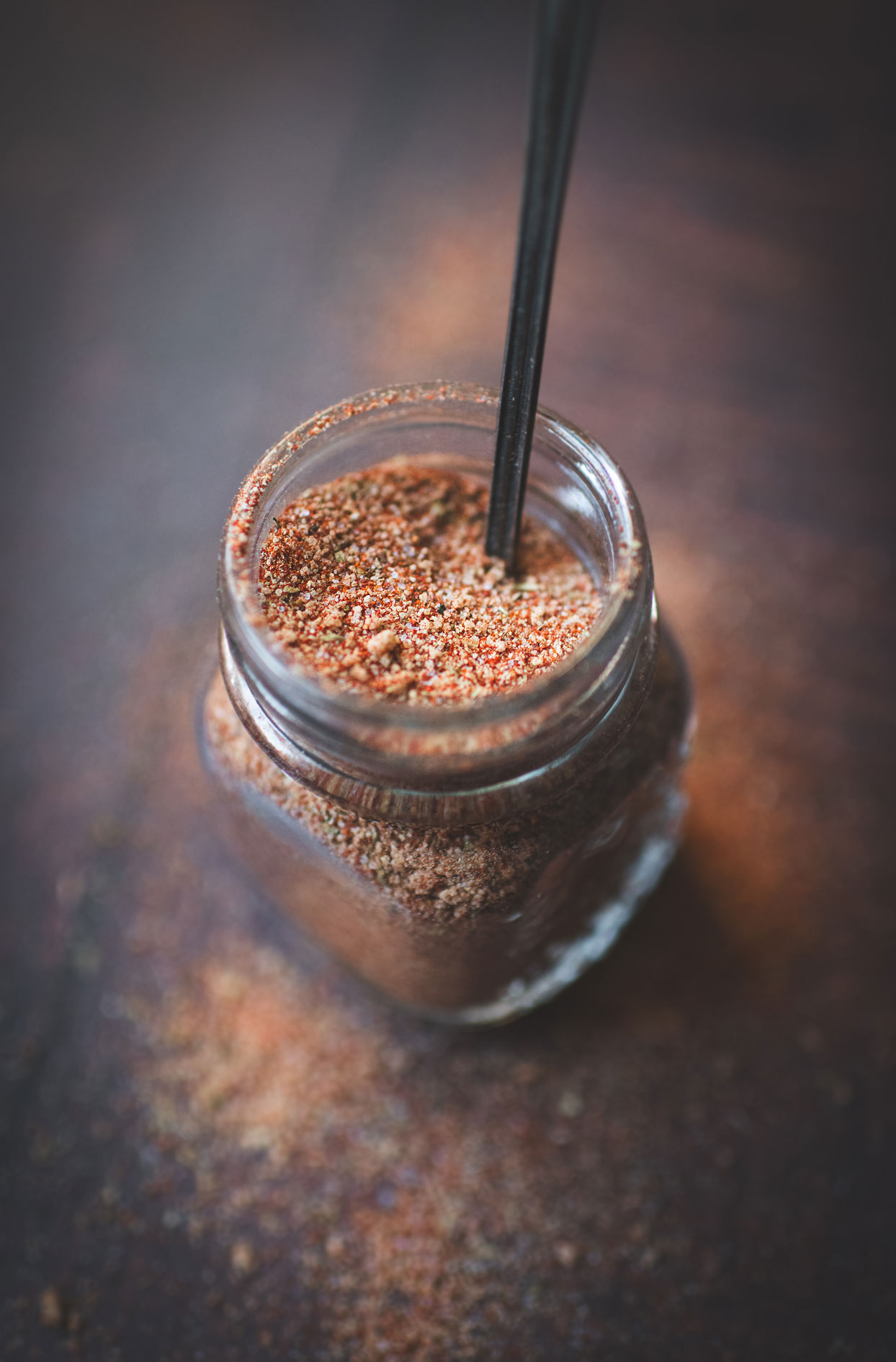
- Store in a cool, dry place away from light. Shake the jar before each use, since the heavier herbs settle to the bottom over time.
Seven dried herbs here: parsley, basil and oregano in equal and largest amounts, then thyme and rosemary at half that, and finally marjoram and sage in small amounts. No salt, no heat. It is the same profile as the store-bought jar, except you control everything in it.
No, and this is the fun part. Pre-mixed dried herb blends are not part of Italian cooking, where herbs are used one at a time and often fresh. Italian seasoning is a North American invention. It is still an excellent blend, it just is not Italian.
Equal parts dried basil and oregano gets you eighty percent of the way, and a pinch of thyme gets you closer. Those two herbs carry most of the character. Herbes de Provence is not a good substitute: it pulls the dish toward rosemary and lavender instead.
Not in the classic blend, and not in mine. Plenty of homemade recipes add it, and the jar sold at the grocery store generally does not contain it either. If you want it, use 2 tsp (10 ml) garlic powder and 1 tsp (5 ml) chili flakes for this batch size.
On a whole chicken, four to five tablespoons. In spaghetti sauce for four, at least two tablespoons. In a vinaigrette, to taste, depending on the volume. Dried herbs are milder than fresh, so most people under-season with them.
Six months for full aroma, in an airtight jar kept cool, dry and out of the light. It never becomes unsafe, since dried herbs do not spoil the way fresh food does. The volatile oils fade, so it simply tastes weaker over time.
Ads
Ads
Ads
Ads
Ads
Ads