

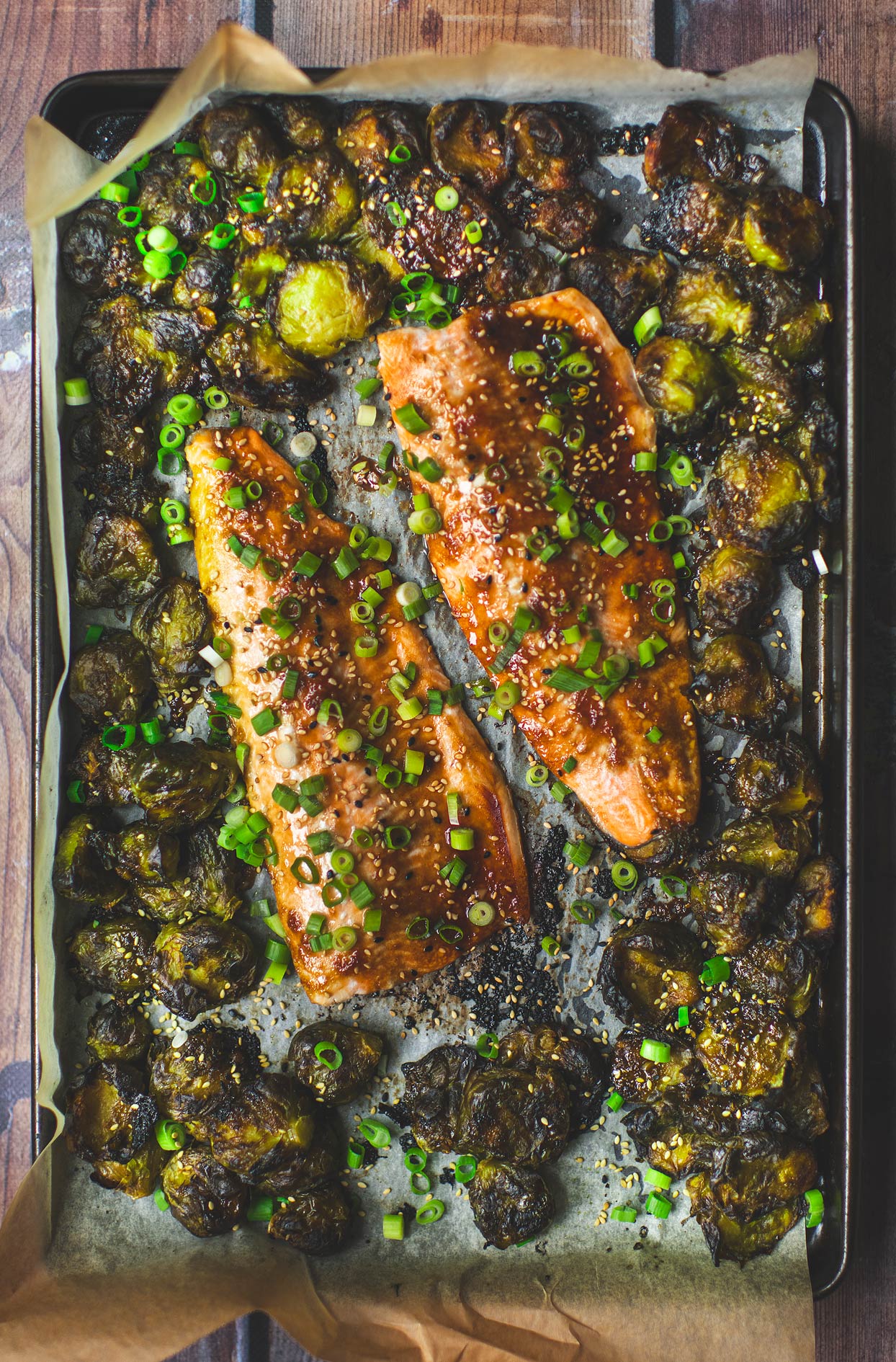
Maple glazed teriyaki salmon

- Preparation 10 min
- Refrigeration 1 h
- Cooking 15 min
- Servings 4
- Freezing I do not suggest
Ads
🇯🇵 A basement in Toronto, records on the walls
The first time I ate teriyaki salmon, I’m pretty sure it was in Toronto, in a small Japanese spot tucked away in a basement. Records hanging everywhere and a dim little room. Nothing touristy about it. It was absolutely delicious. Back home, I wanted to rebuild it my way. The problem with store-bought teriyaki sauce is that list of ingredients on the back you can’t pronounce. So mine is 100% homemade: seven ingredients and not one bottle.
🍁 Maple instead of sugar, plus a spoon of mirin
In my sauce, maple syrup takes the place of cane sugar. It brings a caramelized depth that locks onto the salt of the soy sauce and the richness of the salmon. To keep it from turning into candy, I add 1 tablespoon of mirin, a sweet Japanese rice wine that carries the acidity and the umami. That’s what holds everything in balance. I use dark syrup because I want to taste it, but whatever grade sits in your cupboard will do the trick. And I put olive oil in there. I think it tastes good, it adds flavor. That’s the whole reason.
🐟 One hour of marinade, and fresh sauce kept aside
The salmon marinates for one hour in the fridge, no longer. But the real move happens before that: I split the marinade in two before the fish ever touches it. Half goes on the raw salmon. Half stays cold and untouched, and that half does all the work, brushed on twice while the fillets bake, then spooned over the fish on the plate. Short on time on a Tuesday? Thirty minutes and it’s almost as good. Below you’ll find my three cooking methods: cedar plank on the BBQ, oven, and air fryer.
Ads
Ads
🐟 Buy it skin-on
I always grab a skin-on fillet. The skin acts as a shield between the pan and the flesh, and the salmon stays juicy because of it. I don’t eat it, but once cooked it slides right off. Fresh or frozen and properly thawed makes no difference as long as the fish is good.
🍶 Mirin, and the olive oil nobody else uses
Mirin is a sweet Japanese rice wine with a savory umami floor. One tablespoon, not more. It balances the maple syrup without stealing the show, and you’ll find it in the Asian aisle of most grocery stores. No mirin? Use 1 tablespoon of rice vinegar with a pinch of sugar, it lands close.
The olive oil is my own thing. No traditional teriyaki uses it. I think it tastes good, it adds flavor, and that’s the whole reason. If you want the traditional version, my homemade teriyaki sauce is that one: tamari, brown sugar, garlic, lime, zero maple. This page is the maple version, built for salmon.
🍁 One hour, and fresh marinade kept aside
One hour in the fridge. That’s my number, and it’s written the same way everywhere on this page. You will find recipes pushing twelve or twenty-four hours. Past one hour the acidity starts working on the flesh and the texture goes mealy. At one hour the salmon has taken the flavor and it is still firm.
The real secret is somewhere else. Before the fish touches anything, I split the marinade in two. Half goes on the raw salmon and ends up in the garbage. The other half stays cold and untouched, and that is the half that works: one brushing halfway through, another at the end, then a spoonful over the fillet once it’s plated. A marinade that never met raw fish can be served as is. That’s where the glaze gets its shine, not in a longer soak.
In a rush? Thirty minutes and it’s almost as good.
🔥 On the BBQ, cedar plank
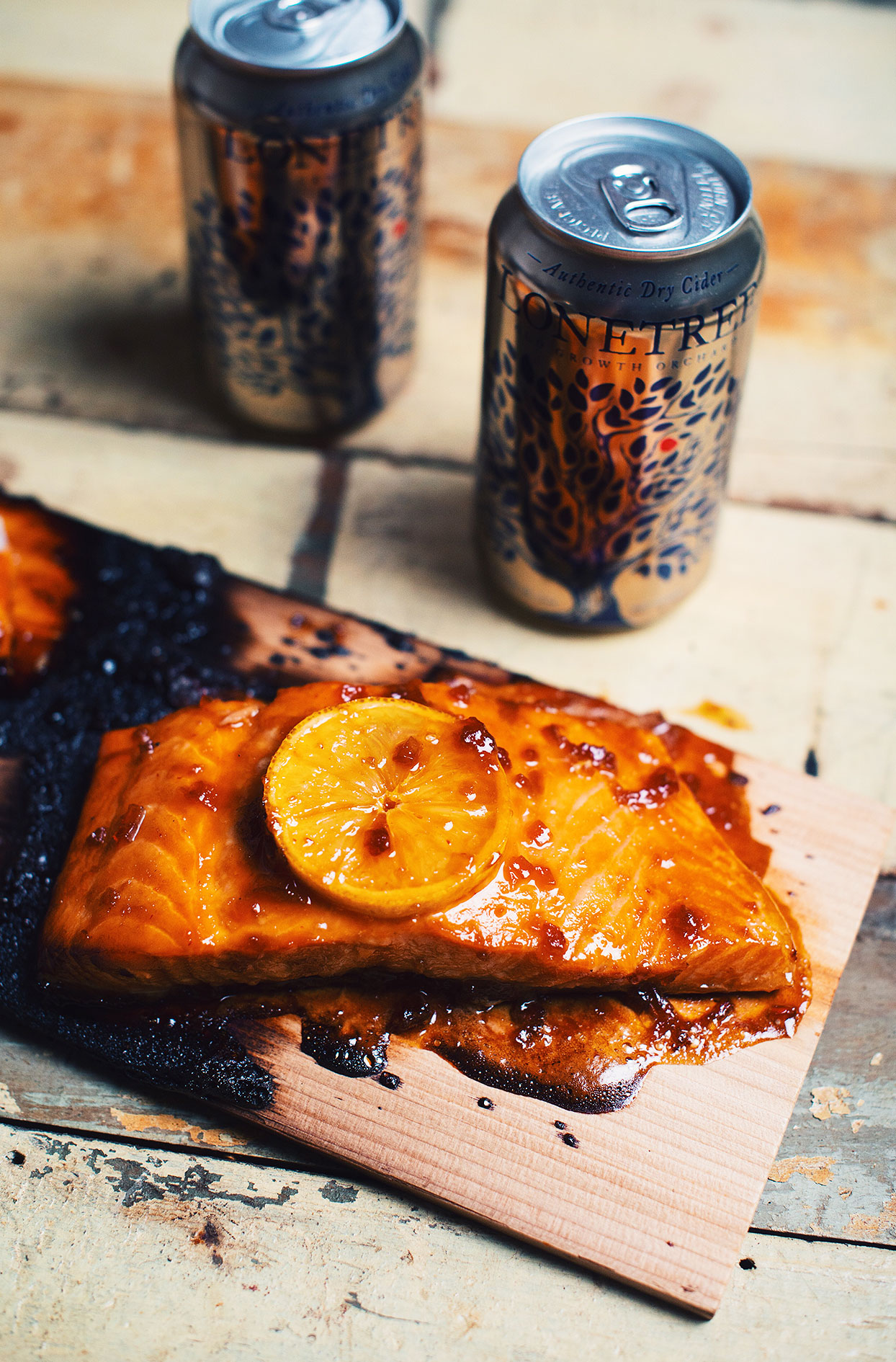
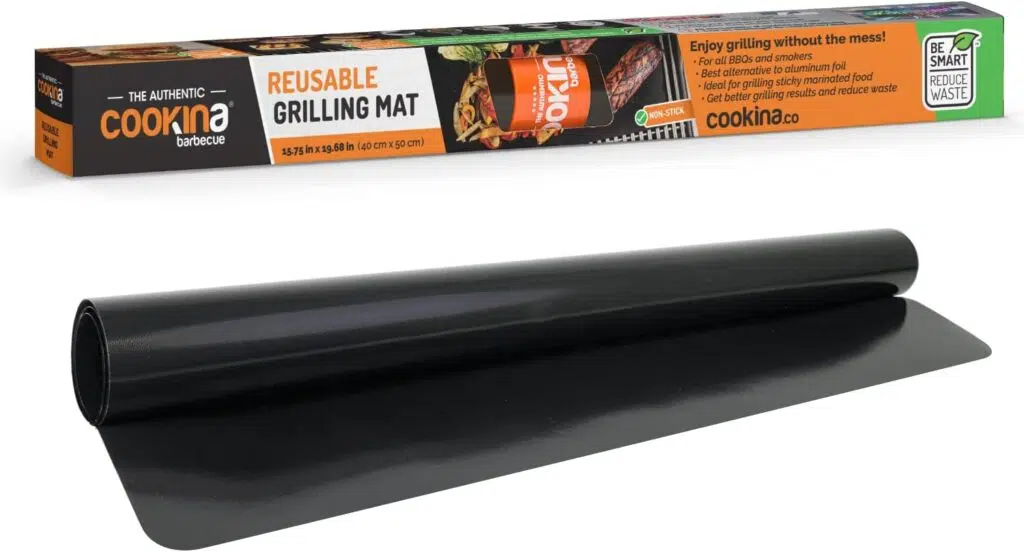
My favorite method by far. I soak a cedar plank in water for about thirty minutes, lay the fillet on it, and cook over medium indirect heat with the lid closed. The wood gives a light smoke that changes the whole dish. No plank around? A reusable grill sheet bridges the gap. What you never do is put the fillet straight on the grates: the syrup drips into the flames and burns in thirty seconds.
🍳 In the oven
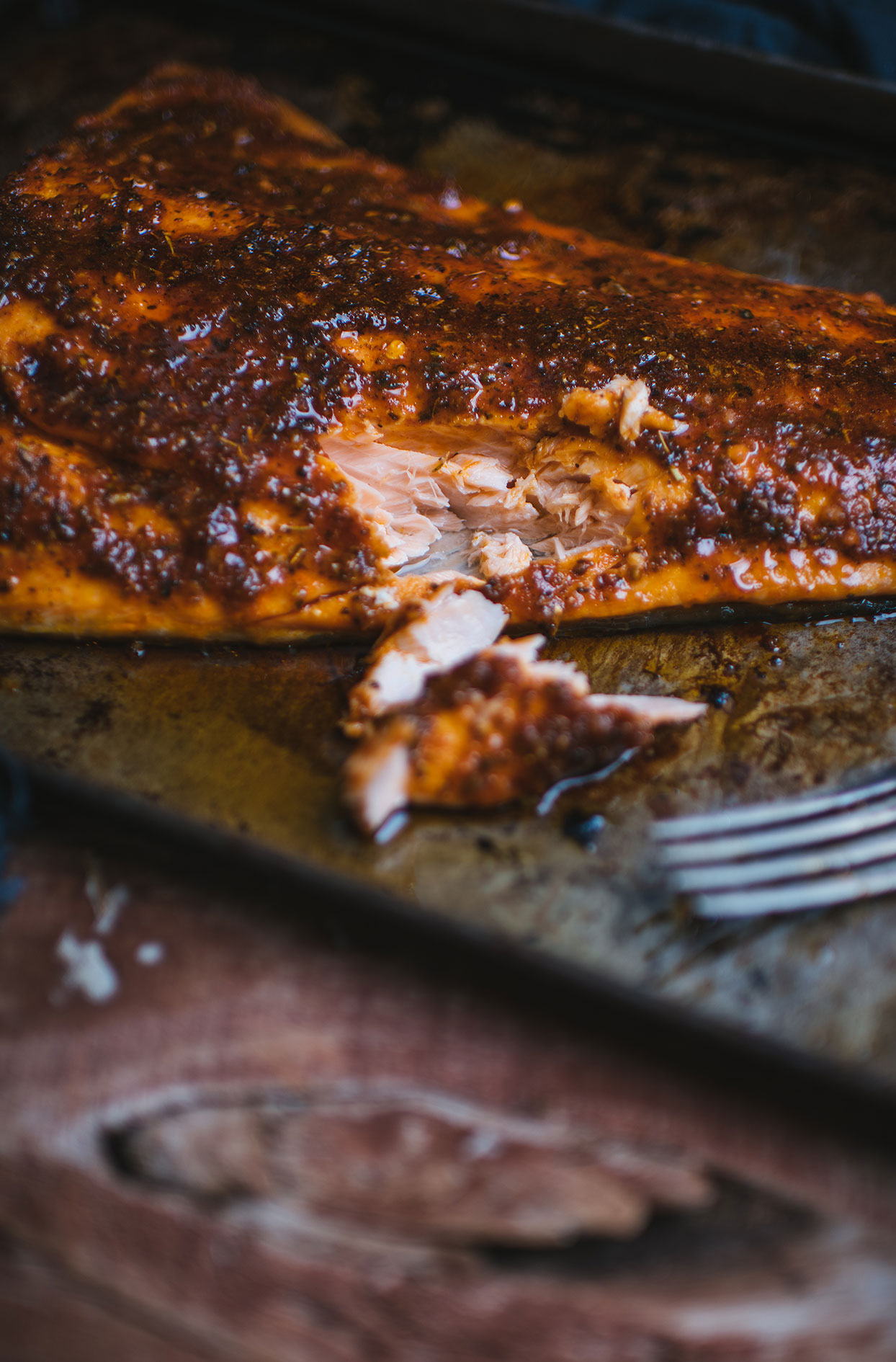
375°F (190°C), sheet pan and parchment, 12 to 15 minutes depending on thickness. I brush halfway through and again at the end. For a properly lacquered finish, I give it 1 to 2 minutes under the broiler and I do not walk away.
🌬️ In the air fryer
380°F (193°C) for 8 to 10 minutes. Fillet on a pre-cut parchment round or straight on the oiled basket, brushed halfway through. It’s the fastest of the three and the flesh comes out surprisingly juicy. Same logic as my air fryer salmon with honey and mustard.
🌡️ 125°F, and you stop
Me, I don’t pull out a thermometer for fish. I look at it, I cut into it, I check if the center is still pink. But it’s a good idea to own one, and if you want certainty, a meat thermometer answers in two seconds: aim for 125-130°F (52-55°C) at the core. Past 135°F it’s dry. That’s mistake number one on salmon, and it’s the only one that can’t be fixed.
❄️ Two days in the fridge
Cooked salmon keeps two days in a sealed container. Reheat it gently in a pan, or eat it cold, flaked into a salad. Freezing an already cooked and marinated fillet, I don’t recommend it.
✅ What to serve with my maple glazed teriyaki salmon?
Hot basmati or jasmine rice, sauteed vegetables, toasted sesame: the default combo, and it never lets you down. To go further, my Asian soba noodle salad with sliced green onions, or my Asian-style edamame beans to pick at while the salmon rests. My Asian cucumber salad cuts the glaze exactly where it needs cutting. And for a full meal on one plate, my Asian noodles with vegetables.

Ads
- 4 skin-on salmon fillet portions (about 200 g / 7 oz each)
- ½ cup (125 ml) maple syrup
- 2 tablespoons (30 ml) soy sauce
- 1 tablespoon (15 ml) mirin
- 2 tablespoons (30 ml) fresh ginger, grated
- 2 tablespoons (30 ml) olive oil
- 1 tablespoon (15 ml) toasted sesame seeds
- 4 drops toasted sesame oil
- Salt and freshly ground pepper
Ads
Preparation
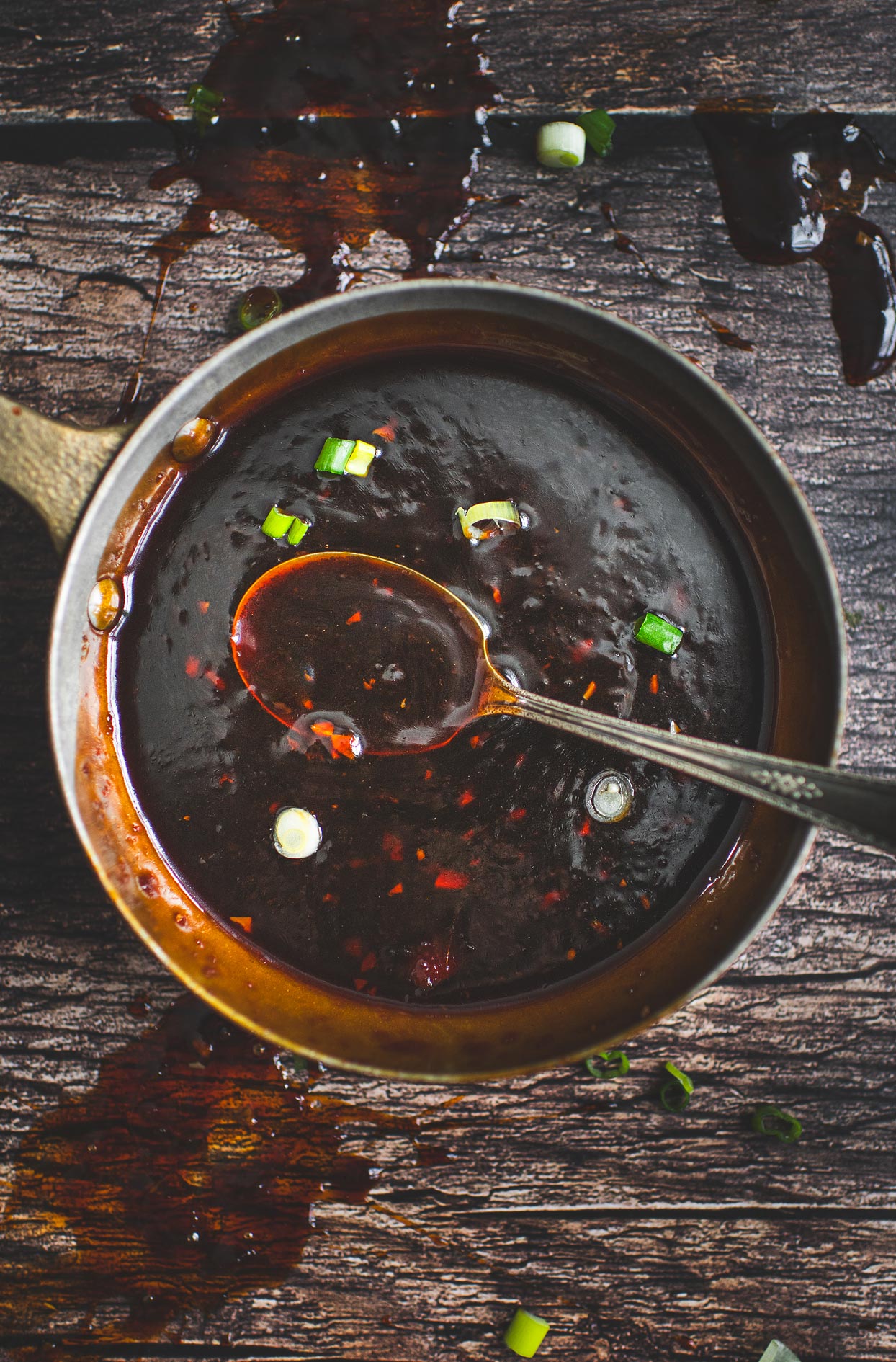
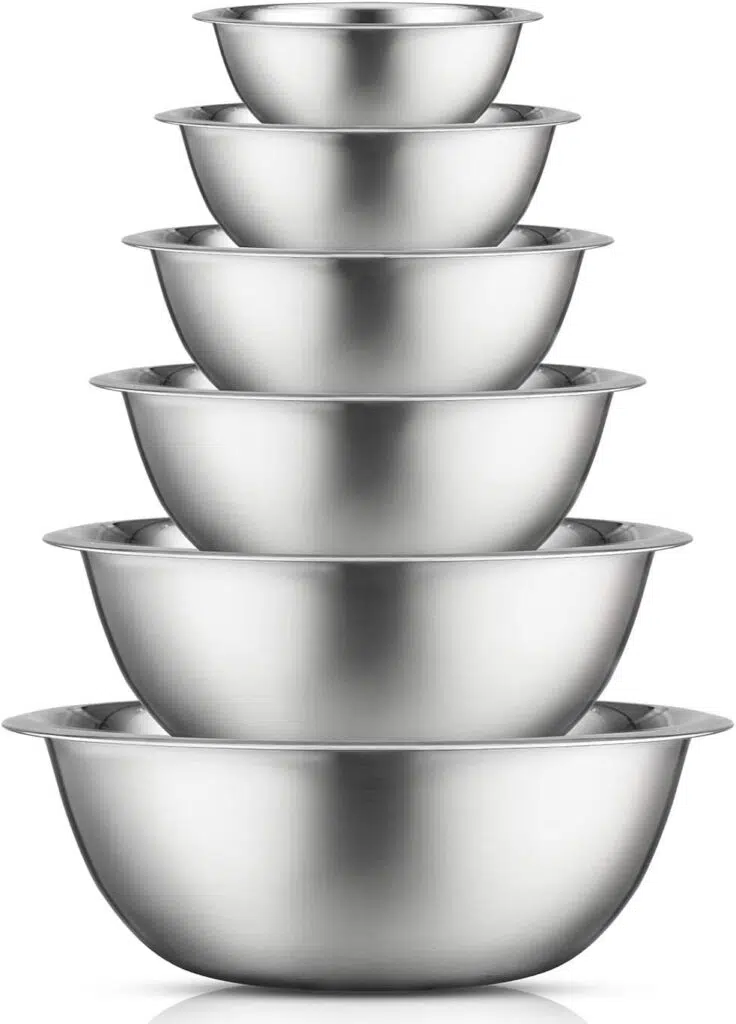
- In a bowl, combine the maple syrup, soy sauce, mirin, grated ginger, olive oil, sesame seeds and sesame oil. Season with salt and pepper and mix well.
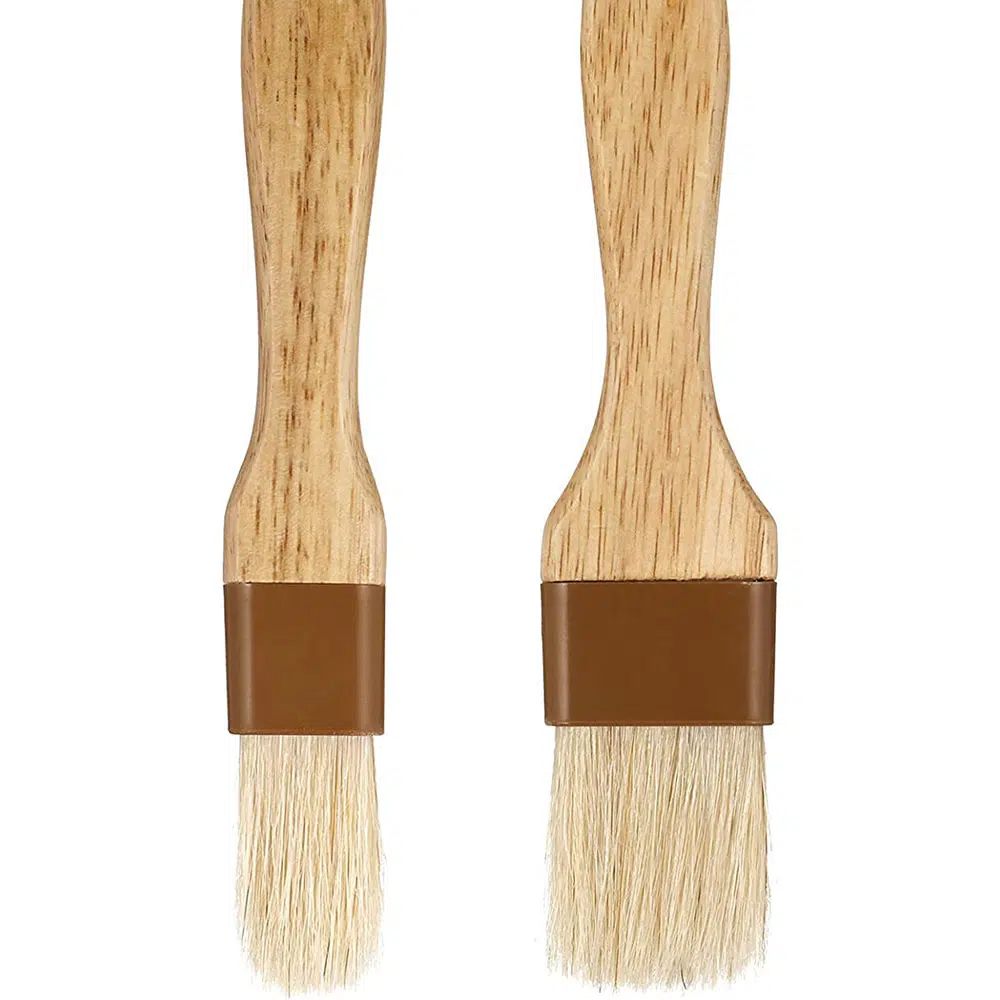
- Split the marinade in two. Set half aside in a small bowl in the fridge: this fresh marinade never touches the raw salmon, it is what you brush on while the fish bakes and spoon over it at serving.
- Place the salmon in a dish, pour in the other half of the marinade, coat well and marinate in the fridge for 1 hour. If you are short on time, 30 minutes is enough.
- Preheat the oven to 375°F (190°C). Line a baking sheet with parchment paper.
- Place the salmon fillets on the sheet, skin-side down. Discard the marinade that touched the raw salmon.
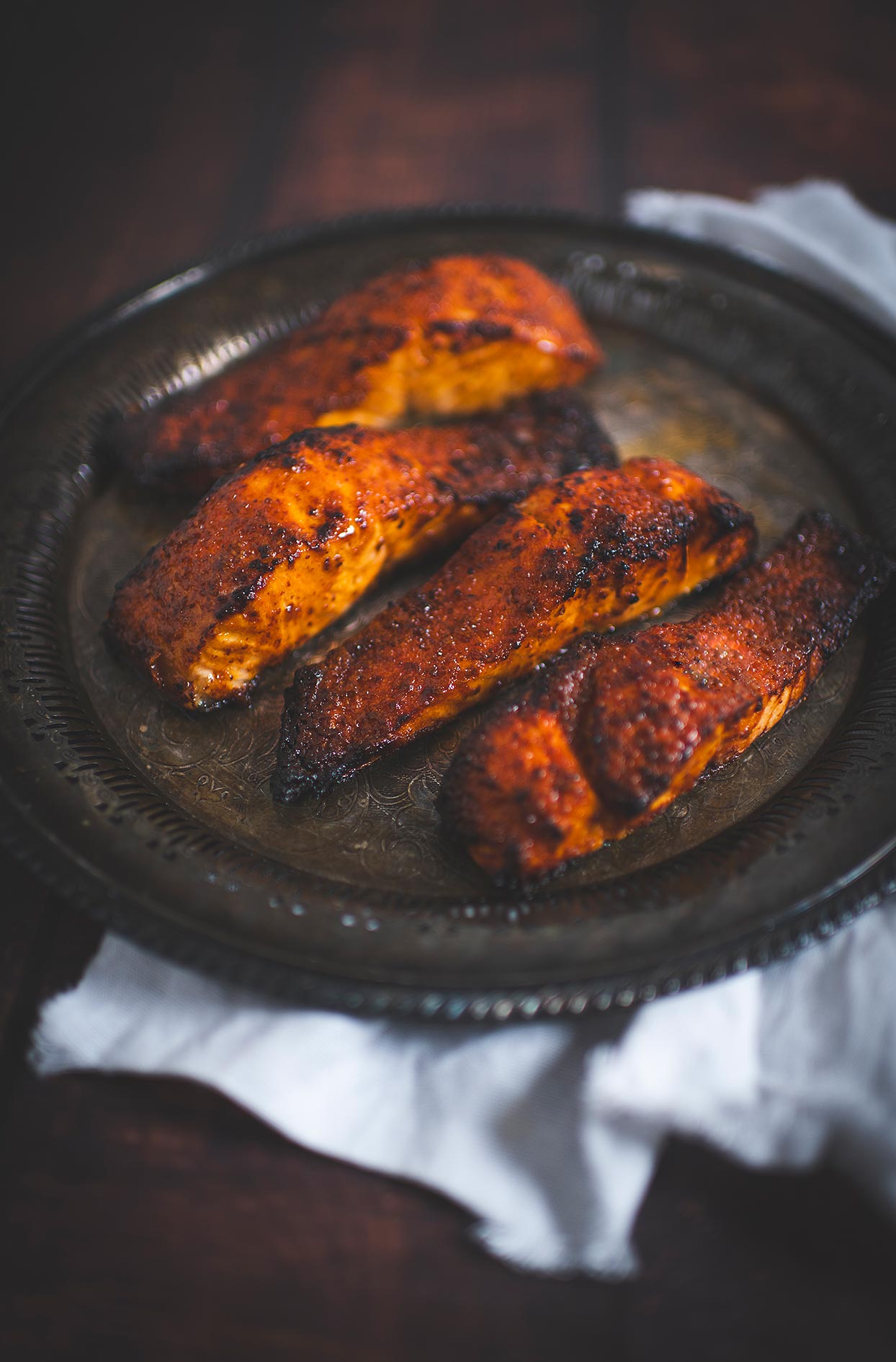
- Bake for 12 to 15 minutes, brushing twice with the reserved fresh marinade, once halfway through and once at the end. For beautiful caramelization, turn on the broiler for the last 1 to 2 minutes, watching closely. Check the internal temperature with a meat thermometer: 125-130°F (52-55°C) at the core for flesh that is still pink and juicy.
- Remove from the oven and let rest for 2 minutes. Spoon a little of the reserved marinade over the fillets right before serving. 🔥🐟🍁
You can, and it works. Bottled teriyaki sauce is good, I won’t pretend otherwise. I just prefer making it myself, especially since it’s dead easy: maple syrup, soy sauce, mirin, ginger, olive oil, sesame. One bowl, two minutes. What you lose with a bottle is the maple, which is the entire point of this recipe, and what you gain is a label full of ingredients you can’t pronounce. If you want a classic homemade teriyaki to keep in the fridge for everything else, use my homemade teriyaki sauce: that one is the traditional version, this one is the maple version.
125 to 130°F (52 to 55°C) at the thickest part of the fillet. At that point the center is still pink, the flakes separate under a fork and the fish is juicy. Push past 135°F and it turns dry and chalky, and there is no coming back from that. Pull the salmon out a couple of degrees early: it keeps climbing while it rests. Two minutes of rest is all it needs before serving.
One hour in the fridge. That’s the number on this page, in every spot it appears. Plenty of recipes push twelve or twenty-four hours: past an hour the acidity starts “cooking” the fish and the texture goes mealy. Thirty minutes works fine on a weeknight and the result is almost as good. The depth of flavor doesn’t come from a longer soak, it comes from brushing the fillet with fresh reserved marinade while it bakes.
Yes, and it’s the fastest way to get there. Set the air fryer to 380°F (193°C) and cook the fillets for 8 to 10 minutes depending on thickness. Lay them on a pre-cut parchment round or straight on the oiled basket, skin-side down, and brush with the reserved marinade halfway through. Because the air moves fast, the glaze sets quickly, so check the fish at 8 minutes rather than 10. Same target as always: 125-130°F at the core.
Two days, in a sealed container. Reheat it gently in a pan over low heat, without stirring it around, just long enough to take the chill off. Honestly, I like it better cold the next day, flaked over rice or into a cucumber salad. Freezing a fillet that is already cooked and marinated is not something I would do: the texture pays for it.
Hot basmati or jasmine rice with sauteed vegetables and toasted sesame is the default, and it never disappoints. My Asian soba noodle salad makes a sharper side, my Asian-style edamame beans get picked at while the salmon rests, and my Asian cucumber salad brings the freshness that cuts through the glaze. For a full meal on a single plate, go with my Asian noodles with vegetables.
Ads
Ads

Ads
Ads
Ads