

The best homemade teriyaki sauce
- Preparation 5 min
- Cooking 3 min
- Servings About 1 cup
Ads
🍶 The glossy sauce that makes ALL the difference
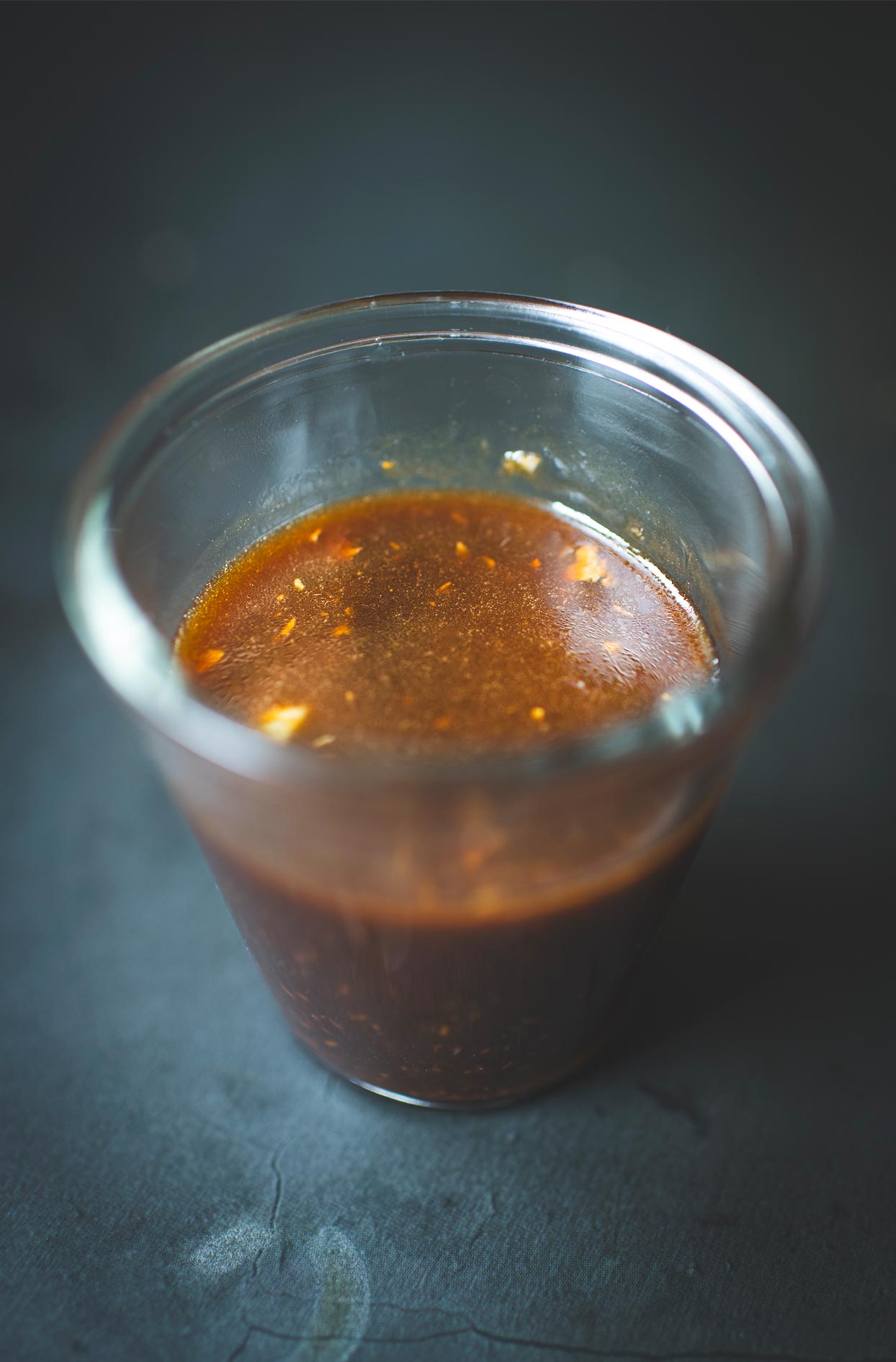
A good homemade teriyaki sauce is a secret weapon. The one you pull out when you want to turn a simple dinner into something genuinely solid. Salty just right, lightly sweetened with brown sugar and maple syrup, with the punch of fresh ginger, garlic and a touch of acidity that wakes everything up. In a few minutes, it becomes glossy, coating, ready to stick exactly as it should.
This sauce is perfect for chicken, beef, pork, shrimp, salmon, but also for tofu, tempeh or sautéed vegetables. It works as a marinade, a finishing sauce, a BBQ glaze or simply poured over a bowl of rice or noodles. Simple, fast, versatile. A base to always have on hand.
🥢 I’ve always loved teriyaki. Good, simple, it elevates anything
Honestly, I’ve always loved teriyaki sauce. It’s good, simple, and it elevates just about anything. A plain piece of chicken becomes a meal, a bowl of bland rice becomes comforting, sautéed vegetables become addictive. The best homemade teriyaki sauce is the one you make once and never stop remaking because it’s so much better than the store-bought bottle (often too sweet, too salty, full of chemical thickeners). Here, it’s the real thing: tamari, fresh ginger, garlic, maple, mirin. Only good stuff.
🇯🇵 What is teriyaki, exactly?
Teriyaki (照り焼き) is a traditional Japanese cooking technique: « teri » means glossy/shiny and « yaki » means grilled/pan-fried. Originally, it’s a sweet-salty sauce based on soy sauce, mirin, sake and sugar brushed onto meat or fish during cooking to create that famous shiny, caramelized glaze. My version stays true to the Japanese spirit, soy (tamari), mirin, ginger, with a Quebec touch of maple syrup replacing part of the sugar. The taste? Deep umami, balanced sweetness, controlled saltiness, with a slightly gingery finish. Impossible to confuse with anything else.
Ads

Ads
✨ Stir regularly from the start
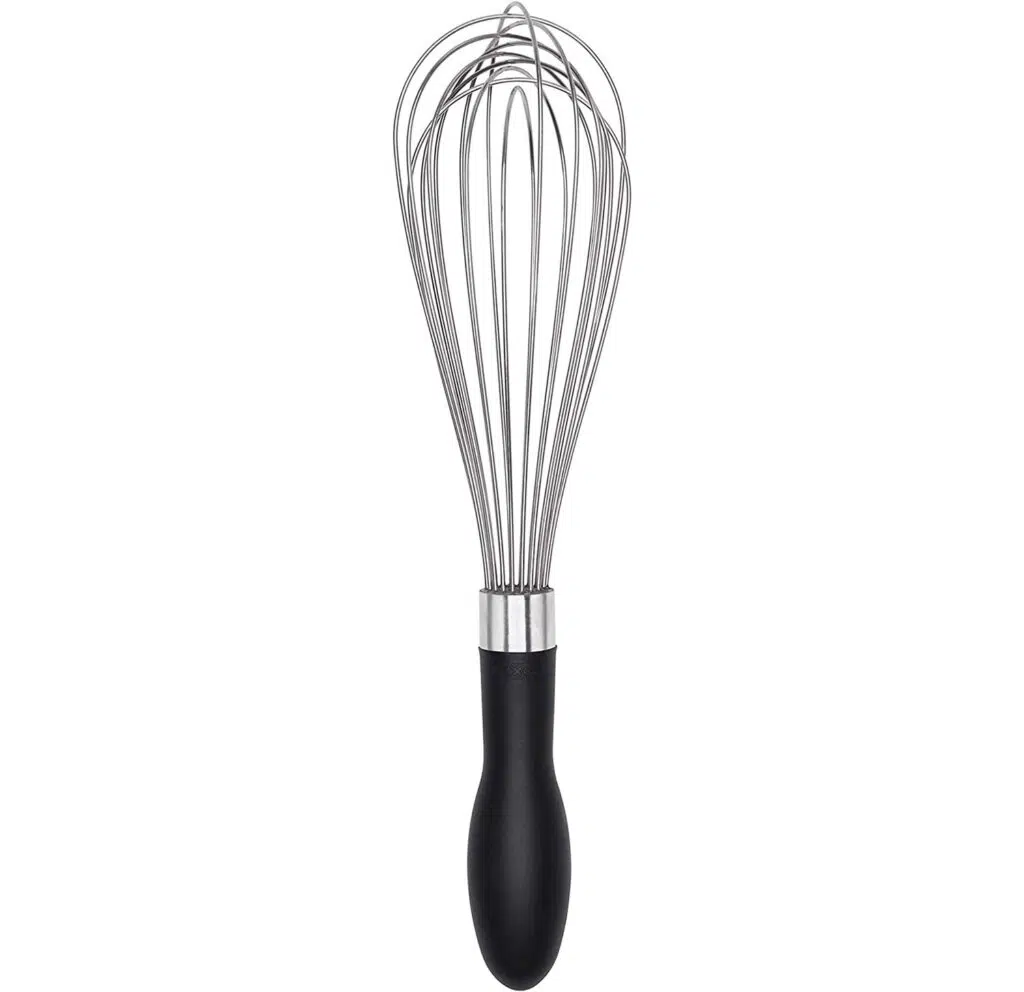
Since the cornstarch is already diluted in water, just stir regularly as the temperature rises to get a smooth, lump-free sauce. A small whisk is the ideal tool. It breaks up lump starts before they form.
🥄 Thick = sauce, thin = marinade: adjust to use
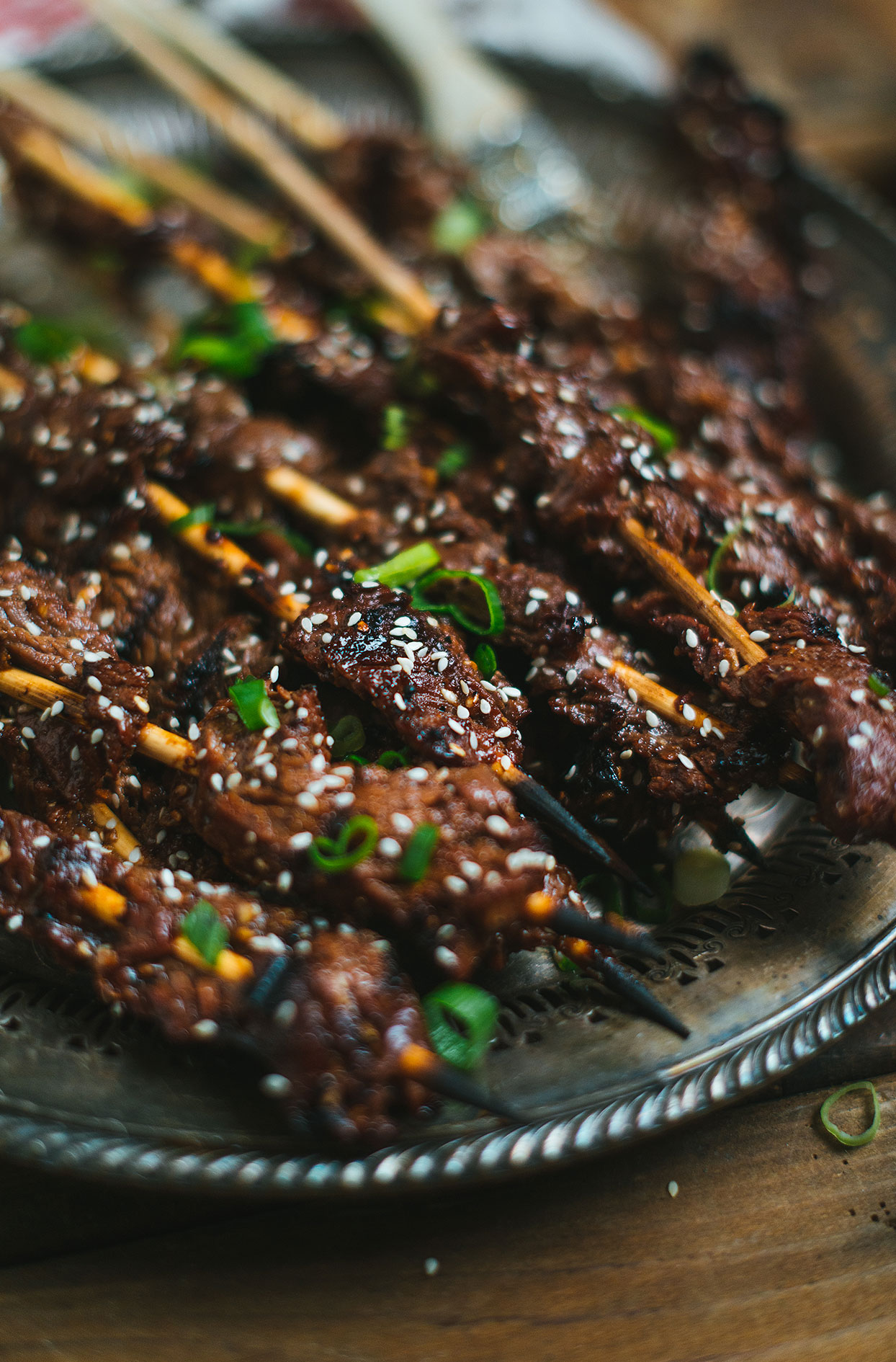
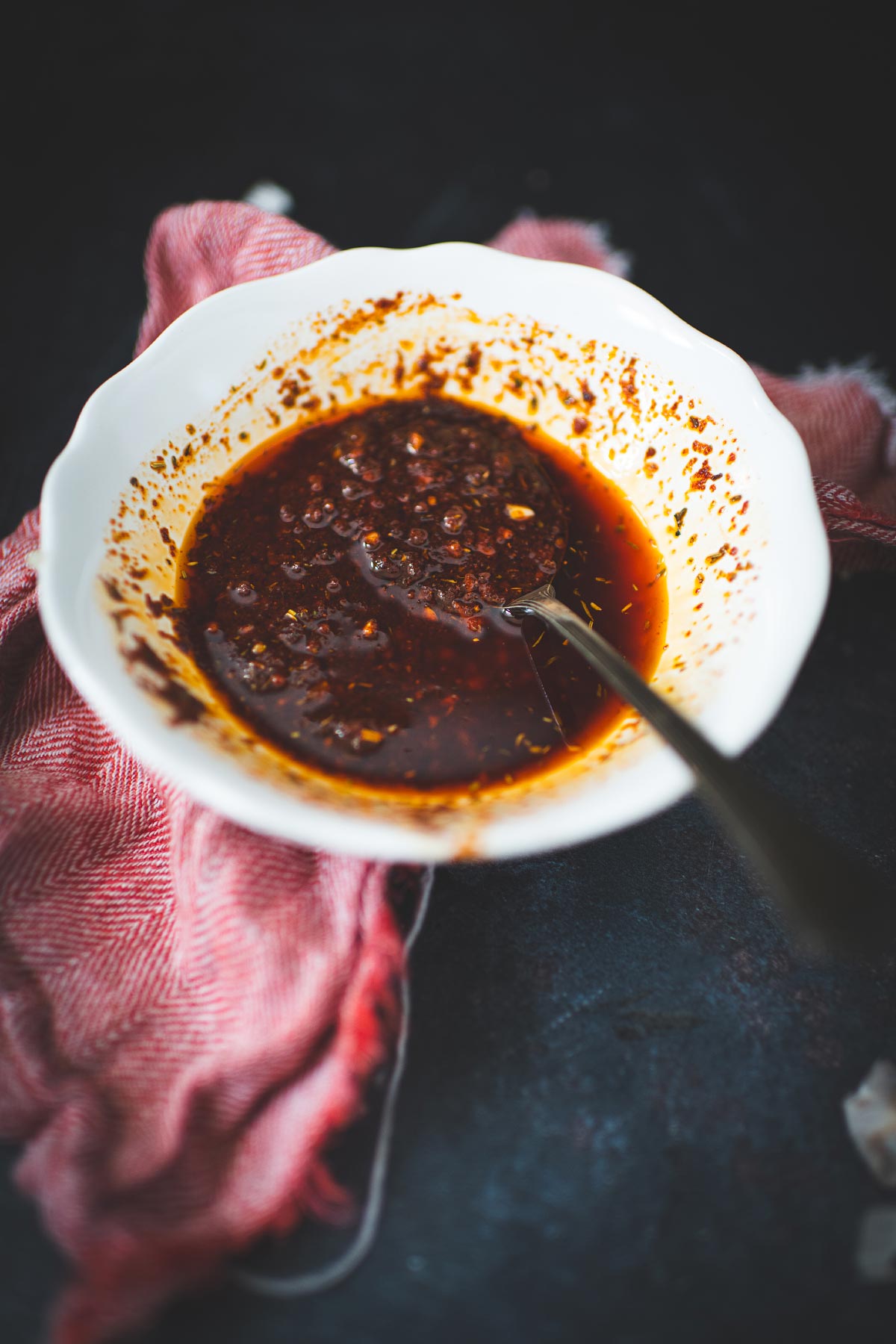
This is the most important thing to understand: consistency determines use. For a finishing sauce or glaze (that coats and sticks on chicken, salmon, vegetables), keep it thick with the full dose of cornstarch. For a marinade (that penetrates meat before cooking), make it thinner by reducing cornstarch by half or omitting it. Same base recipe, two completely different uses. For a dedicated marinade, see my teriyaki beef flank skewers.
🔥 Don’t overcook
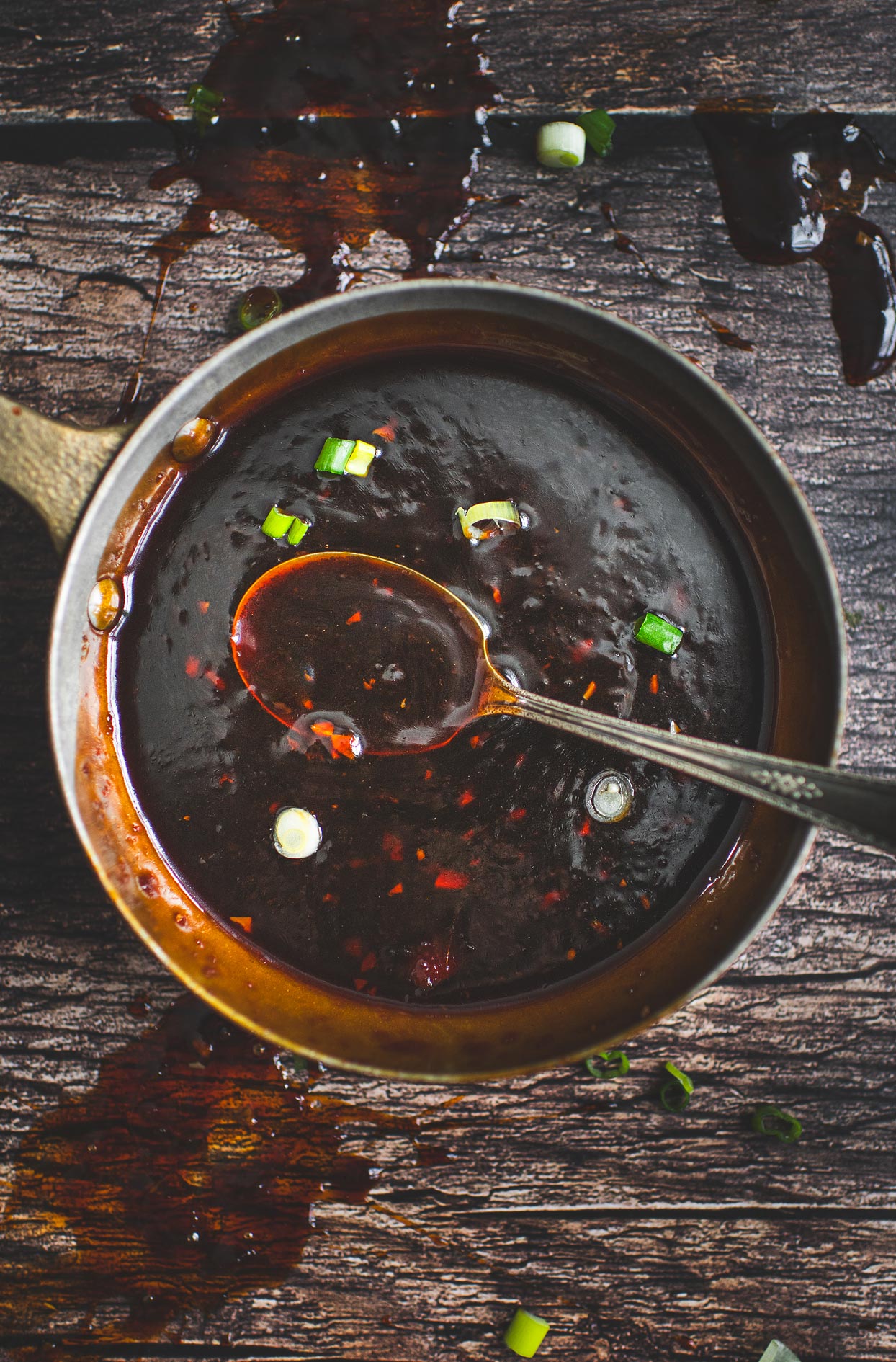
The sauce thickens further as it cools. Remove from heat as soon as it coats the back of a spoon, 2 to 3 minutes of simmering is enough. If you leave it too long on the heat, it becomes too dense, even sticky like caramel once cooled. Better to stop a bit too early than too late.
🍋 Adjust the balance at the end
Taste the sauce once lukewarm (not boiling, which skews perception) and adjust: more lime for freshness, more brown sugar or maple for sweetness, more tamari for salty-umami, more ginger for punch. It’s your sauce. Calibrate it to your taste.
🥢 Tamari or soy sauce: a matter of taste
I use tamari because I like its taste. Rounder, deeper, less aggressive than some soy sauces. But you can perfectly use a reduced-sodium soy sauce, it works great and the result is excellent. It’s really a matter of taste preference, not a strict rule. Try both and keep the one you prefer.
🍗 One sauce, a thousand uses
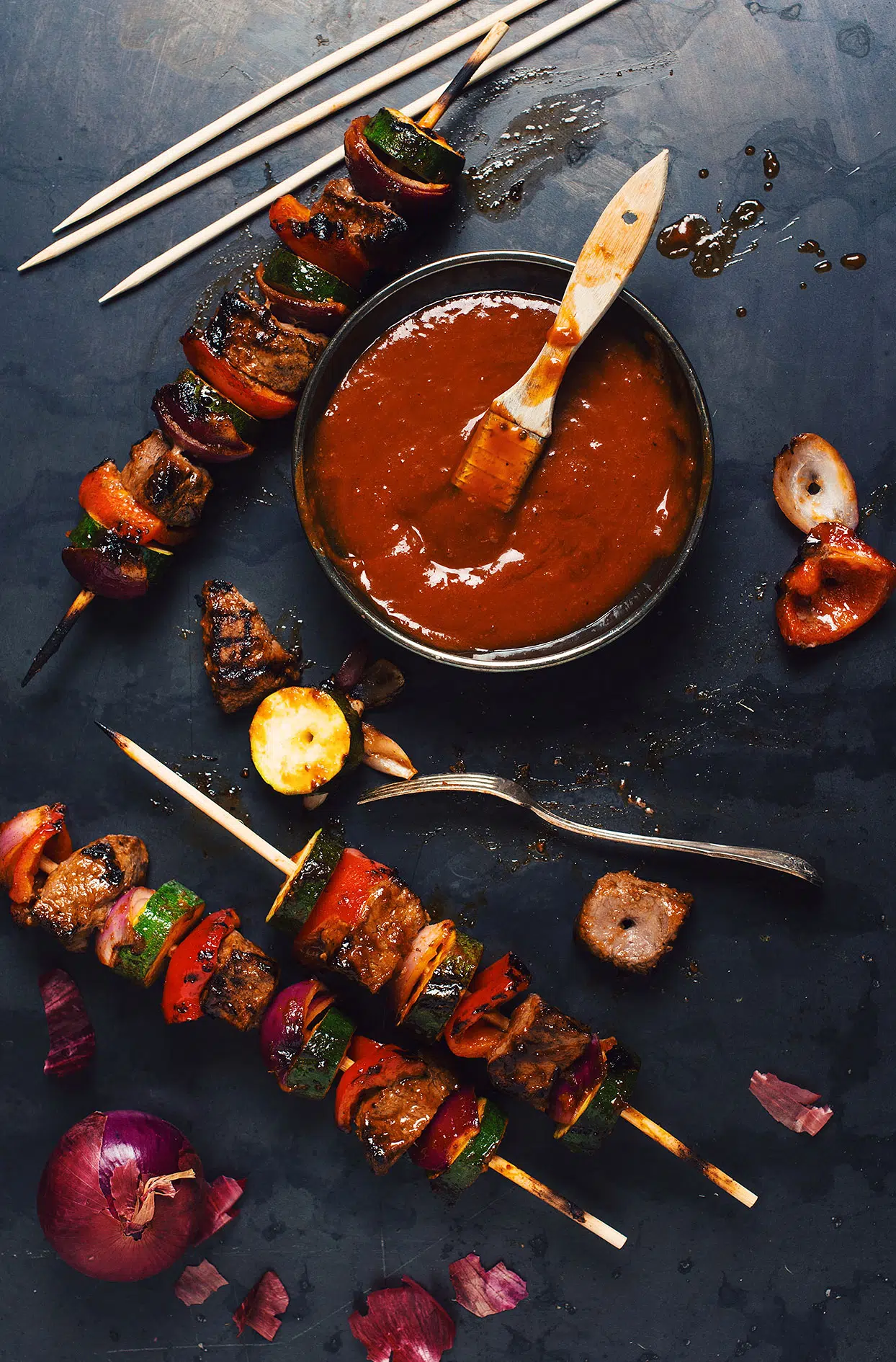
Homemade teriyaki is the fridge’s universal weapon: (1) Glaze on chicken, salmon, beef, pork, shrimp at the end of cooking; (2) Marinade (thin version) before BBQ or oven; (3) Bowl sauce poured over rice, soba noodles or ramen with sautéed vegetables; (4) Dip for tofu or chicken skewers; (5) Quick stir-fry. A drizzle in the wok with vegetables and protein. Always keep a jar in the fridge, you’ll put it on everything.
🧊 Keeps 1 week in the fridge
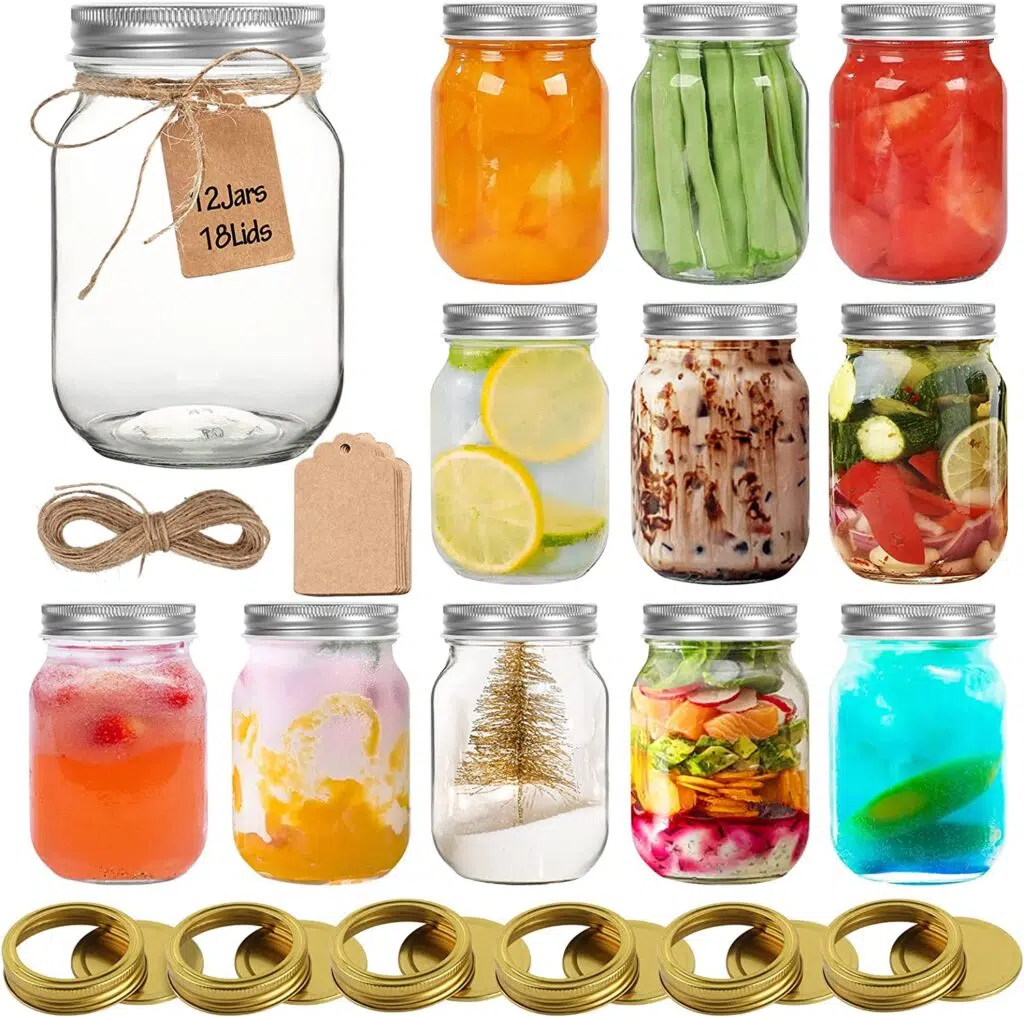
The sauce keeps up to 1 week in the fridge in an airtight container (a Mason jar is perfect). It thickens when cold, reheat gently or add a small drizzle of hot water to bring it back to the desired consistency. I do not suggest freezing: cornstarch separates on thaw and texture becomes grainy. Make a fresh batch, it takes 5 minutes.
✅ What to serve with my homemade teriyaki sauce
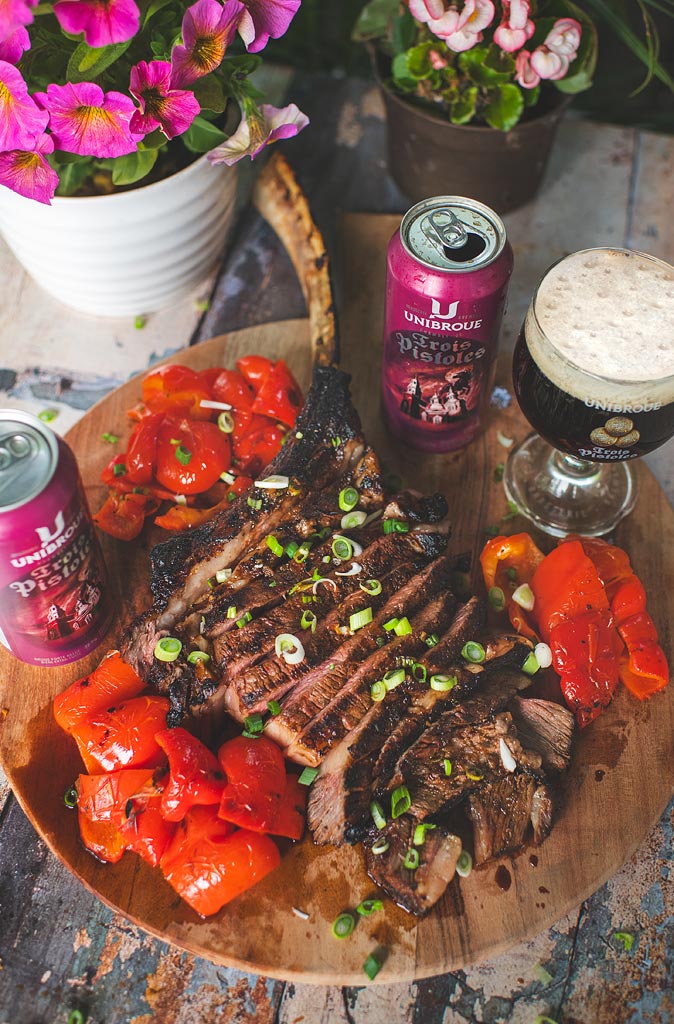
It shines on: (1) My maple teriyaki salmon; (2) My teriyaki beef flank skewers; (3) My teriyaki tofu skewers; (4) My grilled halloumi with teriyaki sauce; (5) Over a rice bowl with grilled chicken, edamame and green onions. Drinks-side, a Gewürztraminer or a cold Japanese lager work wonders.

Ads
Ingredients
- ½ cup (125 ml) tamari
- ¼ cup (60 ml) brown sugar
- ¼ cup (60 ml) water mixed with 3 tsp (15 ml) cornstarch
- 2 tbsp (30 ml) maple syrup
- 2 tbsp (30 ml) mirin
- 2 tsp (10 ml) fresh ginger, finely grated
- 1 tsp (5 ml) sesame oil
- 1 large garlic clove, finely minced
- Juice of ½ lime
- Freshly ground black pepper
Ads
Preparation
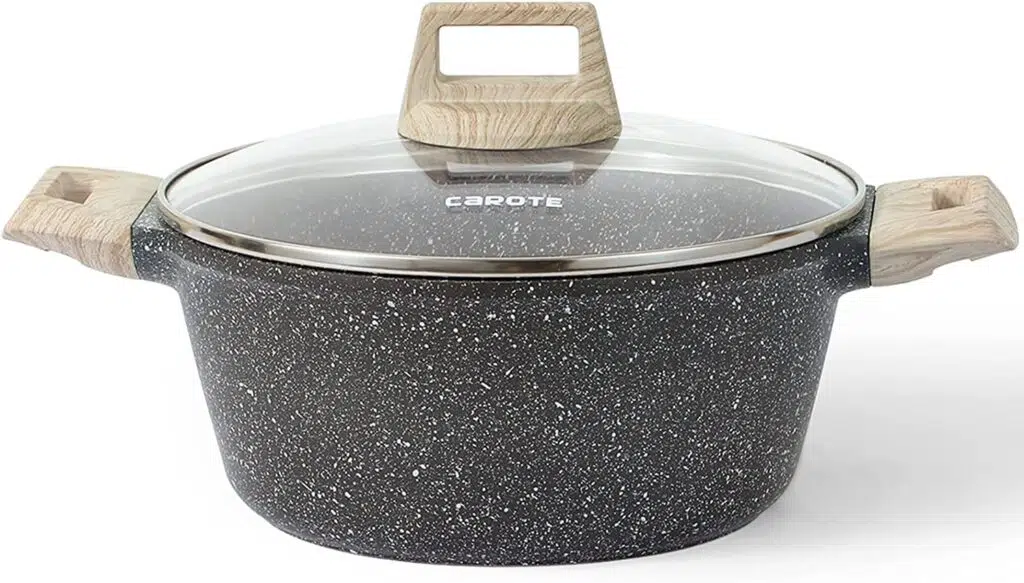
- Add all the ingredients to a small saucepan and mix well.
- Bring to a boil over medium heat, stirring constantly, then reduce the heat.
- Simmer for 2 to 3 minutes, until the sauce thickens and becomes glossy. Remove from the heat and let cool slightly before using.
Yes. Low-sodium soy sauce works very well.
That’s normal. Simply stir in a small splash of warm water to loosen it.
Yes, but only at the end of cooking to prevent burning. If you are looking for a thinner marinade, use this recipe instead.
This teriyaki sauce combines tamari, brown sugar and cornstarch-thickened water with maple syrup, mirin, fresh ginger, garlic, sesame oil and a splash of lime juice. It simmers for just a few minutes until glossy and thick enough to coat the back of a spoon.
It is versatile: use it as a short marinade, a finishing sauce, or a glaze at the end of cooking. For marinating specifically, a thinner version works best, so keep that in mind if that is how you plan to use it.
Ads
Ads


Ads
Ads
Ads