

Asian-style edamame beans
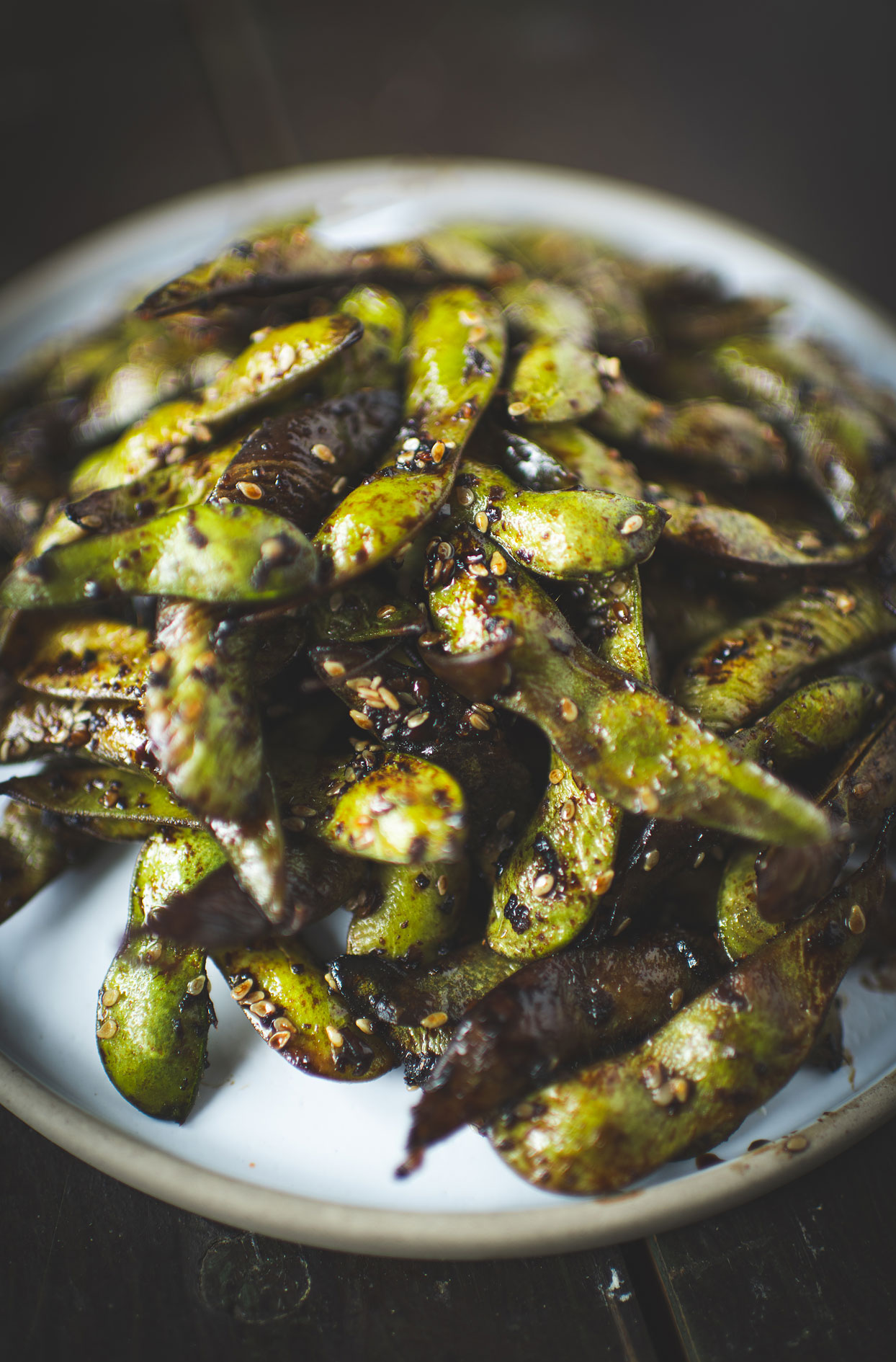
- Preparation 10 min
- Cooking 10 min
- Servings 4
- Freezing I do not suggest
Ads
🫘 The appetizer that gets your fingers dirty and empties the bowl in 3 minutes
These Asian-style edamame beans are the appetizer recipe that kills it every single time. Dead simple, ready in 20 minutes and so flavourful that nobody can believe something this easy can taste this good. Toasted sesame oil, fresh grated ginger, garlic, soy sauce and sesame seeds: the sauce is minimal but absolutely punching, clinging to every pod to create a lacquered, lightly caramelized coating that’s impossible to stop eating. Perfect for a friends-and-drinks apéro, a sushi night at home, a summer patio get-together or any occasion where you want to serve something different without spending hours in the kitchen. And yes. Bring a lot of napkins.
🔥 The 5-ingredient sauce that changes everything
What sets these Asian-style edamame beans apart from a plain bag of steamed edamame is the technique and the sauce. The garlic and fresh ginger cook gently in the olive oil and sesame oil to release their aromas before the beans even hit the pan. Then the heat goes up to medium-high, the frozen edamame go in straight from the freezer, followed by the soy sauce and sesame seeds. And the sauce reduces and caramelizes around the pods for 5 to 6 minutes while you stir. Five minutes resting covered after cooking and the beans have absorbed every last drop of sauce. The result is lacquered, fragrant, lightly salty and completely addictive.
Ads
Ads
🧄 Cook the garlic and ginger on low heat first. The step that builds the flavour foundation
The gentle cooking of the garlic and ginger in both oils before adding the edamame is what builds the aromatic backbone of the entire recipe. Over medium-low heat for 2 to 3 minutes, the aromas of the fresh ginger and garlic release into the oil and infuse every pod the moment they hit the pan. Skipping this step or cooking over too high heat from the start gives edamame with a flat sauce rather than a deep, fragrant one.
🔥 Crank the heat for the lacquering. The caramelization does all the work
Once the edamame, soy sauce and sesame seeds are in, move to medium-high heat and don’t be shy about it. That intensity is what allows the soy sauce to reduce quickly and caramelize around the pods to create the lacquered, lightly golden surface that makes these edamame irresistible. Too gentle a heat gives a sauce that pools at the bottom of the pan rather than clinging to the beans.
⏱️ The 5-minute covered rest. Not an optional step
The 5 minutes of covered rest after cooking aren’t just filler: that’s when the beans absorb the last of the concentrated sauce at the bottom of the pan and the residual heat finishes cooking the insides of the pods evenly. Serving immediately without resting gives less flavourful beans and a sauce that stays in the pan instead of on the pods.
🫘 Use frozen edamame in the pod. Don’t thaw first
Frozen edamame in the pod go straight into the hot pan without thawing. The thermal shock between the cold edamame and the hot pan immediately creates steam that helps cook the beans inside the pods while the surface browns and lacquers. Pre-thawed edamame have too much surface moisture and give a diluted, less caramelized sauce.
🥢 Serve in the pod. That’s the whole point
These edamame are eaten in the pod. Pinch the pod between your teeth and slide the beans directly into your mouth. That’s what makes this appetizer so convivial, so casual and so fun to eat. Set out a large empty bowl for the empty pods and, as the recipe says, a generous stack of napkins. The soy sauce lacquer on your fingers is all part of the experience.

Ads
Ingredients
- Olive oil
- 2 tsp (10 ml) toasted sesame oil
- 1 tsp (5 ml) fresh ginger, grated
- 1 garlic clove, very finely chopped
- 450 g (1 lb / 16 oz) frozen edamame beans in the pod
- ¼ cup (60 ml) soy sauce
- 1 tbsp (15 ml) sesame seeds
- Salt and ground pepper
Ads
Preparation
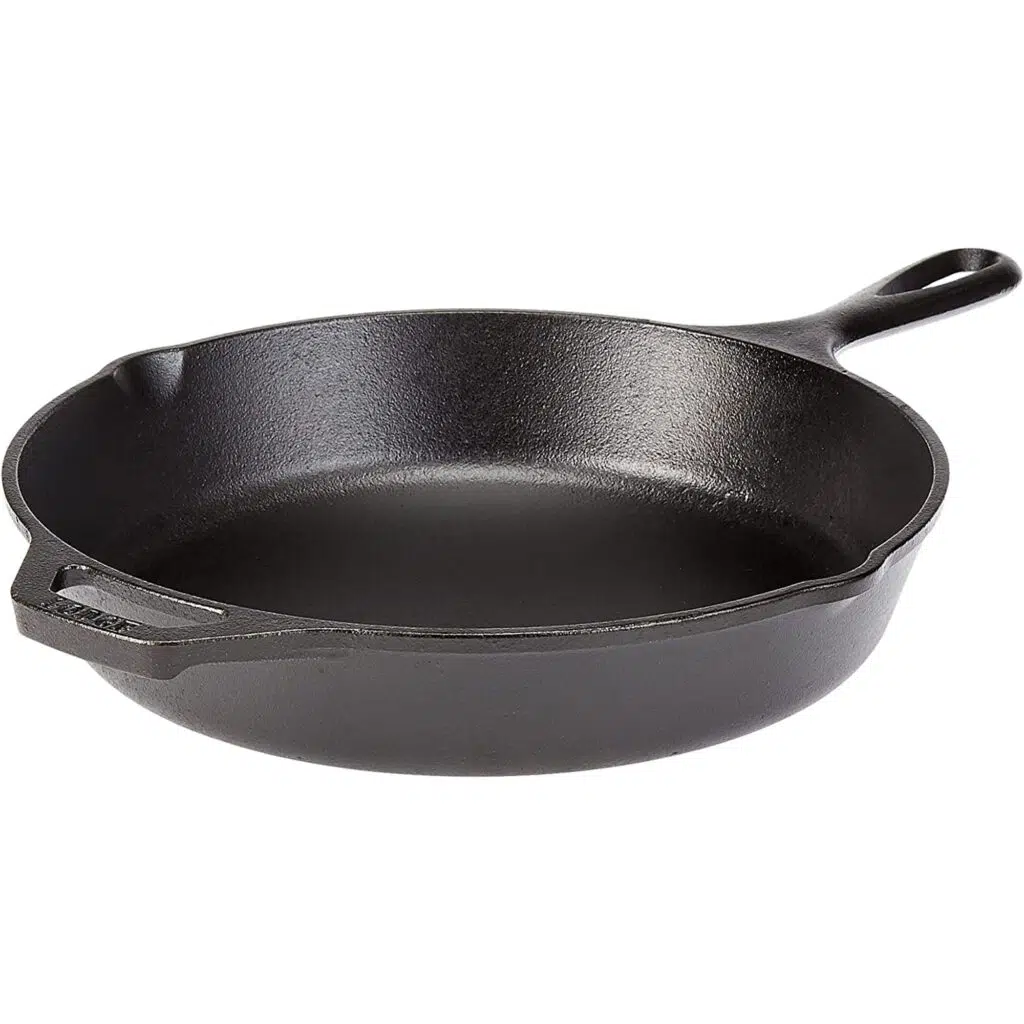
- In a non-stick pan over medium-low heat, drizzle in a thin stream of olive oil. Add the sesame oil, grated ginger and garlic. Season with salt and pepper and cook for 2 to 3 minutes, stirring, until the aromas are released.
- Increase to medium-high heat and add the frozen edamame, soy sauce and sesame seeds. Cook for 5 to 6 minutes, stirring regularly, until the beans are nicely golden and the sauce has reduced and lacquered the pods.
- Remove from heat, cover and let rest for 5 minutes. Serve in a large bowl with… plenty of napkins.
Yes, if available. Fresh edamame in the pod cook slightly faster. Reduce the cooking time to 4 to 5 minutes over medium-high heat. Frozen edamame are the most practical and year-round accessible option, and they give an equally excellent result. The key is not to thaw the edamame before cooking. Add them straight from frozen into the hot pan for the best result.
Yes. Tamari sauce (gluten-free) is the ideal direct substitute. It has the same salty, umami profile as soy sauce, often with a slight added sweetness. Coconut aminos is an even lower-sodium option for those watching their sodium intake. Avoid drastically reducing the quantity of soy sauce. It’s what creates the characteristic caramelized lacquer of the recipe.
They’re best served hot or at room temperature, straight after cooking and resting. Fully chilled from the refrigerator, the beans remain very flavourful but the sauce firms up slightly around the pods. Let them come back to room temperature for 15 minutes before serving if prepared ahead. Avoid reheating in the microwave. The texture of the beans goes soft and the sauce loses its lacquered finish.
Yes, and it’s excellent. Add ½ tsp (2.5 ml) of Sriracha, sambal oelek or dried chili flakes at the same time as the soy sauce for a spicy version. A teaspoon of sweet chili sauce adds a great sweet-spicy angle. For an even more complex version, a drizzle of chili garlic oil straight into the sauce before pouring it over the edamame.
Yes. This garlic, ginger, soy sauce and sesame sauce works beautifully on broccoli florets, asparagus cut into pieces, green beans, snow peas or even firm tofu cut into cubes. Adjust the cooking time based on the vegetable. Denser ones like broccoli and asparagus need 7 to 8 minutes over medium-high heat to brown properly.
Ads
Ads
Ads
Ads
Ads
Ads