

Chicken Ramen Stir Fry Recipe (20 Minutes)

with l'épicier
- Preparation 10 min
- Cooking 15 min
- Servings 4
- Freezing Absolutely
Ads
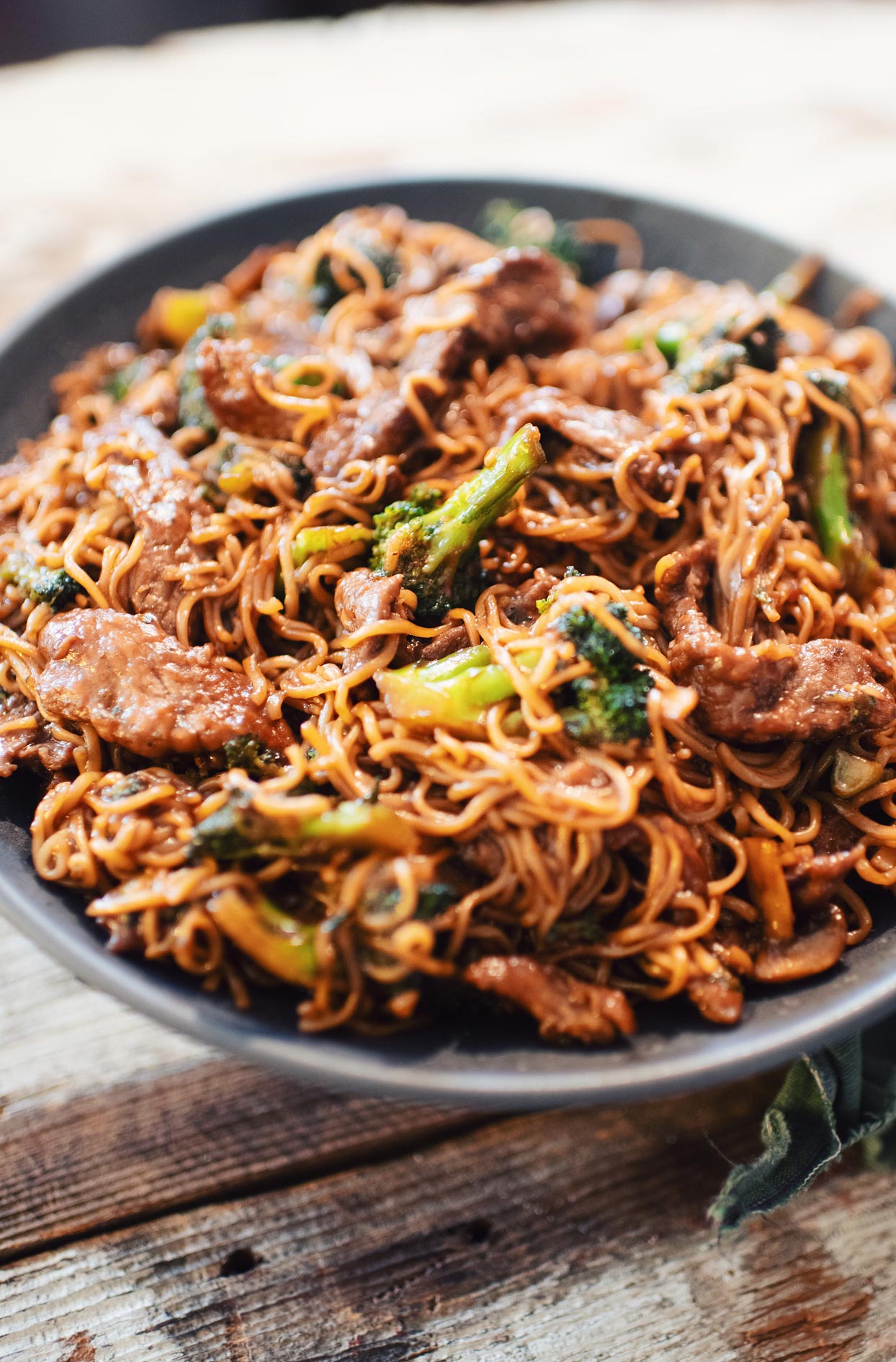
🍜 Twenty minutes, one pan, and nobody suspects a thing
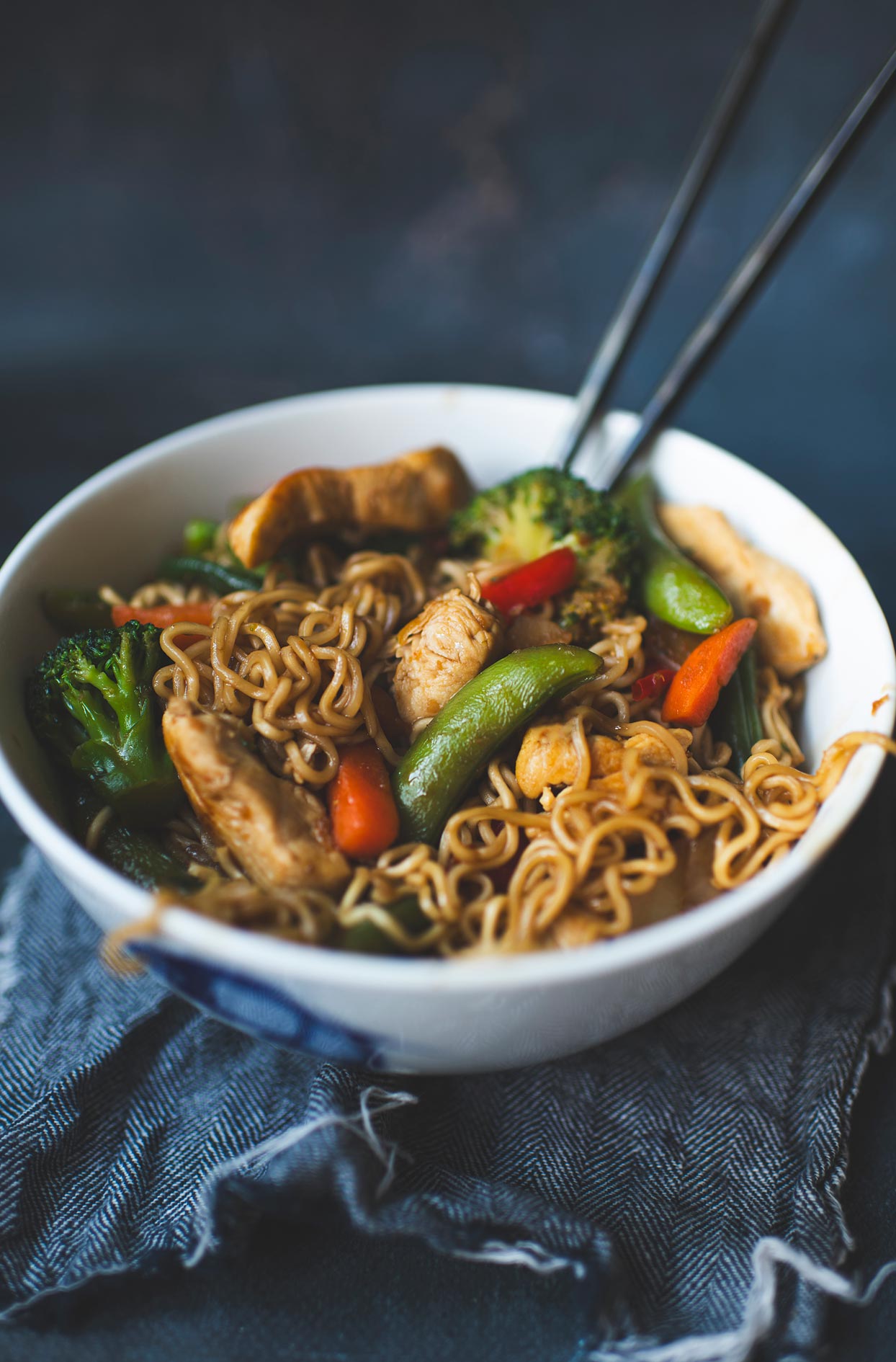
This is the dinner I make when the day went sideways and it is quarter to six. A bag of frozen vegetables, two blocks of ramen, two chicken breasts. None of it takes any planning, and yet it comes out of the pan looking like something. The sauce does all the work: soy, hoisin, toasted sesame oil, a little maple syrup. Four things whisked in a bowl while the water comes to a boil.
🧊 The vegetables go from freezer straight into the pan
Do not thaw them. Ever. The ice crystals have already ruptured the cell walls, so thawing does exactly one thing: releases all that water into your sink or your pan. You end up with limp, dull vegetables. Thrown in still frozen, into a screaming hot pan, they hold their crunch and their color. There will be a little water left after four minutes, and that is fine. That water becomes your sauce.
🧄 Garlic and ginger go in the sauce, not in the hot oil
This is the one thing I do differently from everybody else, and I figured it out after burning garlic one time too many. In a wok over high heat, minced garlic goes black in fifteen seconds. Every recipe tells you to fry it on its own before adding anything else, which is precisely where it burns. Whisk it into the sauce with the ginger. It cooks in the liquid at the very end, it perfumes everything, and it never turns bitter.
Ads
Ads
🔥 Wait for the smoke, seriously
This is the difference between a stir fry and a pot of boiled chicken. A good pour of oil in the pan, high heat, and you wait until it is smoking well before anything goes in. If the oil is hot enough, both chicken breasts can go in at once and still sear. If it is lukewarm, the chicken releases its water, the temperature crashes, and you get gray chicken that boiled in its own juice. Nobody wants that.
🧊 Frozen, not thawed, and do not worry about the water
The whole bag, 675 g, straight from the freezer into the pan. The urge to thaw comes from a good place and it wrecks the dish: the water from the ice crystals gets released and the vegetables collapse. Still frozen in a blazing pan, they cook from contact before they have time to weep. There will be a puddle after four or five minutes. Leave it. When the sauce hits, that water loosens it just enough to coat the noodles instead of gluing them to the bottom.
🧄 Garlic in the sauce, never in screaming hot oil
In a wok over high heat, minced garlic goes from blond to black in about fifteen seconds. That is why so many homemade stir fries carry a bitter aftertaste. I put the garlic and ginger into the whisked sauce, along with the soy and hoisin. They cook in the liquid during the last two minutes, they perfume everything, and there is nothing to watch.
💧 Rinse the ramen under cold water
After draining, run them under cold water. It stops the cooking dead, which matters because the noodles are going back into a hot pan for two more minutes. And it washes off the surface starch that welds them into a single brick while they wait. Ramen noodles are made with kansui, an alkaline that gives them their springy bite, and that bite is exactly what lets you throw them back in a hot pan without turning them to mush. Leave them sitting in their hot water and you lose all of it.
🌶️ It takes heat well
There is nothing spicy in it as written, which makes it a dinner kids actually eat. If you want to turn up the volume, a teaspoon of sriracha or sambal oelek in the whisked sauce, or chili flakes on your own plate only. That way everybody decides for themselves.
🍤 The chicken is not mandatory
This is the kind of recipe that takes whatever you have. Shrimp, two or three minutes instead of five. Pork strips, same time as the chicken. Firm tofu in cubes, patted very dry, seared until golden on two sides. The sauce and the method do not change.
📅 Make ahead
The sauce can be made entirely ahead and that is what makes this dinner so fast. Whisk it with the garlic and ginger already in it, keep it in a labeled jar in the fridge. It holds a week and it is actually better after two days, once the garlic and ginger have infused. You can also slice the chicken and green onions the day before and keep them in separate containers. What I never do ahead: the noodles and the stir fry itself. Cooked ramen sitting in the fridge lose their bite, and a reheated stir fry is not a stir fry anymore. The whole cook is fifteen minutes anyway. People arrive, you turn on the burner, and the house smells good while you talk.
✅ What to serve with my chicken ramen stir fry?
Honestly, it is a complete meal and it stands on its own. But if you have company and want more on the table, two things work well beside it: my Asian cucumber salad, for the cold acidity that cuts through the sweet-salty sauce, and my Asian-style edamame beans, which get picked at while you cook. To start, my spring rolls with peanut sauce can be made entirely ahead.
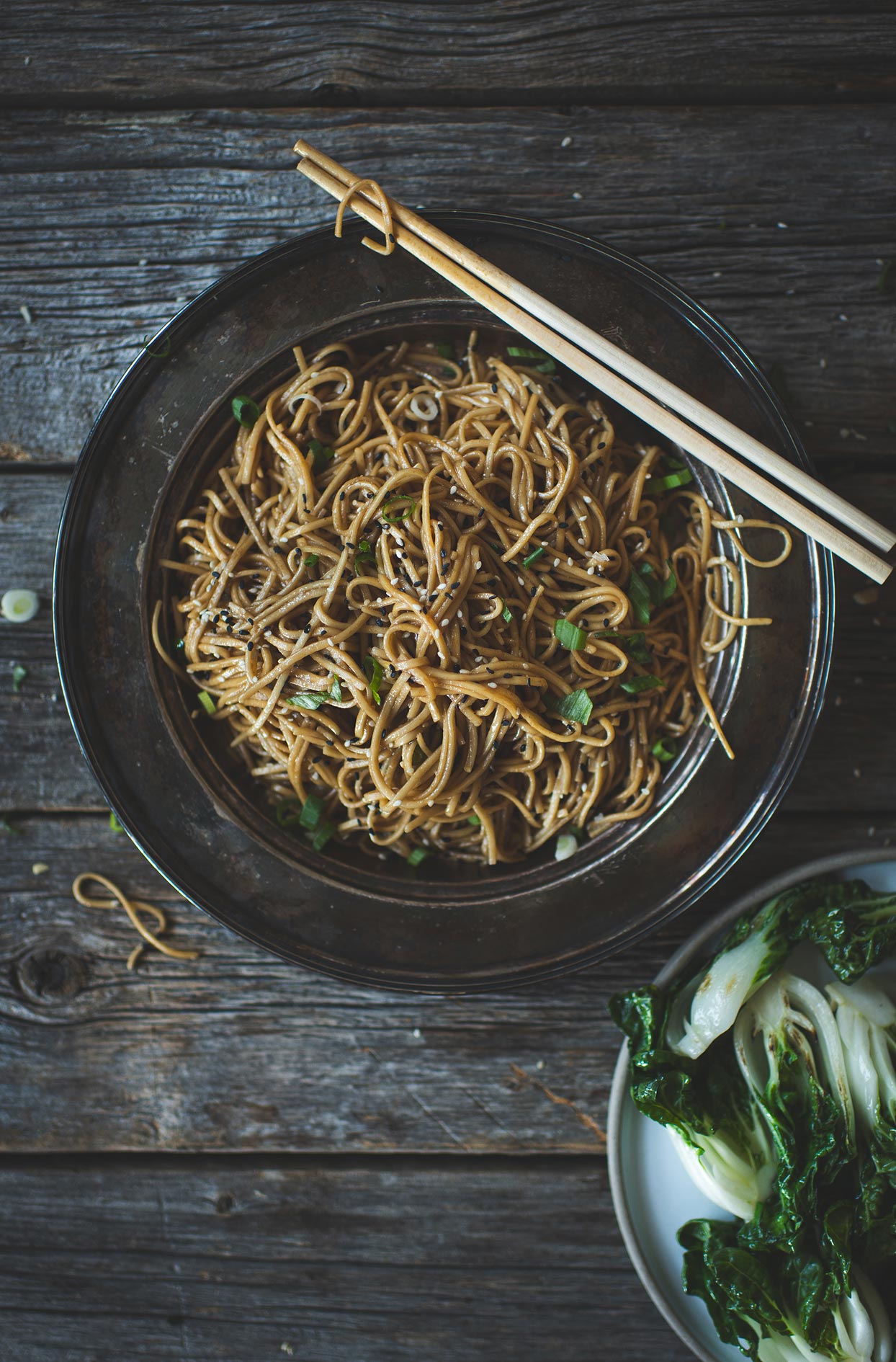
And if this is your kind of weeknight dinner, go look at my quick sesame Chinese noodles, which are even faster than this one, or my chicken and vegetables fried rice for the nights when it is day-old rice sitting in the fridge instead of ramen.
Ads
Stir fry
- 2 packages instant ramen noodles, seasoning packet discarded
- 2 tbsp (30 ml) canola oil
- 2 chicken breasts, cut into strips
- 1 bag (675 g) frozen Asian vegetable mix
- 2 green onions, sliced
- 1 tbsp (15 ml) toasted sesame seeds
Sauce
- 1/4 cup (60 ml) low-sodium soy sauce
- 3 tbsp (45 ml) hoisin sauce
- 1 tbsp (15 ml) toasted sesame oil
- 1 tbsp (15 ml) maple syrup
- 3 garlic cloves, finely minced
- 1 tbsp (15 ml) fresh ginger, grated
Ads
Preparation
- Cook the ramen noodles in boiling water according to package directions, without the seasoning packet. Drain them, then rinse under cold water to stop the cooking and keep them from sticking together. Set aside.
- In a small bowl, whisk together the soy sauce, hoisin sauce, sesame oil, maple syrup, garlic and ginger. Set aside.
- In a large skillet or wok, heat the canola oil over high heat until it is smoking well. Add the chicken strips all at once and stir fry 5 to 6 minutes, until golden and cooked through. Set aside.
- In the same pan, without wiping it out, add the frozen vegetables without thawing them and stir fry 4 to 5 minutes, until tender but still crisp. There will be some water left in the bottom, that is normal.
- Return the chicken to the pan, add the noodles and the sauce. Toss well and stir fry 2 minutes, just long enough to heat through and coat everything. Garnish with green onions and sesame seeds, and serve immediately.
Yes, and they are one of the best noodles for it. Boil them plain, throw away the seasoning packet, drain and rinse under cold water. Ramen are made with kansui, an alkaline salt that tightens the gluten and gives the noodle its springy, elastic bite. That structure is exactly what lets them go back into a hot pan for two more minutes without falling apart. Fresh egg noodles or lo mein work too, but ramen are cheaper and already in your cupboard.
Five steps and about twenty minutes. Boil the noodles and rinse them cold. Whisk the sauce in a bowl, garlic and ginger included. Sear the chicken in smoking hot oil and set it aside. Stir fry the frozen vegetables straight from the bag in the same pan. Then everything goes back in together with the sauce for two minutes. The only real skill is getting the pan hot enough before the chicken goes in.
No, and thawing is the worst thing you can do. Freezing has already ruptured the cell walls. Thawing releases all the water that was trapped there, and you end up with slack vegetables that weep even more into your pan. Straight from the freezer into a very hot pan, they cook by contact before they have time to release their moisture, and they hold their crunch and their color.
A thick, dark Chinese sauce made from fermented soybeans, garlic, vinegar and sugar. Sweet, salty and a little funky, somewhere between barbecue sauce and miso paste. It lives in the international aisle of any grocery store and a jar keeps for months in the fridge. No hoisin? Swap the three tablespoons for two of barbecue sauce and one of soy sauce, plus a pinch of five-spice if you have it. Not identical, but it works.
Healthier than the packet version by a wide margin, because you throw the seasoning packet away and the noodles are boiled rather than fried in the pouch. What you get instead is 675 g of vegetables and two chicken breasts for four servings. The sodium sits mostly in the soy sauce, which is why I use low-sodium, and in the hoisin. If you are watching salt closely, cut the soy to three tablespoons and taste before adding more.
Two to three days in the fridge in an airtight container. The noodles do soften overnight, there is no way around it, but the dish still eats well. Reheat in the microwave or in a hot pan with a tablespoon of water to loosen everything up. I would not freeze it: ramen come back from the freezer as mush.
Ads
Ads
Ads
Ads
Ads
Ads