

Chicken chow mein
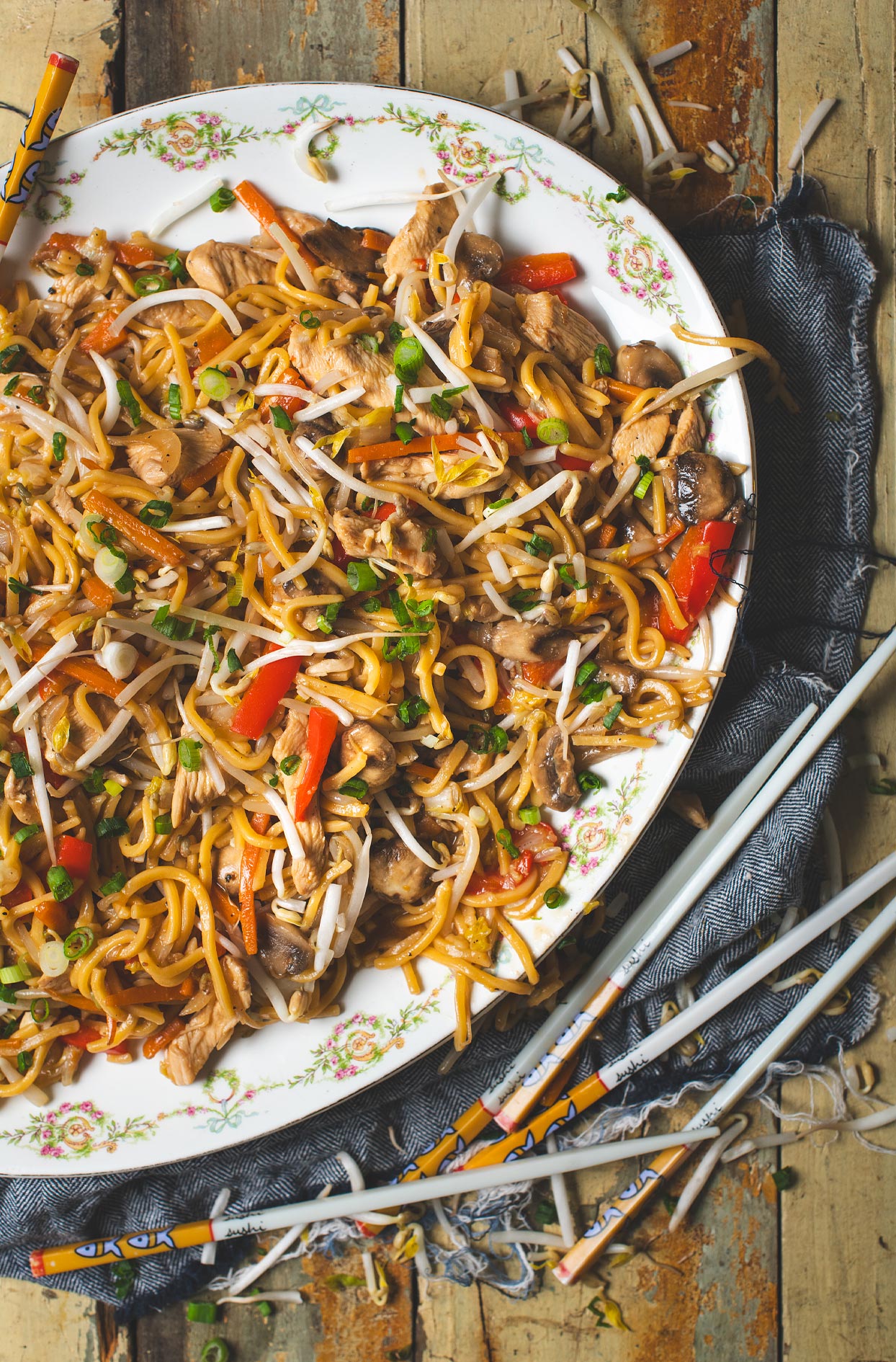
- Preparation 45 min
- Cooking 20 min
- Servings 4
- Freezing Absolutely
Ads
🥢 The homemade chow mein that beats take-out
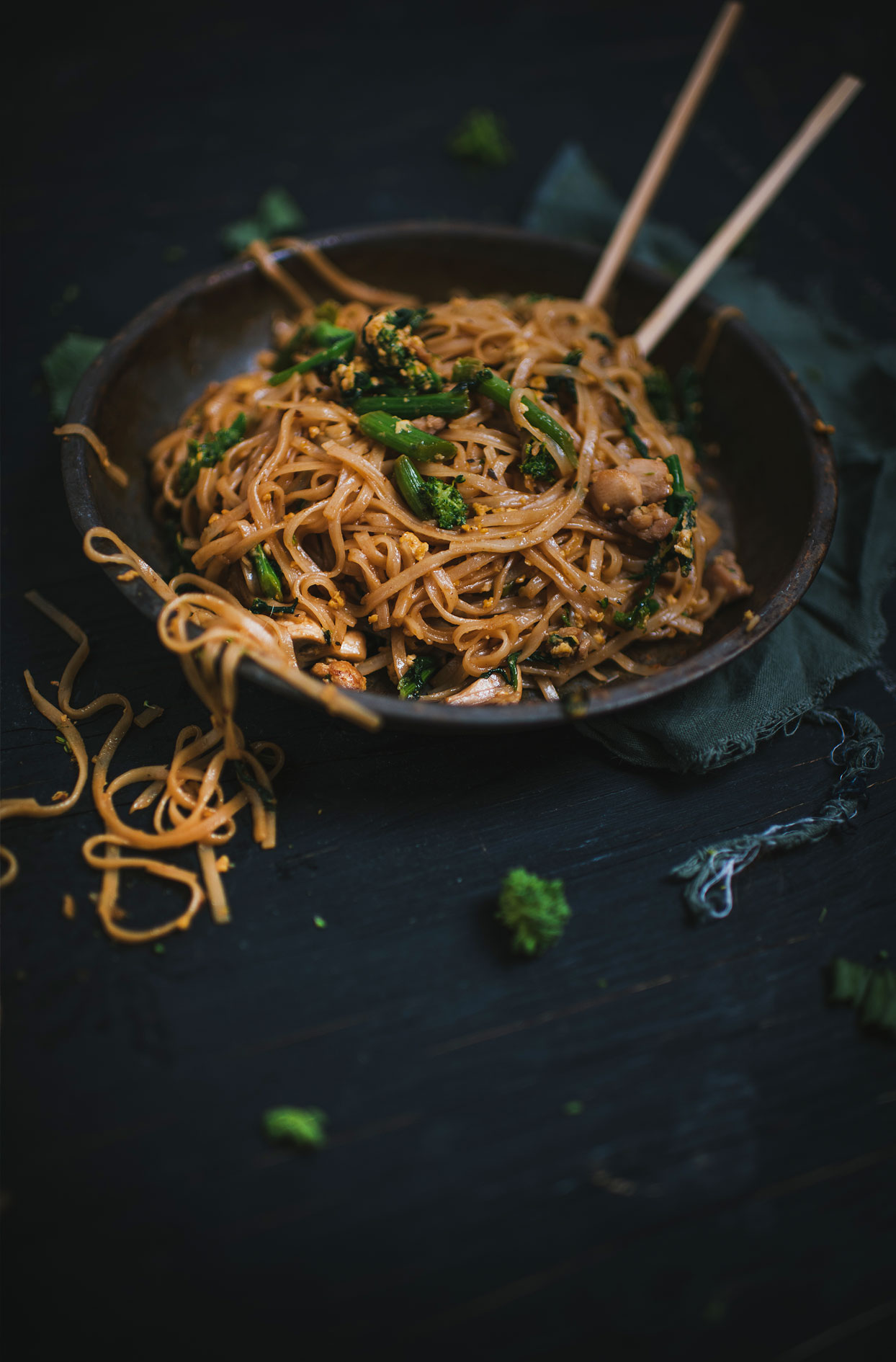
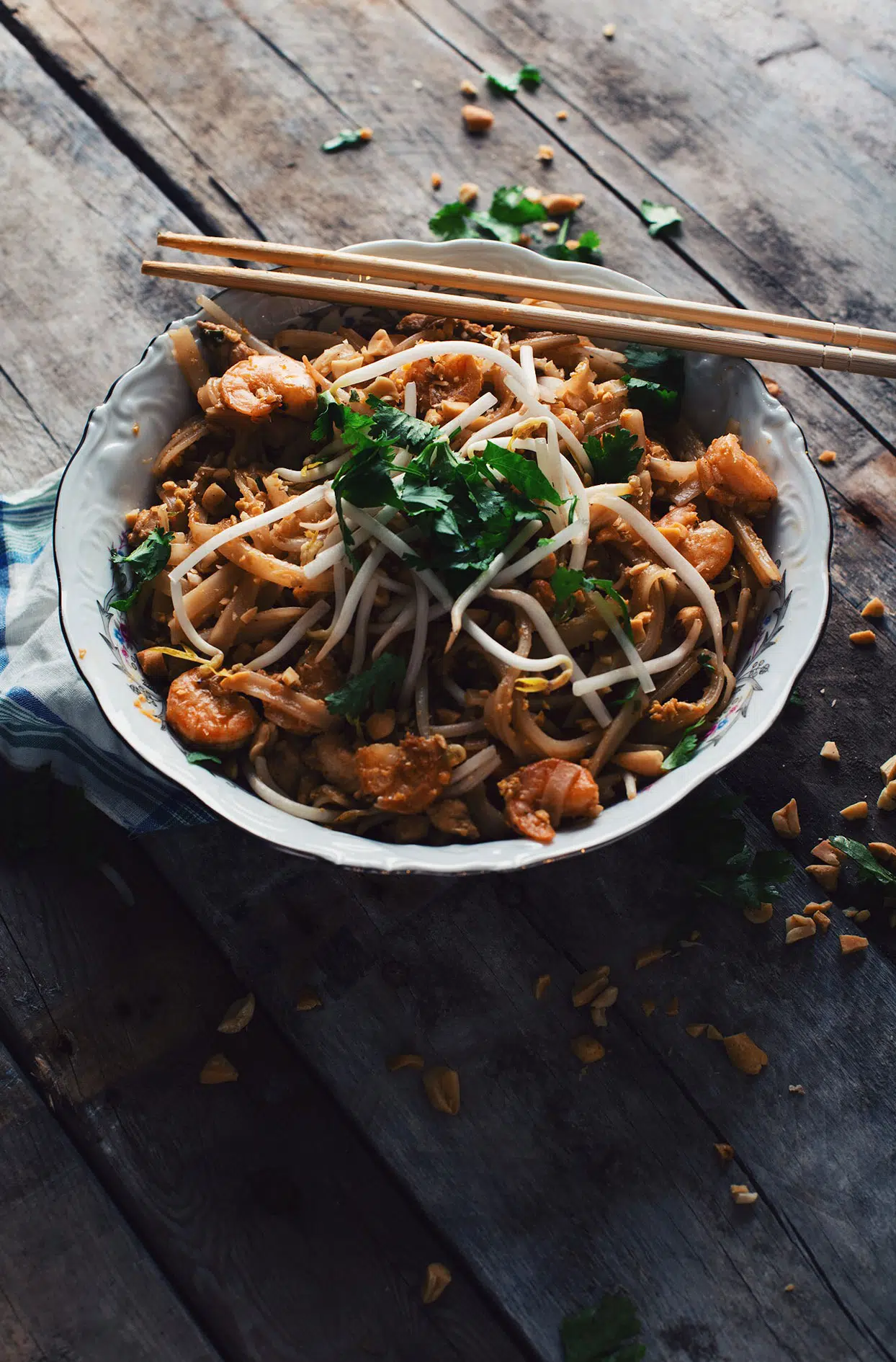
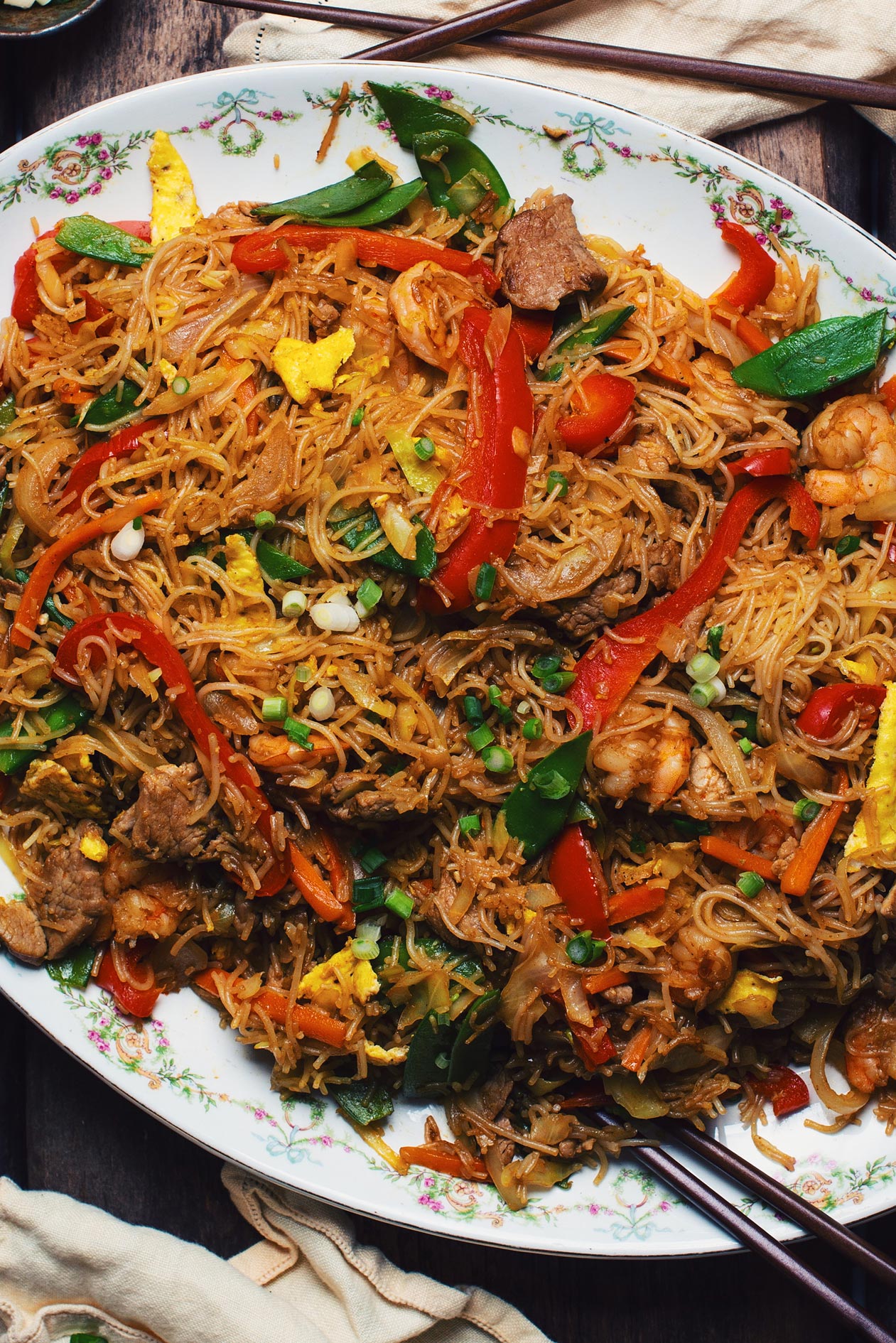
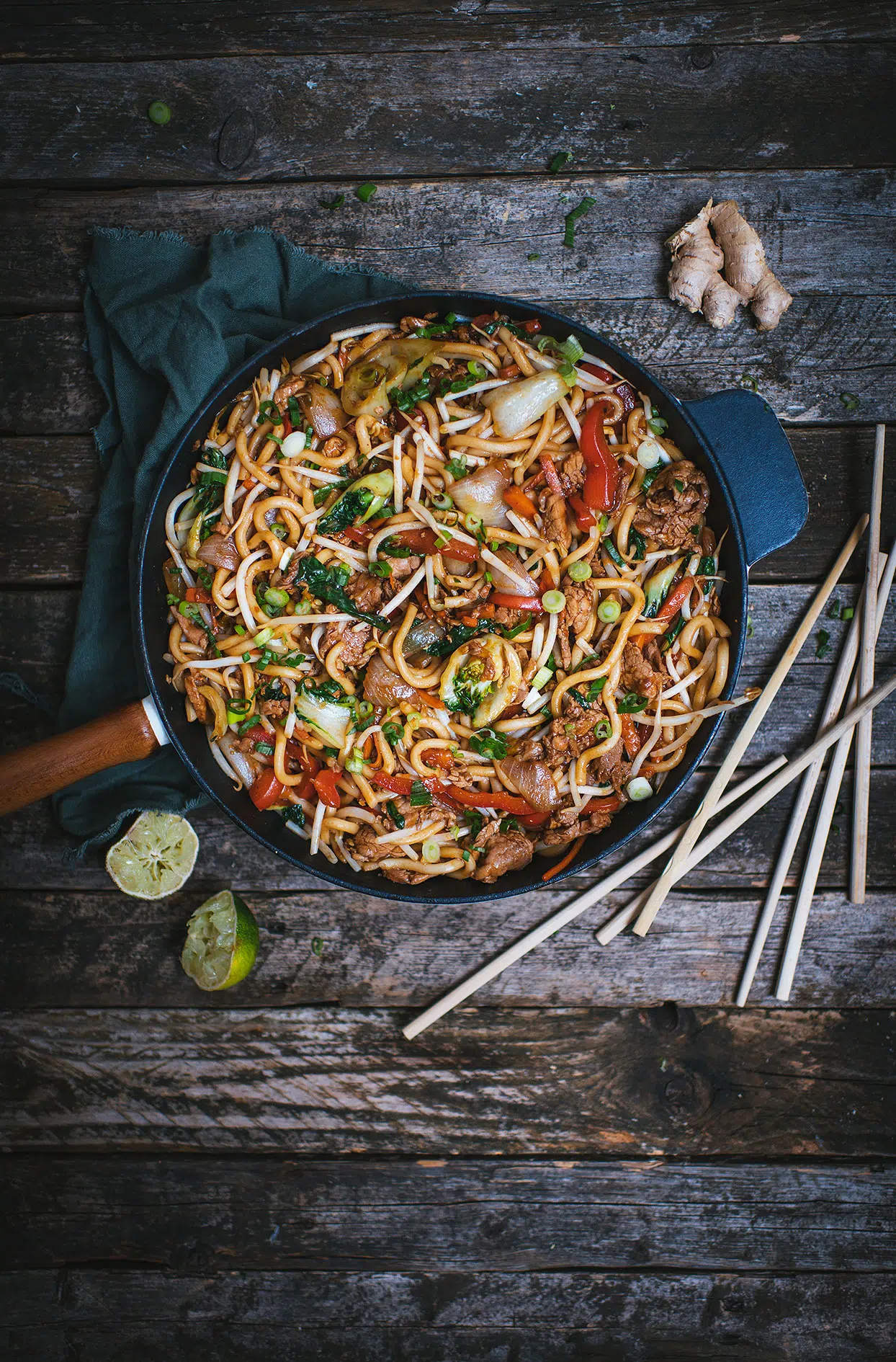
Hold onto your chopsticks, because this chicken chow mein recipe might just become your new obsession. Perfectly stir-fried noodles, tender juicy chicken, crunchy vegetables and an umami sauce that coats it all. The kind of dish that makes you want to chuck your take-out out the window and become the chef of your own wok. This chow mein lives in my Asian top tier alongside my authentic pad thai, my chicken pad see ew and my Singapore noodles.
🔥 The wok technique: high heat and NEVER overload
The secret to a real Chinese-restaurant chow mein is high-heat wok cooking with everything prepped in advance. Once it starts, it goes in minutes. Mistake number one people make: overloading the wok. Too many ingredients at once = the wok cools down, you steam instead of sear, and you end up with a wet, sad stir-fry. Cook in batches if needed. It’s just 30 extra seconds for a result that’s 10 times better.
🌶️ The ultra-versatile weeknight dish
My homemade chow mein comes together in about an hour (45 min prep + 20 min cook) and it’s practically foolproof once the sauce is dialed in. You can swap the chicken for shrimp, beef, pork or tofu. The sauce stays the same, only the protein changes. For veggies, use what’s in the fridge: carrots, peppers, mushrooms, cabbage, bean sprouts, bok choy, gai lan, Chinese broccoli, snap peas. Once you make it once, you’ll be making it weekly because it’s better than take-out and you control everything in it.
Ads
Ads
🍜 Noodle type: where to find them and substitutes
Chow mein noodles are honestly available in most large grocery stores (Asian section). If you can’t find them, fresh ramen or lo mein noodles work great. Avoid super-soft instant noodles. They’ll fall apart in the stir-fry.
🌊 Why rinse the noodles in cold water
You rinse in cold water for two specific reasons: it stops the cooking immediately (otherwise they keep cooking in residual heat), and it removes excess starch that would make the noodles stick together at stir-fry time. Cook them a little less than the package time. They’ll finish in the wok with the sauce, and that’s where the magic happens.
🔥 Wok or large pot. Not a small pan
The wok is ideal for heat distribution and space, but a large deep pot works really well too (I often use one at home). Avoid the large flat skillet that takes too much burner space and heats unevenly. The key: a vessel deep enough to stir vigorously without sending everything flying.
🚫 NEVER overload the wok
Fatal chow mein mistake: dumping everything in at once. Too many ingredients = the temperature drops, you steam instead of sear, and you end up with a wet, flat dish. Keep the wok half full max. If you double the recipe, cook the chicken in 2 batches, 30 extra seconds for a result 10 times better.
🍤 Protein variants: shrimp, beef, pork, tofu
The sauce stays the same, only the protein changes: 300 g of peeled shrimp (cook 2-3 minutes only), 500 g beef sirloin in thin strips (sear 2-3 min, remove and add back at the end), 500 g pork strips (loin or tenderloin), or 1 block firm tofu drained and cubed (sear 4-5 min until golden). You can also mix chicken + shrimp for a “two pleasures” version.
🥬 Vegetable variants. Go with what you have
Carrots, peppers, mushrooms, Napa cabbage and bean sprouts are my base. But this dish is ultra versatile: add or swap with bok choy, gai lan (Chinese broccoli), regular broccoli, snap peas, water chestnuts for crunch or bamboo shoots. The rule: harder veggies (carrots, broccoli) first, tender ones (bean sprouts, green onions) at the very end.
🌡️ Reheating leftovers. Oven or skillet, NEVER microwave
To reheat your chow mein the next day, two good methods: in the oven at 350°F in a covered dish with a splash of water (5-7 minutes), or in a skillet/wok over medium heat with 2-3 tbsp (30-45 ml) of water to rehydrate (3-4 minutes, stirring). The microwave gives you rubbery noodles and sweaty veggies. Not worth it.
🥃 Make a fresh batch of sauce next time
If you fall in love with this sauce (and you will), just whip it up fresh next time. It’s 2 minutes of whisking. You can improvise an express stir-fry with any leftover protein + fridge veggies + fresh sauce, and you’ve got a full meal in 15 minutes on a Tuesday night.
🧄 FRESH ginger + garlic. Never powdered
Freshly grated ginger and freshly minced garlic deliver 80% of the depth of flavor in chow mein. Powdered ginger or garlic doesn’t work here. It burns at high heat and leaves a bitter aftertaste. Buy a nice piece of ginger, keep it in the freezer, and grate it directly with a Microplane while frozen. Lasts 3 months no problem.
✅ If you fall in love with my chow mein, here’s the next stop
This chow mein lives in my legendary Asian trio with my authentic pad thai with chicken and shrimp, my chicken pad see ew and my Singapore noodles. Once you try one, you’ll want to try all three. Pair with a chilled Alsace Pinot Gris or a red Mild Ale for the full experience.
Ads
Sauce ingredients
- 2 tbsp (30 ml) soy sauce
- 2 tsp (10 ml) cornstarch
- 1 tsp (5 ml) sesame oil
- 2 tsp (10 ml) brown sugar
- 2 tbsp (30 ml) white wine
- 3 tbsp (45 ml) oyster sauce
- ¼ cup (60 ml) chicken broth
- Salt and freshly ground pepper
Rest of the ingredients
- 500 g boneless skinless chicken breasts, cut into strips
- 2 tbsp (30 ml) soy sauce
- 400 g chow mein noodles
- About 3 tbsp (45 ml) canola oil
- 1 ½ tsp (7.5 ml) freshly grated ginger
- 2 garlic cloves, finely minced
- 3 large nantes carrots, julienned
- 1 small yellow onion, halved and thinly sliced (½ cup (125 ml) / 125 ml)
- 1 red bell pepper, halved and sliced
- 227 g white mushrooms, halved
- 1 ½ cups (375 ml) thinly sliced Napa cabbage
- 1 ½ cups (375 ml) bean sprouts, rinsed and drained
- 1 to 2 green onions, sliced
- Salt and freshly ground pepper
Ads
Preparation
- In a bowl, whisk the soy sauce and cornstarch until dissolved. Add the rest of the sauce ingredients, season with salt and pepper, mix and set aside.
- In a bowl, combine the chicken with the soy sauce. Set aside while you prep the rest.
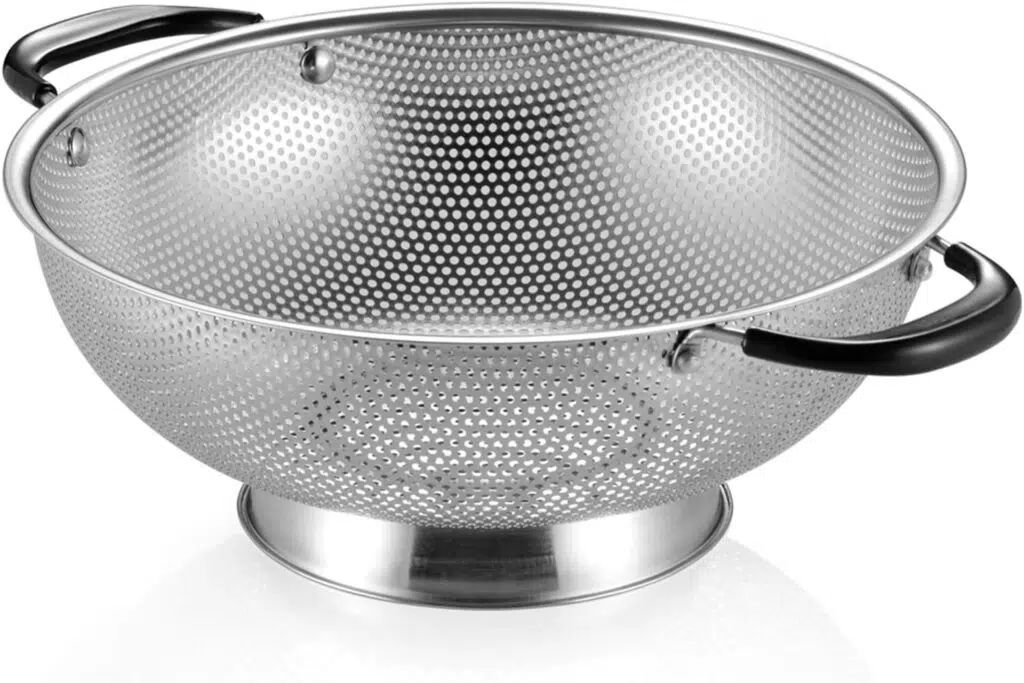
- In a large pot of boiling water, cook the noodles a little less than package time (they’ll finish in the wok). Drain, rinse under cold water to stop the cooking and remove starch, then drain well. Set aside.
- In a wok or large pot heated over medium-high, add the canola oil followed by ginger, garlic, carrots and onion. Season with salt and pepper and cook 4 to 5 minutes, stirring. Add more oil if needed.
- Add the chicken and bell pepper and stir. Cook 5 to 6 minutes until the chicken is almost cooked through.
- Add the mushrooms and cabbage and continue cooking 2 minutes.
- Toss in the noodles, sauce and bean sprouts, season with salt and pepper. Cook 2 minutes, stirring, to heat through and finish the noodles. Garnish with sliced green onions and serve!
Traditional Cantonese-style chow mein features golden noodles (sometimes crispy), crunchy vegetables (peppers, carrots, onion, Napa cabbage, bean sprouts), a protein (chicken, shrimp, beef, pork or tofu) and a sauce based on soy sauce, oyster sauce, sesame and broth. My homemade version combines all these classics with a sauce that rivals the best Chinese restaurants.
Chow mein is stir-fried over high heat, giving the noodles a slightly crispy and caramelized texture. Lo mein is more tender. The noodles are simply tossed with the sauce without being seared in the wok. They often use the same base noodle; the technique is what changes everything.
Yes, absolutely. If you don’t have a wok, a large deep pot works perfectly. That’s what I often use at home. The key: steady medium-high heat and don’t overload the vessel so you can properly sear the ingredients. Avoid the wide flat skillet that takes too much burner space.
Two methods that work: in the oven at 350°F in a covered dish with a splash of water (5-7 min), or in a skillet/wok over medium heat with 2-3 tbsp (30-45 ml) of water to rehydrate (3-4 min, stirring). No microwave. It gives rubbery noodles and sweaty vegetables.
If you fall in love with my chow mein, these other Asian recipes are absolutely legendary: my authentic pad thai with chicken and shrimp, my chicken pad see ew and my Singapore noodles. The winning trio. Add a chilled Alsace Pinot Gris or a Mild Ale red to round out the table.
Ads
Ads
Ads
Ads
Ads