

Olive bread with fresh herbs and beer
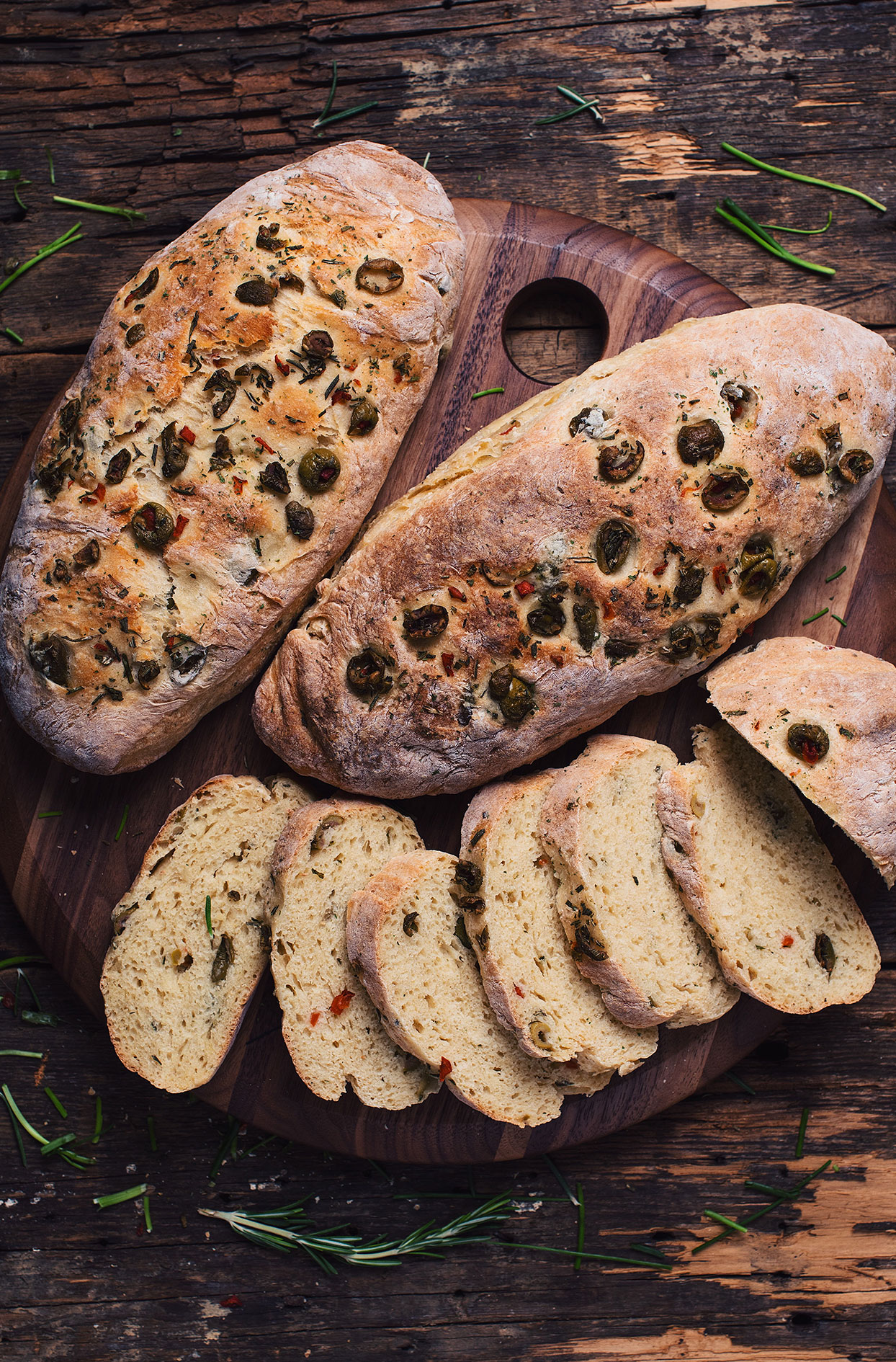
- Preparation 3 h 30 min
- Cooking 25 min
- Servings 3
- Freezing Absolutely
Ads
🥖 A SOLID CRUSH for this bread
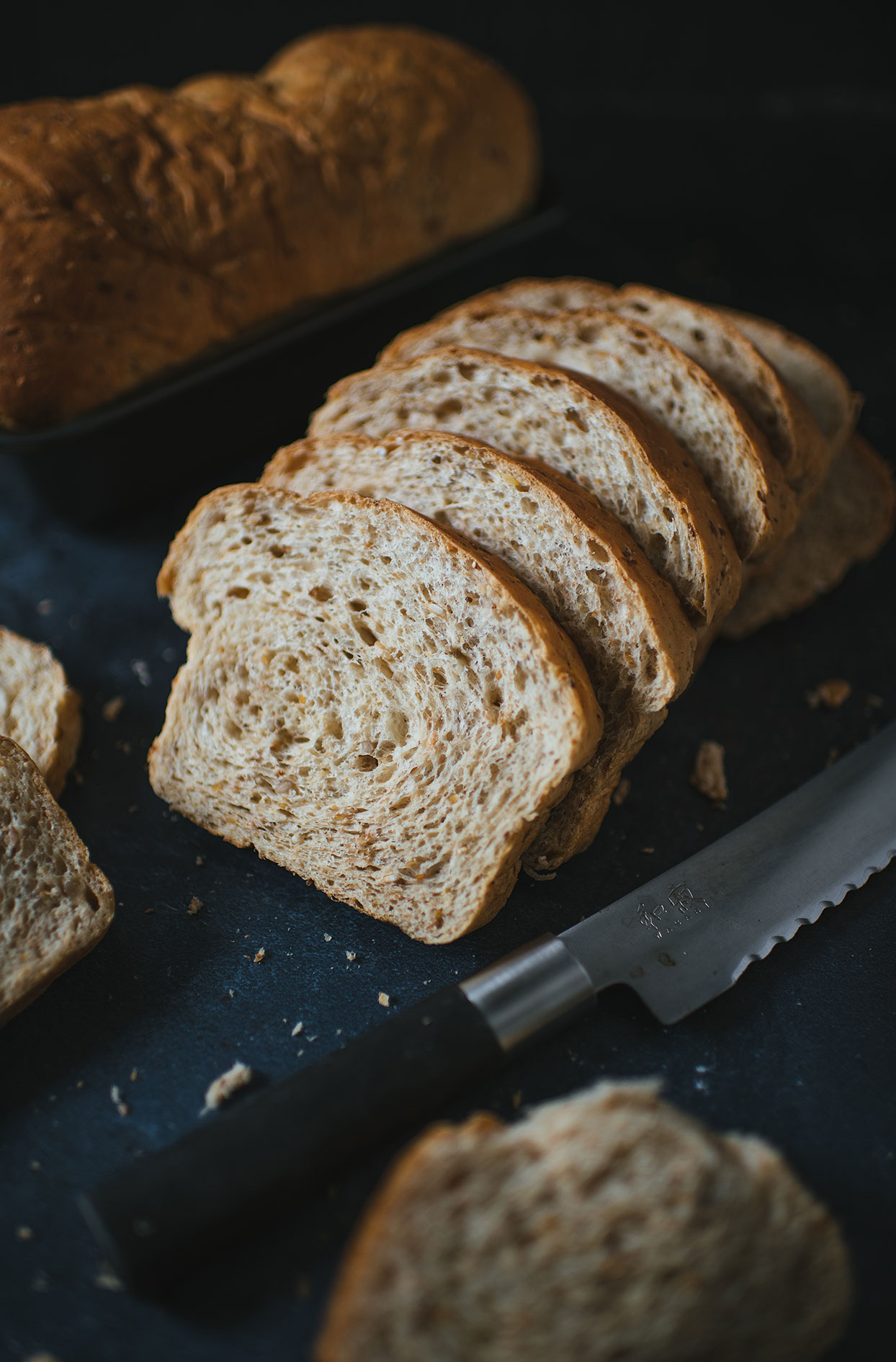
I shape it into three long baguettes, loaded with green olives and fresh herbs, and it never survives to the end of the meal. Sandwiches, starters, brunch. There is no occasion where it does not work.
🍺 The beer is there for flavour
A honey blonde lager in the dough is what changes everything. Flavour, flavour, flavour. The honey is not there to sweeten anything: it feeds the yeast. You will never taste sugar in the crumb, just a bread with some depth to it.
🫒 One rise, then straight into the oven
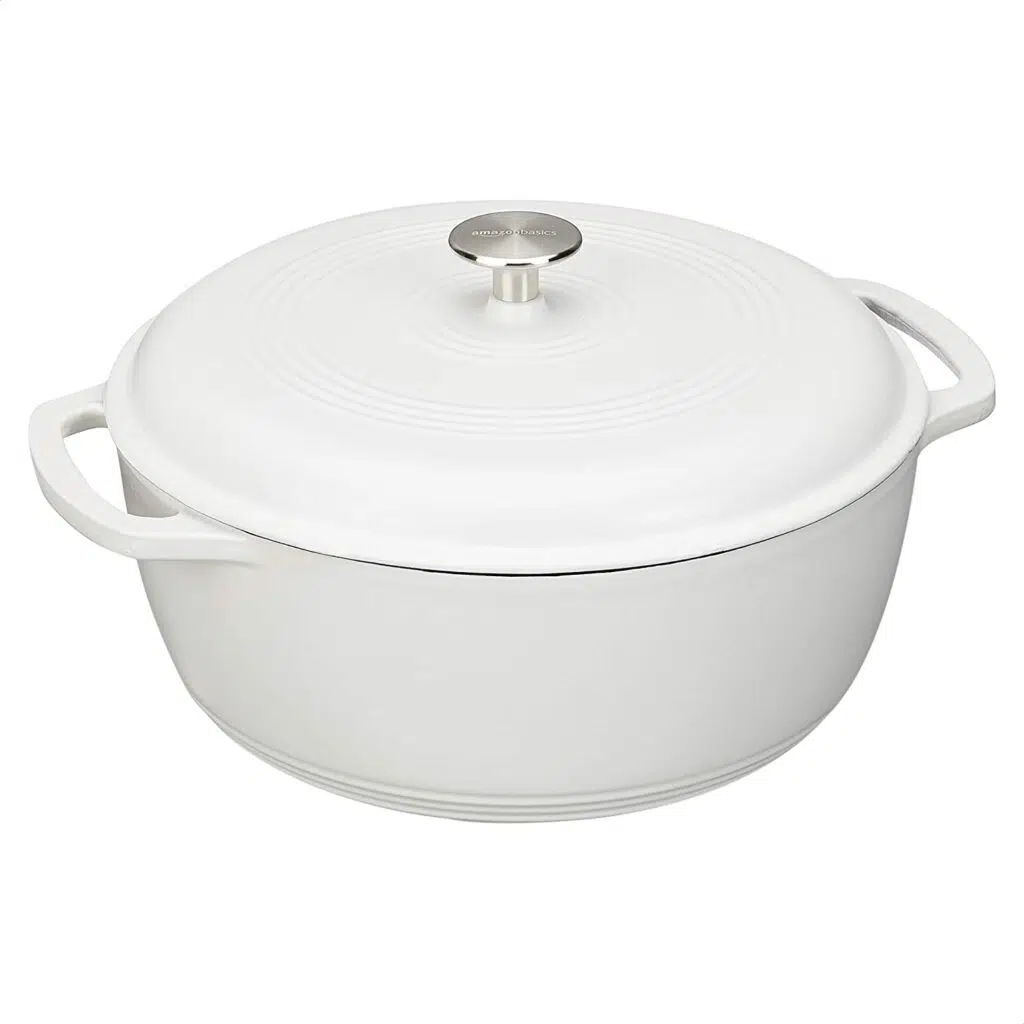
Two and a half hours of rising, shape the baguettes, bake. That is it. No second rise, no scoring. That is exactly why there is so much yeast in the recipe: it does the whole job in one shot. I bake mine in a Dutch oven these days, and the crust comes out better than it does naked on a sheet.
Ads
Ads
🧪 The yeast is where this recipe is won or lost
Always make sure your yeast is active. It is the one ingredient here that can sink the whole thing, and nobody talks about it.
An opened jar of yeast is good for about three months, maximum. After that it rises poorly or not at all, and you end up with three bricks.
My rule is simple. If you bake often, buy jars, they cost less and you go through them. If you bake twice a year, buy sealed sachets. That is the best way not to lose it over the long run. A sealed sachet waits in the cupboard without aging; an open jar is counting the days.
⏱️ One rise, and it is on purpose
I shape my baguettes and put them straight in the oven. No second rise after shaping, and I do not score the tops either.
If you look at the amount of yeast, you will think it is a lot. That is exactly the point. It makes up for the single rise.
🥘 The Dutch oven gives a better crust
I tested both. The taste is identical, the baking time too. What changes is the look. The top crust comes out nicer in the Dutch oven.
Shape your baguettes on parchment paper and lower the paper into the hot pot. On a sheet it is still very good, you just lose a bit of that crust.
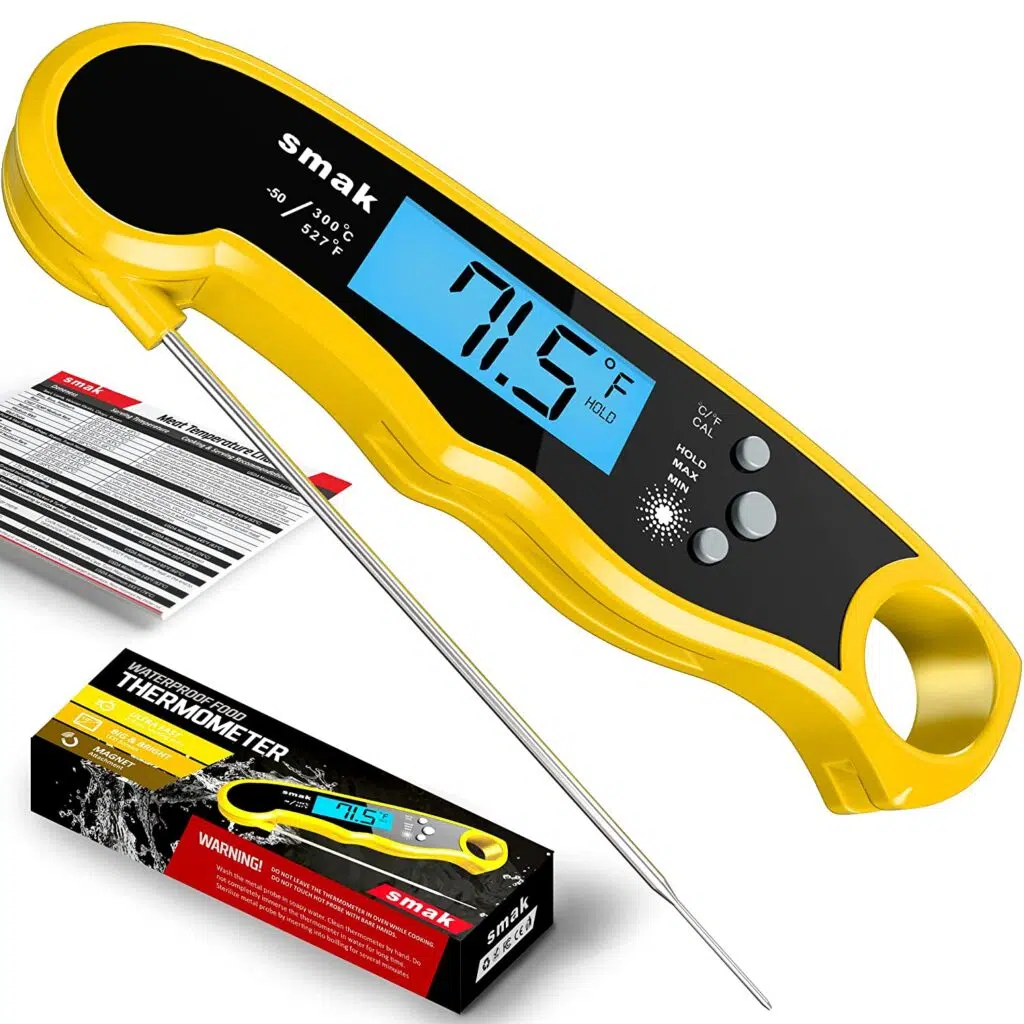
🌡️ 190 °F in the center
I actually use one. Colour lies, a loaf can look perfect on top and be raw inside. The thermometer does not lie.
💧 It softens the next day
Wet it lightly and put it back in the oven for a few minutes. It comes right back.
✅ What do I serve with my olive bread with fresh herbs?
As a starter with a dip, as a sandwich the next day, or just on the table with everything else. My bruschetta dip for bread was made for this. Put a jar of my duck rillettes with beer beside it and you do not need anything else. When I have people over, I slice it and set it straight on my cheese and charcuterie board.
Ads
Ingredients
- 6 cups (1.5 L) unbleached flour + a bit more to work with
- 1/2 cup (125 ml) durum wheat semolina
- 2 1/2 tablespoons (37.5 ml) instant “quick rise” yeast
- 1 1/2 tablespoons (22.5 ml) fine salt
- 2 cups (500 ml) honey blonde lager (or another sweet blonde beer)
- 1 cup (250 ml) hot water
- 1/4 cup (60 ml) honey
- 1 1/2 cup (375 ml) small green olives stuffed with pimento, coarsely chopped
- 2 tablespoons (30 ml) very finely chopped fresh chives
- 1 1/2 tablespoon (22.5 ml) very finely chopped fresh rosemary
- Olive oil
- Dried parsley, to taste
Ads
Preparation
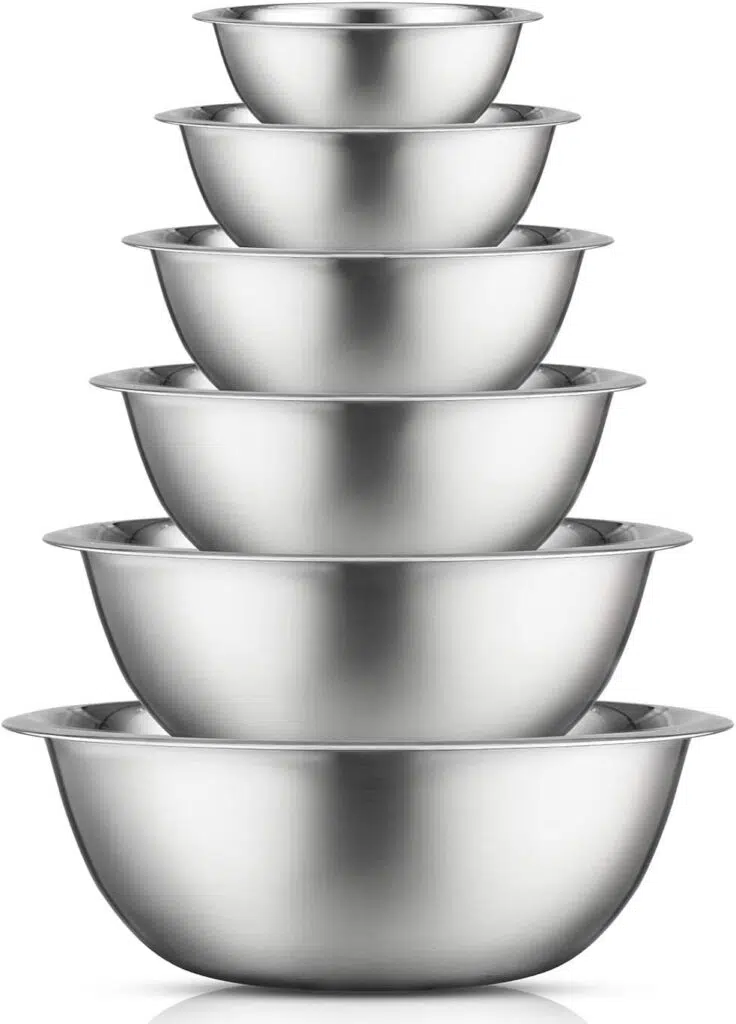
- In a very large bowl, add the flour, semolina, yeast and salt. Mix well.
- In another large bowl, add the beer, hot water and honey. Mix to dilute the honey and set aside.
- In a third bowl, add the olives, chives and rosemary. Toss and set aside.
- Add the beer mixture into the flour, followed by 1 1/4 cup (310 ml) of the olive mixture (keep the rest to decorate). Using a spoon, mix for about 1 minute to get a good consistency and spread the ingredients evenly. Use your hands once the mixture gets too thick. Flour lightly if the dough sticks too much to your hands. Form a ball, cover the bowl with plastic wrap and let rise for 2 h 30 at room temperature, away from cold drafts.
- Preheat the oven to 450 °F (230 °C). Put the empty cast-iron Dutch oven in and let it heat for 20 minutes.
- Turn the dough out onto a lightly floured work surface and add a little flour on top so it does not stick to your hands. Split the ball into 3 and shape long baguettes directly on a sheet of parchment paper.
- Spread the rest of the olive and herb mixture over the top of the baguettes and press lightly to work it in. Add a thin drizzle of olive oil on top, then sprinkle with dried parsley to taste.
- Lower the parchment paper and the baguettes into the hot Dutch oven and bake for about 25 minutes, or until the crust is golden and the internal temperature reaches 190 °F (90 °C). Without a Dutch oven, place the baguettes on one (or two) large baking sheet instead, leaving plenty of space between each one, and bake for the same time.
- Let cool for 30 minutes before slicing and serving, if you are able to wait, of course.
It is bread, so it stays bread. That said, green olives bring fat that is not butter, the durum semolina gives it some chew, and you control exactly how much salt goes in. With a store loaf, you are reading a label. With this one, you measured every gram yourself.
No, and this one is about as easy as bread gets. There is no kneading to speak of, one rise, no shaping tricks and no scoring. You mix with a spoon, then with your hands when it gets too thick, and you wait. The only place people get burned is the yeast, and that is covered in the tips above.
You can, with warm water, and it will rise just the same. But you lose what makes this recipe worth doing. The beer is in there for flavour, full stop. No honey blonde lager on hand? Any slightly sweet blonde beer will do the job.
On the counter, in a bag or a tea towel, two to three days. Not in the fridge, cold dries bread out faster than open air does. And yes, it freezes, absolutely. Slice it first so you only pull out what you need.
A bruschetta dip, some duck rillettes with beer, a board of cheese and charcuterie. It also holds up on its own with a drizzle of olive oil. The sauvignon blanc and the pilsner on this page handle the rest.
Ads
Ads
Ads
Ads
Ads