Rosé is more a style than a grape: red grapes left only briefly on their skins, keeping red fruit (strawberry, melon, pink grapefruit) and good acidity. Almost no tannin. Dry most of the time.
Provence made it famous, but Spain, Italy and the Languedoc make plenty too. It sits between white and red, which is why it works with skewers, ratatouille, shakshuka or tacos. Tomato, grilled pepper and mild spices love it.
Steer clear of syrupy rosé. It flattens a dish instead of refreshing it.
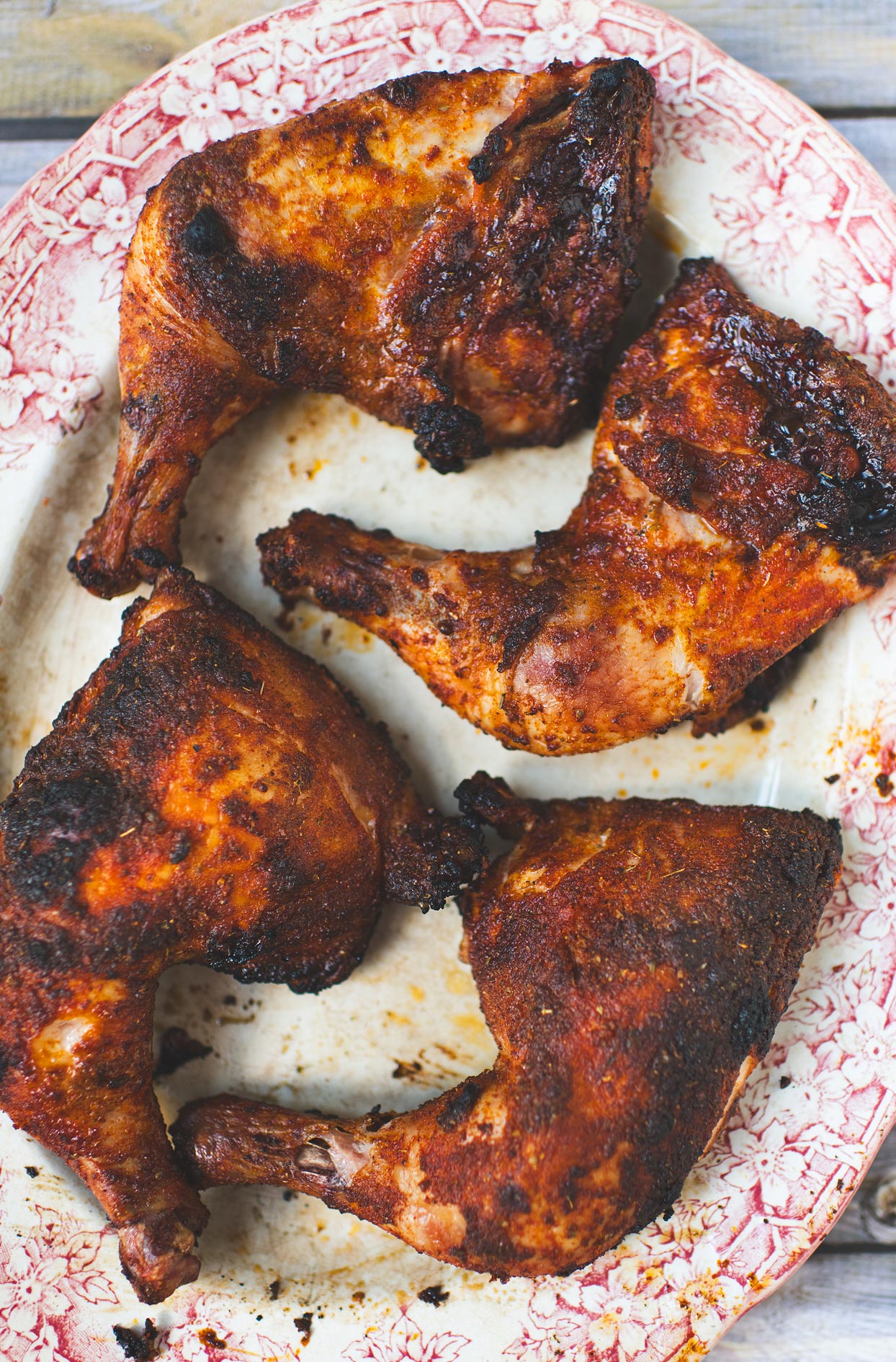
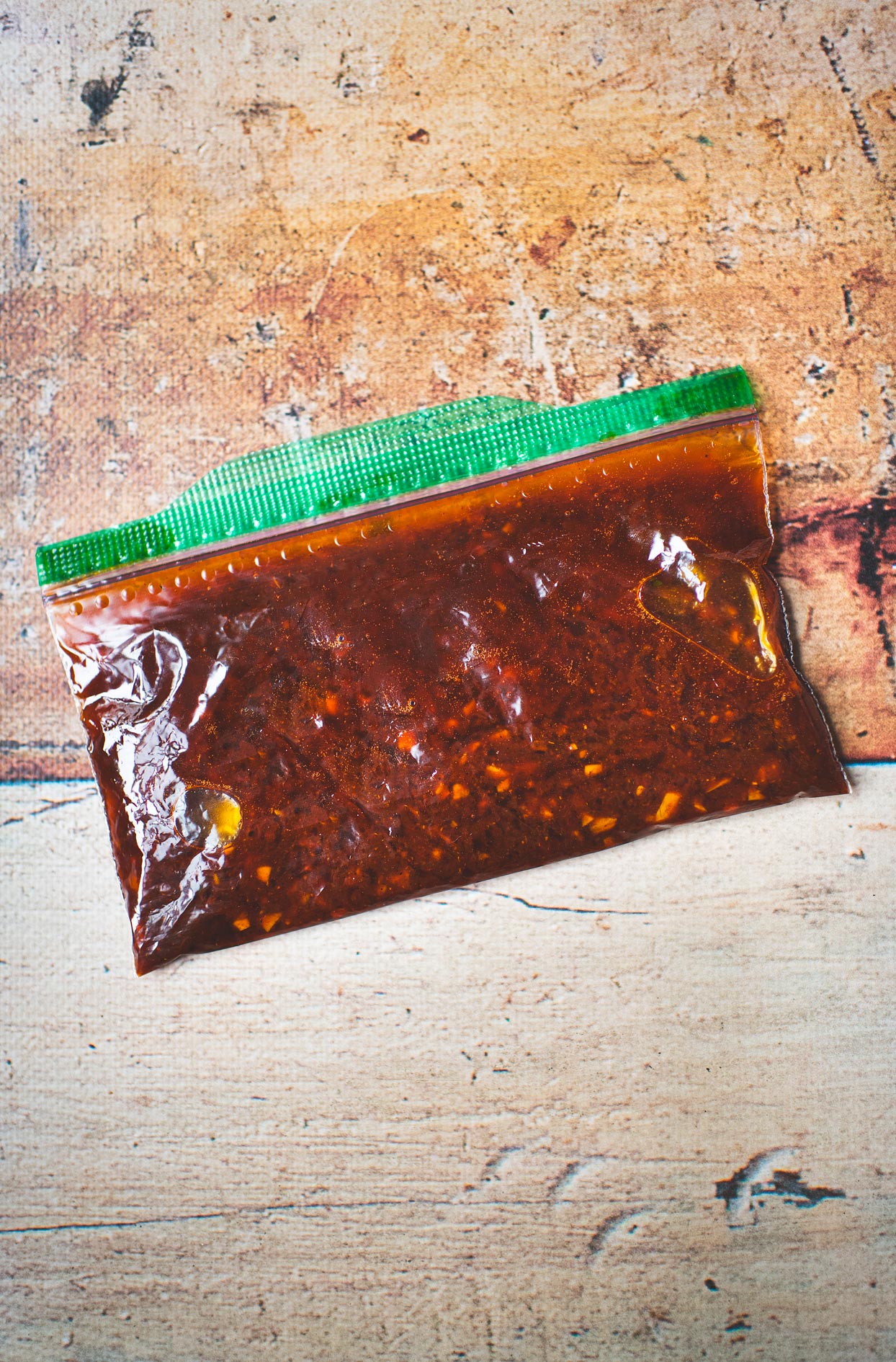
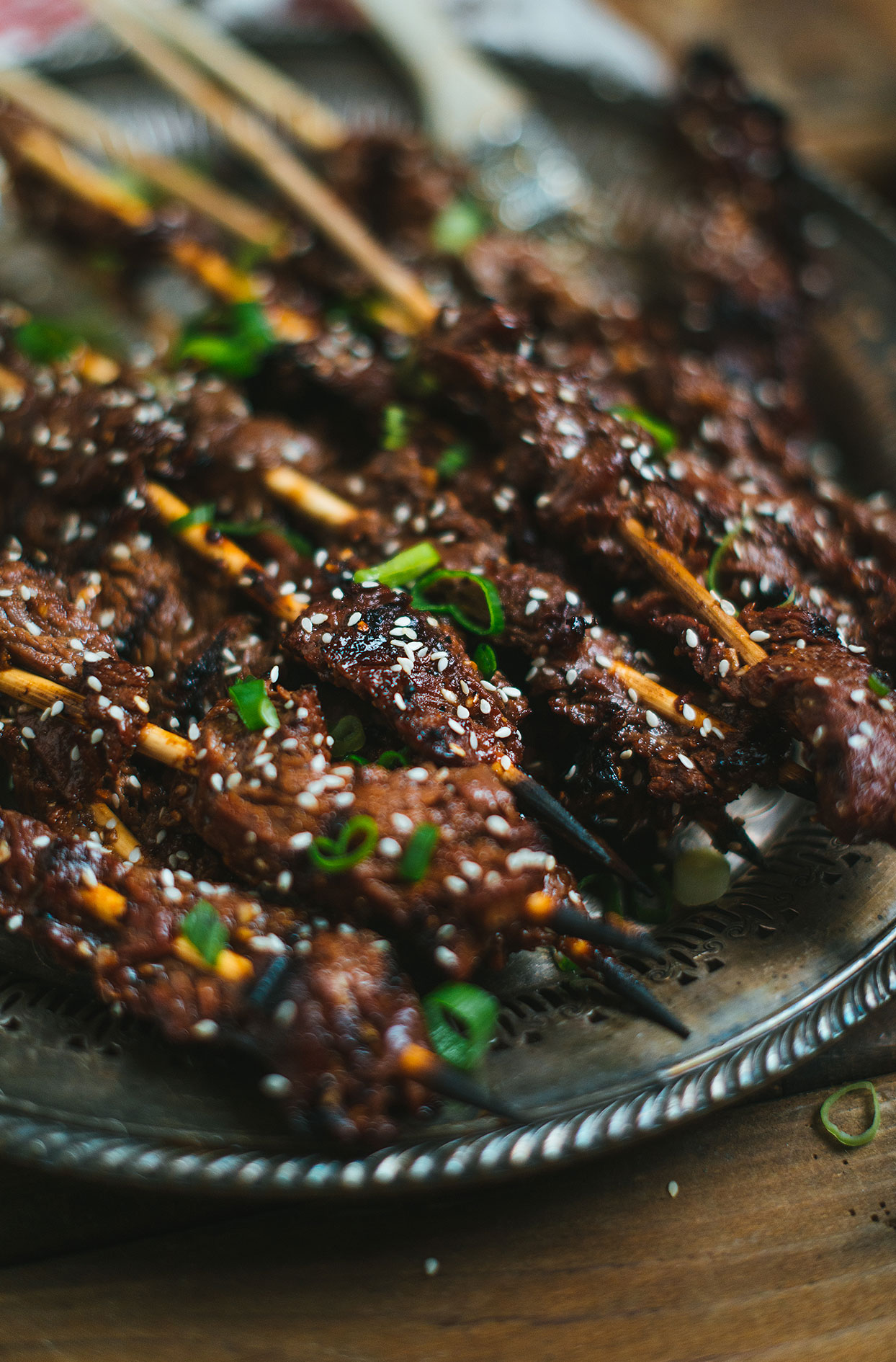
This Provence rosé, with notes of strawberry and grapefruit, is dry, fresh and light. Its freshness meets the bright side of the lime and garlic marinade, and its lightness cuts through the grill fat without ever taking over. Great for dinner on the porch, served very cold!
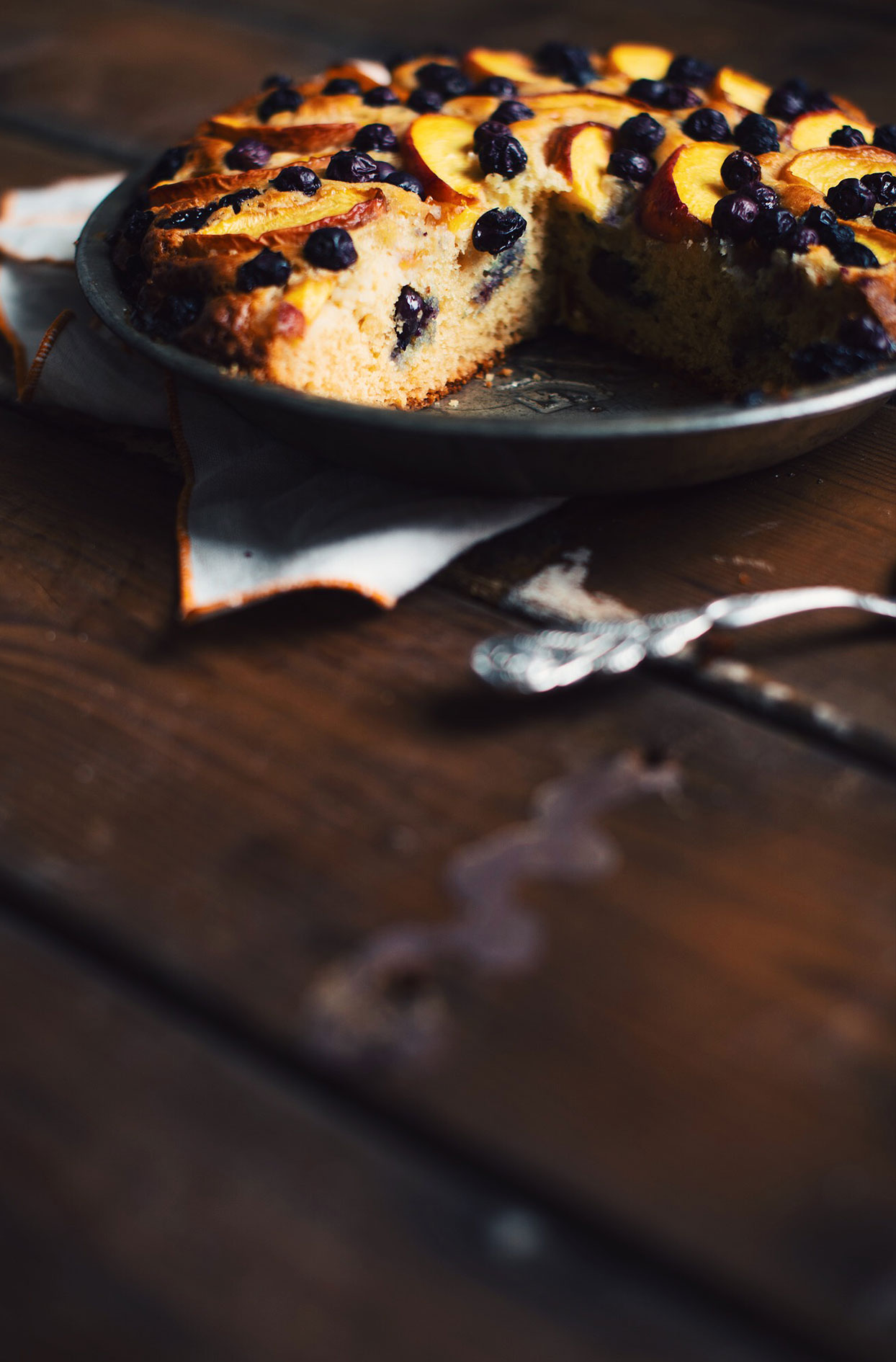
This Provence rosé, with notes of fresh strawberry and pink grapefruit, is fresh and dry. Next to a jam or coulis that's already sweet, it doesn't add to the sugar, it contrasts with its freshness. Its berry notes recall strawberry without imitating it, and the fruit stays alive to the last bite. Serve it well chilled, out on the porch!
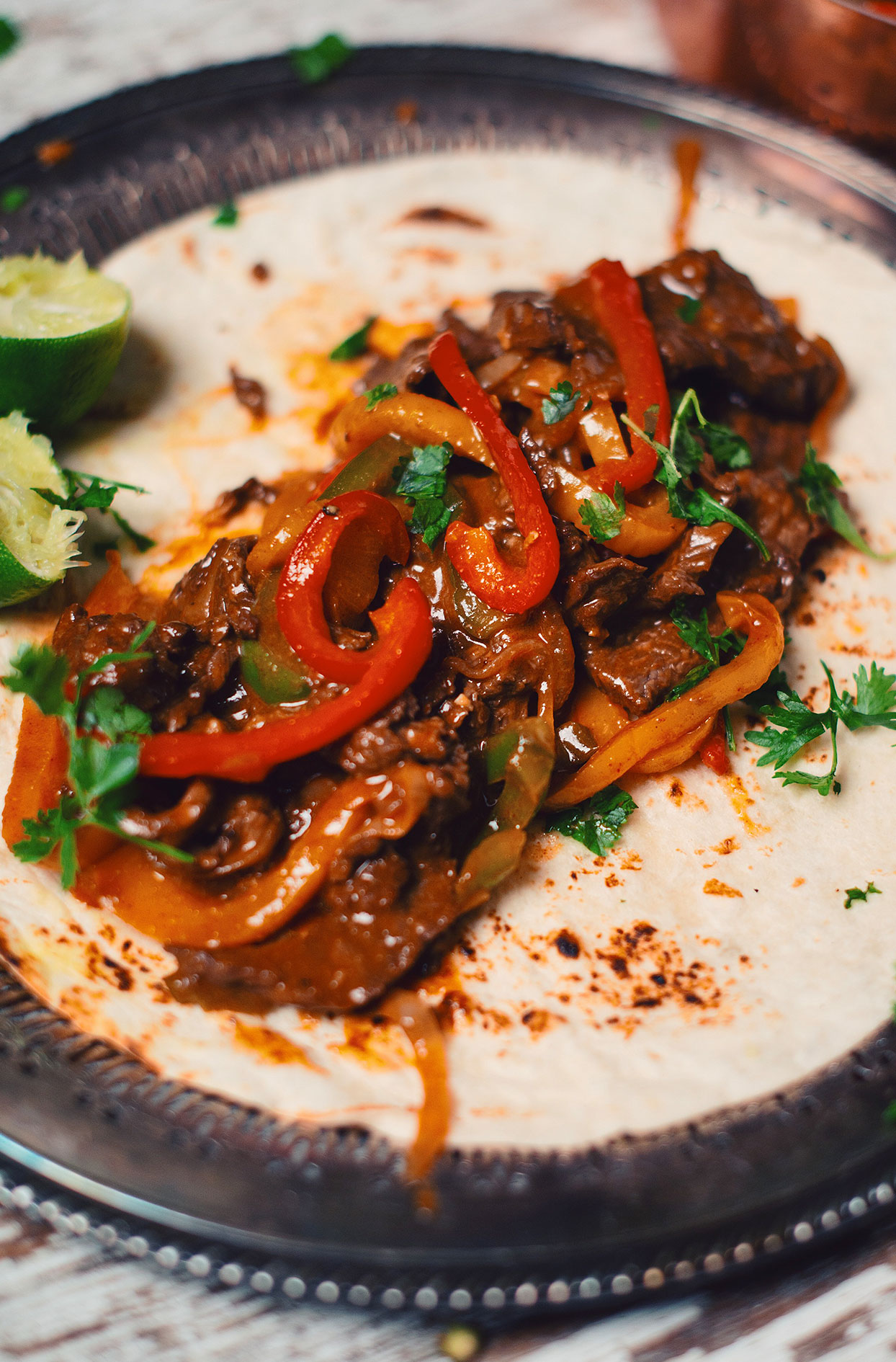
This rosé from Provence smells of strawberry, grapefruit and a little dried herb, with a bright acidity. It is dry, light and fresh. With chicken fajitas, it refreshes like a white wine, but with enough fruit to stand up to the grilled pepper and the cumin. Drink it very cold, and it does not cover the chicken.
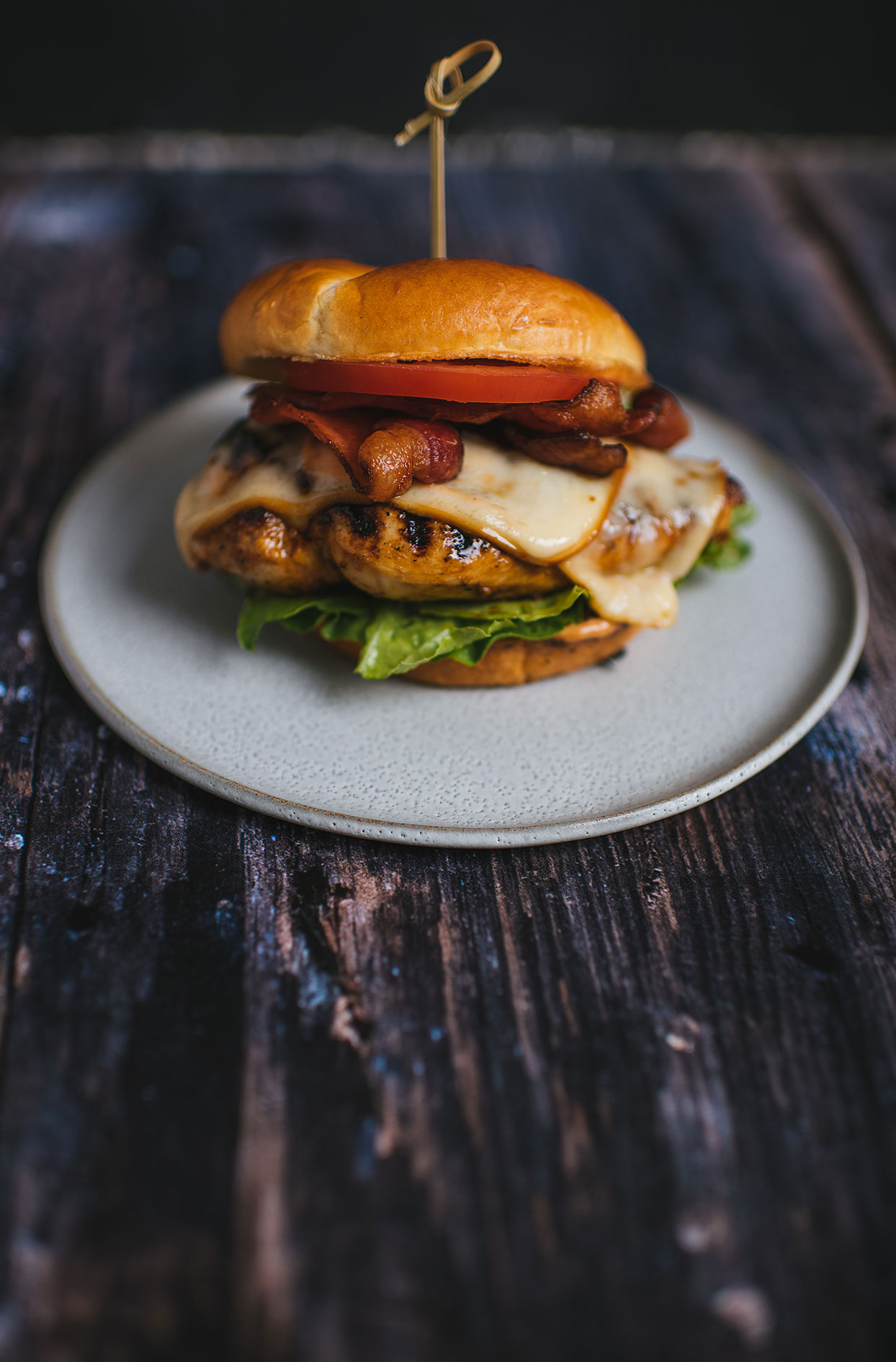
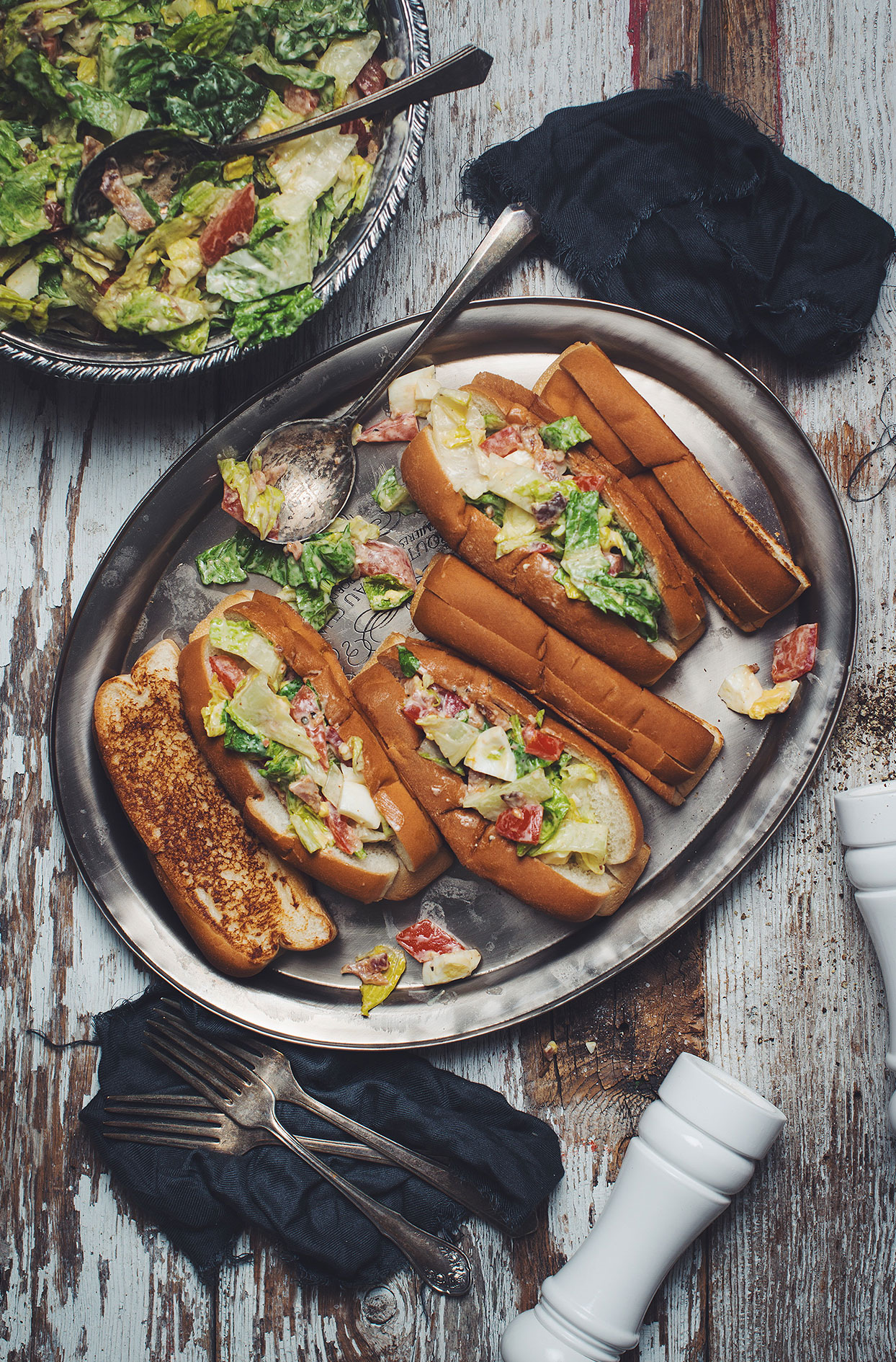
This Provence rosé smells of strawberry, peach and a touch of citrus zest, with a dry, fresh taste. It's light enough for the chicken, round enough for the smoked bacon, and its freshness cuts the mayonnaise. Rosé also goes well with the lettuce and tomato, where a red or an oaky white would quickly get in the way.
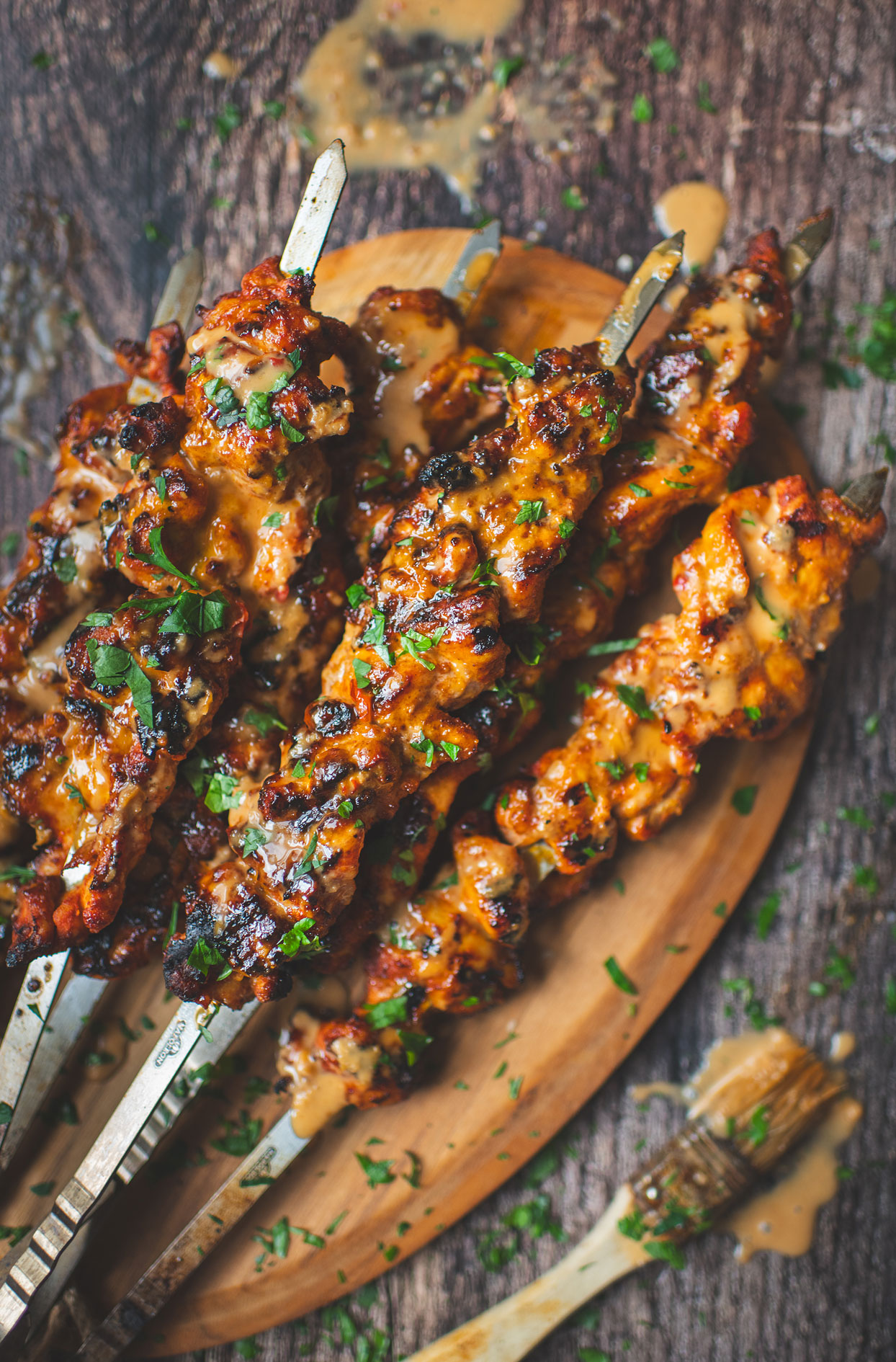
This rosé from Provence smells of strawberry, grapefruit and a little melon, light and dry, with a lovely freshness. It has no tannin to add to the strength of the garlic. Next to chicken in yogurt and lemon, its freshness answers the acidity of the marinade and rinses the garlic sauce. The grilled chicken keeps all its softness.
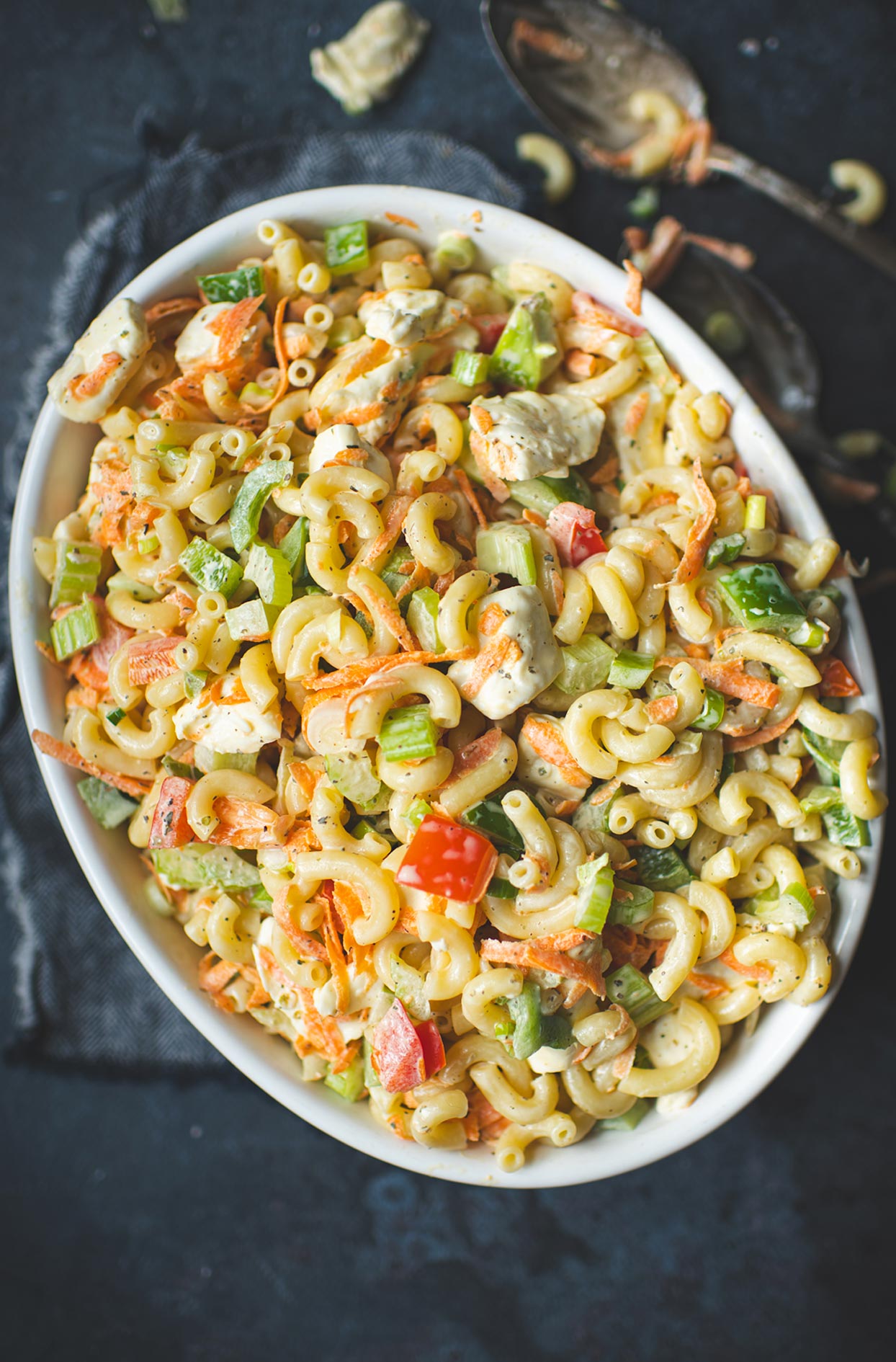
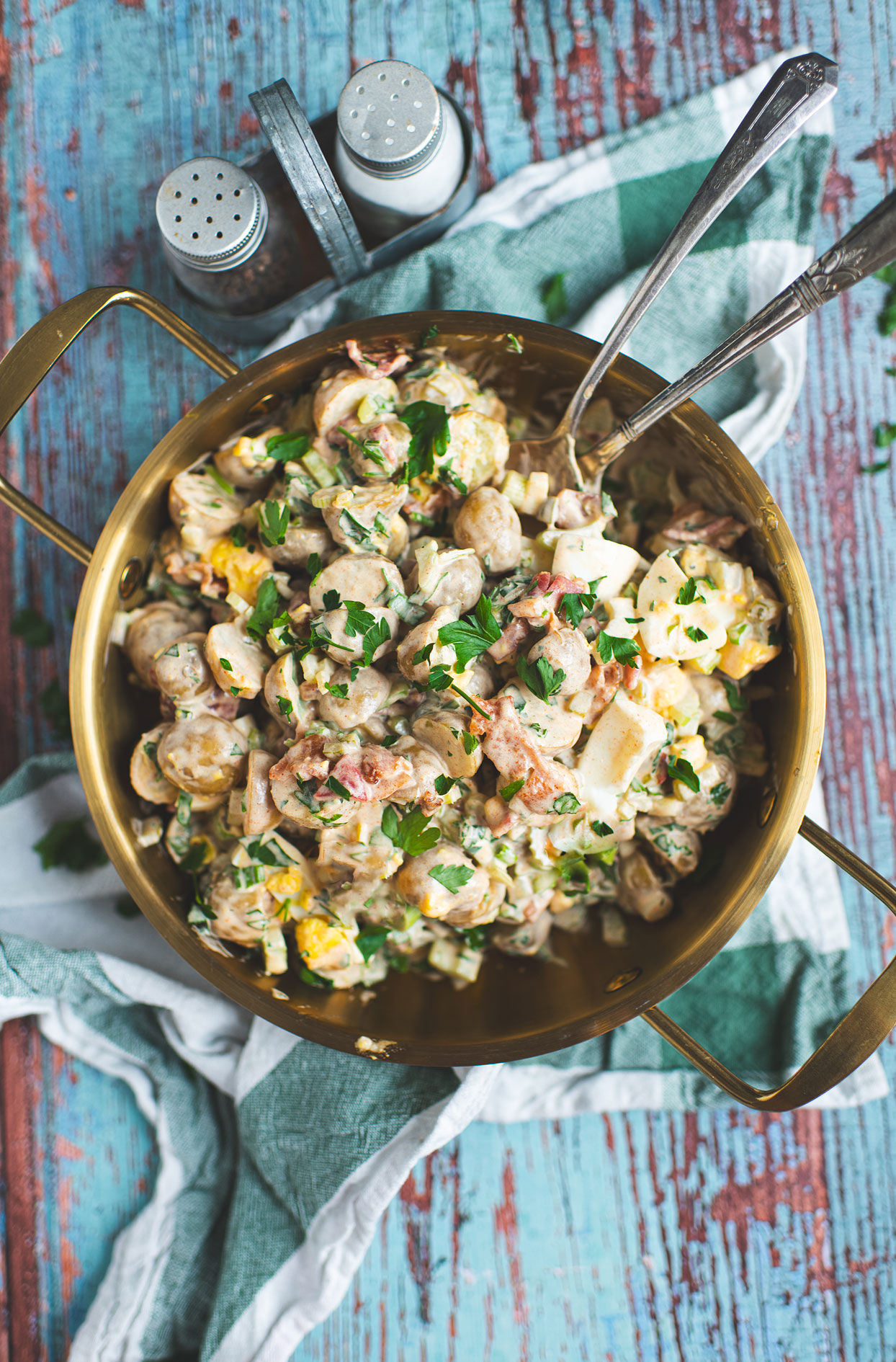
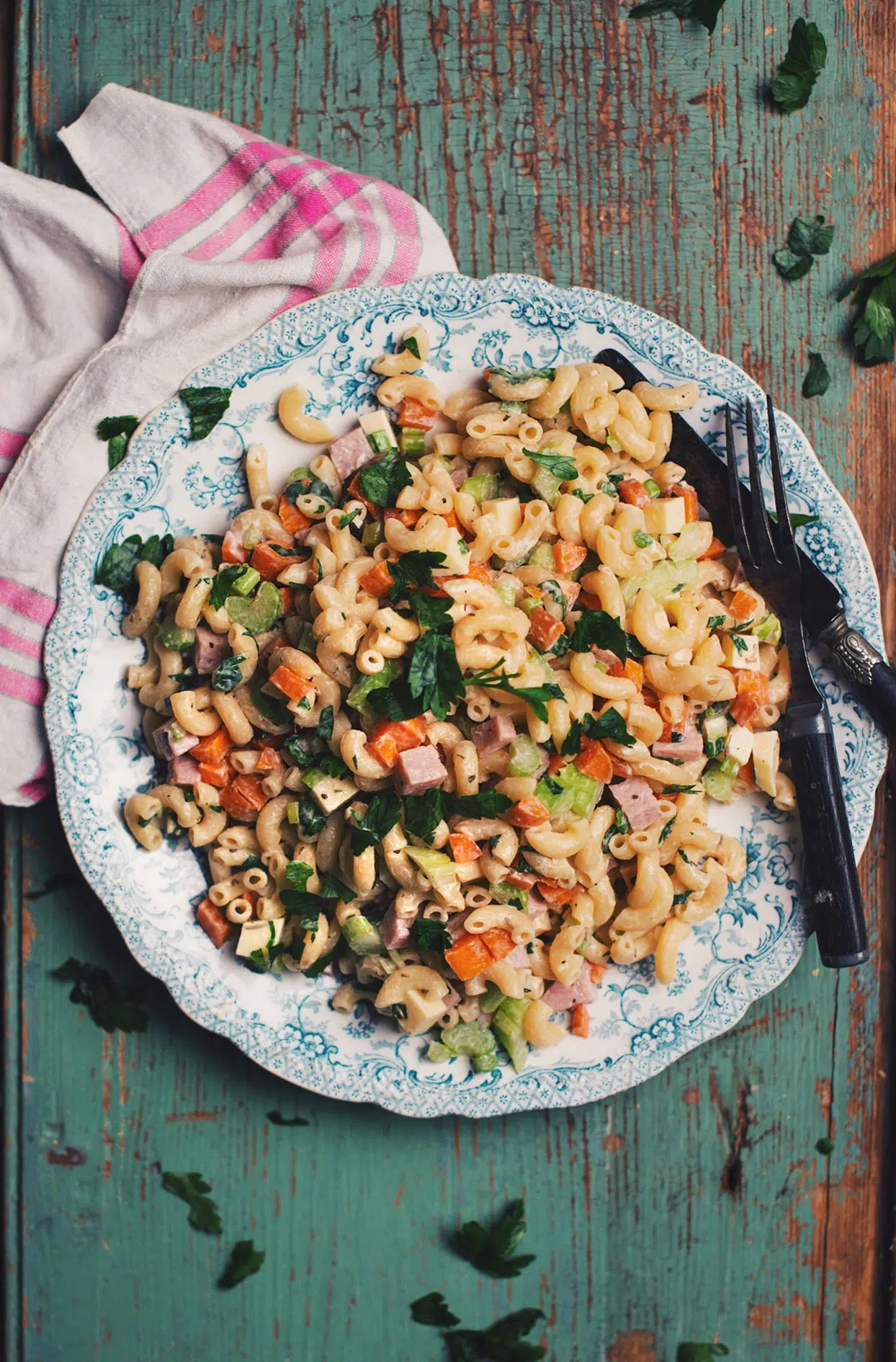
This Provence rosé smells of strawberry, redcurrant and a hint of citrus, with a bright acidity and very little tannin. Served ice cold, it refreshes the way beer does, and its acidity cuts the fat of the mayonnaise. The vinegar in the dish finds a light companion in it, and the crunchy celery keeps its freshness.
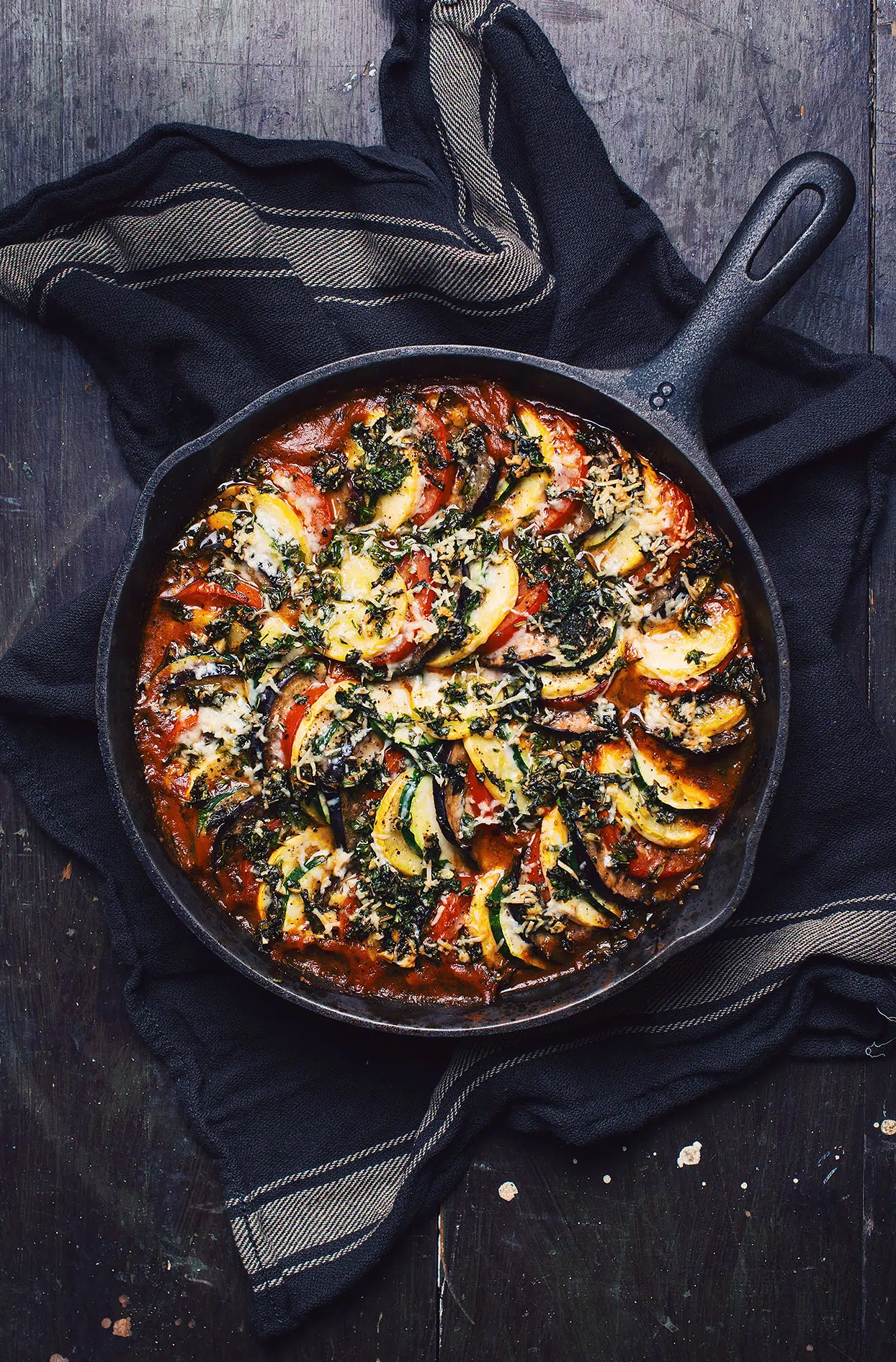
This dry Provence rosé, with notes of strawberry, melon and sometimes white peach, is clean and fresh. Ratatouille is soft, round and oily: it lacks a bit of liveliness, and the rosé gives it that. Over there, tomato, pepper and olive oil have always been eaten with it. Serve it well chilled!
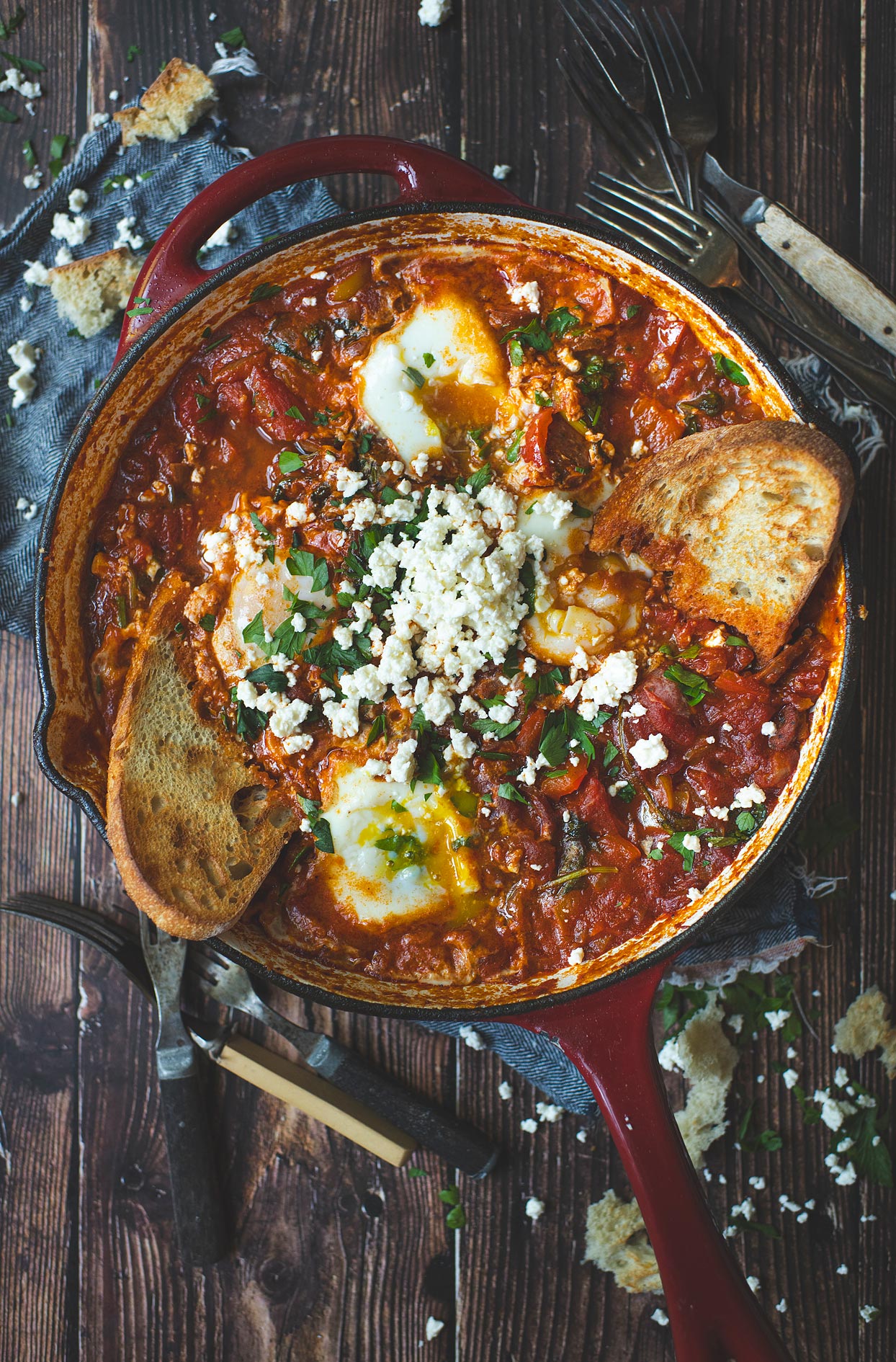
This Provence rosé, with notes of strawberry and pink grapefruit, has a clean freshness and finishes dry. Next to eggs poached in a cumin and paprika tomato sauce, its freshness answers the tomato's, while its fruit meets the softness of the runny yolk. The bread on the side finds the same lightness. Serve it well chilled!
This Provence rosé smells of strawberry, grapefruit and dry herbs, with a bright acidity and a light body. It's dry and without tannin. Against pork grilled with lemon and oregano, it plays like a white with a bit of red fruit: it refreshes the fat and follows the herbs in the marinade.
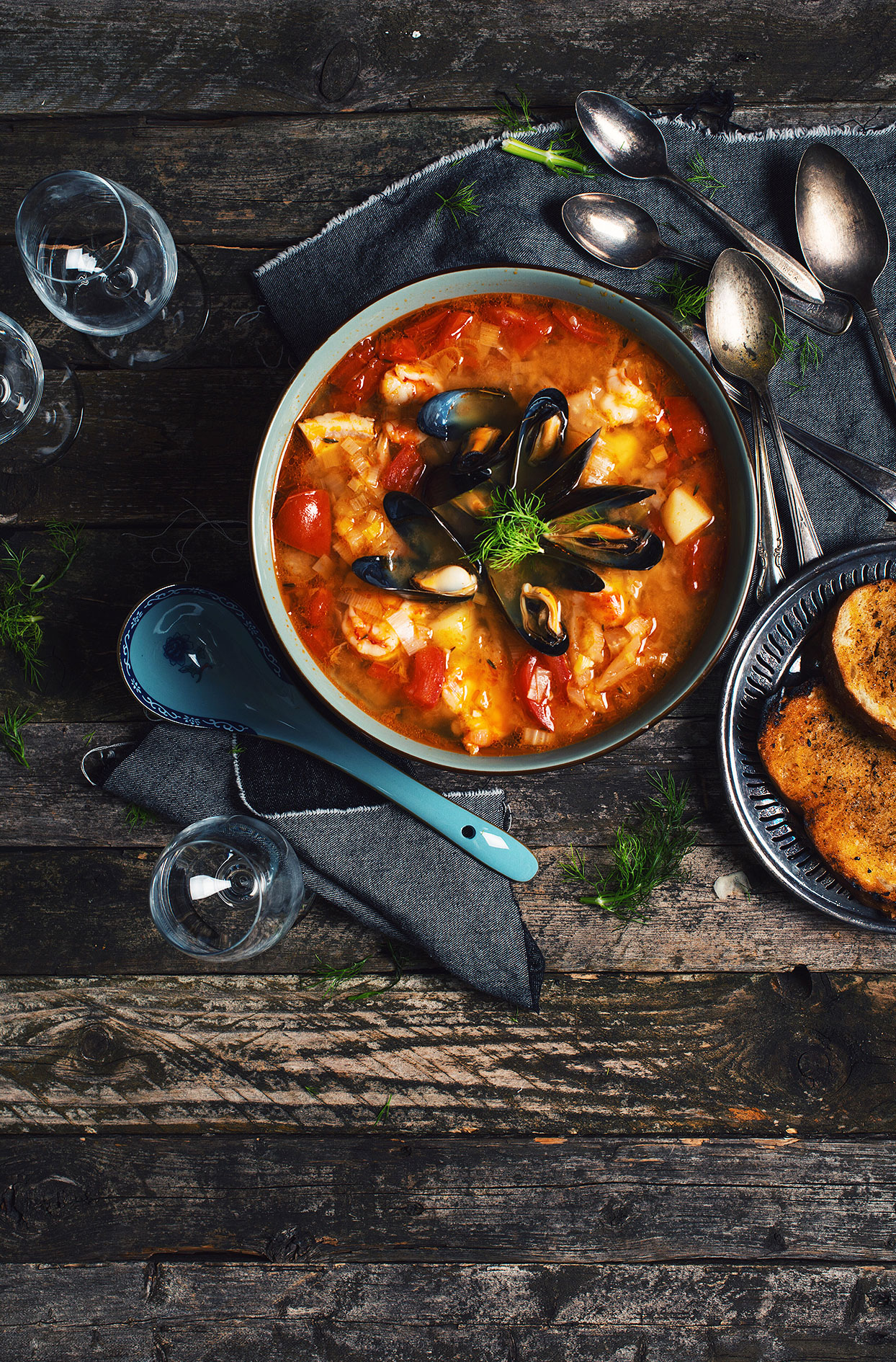
This rosé from Provence smells of strawberry, grapefruit and a little melon, dry, light and saline. It comes from the same region as bouillabaisse, and the tomato, the saffron and the fish are familiar to it. Its freshness rinses the garlic rouille, and it never covers the fish. The fish stays the real taste of the bowl.
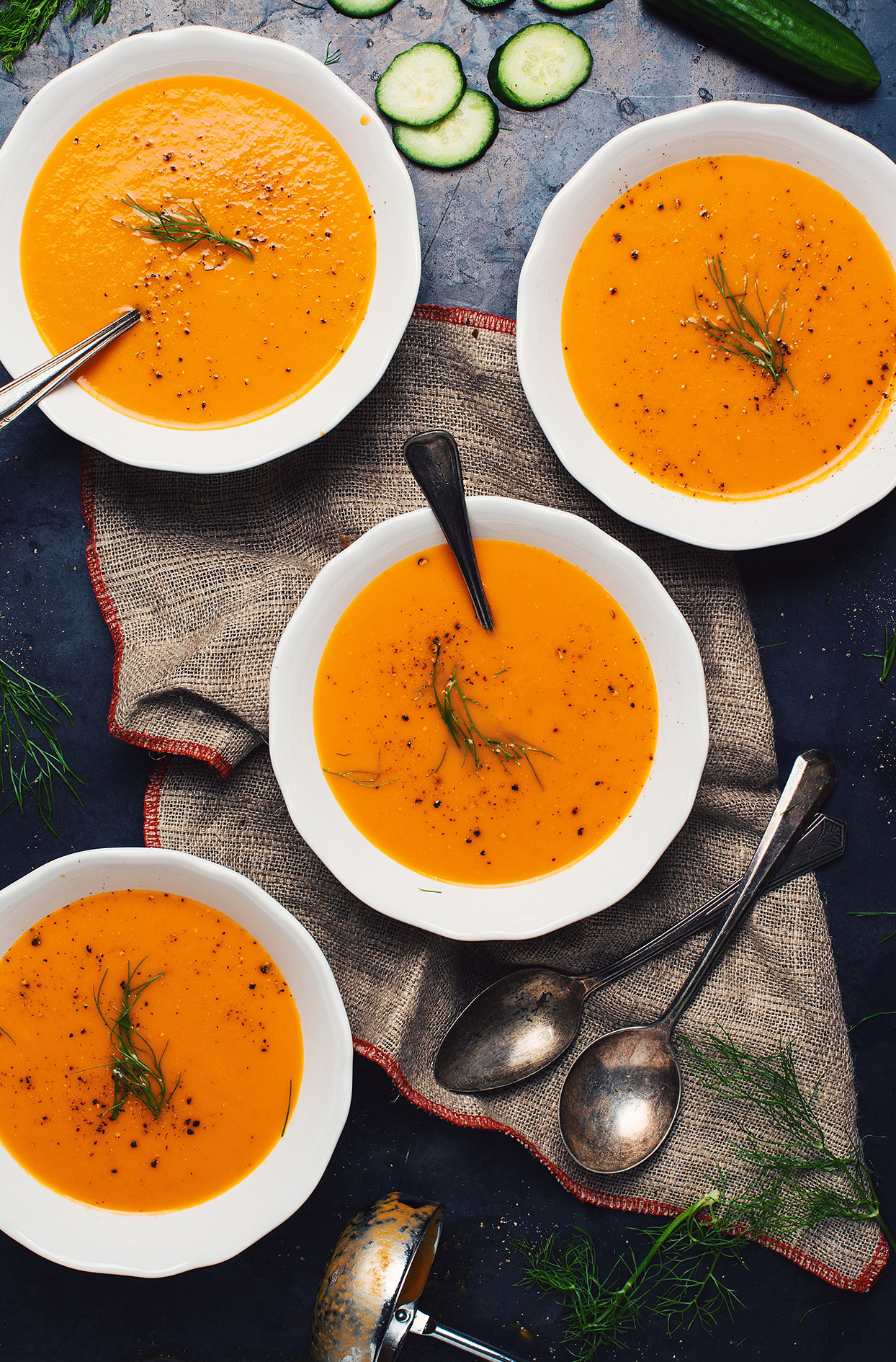
This rosé from Provence smells of strawberry, grapefruit and a little melon, dry and light. It has almost no tannin, which would seem harsh next to raw tomato. Against the vinegar, it has the acidity needed, and its freshness follows that of the cold soup. The olive oil stays fine. Nothing here is heavy, everything is fresh.
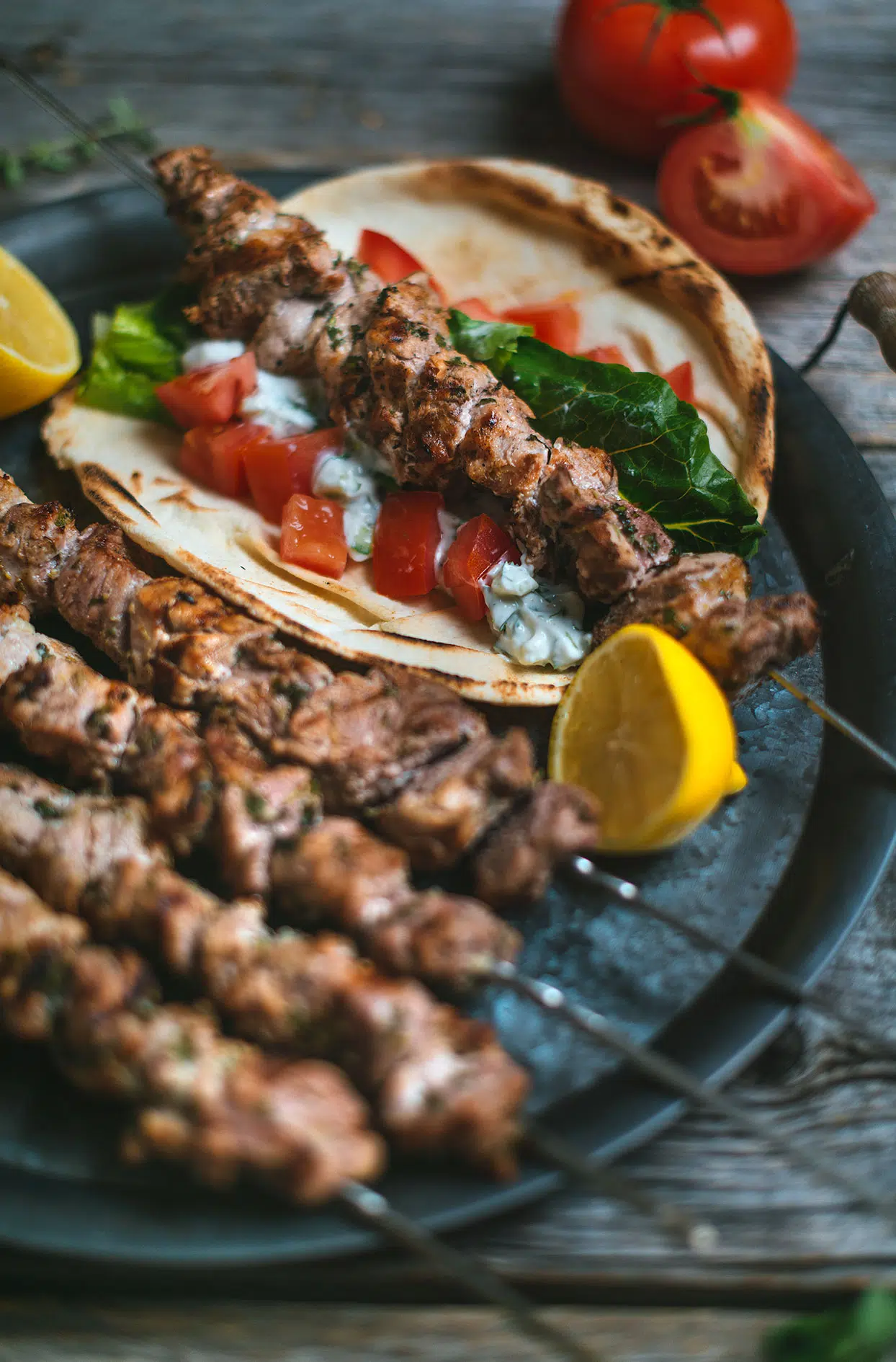
This Provence rosé smells of strawberry, grapefruit and a little dried herb. It's light, dry and lively on the palate. Against rich pork and a garlicky tzatziki, it drinks cold and doesn't weigh anything down: its acidity washes away the fat, and its fruit holds its own against the oregano. Since it has almost no tannin, the garlic doesn't turn bitter.
This Provence rosé smells of fresh red fruit and grapefruit zest, with a bright acidity and a light body. It's dry and without tannin. Against the berries, its own red fruit echoes the strawberries and raspberries in the bowl, and its freshness keeps the banana from sticking. Serve it very cold.
A dry rose has strawberry, freshness and enough body for grilled chicken. Go for it if you're serving wings to a crowd, with different sauces, and nobody wants red.
A dry rosé goes with everything: enough fruit for the marinade, enough freshness for the corn and vegetables. Serve it ice cold if the grill has chicken, steak and skewers going, or if nobody wants red in the middle of summer.
A dry rosé, with notes of strawberry and melon, has a fresh red fruit. It stands up to spicy meat better than a grassy white. Go for it if your tacos are grilled beef or pork, or if there's chili.
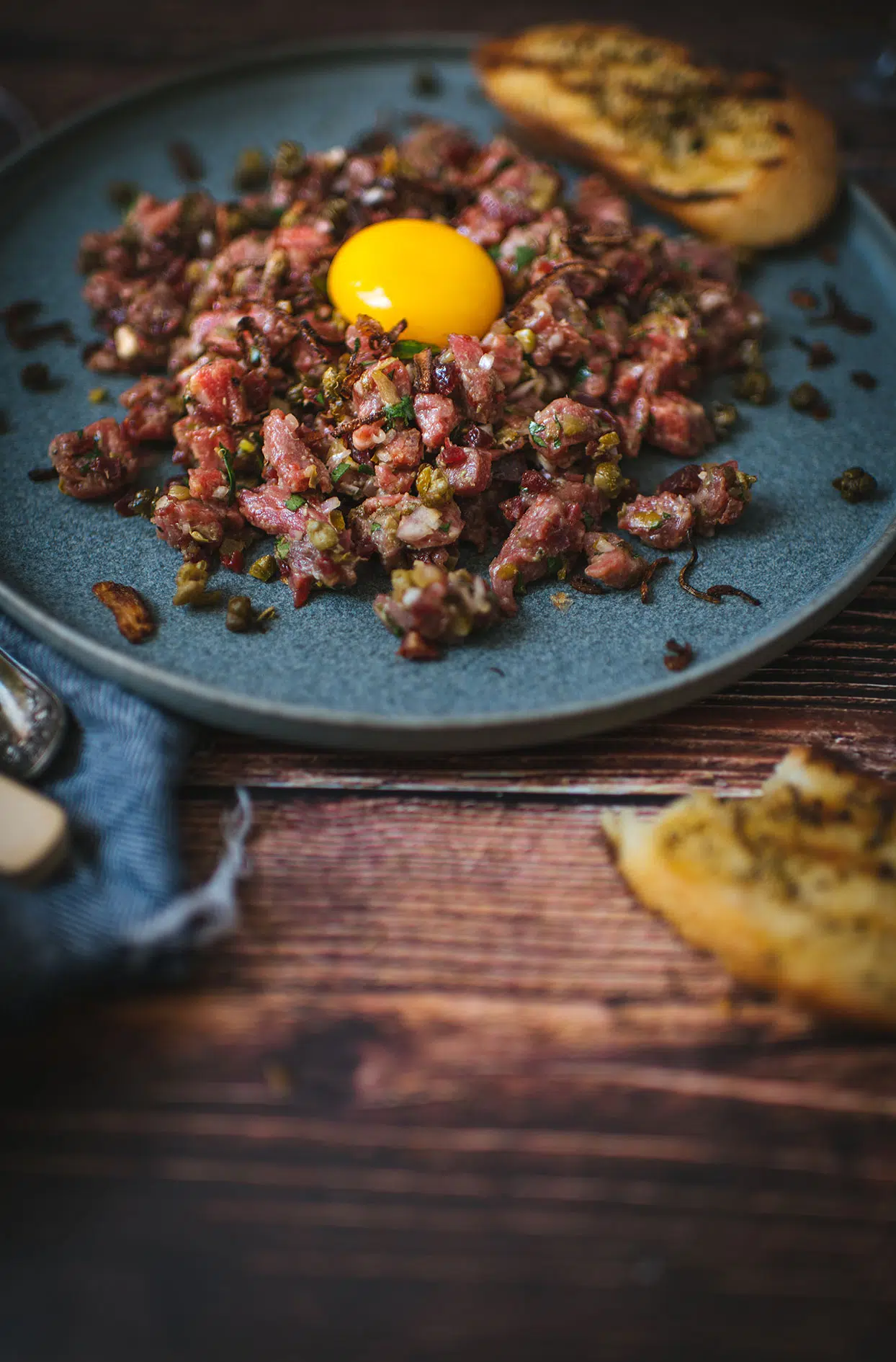
The rosé keeps the same freshness, without bubbles and with more red fruit. Pick it if the apéro turns to beef tartare or duck bites: its fruit meets the meat better than a very dry sparkling wine.
Provence rosé is dry and light, with strawberry, peach and a hint of citrus. Take it if you want a really cold summer drink, because it follows the tomato in the salad and doesn't ask you to think about it.
A dry rosé, with strawberry and freshness, goes as well with the salsa as with the cheese. Pick it if your nachos are spiked with chili or hot peppers, or if you want fruit rather than grass.
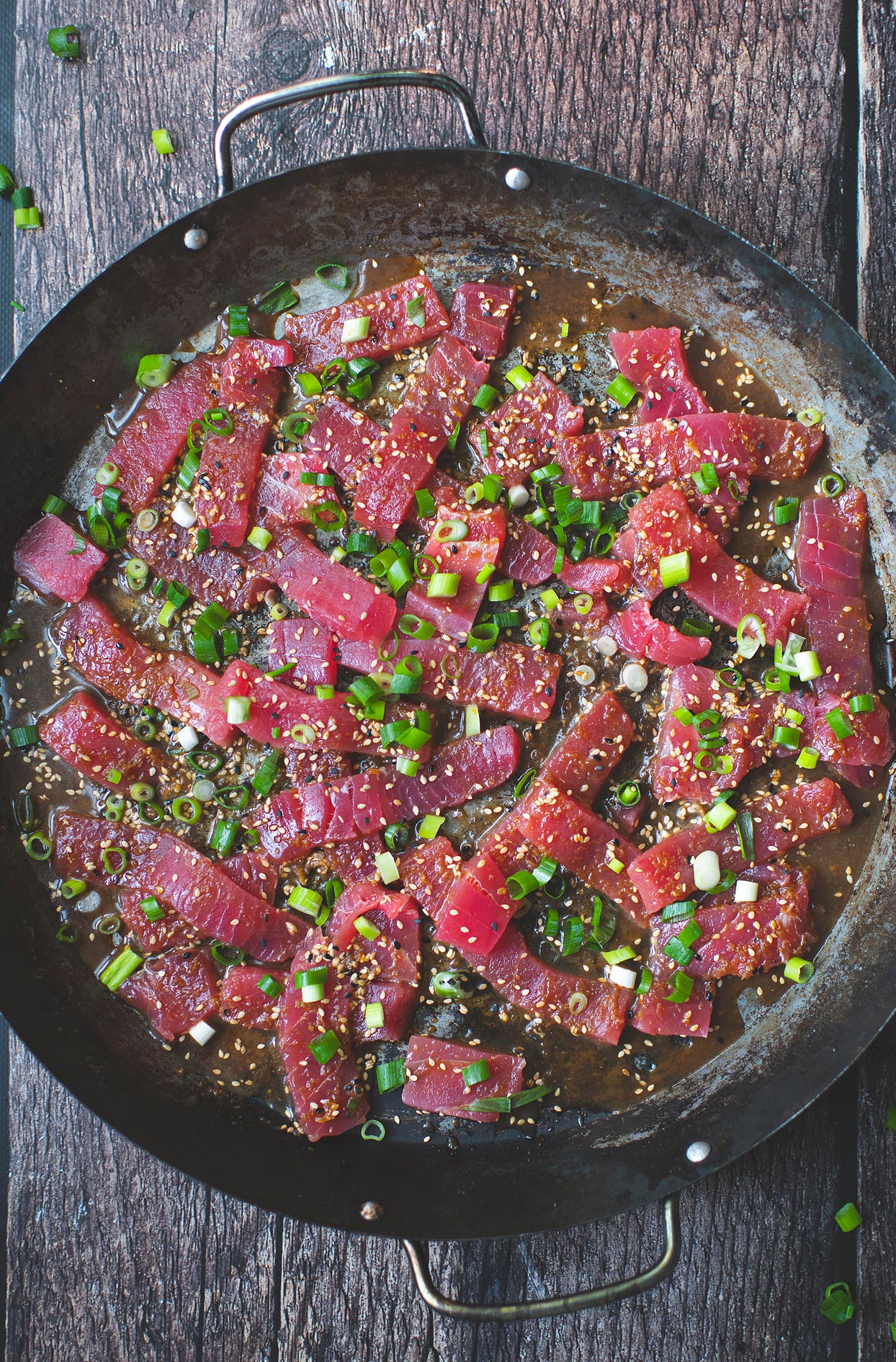
Rosé from Provence is dry and fresh, with strawberry, grapefruit and flowers. Take it if the tuna is served cold or lukewarm, or if you prefer a wine lighter than a red, one that keeps the freshness of the fish.
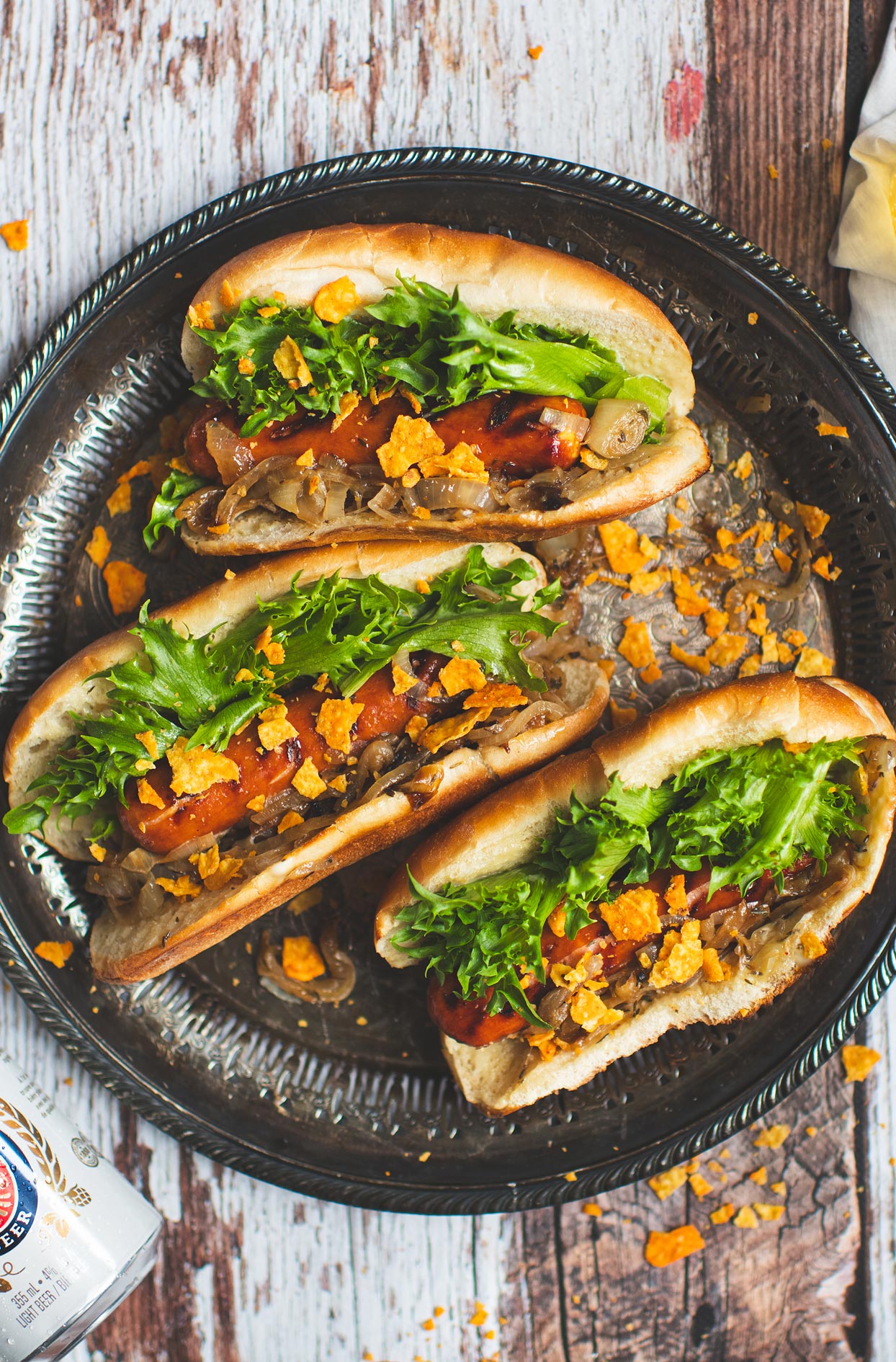
Rosé is fruity like gamay, but drier and lighter. Go for it with a plainer hot dog, without cheese or a loaded topping: its freshness follows the condiments without looking for the body of gamay.
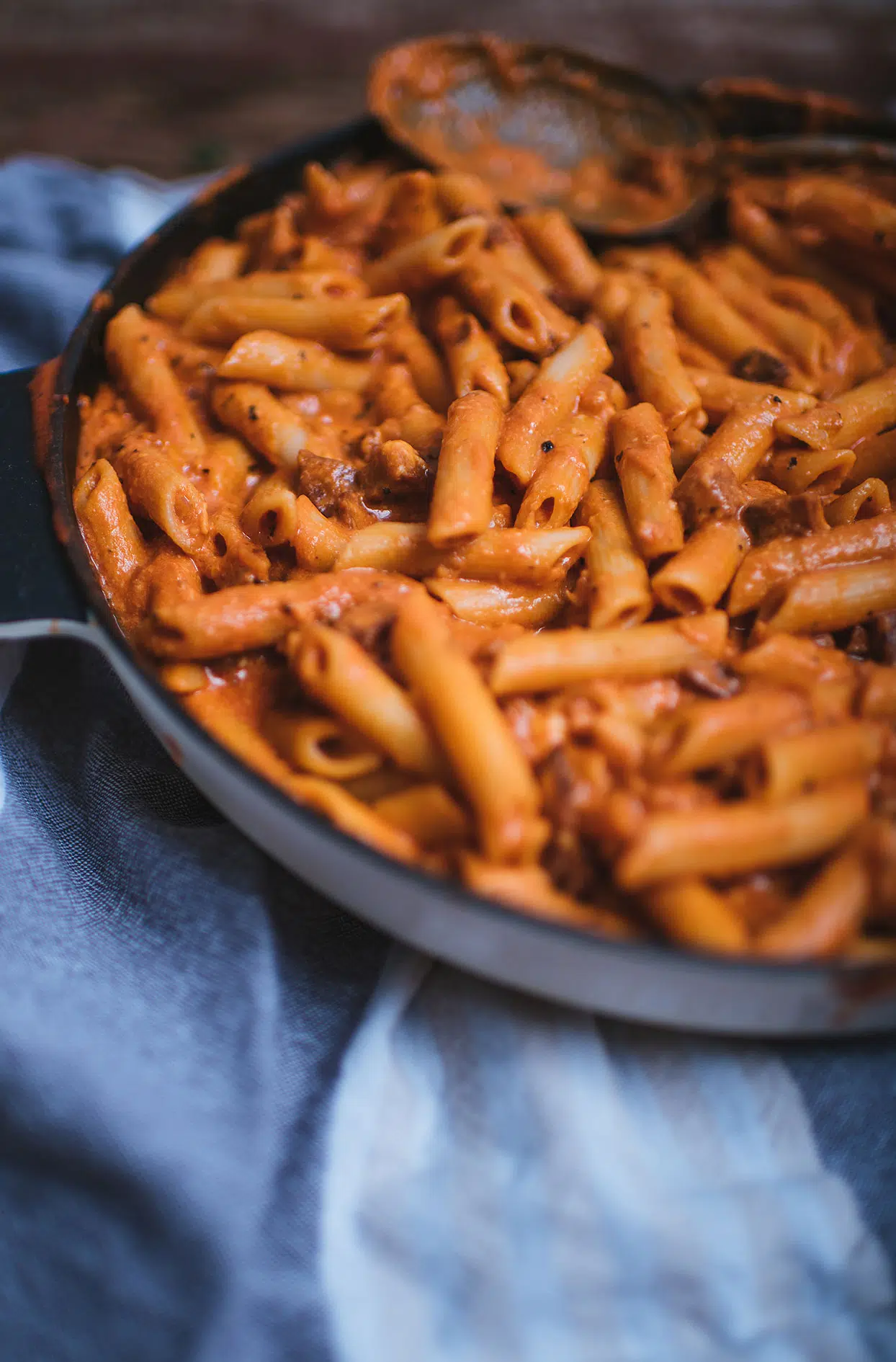
Provence rosé smells of strawberry, grapefruit and a few dried herbs, dry, light and lively. Take it if you'd rather have a fresh wine: its acidity follows the tomato, and its fruit softens the cream.
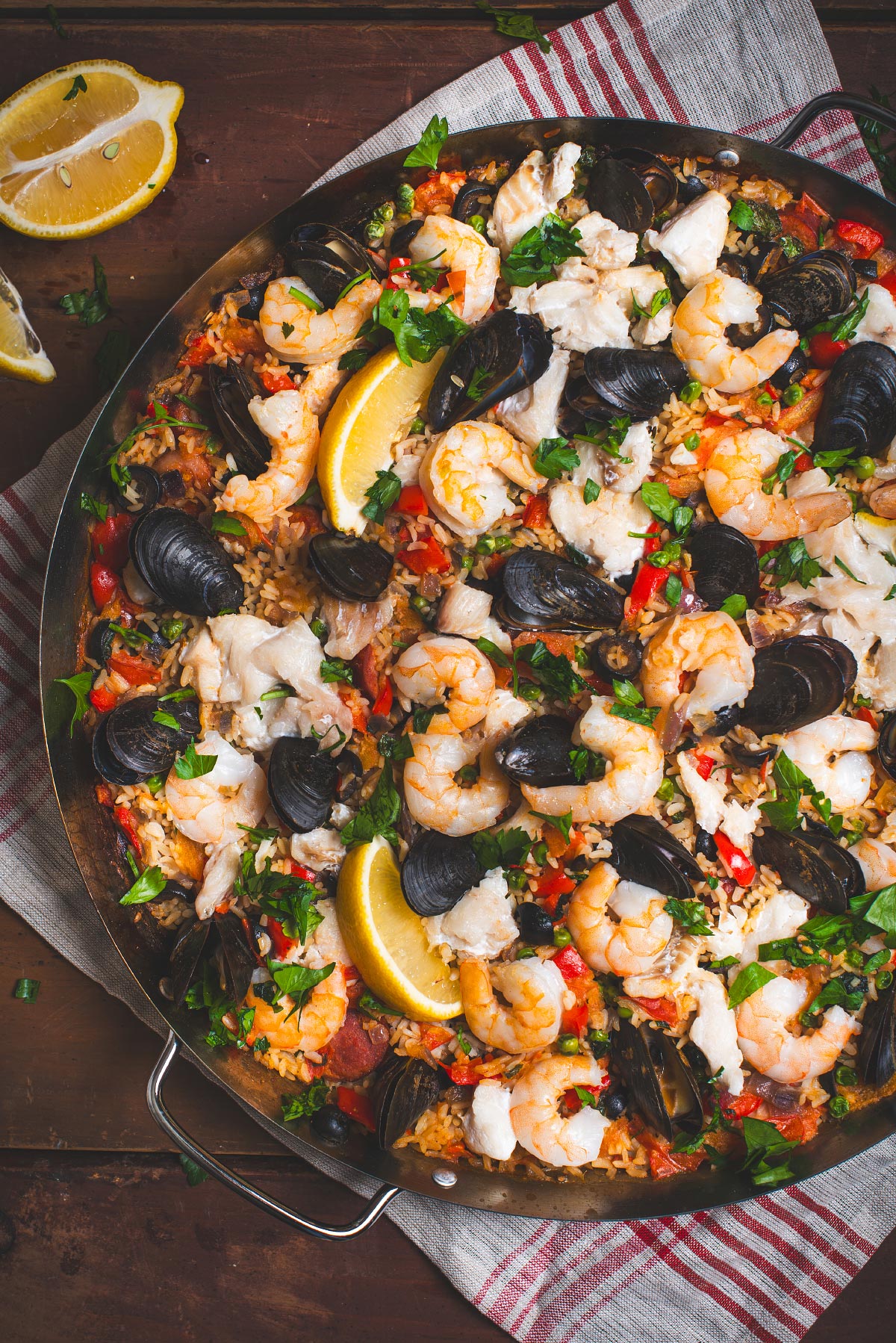
The rosé has the same freshness, in red fruit rather than sea salt. Pick it for a chicken or rabbit paella: its fruit follows the white meat, where the albariño is built for seafood.
Provence rosé is dry and fresh, with strawberry and citrus. Take it if you want a lighter wine than the Sangiovese, especially ice cold and in midsummer, with a spicy sandwich.
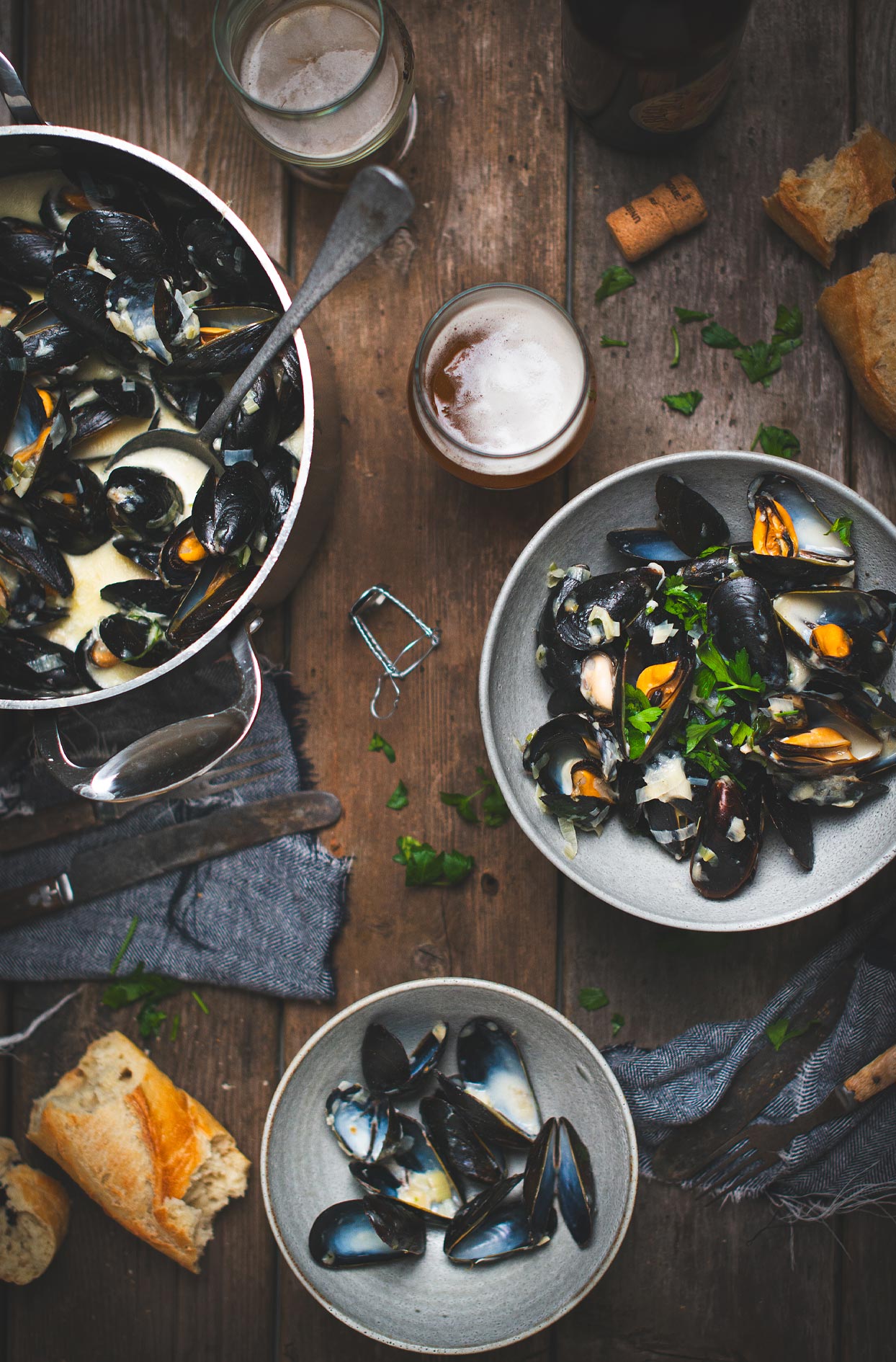
Rosé from Provence is dry and fresh, with strawberry and grapefruit. Take it if you want a fruitier glass: its freshness goes with the tomato, and it does not crush the mussels.