

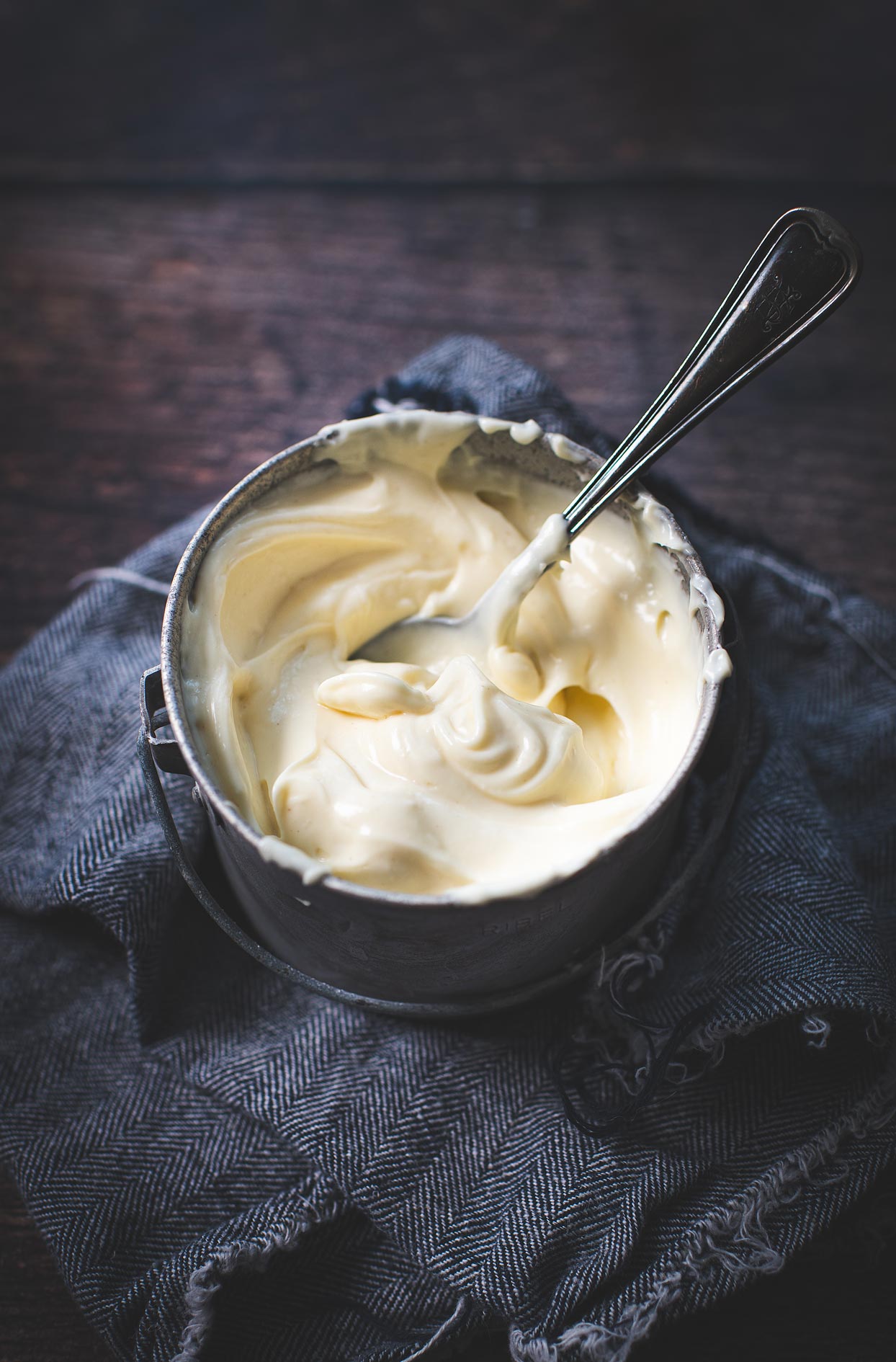
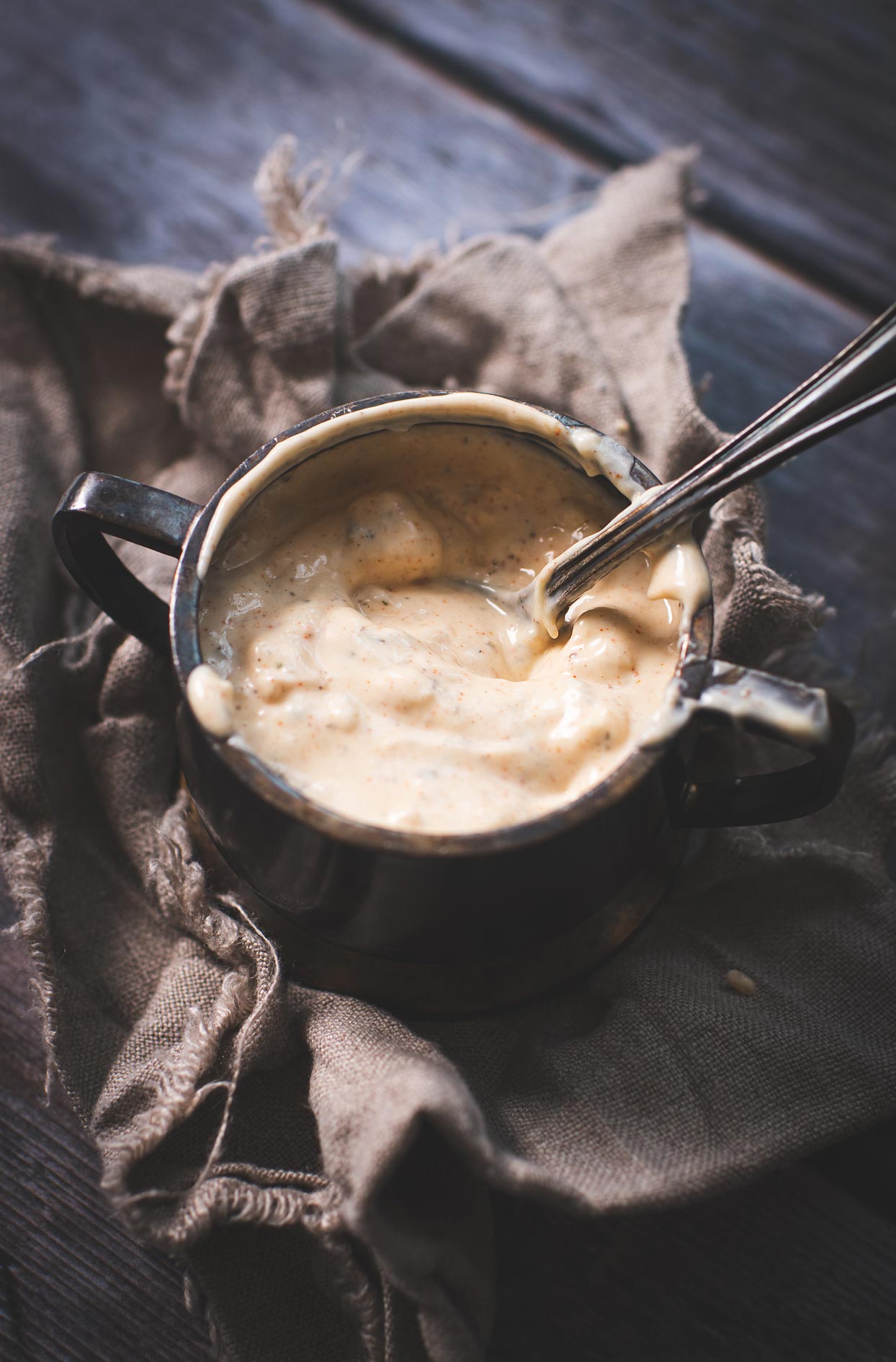
Homemade mayonnaise
- Preparation 5 min
- Refrigeration 30 min
- Servings 1.5 cups
Ads
🥄 The simplest thing you can completely mess up
Homemade mayo is one of those things that seems impressive… until you realize it takes less time than finding a jar at the back of the fridge. With Dijon mustard, you gain character, depth, and balance. It’s not just mayo, it’s your mayo. The one that becomes the base of all your sauces that are way too good to be reasonable. Result: thick, stable, silky mayo that completely changes your game in the kitchen.
🍯 An emulsion you learn once and master for life
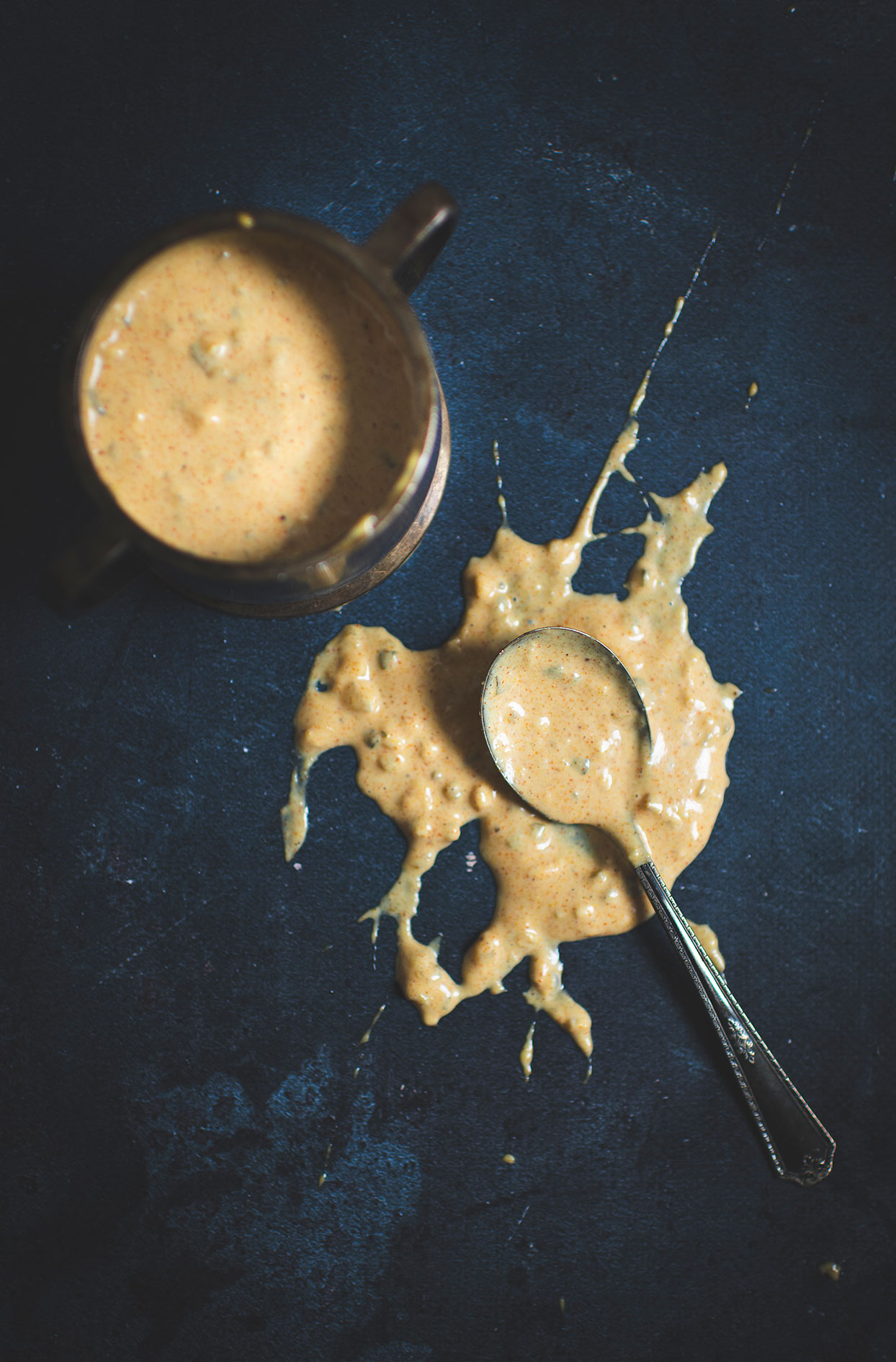
Emulsion is just simple but magical science. The egg acts as a binder, the mustard gives structure, and the oil slowly dissolves to create something completely new. Once you get the mechanics, you can make any mayo: chipotle, sriracha, herb, harissa. It’s your foundational base.
Ads
Ads
🥄 Respect the exact order of ingredients and NEVER pre-mix them
Order matters because emulsion builds layer by layer. Egg first, mustard next (to help the emulsion), then acids (lemon and vinegar), and oil LAST. If you mix everything first, you break the process before you even start. The immersion blender will do the work by striking the oil against the egg and mustard with precision.
📐 Leave the blender still at the bottom for 30 to 60 seconds minimum
That’s where the magic happens. Stillness lets the emulsion set properly at the base of the container. If you start raising it too early, you’ll disperse the oil before it’s bound. Wait until you see a solid base before moving. It’s the difference between thick mayo and pourable mayo.
⏱️ Slowly raise the immersion blender once the base is set
Once you have an emulsified base at the bottom, raise very gradually while drawing the oil from the top. Too fast = emulsion breaks = separated mayo. Slowly = complete integration of all liquid in one smooth, stable base.
❄️ Keep all ingredients at room temperature, never cold
Cold egg or cold oil slows or breaks emulsion. Let your egg and oil sit out of the fridge for at least 15 minutes before. It’s not glamorous but it guarantees your mayo sets in 5 minutes, not 15.
🔥 Use the right oil for the right result
Neutral oils (sunflower, canola, avocado) emulsify easily. Strong oils (extra virgin olive) create a grainy texture because they don’t bind well with the egg. Save olive oil for finishing an already-set mayo, not for creating from scratch.
Ingredients
- 1 whole egg
- 1 tbsp (15 ml) Dijon mustard
- 1 tsp (5 ml) salt
- 1 tsp (5 ml) cane sugar or white sugar
- 2 tsp (10 ml) fresh lemon juice
- 2 tbsp (30 ml) white vinegar
- 1 1/4 cups (310 ml) neutral oil (sunflower, avocado, or canola)
Equipment
- 1 immersion blender
- 1 tall, narrow container (yogurt container, measuring glass, wide-mouth Mason jar, or squeeze bottle)
Ads
Preparation
- Place all the ingredients in the following order directly into the container: the egg, Dijon mustard, lemon juice, vinegar, salt, sugar, then the oil last. Do not mix.
- Plunge the immersion blender all the way to the bottom of the container and give it a slight angle against the base. Turn it on and do not move it until the bottom starts to emulsify and thicken, about 60 seconds.
- Once the bottom is fully emulsified, very slowly lift the blender to pull in the oil from the top.
- Finish with a few up-and-down motions until the mayonnaise is very thick and perfectly smooth. You’ll feel it. The mayo will be heavy and the up-and-down movements will become more resistant.
- Transfer to an airtight container and refrigerate for 30 minutes before using.
You probably raised the immersion blender too fast, or the ingredients were too cold. If it happened, don’t throw it out: place a new egg in a clean container with a drop of water or lemon, then incorporate the failed mayo very slowly while mixing. You’ll rescue it.
Pasteurized eggs work, but they emulsify less well because pasteurization affects the proteins. Egg white alone doesn’t bind well enough. Keep a fresh whole egg for the best result.
Up to 1 month in the refrigerator in a well-sealed airtight container. The mustard and salt act as natural preservatives. If it smells off or the texture changes, throw it out.
Yes, but not more than that. Doubling works well with an immersion blender. Tripling or quadrupling requires more technique and patience because the blender struggles to create friction. A food processor also works, but it’s more hit-or-miss.
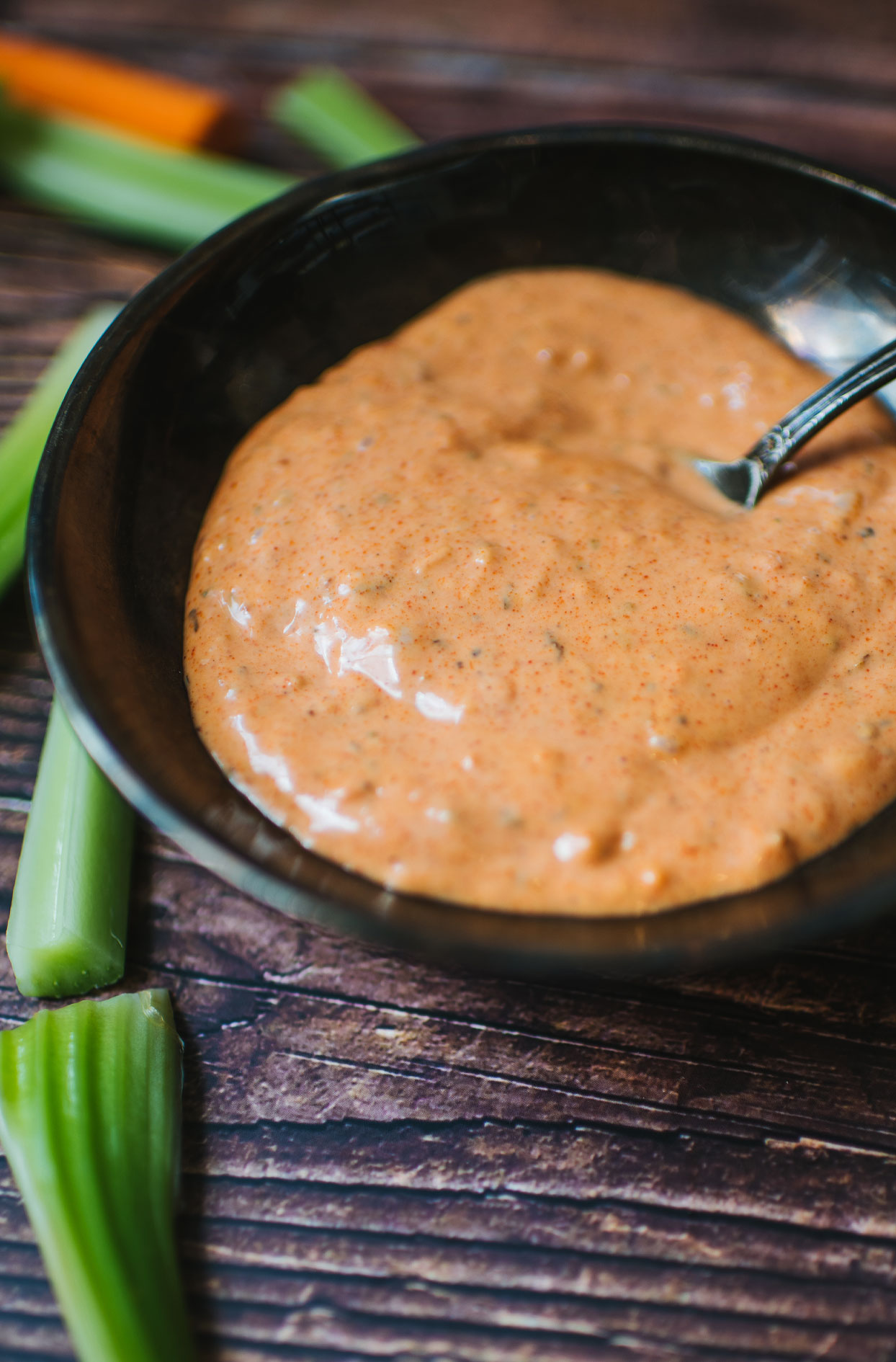
Absolutely. Add them AFTER the mayo is completely set. Fresh chopped herbs, sriracha, whole grain mustard, harissa, chipotle in adobo. The mayo becomes your base to create infinite variations. Never add wet things like fresh crushed garlic. Dry it first or use powder.
Ads
Ads

Ads
Ads
Ads