

Vegetable minestrone soup
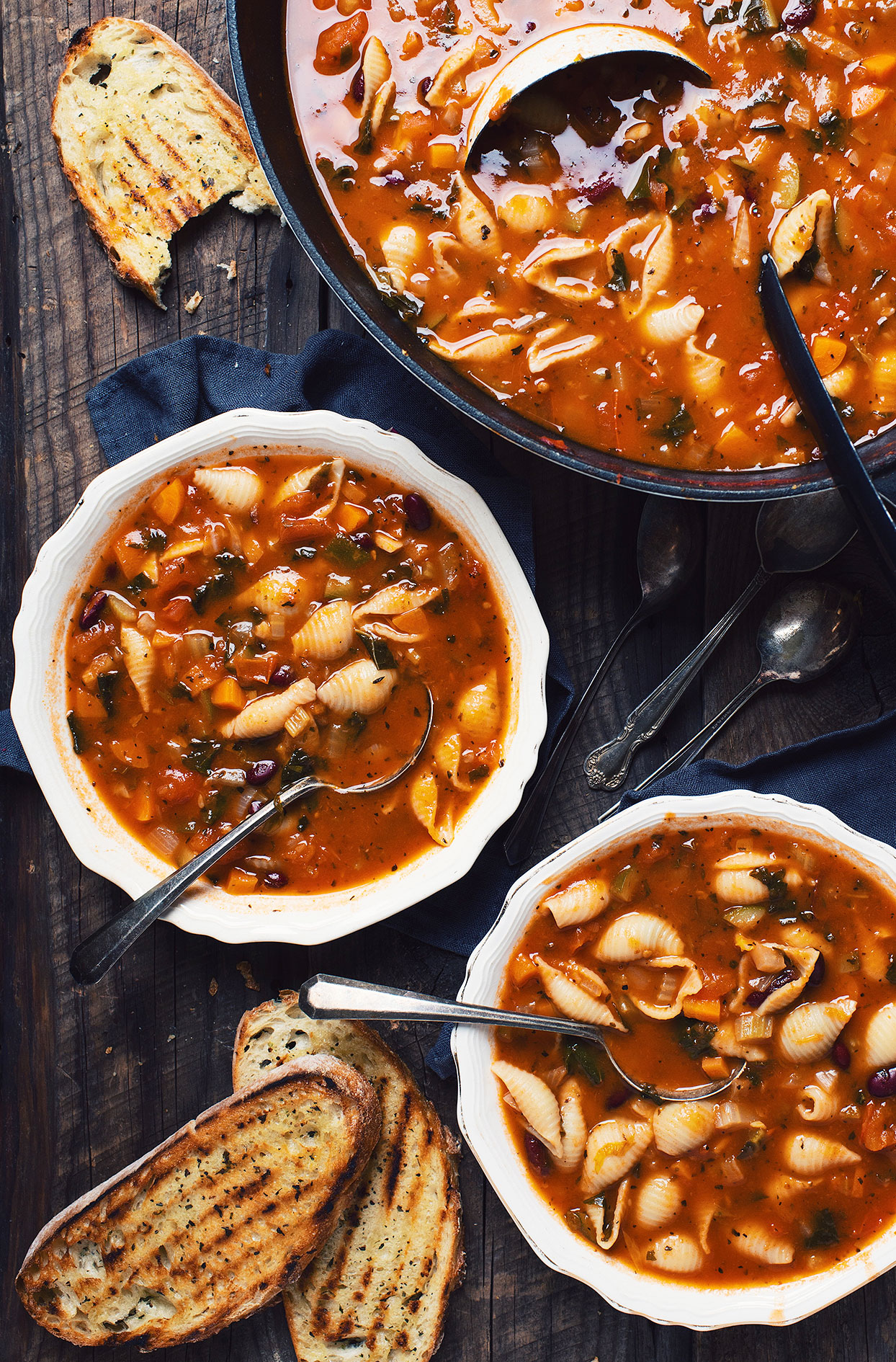
- Preparation 45 min
- Cooking 50 min
- Servings 8
- Freezing Absolutely
Ads
🥣 My own version, loaded with vegetables
I’ve always been into minestrone. I watched dozens of versions go by before I finally got tired of watching other people make it. So I made mine. A soup with big chunks, something your spoon actually catches on, not a thin broth with three carrots floating in it. It’s an old-school grandma soup, rebuilt my way.
🧀 The Parmesan rind is where it happens
I drop it into the broth with everything else and let it simmer right there. It salts the pot, it lays down a depth of flavour nothing else gives you, and it costs zero because it’s the piece of cheese everybody throws out. I don’t throw mine out anymore. They pile up in a bag in the freezer waiting for their soup. Add the zucchini, the fennel and the kale on top of that and you get something that has nothing to do with an ordinary vegetable soup. It’s one of the best soups I’ve ever eaten. Most people who try it end up calling it their favourite.
🍂 Late summer at the market, or mid winter after skiing
My real season is August. The markets are overflowing, the tomatoes are ugly and perfect, the fennel finally smells like something, and that’s when I make my minestrone. But let’s be honest: this soup is good all year. Come home from the hill in February, big bowl, a crusty baguette or a slab of warm olive focaccia, and the day ends well. My kids ask for it, and that doesn’t lie.
Ads
Ads
🧀 I never throw out a Parmesan rind anymore
That hard end nobody wants at the back of the fridge is exactly what makes this broth. It softens slowly, it salts the pot, and it releases an umami backbone that neither salt nor store bought broth can fake. I add it with the broth and let it go the full 25 minutes. Then you pull it out, or you let it melt and eat it. Mine stack up in a freezer bag waiting their turn.
🔥 Why I cook the vegetables before adding liquid
Dumping everything into the broth at once would be faster. It would also be a lot more boring. Those 12 minutes are what give you the caramelized edge and deepen the whole thing. The vegetables release their water, it evaporates, and the sugars start sticking to the bottom of the pot. The broth lifts all of that back up afterward. Free flavour.
🌿 Cut out the fennel core
Fennel has a harder core in the middle of the bulb, a small white compact wedge. It doesn’t soften at the same rate as the rest. Quarter the bulb, cut that part out with the tip of your knife, keep everything else. The stalks and the green fronds get diced too, don’t toss them.
🧄 The garlic that was missing
Straight up: for years there was no garlic in this recipe. I simply forgot it. Three large cloves, finely chopped, in with the vegetables from the start, and it’s better. Fixed.
🥕 Zucchini, fennel, kale: the trio
This is what separates my minestrone from a plain vegetable soup. Zucchini brings softness, fennel brings a light anise note that wakes up the tomato, and kale holds its shape instead of dissolving into rags the way spinach does. Cut real dice, not confetti. You want a soup with texture, where the spoon catches something every single time.
🍝 Pasta in the pot, or on the side
I cook mine right in the soup because the starch thickens the broth and I like it better that way. If you prefer a clearer broth, or you know you’ll be eating leftovers all week, cook the pasta separately and add it to the bowl at serving time. Either way, if it thickens too much, loosen it with a little extra vegetable broth. Never chicken broth here: this soup is vegetarian and it stays that way.
📅 Getting ahead
When you’re having people over, you don’t want to spend the night at the stove. Dice all your vegetables the day before, the carrots, celery, zucchini, fennel and onion, chop the garlic and the kale, and put each one in its own labelled container. Measure the dried herbs together into a small jar, rinse the beans, pull the Parmesan rind out of the freezer. On the day, you’re left with 12 minutes at the stove and 35 minutes of simmering. The house smells like soup when people walk in, and you’re with them instead of hunched over a cutting board.
❄️ Three to five days in the fridge, and it freezes
In an airtight container it keeps 3 to 5 days in the fridge, and it’s honestly better on day two. For the freezer, the ideal is without the pasta, because it goes soft when thawed. I freeze mine with the pasta in it and I survive just fine. Three months, no problem. Let it cool completely before sealing the containers.
🍗 If you want meat in it
It works, and it’s not a crime. Cut chicken thighs into pieces, sear them in the pot with a little oil before the vegetables, take them out, cook your vegetables in that same fond, then return the chicken when you add the broth. It finishes cooking during the 25 minute simmer. Ground meat follows the same logic: brown it first, drain the fat if there’s a lot, then carry on. Switch the vegetable broth for chicken broth if you go that route.
✅ What to serve with my vegetable minestrone soup?
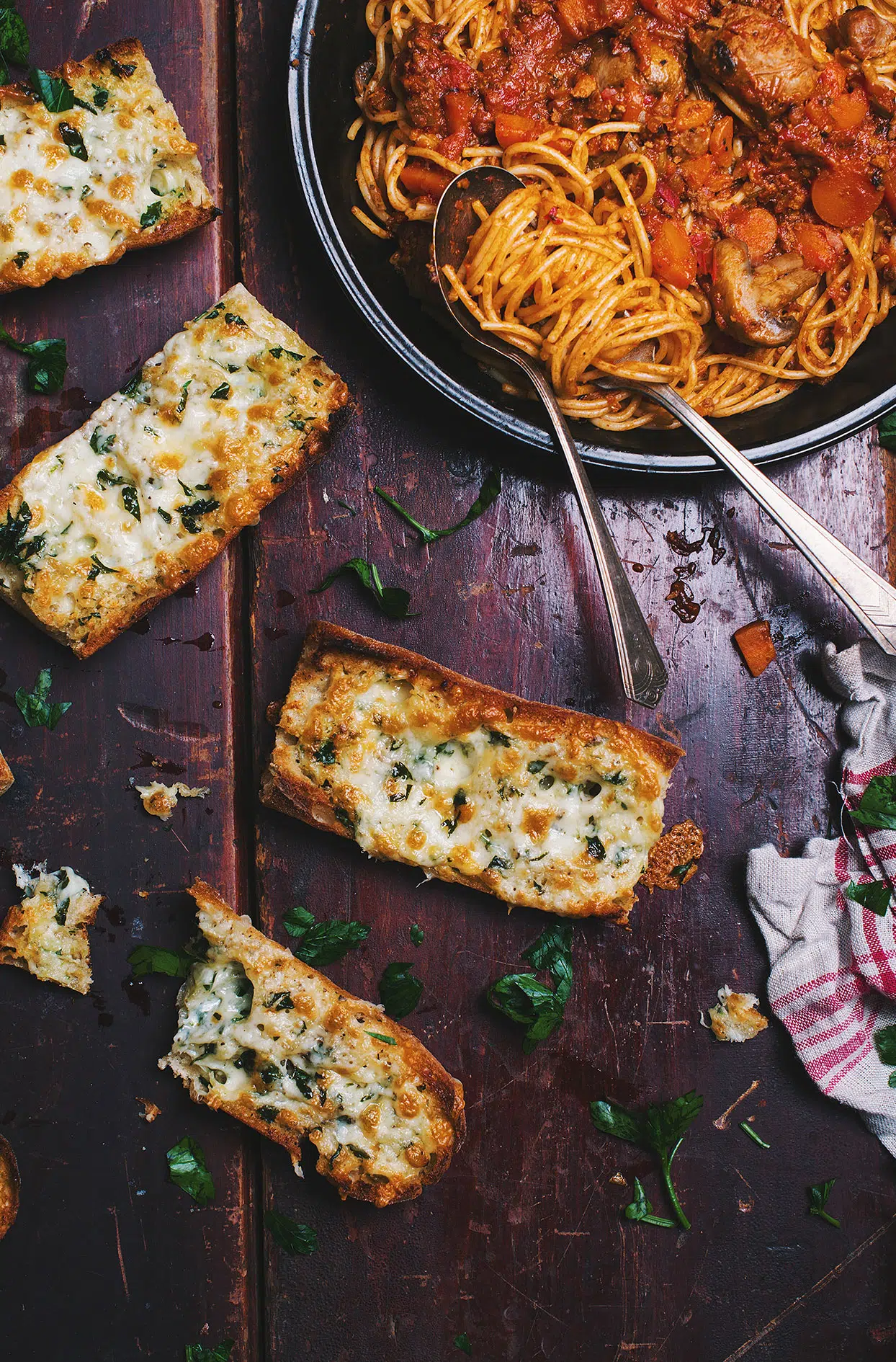
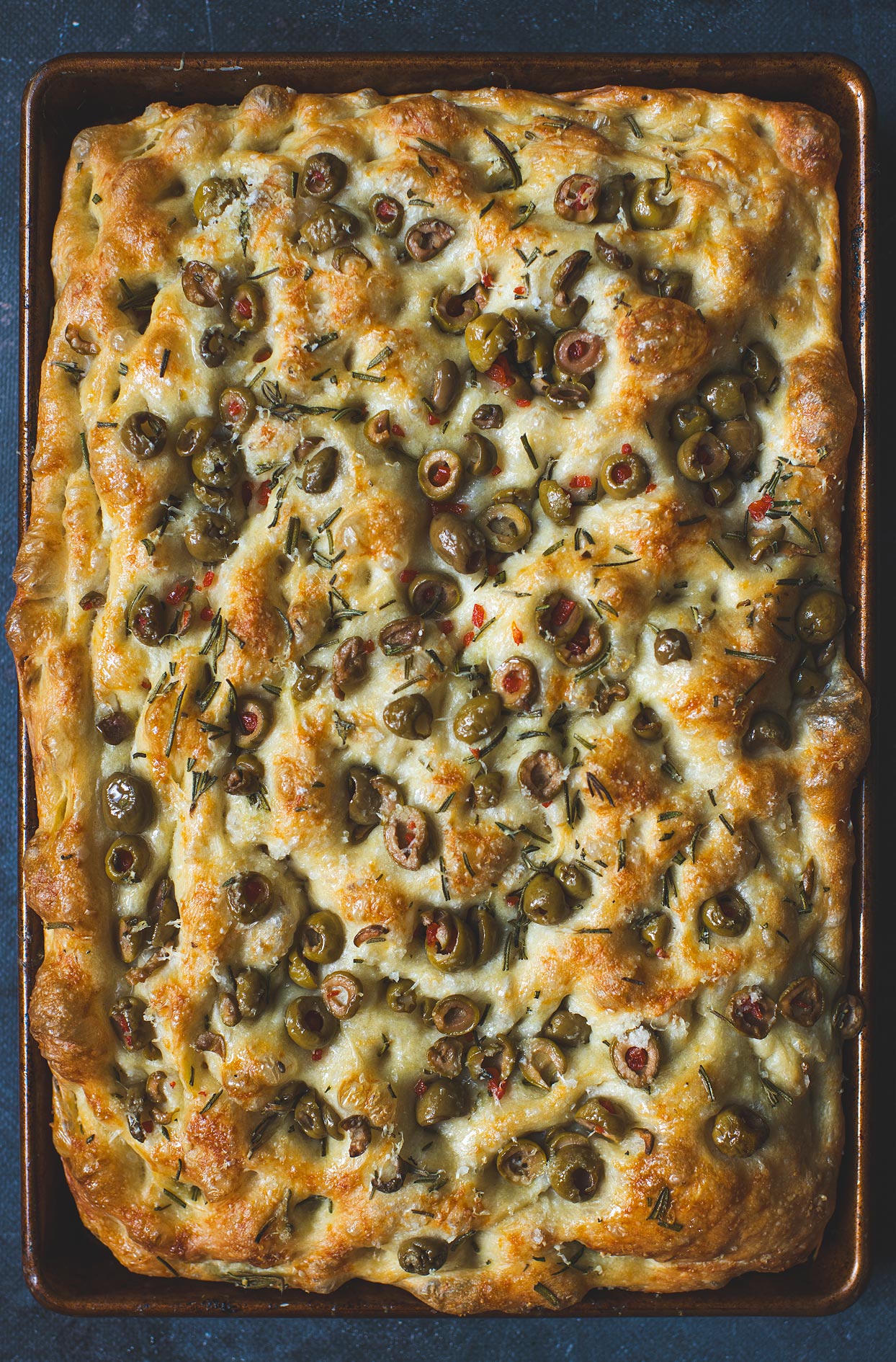
Bread, and good bread. A crusty baguette with butter, a dense Belgian loaf, or my no knead olive focaccia torn into big pieces for mopping the bowl. If you feel like going all in, my cheesy garlic bread handles the job on its own. As a starter, my bruschetta with tomato and caramelized fennel stays in the same Italian lane, and a grilled Caesar salad on the side turns the bowl into a real dinner. Finish with a warm apple crisp.
Ads
Vegetable minestrone soup
- 1/4 cup (60 ml) olive oil
- 1 cup (250 ml) Nantes carrots (about 4 to 5), diced
- 1 cup (250 ml) celery with the leaves (about 3 to 4 stalks), diced
- 2 zucchini, diced
- 1 small fennel bulb, core removed, diced
- 1 1/2 cup (375 ml) kale, finely chopped
- 1 yellow onion, finely chopped
- 3 large garlic cloves, finely chopped
- 10 cups (2.5 L) low sodium vegetable broth
- 4 tomatoes, diced
- 680 ml (24 oz) tomato sauce
- 540 ml (19 oz) red kidney beans, rinsed
- 1 Parmesan rind
- 1 tablespoon (15 ml) dried basil
- 1 tablespoon (15 ml) dried parsley
- 1 teaspoon (5 ml) dried oregano
- 1 1/2 cup (375 ml) medium shell pasta
- Salt and freshly ground pepper
Ads
Preparation
- In a very large pot over medium heat, add the olive oil, then the carrots, celery, zucchini, fennel, kale, onion and garlic. Season generously with salt and pepper and stir well. Cook, stirring, for about 12 minutes, until the vegetables are tender and start to catch a little on the bottom.
- With the exception of the pasta, add the remaining ingredients including the Parmesan rind and stir well. Bring to a boil, reduce the heat to medium low and simmer for 25 minutes, stirring occasionally.
- Remove the Parmesan rind, or let it melt and eat it. Add the pasta, stir and keep cooking for 10 to 12 minutes, or until al dente.
- Adjust the salt and pepper. Serve with a crusty baguette, a dense Belgian loaf or an olive focaccia.
Minestrone is three things: a base of vegetables cooked in olive oil, tomato that simmers, and a starch. In my pot, the base is carrot, celery, zucchini, fennel, kale, onion and garlic. The tomato shows up twice, fresh and diced plus tomato sauce. The starch is medium shell pasta, and red kidney beans bring the protein. The rest is vegetable broth, dried basil, parsley and oregano, and a Parmesan rind simmering in the liquid. There is no official version: in Italy, minestrone changes from house to house and season to season. This one is mine.
The non negotiables, the ones in nearly every version: carrot, celery, onion and tomato. After that, you open the fridge. I add zucchini, fennel and kale, and that trio is what makes my soup different from the rest. In August, when the markets are overflowing, green beans and garden tomatoes go in too. In winter, turnip, cabbage or squash do the job perfectly. The rule: dice everything to the same size so it cooks evenly, and skip the vegetables that fall apart completely, like spinach.
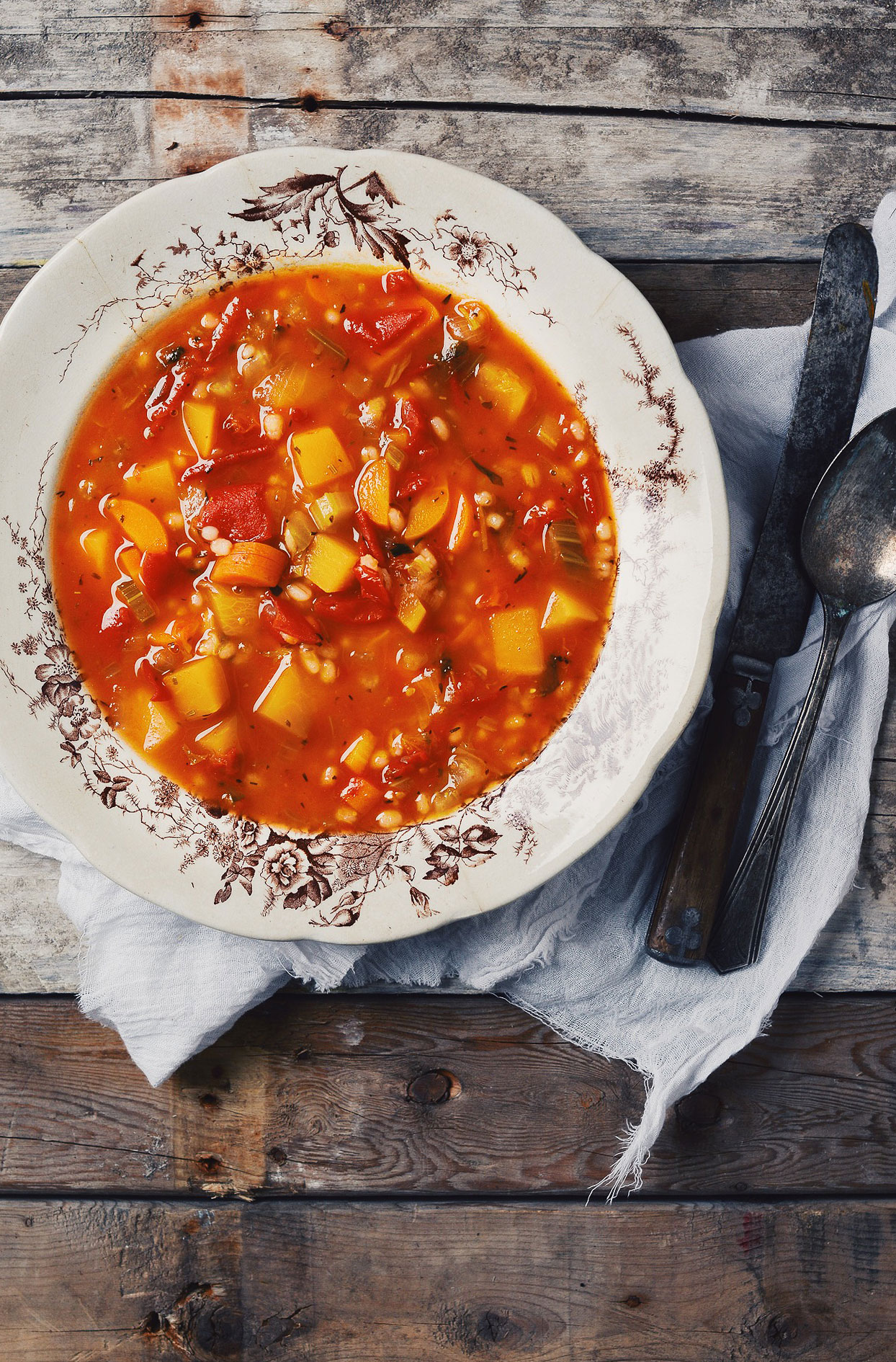
The starch and the herbs. My vegetables and barley soup is built around pearl barley, with thyme and rosemary: it’s a Quebec soup, plain and rustic. My minestrone is built around pasta and tomato, with basil, parsley and oregano: it’s Italian, it’s redder, it’s tangier. The minestrone also carries a lot more vegetable variety plus beans. Two completely different flavour profiles, and I love them both.
Mine is, all the way through: vegetable broth, never chicken broth. Even without meat it’s a full meal soup. The kidney beans bring the protein, the pasta fills you up, the vegetables do the rest. One thing to know: Parmesan rind contains animal rennet, so if you’re cooking for someone strictly vegetarian, leave it out or swap in a spoonful of white miso, which chases the same salty depth. For a vegan version, same swap plus egg free pasta.
Yes, and the insertion point matters: before the vegetables. Cut chicken thighs into pieces, sear them in the pot with a little oil until browned, take them out, cook your vegetables in the same fond, then return the chicken when you add the broth. It finishes during the 25 minute simmer. With ground meat, same principle: brown it first, drain if needed, carry on. Switch to chicken broth if you’re heading that way.
Because it’s aged cheese about to go in the garbage. In hot broth it softens and gives up everything it has in salt and umami without ever making the soup greasy. It’s the cheapest ingredient in the recipe and the one that gives the most. Add it with the broth, let it simmer, pull it out before serving. If you don’t have one, a good grating of Parmesan over the bowl does part of the job, but not all of it: the rind perfumes the liquid itself.
Three to five days in the fridge in an airtight container, and it’s better on day two. The pasta keeps drinking broth the whole time, so don’t be surprised if the soup is thicker the next day: loosen it with a little vegetable broth as you reheat. In the freezer it holds three months. Ideally you freeze it without the pasta and cook that fresh at serving time, but I freeze mine with the pasta in and I’ve never lost sleep over it.
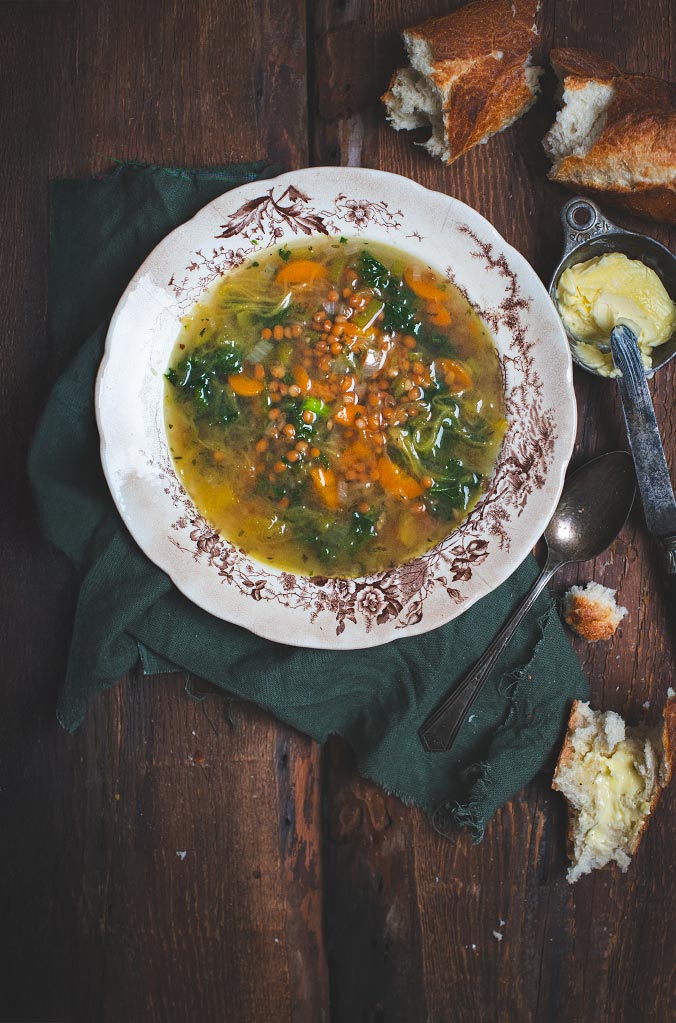
A crusty baguette with butter, a dense Belgian loaf, or my no knead olive focaccia: all three are built for mopping. My cheesy garlic bread is the move when you’re not holding back. A grilled Caesar salad on the side makes it a full dinner, a bruschetta with tomato and caramelized fennel to start if you have company, and an apple crisp to finish. If you want another meal soup in the same spirit, try my lentil soup with spaghetti squash.
Ads
Ads

Ads
Ads
Ads