

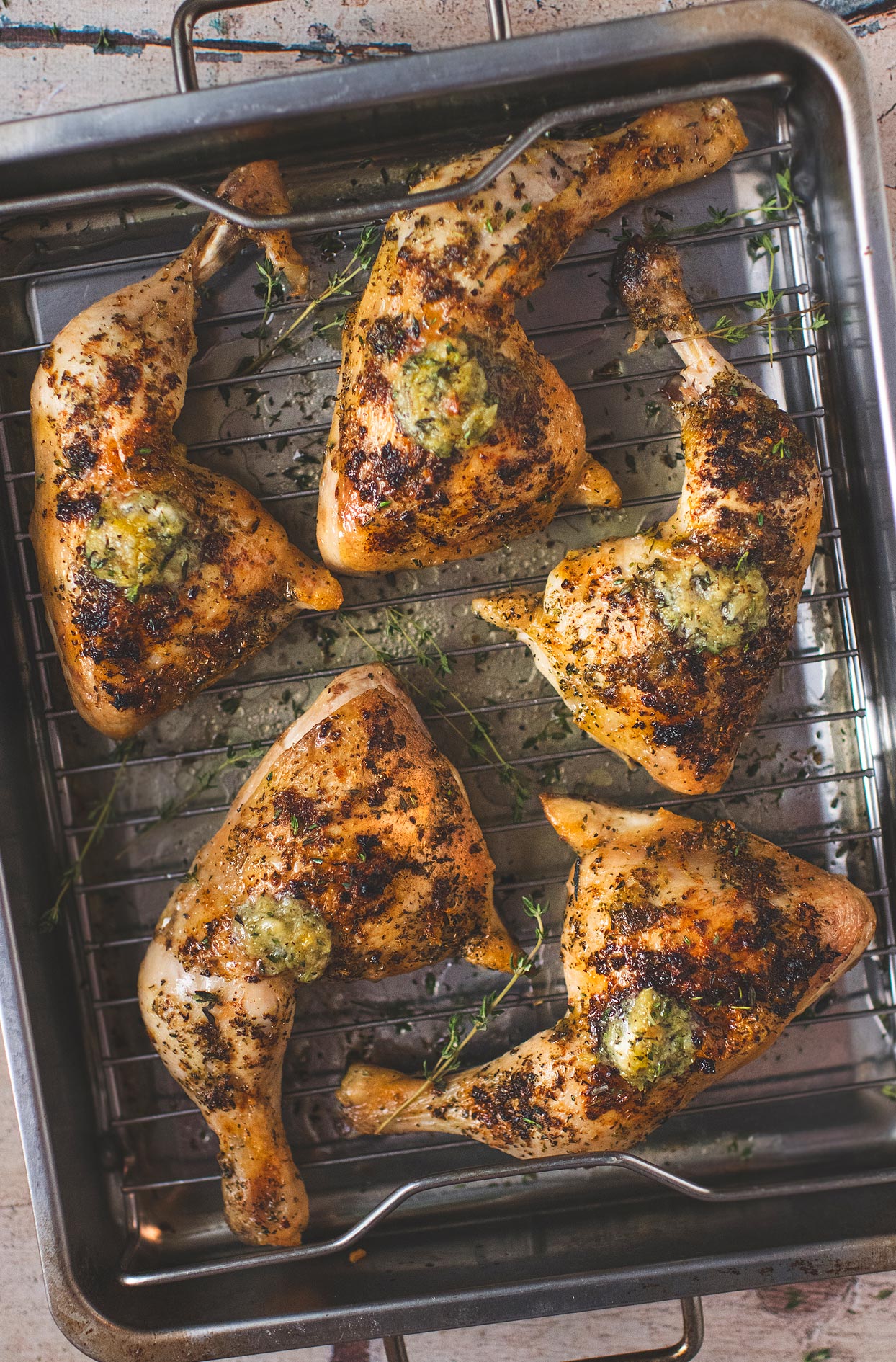
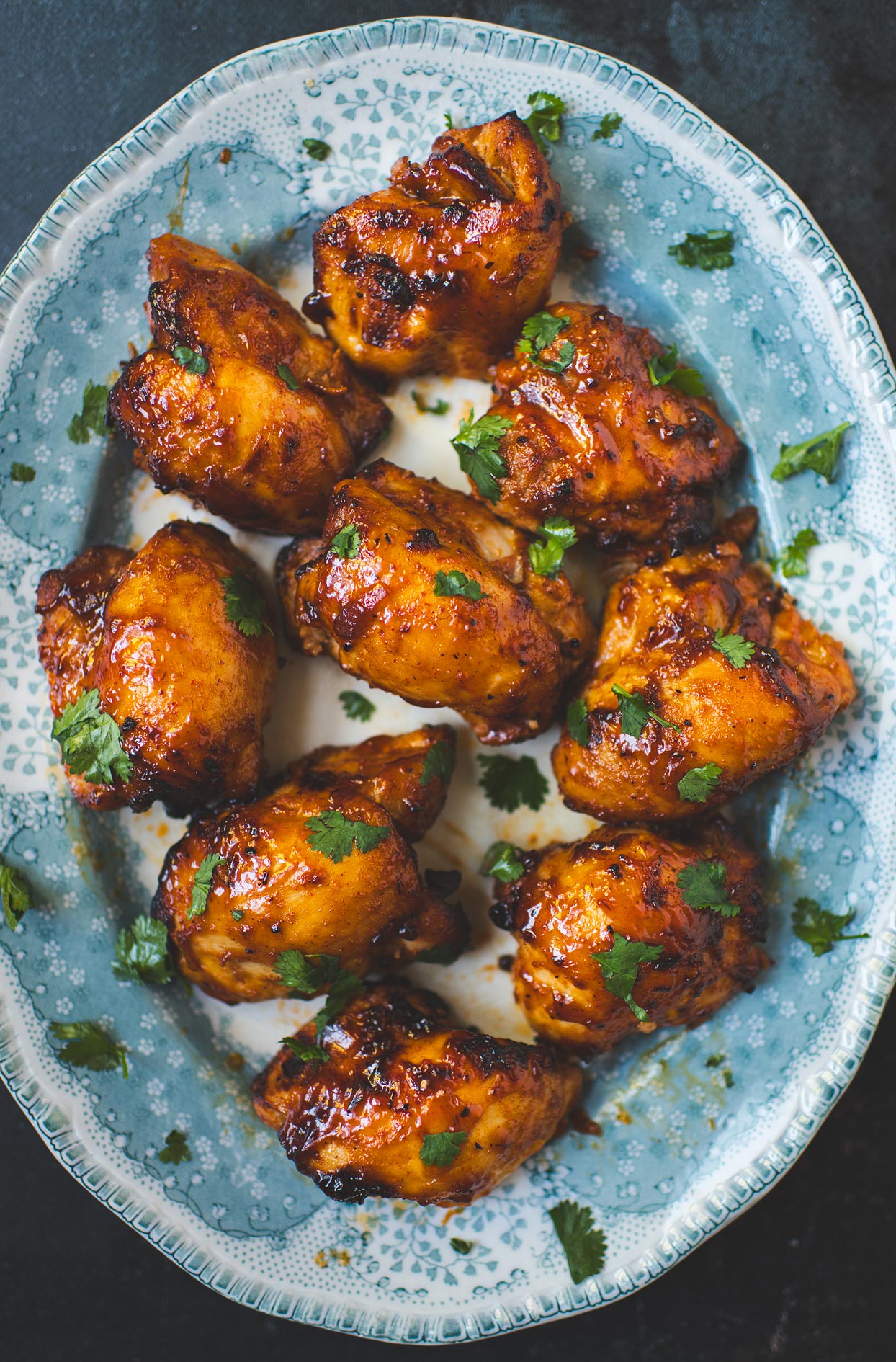
Oven-baked chicken legs with roasted garlic butter
- Preparation 20 min
- Cooking 1 h 30 min
- Servings 6
- Freezing Absolutely
Ads
🧄 Two heads of roasted garlic, transformed into butter
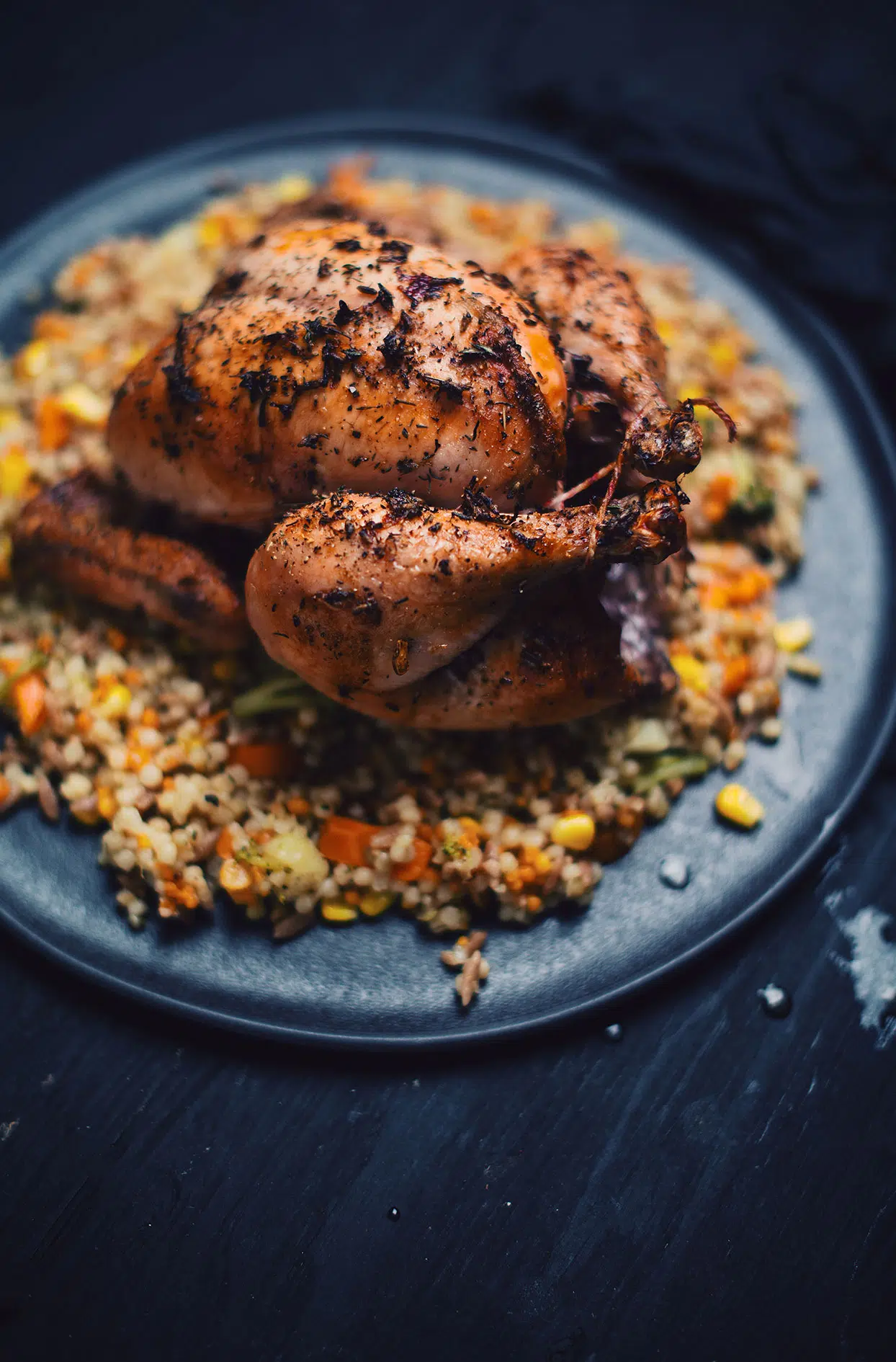
This recipe came straight from my côte de bœuf au beurre d’ail rôti. I loved that butter so much that I knew I had to make a version for chicken. I added lemon zest to lighten things up, kept the fresh thyme, and bumped it up to two full heads of garlic. Roasted for 45 minutes in foil, the cloves turn golden, sweet, and creamy, and you mash them right into softened butter. Half the butter gets melted and brushed over the legs halfway through cooking, while the other half stays cold to drop a knob on each piece at serving time.
🍽️ Two pans, never one
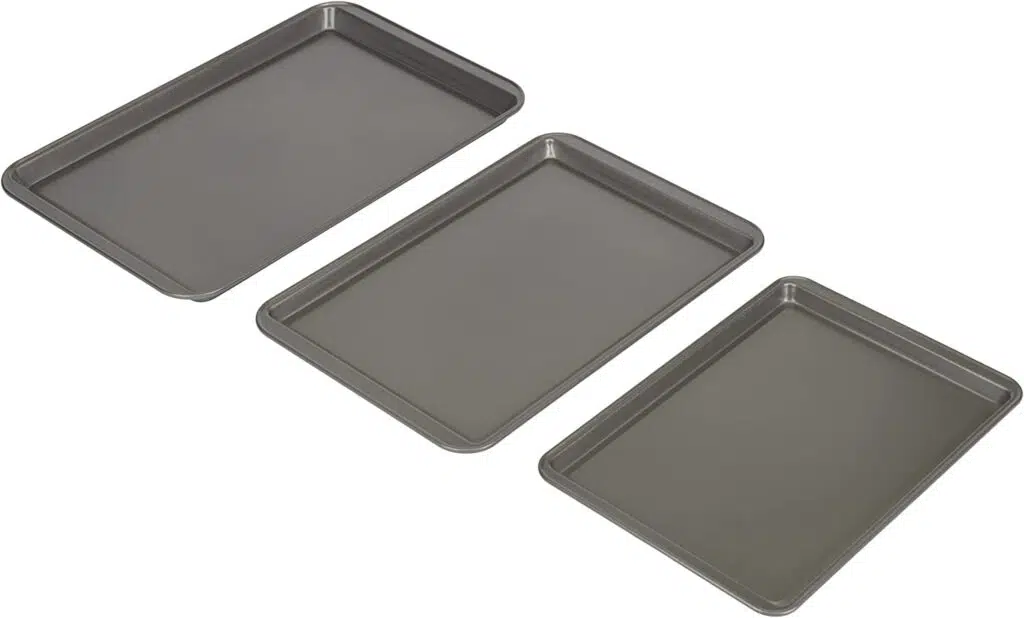
This is the one detail that separates crispy skin from soggy skin, and almost nobody talks about it. Eight whole chicken legs on a single pan. They touch each other, steam gets trapped between the pieces, and the skin never crisps up, no matter how hot your oven is. If you only have one pan, do two batches instead of crowding. It’s really worth it. When the skin is properly dried and properly spaced, it dries out, puffs up, and gets absolutely insane.
🎉 Easy to make, but not embarrassing to serve to guests
This isn’t a complicated recipe, and that’s pretty much what I love about it. Last night I had my girlfriend and a friend over, served this with a big garden salad, green onions, cucumber and a balsamic vinaigrette, and everyone went wild. Don’t be shy about serving chicken legs to guests: the roasted garlic butter does all the work, and eight legs feed six people without you spending your whole afternoon in the kitchen.
Ads
Ads
🍽️ Two pans. It matters
Eight whole legs on a single pan, they touch each other, steam gets trapped, and the skin never crisps up. It’s physics: each leg releases moisture as it cooks, and when the pieces are crowded together, that moisture has nowhere to go. It stays trapped between them and steams the skin instead of roasting it. If you only have one pan, do two batches instead of crowding. That’s twenty extra minutes that change everything.
🧽 Pat the skin dry like your life depends on it
Moisture and crispiness don’t mix. As long as there’s any surface moisture left, the skin has to evaporate that water before it can start browning. And in the meantime, it goes soft. Grab paper towel and pat each leg on every side until the skin is perfectly dry to the touch. It’s thirty seconds of work for twice the crispiness.
🧄 Two heads of garlic, and roasted. Never raw
One head isn’t enough for three quarters of a cup of butter, so I use two. And they have to be roasted: raw garlic in a butter that hits scorching-hot chicken turns sharp and bitter in seconds. Roasted for 45 minutes in foil, it loses all its bite and becomes soft, sweet, almost confit. You squeeze the cooled heads and the pulp slides right out, like toothpaste from a tube.
⏰ The butter in two stages
This is what sets this recipe apart from a simple buttered chicken. You set half the butter in the fridge right from the start, and melt the other half to brush over the legs halfway through cooking. The melted butter soaks into the hot skin and lacquers it, while the cold butter placed at serving time melts gently in the plate and releases all its garlic and lemon aromas. Two textures, two moments, twice the flavour.
🔥 Broiler in the center of the oven, never right under the element
If the skin isn’t golden enough after 45 minutes, a minute or two under the broiler fixes that. But keep the pan in the center of the oven, not on the top rack: too close to the element and it burns in seconds. And don’t walk away. It goes really fast and can smoke. I only needed it for a short moment, just enough for the skin to finish drying out and puff up.
🌡️ 165 °F on a thermometer, not on a clock
Insert the thermometer into the thickest part of the leg without touching the bone, because the bone conducts heat and gives you a falsely high reading. The target is 165 °F (74 °C). A leg might need 40 or 50 minutes depending on its size, so timing is just a guideline. All cooking temperatures are in my guide des températures de cuisson des viandes et du poisson.
🧈 The leftover butter goes on absolutely everything
There’s always a little left over, and that’s a good thing. Roll it in plastic wrap into a log shape and keep it in the fridge or freezer, then slice off rounds as needed. On a steak coming out of the pan, on eggs in the morning, melted over potatoes or corn. It’s incredible on everything. Honestly, put it on whatever you want.
✅ What to serve with my oven-baked chicken legs with roasted garlic butter?
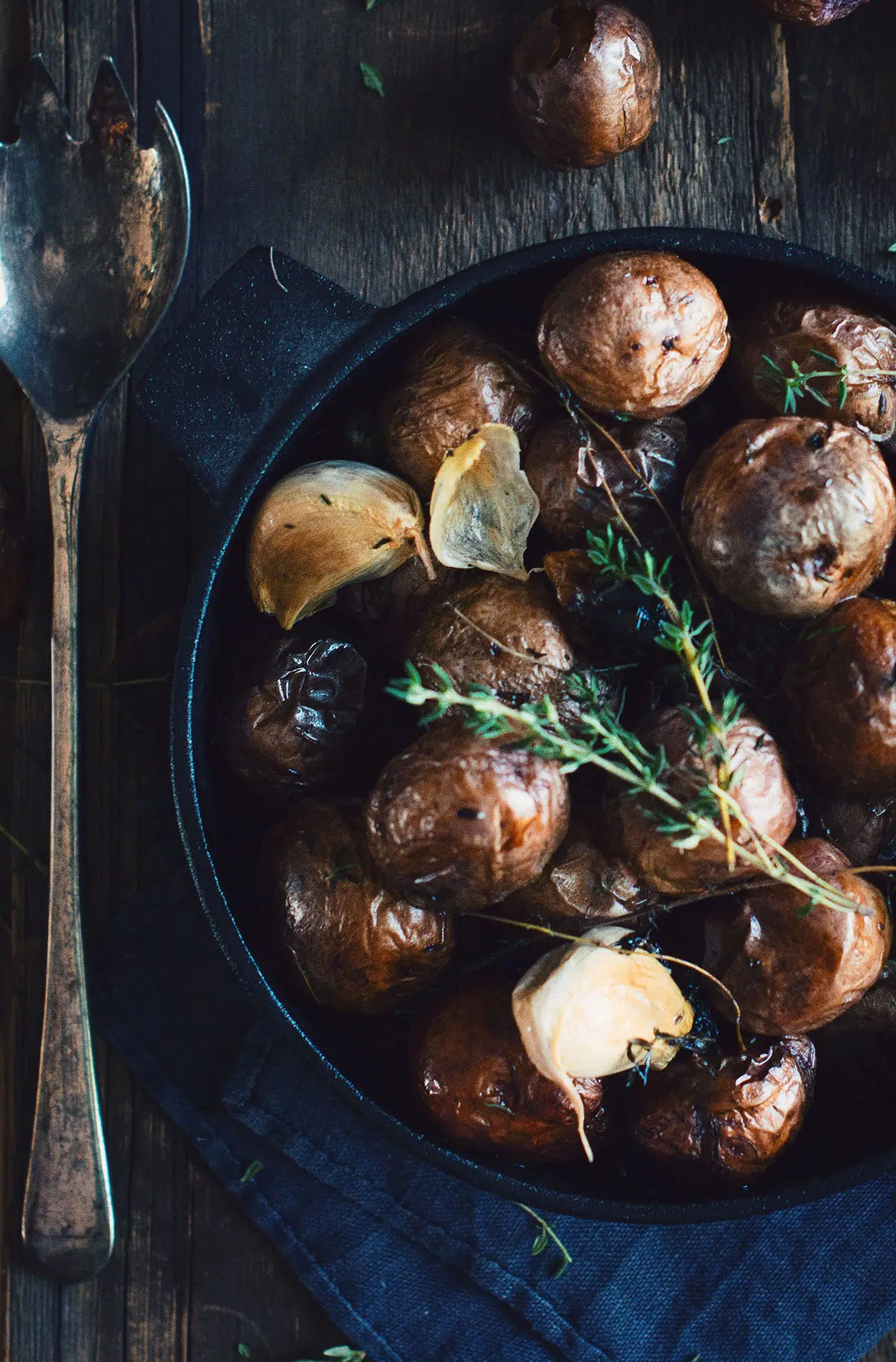
My Baby potatoes with roasted garlic and thyme are the obvious choice: they mirror the exact flavour profile of the butter and can roast in the oven at the same time as the chicken. For freshness, a big salad works perfectly, like the one I served the other night, or my Creamy cucumber, tomato and herb salad. My Roasted garlic and maple carrots slide into the oven effortlessly too, and keep my Cheesy garlic bread close by to mop up the butter at the bottom of the plate.


Ads
Roasted garlic
- 2 whole heads of garlic
- 1 ½ tbsp (22 ml) olive oil
Butter
- ¾ cup (180 ml) unsalted butter, softened
- 3 tbsp (45 ml) fresh thyme, leaves picked
- Zest of 1 large lemon
- ¾ tsp (4 ml) fleur de sel
Chicken
- 8 whole chicken legs, skin-on and bone-in
- 3 tbsp (45 ml) olive oil
- 1 tbsp (15 ml) herbes de Provence
- Salt and freshly ground pepper
Ads
Preparation
- Preheat the oven to 400 °F (200 °C). Slice the top off each head of garlic to expose the cloves, drizzle with olive oil, wrap tightly in foil, and roast for 45 minutes, until the cloves are golden and soft. Let cool slightly, then squeeze the heads to push out the pulp.
- Mash the garlic pulp with a fork along with the softened butter, thyme, lemon zest, and fleur de sel until you get a smooth, even compound butter. Set half the butter aside in the refrigerator for serving.
- Raise the oven to 425 °F (220 °C). Pat the chicken legs dry with paper towel. The skin needs to be perfectly dry. Rub them with olive oil on all sides, season generously with salt and pepper, then sprinkle the herbes de Provence over the top.
- Spread the legs across two pans, skin side up, leaving good space between them. Insert a thermometer into the thickest part of the leg without touching the bone. Roast for 30 minutes uncovered, without touching them.
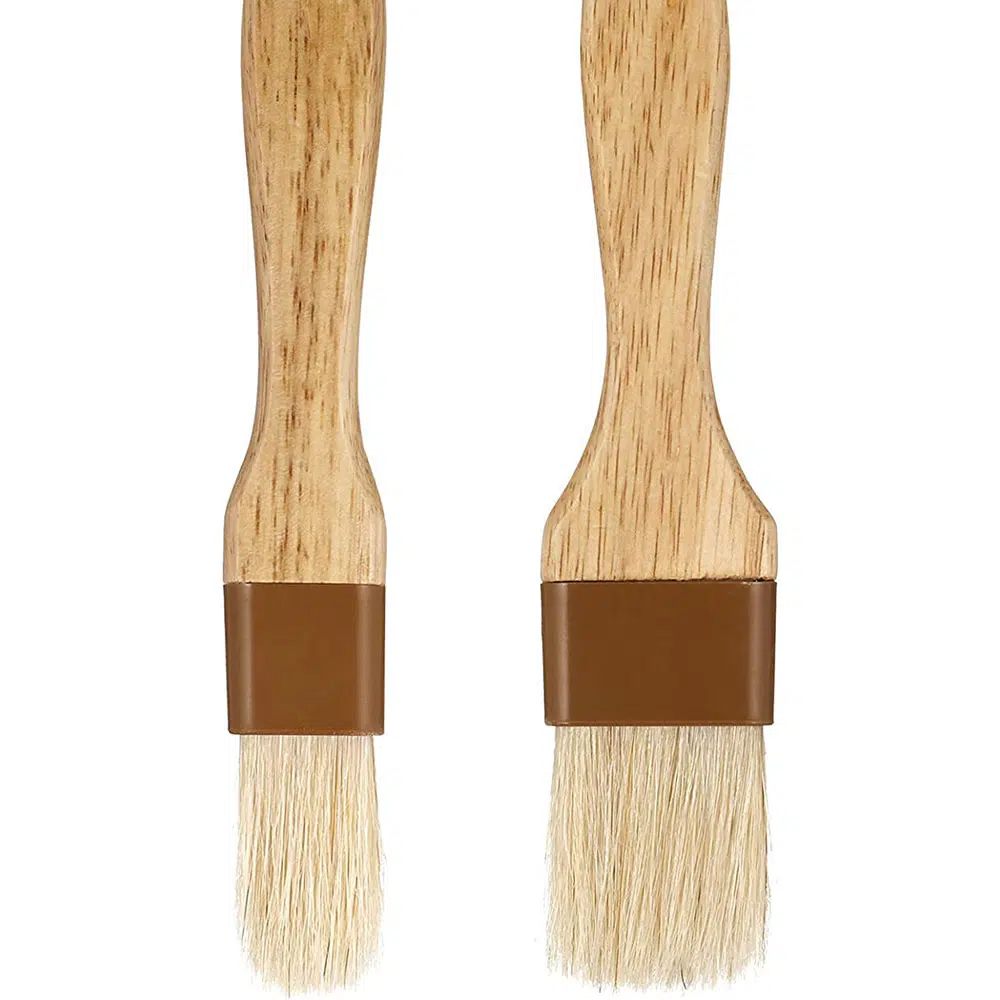
- Melt the remaining roasted garlic butter and brush it generously over the legs. Return to the oven for about 15 minutes, until the skin is golden and lacquered and the internal temperature reaches 165 °F (74 °C).
- If the skin isn’t as golden as you’d like, slide the pans under the broiler for 1 to 2 minutes, keeping them in the center of the oven. Don’t walk away: it goes very fast and can smoke.
- Place a knob of the reserved cold butter on each leg and serve immediately, with a few fresh thyme leaves scattered on top if you have some on hand.
Plan on about 45 minutes at 425 °F (220 °C) for whole skin-on, bone-in legs: 30 minutes uncovered without touching them, then 15 more minutes after basting with the butter. If you’re using chicken thighs only, which are smaller, cut the total time to about 35 minutes. The size of the pieces can shift that by five to ten minutes either way, so the only reliable way to get it right is a thermometer. Never cover them and never flip them: every time you open the oven, you lose heat and crispiness.
The oven at 425 °F (220 °C), and the meat at 165 °F (74 °C) internally. Those are the only two numbers you need. A high oven is essential: at 350 °F, the leg cooks through just fine but the skin won’t crisp up. It stays pale and soft. For the internal reading, insert your thermometer into the thickest part of the leg while avoiding the bone, which conducts heat and would give you a falsely high reading. Unlike a piece of beef, there’s no benefit to pulling the leg early: chicken needs to reach 165 °F.
Three things, and you can’t skip any of them. First, pat the skin dry with paper towel until it’s perfectly dry. Surface moisture has to evaporate before the skin can brown, and in the meantime it goes soft. Second, space the pieces out across two pans. Never one: crowded legs trap steam and the skin gets steamed instead of roasted. Third, high oven at 425 °F and uncovered the whole time, never covered. If the colour isn’t there after 45 minutes, one or two minutes under the broiler in the center of the oven will finish the job.
The good news is that the leg is the most forgiving cut of chicken. Unlike the breast, which dries out the moment you go a few degrees over, the leg has more fat and collagen, which keeps it juicy even if you leave it in a little too long. The secret to tenderness is actually not being afraid to cook it all the way through: at 165 °F, the collagen has started to break down and the meat pulls away from the bone. Undercooking a leg is a far more common mistake than overcooking it. And the butter brushed on halfway through nourishes the meat during those last fifteen minutes.
My baby potatoes with roasted garlic and thyme come first, because they share the same flavour profile as the butter and cook in the oven at the same time as the chicken. Add a big salad for freshness, like my creamy cucumber, tomato and herb salad, or my roasted garlic and maple carrots if you want to keep everything in the oven. And my cheesy garlic bread is always a good idea when there’s garlic butter in the plate.
Ads
Ads

Ads
Ads
Ads