

Shakshuka Recipe (Chorizo and Feta)
- Preparation 15 min
- Cooking 30 min
- Servings 4
- Freezing Absolutely
Ads
🍳 One pan, runny yolks, and brunch is handled!
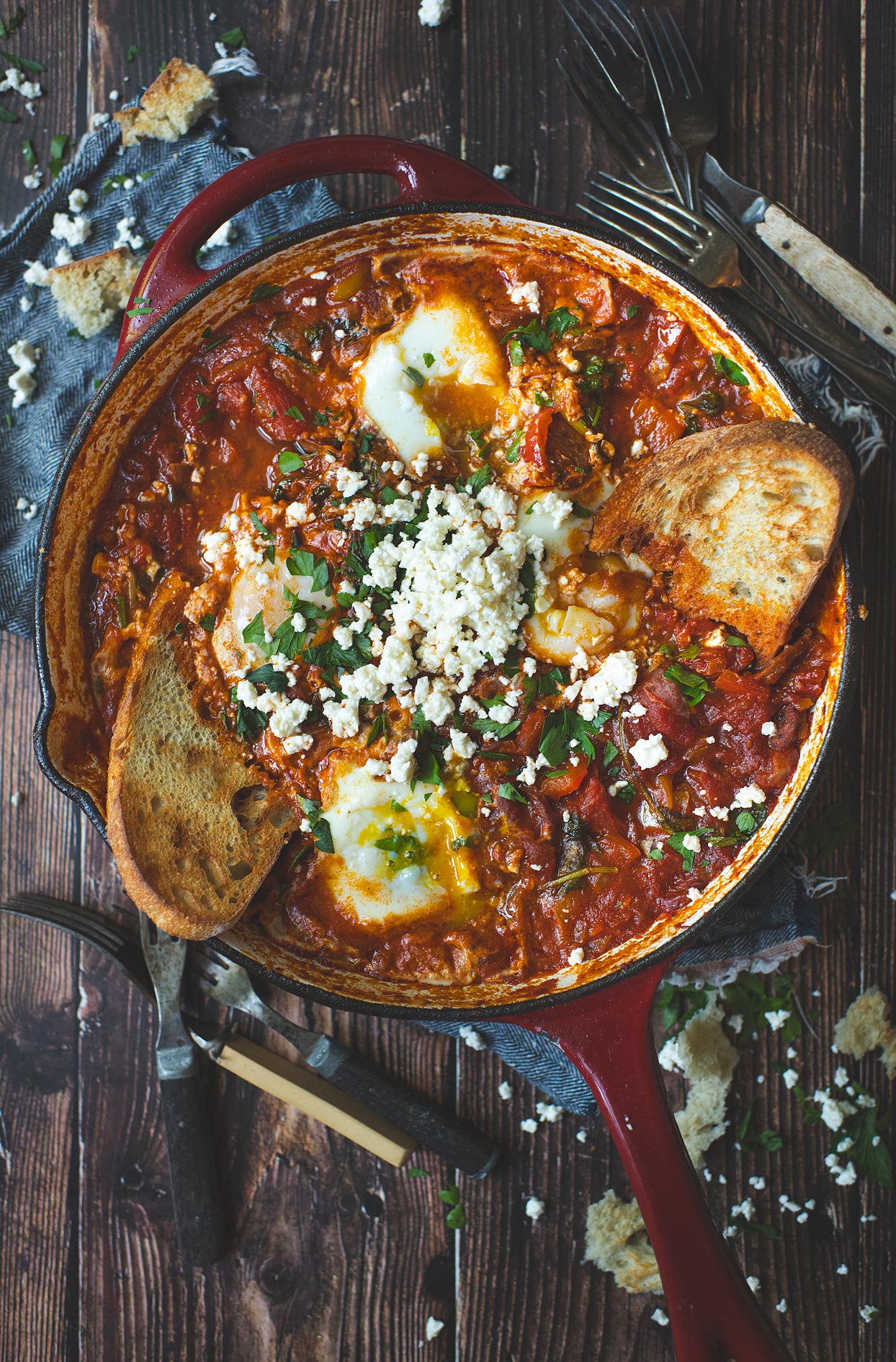
Spanish chorizo releasing its orange oil, peppers softening in it, a rustic tomato sauce full of chunks, spinach wilting down, and four eggs poached right in all of it. You break the yolks with a piece of toast and that is it, you are happy. The kind of dish that is so good you eat it at any hour.
🇨🇦 Quebec salted herbs in a shakshuka
That part is mine, and I have never seen anybody do it. Herbes salées is a Quebec condiment: fresh herbs and vegetables chopped fine and packed in coarse salt for weeks. Celery, onion, carrot, savory, chives, parsley. It sells in the produce section of every grocery store here. And it goes with tomato sauce so well that I do not understand why it is not everywhere. One tablespoon and the whole pan moves up a level.
🧀 The feta goes on at the very end, off the heat
A lot of recipes crumble it in before the eggs and send the whole thing to cook. Not me. Heated, feta dries out and releases its salty water into a sauce already salted by the chorizo and the salted herbs. Off the heat, it stays creamy and acts as a counterweight. It arrives with the parsley and the drizzle of oil, right as the pan lands on the table.
Ads
Ads
🇨🇦 Salted herbs, the ingredient nobody puts in here
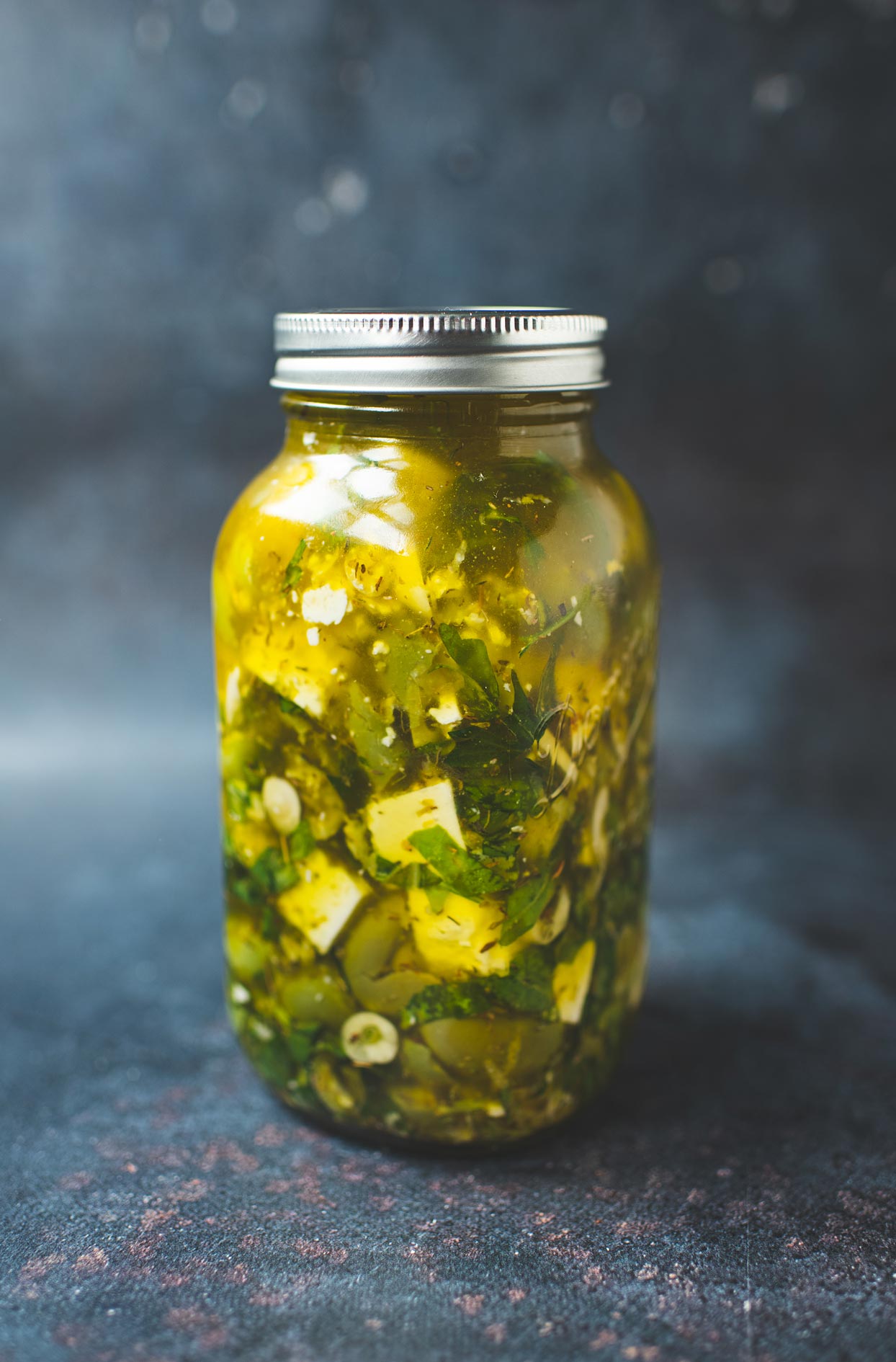
This is my idea and I stand by it. One tablespoon of Quebec salted herbs in the sauce, along with the tomatoes. It is an old Quebec condiment: herbs and vegetables chopped fine and preserved in coarse salt, roughly one third salt to two thirds vegetables, left to macerate for weeks. Celery, onion, carrot, parsnip, savory, chives, parsley. It comes from settlers along the lower St. Lawrence who needed to keep their aromatics through winter. And it goes with tomato sauce like the two were invented together.
🧂 Three sources of salt in one pan, taste first
This is the real trap in this recipe and nobody mentions it because nobody has all three. Dry chorizo is salty, salted herbs are literally preserved in salt, and the feta arrives salted on top of all that. Do not salt at the start. At step 4, once the sauce is built, you taste, and only then do you adjust. I like things well salted, but I want to decide that knowingly.
🌭 Dry Spanish chorizo, not the fresh kind
Both are called chorizo and they are two different products. Dry Spanish chorizo is fermented and ready to eat, loaded with paprika: sliced into coins it releases an orange oil that perfumes the whole sauce, and it keeps its chew right through service. Fresh chorizo, the Mexican-style kind sold soft in a casing, crumbles instead of slicing, releases far more liquid fat and has to cook through. If a recipe says “sliced,” it means dry. I buy mine at the regular grocery store, nothing complicated.
🍅 Diced tomatoes, and above all do not over-reduce
Canned diced tomatoes hold their cubes instead of melting, which gives you a rustic sauce with chunks that cling to the spoon, and wells that hold their shape better. The trade-off is that it does not thicken on its own the way crushed tomatoes do. The instinct is to reduce it hard to thicken it. Do not. An over-reduced sauce turns pasty and the eggs have nowhere to sit. Fifteen minutes covered is right.
🥚 Four to five minutes, and watch them
I tested at five minutes and got two perfectly runny yolks and two slightly firmer ones. The difference comes down to where the egg sits in the pan and how big it is. So aim for four to five, and judge by eye: the whites should be opaque throughout, with no gelatinous zone around the yolk, and the yolks should still wobble when you shake the pan. A lid, a large plate or foil all work the same. The lid cooks the top of the white with steam.
🧀 Feta, off the heat, always
Block feta in brine, crumbled by hand. Pre-crumbled feta is drier and it does not soften the same way against a hot pan. And it goes on at the very end, with the burner off: it stays creamy and slightly cool against the hot sauce, and that contrast is half the dish. Cooked with everything else, it dries out and releases its salt into a sauce that did not need any.
🍞 Toasted bread, and not just any bread
Mine is Belgian sourdough, toasted. The sourness of the levain works with the tomato, and a thick slice holds up in a sauce this generous. And if you want to go all the way: serve it with my homemade focaccia with olives and rosemary. Focaccia in a shakshuka is ridiculous.
📅 Make-ahead
This is the perfect dish for it, but you have to know what to prepare. The sauce goes ahead, all the way through step 6, spinach included. It keeps two days in the fridge and it freezes very well. On the day, you reheat it gently in the pan and crack fresh eggs into it. What never goes ahead: the eggs. A fully assembled shakshuka that gets reheated finishes cooking the yolks and you lose exactly what makes the dish. You can also cut the onion, the peppers and the chorizo the night before and keep them in labeled containers. In the morning all that is left is the pan.
✅ What to serve with my shakshuka
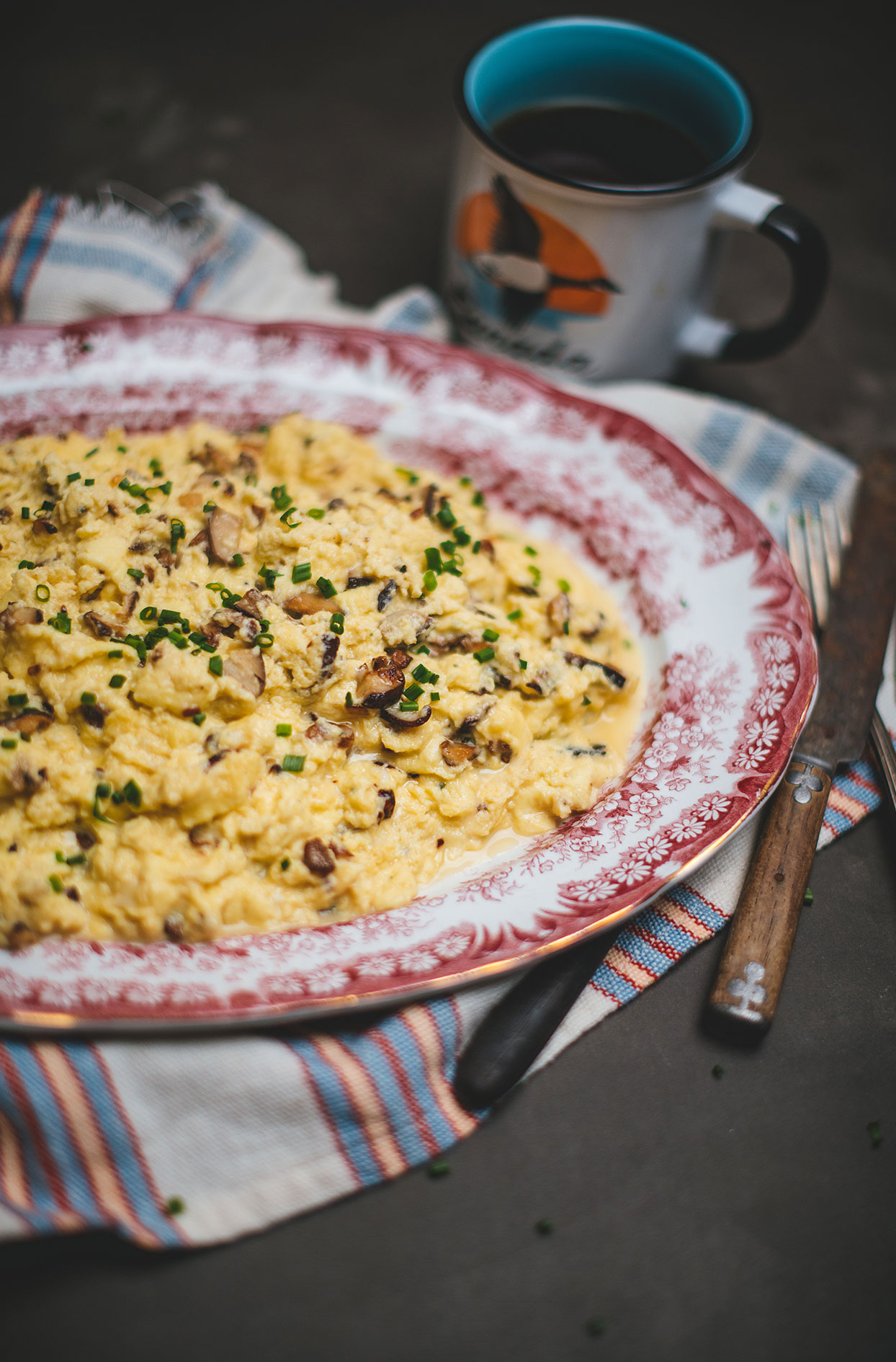
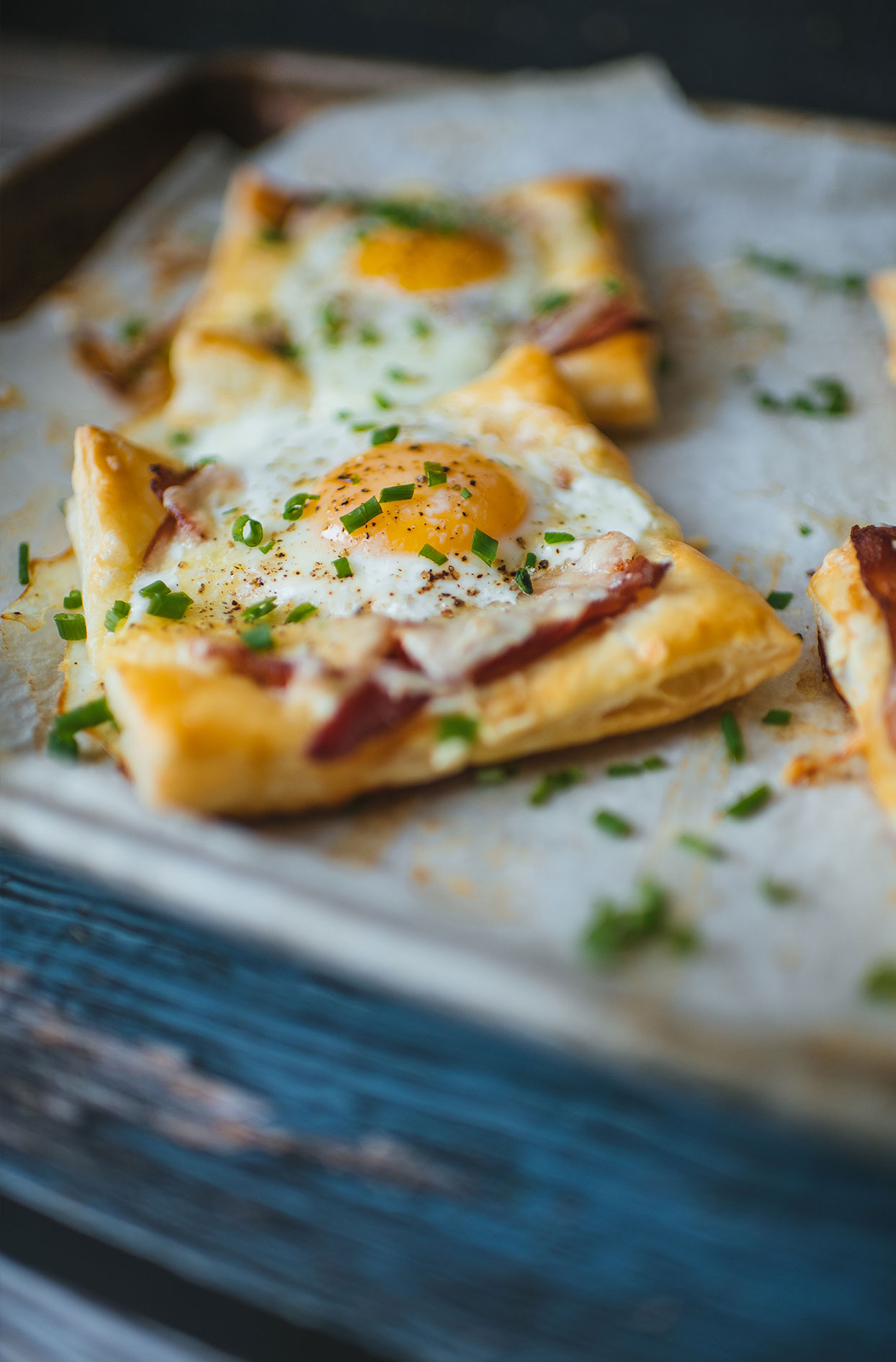
Bread, and that is all you need. The pan goes straight onto the table and people help themselves. It is a brunch first, but I would have no hesitation serving it on a weeknight to friends with a glass of wine. If you want more egg dishes, my scrambled eggs with mushrooms and Boursin play the creamy card, and my egg and maple bacon croque madame is the other great brunch in this house.
Ads
Shakshuka
- 2 tbsp (30 ml) olive oil
- 200 g dry Spanish chorizo, sliced
- 1 medium onion, diced
- 1/2 red bell pepper, diced
- 1/2 yellow bell pepper, diced
- 3 large garlic cloves, finely chopped
- 1 tbsp (15 ml) smoked paprika
- 1 tsp (5 ml) ground cumin
- 1 tsp (5 ml) chili powder
- 2 tbsp (30 ml) tomato paste
- 1 can (796 ml) diced tomatoes
- 1 tbsp (15 ml) Quebec salted herbs
- Salt and freshly ground black pepper
- 3 cups (750 ml) fresh spinach, packed
- 4 eggs
To serve
- 1/2 cup (125 ml) block feta, crumbled
- Fresh parsley, chopped
- A drizzle of olive oil
- Toasted sourdough bread
Ads
Preparation
- Heat the olive oil in a large deep skillet over medium heat. Add the chorizo and cook 3 to 4 minutes, until browned and it has released its orange oil.
- Add the onion, peppers and garlic. Cook 5 to 7 minutes in the chorizo fat, until the onion is translucent and the vegetables slightly tender.
- Add the smoked paprika, cumin, chili powder and tomato paste. Cook 1 to 2 minutes, stirring, until the spices smell fragrant.
- Add the diced tomatoes and the salted herbs, then stir. Taste BEFORE salting: the chorizo and the salted herbs already bring plenty. Add pepper.
- Lower the heat, cover and simmer 15 minutes, stirring occasionally. The sauce thickens, but do not let it reduce too far: it has to stay loose enough to hold the eggs.
- Add the spinach and stir until it wilts, about 1 minute.
- Make 4 wells in the sauce with a spoon and crack an egg gently into each one.
- Cover and cook 4 to 5 minutes, until the whites are opaque and the yolks still wobble when you shake the pan.
- Take it off the heat. Crumble the feta over the top, scatter the parsley and finish with a drizzle of olive oil. Serve immediately in the pan, with toasted sourdough.
Eggs poached directly in a spiced tomato sauce, cooked and served in the same pan. The dish was born in North Africa and spread across the Maghreb and the Middle East. The name comes from a Maghrebi verb meaning to bubble, to sizzle, to be mixed together, and in French it is also spelled “chakchouka.” It gets eaten at breakfast and at dinner alike, always with bread for mopping.
The non-negotiable base is olive oil, onion, bell pepper, garlic, cumin, paprika and tomatoes. Everything past that is where cooks differ. Mine adds dry Spanish chorizo, smoked paprika, spinach, Quebec salted herbs and feta. The spice trio in my pan is one tablespoon of smoked paprika, one teaspoon of cumin and one teaspoon of chili powder, the blended kind. Nothing hot in there, it reads warm and round rather than spicy.
Three things, all of them about restraint. Do not salt at the start, because chorizo, salted herbs and feta will stack three doses of salt in one pan. Do not over-reduce the sauce, because it turns pasty and the eggs have nowhere to sit. And do not overcook the eggs: past six or seven minutes the yolks set and the dish loses its point.
You can, but it is a different dish. Fresh Mexican-style chorizo is raw, sold soft in a casing, and it crumbles rather than slicing. It releases far more liquid fat, which you will want to pour off, and it has to cook through before anything else goes in. Dry Spanish chorizo is the one this recipe is built on: sliced coins that hold their texture, and that signature orange paprika oil that flavors the whole sauce.
Bread, always, because half the pleasure is mopping. In its home countries it goes out with flatbread, pickled vegetables, mint tea, sometimes merguez. At my place it is toasted sourdough, or focaccia when I have made some. Add a green salad if you are making it dinner, but honestly the pan is enough.
The sauce can, and it is a very good idea. Make it through the spinach, keep it two days in the fridge or freeze it. On the day, reheat gently, make your wells and crack in fresh eggs. What does not work is reheating a fully assembled shakshuka: the yolks finish cooking and you end up with hard eggs sitting in sauce.
Ads
Ads

Ads
Ads
Ads