

Apple Jelly Recipe (No Pectin Needed)
- Preparation 1 h
- Cooking 1 h
- Servings 16
- Freezing Absolutely
Ads
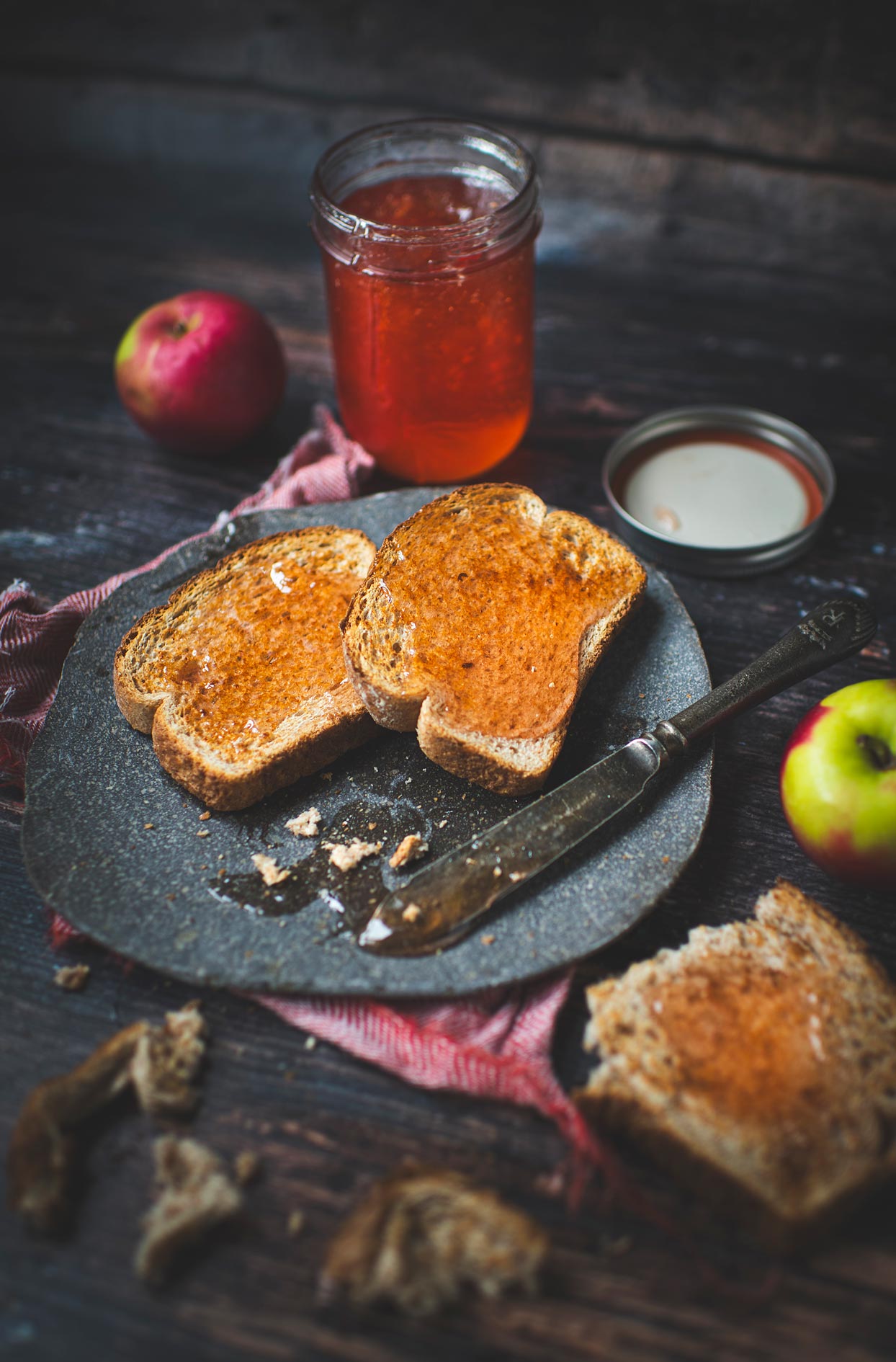
🍎 Wait until you see the color when you hold the jar up to the window!
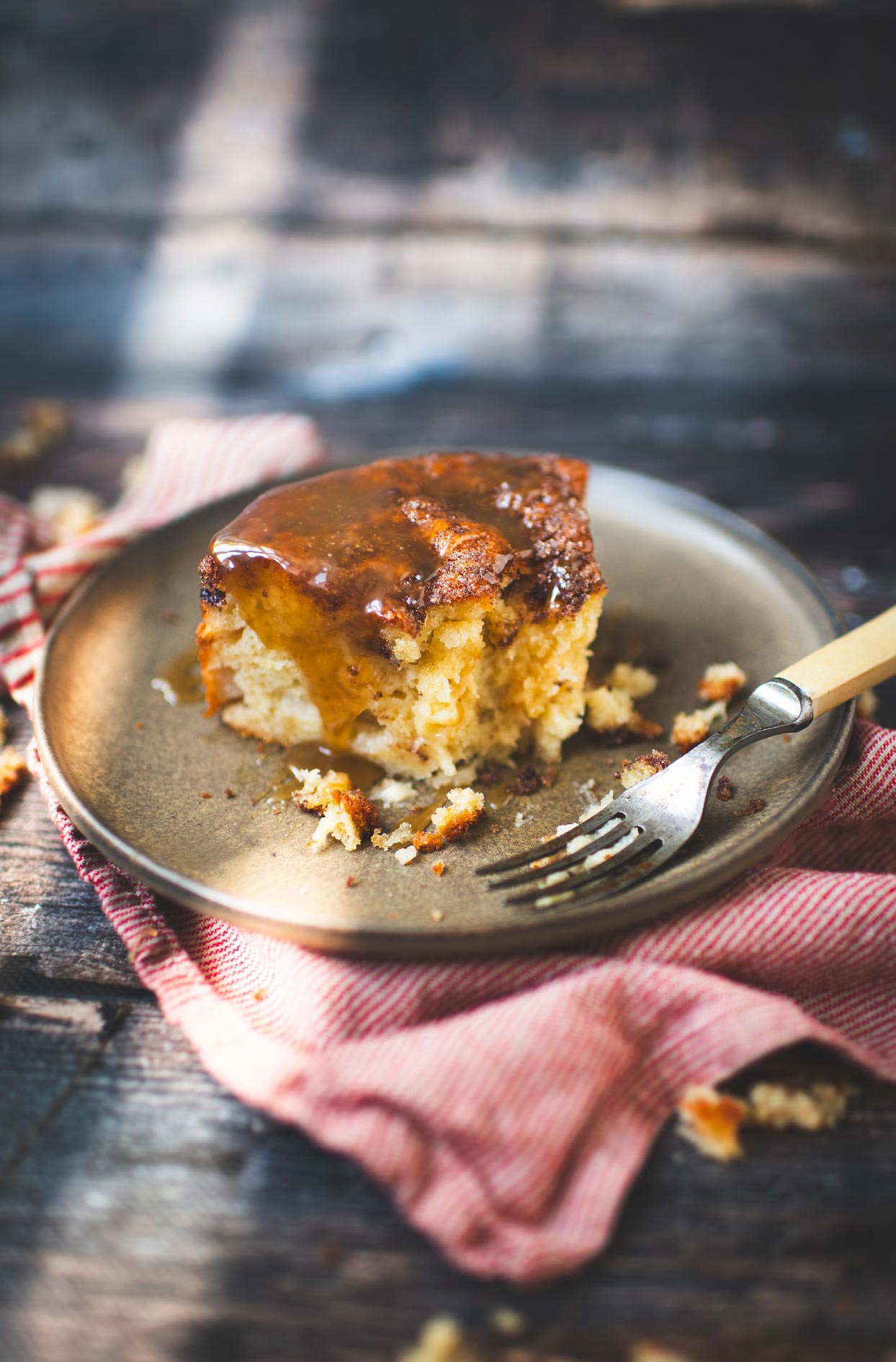
Pure amber, clear enough that the light goes straight through. And the taste? It tastes like apple, real apple, not sugar. Spread it on buttered toast still warm from the toaster and you will understand why I never buy jelly at the store anymore. Four pounds of apples, one afternoon, and not a single packet of store-bought pectin: everything you need to make it set is already in the peels and cores everybody throws away. Best part? The pulp left behind gives you applesauce on top of it. Two recipes for the price of one bag of apples!
⏱️ One afternoon, not two days
Most recipes have you strain the juice overnight. I tried it. By morning there was not one extra drop in the bowl compared to the first hour. The juice comes out fast and it stops fast, so the instruction here is not a duration, it is something you watch: let it drip until it stops. That takes about an hour. Which means this jelly happens in a single afternoon instead of hanging over two days.
🧪 Why it sets with nothing added
A jelly stands on three legs: pectin, sugar and acid. The apple brings the pectin, and it concentrates it in the peels and cores, exactly the parts we are used to composting. That is why nothing gets peeled or cored here. The sugar pulls water away from the pectin chains so they can grab onto each other, and the lemon drops the pH low enough that they stop repelling one another. Take away any one of the three and you get syrup.
Ads
Ads
🍎 The apple mix does all the work
What decides whether your jelly sets is the pectin and acidity of your apples. Tart and firm are best: Lobo, Cortland and McIntosh are everywhere in Quebec and loaded with pectin, and Granny Smith is very tart and reliable. If you can get crab apples, that is the absolute peak, they set on their own and give a rosy color. Avoid sweet soft apples on their own, like Golden Delicious, Gala or Honeycrisp, which are short on both acid and pectin. My real trick: slip a few slightly underripe apples into the batch. An apple that is not quite ready carries more pectin than a fully ripe one, and it helps the set enormously.
🚫 A fine-mesh sieve is enough, and never press on it
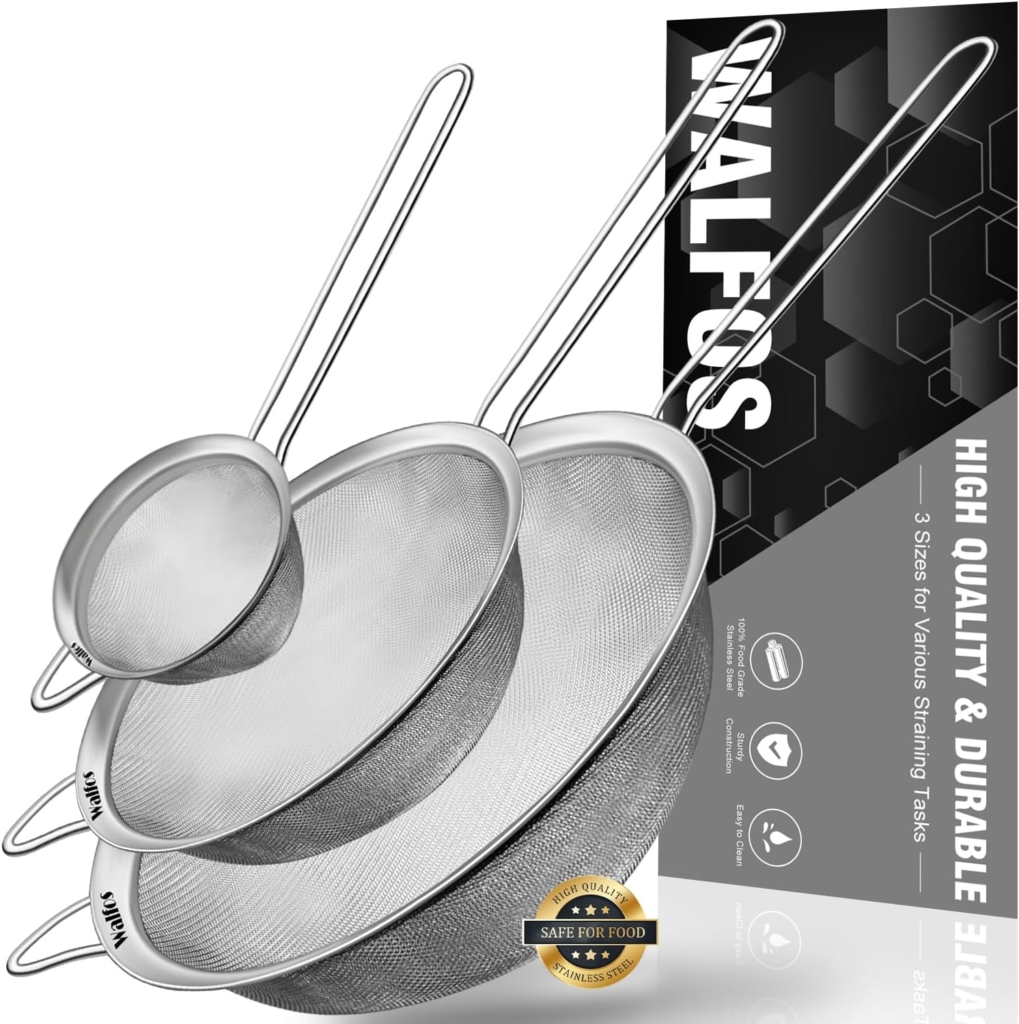
Every recipe out there calls for cheesecloth. I made mine with a bare fine-mesh sieve and the juice came out perfectly clear. One less layer to wash, one less thing to buy. The real rule still stands though: never press down on the apples. That is the one thing separating a clear jelly from a cloudy one. Pressing pushes purée and fine particles through the mesh, and they stay suspended in the juice. Yes, you leave liquid behind. That is the price of transparency, and it is worth paying.
⚖️ Sugar is measured against the juice, never a fixed number
This is mistake number one in jelly recipes. You get told three cups of sugar on the assumption you will end up with four cups of juice. If your straining gives you three and a half that day, you just oversweetened by 15 % without noticing, and it will taste like sugar. Measure your juice after straining, then count 3/4 cup of sugar per cup of juice. That is the ratio the NCHFP, Ricardo and David Lebovitz all use, to the gram. And do not go lower. Sugar is not just flavor here: the pectin network only forms from about 60 % soluble solids up. Below that you get a syrup that will never set, no matter how long you boil it.
🌡️ 220 °F, with the cold plate as final judge
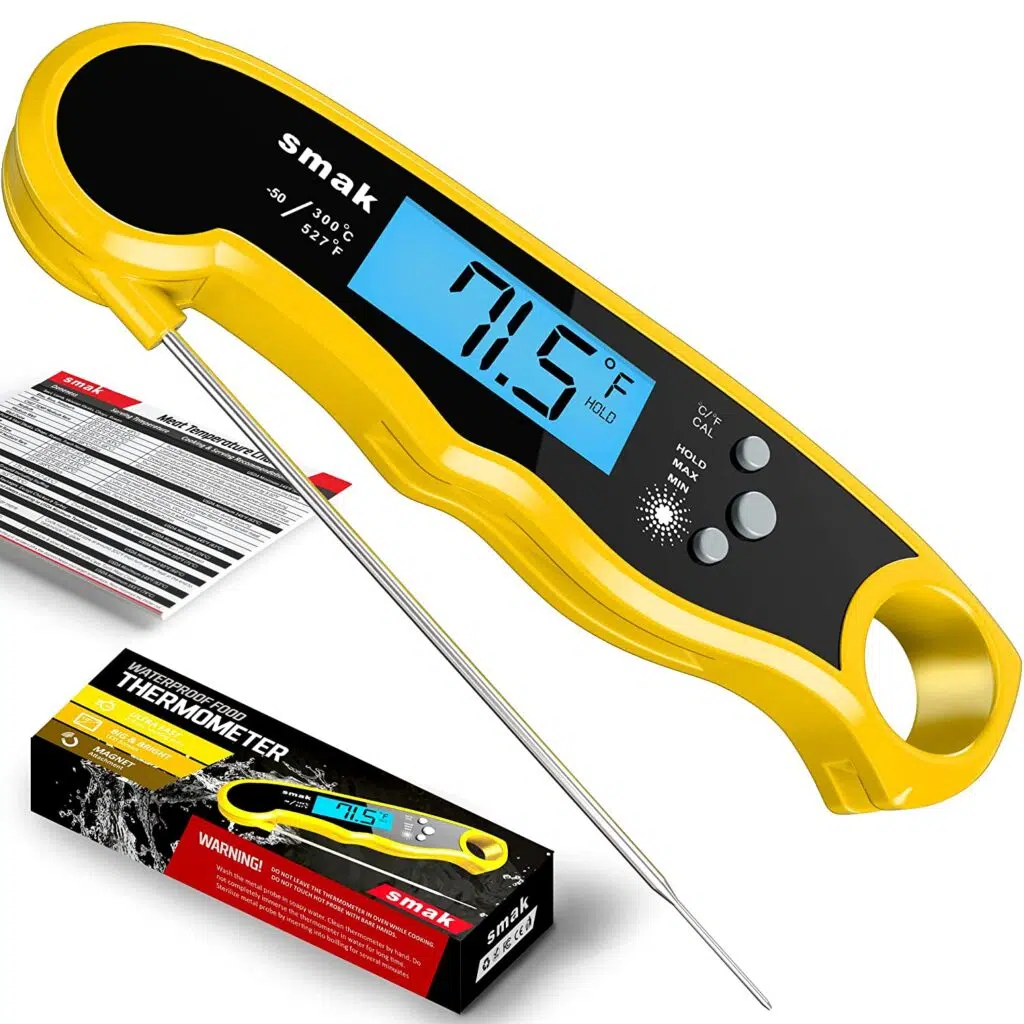
The gel point sits 8 °F above the boiling point of water, which is 220 °F (104 °C) at sea level. I push a little past that myself, around 223 °F, because I like a firm jelly that sets fast. But every extra degree caramelizes more sugar, so if yours tastes like cooked sugar, come back down to 220 °F. The cold plate test is still the best judge: put a small plate in the freezer at the start of the recipe, drop a spoonful of jelly on it, wait 30 seconds, then push it with your finger. If the surface wrinkles, you are done.
♻️ Keep the pulp, it is worth a second recipe
Do not throw out what is left in the sieve. One warning though: since nothing was peeled or cored at the start, the stems, the cores and every seed are still in there. Spread the pulp out and sort them out by hand before anything else. It is five quiet minutes of work, and it is the only step that really matters. Apple seeds are bitter, and they stay bitter once they get blitzed.
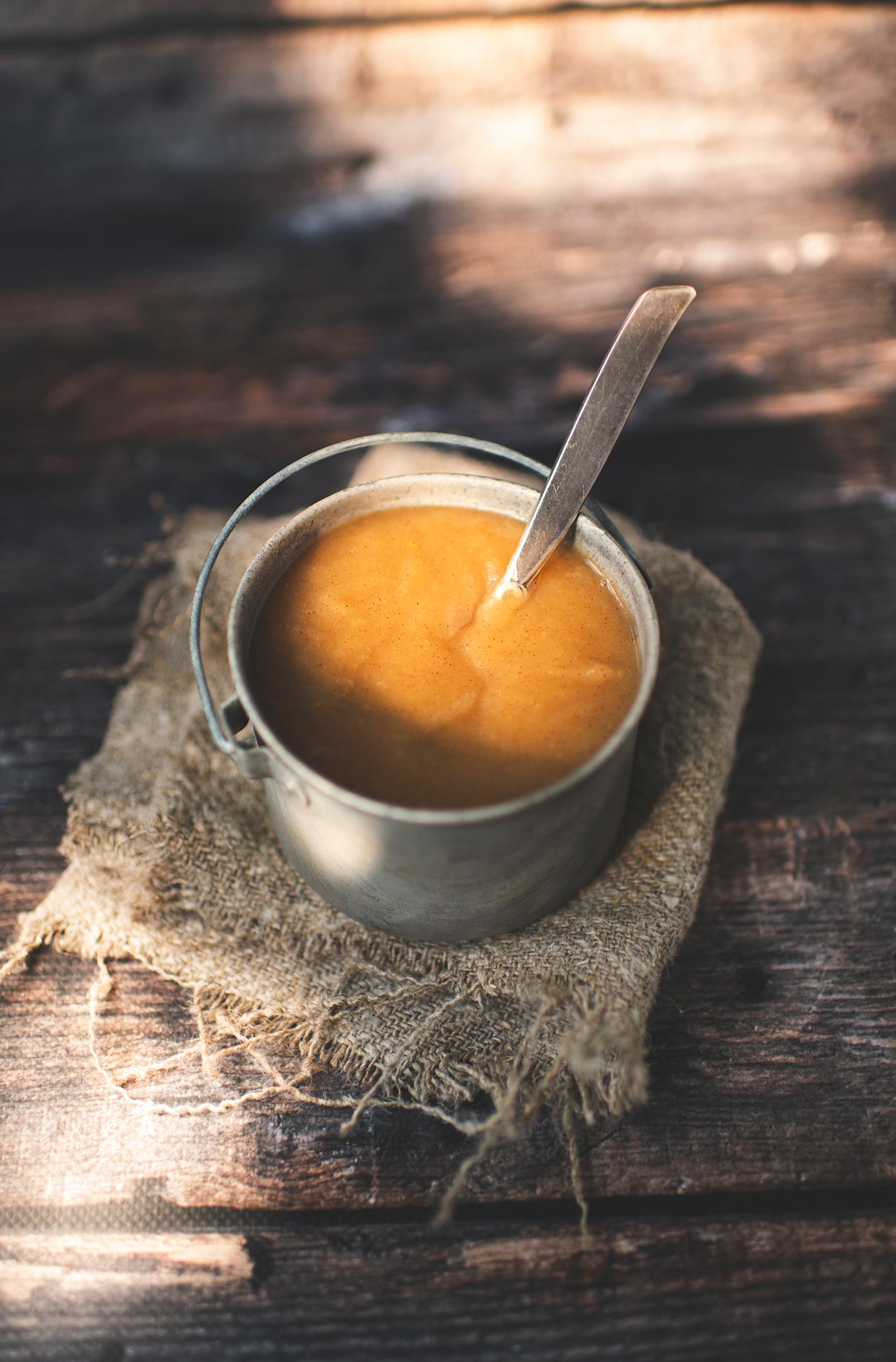
Once you are down to flesh and peel, run it through a masher or a food processor and you have applesauce. Four pounds of apples give you a jelly AND a container of sauce, which changes the math entirely when you buy the bag.
🫙 If you want it shelf stable
As written, this jelly goes in the fridge. Pouring into clean jars and letting them cool open is not canning: there is no vacuum in the jar and the contents pick up whatever is floating in the air while they cool. For the pantry, you need a boiling water bath. Sterilize your jars and lids, pour the jelly in boiling hot leaving 1/4 inch (6 mm) of headspace, wipe the rim, set the lids on, then process the jars 10 minutes in boiling water with 1 inch (2.5 cm) of water above them. That is the Canadian Bernardin standard for 250 ml jars. Take them out, leave them alone for 24 hours, then check every lid: it should be concave and should not move when you press the center. Any jar that did not seal goes in the fridge. Treated that way, the jelly keeps a year somewhere cool and dark.
📅 Make-ahead
The whole jelly is made ahead, that is the entire point of it. Once cooled and refrigerated, it is ready and it waits. What you can do the day before to spread out the work: wash and cut the apples, kept in a large sealed container in the fridge. They will brown a little, which changes nothing at all since you are about to boil them. You can also pull out your jars, sieve and big pot ahead of time. What cannot be split up: the straining and the cooking have to follow each other. Juice sitting out for hours at room temperature after straining is not a good idea. You strain, you measure, you cook.
✅ What to serve with my homemade apple jelly
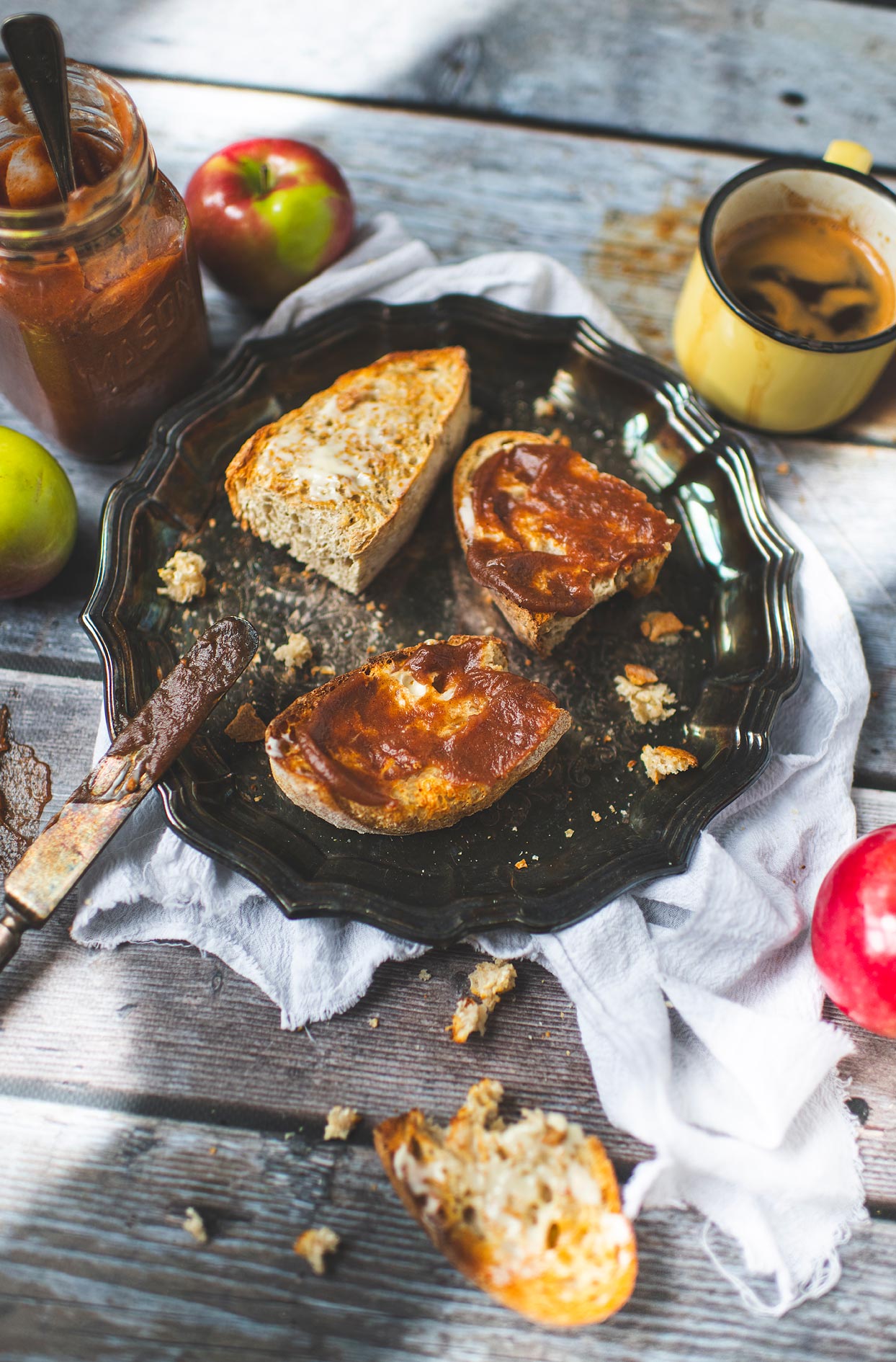
On buttered toast in the morning, which is where it belongs most. Then on a cheese board, next to a sharp cheddar or a blue, where its acidity earns its keep. It also works as a glaze on a pork roast or chops, brushed on in the last few minutes. With the pulp you have left, make my homemade applesauce. And if you are on an apple spread streak, my apple butter with maple syrup plays the same position, in a darker and thicker version.
Ads
Ingrédients
- 4 lb (1.82 kg) apples, half Granny Smith and half Cortland
- 5 cups (1.25 L) water
- 3 cups (600 g) white sugar
- 1 lemon, freshly squeezed
Ads
Preparation
- Wash the apples and cut them into roughly 1-inch (2.5 cm) pieces, without peeling or coring them. Cut away bruised spots only.
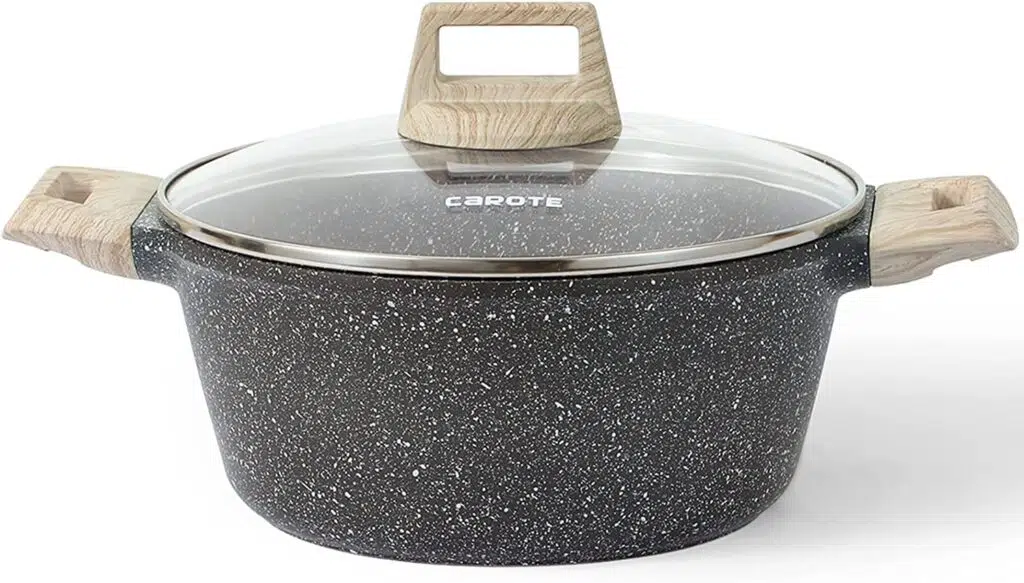
- Put the pieces in a large pot with the water. Cover, bring to a boil over medium heat, then simmer 20 minutes, until the apples are fully cooked. Depending on the variety, give it another 5 to 10 minutes.
- Set a fine-mesh sieve over a large bowl. Transfer the apples and juice into it without crushing them.
- Let it drip about 1 hour, until the juice stops running. Never press down on the apples or the juice will turn cloudy.
- Measure the juice you got and pour it into a large pot. Add 3/4 cup (150 g) sugar per cup (250 ml) of juice, then the lemon juice.
- Bring to a boil over medium heat, then simmer 30 to 40 minutes, until a thermometer reads 220 °F (104 °C). With no thermometer, use the cold plate test.
- Take off the heat and pour into clean jars. Set the jars on a rack and let them cool completely before screwing on the lids.
- Refrigerate 4 hours before serving.
Four possible culprits, in order. One: you never reached 220 °F, and that just means putting the pot back on the heat. Two: your apples were too ripe or too sweet, so short on pectin and acid, which you fix by adding the juice of a second lemon. Three: you cut the sugar, and below 3/4 cup per cup of juice the pectin network simply cannot form. Four: you did not wait. A jelly keeps setting as it cools, so give it the full four hours in the fridge before concluding anything.
Not for apple, no. The apple is already full of it, especially in the peels and cores, which is exactly why we leave them in. Boxed pectin earns its place with fruit that is short on it, like strawberry or peach, or when you want a set in ten minutes instead of forty. Here it would force you to raise the sugar and would give you a jelly that tastes less like apple. The one case where I would reach for it: very ripe, very sweet apples with not a single green one in the batch.
Jelly is made from strained juice only, which is why it is clear and why you can see through the jar. Jam is made from the fruit itself, crushed or chopped, so it is opaque and carries pieces. That single difference drives everything else: jelly needs the straining step and the no-pressing rule, jam does not. It also explains the yield. Four pounds of apples give you two cups of jelly, where the same four pounds would give you far more jam, because in jelly you are deliberately leaving the flesh behind.
As written, with no boiling water bath, three weeks in the refrigerator. It also freezes very well, up to a year, in a container with room left for expansion. If you want it in the pantry, the jars need 10 minutes in boiling water, and then you are at a year. One word on mold, since that is the real risk: if you see any on a jar, throw out the whole jar. Do not scrape the top and eat the rest, the USDA is clear on that.
On buttered toast in the morning, first. On a cheese board next to a sharp cheddar or a blue. Brushed on a pork roast in the last few minutes of cooking, where it turns into a glaze. With the pulp you have left, roll straight into my homemade applesauce, and for the darker, thicker take on the same idea, my apple butter with maple syrup.
Ads
Ads

Ads

Ads
Ads
Ads