

Coquilles Saint-Jacques (The Best)
- Preparation 1 h
- Cooking 1 h 15 min
- Servings 4
- Freezing Absolutely
Ads
🍽️ A main course, not a starter
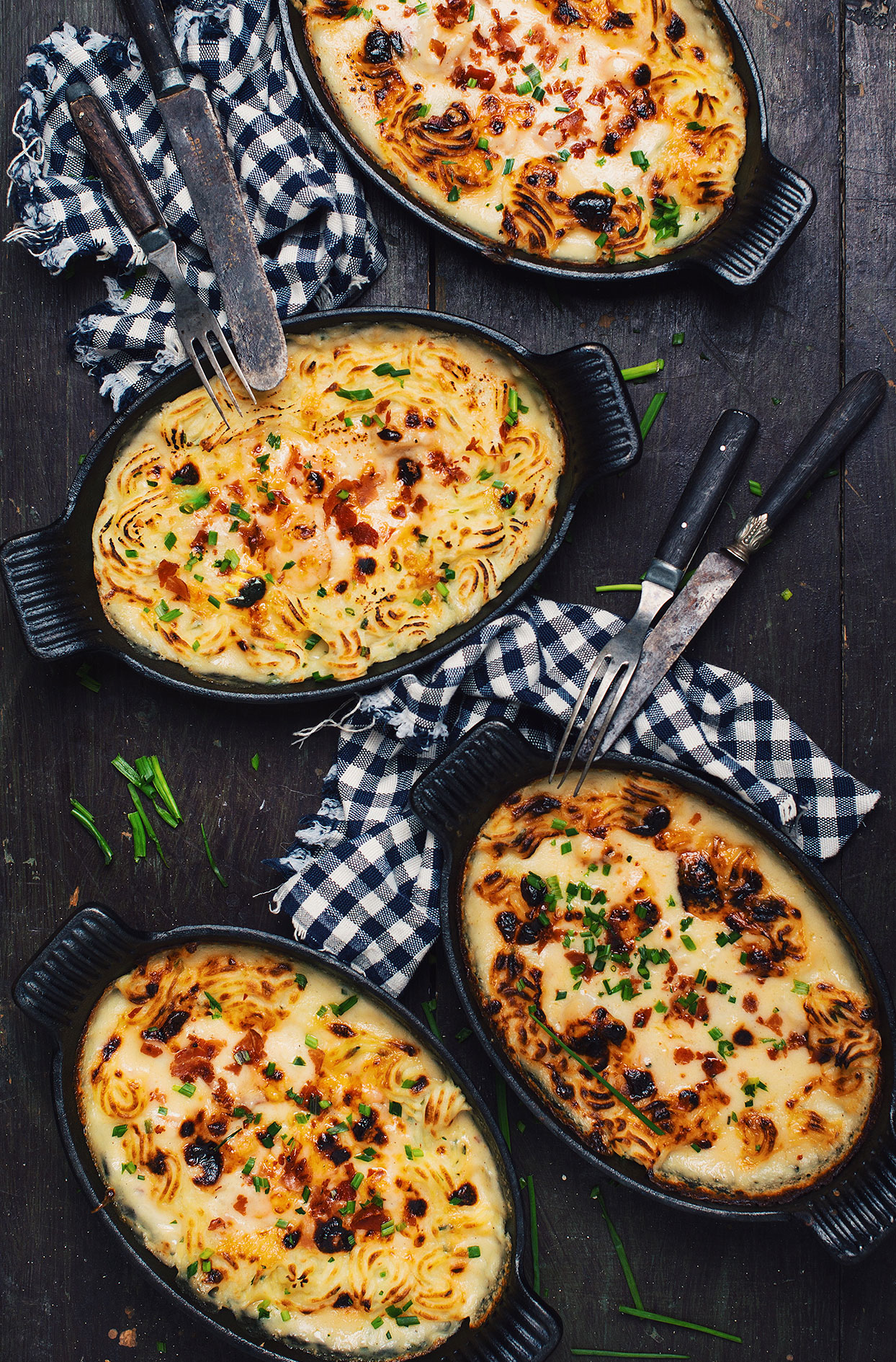
I have always been crazy about coquilles St Jacques. The trouble is that everybody serves them as a starter. Three bites in a little shell, and it’s over. I like this dish far too much for that, so I turned it into a main course: individual dishes, mashed potato piped all the way around, and enough scallops and shrimp inside to actually feed someone.
You can absolutely split it into smaller portions and serve it as an appetizer instead. Same recipe, smaller dishes.
🥃 The Pernod is where this recipe wins
One tablespoon, flambéed straight over the hot seafood. That anise note adds a whole layer of flavour that no white-wine-only version can touch. It is the thing people taste without being able to name it.
Leave it in. Everyone who eats this dish loses their mind over it.
🎄 My holiday dish, and I own it
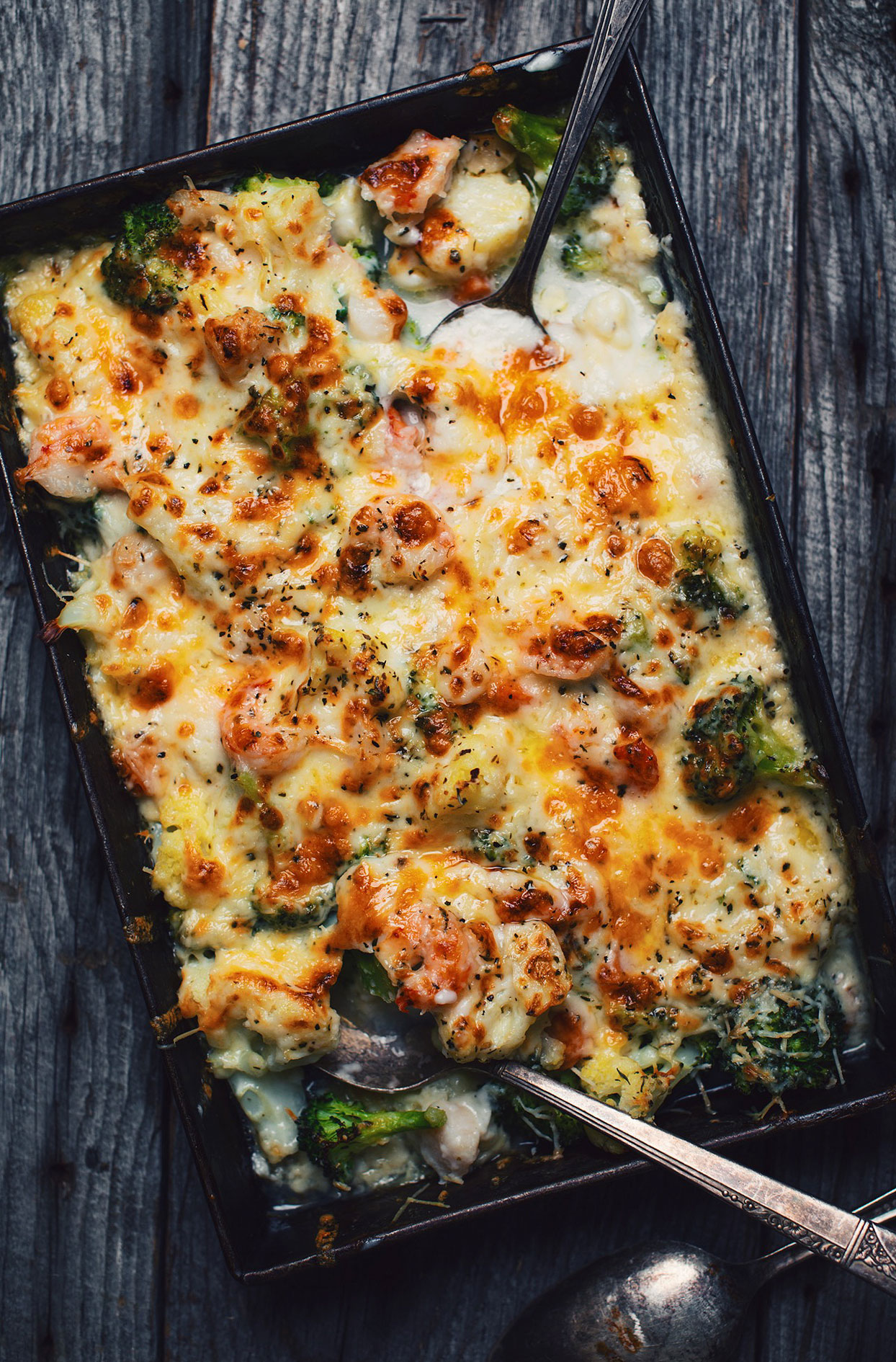
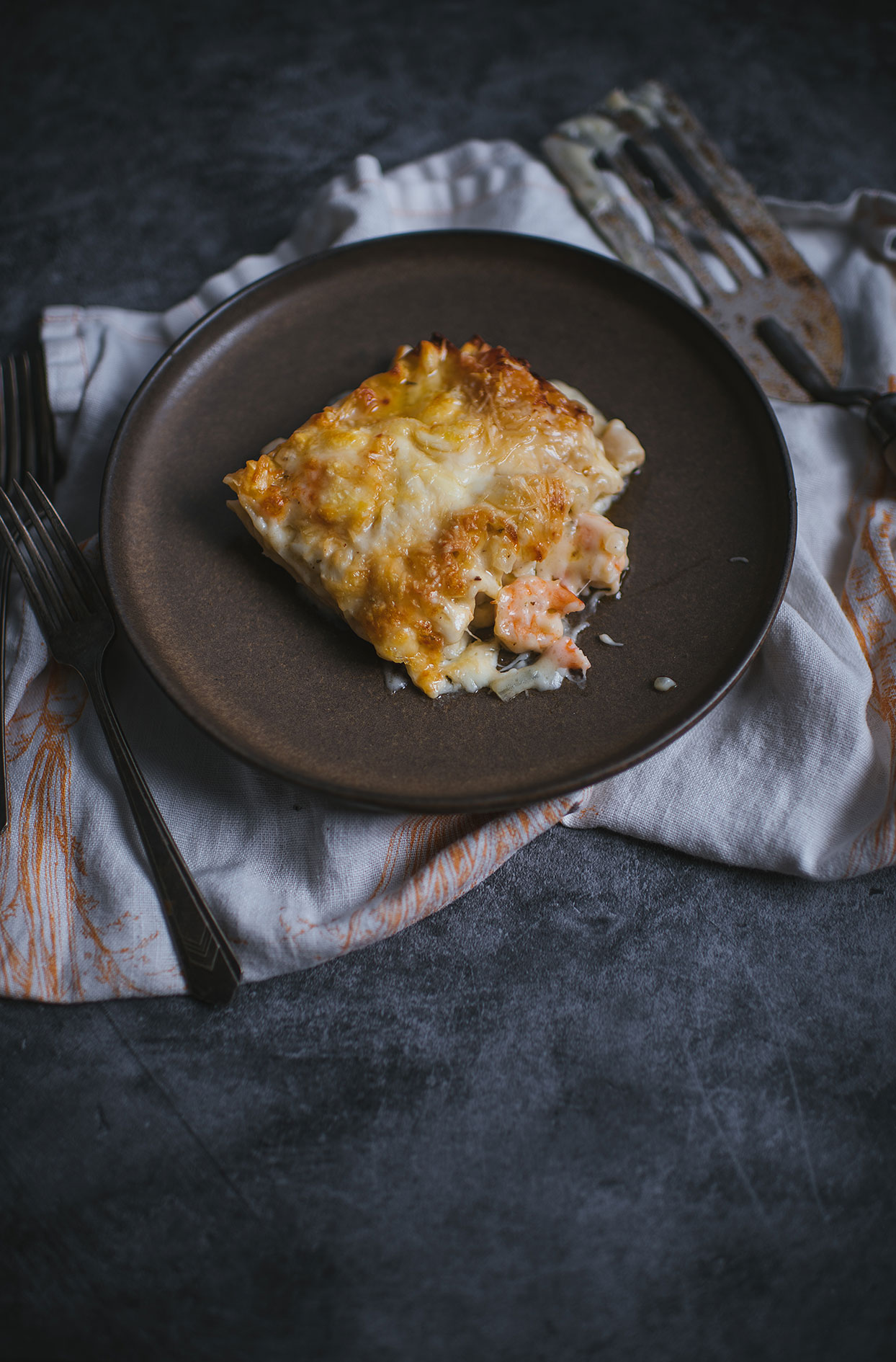
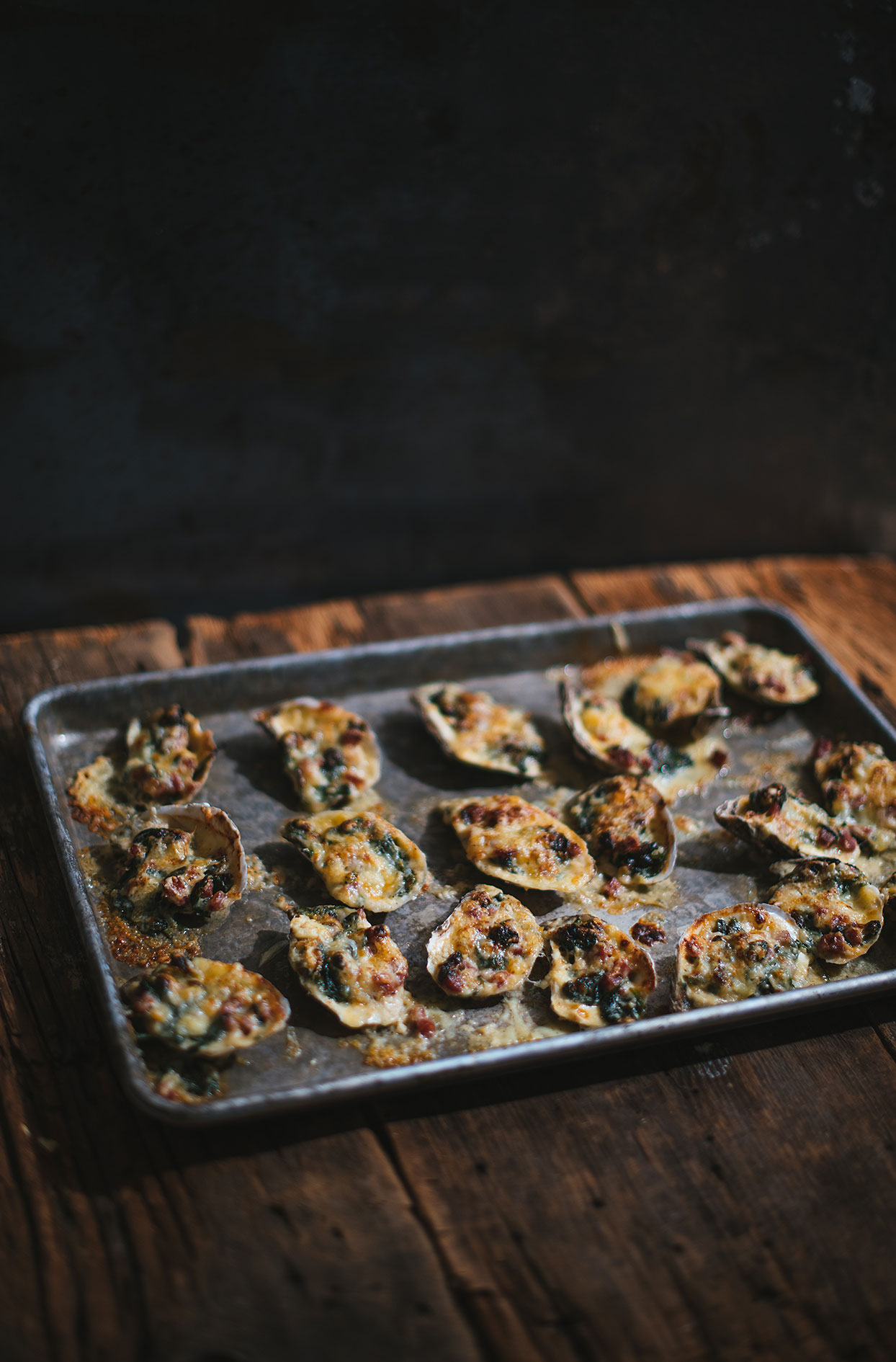
This is a holiday dish through and through. Gruyère browning under the broiler, crisp prosciutto scattered over the top: it is rich and it can be assembled days ahead. The kind of thing you pull out when the table is full. The rest of the year it sits in the same family as my seafood gratin with broccoli and cauliflower and my seafood lasagna, the kind of supper that quiets a room.
Ads
Ads
🍾 Serving it as an appetizer
Divide the mixture between eight small ramekins instead of four baking dishes and you have eight starters. Watch the first bake closely, since a smaller dish heats faster: seven or eight minutes is usually enough before the broiler.
🥃 If you would rather not flambé
The BBQ lighter is optional. Pour the Pernod into the screaming-hot skillet and let it reduce for another thirty seconds instead. The alcohol cooks off either way and the anise stays. The flame is mostly for the show.
🔥 Broil on the centre rack, always
When I broil, it is always on the centre rack. Never the top one. The cheese sits right at the rim of the dish, and up top it scorches long before the middle is hot.
🥓 The prosciutto chips go back on at the table
Three quarters of them melt into the sauce and vanish, and that is on purpose: that is where the salty backbone comes from. The quarter you set aside is already cooked, so it never goes back in the oven. It gets scattered over the top with the chives right before serving. In a dish this creamy, it is the only crunch you get.
🥕 Why parsnip belongs in the mash
Mashed potato is good. Mashed potato and parsnip is better. The faint sweetness of the parsnip reaches for the flavours in the dish, both the gruyère sauce and the anise. Leave it out and you have a plain mash sitting next to a rich sauce. Keep it and the two start talking to each other.
❄️ It freezes assembled, not baked
This freezes beautifully, and it freezes fully assembled. Build the dishes all the way through, seafood, sauce, piped mash, cheese on top, and stop before the oven. Wrap each dish tightly in plastic wrap and then in foil. Three months in the freezer is no problem.
Two ways to bake them. The safest is to thaw overnight in the fridge and then follow the recipe as written, 10 minutes at 350°F (180°C) and the broiler. Straight from frozen, pull off the plastic, leave the foil on, and expect roughly double the time at 375°F (190°C). Take the foil off once the sauce is bubbling hard around the edges, then finish under the broiler on the centre rack. Go by the bubbling, not by the clock: no two loaded dishes thaw at the same speed.
♨️ Reheat in the oven, nowhere else
Oven, 350°F (180°C), until it is hot in the middle. Not the microwave: a gruyère béchamel separates in there and you end up with fat on one side and water on the other.
✅ What to serve with my coquilles St Jacques
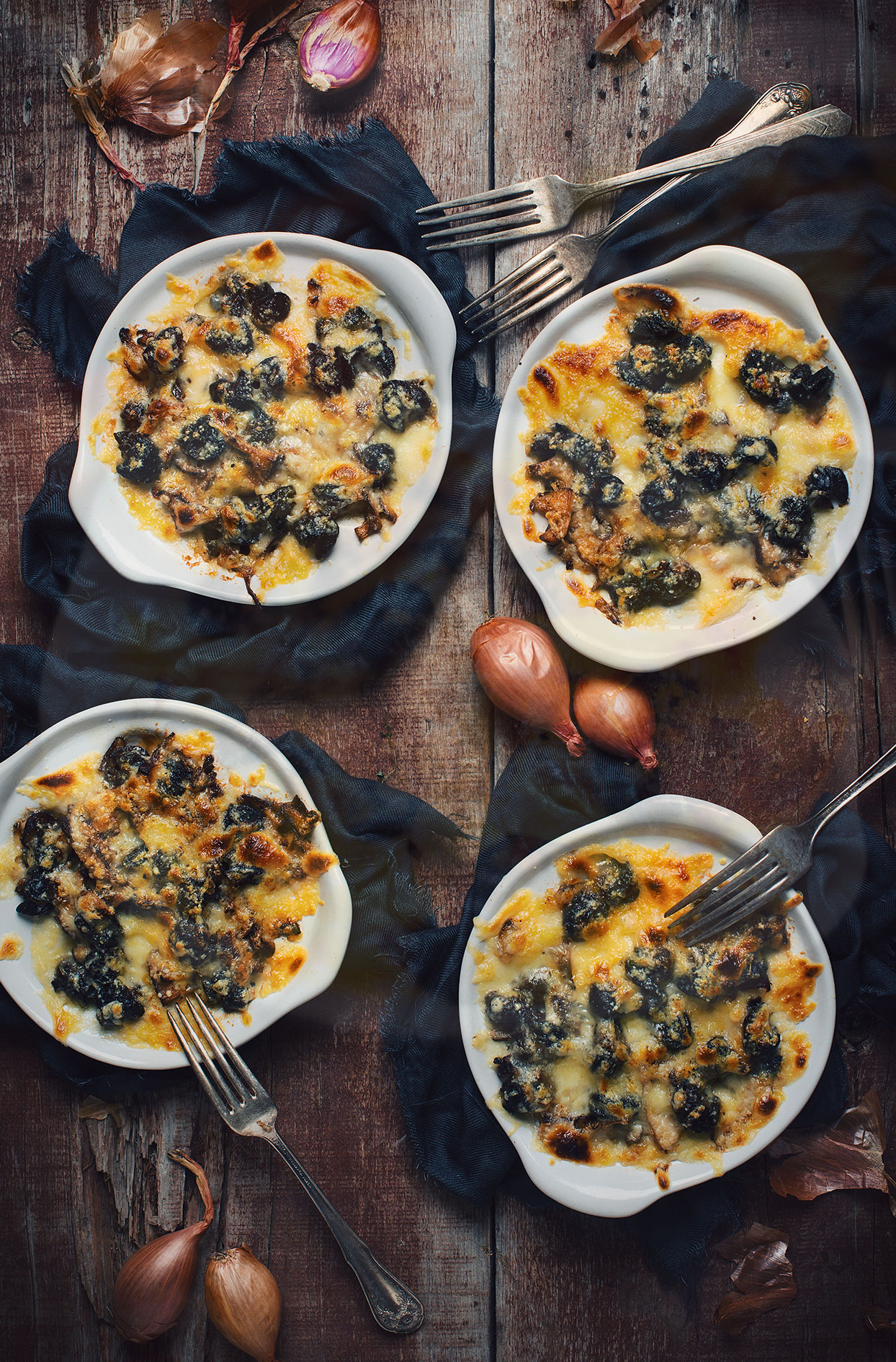
A green salad with a sharp vinaigrette, and nothing else. The dish is rich enough to carry the whole meal, and the salad is there to cut through it. If you want a real multi-course dinner, my deluxe gratinated snails or my legendary Rockefeller oysters open the evening without fighting the gruyère. And if you have seafood left over the next day, my seafood lasagna will take it.
Ads
Ingredients
- 8 prosciutto slices
- 3 cups (750 ml) Russet potatoes (2 large), cubed
- 1 cup (250 ml) parsnips (3 medium), cubed
- 1/4 cup (60 ml) butter
- 2 tablespoons (30 ml) 15% cooking cream
- 1 tablespoon (15 ml) fresh chives, chopped, plus more for serving
- ⅔ lb (300 g) raw scallops
- ⅔ lb (300 g) raw shrimp, peeled and deveined
- 3 tablespoons (45 ml) olive oil
- 1 tablespoon (15 ml) Pernod (anise-flavoured liqueur)
- 1 Spanish onion, finely chopped
- 2 garlic cloves, finely chopped
- 1/4 cup (60 ml) all-purpose flour
- 1 1/2 cups (375 ml) milk
- 1/4 cup (60 ml) dry white wine
- 2 cups (500 ml) grated gruyère cheese
Ads
Preparation
- Preheat the oven to 375°F (190°C).
- Place the prosciutto slices on a baking sheet lined with parchment paper and cook for 5 to 6 minutes, or until the prosciutto is golden and crisp. Remove from the oven, let cool 5 minutes and finely chop. Set aside.
- Preheat the oven to 350°F (180°C).
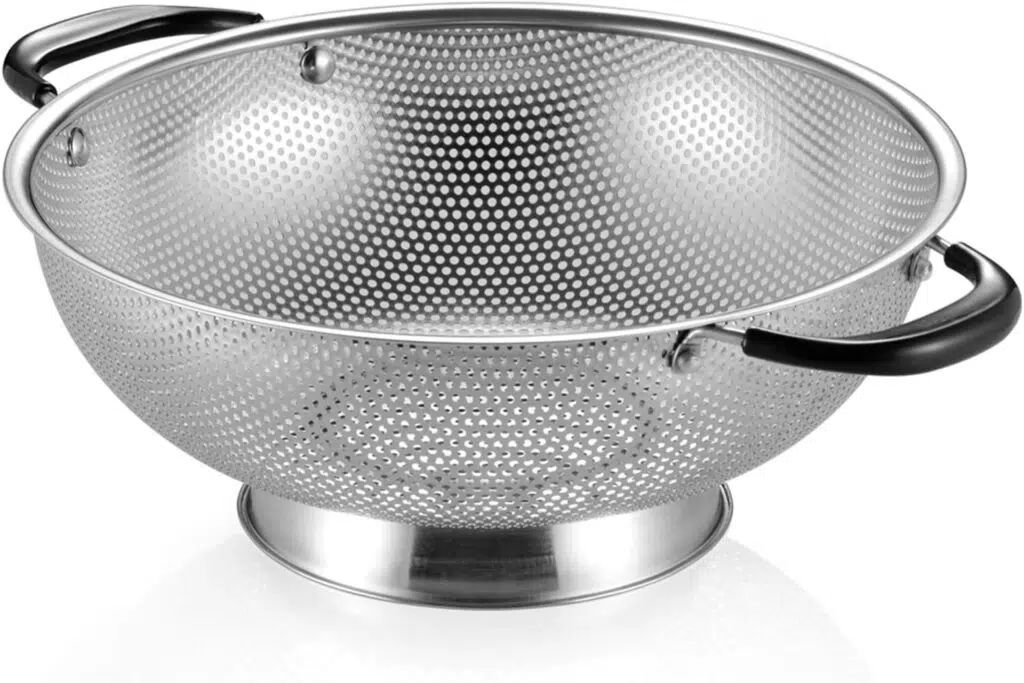
- Meanwhile, in a large saucepan filled with boiling water, add the potatoes and parsnips and cook for 45 minutes, or until the vegetables are very tender. Pour into a colander, drain, then put back in the saucepan.
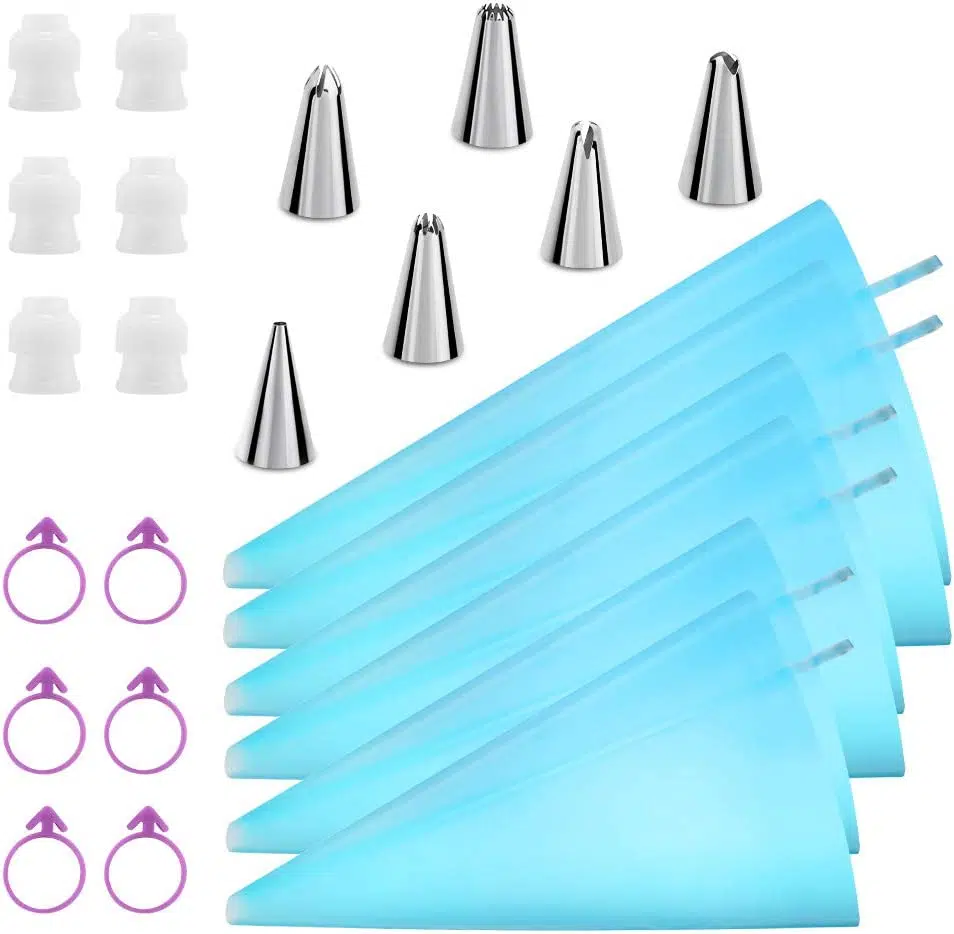
- Over medium heat, mash the potatoes and add 2 tablespoons (30 ml) of butter. Melt while stirring, then season with salt and pepper. Add the cream and chives and mix well. Remove from the heat and place into a pastry bag fitted with a large star tip. Set aside.
- Pour the seafood into a colander and rinse thoroughly with cold water. Drain well. Between several sheets of paper towel, pat the seafood as dry as possible to remove all the water.
- In a large skillet heated over high heat, pour in 2 tablespoons (30 ml) of olive oil and add the seafood. Season with salt and pepper and sauté for 2 minutes, or until the shrimp are lightly pink.
- Add the Pernod, stir and flambé using a BBQ lighter. Continue cooking for 2 to 3 minutes, then remove from the heat.
- In a saucepan heated over medium heat, add 2 tablespoons (30 ml) of butter and 1 tablespoon (15 ml) of olive oil. Melt the butter, then cook the onion and garlic for 2 minutes to soften.
- Add the flour, stir and continue cooking for 1 to 2 minutes, stirring. Add the milk and white wine, then bring to a boil. Reduce the heat to low and whisk gently to dissolve the flour mixture. Cook for 1 to 2 minutes to thicken the sauce. Season with salt and pepper.
- Turn off the heat, add 3/4 of the prosciutto chips and 3/4 of the cheese, then stir to melt. Add the seafood and its juices and mix well.
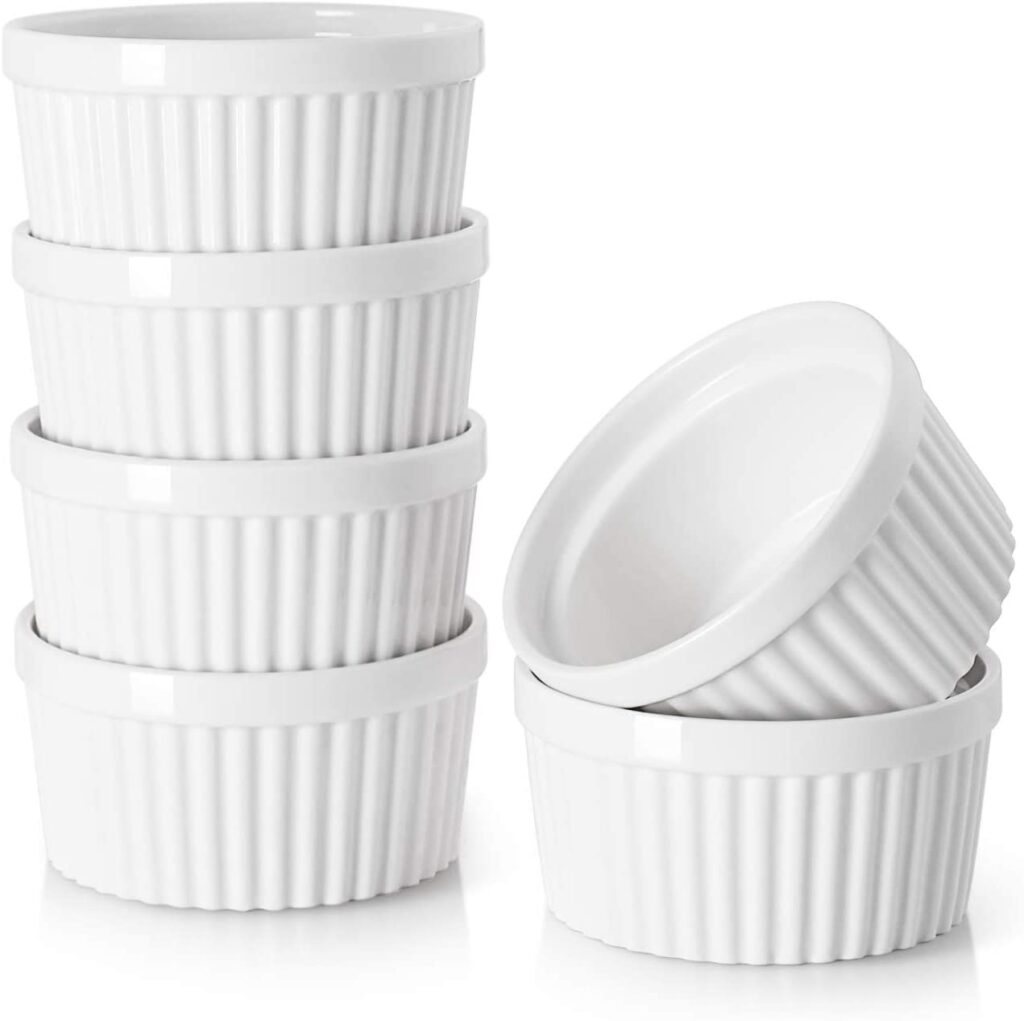
- Divide the mixture between 4 small baking dishes and pipe the mashed potato all around with the pastry bag. Spread the remaining cheese on top and place in the oven. Bake for 10 minutes, then crank the oven to BROIL for a few minutes to brown everything well. Remove from the oven and let stand for 5 minutes. Top with the reserved prosciutto chips and chives before serving!
There is no real English name for it. Coquilles St Jacques is French for “shells of Saint James,” which is the French name for the scallop itself. On a menu, the term means a seafood mixture bound in a cream sauce, topped with cheese and browned in the oven, traditionally served in a scallop shell. My version uses individual baking dishes instead of shells, and it adds shrimp alongside the scallops.
A scallop is the shellfish. Coquilles St Jacques is the dish made with it. In France the phrase is simply the name of the animal, but in North America it almost always refers to the gratin: seafood in a rich sauce, cheese on top, broiled until golden. So every coquilles St Jacques contains scallops, but a plain seared scallop is not coquilles St Jacques.
It sounds roughly like “ko-KEE san ZHAHK.” The final s of coquilles and the c of Jacques are both silent, and the J is soft, like the s in “measure.” Nobody will hold a slightly rough accent against you once the dish is on the table.
Yes, and freezing them assembled but unbaked is the best way. Wrap each finished dish in plastic wrap and foil and keep it up to three months. To bake from frozen, remove the plastic, leave the foil on and bake at 375°F (190°C) for roughly twice the usual time, until the sauce bubbles hard at the edges. Then pull the foil and finish under the broiler on the centre rack to brown the cheese.
Yes. I built this one as a main course on purpose, because I got tired of three-bite portions, but the same mixture divides cleanly into eight small ramekins for a starter. Cut the first bake by two or three minutes, since smaller dishes come up to temperature faster, then broil as usual.
Ads
Ads
Ads
Ads
Ads