Oysters, shrimp and crab on ice, with lemon and a cocktail sauce. It is salty, briny and cold, with soft flesh that cannot take heaviness: it is all about delicacy.
Gose first: a little salt, an acidity that stands in for lemon and a lively fizz that rinses your mouth between cold bites. Less salt? Pilsner, crisp and dry. For wine, a Chardonnay, or an Albariño if you want more zip.
From the cold platter to baked shells, through soup, pasta or garlic butter, the flesh stays soft, but cream, tomato or heat change everything. So each style gets its own beer and wine, chosen for it.
The basic pairing
The cold platter from the sea
Oysters, shrimp and crab served cold, with lemon and cocktail sauce.
This gose is lightly salted and tart, like a squeeze of lemon in the beer. Its salt meets the brine of the oysters, shrimp and crab, and its lively fizz rinses the mouth between cold bites. The platter keeps all its taste of the sea, with no malt getting involved. Serve it ice cold: that is where it earns its keep.
Pilsner is drier and crisper than the gose, with no salt and no marked tartness. Reach for it if the cocktail sauce is well spiced, or if you find the gose too unusual next to the oyster.
This Chablis Chardonnay smells of lemon, green apple and wet chalk. It is very dry and bright, and unoaked, without the buttery richness found in other Chardonnays. On a cold, briny platter, it plays the part of squeezed lemon: it refreshes the mouth and leaves the flesh of the oysters and crab alone.
Albariño from Rías Baixas smells of white peach, lemon and a hint of salt, with bright acidity. It fits better if your platter is mostly shrimp and crab, because its salty hint meets the sweet flesh of the shellfish.
A gin and tonic is dry and bitter, with lively bubbles that finish on the quinine. With a cold platter of oysters, shrimp and crab, it stays cold, cuts the taste of the sea and lets the lemon and cocktail sauce do their job. Simple, and it sips slowly while you peel.
Otherwise, a dry martini: gin and vermouth, dry, cold and direct, for anyone who likes the brine crisp and clean, with nothing sweet to distract from the oysters.
Alcohol-free
Iced jasmine tea
Fish and shellfish are delicate and briny. Its floral scent goes along with delicate flavours without taking over.
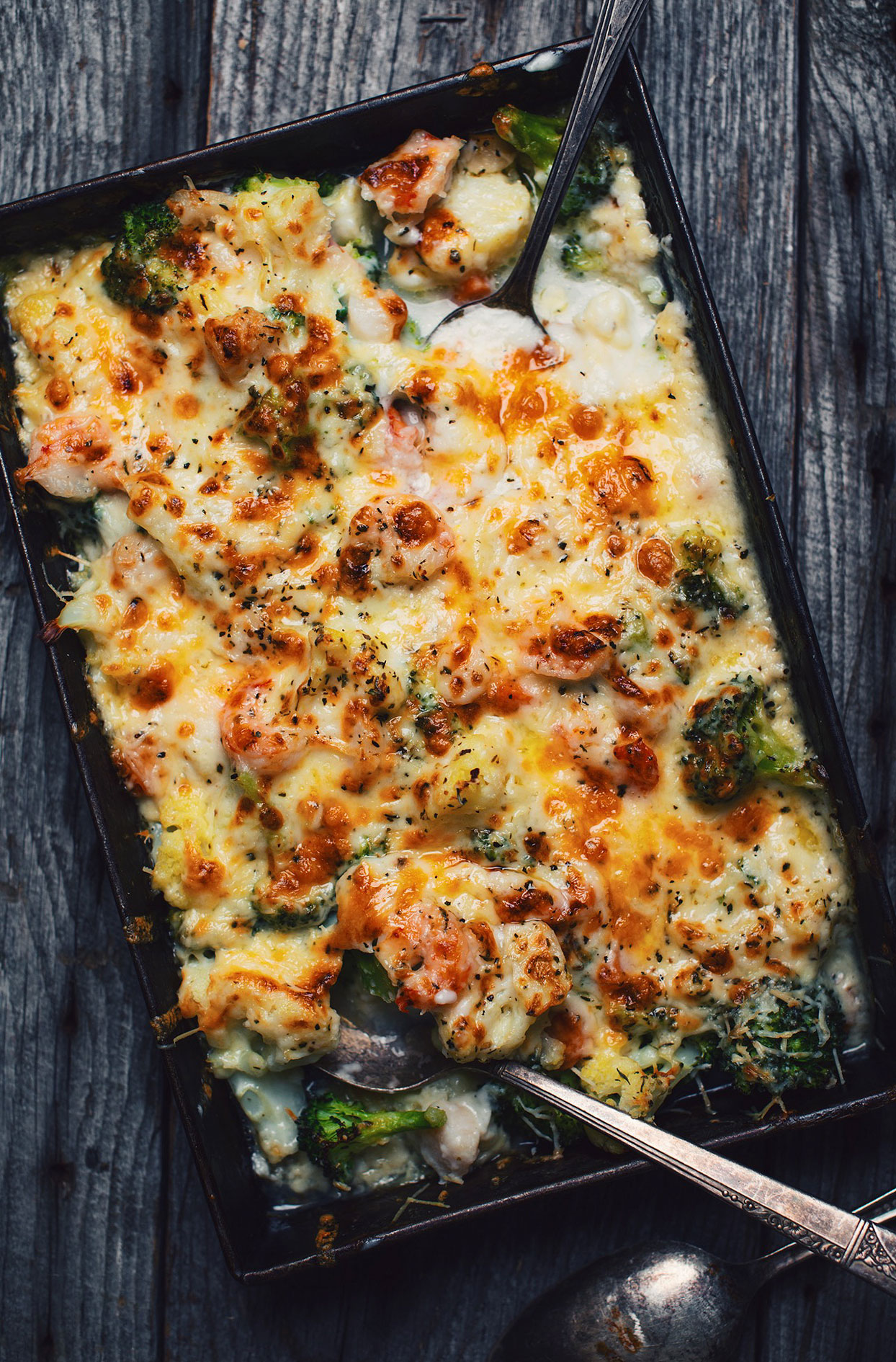
In the gratin, the soft seafood sits in a creamy sauce, under a crust of cheese. The saison is dry, with pepper, citrus and a fine fizz that cuts through the cream. It cleans the mouth after every spoonful, so the flesh of the sea comes back to the front.
Blonde ale is round and soft, with a light malt and little bitterness. It fits better if your gratin is rich in cheese, or if the pepper of the saison feels too strong next to the soft flesh.
This Burgundy Chardonnay smells of ripe apple, lemon and a little fresh butter. It is round, with enough freshness not to turn heavy. Against a creamy sauce under melted cheese, its roundness matches the cream, and its freshness cuts the cheese before it flattens the soft seafood.
Pinot blanc from Alsace smells of apple and pear, with a gentle roundness and a quieter acidity. It comes out ahead if the cream in your gratin is light, or if you find Chardonnay too full for this dish.
A gin fizz is bright lemon and gin under a foam that fizzes. With a seafood gratin, it cuts the creamy sauce and the browned cheese without hiding the sweet flesh.
Our recipe → · Alcohol-free version: Sparkling water, lemon and elderflower syrupThe elderflower keeps the gin's floral side, and the lemon and bubbles make the fizz.
Pasta or risotto, the sauce is cream or tomato, with soft seafood. The saison brings a fine fizz, pepper and citrus, and a dry finish. It cleans the rice or pasta coated in sauce, and it lets the soft seafood sit comfortably in every bite.
Pilsner is lighter and crisper than the saison, with a clean bitterness. It fits better if your sauce is tomato-based and quite lively, or if the pepper from the yeast fights with the softness of the flesh.
Vermentino from Sardinia smells of lemon, wild herbs and almond, with a hint of salt on the finish. It is dry and bright. On seafood pasta or risotto, it lifts the cream and the tomato alike, and its saltiness goes along with the soft flesh without covering it, bite after bite, down to the bottom of the plate.
Pinot gris from Alsace is rounder and richer, with ripe pear and a hint of spice. Reach for it if your sauce is more creamy than tomato, because its body stands up to the cream without flattening the soft flesh.
An Aperol spritz, prosecco and Aperol, is light and sparkling with a bitter orange note. With seafood pasta or risotto, it refreshes the cream or tomato and keeps the sweet flesh up front.
Our recipe → · Alcohol-free version: Sparkling water, pink grapefruit and orange juice, orange sliceThe grapefruit brings the Aperol's light bitterness, the orange brings the sweetness, and the bubbles make the spritz.
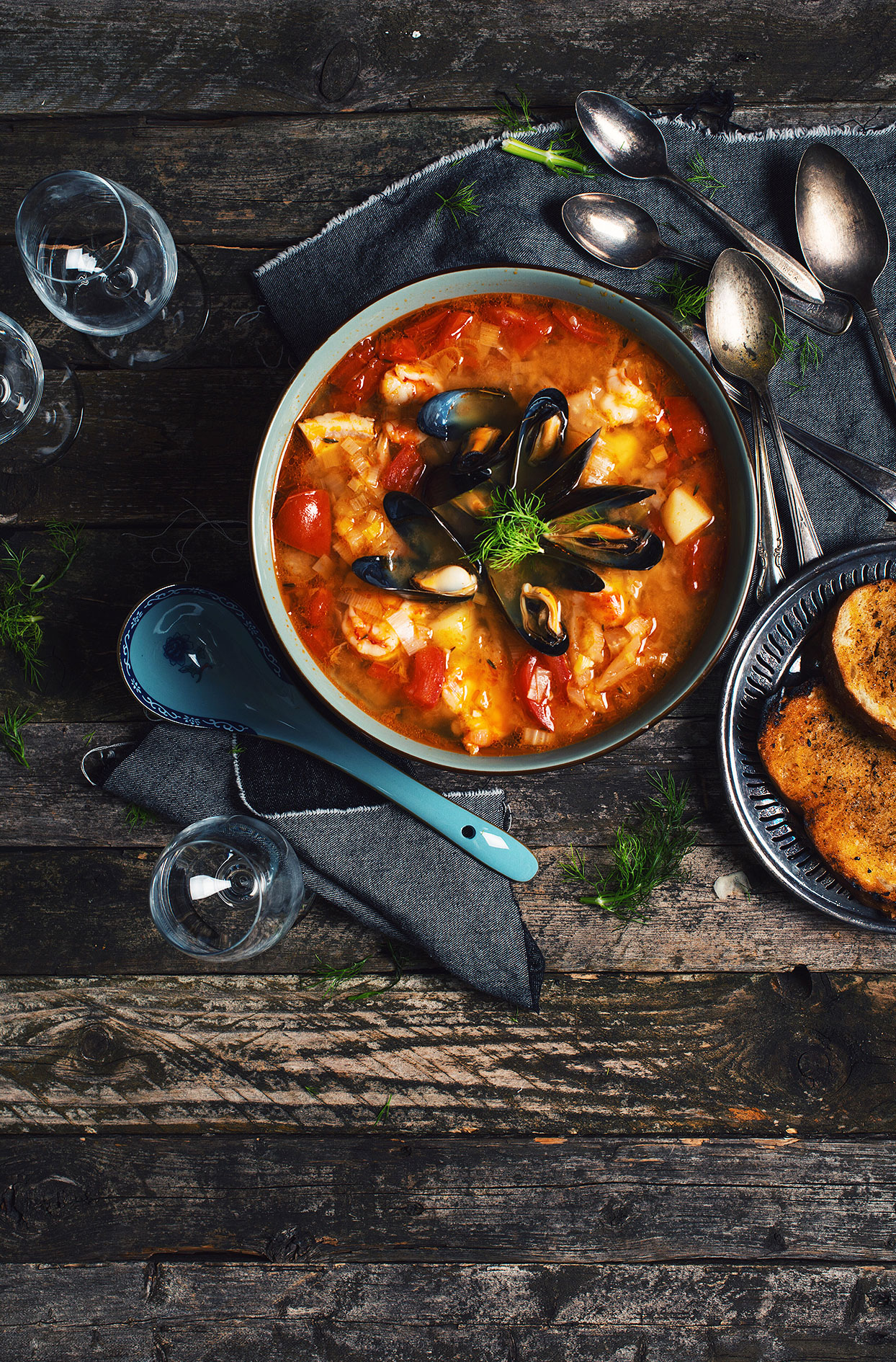
A fish soup or a bouillabaisse means a briny broth, tomato, garlic and fennel. The saison is dry and peppery, with a touch of citrus and a fine fizz. Its gentle spices go with the fennel and garlic, and its dry finish lets the sea broth keep its place.
Witbier is wheat-based, soft and round, with coriander and orange that go well with the fennel. Prefer it if your broth is on the mild side, or if the saison seems too dry for the soup.
This Provence rosé is dry and light, with notes of strawberry, citrus and herbs. It has the freshness of a white and a little of the roundness of a red, with no tannin to dry out the mouth. Against a broth of tomato, garlic and fennel, its herbs meet the fennel and its freshness stays lively next to the hot broth.
Vermentino from Corsica smells of lemon, herbs and sea salt. It fits better if your soup is mostly a fish broth, with little tomato, because this salty white goes straight to the brine and stays fresh next to the garlic.
An Aperol spritz, prosecco and Aperol, is light and sparkling with bitter orange. With a seafood soup or bouillabaisse, it freshens the briny broth, the tomato and the garlic, and its bitterness holds up against the fennel.
Our recipe → · Alcohol-free version: Sparkling water, pink grapefruit and orange juice, orange sliceThe grapefruit brings the Aperol's light bitterness, the orange brings the sweetness, and the bubbles make the spritz.
Baked scallops in the shell are sweet, tender scallop meat in a white wine cream, under a golden crust. The blonde ale is round, with a light malt and very little bitterness. It follows the sweetness of the scallop without rushing it, and its fizz cleans the cream between bites.
Saison is drier and more peppery than the blonde ale, with citrus and a fine fizz. It comes out ahead if your sauce is rich in cream and cheese, or if the blonde seems too tame next to the gratin.
This Burgundy Chardonnay smells of ripe apple, hazelnut and a little butter, with a freshness that holds up its roundness. It is in the same family as the white wine cream, and it follows the sweet softness of the scallop. Its freshness cuts the browned crust before the sauce gets too heavy for the scallop.
Chenin blanc from the Loire smells of apple, quince and a little honey, with bright acidity. Prefer it if your sauce is on the rich side, because its sharp acidity cuts the cream while keeping the roundness that the scallop likes.
A gin fizz brings lemon and gin under a light foam. With scallops baked in a creamy gratin, the lemon lifts the cream and the white wine and leaves the sweet scallops alone.
Our recipe → · Alcohol-free version: Sparkling water, lemon and elderflower syrupThe elderflower keeps the gin's floral side, and the lemon and bubbles make the fizz.
Grilled or sautéed, seafood takes on the taste of garlic butter and a little char on sweet flesh. Pilsner has a fresh bread malt, a grassy hop and a clean bitterness. Its bitterness cuts through the butter, and its fizz freshens the garlic without wiping out the sweetness of the flesh.
Saison is rounder and more peppery than the pilsner, with citrus on the finish. Try it if your garlic butter is very generous, or if you like a little spice next to the char.
Sauvignon blanc from the Loire smells of grapefruit, lime and cut grass, on a bright acidity. Against shrimp or scallops in garlic butter, that acidity works like a squeeze of lemon: it cuts the richness of the butter and keeps the sweet seafood clean-tasting, with the garlic in the background.
Vermentino from Sardinia smells of lemon, wild herbs and a hint of salt. It comes out ahead if your seafood is mostly grilled, because its saltiness goes with flesh marked by the fire and stays gentle next to the garlic.
A Tom Collins is a gin lemonade, lemony, long and fizzy. With grilled or sautéed seafood in garlic butter, it cuts the butter and garlic and lets the sweet flesh shine.
Our recipe → · Alcohol-free version: Homemade lemonade →A Tom Collins is already a lemonade: without the gin, you keep the lemon, the sugar and the bubbles.
When a beer has spent months in white wine barrels, it ends up offering what you look for in the glass next to scallops. It's very dry and very bubbly, which lightens the creamy sauce. Its winey, spicy notes stay behind the scallop without covering it.
A Niagara white built on the exact two grapes I wanted next to my coquilles St Jacques. The marsanne brings the weight and the length needed to stand up to a gruyère béchamel, while the viognier adds white flower and apricot notes that answer the anise of the Pernod beautifully. The palate is broad and textured, with just enough freshness to clean the palate between bites. A perfect match.
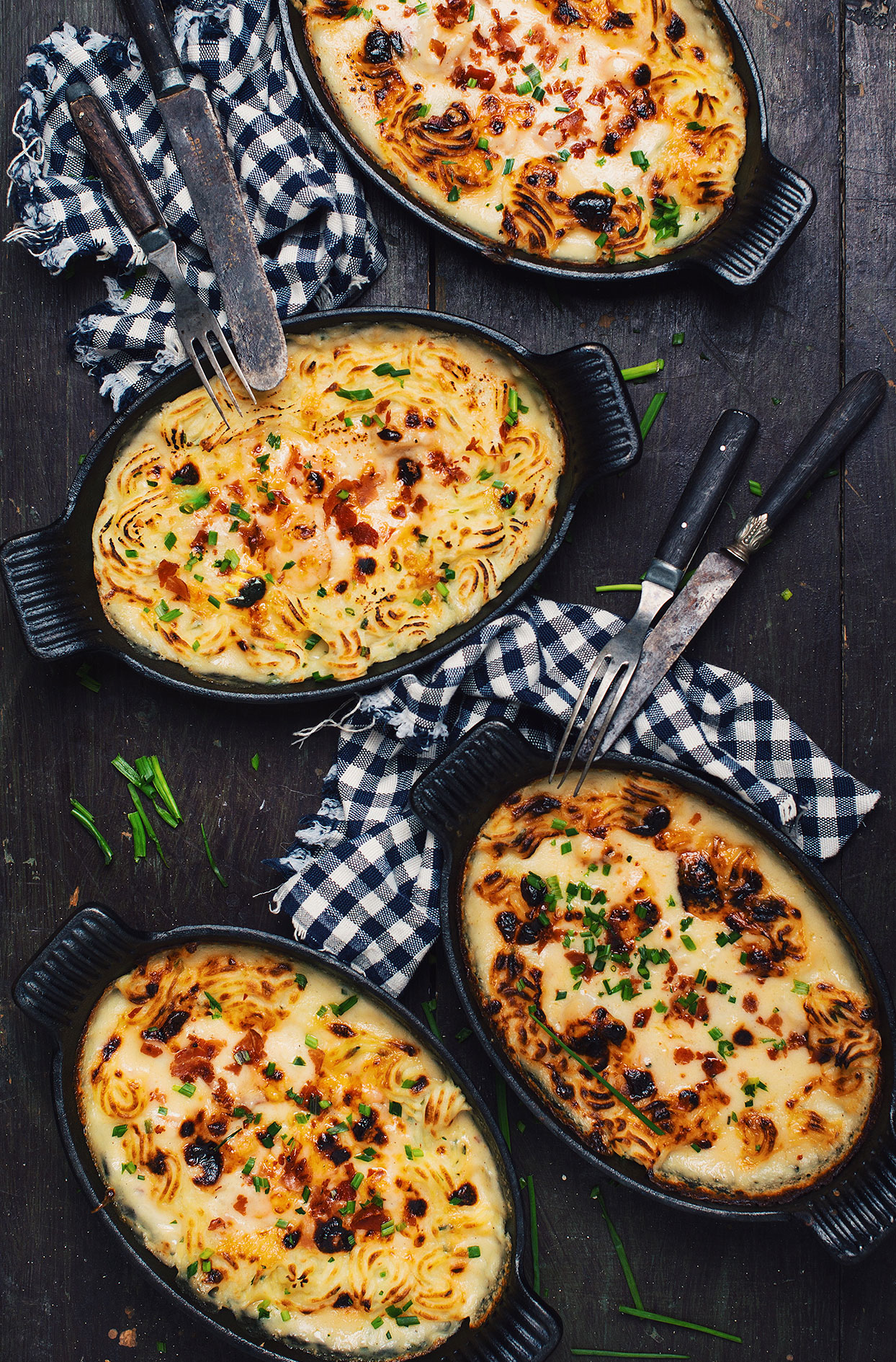
The roux of the béchamel, the browned cheese and the Italian seasoning all lean toward roasted, and that's where the bitter settles in. Its caramel and toasted bread notes follow the crust of the gratin, with no bitterness to disturb the seafood. Low in alcohol next to a dish that is generous.
A Chilean chardonnay, the Cono Sur, goes well with this gratin. The chardonnay has a body and roundness that go with the béchamel and the cheddar, and enough freshness not to drown the delicate scallops and shrimp. The browned vegetables find their place too, keeping the dish indulgent without making it heavy.
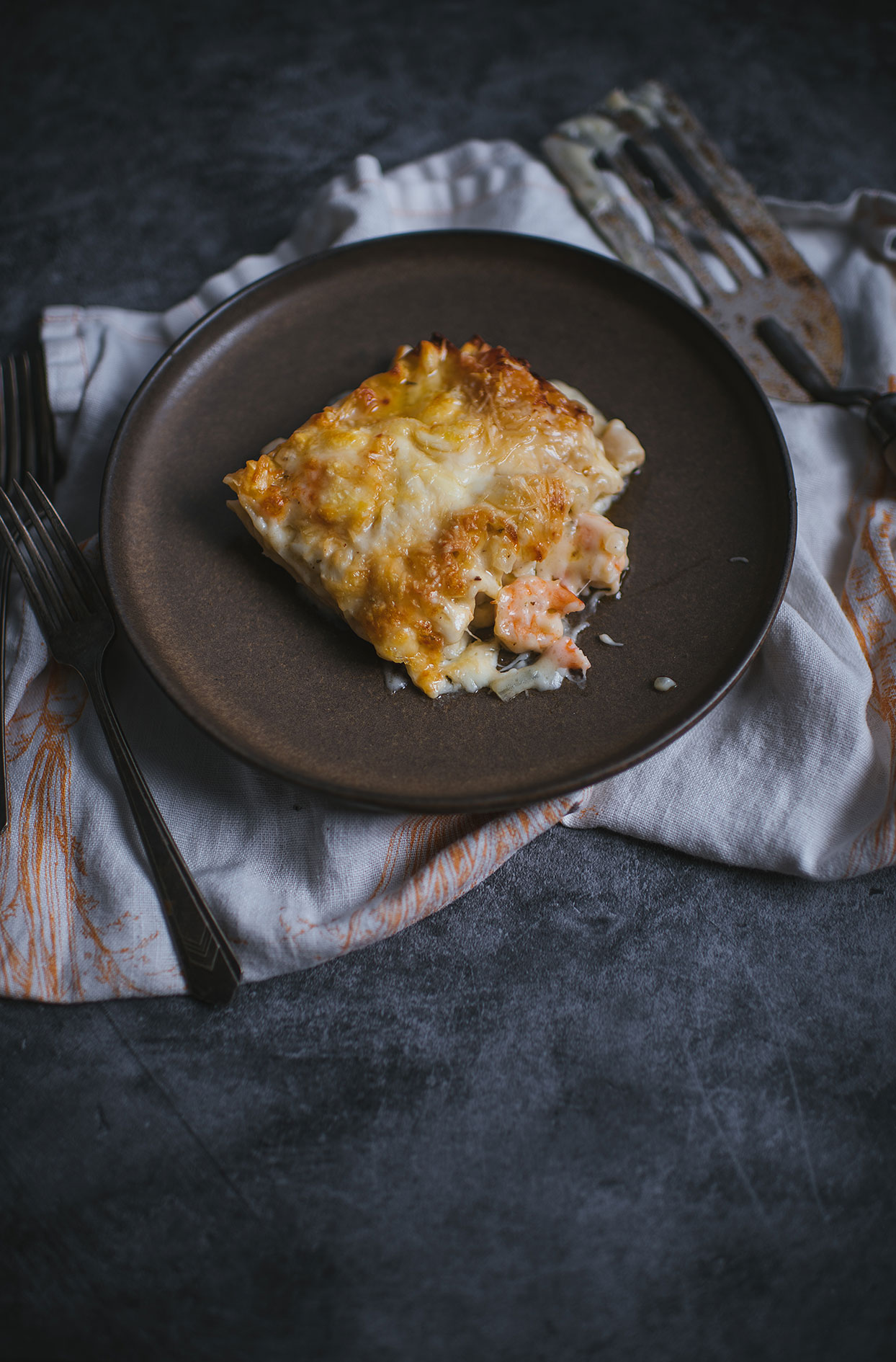
The béchamel coats the seafood and there's nothing left to wake up the palate. The citrus and spices of this Belgian witbier stand in for the lemon wedge you'd normally squeeze over it. Slim body and steady fizz: the richness drops away and you go back for another piece.
This very pretty blend of 60% Macabeo, 20% Grenache Gris and 20% Grenache Blanc is a treat for many occasions. Rich, fresh and crisp, it shows aromas of white stone fruit and white flowers. With nice acidity and an incredible salinity on the finish, it has texture and is very pleasant with seafood. It will be a very nice partner for this seafood lasagna.
A risotto stays creamy to the last spoonful, which ends up being heavy. The saison takes care of that with its dryness and tight bubbles, while its pepper and citrus follow the squash without overpowering the seafood. It's the kind of beer that livens up a dish instead of politely accompanying it.
With creamy-textured dishes like this, we reach for the round-textured chardonnays! Here blended with viognier, it develops extremely seductive ripe peach notes!
Fish stock, pastis, fennel and white wine: bouillabaisse is built on anise and briny aromas. The tripel with citrus, spice and resin takes the place of the usual white, and its alcohol holds its own against the saffron. The bowl finishes without the palate tiring.
A white wine sold by the litre, can it be good? Yes! Here's the proof. Simple but pleasant, straightforward and easy to drink, with citrus notes and a touch of muscat, a nice wine at a good price!