Pairings Wine

What to eat with Albariño

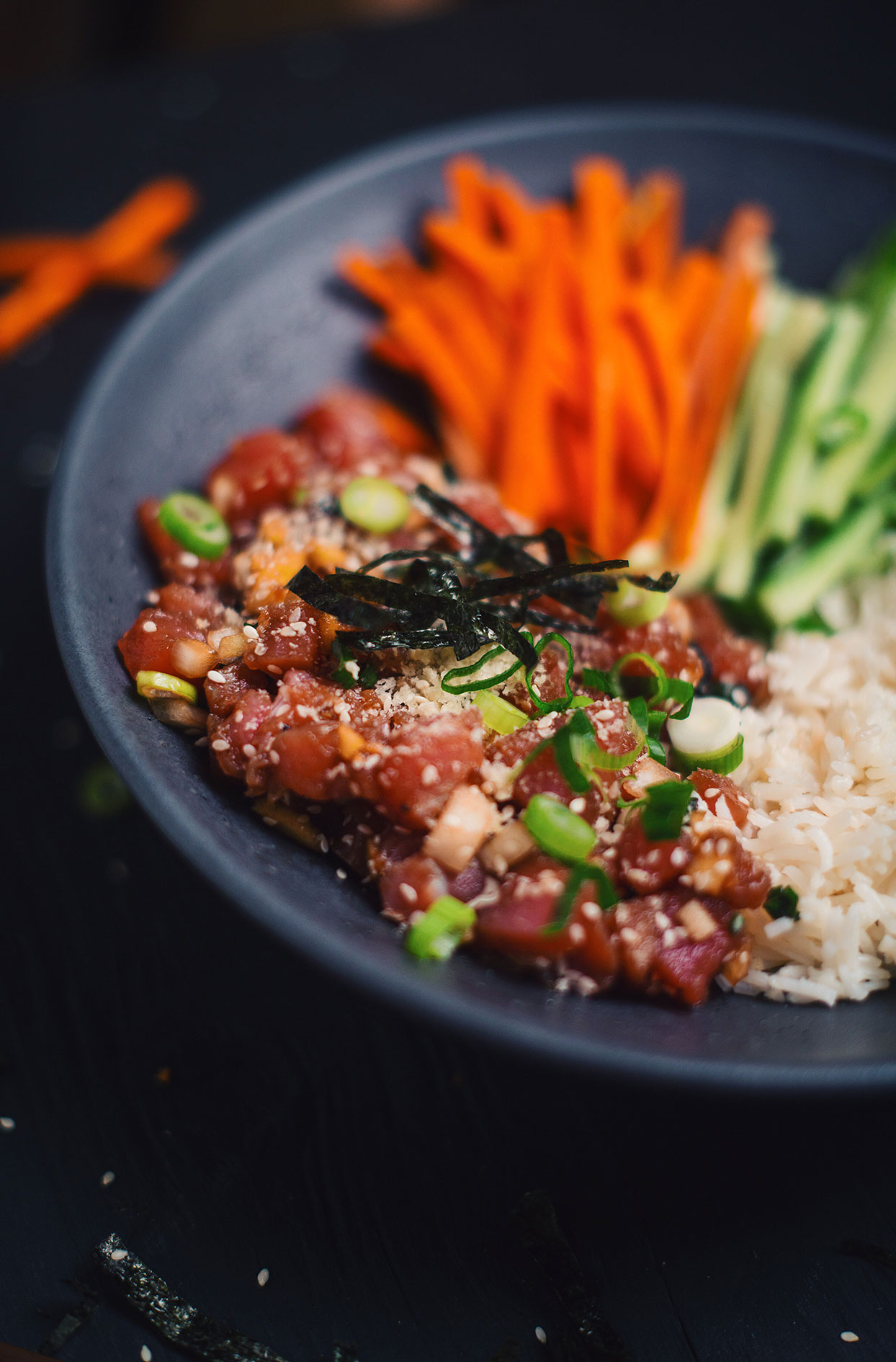
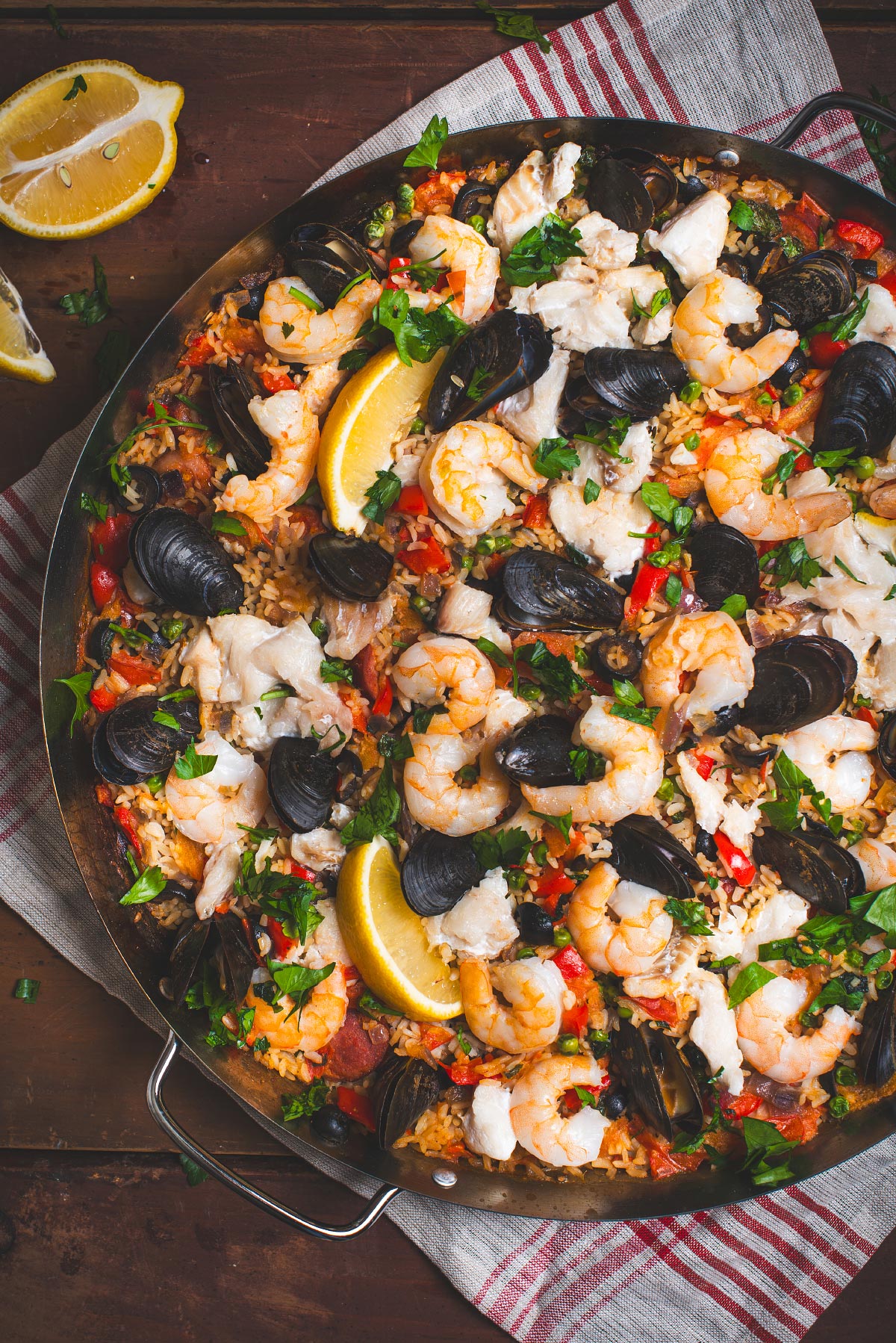
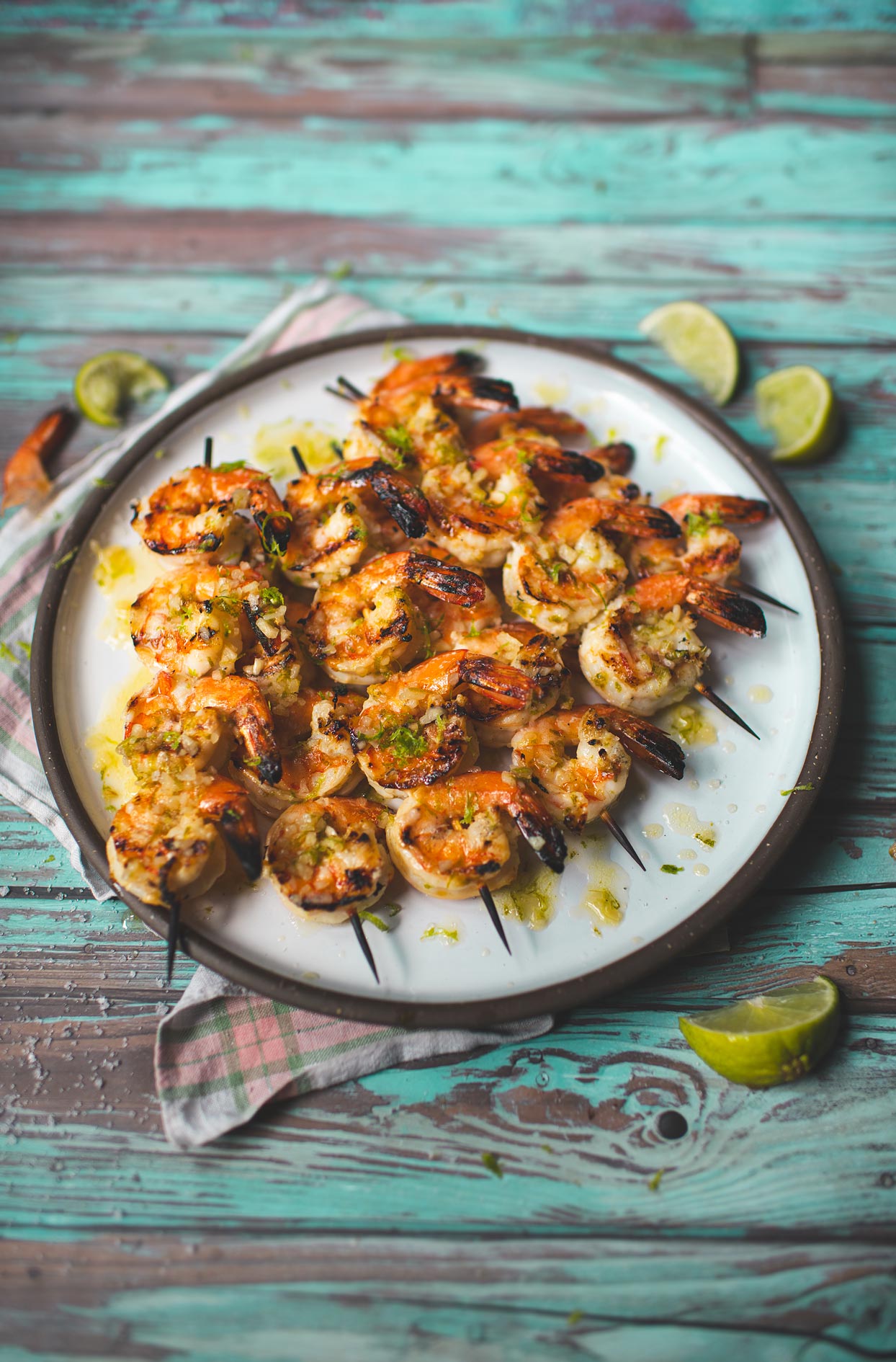
Albariño goes with shrimp, poke bowl and paella.

Albariño at the SAQ

Albariño, for real

A dry white that tastes of peach, lemon and flower, with a salty edge at the finish. The acidity is lively and the texture crisp, nothing too round. Serve it well chilled.

It comes from Galicia in northwest Spain (Rías Baixas) and from Portugal, where it is called alvarinho. That salty edge draws it toward anything from the sea: shrimp, ceviche, lobster, salmon. A seafood paella, a poke bowl, a lemony guacamole, same story.

It hasn't got the body for a heavy cream sauce or red meat. Pick something else there.

The dishes that go with it

Shrimp

The base wine · Spain

Shrimp

This Spanish albariño, with lemon zest notes, has a salty acidity that recalls seawater. Against shrimp marinated in honey and garlic, glazed and sticky, its acidity cleans the marinade while its salt meets the taste of the shrimp under the glaze. The sugar takes a back seat, and you reach for another skewer!

All versions and recipes →
Poke bowl

The base wine · Rias Baixas (Spain)

Poke bowl

This Rías Baixas albariño, with white peach notes, has a lively acidity, a light texture and a little taste of sea salt. Against a poke with vinegared rice and rich avocado, its acidity extends the rice's instead of contradicting it, and its salt cleans the avocado between bites. The raw fish keeps all its freshness.

All versions and recipes →
Paella

The base wine · Spain (Rias Baixas)

Paella

This Rías Baixas albariño, with notes of white peach and sea salt, is lively and light. Next to a paella where the chorizo brings fat, its freshness slices through it like a squeeze of lemon over the pan, while its salt meets that of the seafood. The wine stays light, never adding to the dish. Serve it well chilled!

All versions and recipes →
Lemon

The second pick

Lemon

Albariño is more saline, almost briny. Go for it with seafood like lobster or mussels: the wine's little taste of salt goes straight to the shellfish rather than to the plain citrus of the dish.

All versions and recipes →
Salmon

The second pick

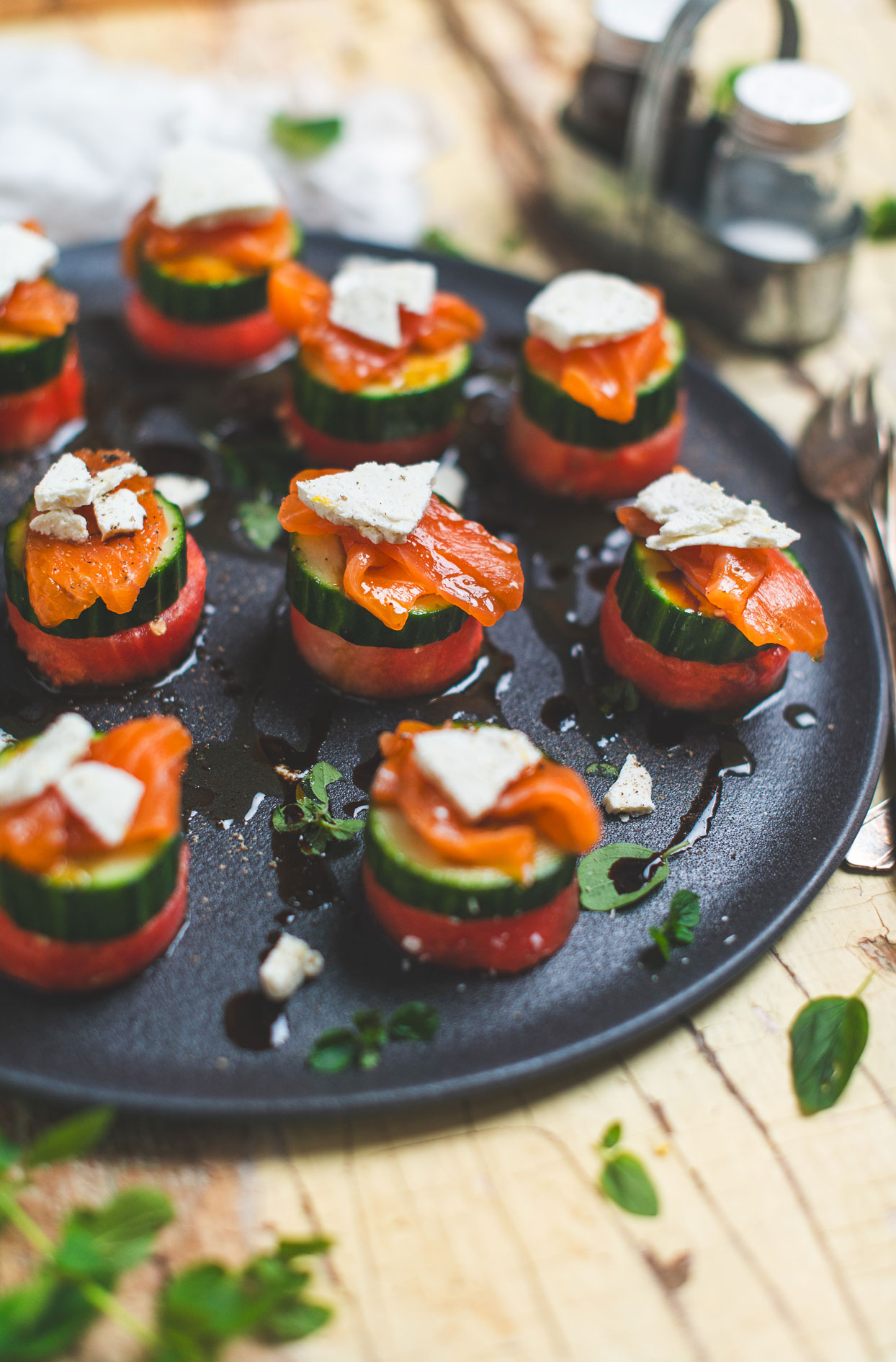
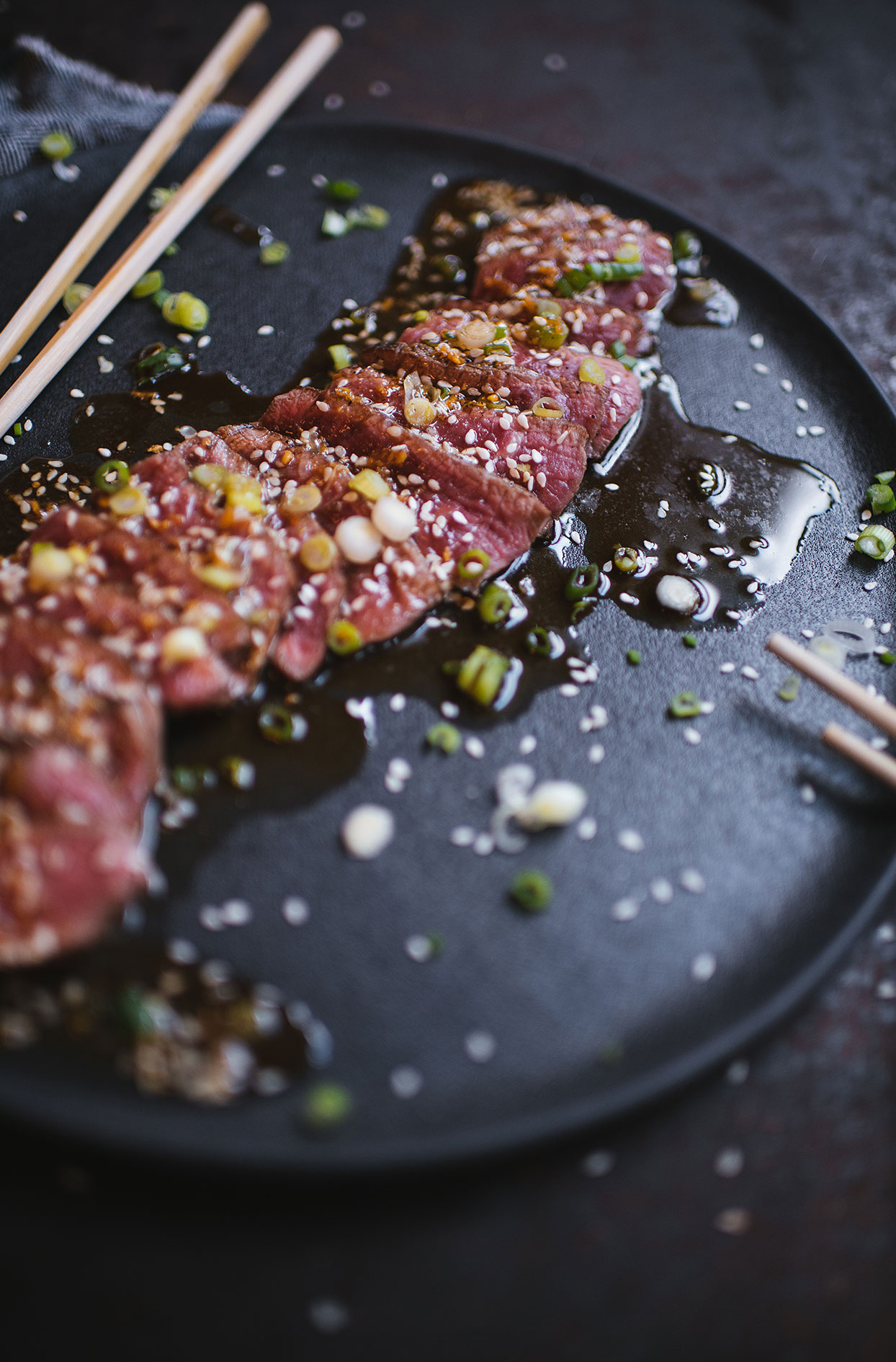
Salmon

Albariño, a white, is saltier and livelier than the pinot noir. Go for it with marinated salmon, in a poke: its salt wakes up the fish, where the pinot noir is made for cooked, glazed salmon.

All versions and recipes →
Lobster

The second pick

Lobster

Albariño is a neighbouring white, mineral, with more salt and citrus than the chardonnay. Go for it if you want more salt and citrus: its little taste of salt wakes up the lobster like a squeeze of lemon, only livelier.

All versions and recipes →
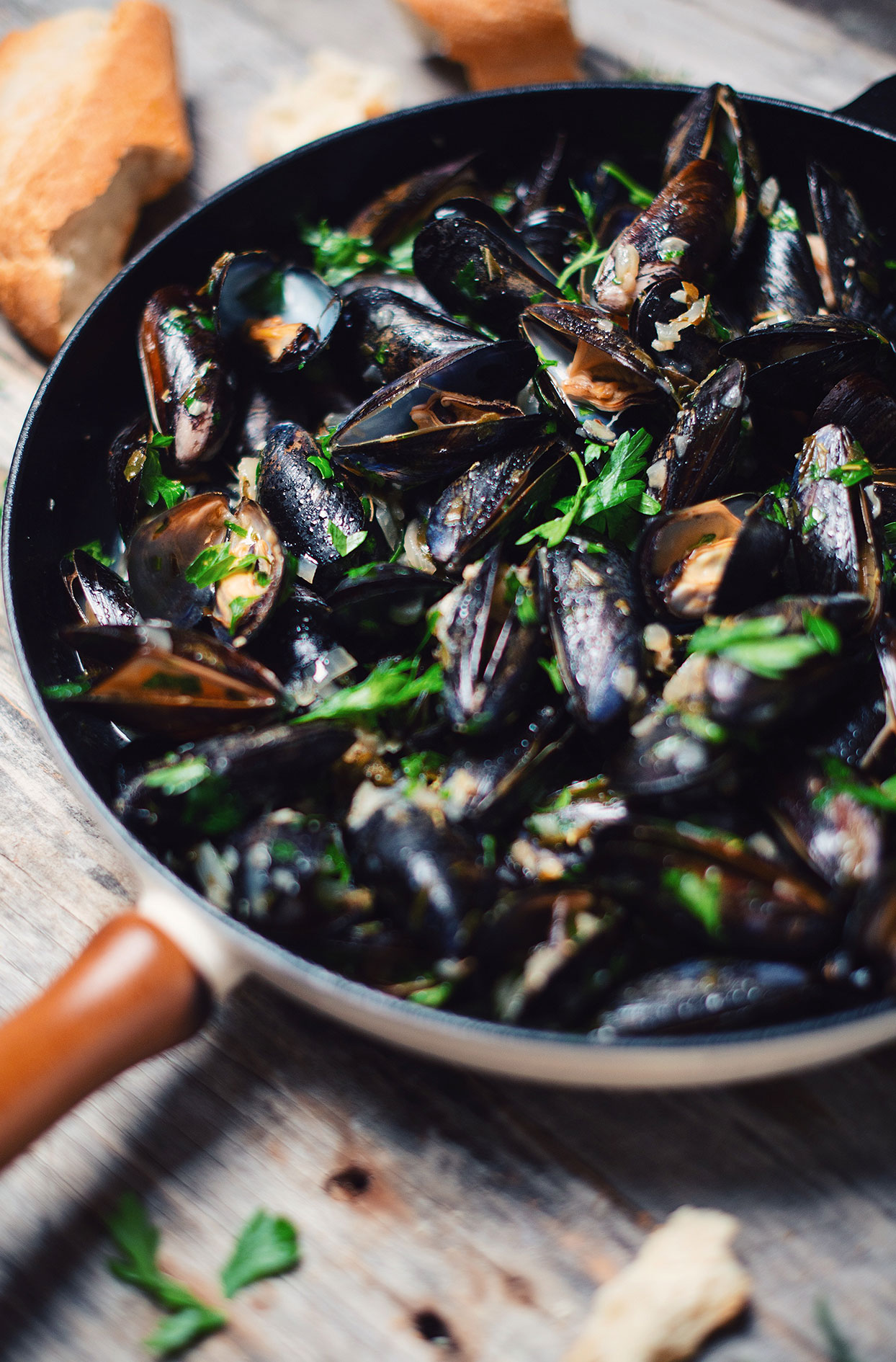
Seafood

The second pick · Rías Baixas

Seafood

Albariño from Rías Baixas smells of white peach, lemon and a hint of salt, with bright acidity. It fits better if your platter is mostly shrimp and crab, because its salty hint meets the sweet flesh of the shellfish.

All versions and recipes →
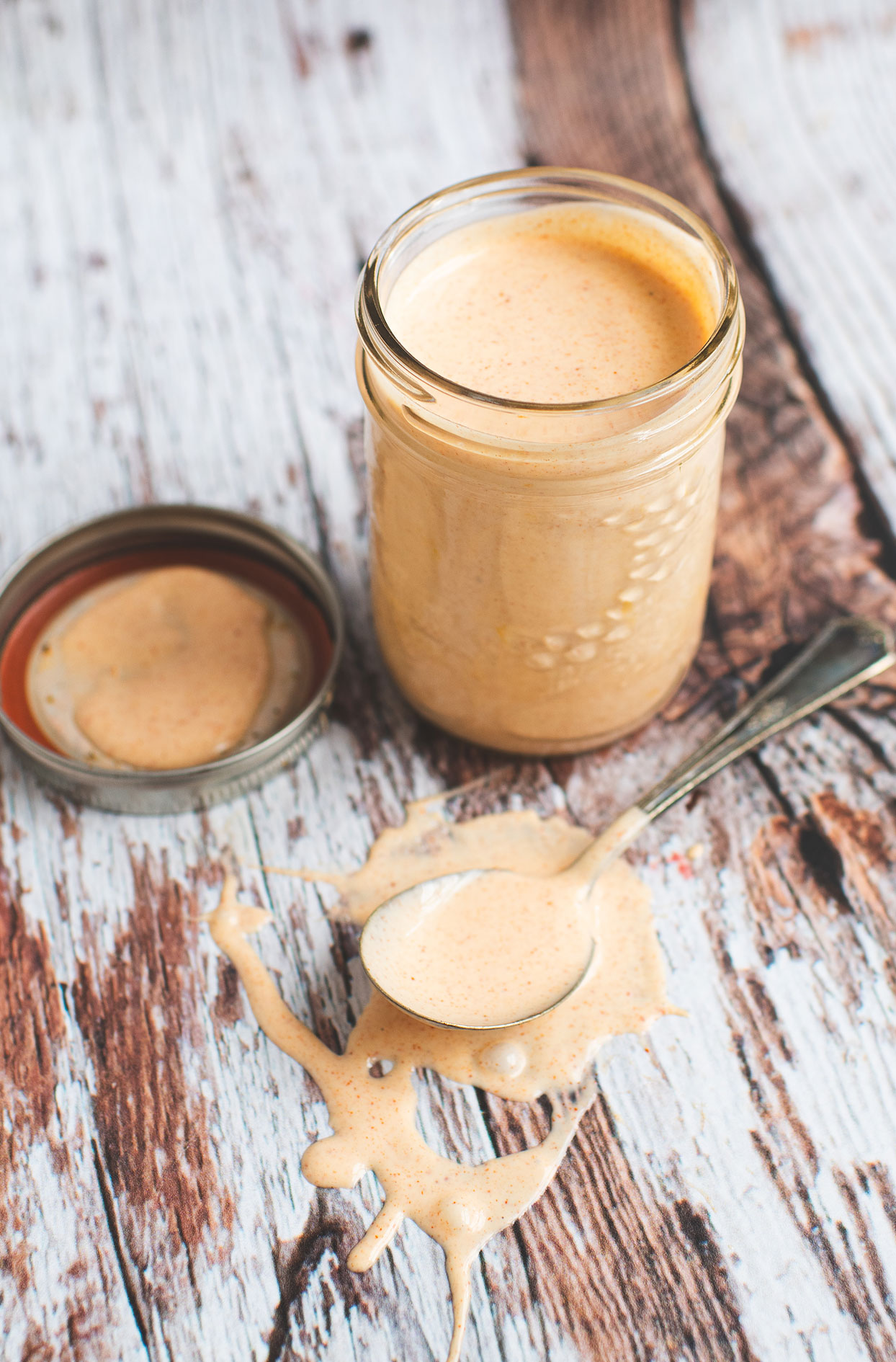
Mussels

The second pick · Rías Baixas

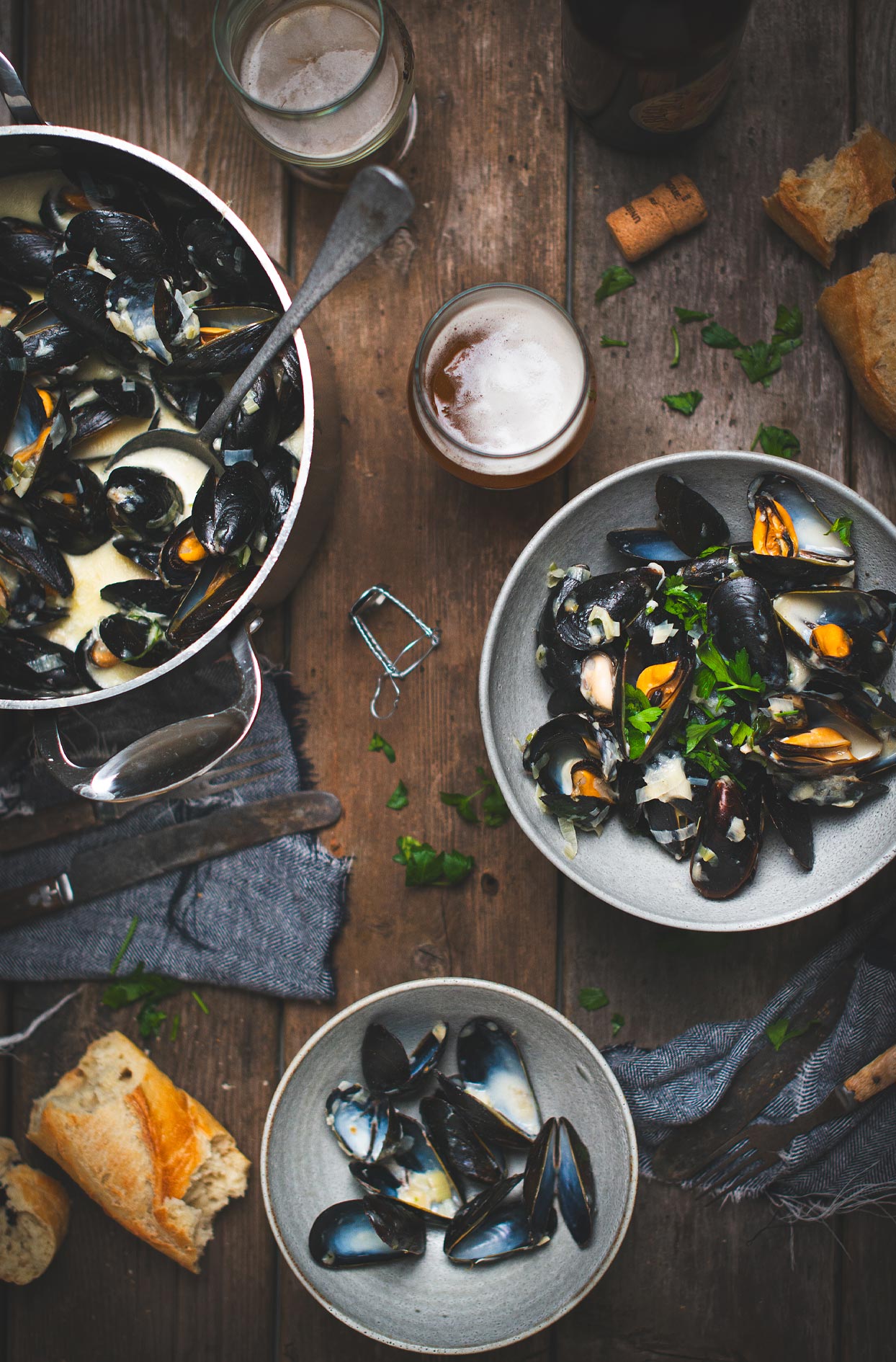
Mussels

Albariño from the Rías Baixas smells of peach, lemon and a hint of salt, with a bright acidity and a slightly rounder body. Take it if you want a wine that tastes of the sea: its salty hint joins the broth of the mussels.

All versions and recipes →
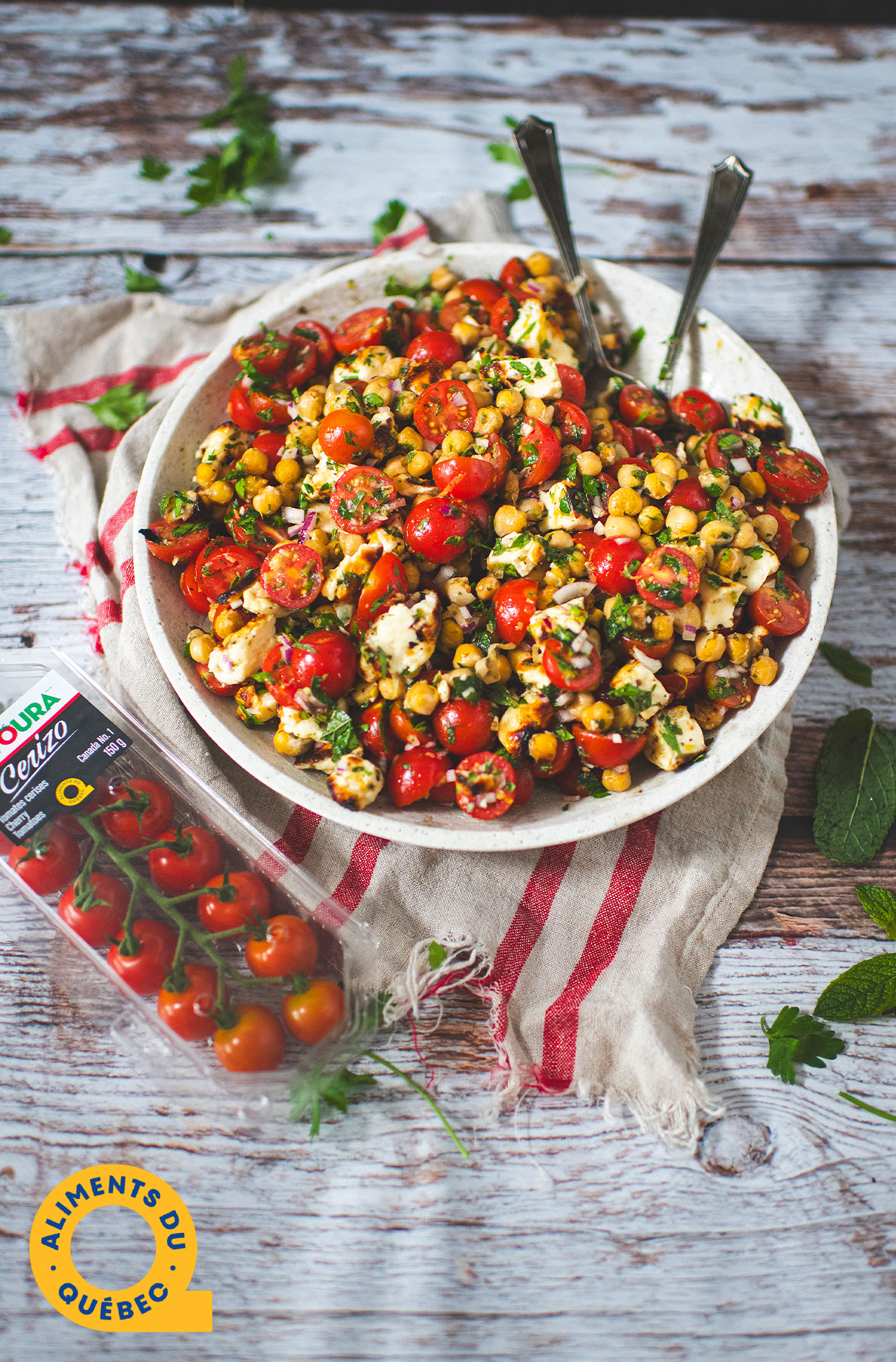
Ceviche

The second pick

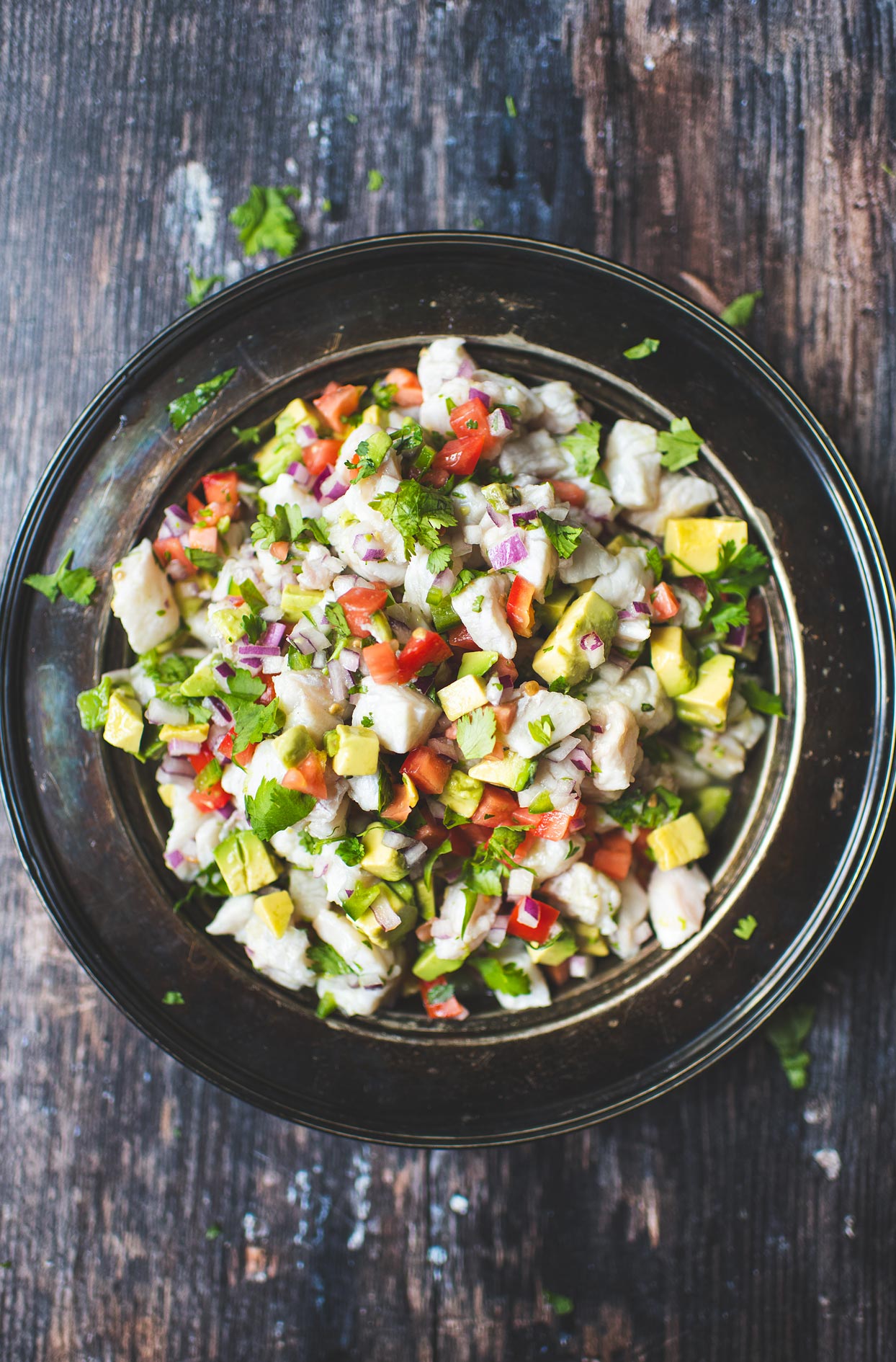
Ceviche

Albariño is more saline, with an almost marine texture. Go for it with the scallop version, saltier, where the salt in the wine joins the seafood directly rather than just the citrus.

All versions and recipes →

Guacamole

The second pick

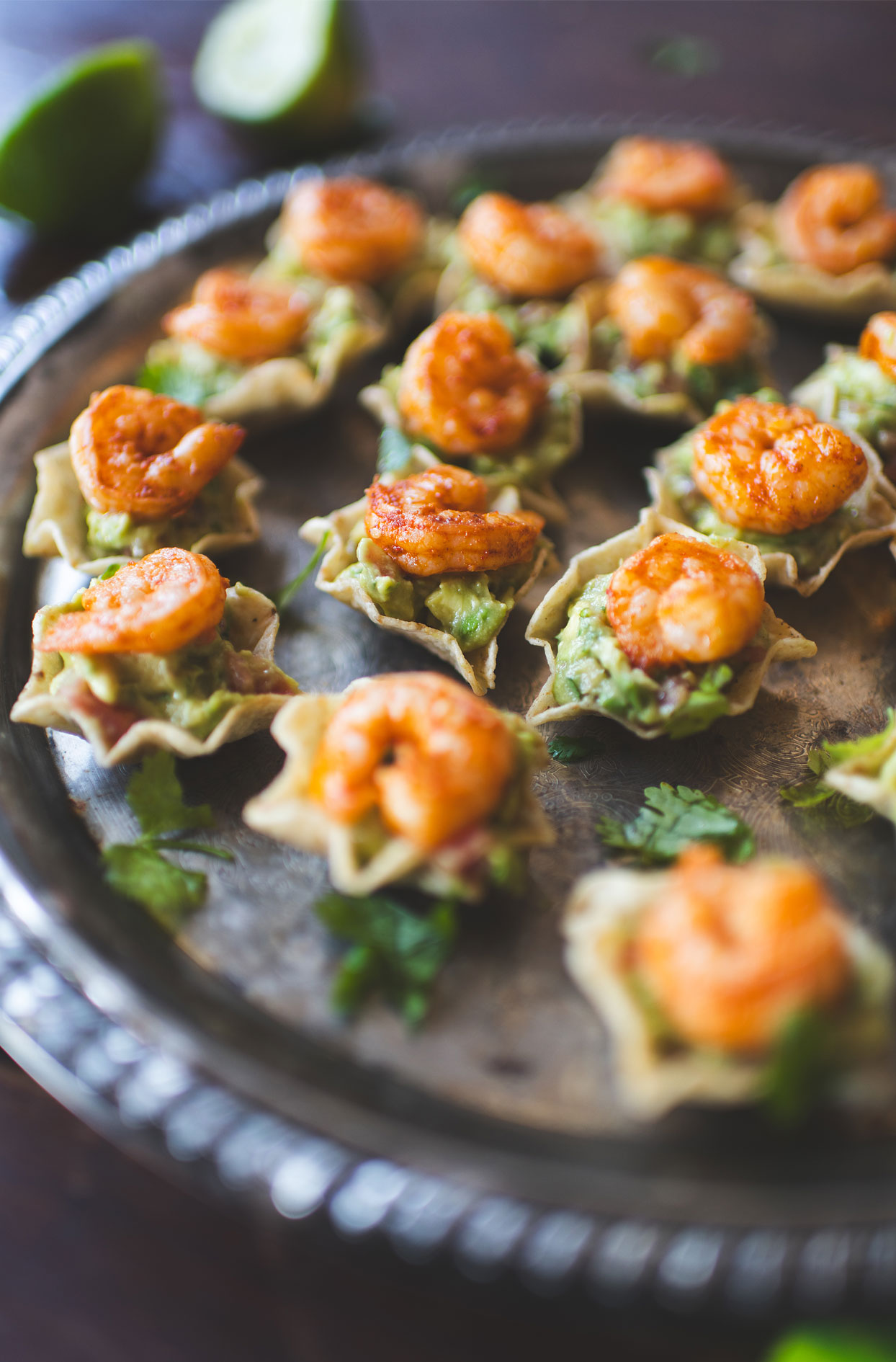
Guacamole

Albariño is from the same lively family, saltier and less herbal. Go for it with a bite-size version with shrimp: its salt answers what the sauvignon lets slip by.

All versions and recipes →
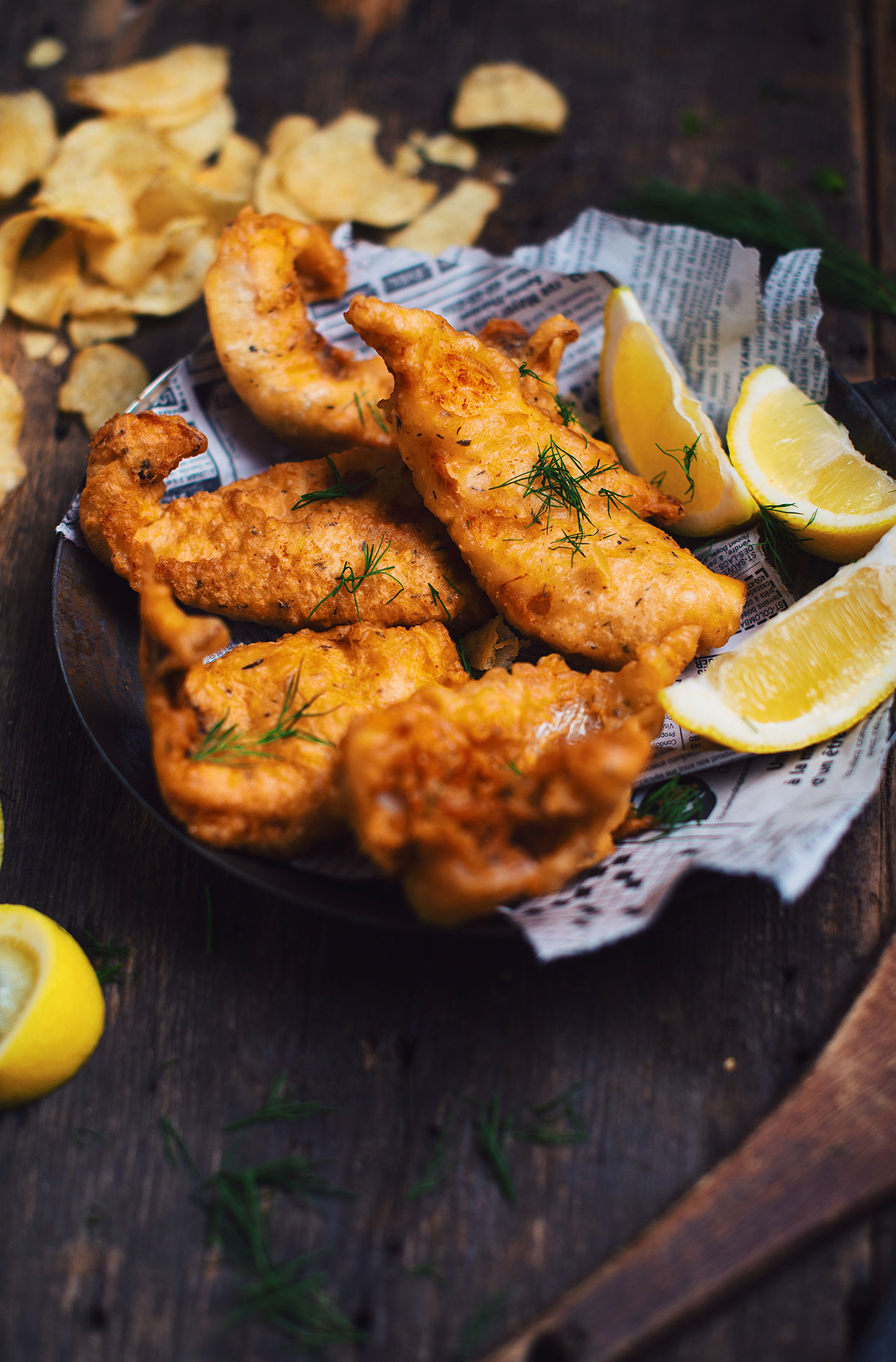
Fish and chips

The second pick

Fish and chips

The albariño is more saline and less tropical. Pick it with English malt vinegar, which is even more acidic, where the sea salt in the wine has more work to do than the exuberant fruit of the sauvignon.

All versions and recipes →
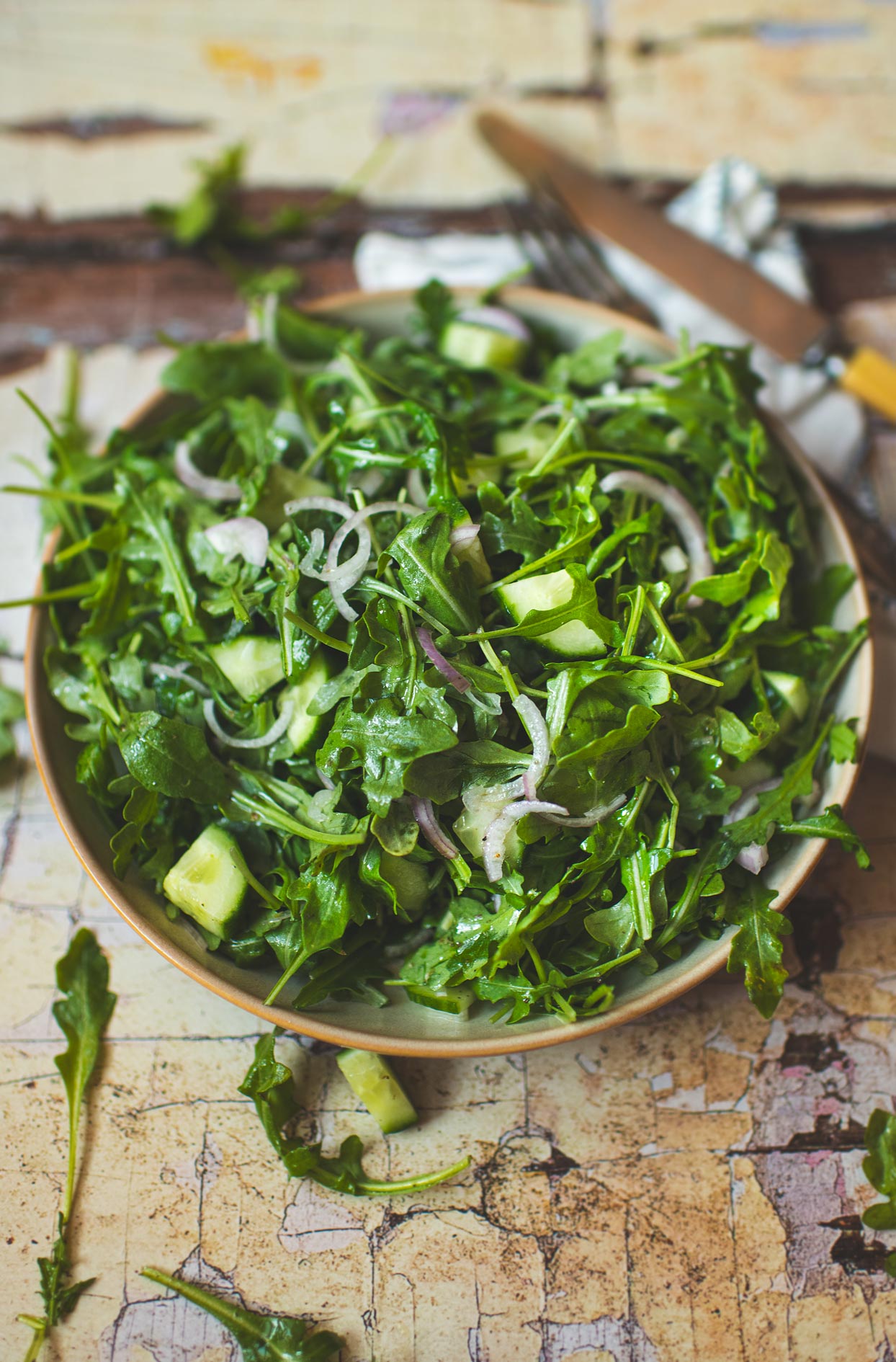
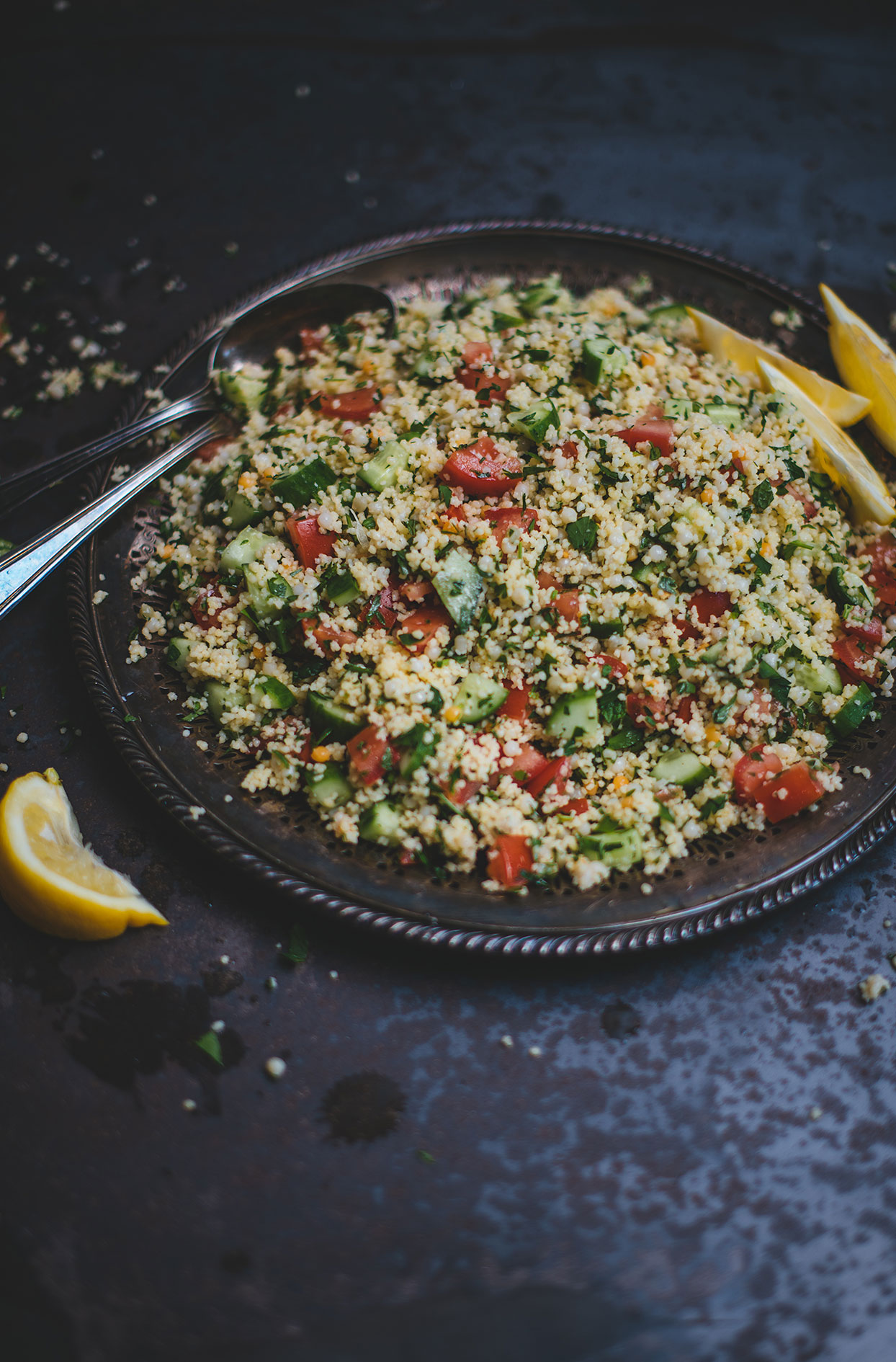
Tabbouleh

The second pick · Rías Baixas

Tabbouleh

Rías Baixas Albariño smells of peach, lemon and a hint of salt, with a slightly rounder body. Take it if you want a less herbal white than the Sauvignon: its fruit softens the bitterness of the parsley.

All versions and recipes →
Also with these versions

Our recipes that go with it

Vintages change, the shelf stays. The SAQ shows you what is in stock near you.

Albariño at the SAQ

Suggestion box

A pairing we're missing, a beer to add, a mistake? Write to us.