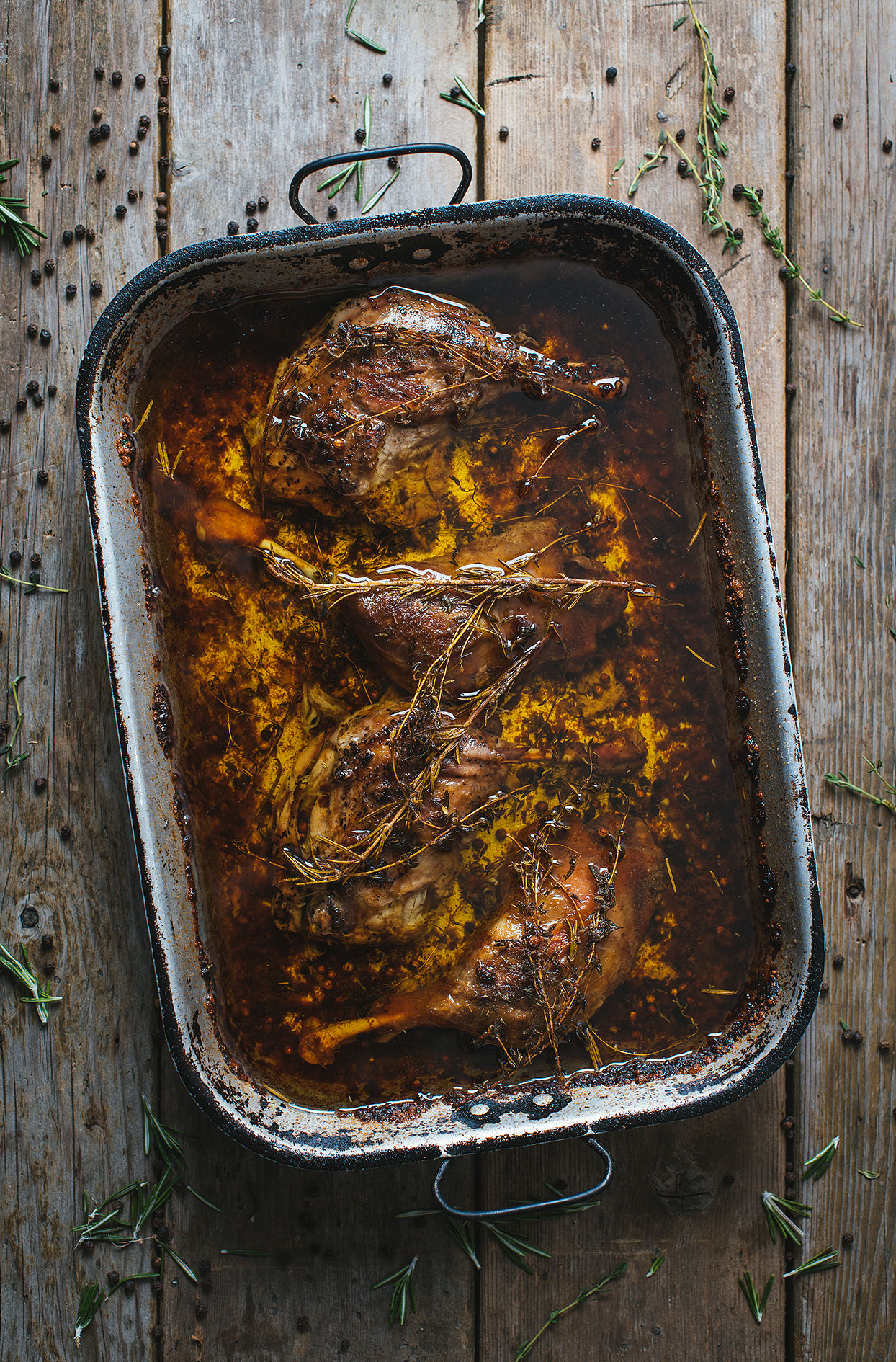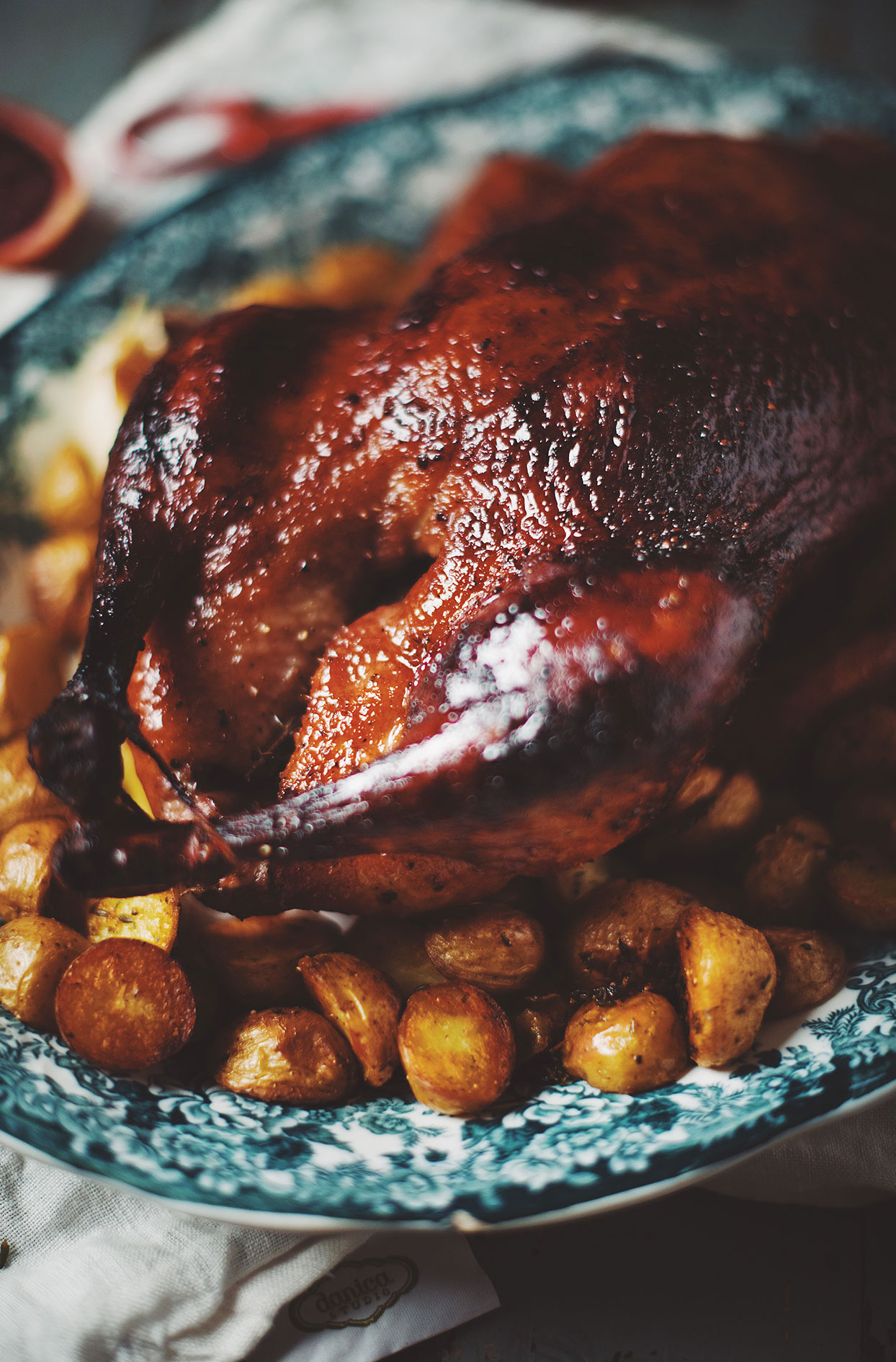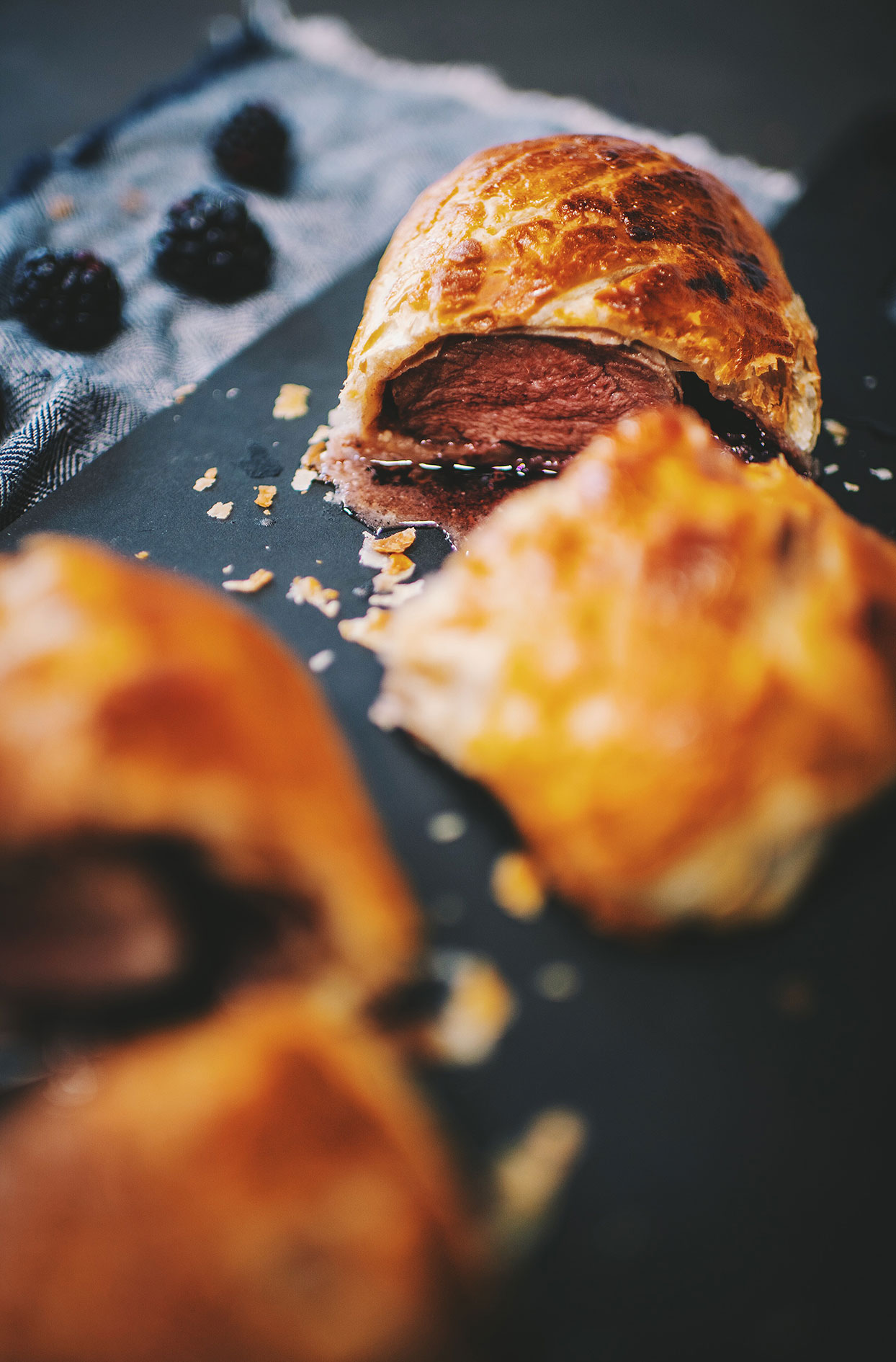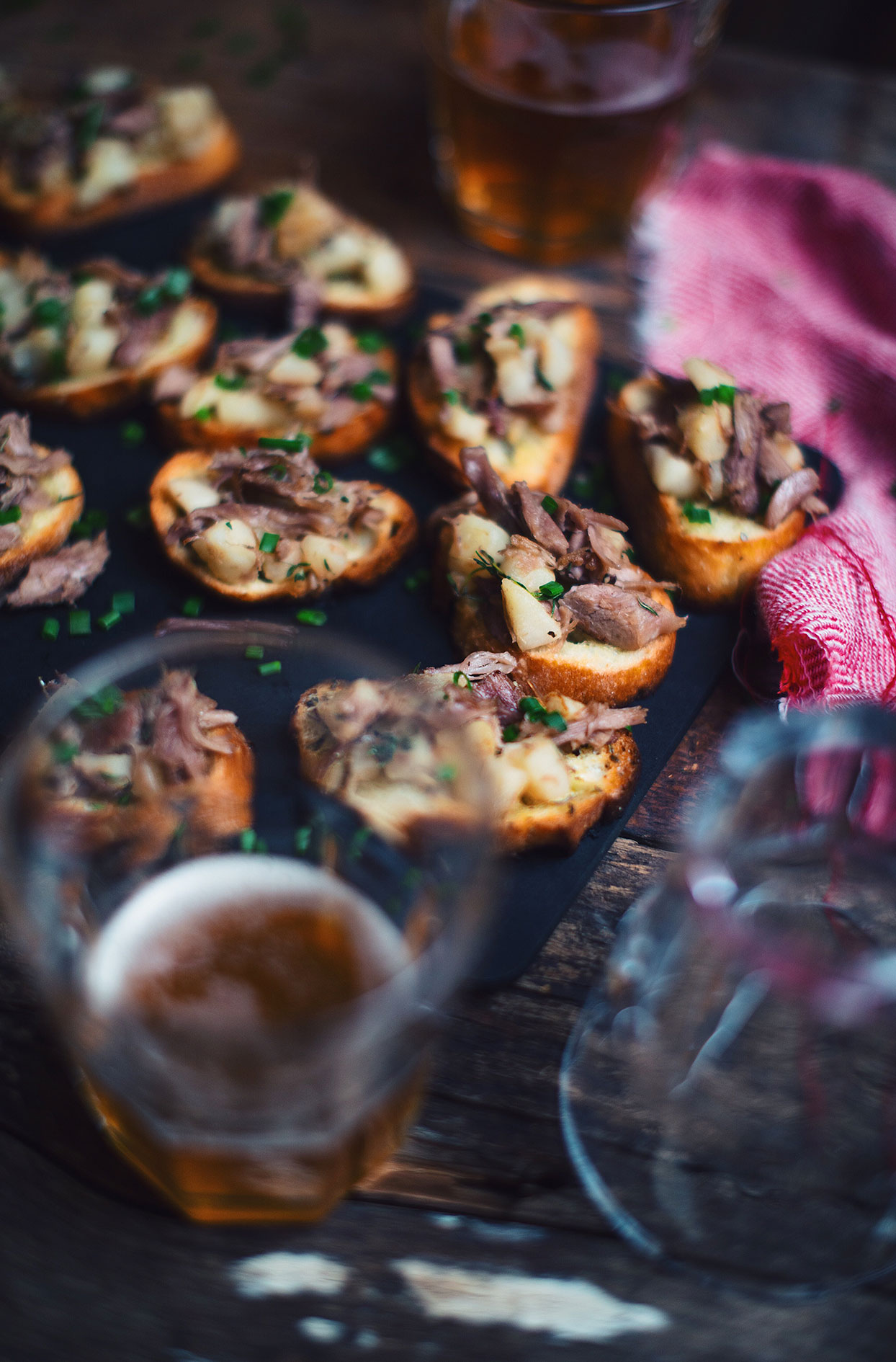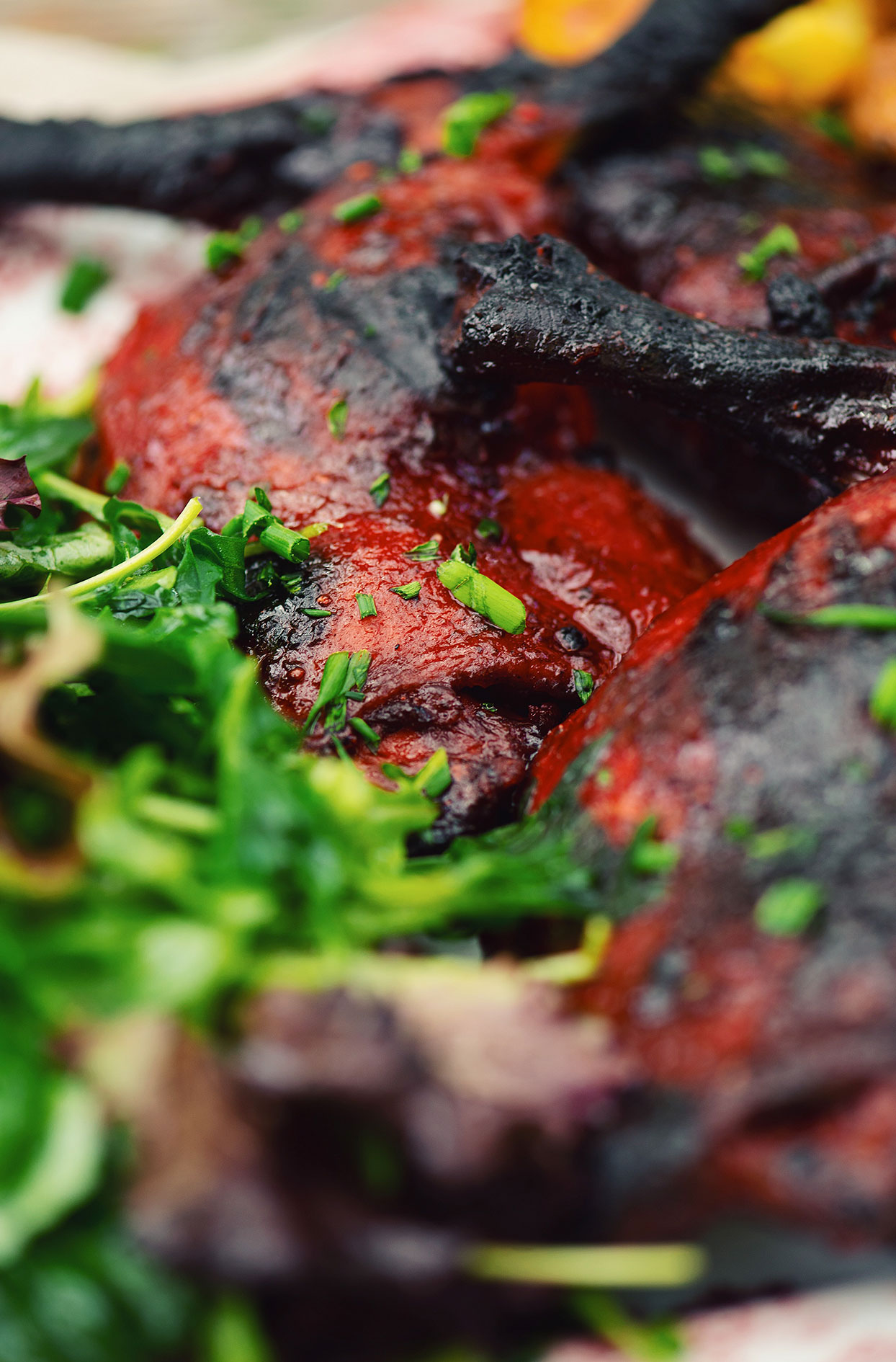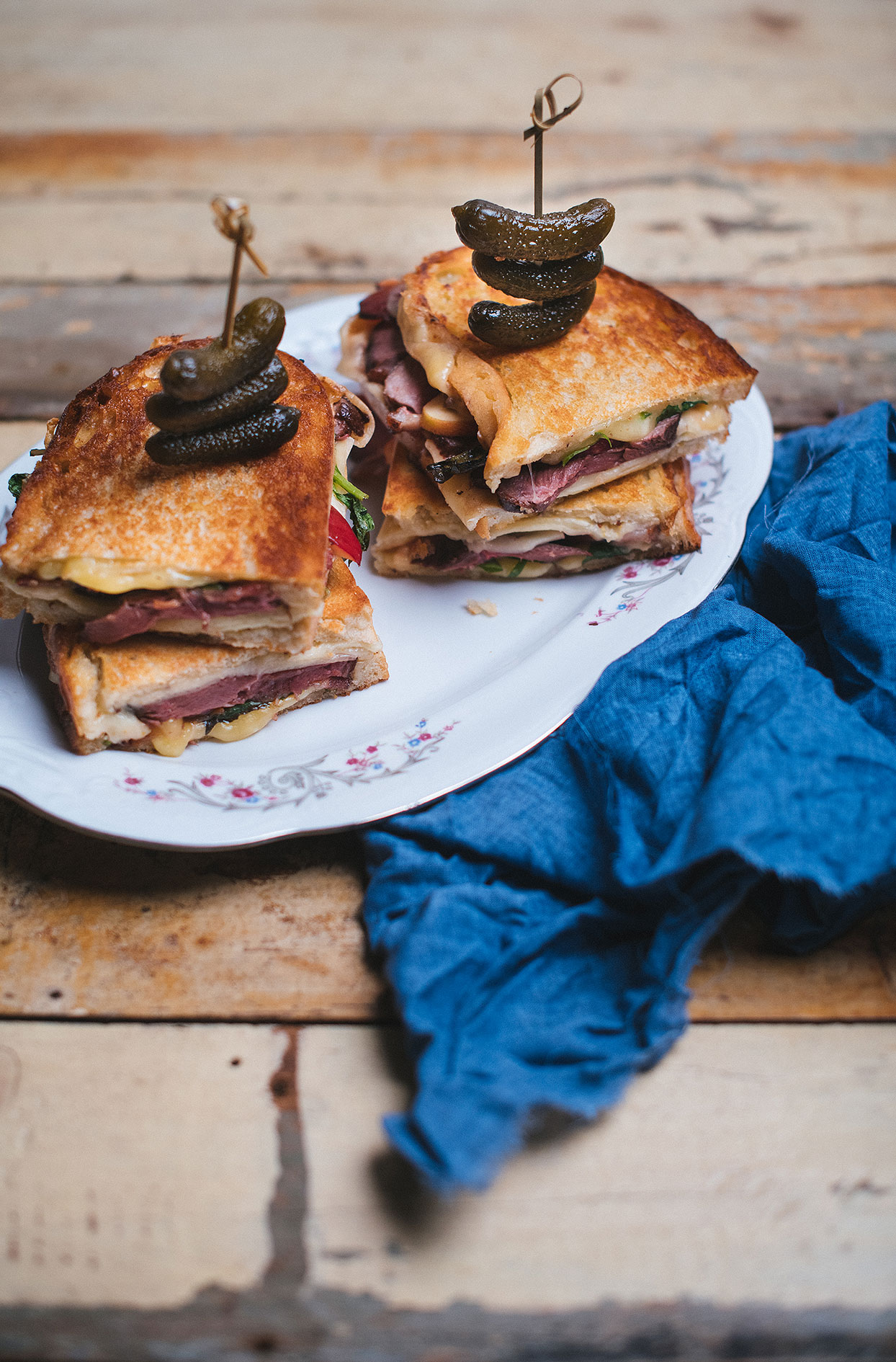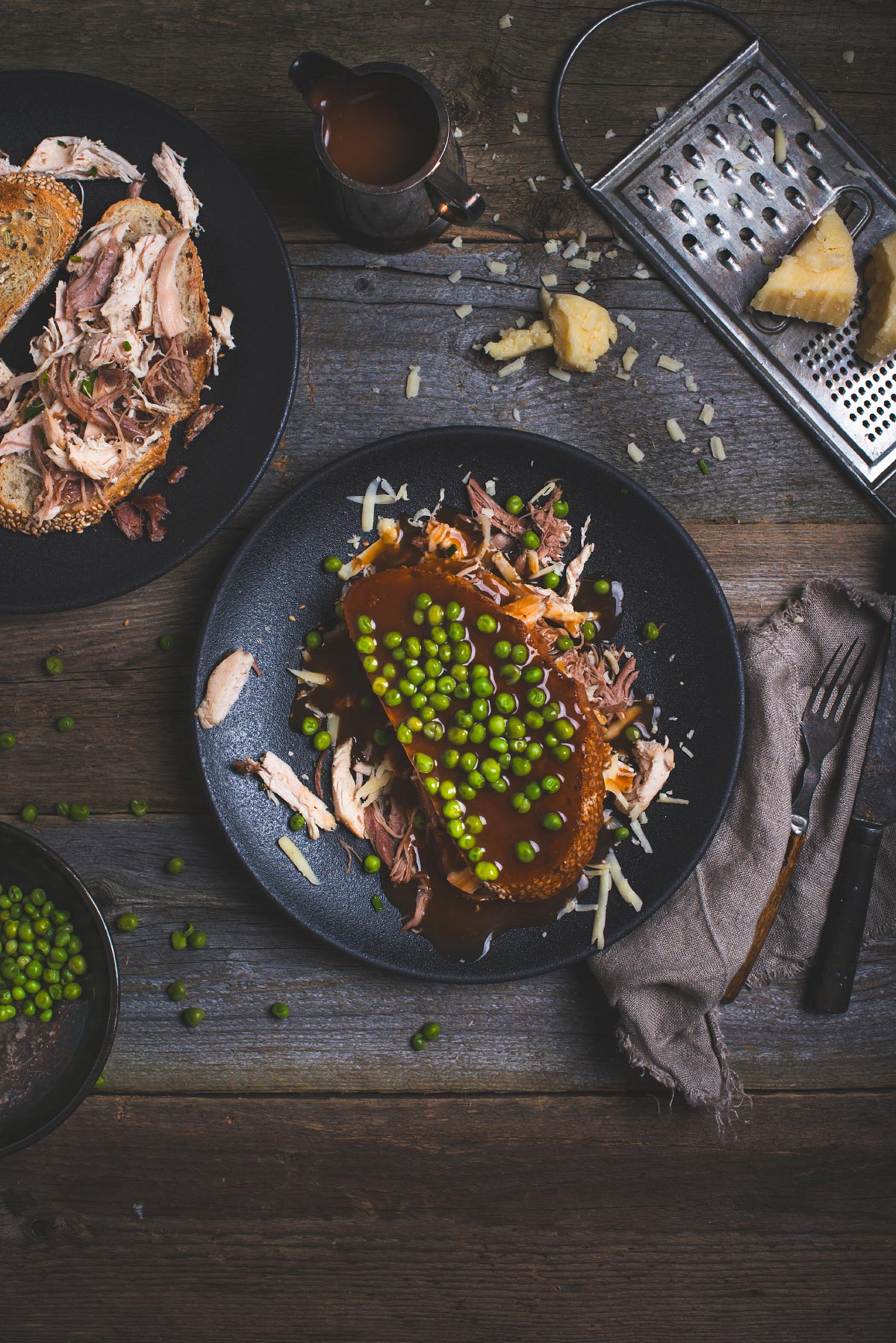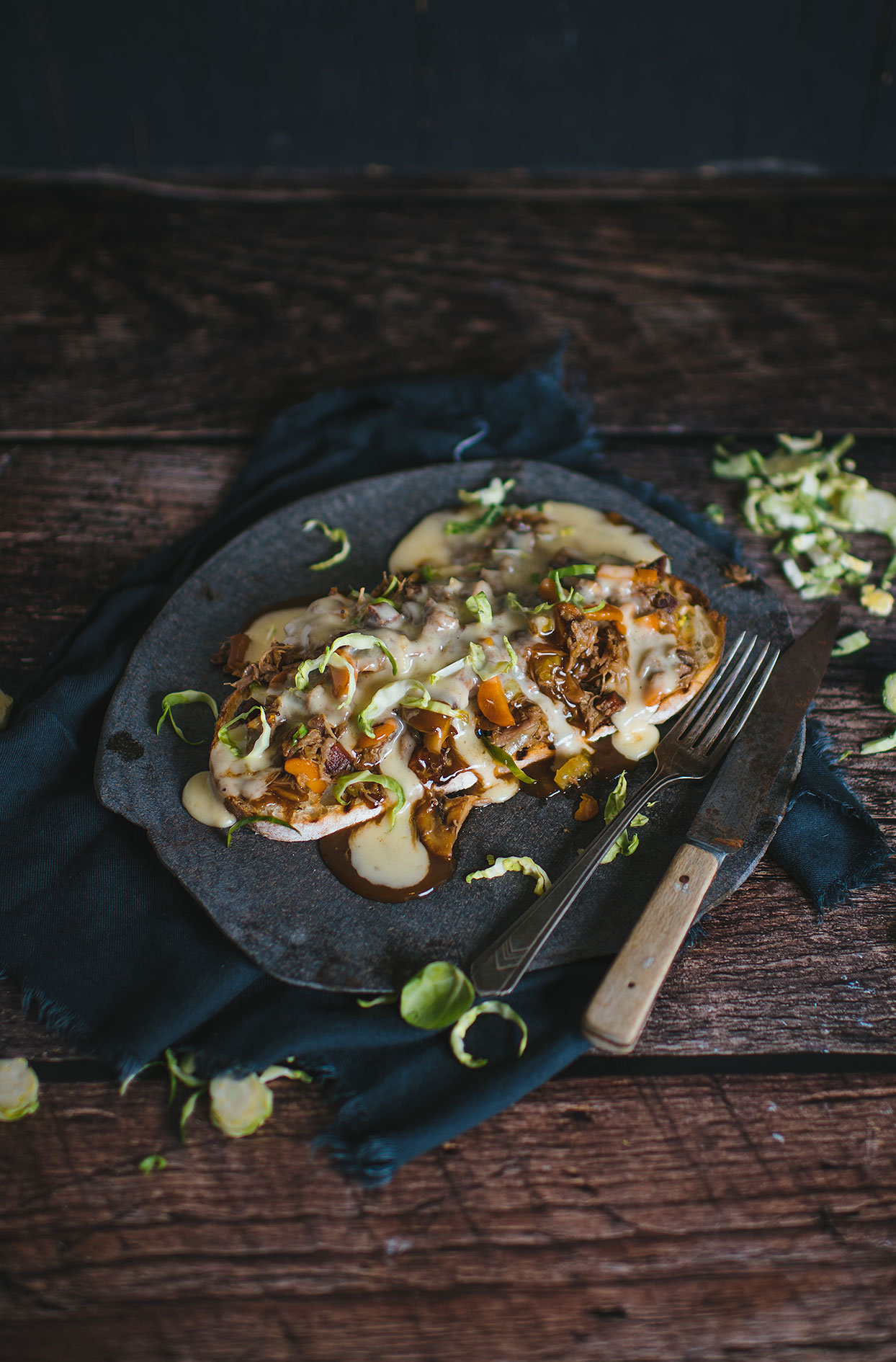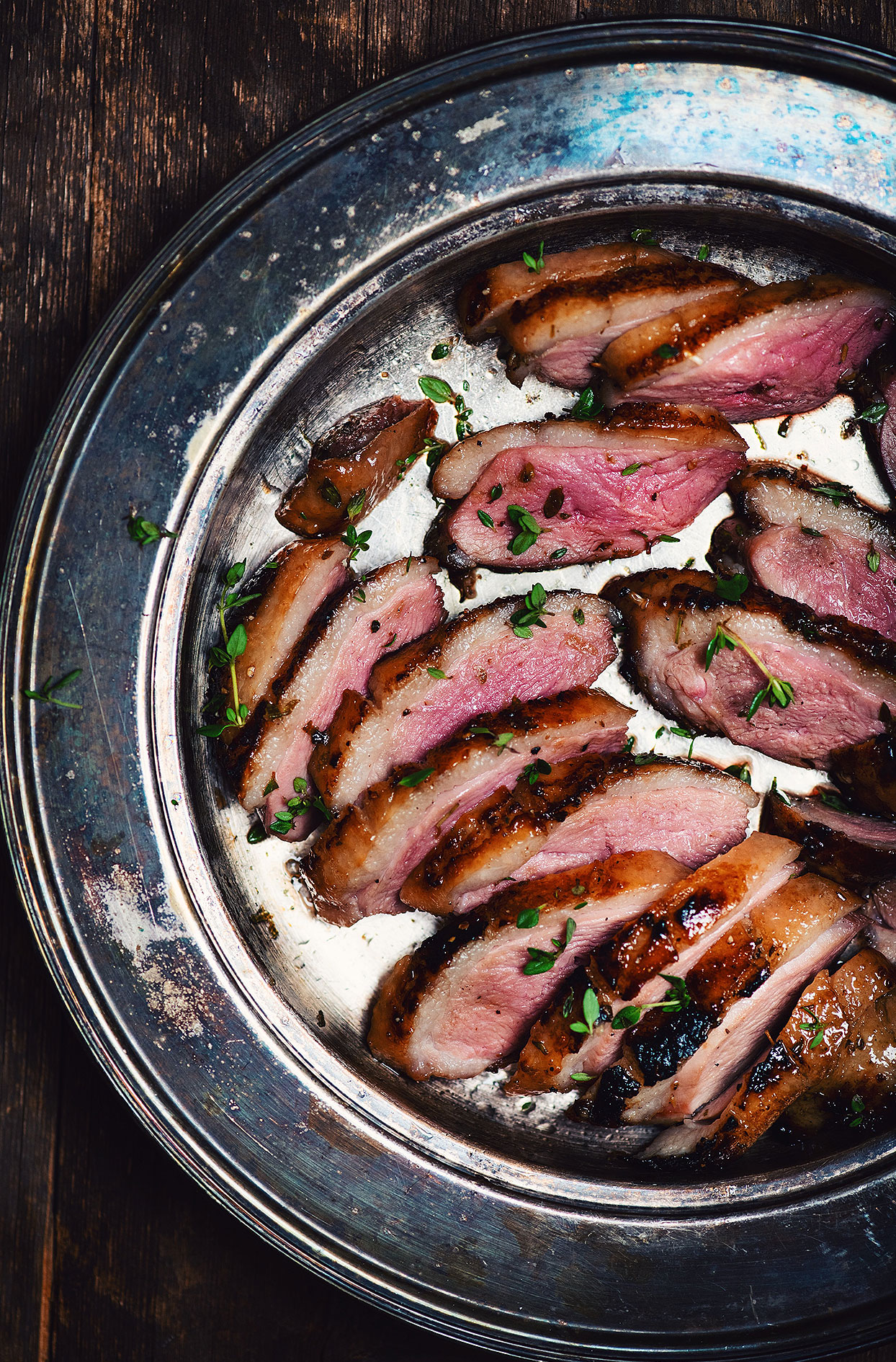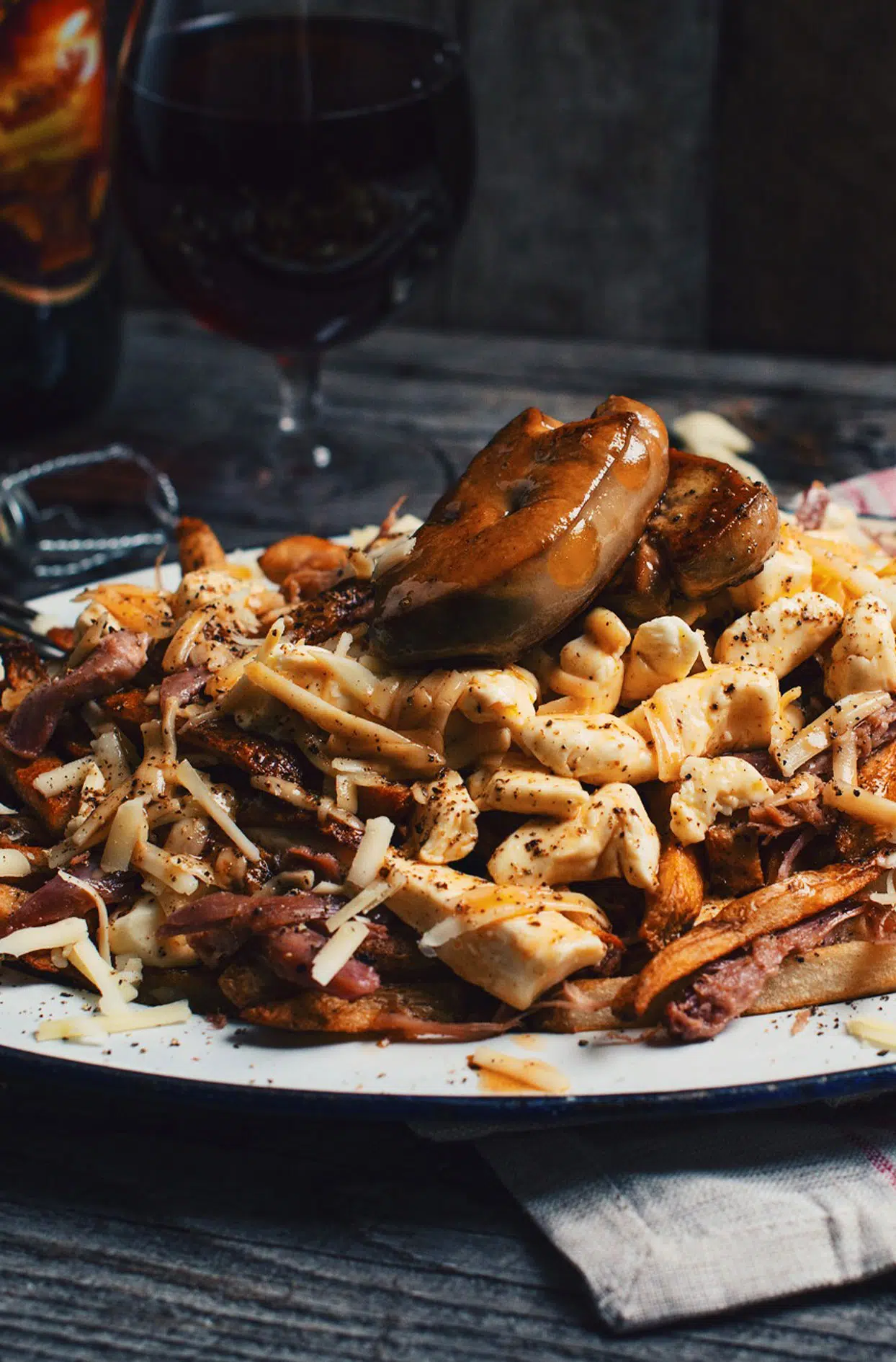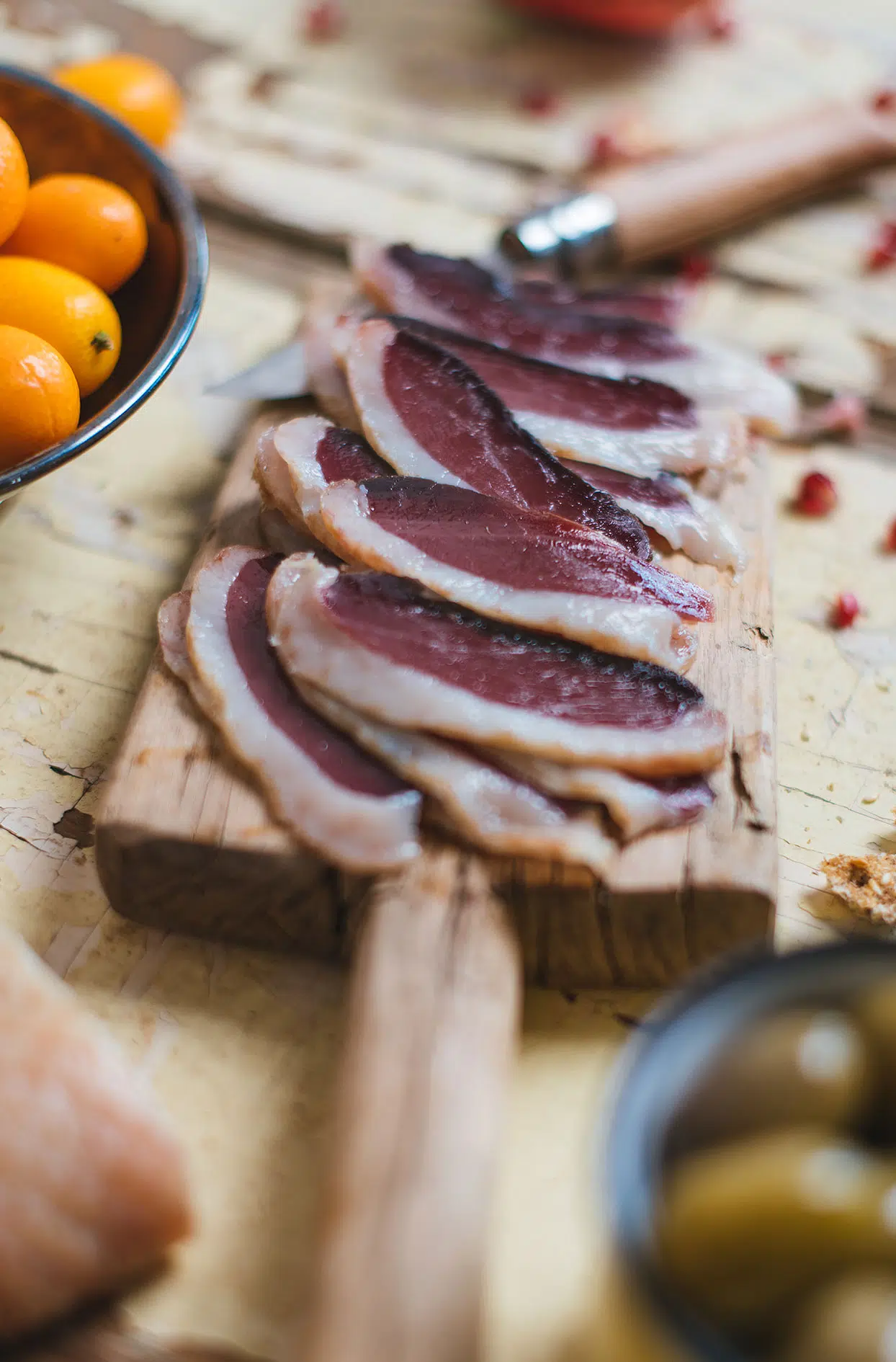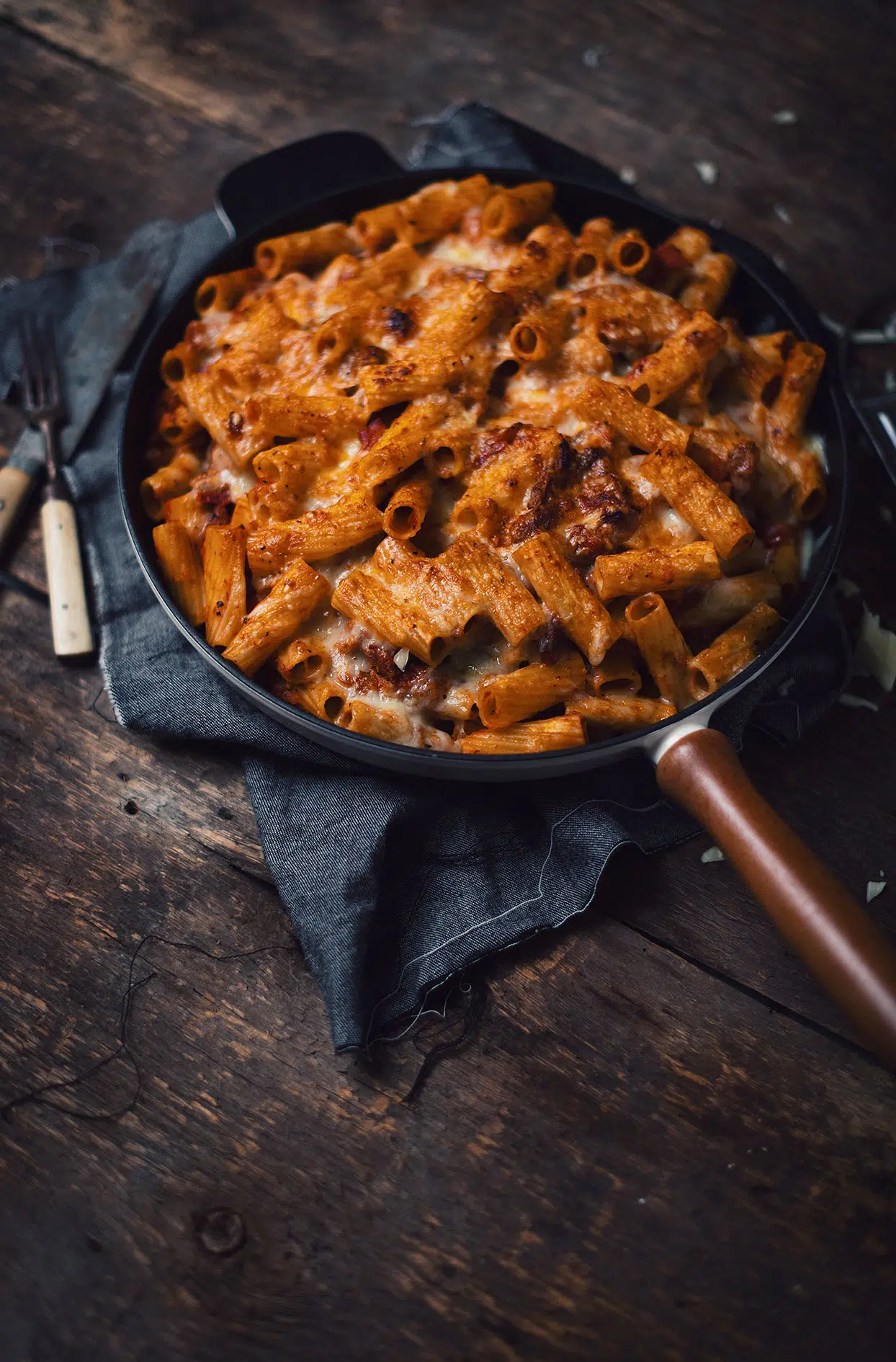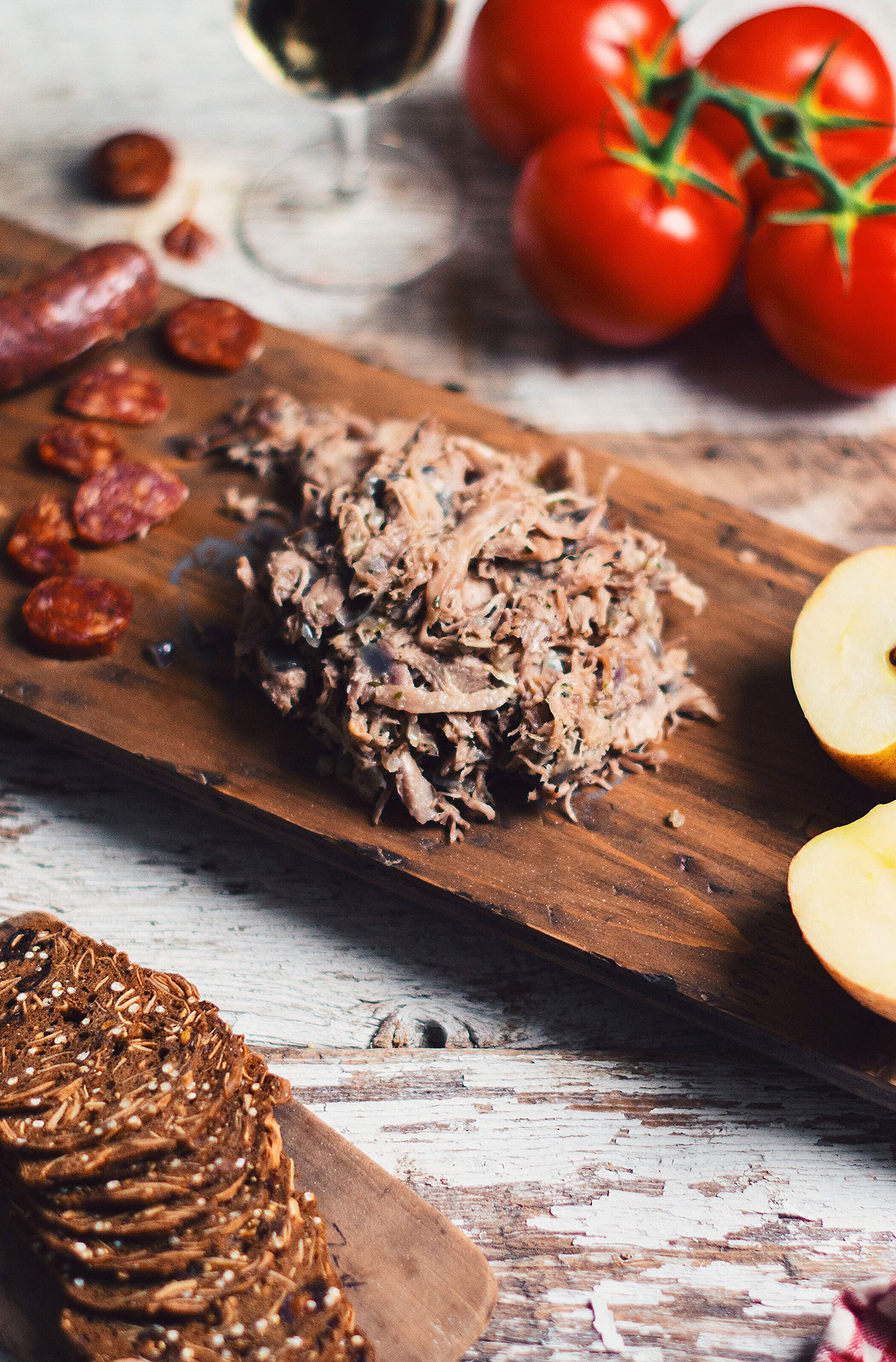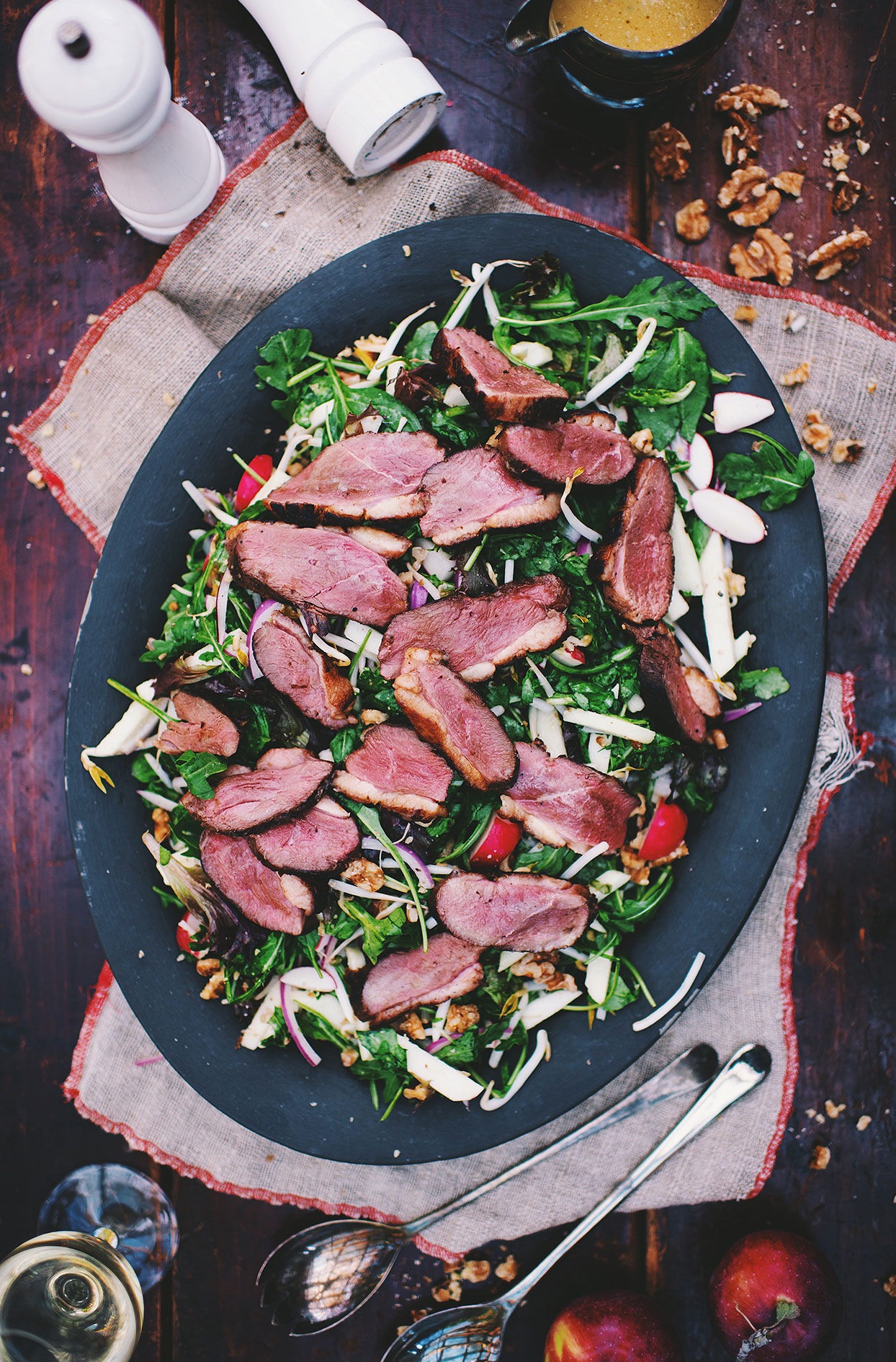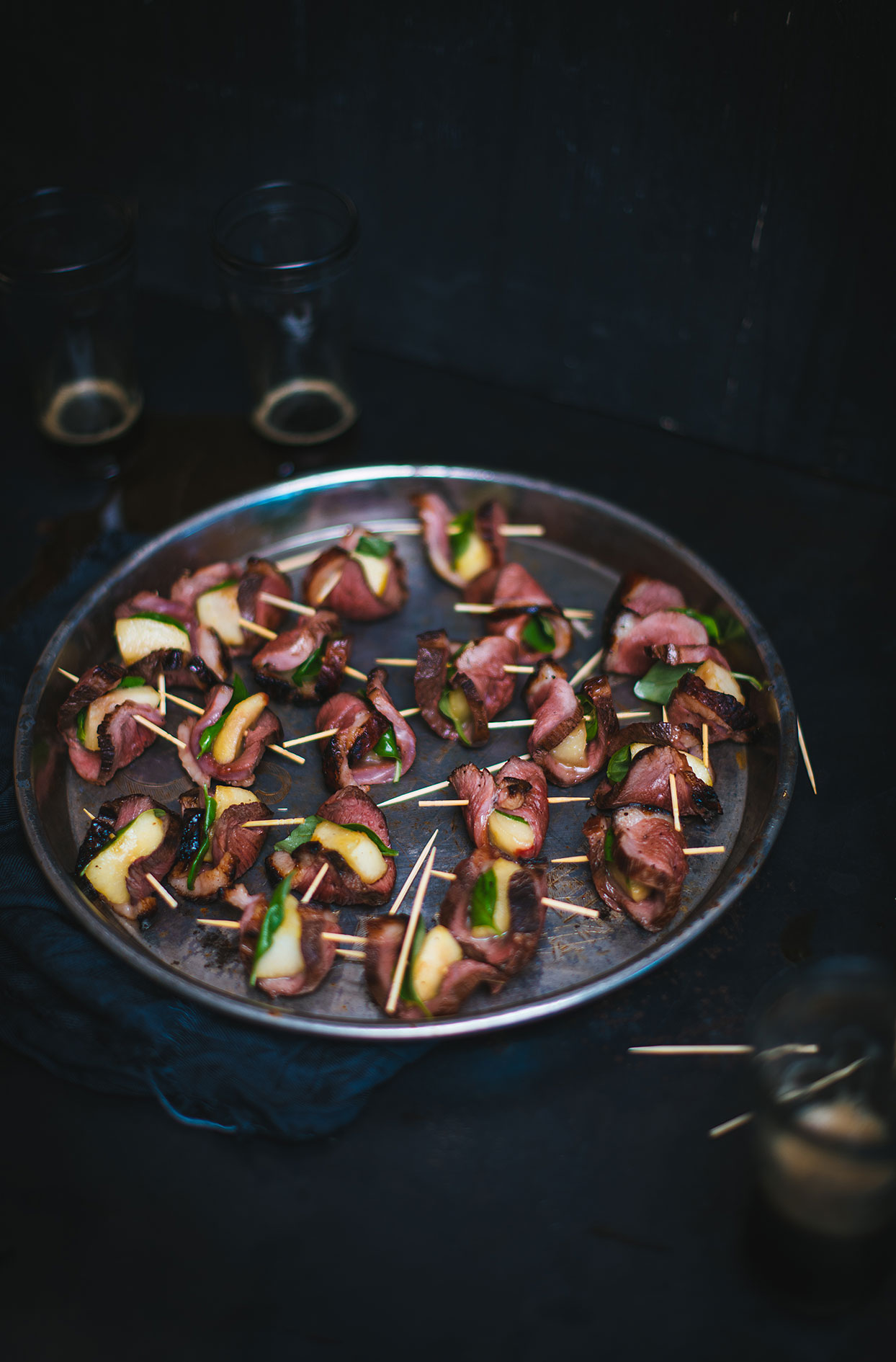
Duck changes from dish to dish. Confit and shredded, it's fat all the way to the bottom of the plate. Grilled breast or magret keeps its crust and loses a good part of its fat on the grill. With orange or Asian-style, it's yet another profile.
The beer follows the cooking, not the bird. Brown ale is our go-to: its long-cooked malt and dark caramel meet the richness of the duck, confit or grilled. Sour beer comes second, when you need acidity to cut through. For wine, a Burgundy Pinot noir, with a Syrah behind it.
Shredded confit calls for acidity, grilled breast calls for less, and lacquered orange or Asian-style duck brings its own sweetness. The page has a beer and wine pairing for each, and our duck recipes below.
This brown ale, with notes of dark caramel and toast, has a malt that recalls the slow cooking of confit. It meets the richness of duck that melts in your mouth, with no bitterness to rough it up. A winter dinner pairing, to enjoy without rushing!
The sour is tart and lively, without the caramel of the brown ale. It cuts through the duck fat instead of following it. Go for it with a confit served with fruit, or if you want something lighter.
This Burgundy pinot noir, with notes of cherry and forest floor, is fine and quiet, never trying to dominate. Next to a duck confit whose fat has melted right into the flesh, its freshness cuts through that fat while its fruit meets the fruit sauce on the side. Great for a Sunday night dinner!
The syrah is sturdier, with pepper and a firmness that dries out your mouth a bit more. Pick it for a duck confit served with a richer dark fruit sauce, where the fat needs more grip than the finesse of the pinot.
A manhattan brings together whisky and sweet vermouth, silky and warm, with a cherry at the bottom of the glass. Next to shredded duck confit, very rich and tender, with no crust, it has just the weight needed: the woodiness stands up to the fat, and the cherry gives the meat that little bit of fruit it loves. A festive dinner drink, taken without hurry.
Go for an old fashioned instead, whisky, sugar and bitters, if you want something more direct, without the vermouth or the cherry, to go with the melting meat.
Alcohol-free
Tart cherry juice topped with sparkling water
A meat with character, game, offal or smoked, has a deep flavour that needs something to push back. Tart and deep, it recalls a supple red wine and holds up to meats with character.
This amber ale, with notes of caramel and toast, has a mild bitterness. Next to a breast with really crispy skin, its malt meets the golden crust, and its bitterness cleans up the fat in the skin. The duck keeps its duck taste, without being drowned out!
The red ale is more caramelly and rounder than the amber ale: it meets the crispy skin and the pan juices. Go for it if your sauce is fruit-based or maple, or if you want very little hops with the duck.
This Burgundy pinot noir, with notes of cherry, forest floor and a little spice, is fine and fresh. Next to a breast with grilled skin, its acidity cuts the fat, and its lightness lets the pink meat speak. With less fat than in a confit leg, a fine wine is plenty.
The syrah smells like black pepper and blackberry, with more body than the pinot noir. Pick it if the duck comes with a peppery sauce or a bold jus: its pepper meets the sauce, and its firmness stands up to the skin.
The Manhattan, silky whisky, sweet vermouth and cherry, suits grilled duck breast or magret. The crisp crust is lighter on fat, so the cocktail brings the warm roundness that is missing without smothering the meat.
Alcohol-free version: Tart cherry juice and cold black tea, a cherry at the bottomThe cherry and the black tea recall the red vermouth and the whisky, with the same deep base.
This amber ale, with notes of caramel and toast, has a mild bitterness. Its malt meets the sticky glaze, whether sweet-and-sour or salty, and the bitterness keeps the sugar from settling in. The lacquered skin and the beer are almost the same colour, and the bite ends clean.
The saison is dry and peppery: it lifts the glaze instead of following it, as the amber ale does. Go for it if your lacquer is tangy, orange for example, or if the amber ale feels too sweet with a sticky glaze.
This pinot noir from New Zealand or Alsace, with notes of ripe cherry and raspberry, is supple and fresh. Next to a lacquered duck, its red fruit follows the orange or soy in the glaze, and its acidity cuts the fat in the skin. A bigger red would turn harsh against the sugar, while this one stays easy to drink.
The gewürztraminer smells like lychee, rose and ginger, with a round body and little acidity. Pick it if you'd rather have a white: its spice and fruit aromas follow the orange and ginger in the glaze.
The Old fashioned tastes of whisky, sugar and bitters, slow and woody. With orange-lacquered or Asian-style duck, sticky glaze, sweet-tart or savoury, it follows the sweetness of the lacquer without adding weight.
Alcohol-free version: Smoky black tea, maple syrup and orange peel over one big ice cubeAn old fashioned is oak, a little sugar and orange: smoky tea and maple do the same.
Whole roast duck has crisp skin, rich flesh and a fruit sauce that is both sweet and sour. Amber ale has a caramel and toasted bread malt, with little bitterness. That caramel echoes the golden skin and the sweetness of the sauce, and its roundness stands up to the richness without overpowering the meat.
Red ale has more hazelnut and a slightly fuller body. Take it if the sauce is very fruity or thick: its round malt supports it, and it loves a really crisp skin.
Burgundy Pinot noir smells of cherry, raspberry and forest floor, with a light body and a bright acidity. Against the richness of roast duck, that acidity cuts, and its red fruit goes with the fruit sauce without hiding it. A heavier red would flatten the meat, whereas this one leaves the crisp skin and the sauce in front.
Rhône Syrah smells of blackberry, black pepper and a little smoke, with a medium to full body. Take it if the sauce is spicy or the skin is very golden: it has the body to stand up to it.
The Manhattan mixes whisky and sweet vermouth, silky, with its cherry. With a whole roast duck and fruit sauce, rich, crisp-skinned, sweet and tart, it holds the fat and picks up the fruit of the sauce in the vermouth.
Alcohol-free version: Tart cherry juice and cold black tea, a cherry at the bottomThe cherry and the black tea recall the red vermouth and the whisky, with the same deep base.
The buttery crust wraps rich duck and warm spices, a bit like in a tourtière. Red ale has a caramel and hazelnut malt, a round body and a discreet bitterness. That round malt answers the butter of the crust, and its caramel gets along with the spices, without weighing down a dish that's already rich.
Amber ale is a little drier and lighter than red ale, with a more discreet caramel. Take it if your pie is served with a salad or a chutney, because it leaves more room for the acidity.
Burgundy Pinot noir is a light red that smells of cherry, strawberry and fresh earth, with a lovely acidity and very little dryness. That acidity cuts the butter of the crust and the richness of the duck, and its red fruit goes well with the warm spices. The tender crust doesn't turn bitter, and the wine stays light despite the richness.
Beaujolais Gamay smells of cherry, strawberry and flowers, light and crisp, almost without dryness. Take it if your pie is served warm or with a chutney: its lively fruit refreshes every bite.
The Manhattan, whisky and sweet vermouth, silky with its cherry, echoes the warm spices. With duck in a tourtière or pie, buttery crust and spiced fat, it warms rather than cuts, a pairing built on a shared note.
Alcohol-free version: Tart cherry juice and cold black tea, a cherry at the bottomThe cherry and the black tea recall the red vermouth and the whisky, with the same deep base.
Foie gras is very rich, melting and almost sweet. It needs a rich beer that doesn't fade away. Strong ale is rich and malty, with caramel, dried fruit and raisin. Its richness stands up to the fat, and its sweetness joins the melting texture of the liver without dominating it.
Brown ale has a dark malt, caramel and a little chocolate, with a lighter body than strong ale. Take it if your foie gras is seared, because the browning from the pan loves that roasted malt.
Alsace Gewürztraminer smells of lychee, rose and sweet spices, with a round body and a slightly sweet side. Against foie gras, that perfume makes a pretty contrast with the richness, and the little bit of sugar follows that of the liver. Nothing dries out the mouth, so the foie gras stays melting, and the wine has enough body not to fade before its richness.
Quebec Vidal, a sweet wine, smells of apricot, honey and pineapple, with an acidity that refreshes. Take it if your foie gras is a terrine with a fruit or a chutney: it plays like a lively jam alongside.
The Manhattan is whisky softened by sweet vermouth, silky, with the cherry at the bottom. With seared or terrine foie gras, very fatty, sweet and rich, it matches the richness while the whisky keeps the fat in check.
Alcohol-free version: Tart cherry juice and cold black tea, a cherry at the bottomThe cherry and the black tea recall the red vermouth and the whisky, with the same deep base.
The stew or cassoulet is slow, rich, with tender beans, sausage and duck that has simmered. Brown ale has a dark malt, caramel, hazelnut and a little cocoa, with little bitterness. Its roasted malt joins the caramelized base of the dish, and its body holds up against the sausage without overpowering it.
Red ale is lighter and rounder, with caramel and hazelnut. Take it if your cassoulet is heavy on sausage: it stays fresher, and you reach more willingly for a second glass.
Cahors Malbec smells of black plum, blackberry and violet, and it's sturdy, with a firm tannin that dries out the mouth. With a cassoulet, that dryness is an asset: it cleans the richness of the duck and the sausage with every sip. Its dark fruit also stands up to the simmered beans and the juices of the dish.
Rhône Syrah is a dark, peppery red with ripe black fruit, a smoky note and a generous body. Take it if you want a red that's a little softer than the Malbec, but still goes with the richness and the sausage.
The Manhattan blends whisky and sweet vermouth, silky and warm, with a cherry at the bottom. Next to duck in a stew or cassoulet, slow-cooked, rich, full of beans and sausage, it stands up to the fat without being flattened.
Alcohol-free version: Tart cherry juice and cold black tea, a cherry at the bottomThe cherry and the black tea recall the red vermouth and the whisky, with the same deep base.
Peking-style duck means a lacquered, crisp skin, pancakes and a sweet and salty hoisin sauce. Amber ale tastes of caramel and golden bread, with a medium body and a discreet bitterness. That caramel follows the sweetness of the sauce, and its medium body doesn't get flattened by the crisp skin or the salt.
Burgundy Pinot noir smells of cherry, raspberry and forest floor, with a light body and a bright acidity. With lacquered duck, that acidity cleans the richness of the skin, and its red fruit goes with the sweetness of the hoisin sauce. It stays light, so the pancakes and cucumber don't drown it.
Alsace Gewürztraminer smells of lychee, rose and ginger, with a round body. Take it if your hoisin is quite sweet or a little spicy: its perfume answers the sauce and its roundness softens the salt.
The Moscow mule is vodka, lime and ginger beer, spicy and fresh. With Peking-style duck, pancakes and hoisin, it freshens the crisp skin and the sweet-salty sauce, and the ginger echoes the hoisin.
Our recipe → · Alcohol-free version: Ginger beer and lime, in a copper mug if you have oneA Moscow mule is already ginger beer and lime: without the vodka, it still bites.
Maple on duck and the dark caramel of a brown ale are the same cooked-sugar note in two places. The beer is round without being heavy, so it follows the bite instead of covering it. The apple and basil keep enough freshness that it never turns cloying.
This blend of 55% Grenache, 30% Syrah and 15% Cinsault shows lovely fruit that is just ripe enough, with floral and spicy notes, a fairly light body and supple tannins. It lets the dish speak without taking over, a very nice pairing of flavours.
A brown ale, for once not a big one. Hazelnut, caramel and toasted bread, a dense body but only 5.3% that doesn't weigh down the meal. Its roasted malt goes after the golden skin and the apricot beer base from the roasting pan, and its dry finish cleans the fat between bites of my homemade duck confit. This one, you serve cold and you go back for more.
Duck confit comes from the Southwest, and so does Madiran: no need to look further. Alain Brumont's Tannat brings tannins that bite into the fat instead of lying down in it, and dark fruit dark enough to follow the shredded meat. Open it an hour ahead and serve my homemade apricot beer duck confit with it. It's made for this!
The lacquered skin turns almost black in the oven, and that's where the brown ale comes in. Its roasted malt speaks directly to that glaze, and its ripe small fruits slip in next to the blood orange without casting a shadow on it. A lighter brown ale, around 4 or 5%, lets the duck stay the star.
Lacquered duck has sweet, shiny skin, and the blood orange brings its acidity. This pinot noir, from Baden in Germany, goes for the fruity side: cherry and red fruit typical of the grape, supple tannins that don't push around the duck meat. A red that follows the fork instead of getting ahead of it. Serve it slightly chilled.
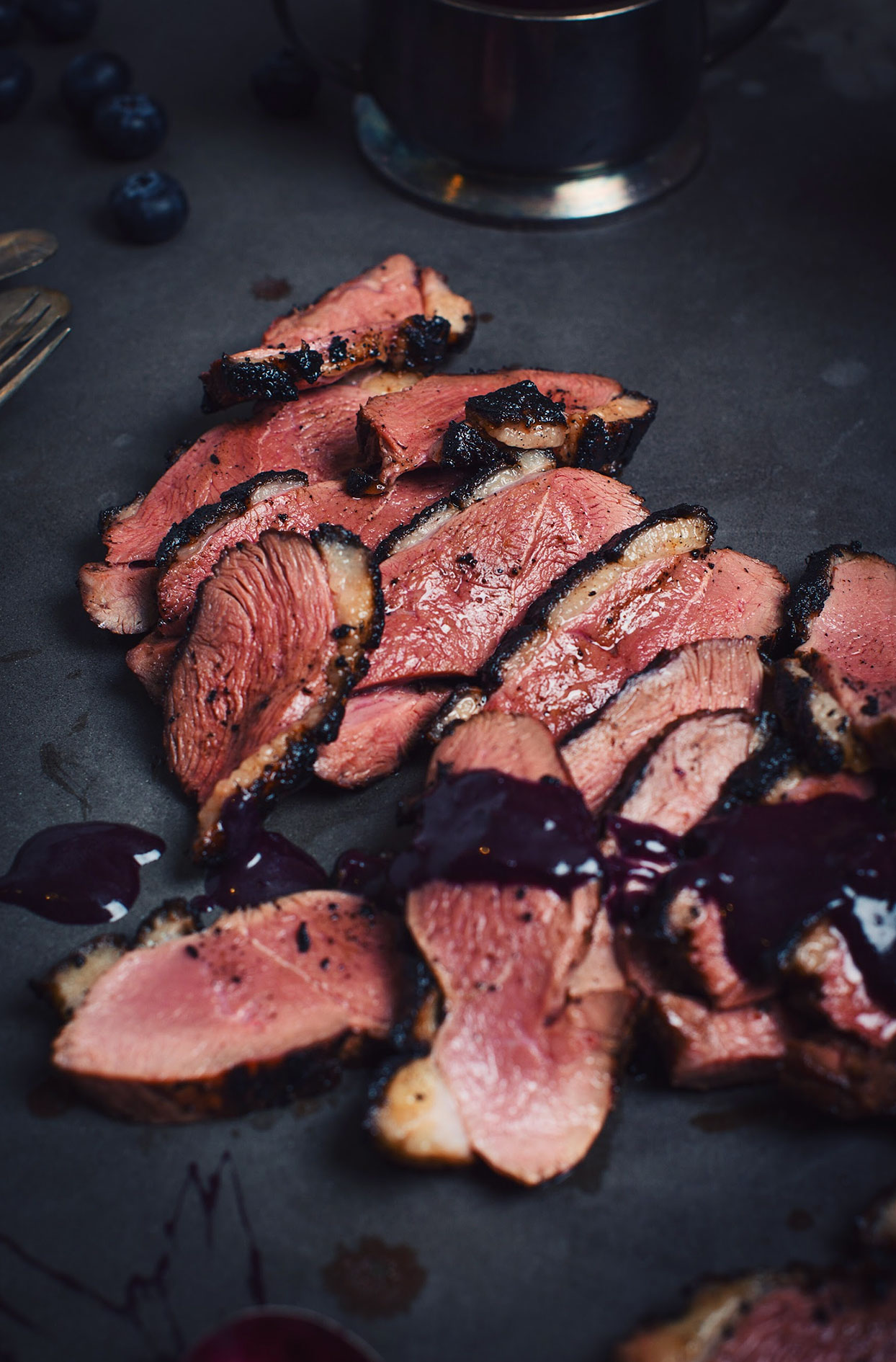
A classic, this Madiran from Alain Brumont, with hints of blackcurrant, dark fruit and graphite. Great to serve with a hearty dish like these duck breasts.
Confit duck is rich, and honey on top doesn't help the palate. The New Zealand hops in this saison give citrus, white grape and a honeyed note that follow the apples, while the dry finish goes after the duck fat. An appetizer bite that stays lively.
With the slight sweetness from the caramelized apples and the honey, this Alsatian blend will shine. Fragrant, fruity and floral, a real charmer that will please everyone at cocktail hour.
Char siu is sugar caramelizing on the skin until it sticks to your fingers. A low-alcohol brown ale arrives with toast and berries, and it holds up to that glaze without playing louder than it. Since it goes down easily, you take another sip between every leg.
A classic, this Madiran from Alain Brumont, with notes of blackcurrant, dark fruit and graphite. Perfect to serve with a hearty dish like these duck legs.
Duck, bacon and apples between two toasted slices: rich, sweet and salty all at once. The citrus and white grape notes of this saison follow the apple, and its honeyed touch clings to the caramelization. Dry finish, duck fat sorted.
With the slight sweetness from the caramelized apples, this Alsatian blend will shine. Fragrant, fruity and floral, a real charmer that will please everyone with this top-tier sandwich.
A hot chicken is brown gravy on toasted bread. The malt in a brown ale tastes the same: toast, hazelnut, caramel. It has enough body to follow the confit duck and the port cheese, and enough dryness that the third bite doesn't feel heavy.
With the confit duck hot chicken and Perron cheese with port, this cabernet sauvignon is a natural choice. Its notes of cassis, spice and mocha support the richness of the dish, while its structure balances the meltiness of the cheese and brings just enough freshness to keep everything in harmony
This raspberry stout brings notes of coffee, cocoa, roasted grain and a little fruit. Its roasted side goes after the brown gravy, the duck confit and the chorizo, while the slightly tart raspberry freshens up the richness of the melted cheese. A beer with character for a dish that has plenty. A blizzard-night supper, eaten with both hands!
Duck confit and red berries have always gone together, and this sour with blackcurrant and blackberry adds tannins that remind you of wine. Its acidity cuts through the richness of the pasta and offsets the bitterness of the rapini. Serve it very cold, in small sips.
This very fine Chinon will be a pleasant companion for this duck confit linguine. With notes of pepper, blackberry, blackcurrant, leather and green pepper, it's a delicate, refined Chinon that draws a nice parallel with the bitterness of the rapini and shows the dish off.
This English inspired brown ale gives you notes of hazelnut and roasted malt that meet the brown ale caramel already hidden in the duck. Its discreet bitterness cleans the palate between two spoonfuls of browned mash
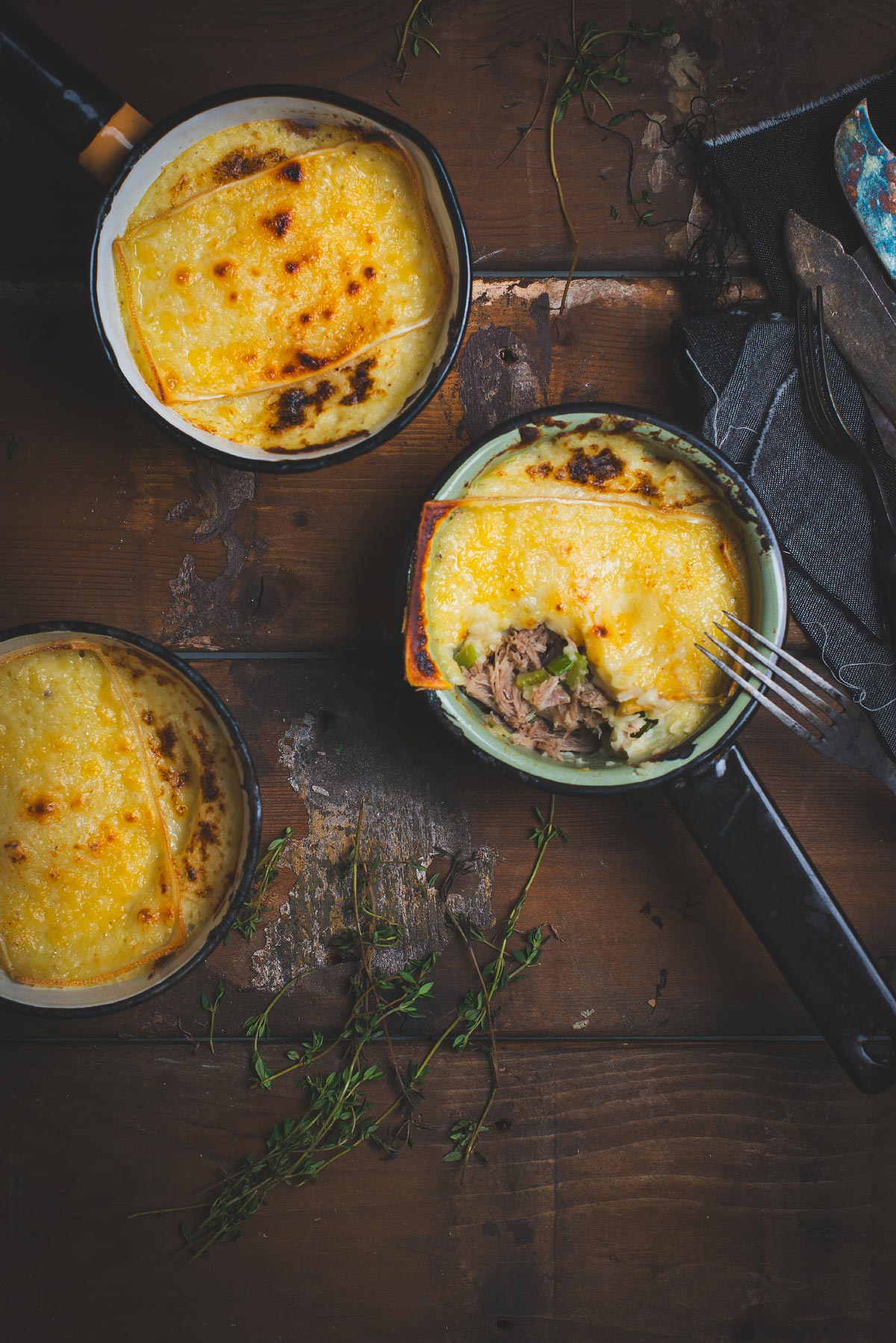
With my duck confit shepherd's pie, this grenache is a great fit. Its notes of dark fruit and soft spice meet the duck without ever crushing it, and its warmth in your mouth stands up to the raclette gratin. A Spanish Grenache built for a dish this generous. Serve it barely chilled, about fifteen minutes in the fridge before sitting down
The orange is in the sauce, the orange is in the beer. A gose with citrus and coriander follows the same line, and its gentle acidity tracks the sauce's without going higher. The salt, for its part, deals with the fat melting under the duck skin and keeps the dish lively until the end of the meal.
This vin de France is 100% Mauzac, with 3 weeks of skin maceration. Dense, tannic and long on the palate, it has a pronounced vegetal character, with aromas of dried flowers, tea, bay leaf and pear. It's ideal with white meat dishes, and here it will be sturdy enough to support the duck, and above all, its notes will go very well with the orange and the witbier.
A classic, this Madiran from Alain Brumont, with hints of blackcurrant, dark fruit and graphite. Great to serve with a hearty dish like these duck breasts.
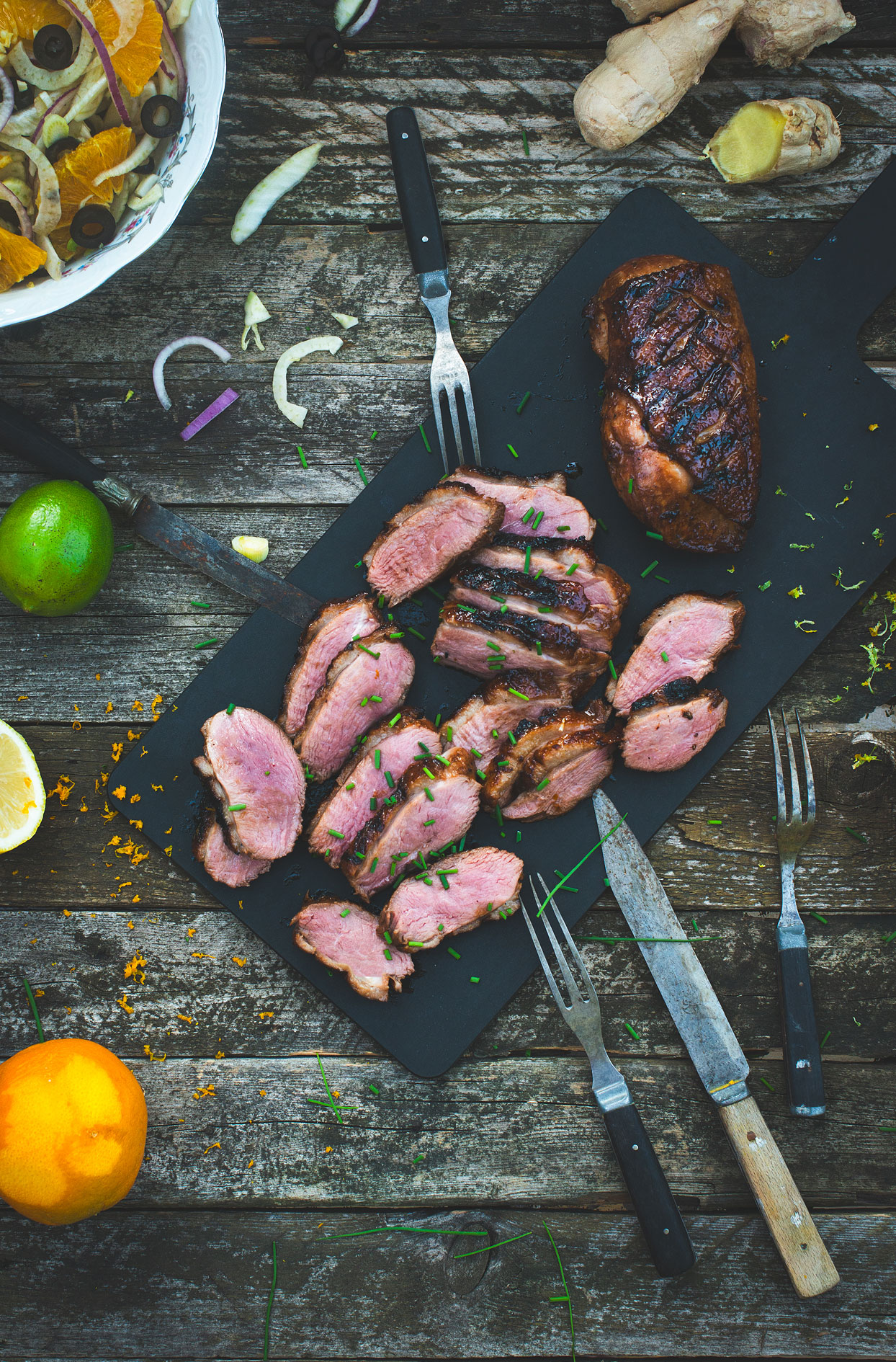
A gose, that tart, salty wheat beer with coriander seed, orange and pomegranate, goes really well with these grilled duck breasts. Its orange notes echo the orange in the marinade, and its light acidity lines up with the tang of the sauce. Orange from start to finish.
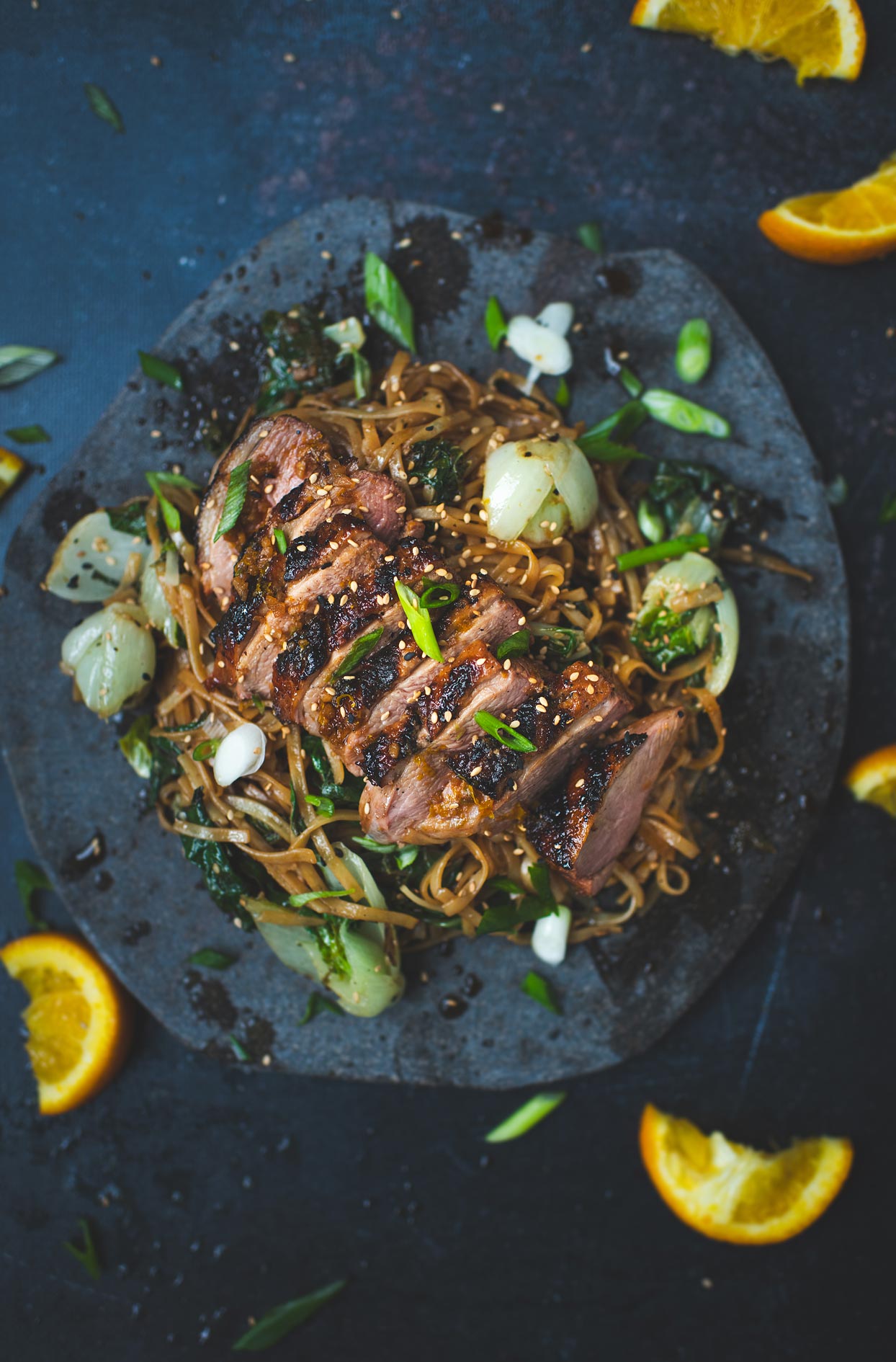
A Beaujolais like the Château Cambon, with its notes of candied cherry, raspberry, peony and licorice, pairs beautifully with these Asian-style grilled duck breasts. This wine brings fruity aromas that complement the sweetness of the honey and hoisin marinade, while its floral notes echo the fresh ginger.
This supple, fruity Pinot Noir, all cherry and soft spice, suits my orange grilled duck breasts perfectly. Its light tannins leave all the room to the rosy meat and the sweet-and-salty sauce, without ever crushing it. An accessible red that bridges the citrus and the lacquered side of the duck.
Maple-grilled duck is rich and sweet, but the meat stays fine. A golden ale made with European malts gives the roundness needed to follow the glaze, and its noble hops clean the fat on the finish. A restrained pairing: the beer never tries to talk louder.
Grilled duck breast, golden skin lacquered with maple: fat, sweetness, a little smoke. This pinot noir, from Baden in Germany, goes with the duck: cherry and red fruit typical of the grape, soft tannins that don't hide the meat. The maple sweetness finds its fruit. Slice on an angle, serve right away.
Duck confit, foie gras and cheese curds on the same plate: time to bring out the heavy artillery. The calvados barrel-aged tripel is dry, with wild notes of apple, clove and oak. Its fruitiness lightens the dish and its alcohol cuts straight through the fat. A small portion of each, and the evening is a success.
The BBQ duck is lacquered, and the halloumi grills up and squeaks against the teeth. A brown ale, with toast, hazelnut and caramel, stands in for the drizzle of maple syrup that often goes on this cheese. The whole dish lives on the same golden browning, the beer included.
This Loire gamay, with notes of cherry and strawberry, keeps a lovely freshness for a red. It cuts through the fat of the fries and the brown gravy, and its fruit leaves room for the smoky BBQ duck. As for the salty halloumi, the fruit in the wine softens it. A poutine that doesn't sit like a brick, if you serve the wine just slightly chilled!
The homemade cured meat is salty and concentrated, and it needs something tart next to it. The sour with haskap berries gives small berries and a winey base that go with the duck breast the way a confit would, and its vegetal notes follow the fresh herbs in the coating.
This Cerasuolo di Vittoria, 60% Nero d'Avola and 40% Frappato, is really very charming. On spicy, floral, fruity notes of small red fruits ripened just right, it also shows forest floor and light tobacco. Superb with a cured meat like prosciutto and a tasty meat like duck, it will make a balanced and flavourful pairing.
Duck confit and grilled pancetta are fatty and salty, and the gratin on top doesn't help. A brown ale with a real hazelnut character brings roasted grain and a little residual sugar for the tomato sauce. The roastiness leads the pairing from one end to the other, and the dish comes away lighter than it looks.
A wine from the Grenache grape, from the Cariñena region of Spain, with complex aromas of plum, blackberry and graphite. The tannin is fine, silky-grained, even a bit stocky. The wine has chew, a liveliness that keeps it fresh and a nice long, lingering finish. A wine in harmony with the flavours of the duck confit and the pancetta!
An abbey-style brown ale brewed in Baie-Saint-Paul, smooth and barely bitter, with notes of plum, caramel and peppery spice. Its 8% carries the duck fat instead of suffering it, and the candied fruit plays the role of the jam you'd put next to the jar. With these beer-braised duck confit rillettes, this bottle carries the whole aperitif.
An organic Ventoux, mostly grenache, squarely in the dark fruit: blackberry, black cherry, a breath of blueberry. The acidity is there, the finish is dry, and that's exactly what most reds opened with fatty food are missing. Served around 16°C, it cuts through these beer-braised duck confit rillettes without flattening the rosemary or the maple.
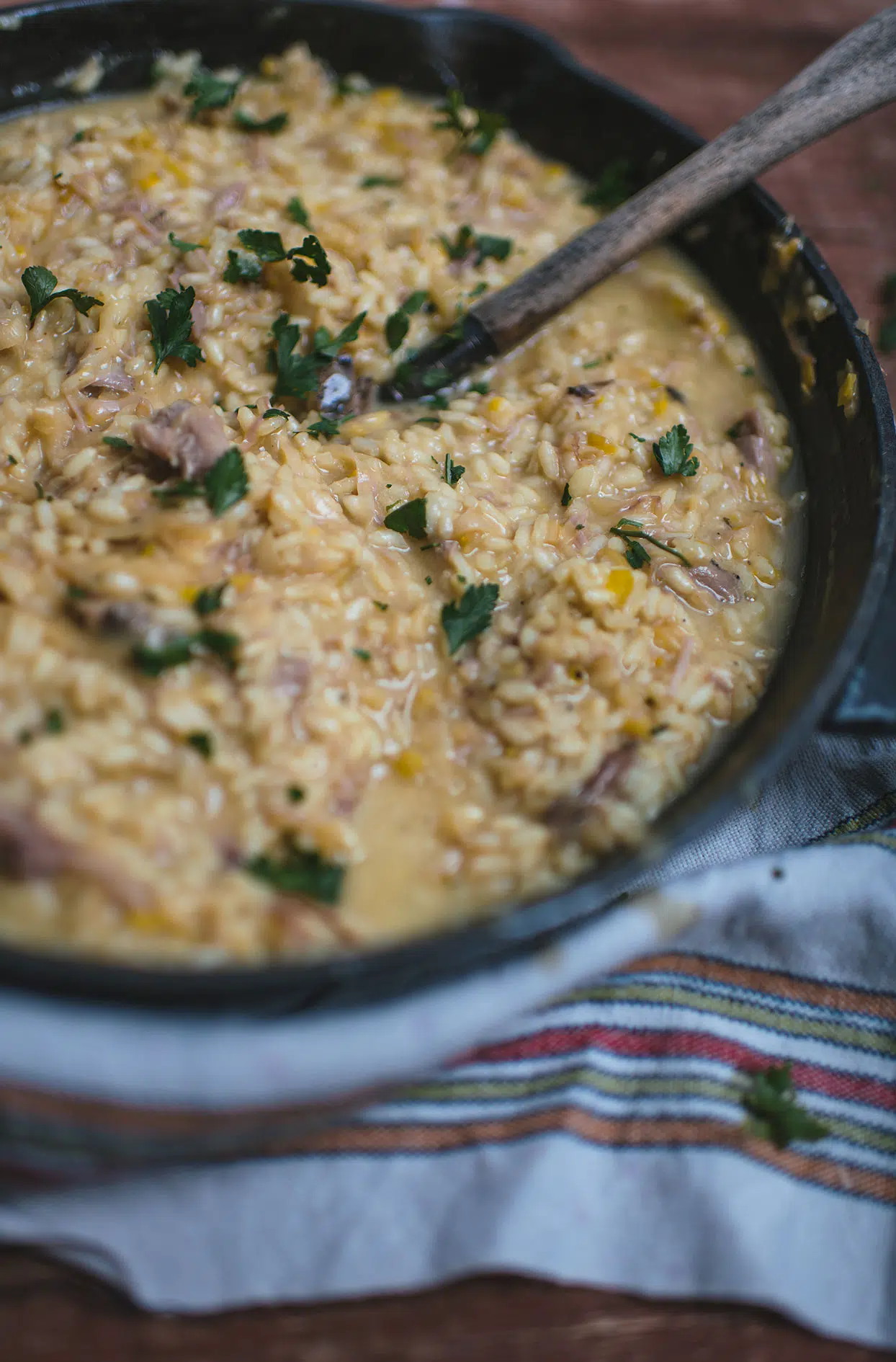
The leeks and the risotto were built with red ale, so the glass keeps the recipe going. This ESB brings toasted bread, caramel and a hint of candied orange that meets the parmesan. Round enough to go with a risotto, bitter enough to cut the confit duck.
This magnificent Languedoc-Roussillon, Côtes Catalanes is made of 45% Carignan, 45% Grenache and 10% Mourvèdre. It's a seriously good wine, showing notes of ripe red fruit and fresh and dried herbs. It's elegant, fine and deep, its tannins are silky, and the finish is long and smooth. A must with a duck risotto like this one!
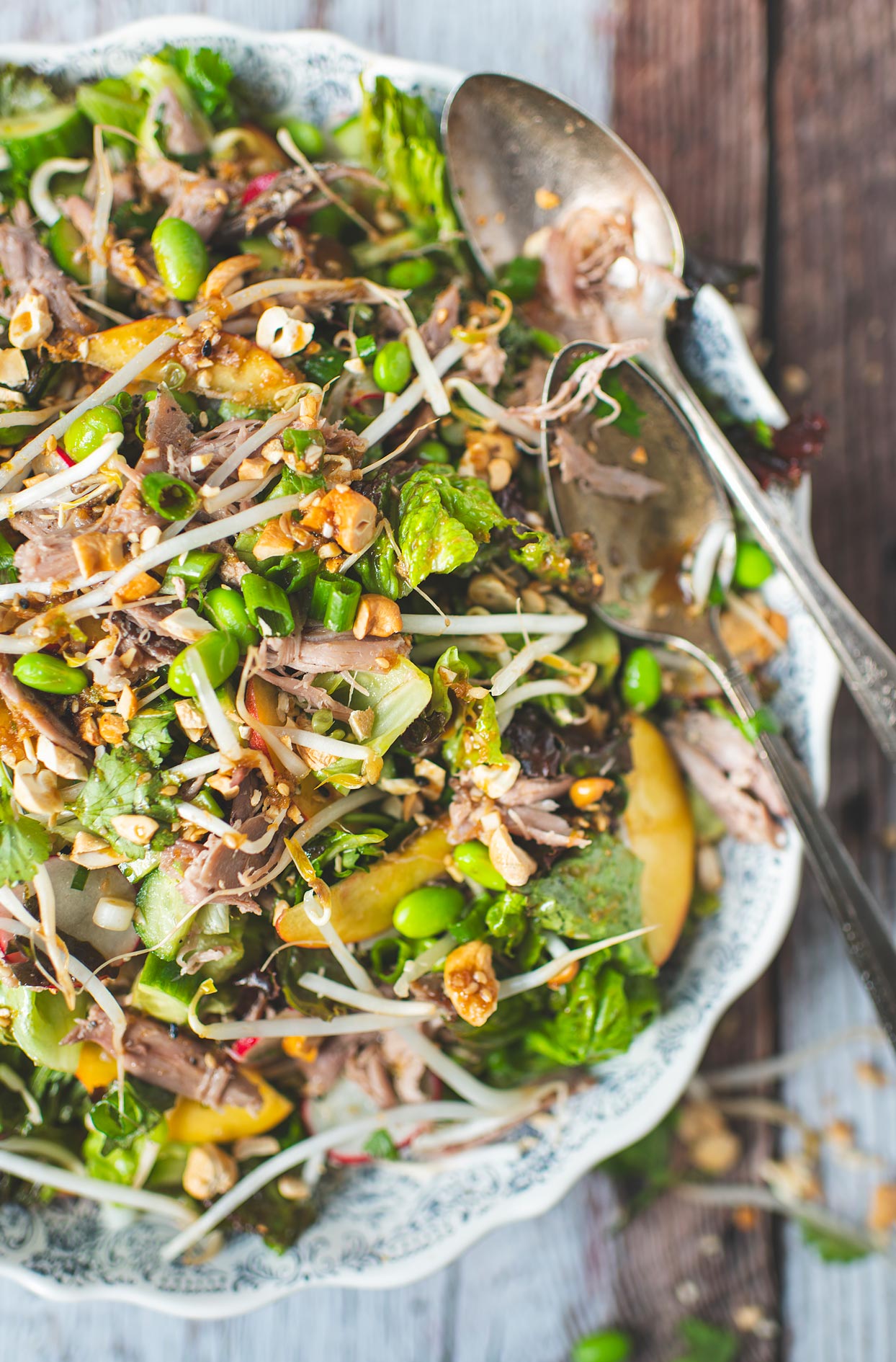
This witbier, with its coriander and orange, is lively and thirst-quenching, and it goes really well with this Asian salad with duck confit and peaches. It cleans your palate between every sweet and salty bite.
This off-dry white of muscat and gewürztraminer, all tropical fruit and floral notes, is a wonderful match for my Asian duck confit and peach salad. Its light residual sugar echoes the juicy peaches and calms the richness of the duck confit.
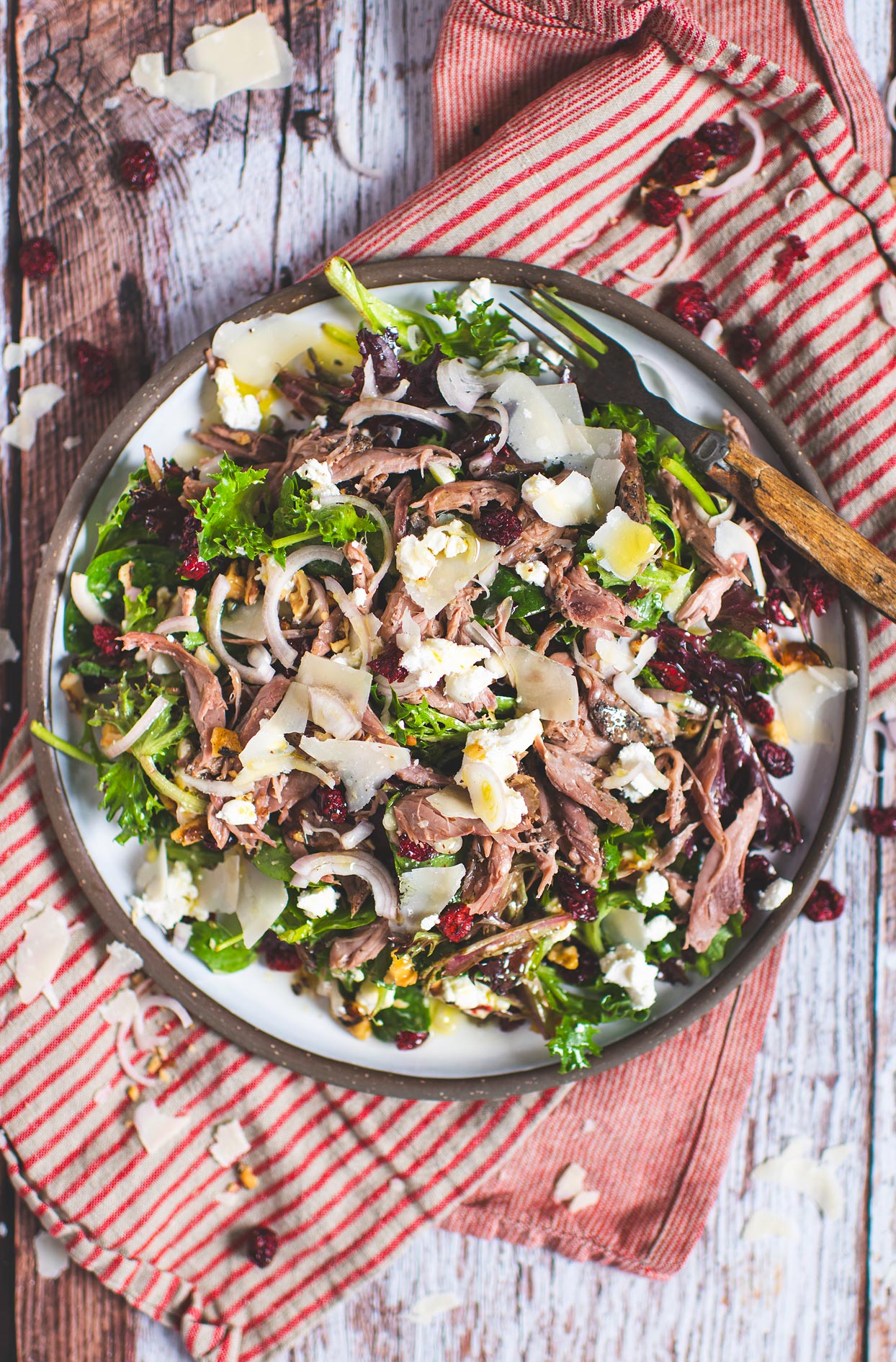
An amber lager with apple, grain and light caramel notes goes really well with this duck confit salad with goat cheese and honey vinaigrette. The fruity side matches the dried cranberries and the sweetness of the honey, and the light caramel suits the rich duck. Its fizz cuts through the creamy goat cheese and refreshes your palate between bites.
Pinot noir is the classic partner for duck, and the one from Burg Ravensburg, a red from Baden in Germany, keeps a fresh cherry fruit. It cuts the fat of the duck confit, follows the honey in the dressing and leaves room for the goat cheese. A salad that looks light and ends up a proper supper!
Warm duck breast, cider and maple make a richer than average salad. A golden ale with European malts has the roundness to follow the vinaigrette, and its noble hops lighten the fat of the duck. The greens keep their freshness, the beer doesn't come crush them.
A duck breast salad with cider and maple giving the sweet and sour: it's a salad with body. This pinot noir, from Baden in Germany, keeps the table fresh with the red fruit typical of the grape and its supple tannins. The duck has fat, the wine smooths it, the salad stays lively. Slice the duck thin, and pour.
Cooked pear and duck confit are sweet and rich at the same time. A low-alcohol maple brown ale that isn't too sweet sits on top of that without adding to it. Its roasted notes go after the sausage skin, and its slim finish keeps the dish from sticking to the palate.
This Loire gamay, with notes of cherry and strawberry, is a light red with a hint of damp earth. It won't be flattened by the fat of the pork and the duck confit, and its fruit reaches for the pears, juniper and fennel in the sausages. Serve it just slightly chilled, with sausages straight off the barbecue!
Braised flank steak, duck confit, golden crust and cheese: the tourtine stacks up the fat, and it takes something to get through it. The caramel malt of this mahogany amber ale wraps the meat, and its well-measured bitterness cuts the confit without taking anything from the pastry. The kind of dish that asks for a second plate, and the beer keeps up.
This Spanish grenache will bring an explosion of fruit with a nice oaky side. Jammy notes, a taste of sweet spice and a long, generous, lingering finish. Perfect for this decadent tourtine.