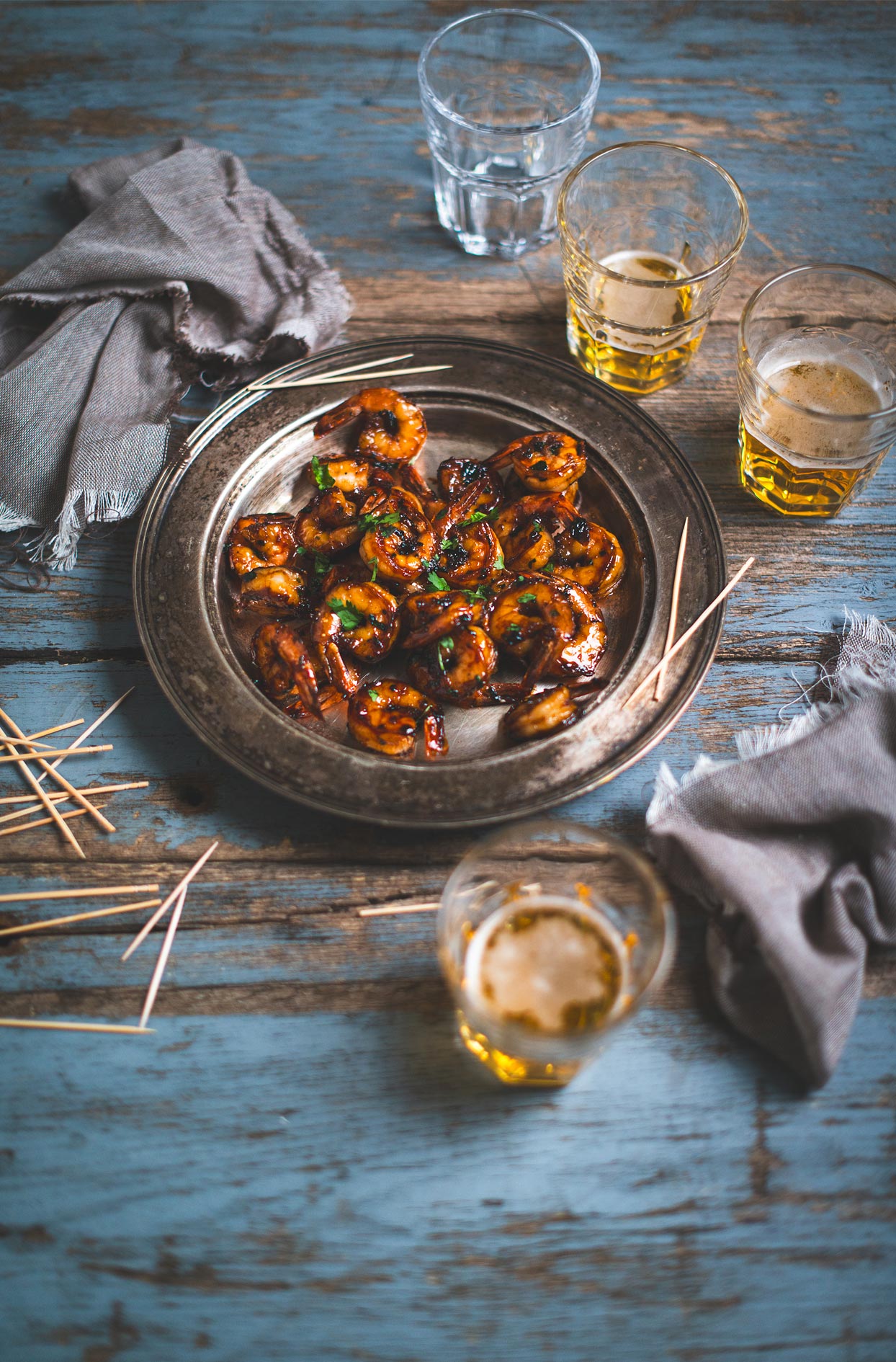
Riesling is all sharp acidity and citrus, green apple, sometimes peach. No tannin, no oak. Depending on the bottle it finishes dry or with a little leftover sugar, and that leftover sugar is what does the work at the table.
It grows in Alsace, Germany and Austria, mostly in cool regions. With spicy chicken wings, banh mi or dumplings, the sugar calms the heat and the acidity cuts the fat. Kimchi and ramen hold up well too.
The trap: picking a bone-dry bottle for a very spicy dish. It turns hard and thin. And skip it next to a steak.
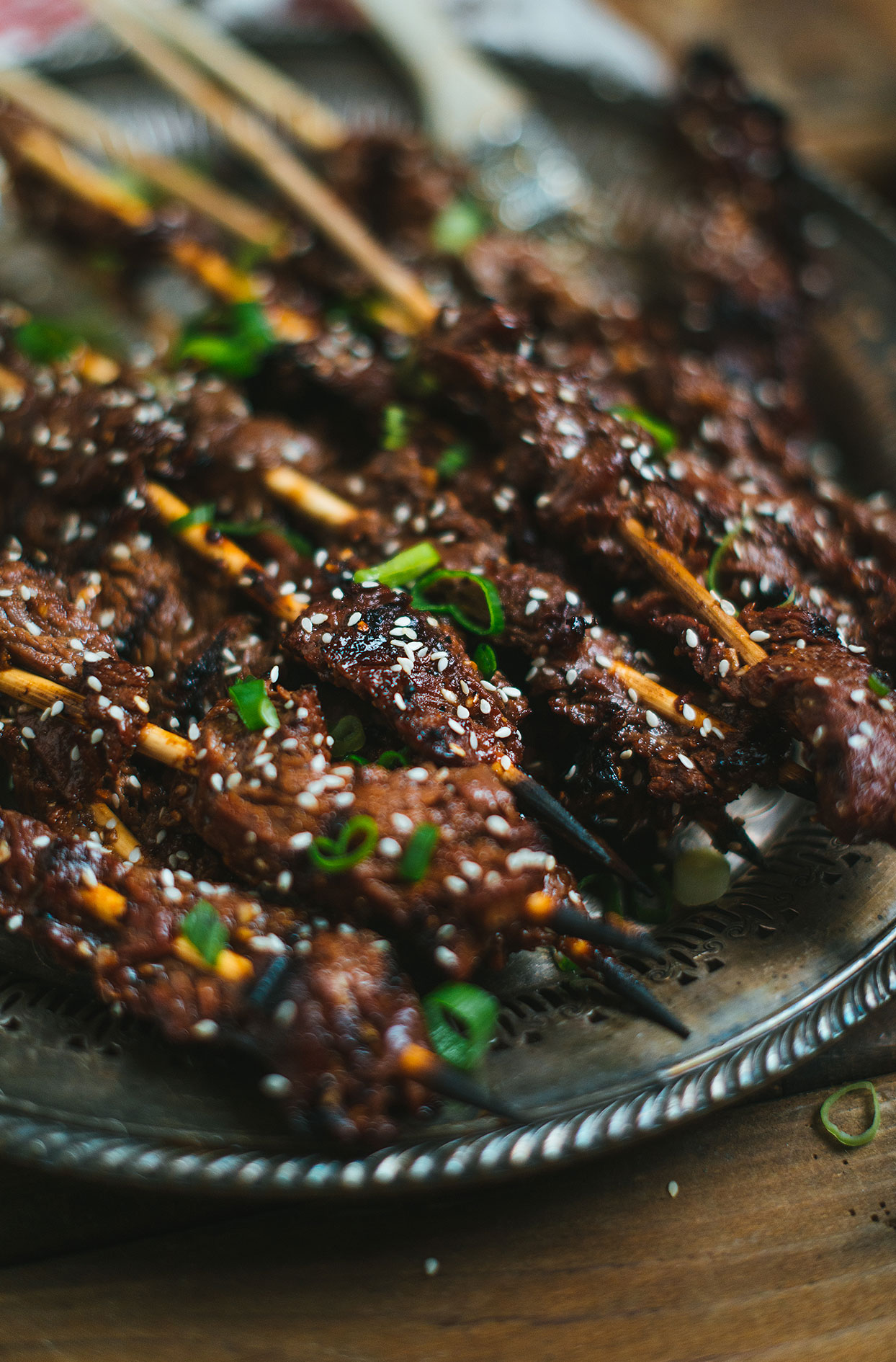
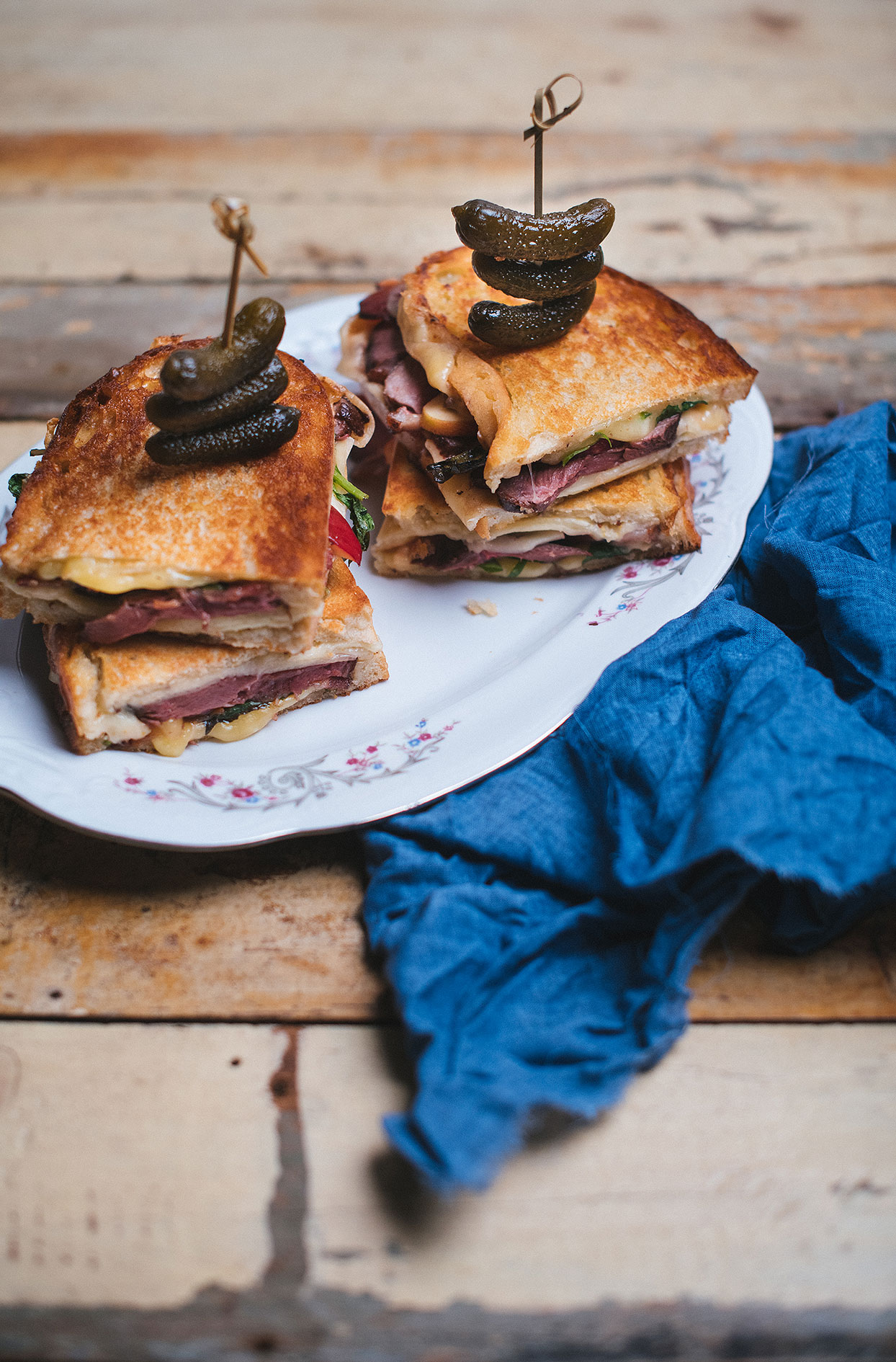
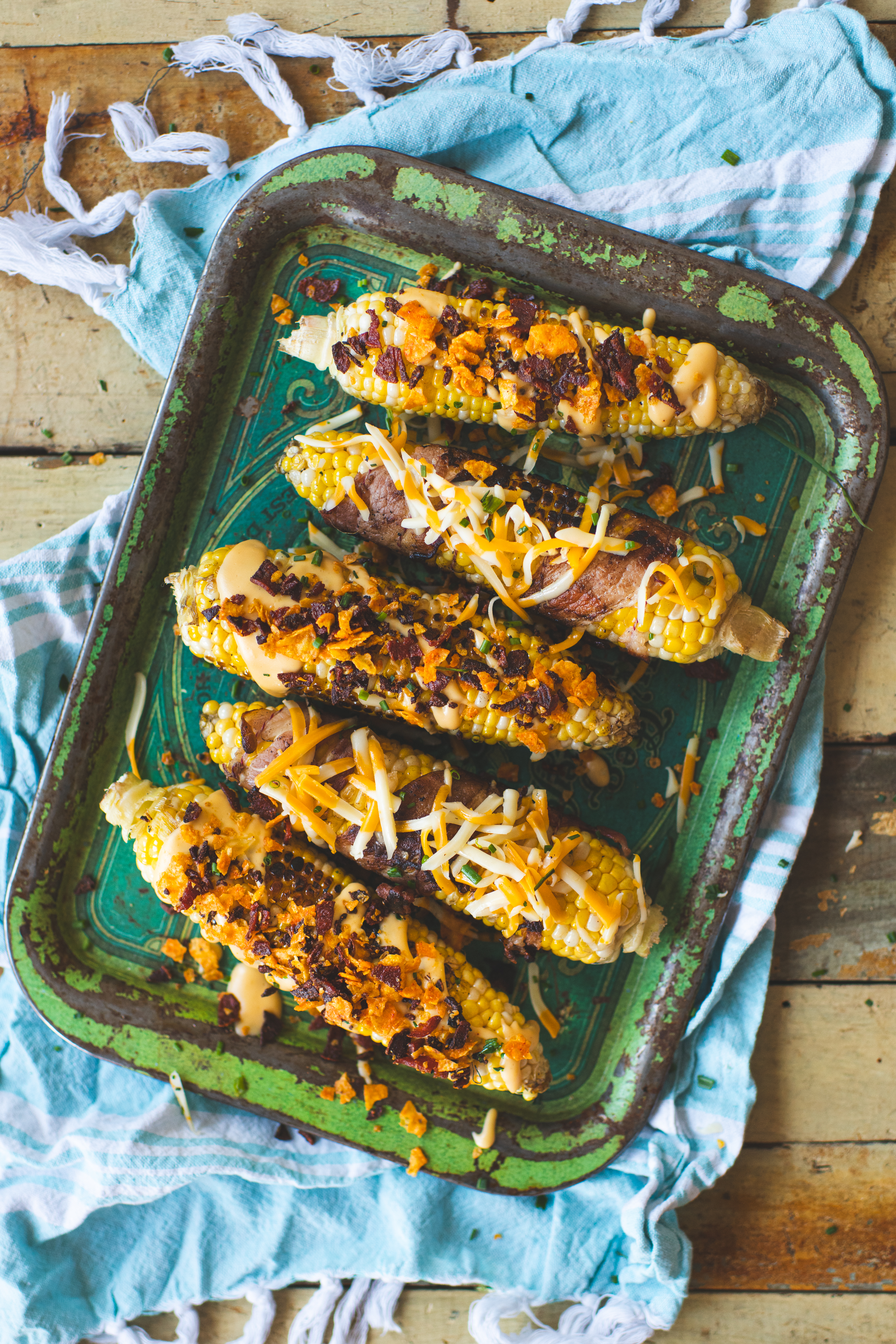
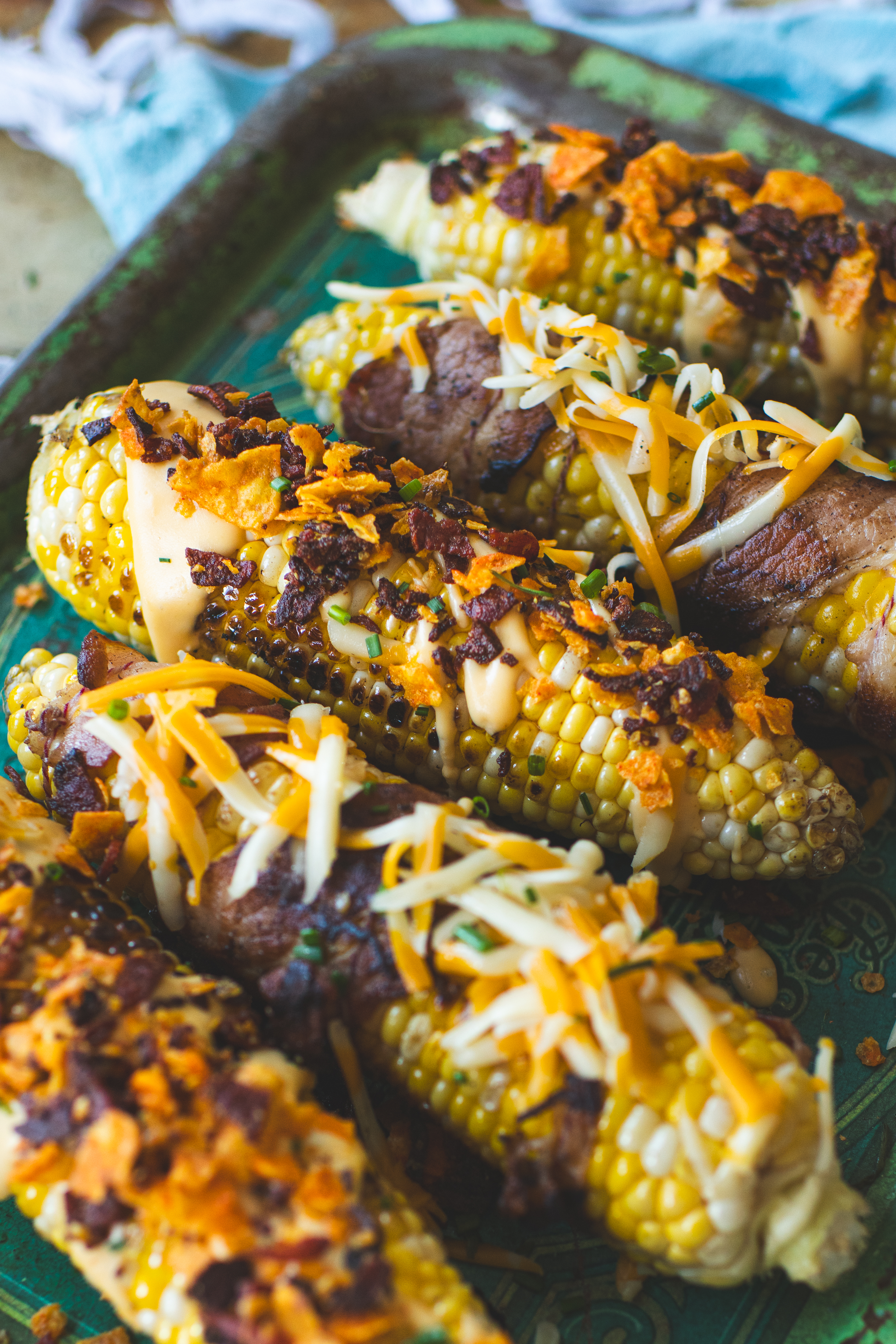
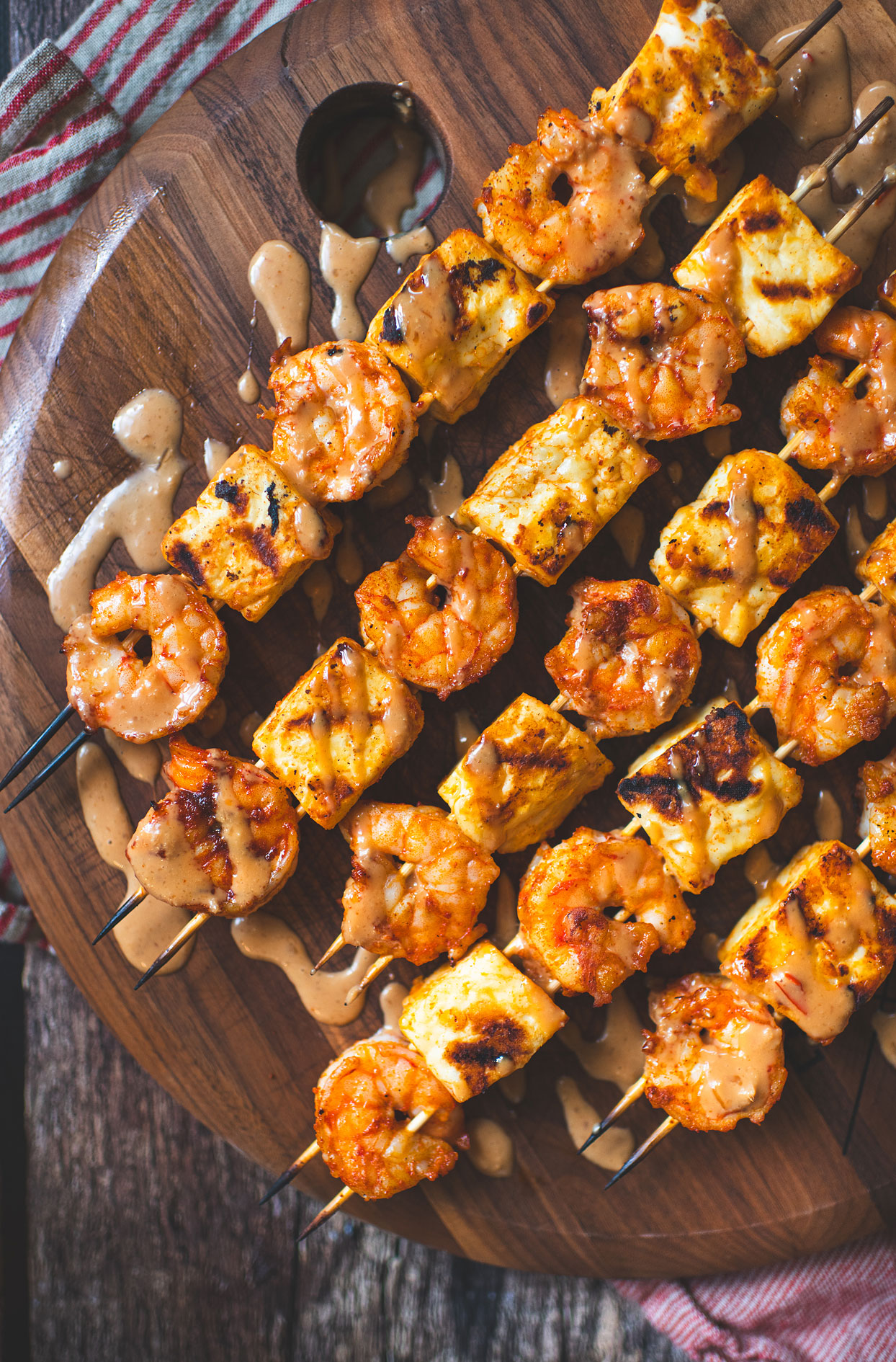
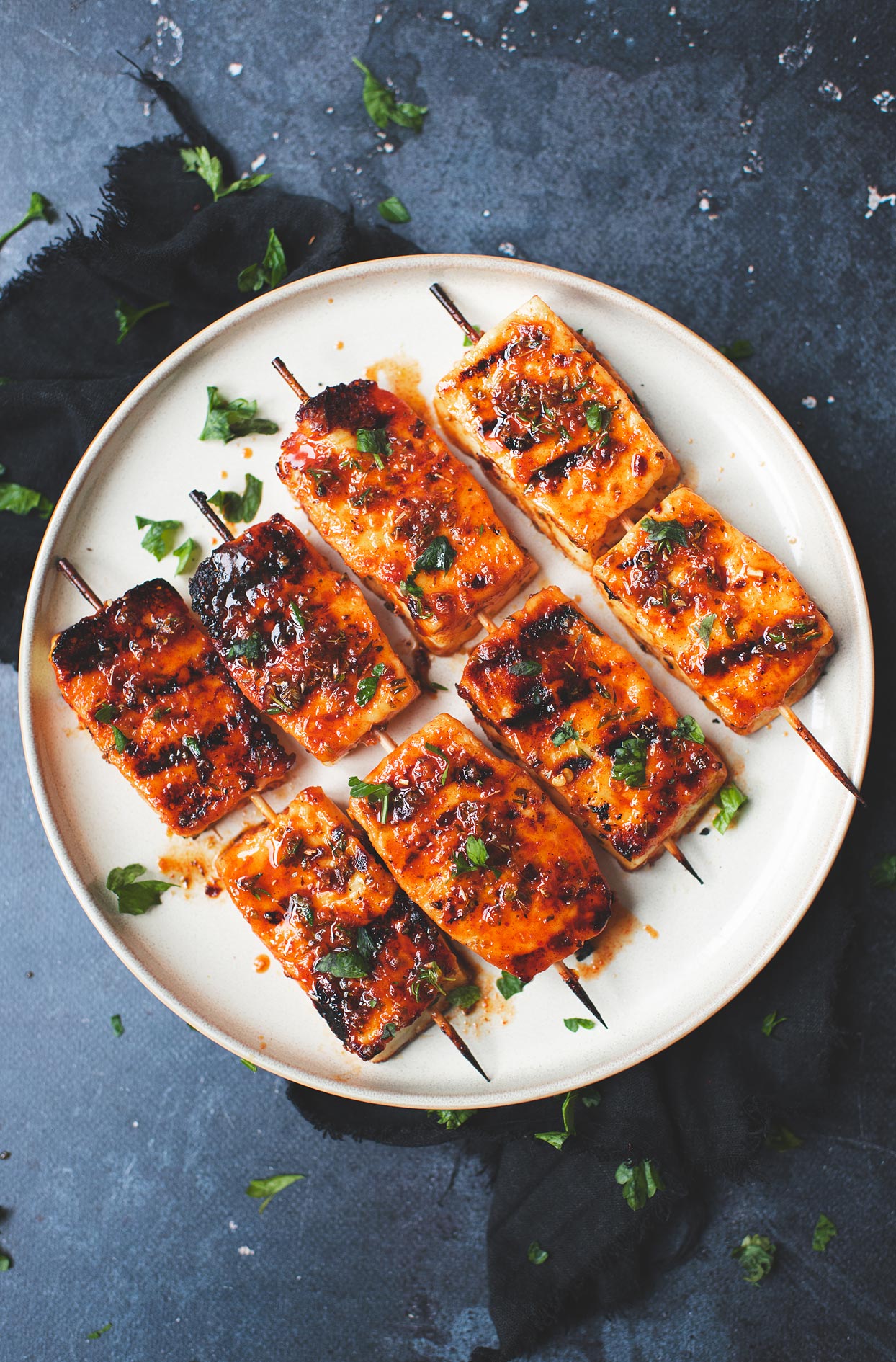
This off-dry Alsace riesling, with notes of lime and stone, keeps a little sweetness that follows the honey or sticky glaze, while its freshness lifts the salt off the grilled cheese. Every skewer tastes as good as the first. Serve it well chilled, with a tomato salad!
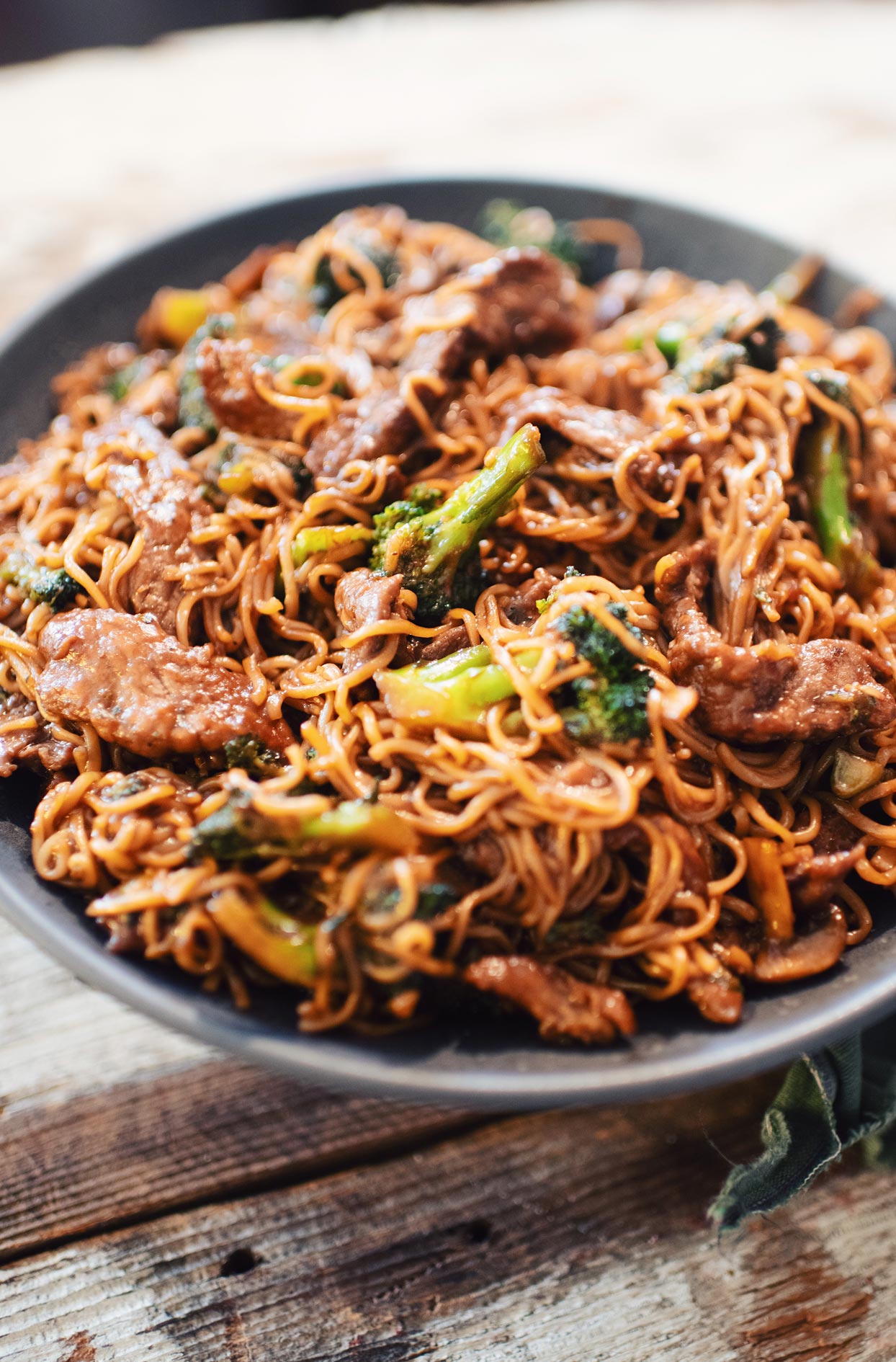
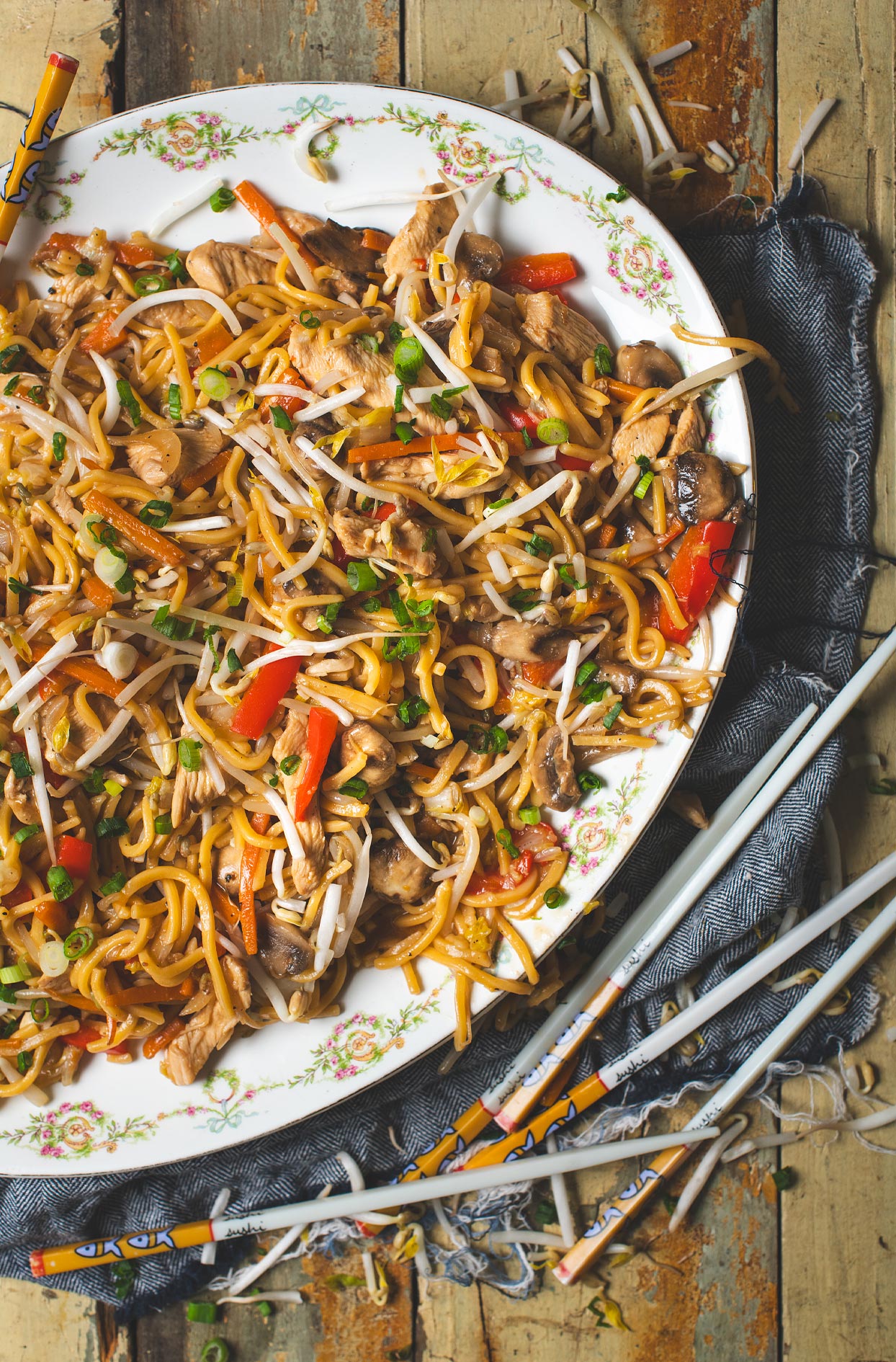
This off-dry Alsace riesling, with notes of lime and candied ginger, has a lively acidity held up by a little sugar. Next to noodles coated in soy sauce and sesame oil, its sugar meets the sauce's while its acidity cuts the sesame fat. The noodles stay lively to the last bite.
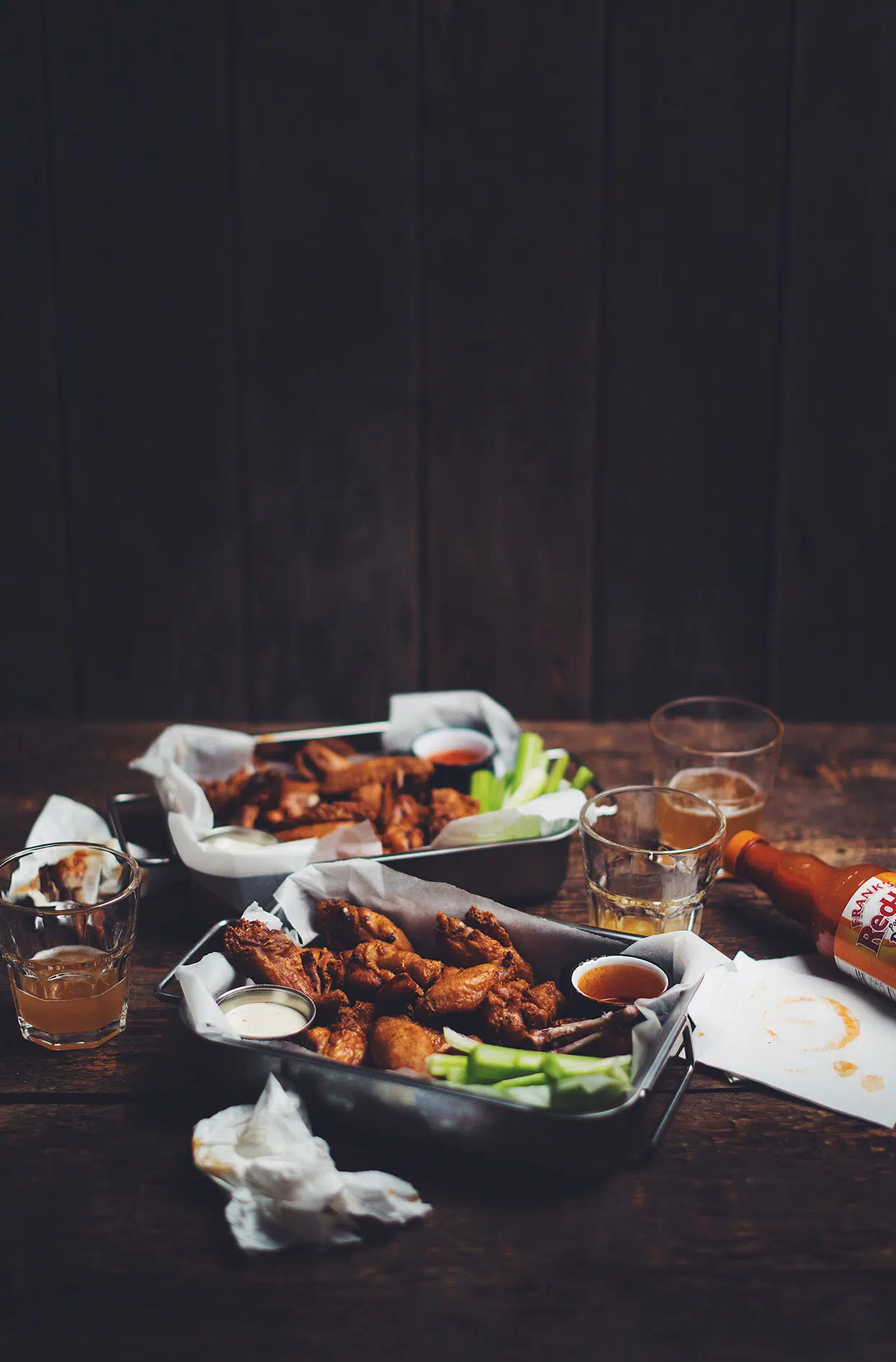
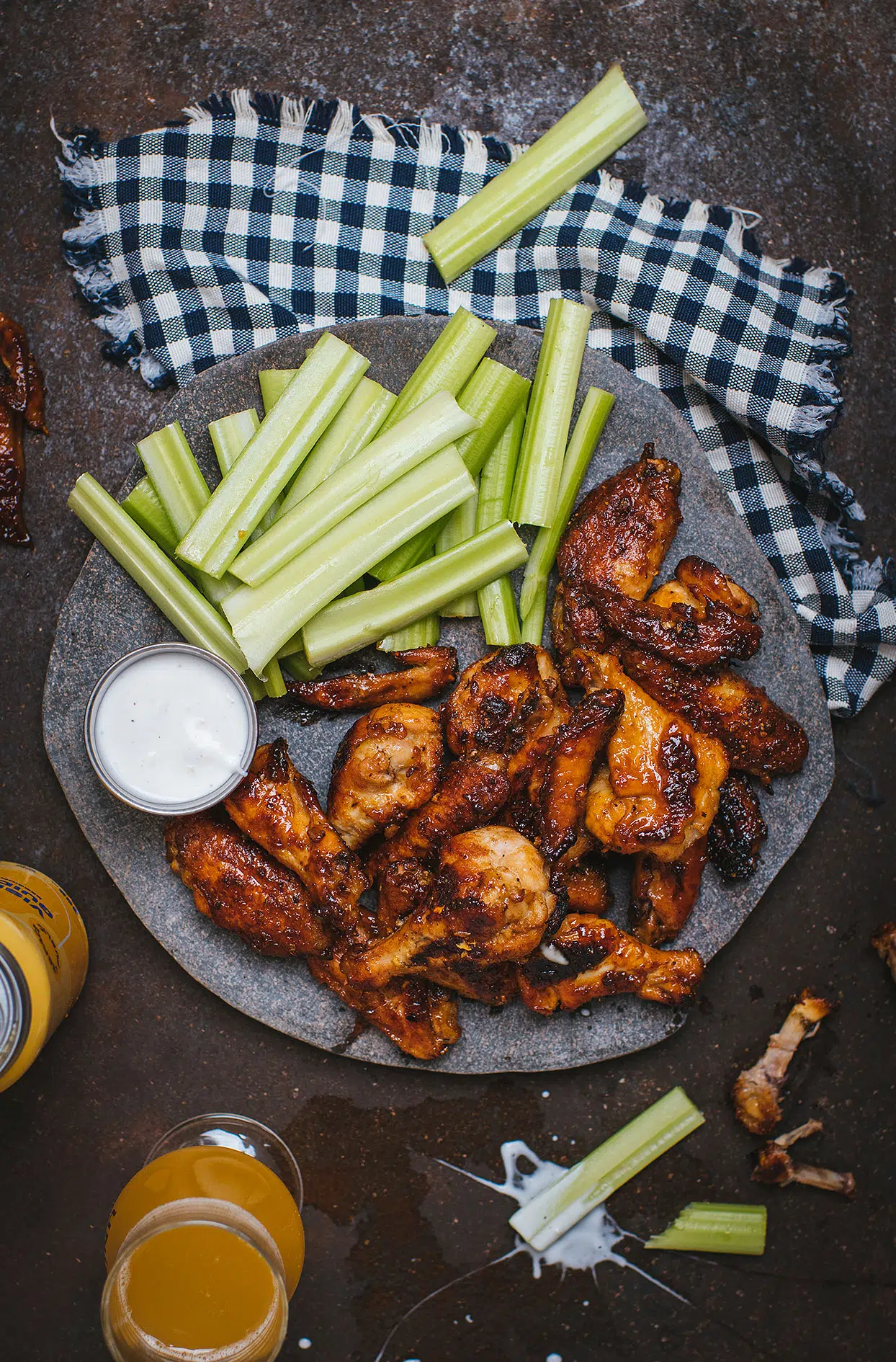
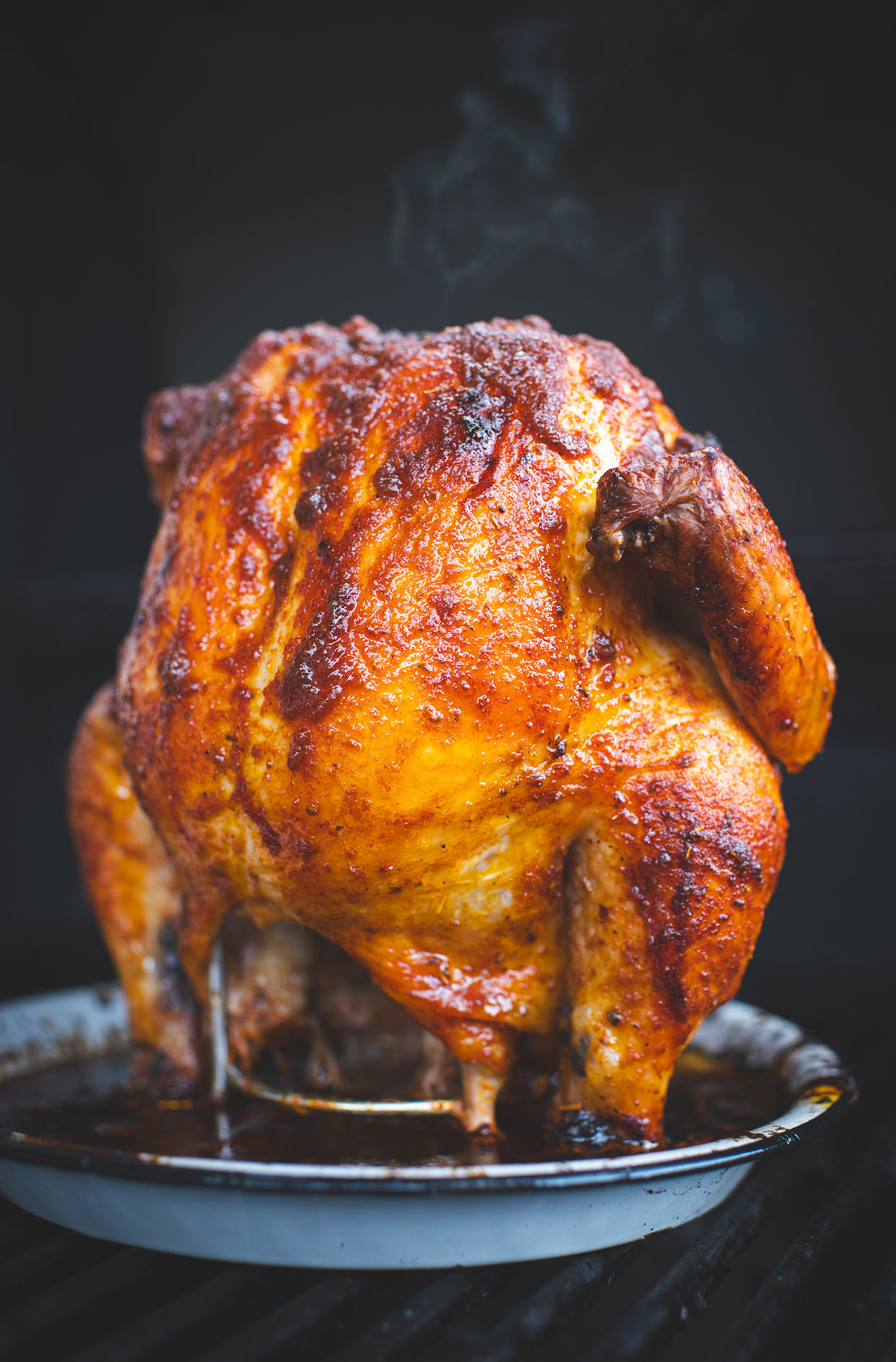
This Alsace riesling, with lime and pear notes, keeps a little sweetness behind its freshness. That sweetness calms the heat of the buffalo sauce while the acidity cuts through the fat of the crispy skin. The next bite hits softer and still tastes like chicken. Serve it well chilled!
This dry Alsace riesling, with lemon, green apple and sometimes peach notes, is light and fresh. Without the fat of meat to carry the sauce, every ingredient speaks louder: the grilled vegetable, the tofu, the mushroom. The wine lifts them without crushing them, and it doesn't dry out your mouth, so nothing turns hard on the plate.
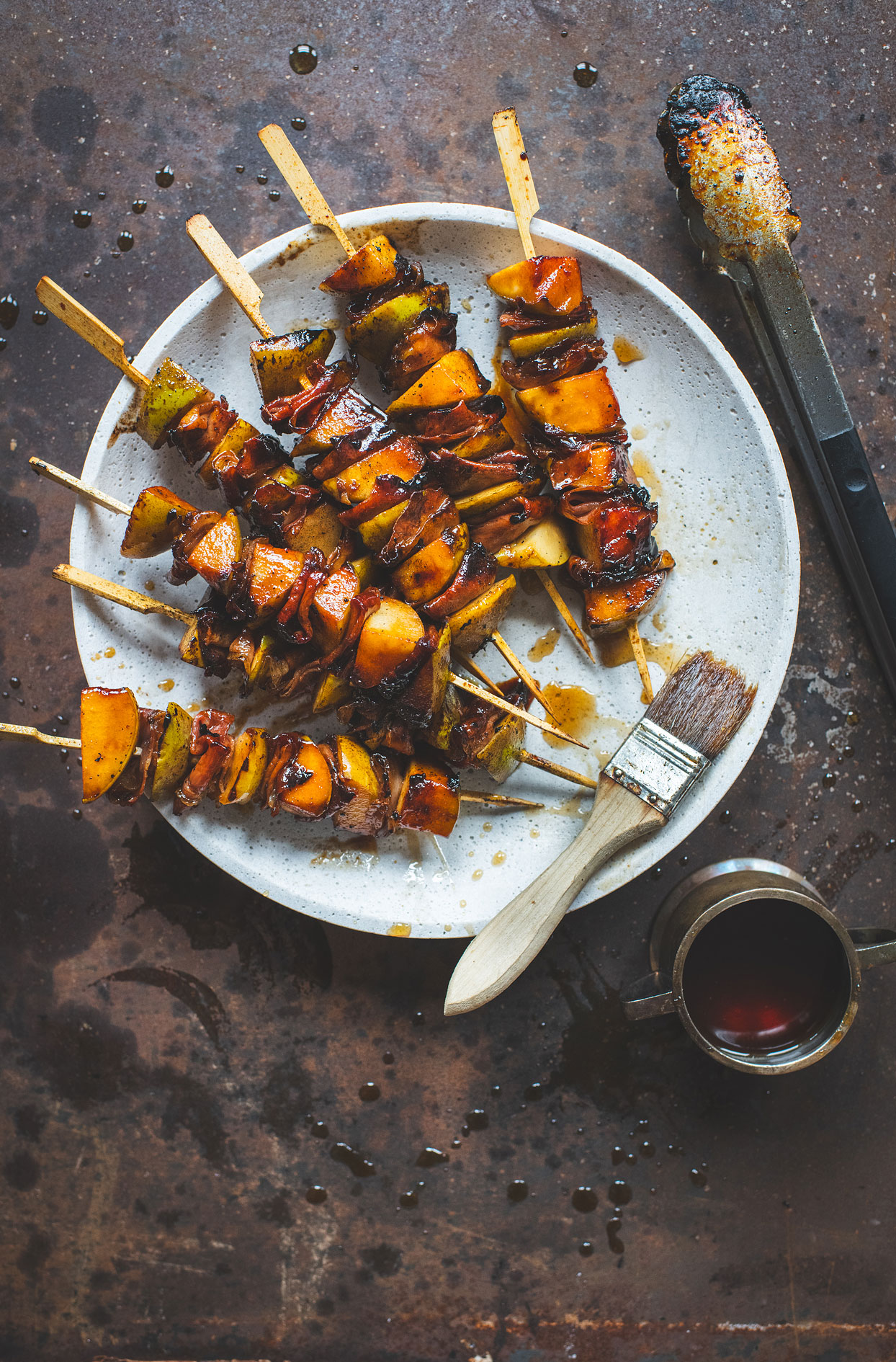
This Alsace Riesling smells of lemon, white peach and green apple, with a bright acidity. If it keeps a bit of sugar, it answers the sweet and salty glaze of the chicken without getting flattened. Its freshness cuts the stickiness of the sauce, and the ginger comes through. A very tannic wine would harden the glaze.
This Alsace Riesling smells of lemon, green apple and white flower, with a bright acidity. Against a sweet sauce, it keeps enough freshness not to seem flabby, and when it keeps a hint of sugar, it calms the chili. Its acidity also cuts through the fat of the frying and resets the mouth between bites of chicken.
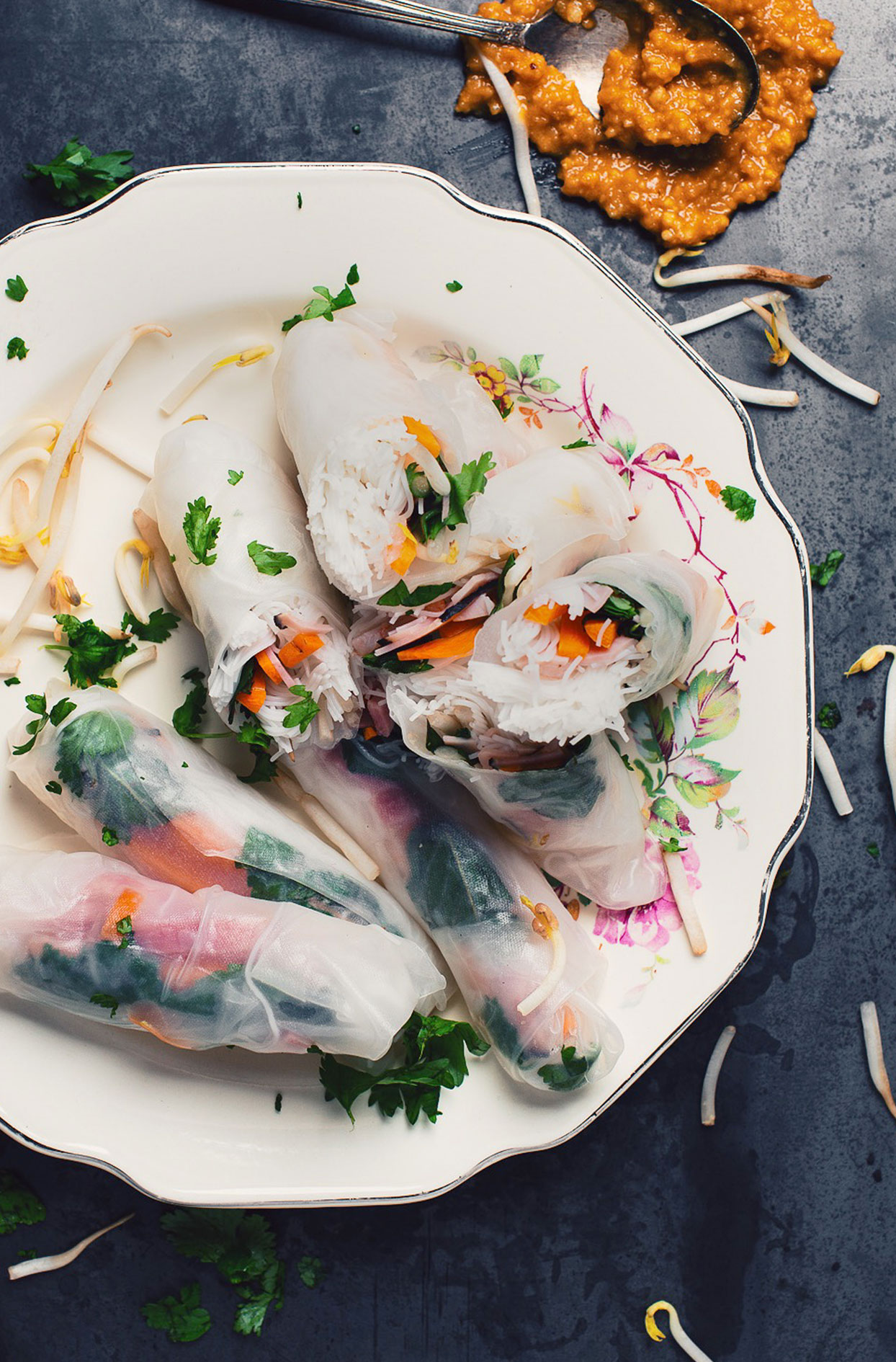
This Alsace Riesling smells of lemon, green apple and white flower, with a bright acidity. Against the sweet shrimp, the mint and the sweet sauce, its acidity freshens the peanut, and its floral perfume joins the herbs. It's dry, so the sweetness of the sauce doesn't turn sticky, and the shrimp stays sweet.
This Alsace riesling, with notes of lime and wet stone, has a clean freshness that doesn't linger. It's the wine for repeated bites: next to the soy sauce, rice vinegar and sesame that do all the work in a dumpling, it cleans the palate without leaving a trace. Every bite tastes like the first. Serve it very cold!
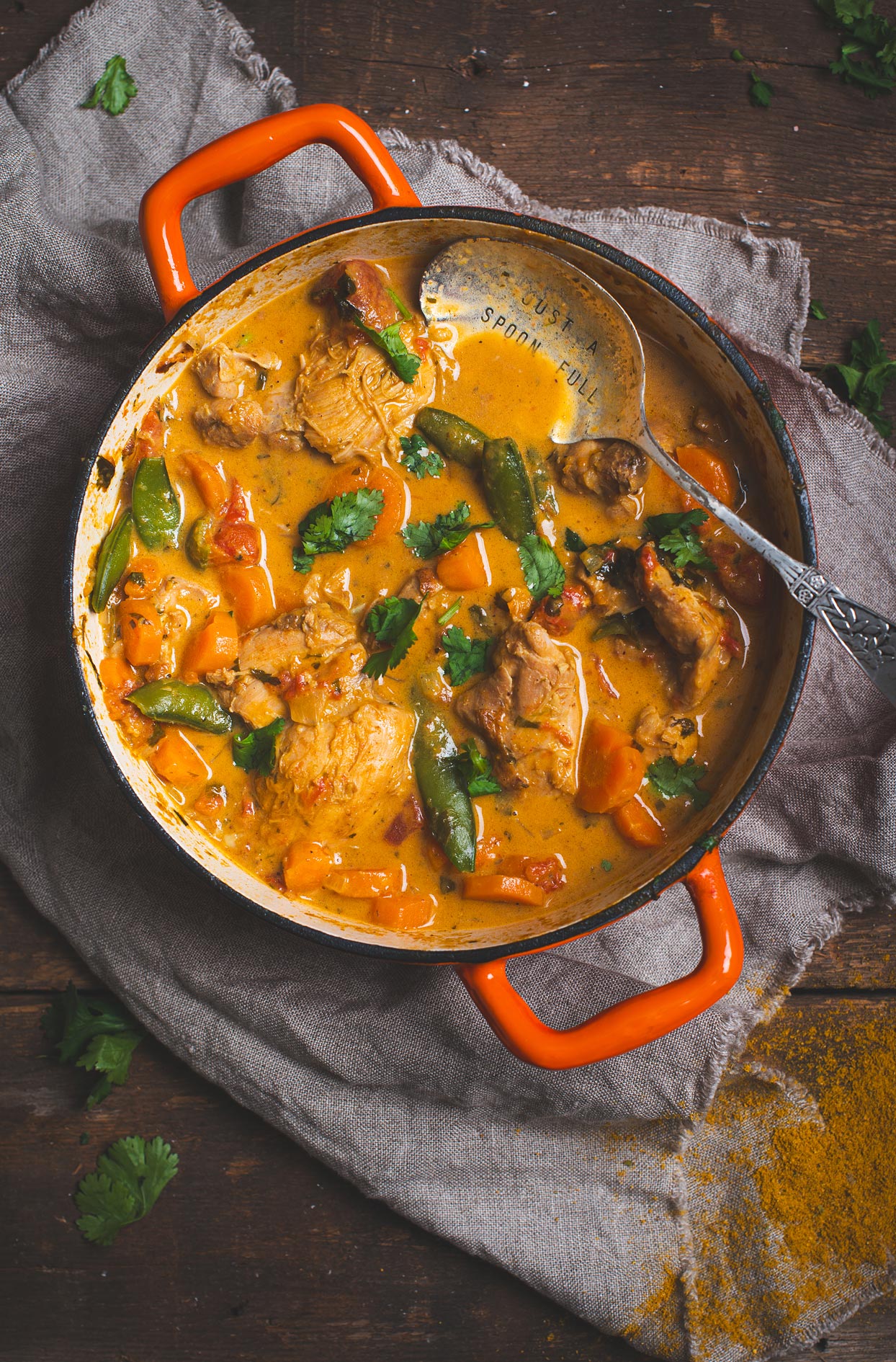
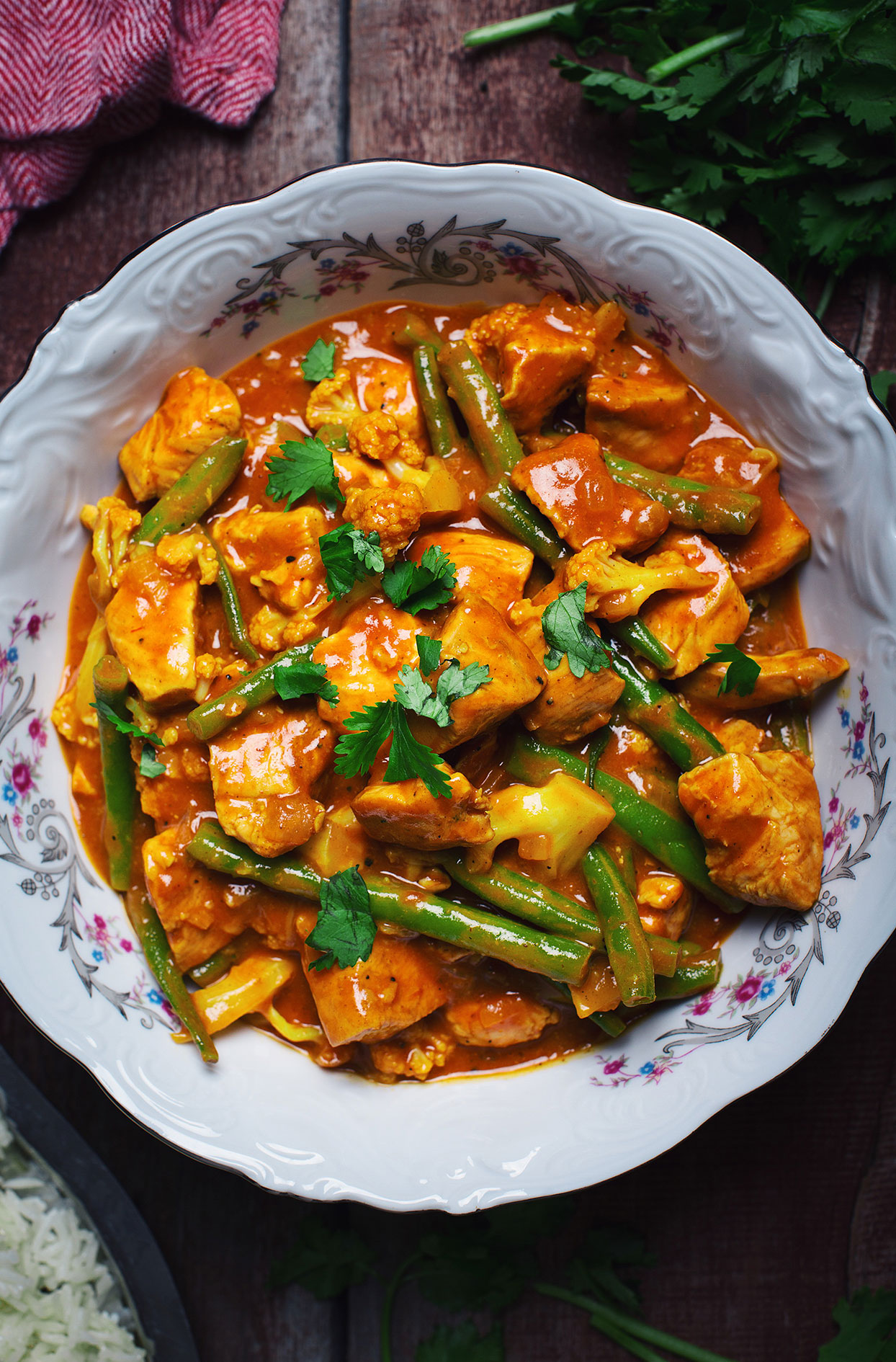
This Alsatian Riesling smells of lemon, green apple and white peach, with a bright acidity. Against the coconut of the chicken curry, that acidity cuts through the richness, and the fruit of the wine answers the warm spices without crushing them. Light and without tannin, it lets the medium heat stay soft on the palate.
This off-dry German riesling, with lime and green apple notes, is lively, with a little sweetness that balances it. Against a broth that's already salty and rich, it rinses the mouth between noodles without adding to the salt. The broth stays the only one leading the bowl to the end. Serve it well chilled!
This Alsace Riesling smells of lemon, green apple and white flower, with a bright acidity and little alcohol. When it keeps a hint of sugar, it calms the pepper instead of stoking it, like a spoonful of honey in the mouth. Its acidity cuts through the fat of the smoked skin, and it has no tannin to irritate the fire.
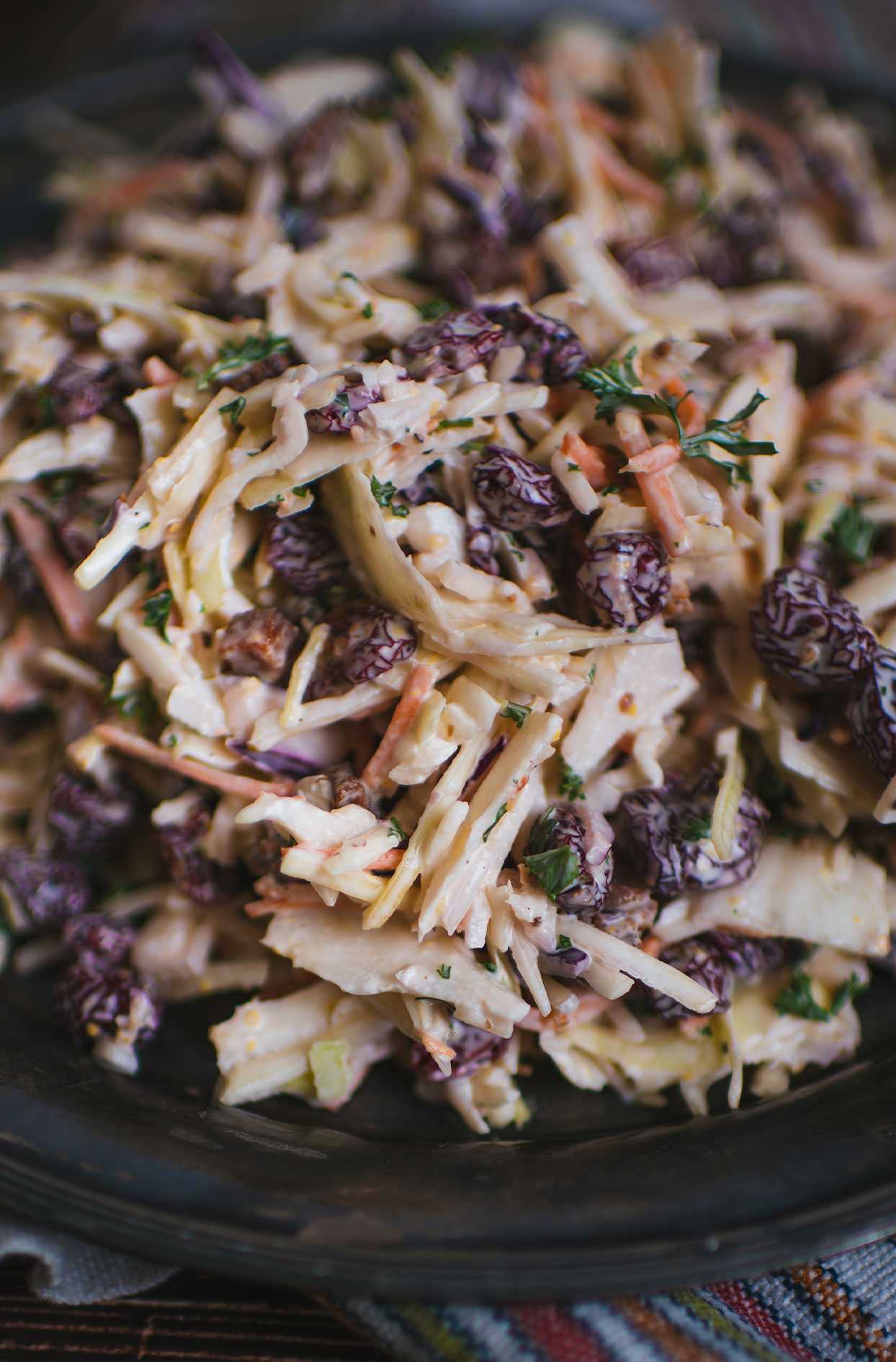
This Alsatian Riesling smells of lemon, green apple and a little peach, with a bright acidity. Against the rich mayonnaise and the slightly sweet cabbage, that acidity cuts the dressing like a splash of vinegar, and the wine keeps its fruit without weighing down the mouth. It is dry, and it refreshes between bites.
This Alsace Riesling smells of lemon, green apple and flowers, with a bright, clean acidity. Against the sweet and salty sauce, its acidity stands up to the sugar of the peanuts and the coconut, and it cuts the fat. Its lemon note joins the lime in the sauce, which makes the dish feel lighter. Drink it cold.
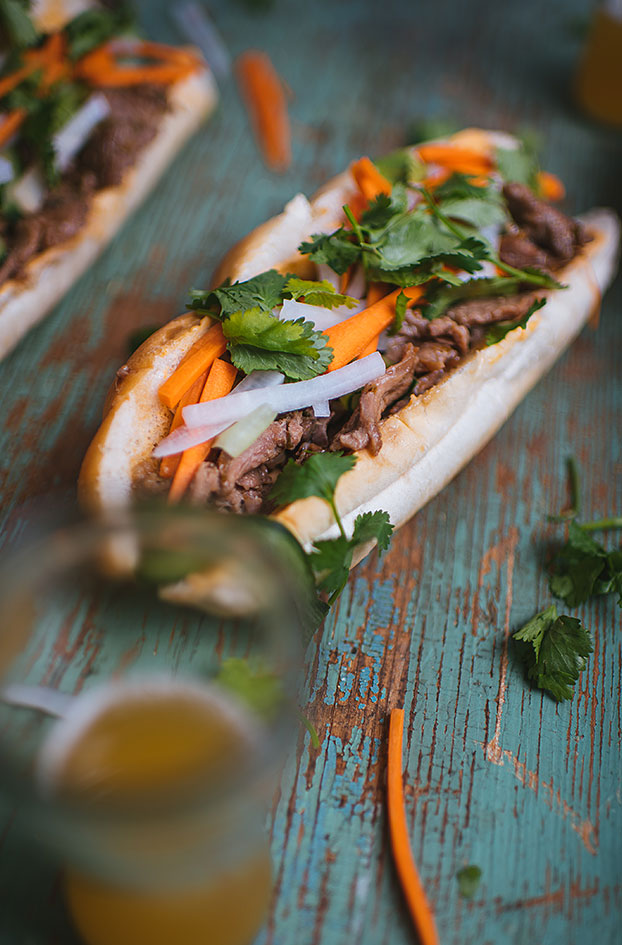
This dry Alsace riesling, with notes of lime and lemon, has a lively acidity and no sugary roundness. It joins the vinegar of the carrots and daikon instead of pushing against it, and it cuts through the pâté and mayonnaise better than a sweet wine would. Every bite stays as bright as the first!
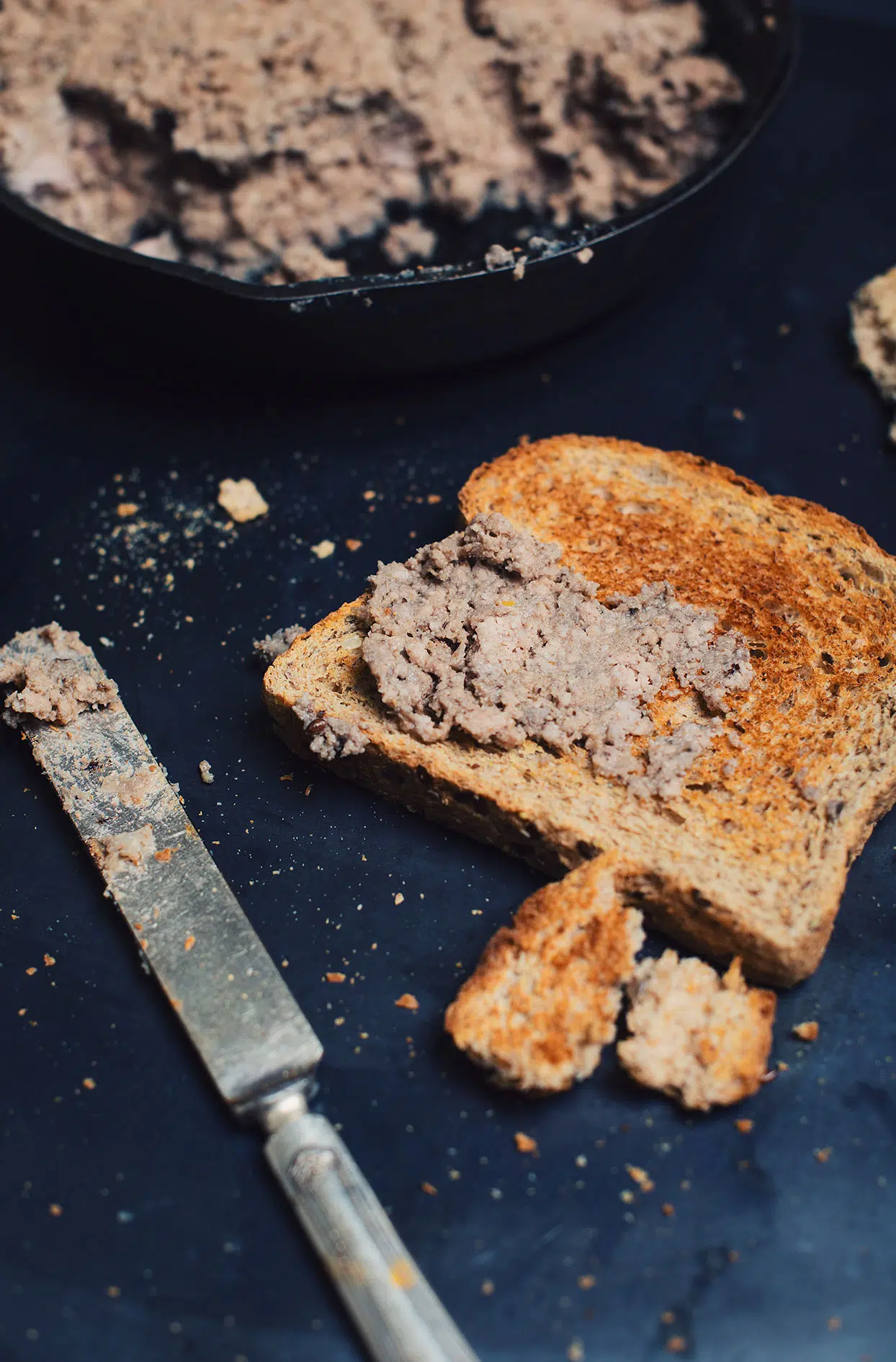
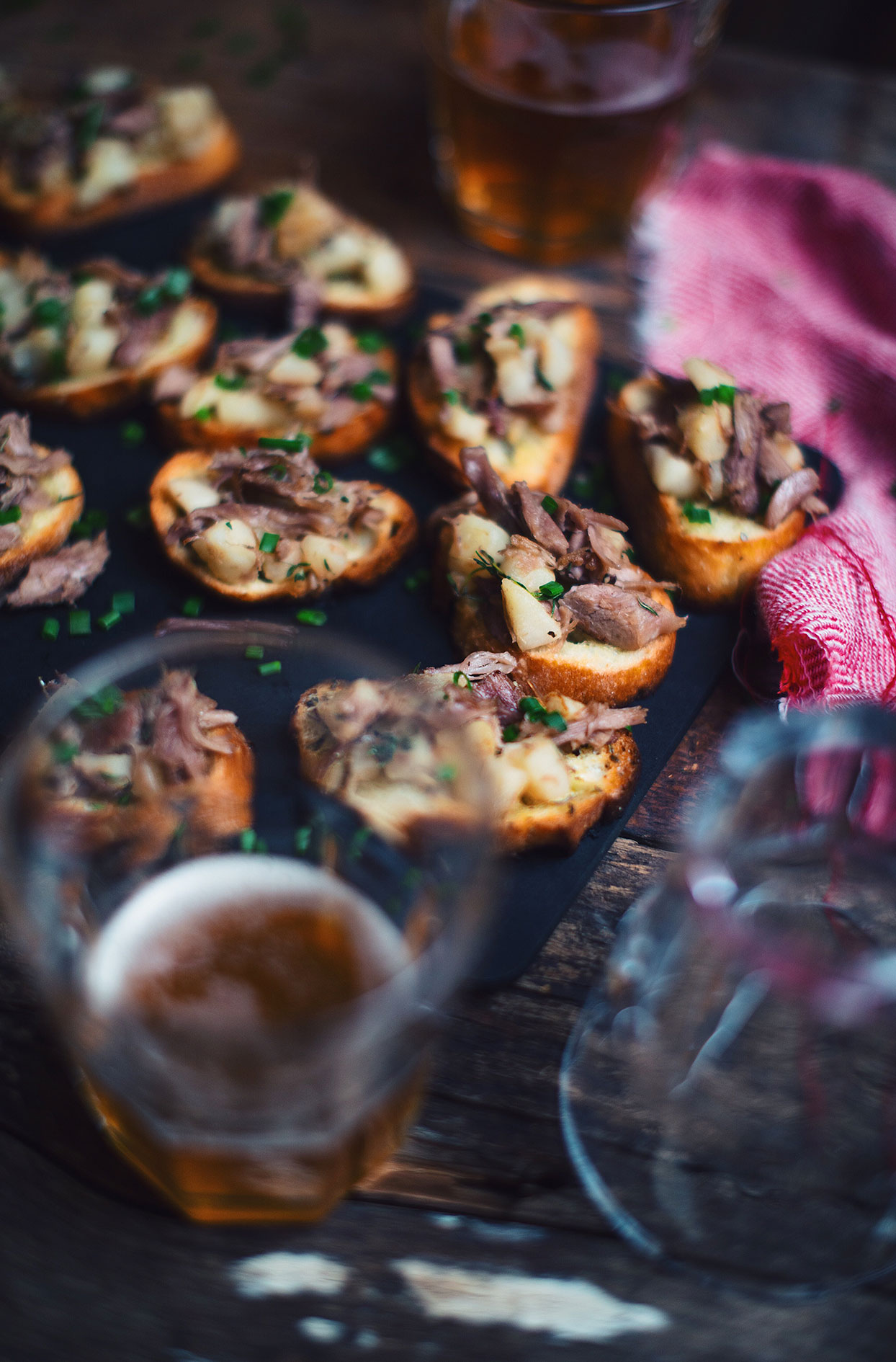
This dry Alsace riesling, with notes of lemon, green apple and wet stone, works like a sweep of the broom on pork simmered in its own fat and spread cold: it breaks down the richness without adding anything heavy. It doesn't sweeten the spices in the cretons, and the second slice of toast tastes as crisp as the first.
This Alsace Riesling smells of lemon, green apple and white peach, on a bright acidity with no tannin. The soy is salty and a little sweet: that freshness refreshes the mouth, and the light fruit of the wine answers the sugar in the sauce without flattening the vegetables. It stays light, like the dish, and is served cold.
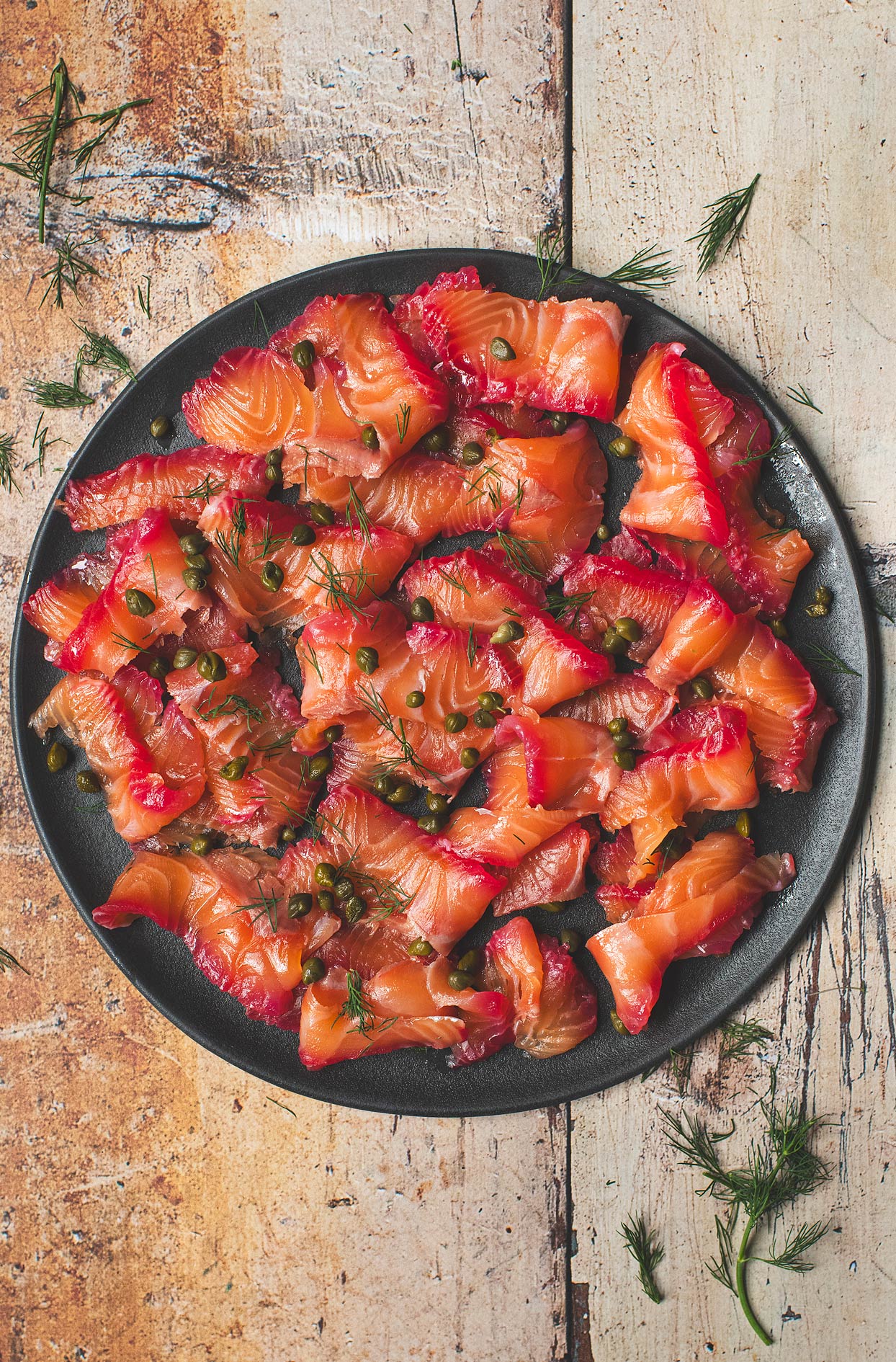
This Alsace Riesling smells of lemon, green apple and white flower, dry and very fresh. Against the rich, salty raw salmon, its acidity cuts through the fat like a squeeze of lemon, and its freshness joins the dill. The wine has no tannin, so the flesh of the fish stays silky and the salt stays gentle.
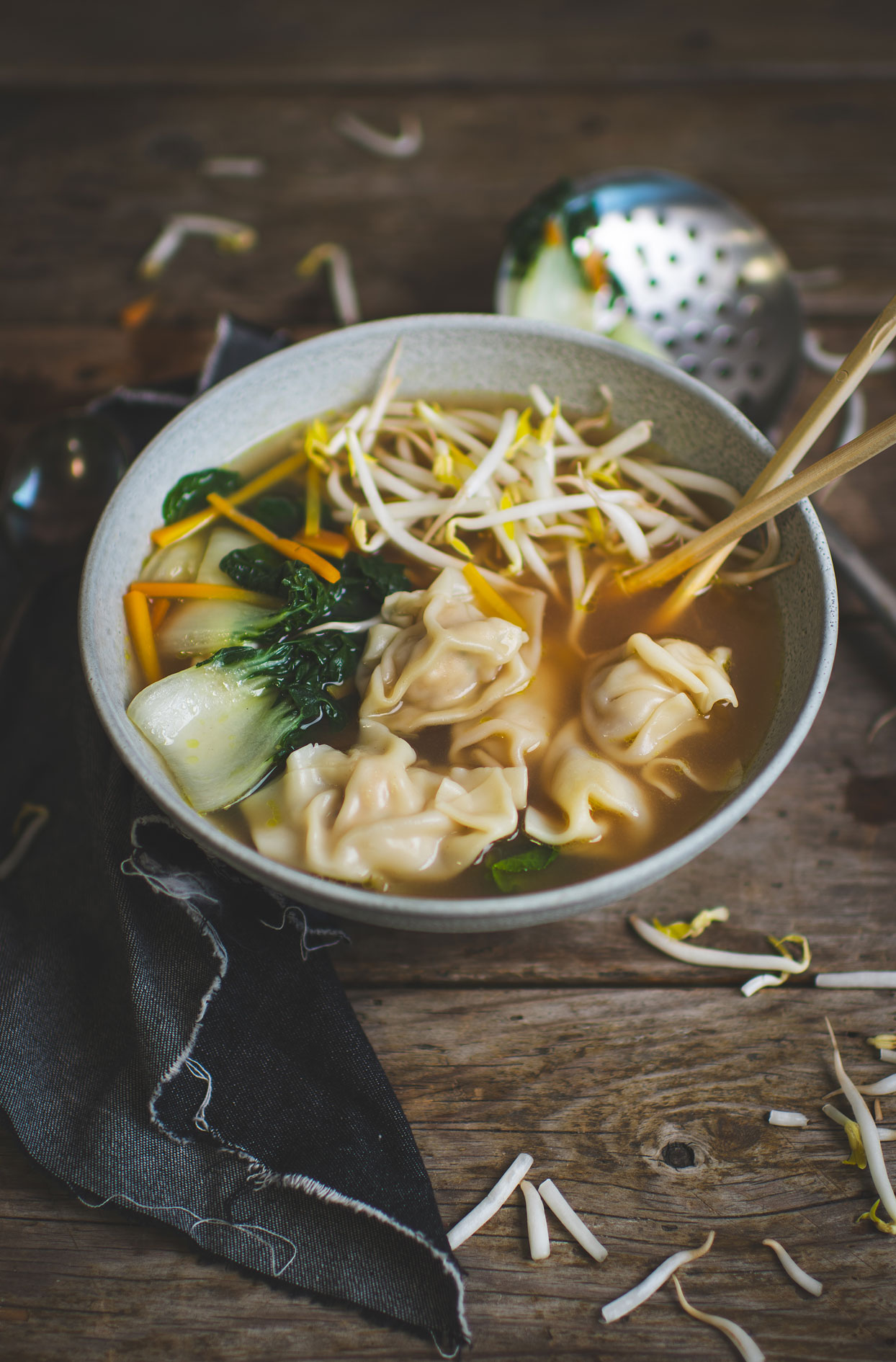
This Alsace Riesling smells of lemon, green apple and white flowers, with bright acidity and a light body. It's dry. A clear broth calls for delicacy: this wine has it, and its acidity lifts the ginger without rushing it. The pork in the wontons stays tender and the green onion still comes through. The whole thing stays delicate.
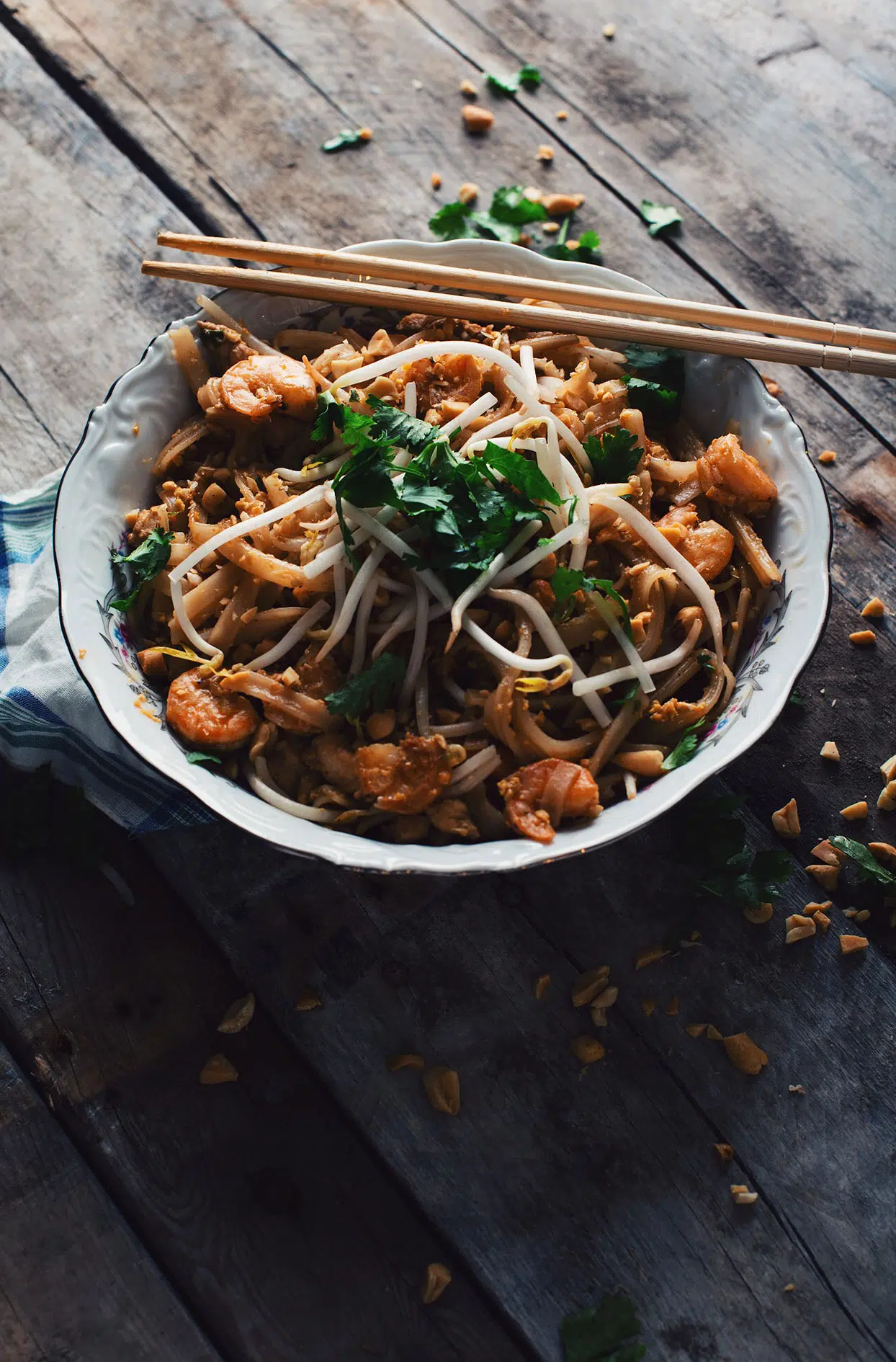
This Alsace Riesling smells of lemon, white peach and green apple, with a bright acidity and a touch of sugar when it's off-dry. The dish mixes sugar, the tang of tamarind and the salt of fish sauce: the little bit of sugar in the wine answers the sugar in the sauce, and its acidity answers the tamarind. It stays fresh.
This off-dry German riesling, with lime and white peach notes, is made to refresh, not to steal the show. Its little bit of sweetness follows the sweet-salty beef, and its freshness cleans the palate between spoonfuls of crispy rice, sesame and vegetables. Every ingredient in the bowl keeps its place.
This off-dry German riesling, with notes of green lime and stone, keeps a little sweetness that calms the chili, while its freshness meets the fermented kimchi's instead of pushing against it. The cabbage stays lively, and the wine never gets outdone. Serve it very cold, with rice on the side!
This dry Alsace riesling, with notes of lemon, green apple and stone, is very fresh. Next to a fried pastry that bubbled in the oil, it lifts the grease off with every sip. It follows the cumin and coriander potato filling without crushing it, even when it's spicy. And since it's light, the last samosa tastes almost like the first!
This Alsace Riesling smells of lemon, green apple and white flowers, with bright acidity and a very dry taste. Against breaded pork fried in butter, that acidity does the work of the squeezed lemon: it cuts through the richness of the crust and leaves the tender meat up front. The wine stays crisp to the last bite.
This Alsace Riesling smells of lemon, green apple and white peach, on a bright acidity with no tannin. Fatty pork and a golden crust call for a wine that cuts, and the vinegary soy has acidity of its own: the wine's acidity answers it instead of getting flattened. The ginger comes through, and the fat disappears.
This Alsatian Riesling smells of lemon, peach and a bit of flower, with a bright acidity and sometimes a touch of sweetness. Against the coconut and the mild lentils, that acidity lightens the dish, and the touch of sweetness soothes the ginger and the turmeric. It is fragrant enough to follow the spices without covering them.
This Alsace Riesling smells of lemon, green apple and white flower, with a bright acidity. The katsu sauce is sweet and tangy, and the Riesling has what it takes to answer it: its acidity follows that of the sauce, and a hint of sugar in the wine goes with the sugar of the sauce. It also cuts through the breading without softening it.
Alsace Riesling is dry, with lemon, green apple and a lively acidity. It fits better if you do not like bubbles, because it cuts the richness of the salmon just as well, with a cleaner fruit.
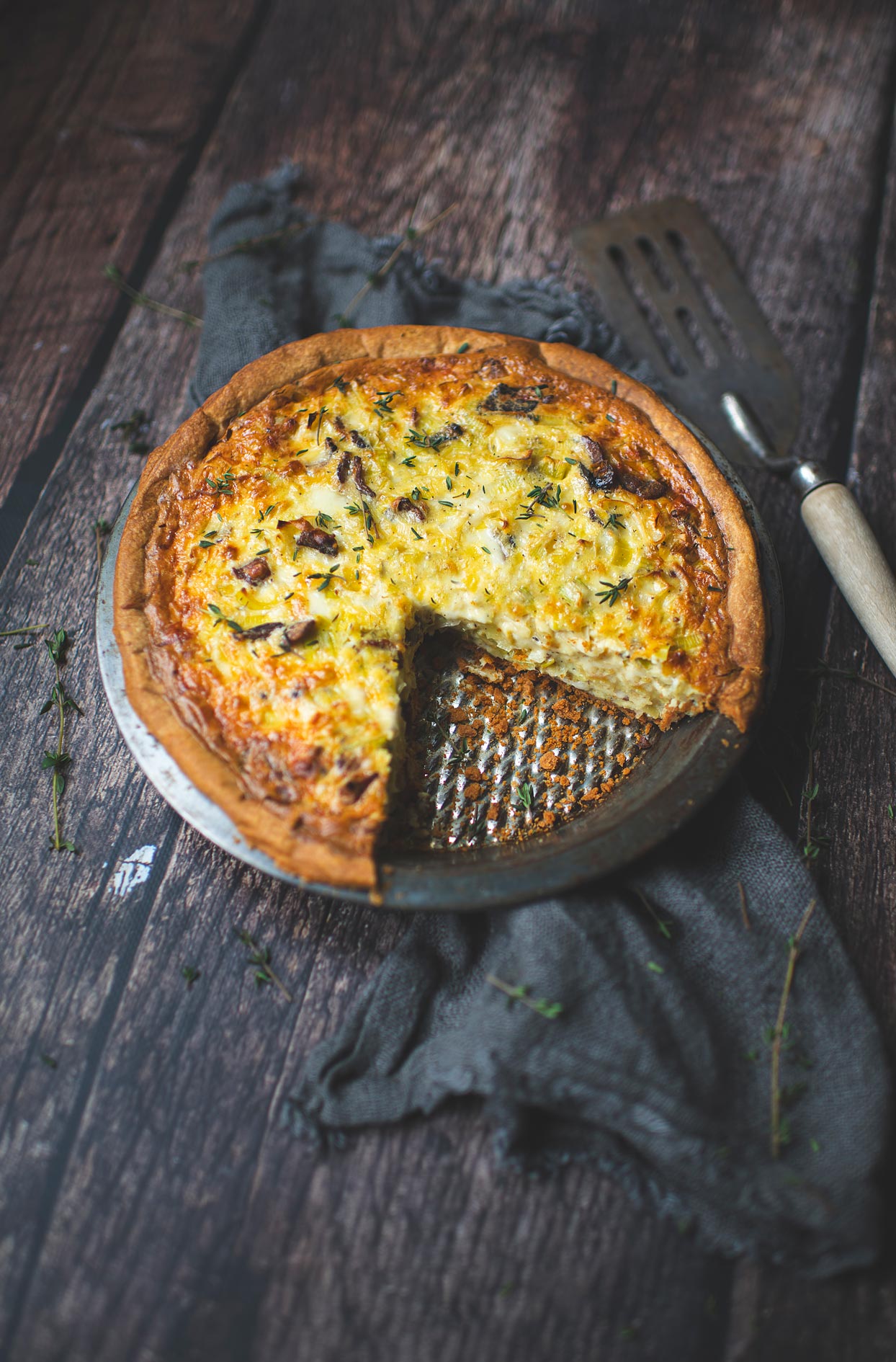
Alsace Riesling smells of lemon, green apple and a little flowers, with bright acidity and a lighter body. Take it if the quiche is very rich in cream, because its acidity cuts more than the Pinot gris.
Alsatian Riesling smells of lemon and white peach, with a brighter acidity than the Pinot blanc. Take it if your cured meats are very salty or smoked: its acidity handles them better than the roundness of the other white.
Alsace Riesling is dry, with lemon, green apple and a clean acidity. Take it if you prefer a wine without bubbles: its acidity plays the part of a squeeze of lemon on the crust and cleans the fat just as well.
The riesling is drier and more lemony, with less sweetness. Go for it when there is less cream to get through: the dish does better with a crisp, clean freshness.
Riesling, dry or barely off-dry, with notes of lemon and apple, stands up to sweet, zesty sauces better than a very dry wine. Go for it if you'd rather have a calm white, without bubbles, all evening.
The riesling is just as fragrant, but fresher and less sweet than the gewürztraminer. Pick it for a chicken pho, with a clear broth, or for a very spicy version with lots of sriracha: its freshness cuts the heat.
Alsace Riesling is all lemon and green apple, with bright acidity and no oak. Take it if you prefer a wine without bubbles: its freshness cuts the oil and its lightness lets the shrimp speak.
Riesling from Alsace smells of lemon, green apple and white flower, dry and very lively. Take it if you prefer a still wine to bubbles: its acidity cuts the frying in the same way, with a fruitier taste.
Alsace Riesling is a bright white, with lemon, green apple and a hint of peach. Take it if you add lots of sour cream, because its acidity stands up to that of the cream, and its fruit softens the beet.