Cubes of beef seared in hot oil, dipped in creamy or tangy sauces. The meat is tender and juicy, but the richness of the oil and the sauces piles up fast, bite after bite.
An amber ale leads the way: the caramel in its malt follows the crust of the beef, and its bitterness cleans the oil and the sauces. Red ale, a little drier, suits those who like it straight. For wine, Gamay, with a Pinot noir behind it.
Beef alone, a mix of meats, spicy sauces or shrimp: the meat changes and the sauces set the tone. So each style gets its own beer and wine, chosen for it.
The basic pairing
Beef in hot oil
Cubes of beef seared in oil, with creamy and tangy sauces.
This amber ale has a malt of caramel and toasted bread, which follows the crust of the beef seared in oil. Its medium bitterness cleans the richness of the oil and the creamy sauces, without hiding the meat. It stays round enough for the tangy sauce and crisp enough for the next cube. It lasts to the final cube.
Red ale is drier and crisper than the amber, with a bread malt and a clear bitterness. Prefer it if your sauces are mostly creamy, or if you want a beer that cuts the richness even more.
This Beaujolais Gamay smells of cherry, raspberry and strawberry, with bright acidity and very little tannin, the stuff that dries out the mouth. Against beef seared in oil, that acidity cuts the richness, and its lightness leaves the tender meat and the creamy sauces in their place in every bite.
Burgundy Pinot noir smells of cherry, damp earth and a little forest floor, on a light body. It fits better if your sauces are more spiced, or if you want a red a little deeper than the Gamay next to the seared meat.
A Negroni is bitter and direct, with gin, red vermouth and orange underneath. With beef seared in hot oil and creamy, tangy sauces, it cuts the richness and clears your mouth between bites, and the bitterness stands up to the sauces without flattening them. A drink that wakes things up, for people who like it bold.
Otherwise, an old fashioned, slower, woodier and less bitter, if you want a drink that stays gently alongside the seared beef and lets the creamy sauces have their say.
Alcohol-free
An alcohol-free stout
Grilled meat is rich and smoky. Coffee, cocoa and roast: its roasted notes answer grilled meat, smoke and chocolate.
In the mixed fondue, the beef, chicken and pork cook in the same oil, and each piece has its own taste and sauce. The amber ale is round enough for the beef and pork, and gentle enough not to flatten the chicken. Its bitterness cleans the oil, and it goes along with every sauce without any fuss.
Saison is dry and peppery, with citrus and a fine fizz. It fits better if chicken and pork dominate your plate, or if the sauce is spiced and you want a livelier beer.
This Beaujolais Gamay smells of cherry and raspberry, with bright acidity and very little of the stuff that dries out the mouth. Against a variety of meats, it crowds out none of them: it refreshes the chicken, follows the pork and leaves the beef tender. It also cuts the richness of the oil, whatever meat is on the end of the fork.
Burgundy Pinot noir is light too, with cherry and a hint of earth. Prefer it if you are eating mostly beef and pork, because its little bit of depth goes well with the seared meats and stays gentle for the chicken.
An old fashioned is whisky, sugar and bitters, woody and straight up. With the mixed meats and the sauces you choose, it holds its own against beef and pork without flattening the chicken. A calm drink for a table where everyone dips something different.
Alcohol-free version: Smoky black tea, maple syrup and orange peel over one big ice cubeAn old fashioned is oak, a little sugar and orange: smoky tea and maple do the same.
With soy, chili, sweet and hot sauces, the seared meat takes on a salty, spiced taste. Pilsner is light, with a fresh bread malt and a clean bitterness. It stays fresh next to the heat, and its fizz rinses the mouth without setting it on fire any more, so each sauce keeps its place.
Witbier is wheat-based, soft and round, with coriander and orange. Prefer it if your sauces are very hot, because its softness calms the fire, or if you find the pilsner too dry.
Alsace Riesling smells of lemon, green apple and a little flower, with bright acidity. It sometimes has a little sugar, and that bit of sugar calms the heat of the chili. Against salty soy and seared meat, its acidity keeps the mouth fresh, and its lightness covers none of the sauces on the table.
Alsace Gewürztraminer smells of lychee, rose and sweet spices, with a round body. It comes out ahead if your sauces are sweet and spiced, because its perfume goes with ginger or sweet chili, but it is more fragrant than the Riesling.
A Moscow mule is vodka, lime and ginger beer, spicy and fresh. It refreshes your mouth between the soy, the chili and the sweetness, and the ginger sits well with the seared meat. A drink for people who like things with a kick.
Our recipe → · Alcohol-free version: Ginger beer and lime, in a copper mug if you have oneA Moscow mule is already ginger beer and lime: without the vodka, it still bites.
Here, shrimp and seafood cook in hot oil, with a lemony sauce. The flesh is soft, a little sweet, and quickly covered by the fat. Pilsner has a clean bitterness and a lively fizz, which clean the oil. Its grassy hop meets the lemon in the sauce and leaves the soft flesh in front.
Saison is peppery and dry, with citrus and a fine fizz. It fits better if your sauce is creamy, or if the pilsner seems too tame next to the sweet flesh.
Sauvignon blanc from the Loire smells of grapefruit, lime and cut grass, with bright acidity. Against shrimp fried in oil and a lemon sauce, that acidity works like freshly squeezed juice: it cuts the richness of the cooking and keeps the soft shellfish clean-tasting, without weighing it down.
Albariño from Rías Baixas smells of peach, lemon and a hint of salt, with a slightly rounder body. Prefer it if your shrimp come with a creamier sauce, because that roundness follows it and its salty hint goes with the flesh.
A gin and tonic is dry and bitter, with lively bubbles and a quinine finish. With the soft flesh of shrimp straight from the hot oil and the lemony sauce, it clears your mouth and keeps everything light. A crisp, no-nonsense drink.
Our recipe → · Alcohol-free version: Tonic, cucumber and rosemary over lots of iceThe tonic already brings the quinine, and the cucumber and rosemary do the gin's job.
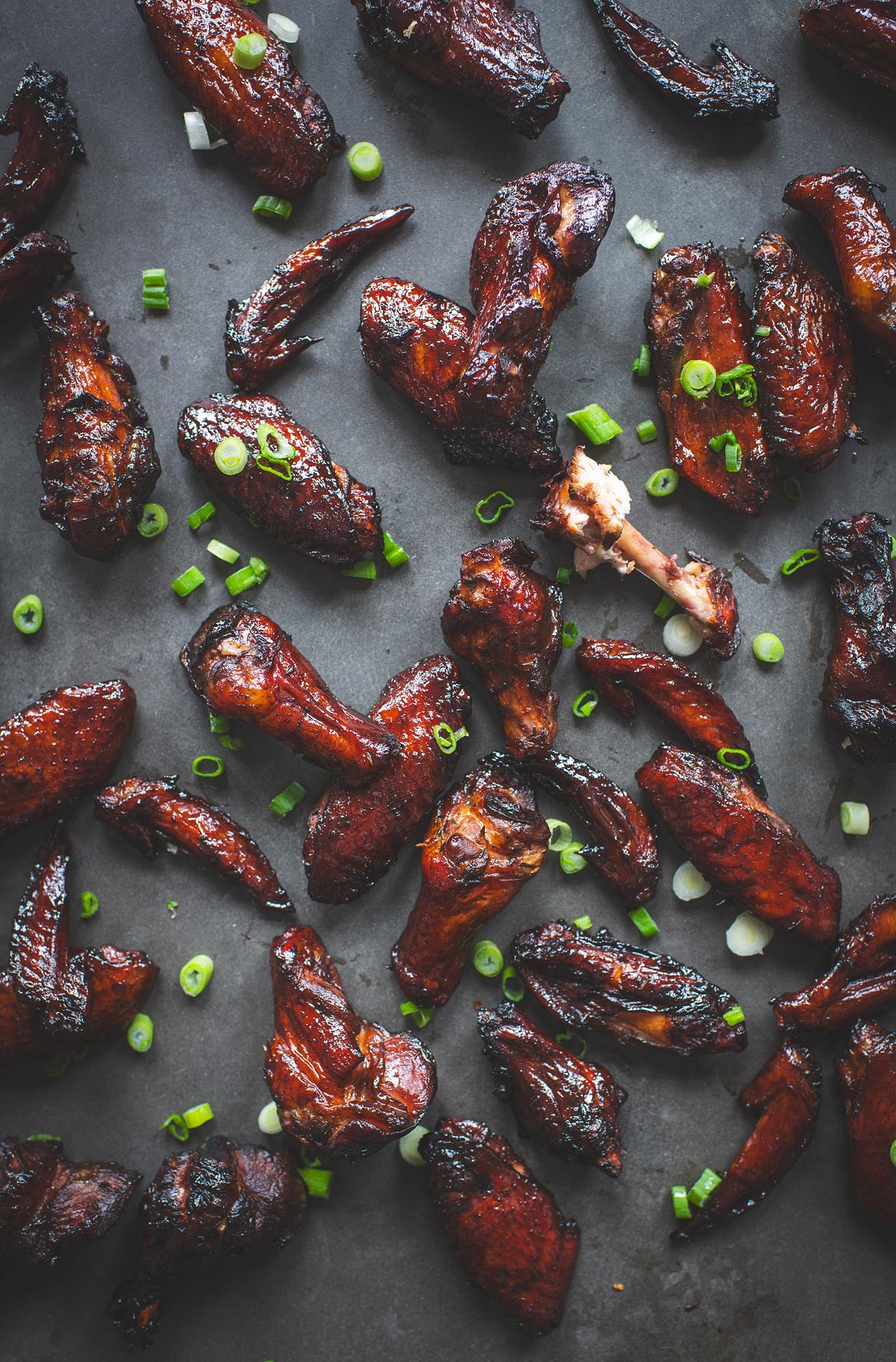
This lime and ginger pale ale is light and thirst-quenching, and it cleans your mouth between bites of these sweet, smoky maple and calvados chicken wings. Its ginger wakes up the maple, and its lime contrasts with the smoke. An easy-drinking beer, even when the wings are good and sticky!
This Australian red, a Shiraz and Cabernet blend with dark fruit and spice, has enough body to stand up to the smoke. Its ripe fruit meets the sweetness of the maple, and its spice echoes the calvados. A fireside red, perfect as fall rolls in!
Grilled pineapple caramelizes on the surface and keeps its acidity underneath. The quadrupel arrives with its candied fruit and caramel, exactly the register of the dark rum poured over the warm fruit. Its richness makes it a second dessert in the glass, to be served in a small amount and not too cold.
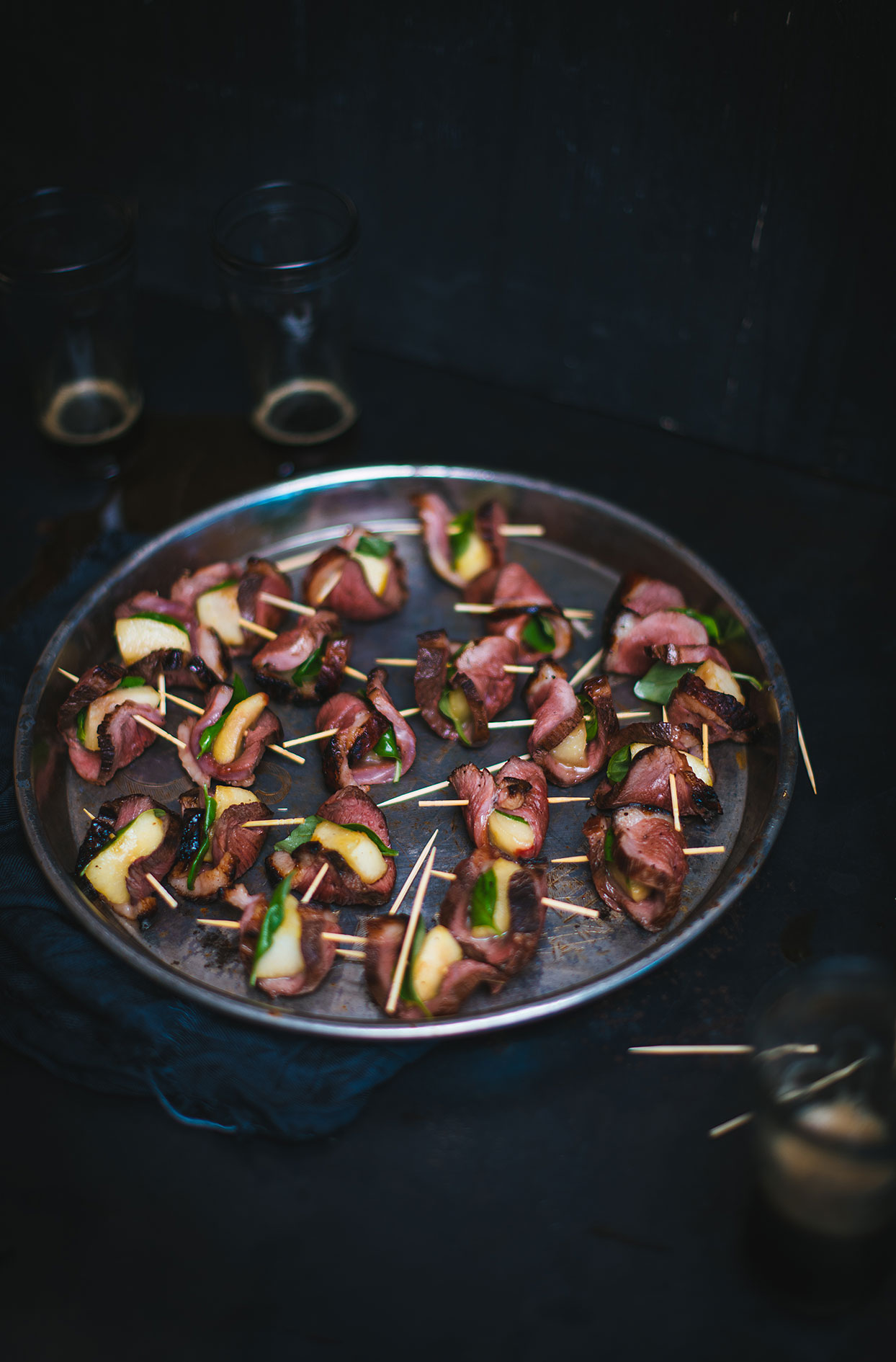
Maple on duck and the dark caramel of a brown ale are the same cooked-sugar note in two places. The beer is round without being heavy, so it follows the bite instead of covering it. The apple and basil keep enough freshness that it never turns cloying.
This blend of 55% Grenache, 30% Syrah and 15% Cinsault shows lovely fruit that is just ripe enough, with floral and spicy notes, a fairly light body and supple tannins. It lets the dish speak without taking over, a very nice pairing of flavours.
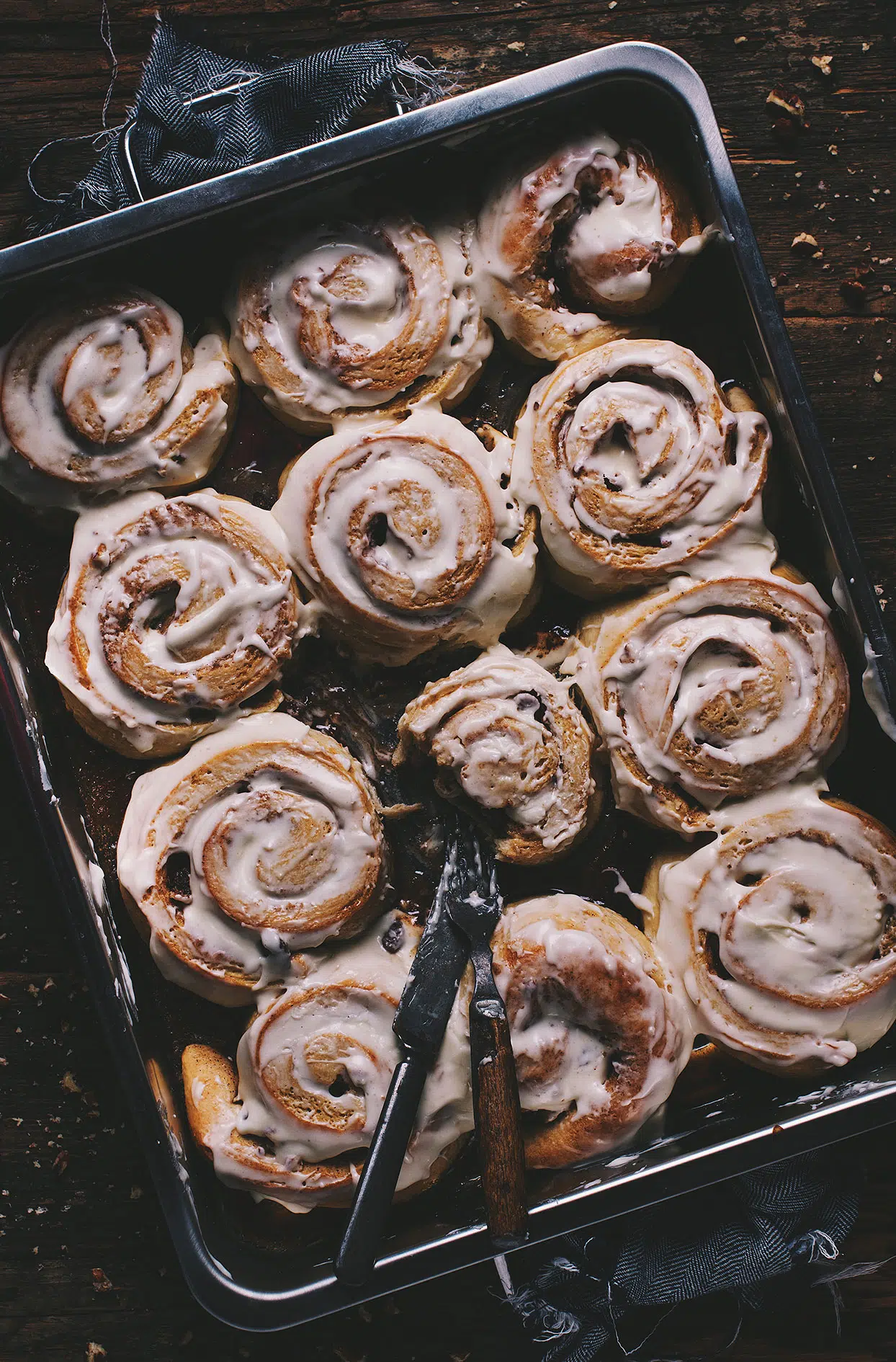
The cinnamon and maple of a warm brioche look for a spicy note, not extra sugar. The clove that wheat yeast develops is a cousin of cinnamon, so the two answer each other right away. The roundness of the wheat recalls the softness of the brioche, and the bubbles keep the glaze from sticking.
Made from 100% Sauvignon Blanc, this dessert wine from Errazuriz shows notes of boxwood, apple, pear, honey and citrus. It will be very interesting with savoury desserts as well as desserts made with maple or fruit.
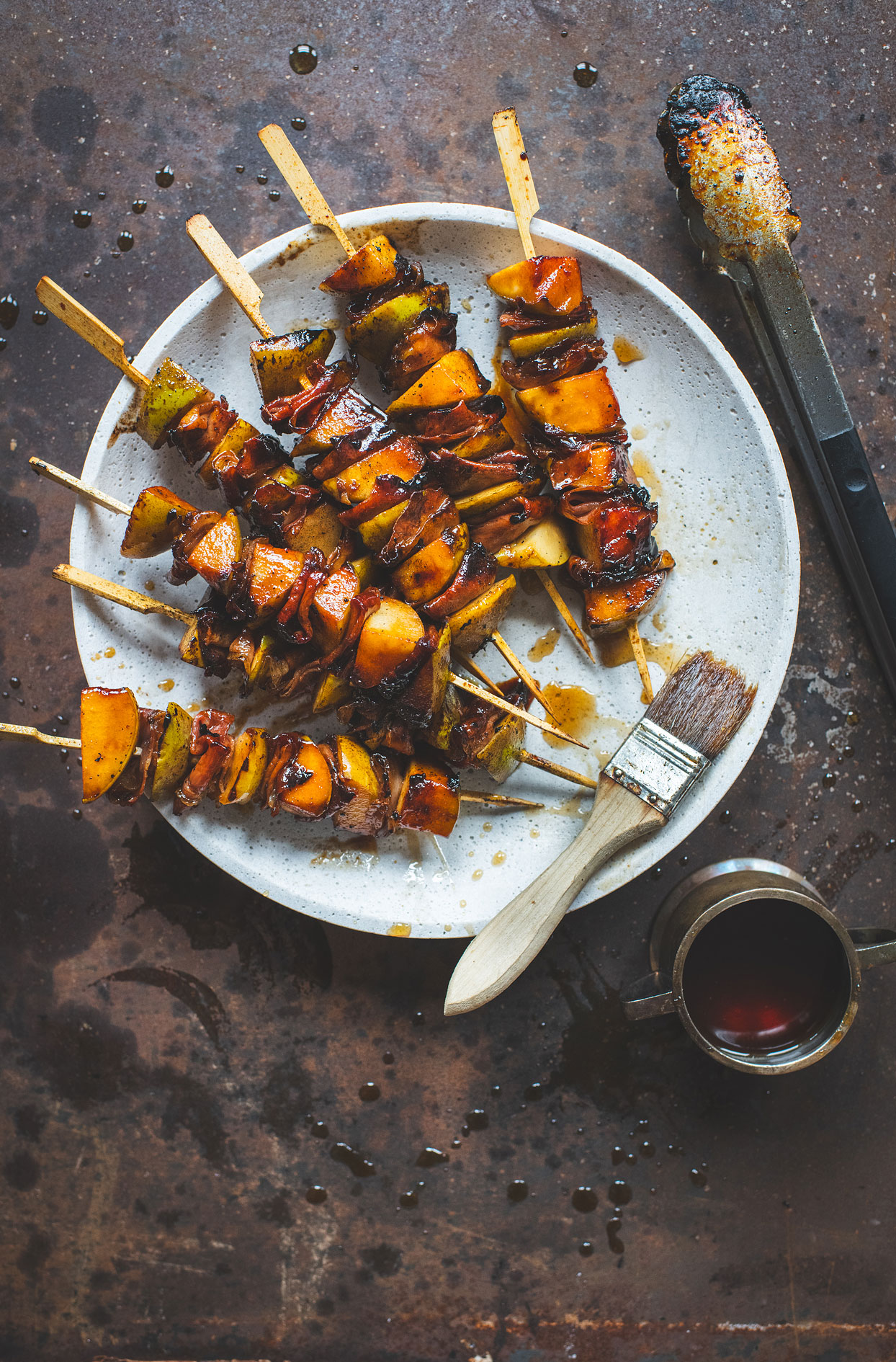
A fruity beer with apple and maple notes is a great companion for these pear and prosciutto skewers with maple sauce. Its apple aromas play off the ice pear cider and the maple syrup, and its round feel in the mouth wraps perfectly around the richness of the caramelized prosciutto.
The floral, slightly spicy side of the Gentil wraps around my pear and prosciutto skewers with maple sauce. Its lemony freshness balances the sweetness of the maple syrup and its silky body matches the richness of the caramelized prosciutto without hiding the ice perry.
A brown ale, and here's why: once maple cooks long in the oven it turns sticky and strongly sweet, and the cooked malt of a brown ale goes to meet it. Its low bitterness never fights the glaze, its caramel and hazelnut notes answer the brown sugar, and it's light enough for a weeknight supper. Skip the IPA, though: hop bitterness and maple sugar clash.
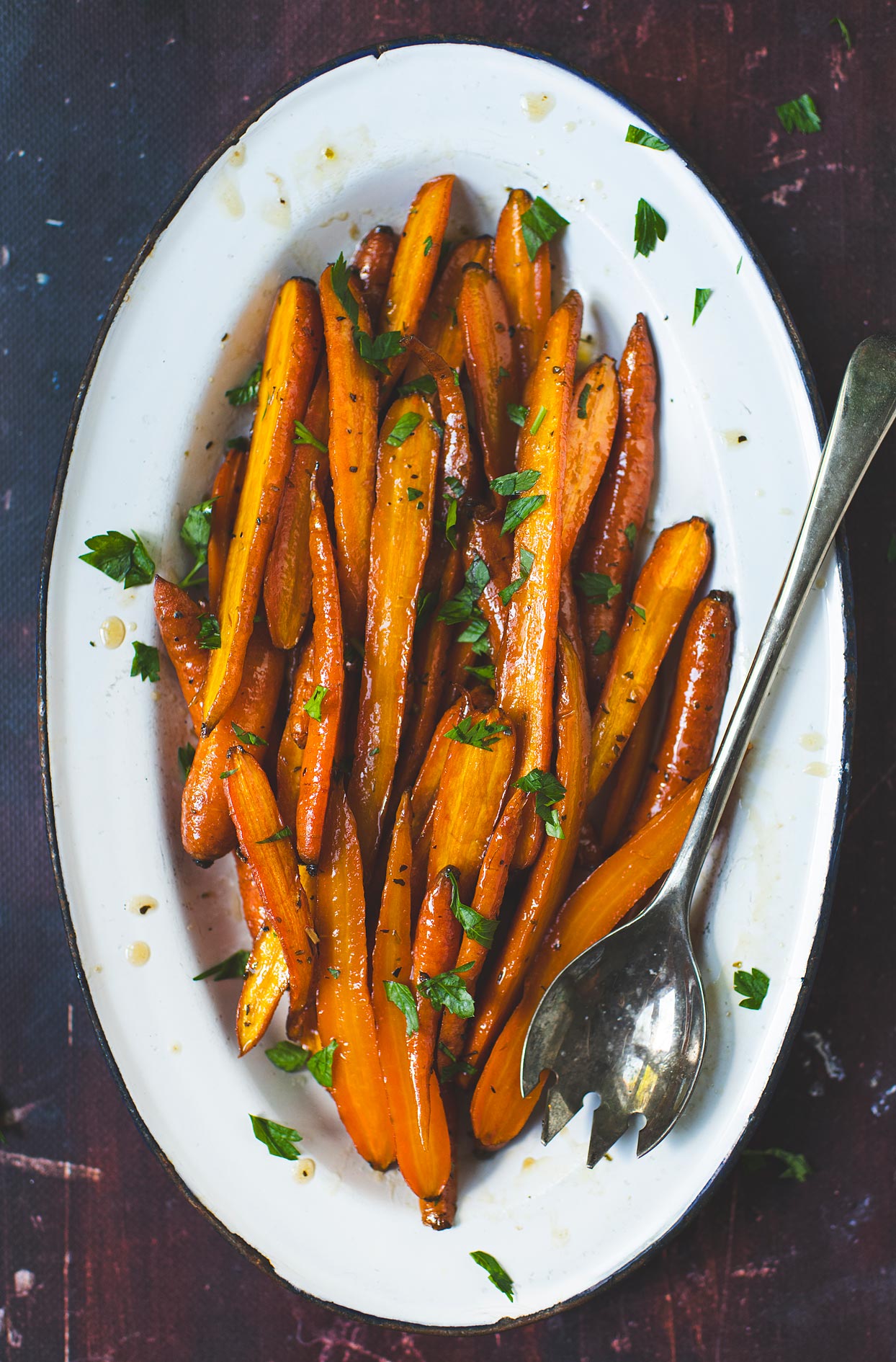
Pour this one with the whole meal, because a side dish doesn't get poured a glass of its own. The Guigal is built on syrah and grenache, and it shows up with garrigue, pepper and black olive notes that reach straight for the herbes de Provence in my maple glazed carrots. The tannins are soft, so they never fight the sugar in the glaze, and the dark fruit holds its own against the roast beef or ham sharing the plate.
Corn and clove share aromatic compounds, which is why this chowder and a hefeweizen fit so well. The wheat notes recall the slice of bread you mop the bowl with, and the bubbles cut through the fat of the maple bacon.
An organic chardonnay made only in stainless steel tanks, so no oak, which leaves it with a clean liveliness. That's exactly what this corn chowder with maple bacon and baby potatoes calls for: the cream and bacon fat coat the mouth, and the acidity of the wine cleans things up between spoonfuls.
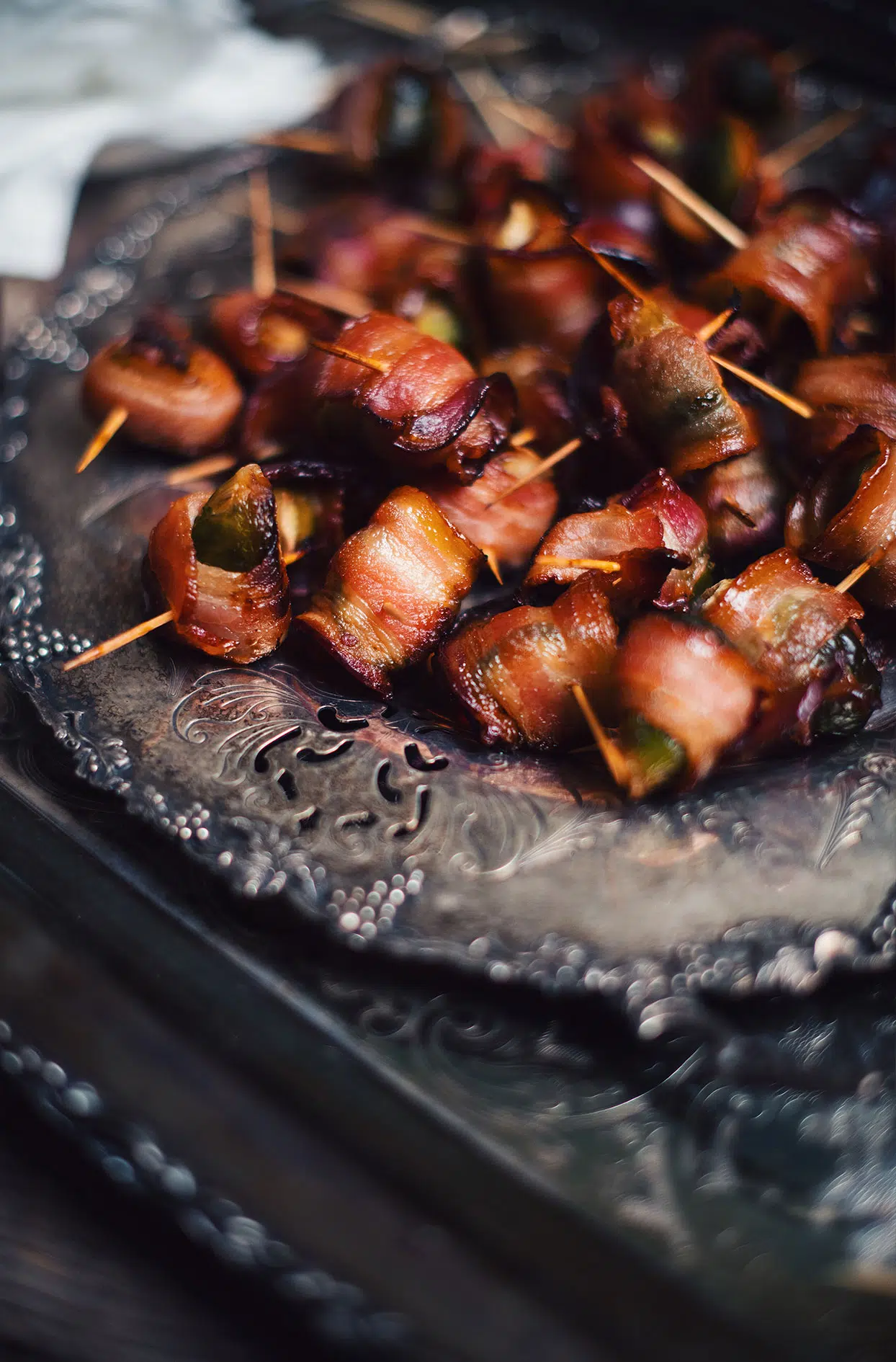
Roasted Brussels sprouts develop a charred bitterness that the bacon and maple sweeten. The bock aged in rum barrels shows up with exactly that: toast, vanilla, cooked sugar. Its light bitterness answers the sprouts', and at 9.5% it goes down far too easily for its own good.
Ah, sunshine in a bottle. And organic too. It comes from a beautiful country, Greece. The nose recalls small red berries, like fresh strawberry, with a light floral touch. An easy-drinking, fresh, digestible wine. Best enjoyed with your feet up on the ottoman or with family alongside these little Brussels sprouts!