

Panettone Recipe (Quick Method)
- Preparation 25 min
- Cooking 35 min
- Servings 12
- Freezing Absolutely
Ads
🍞 Panettone in 3 hours, and it is unreal!
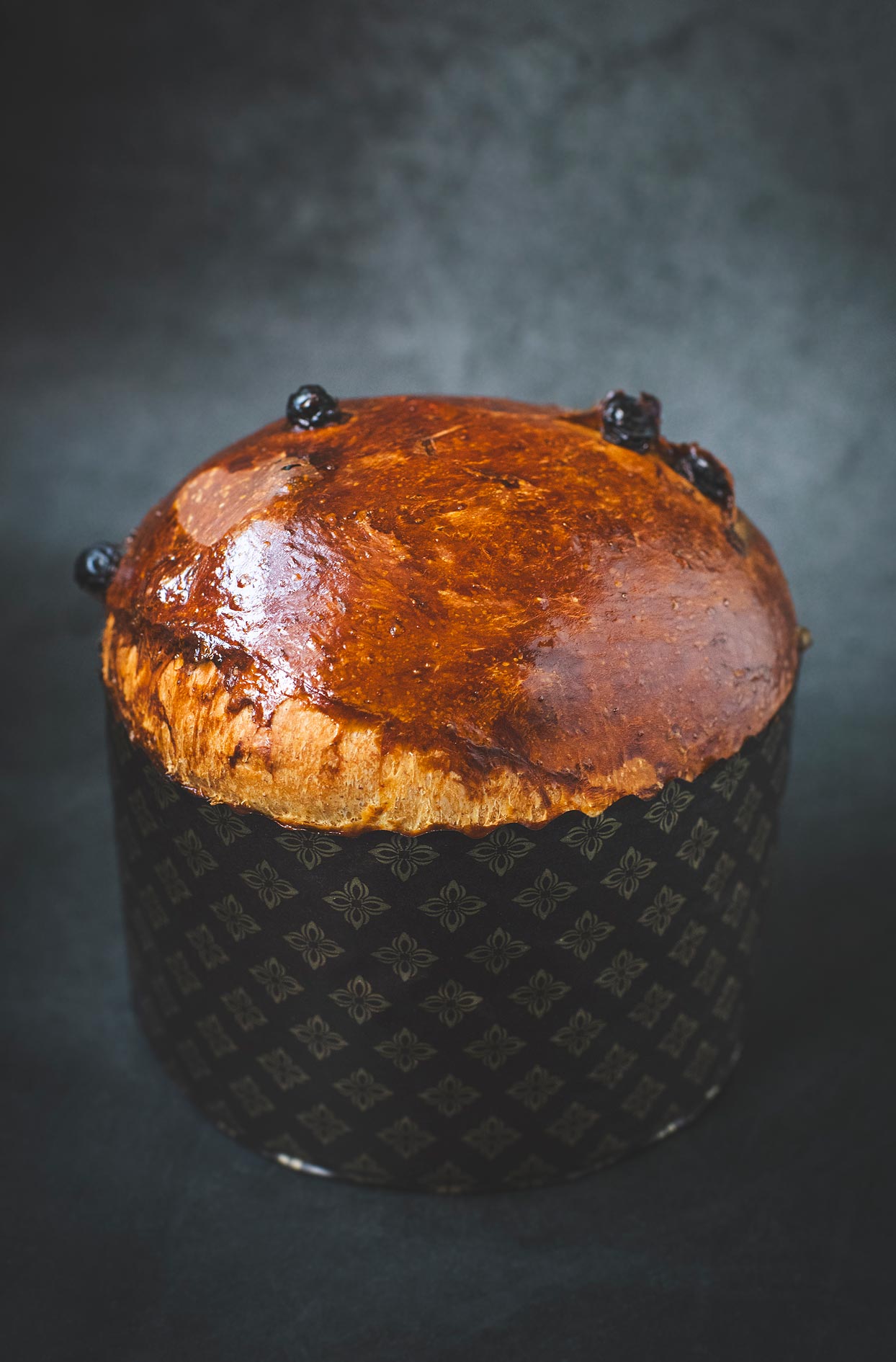
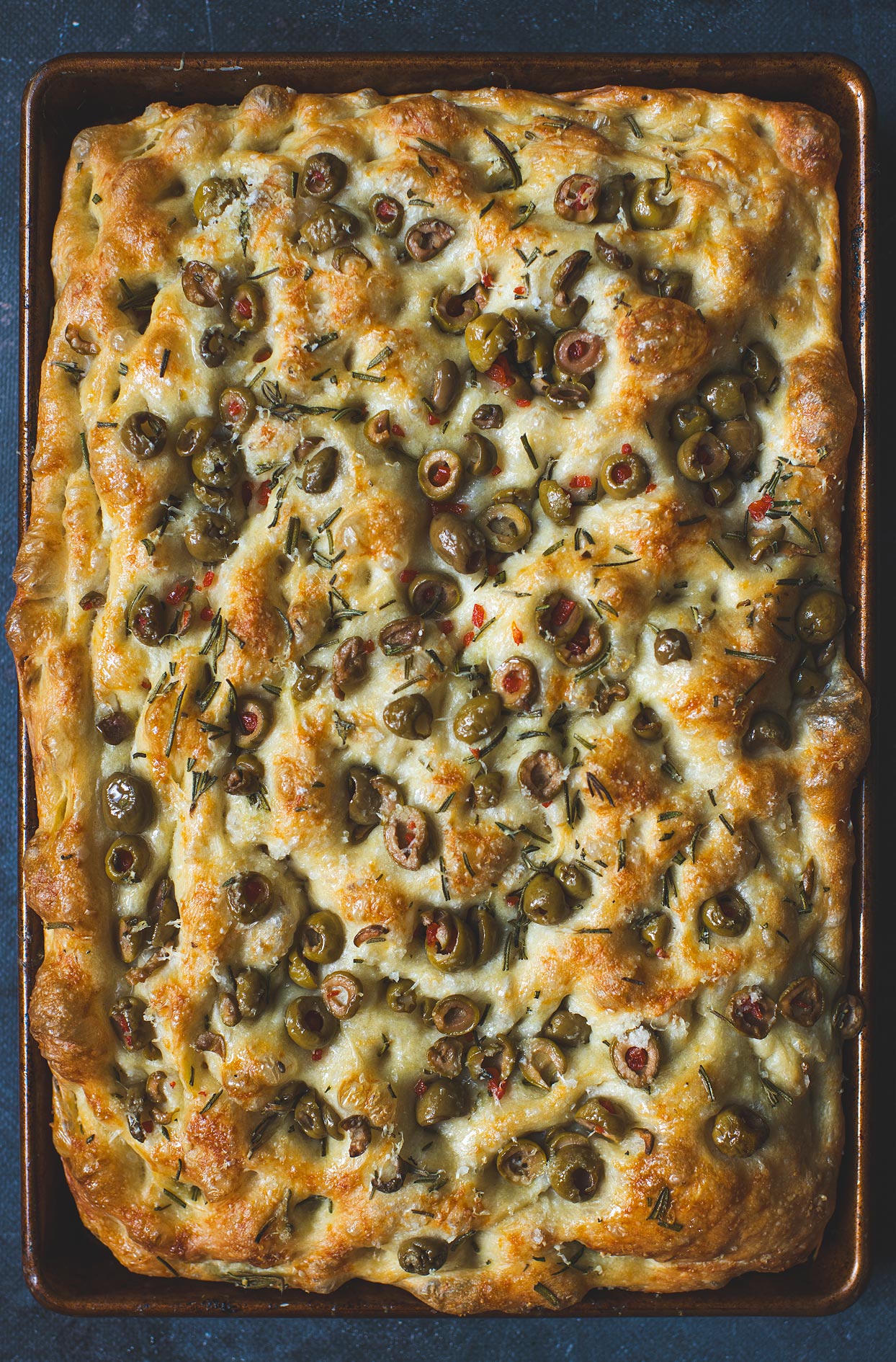
Real Italian panettone asks for a natural starter, 24 to 36 hours of fermentation and the patience of a monk. Mine is ready the same day, and I will be straight with you: it is seriously good and genuinely easy. Instant yeast, two rises, done. I am not claiming this is a Milanese master baker’s loaf. I am saying you can make a rich, citrus-scented Christmas bread stuffed with fruit on a Saturday afternoon. Try it once!
🥃 The fruit spends an hour in dark rum
This is where it turns. Golden raisins, dark raisins and dried cranberries soak in dark rum before they ever touch the dough. You drain them, pat them dry, and they go in plump and perfumed instead of hard as little pebbles. Three fruits, not one: golden is sweet, dark is deeper, cranberry brings the tartness that wakes the whole thing up. Add the zest of two oranges and a lemon and your kitchen smells like Christmas before the oven is even on.
⚖️ WEIGH your flour, that is the whole game
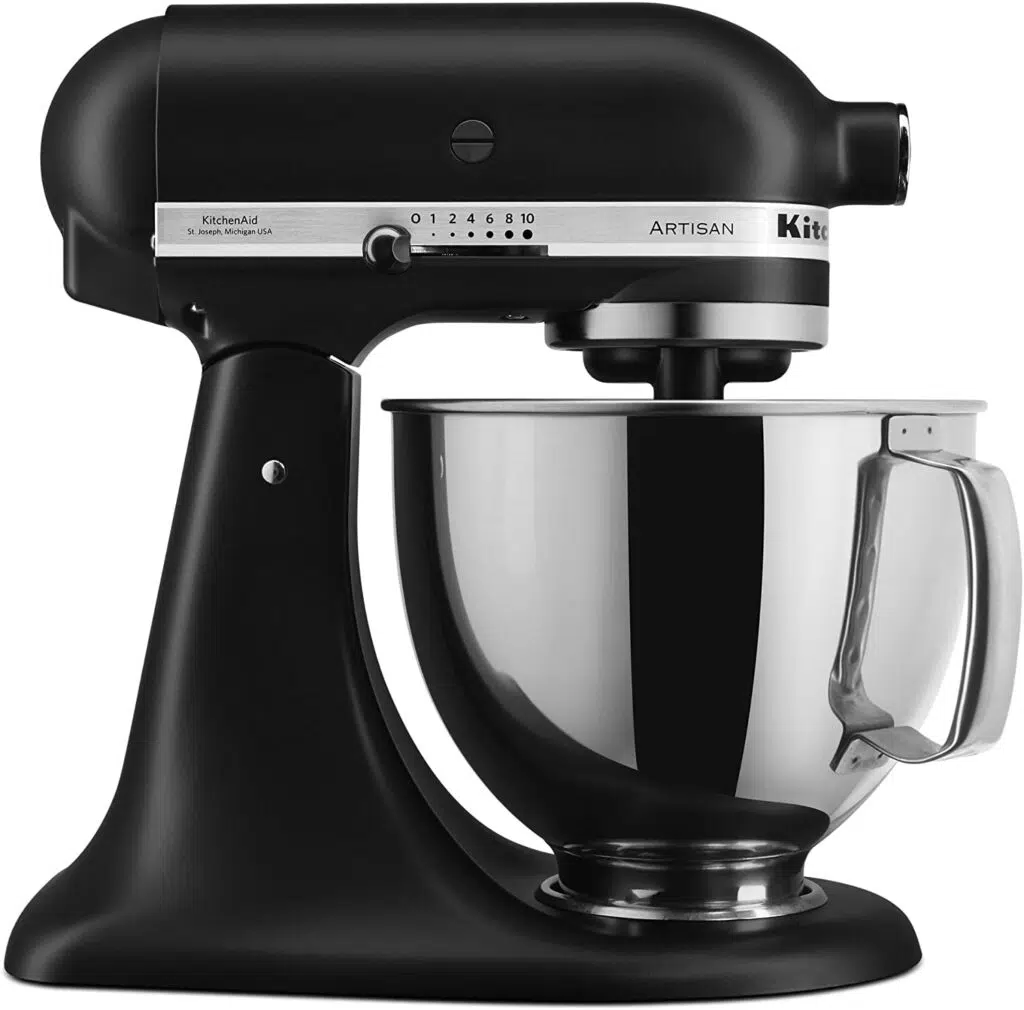
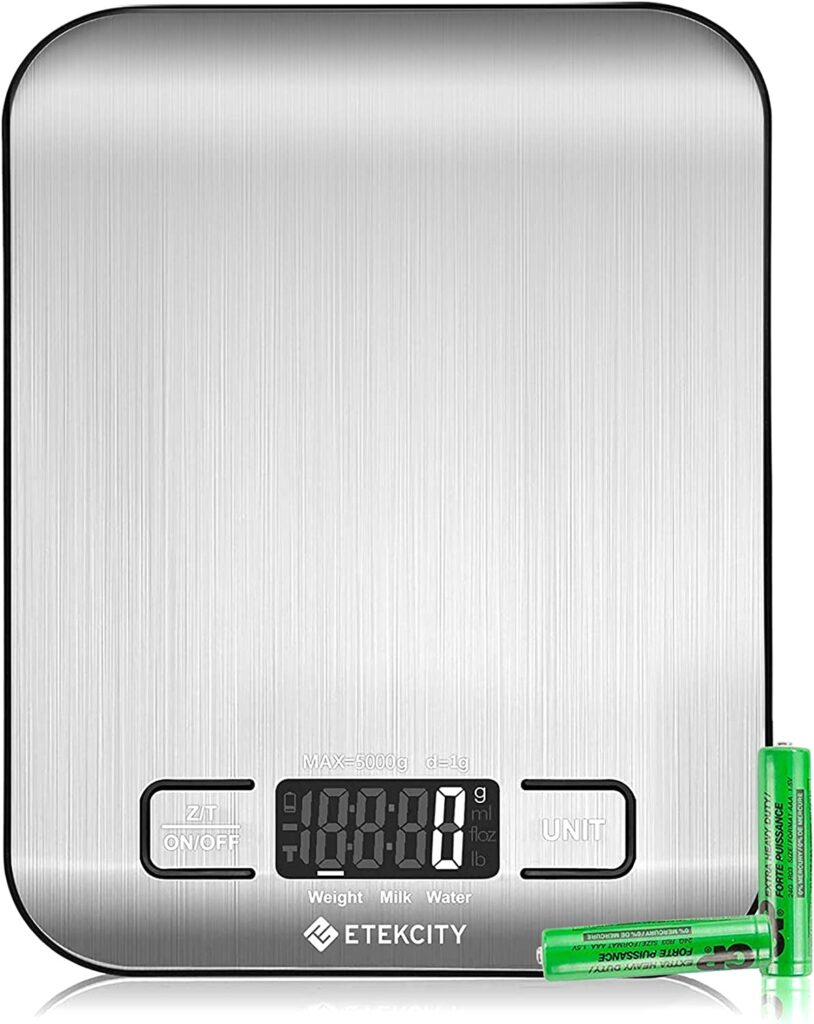
I weighed the flour and the liquid, dumped everything in the bowl at once, and the dough was perfect on the first try. This is not fussiness: a cup of flour varies by 25 grams from one person to the next depending on how you scoop it. Over four cups, you have quietly rewritten the recipe. With a scale you stop guessing whether your dough is too slack or too stiff. Five minutes on the hook and you are into the first rise.
Ads
Ads
⚖️ The scale, not the measuring cup
I weighed everything, flour and liquid alike, and dumped it all in the bowl at once. No holding back a handful of flour, no guessing. It was perfect on the first try. The trouble with cups is that yours does not weigh what mine does: it depends on whether you dip the cup into the bag or spoon the flour in. Over 610 grams, a 25-gram difference per cup gives you a completely different dough. A small digital scale settles it forever.
🥃 Soak the fruit, then dry it
An hour in dark rum and the fruit plumps up, softens and takes on flavour. But it comes out soaking wet, and dough does not want extra liquid at that stage. Drain it, spread it on paper towel and pat it dry. The flavour stays in the fruit, the dough stays balanced.
🙌 Wet fruit slips, so keep at it
As you work it in, the dough tears a little and that is completely fine. But damp fruit slides around: stretch, fold, and knead a bit extra so it really distributes. It is harder to work in than dry fruit, and that is normal. Keep going, it will come together.
💡 Oven off, light on
This matters more than anything, and it is what saves a rise in a cold December house. The oven light gives off just enough gentle warmth for the yeast to work without cooking anything. First rise, one hour. Second rise, an hour and a half, until the dough climbs about an inch above the rim of the mould. That overhang is your signal, not the clock.
👀 Colour first, thermometer if you want certainty
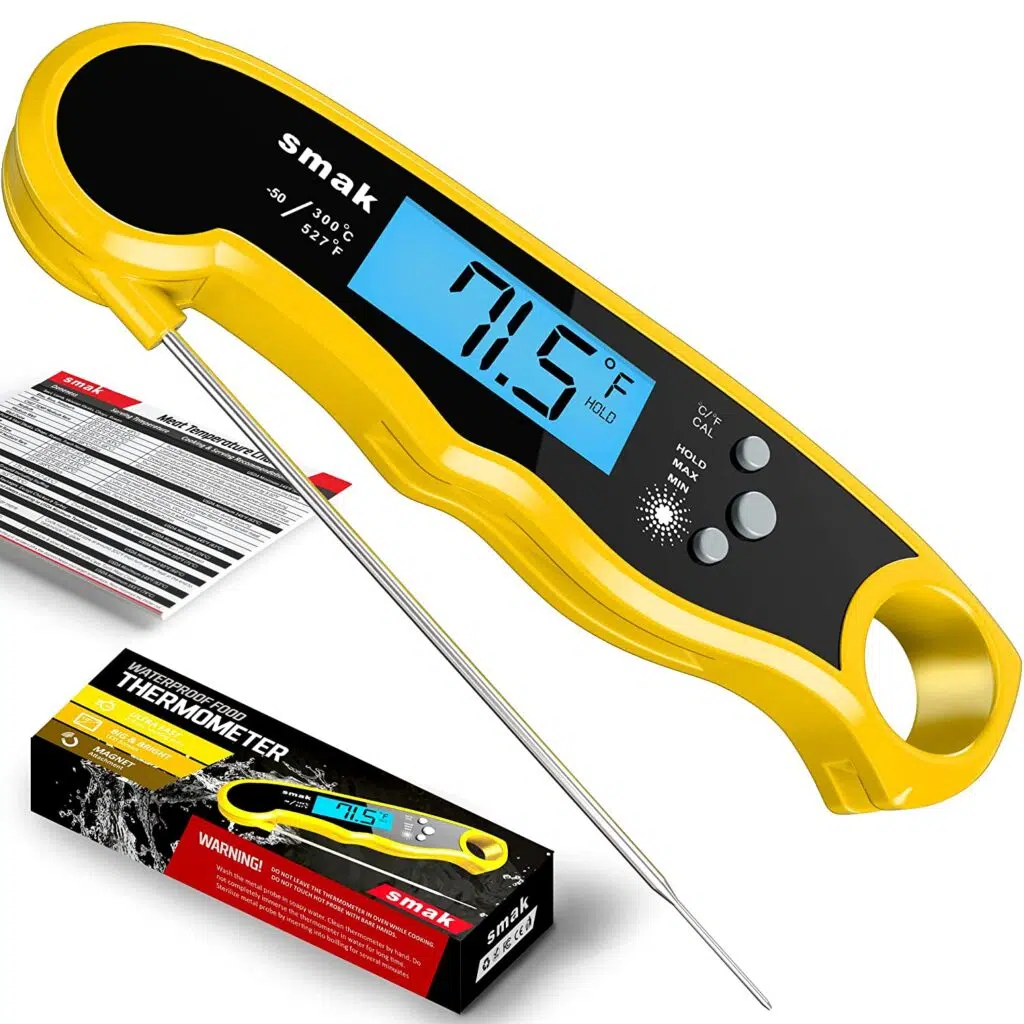
I pulled mine when the crust was evenly golden and they were spot on. If the top is darkening too fast after 20 to 25 minutes, tent it with foil and let the bake finish. And if you want proof, push a thermometer into the centre: an enriched bread like this is done between 190 and 200°F.
🎁 Two hours, then do as you please
The only thing that really matters here is waiting until it has cooled all the way. I waited two hours before unmoulding mine and it was perfect. An enriched bread like this finishes baking in its own heat: cut into it while it is still warm and the crumb stays gummy and drags on the blade. After those two hours, do whatever you like. Unmould it completely and slice it, or leave it in its paper mould and cut slices as you go, which keeps it moist longer. Neither way causes any problem. Bonus: a panettone still in its mould, wrapped in clear cellophane with a silk ribbon on top, looks like a 40-dollar gift.
📅 Make it ahead
The fruit can soak overnight with no downside at all, and it is arguably better. Weigh your dry ingredients ahead and leave them in a covered bowl, set the butter out so it is genuinely soft, zest your citrus and keep it in a small sealed container. On the day, all that is left is five minutes of kneading and two rises where you do nothing. The one thing I would not do ahead is the dough itself: a risen dough parked in the fridge changes the crumb, and it is no longer the same recipe.
❄️ Storage
Homemade panettone has no preservatives in it: it keeps 7 to 10 days well wrapped at room temperature, compared to a month or more for a store-bought one. It also freezes beautifully, I have done it. Wrap it tight and pull it out when company comes. By day four or five, a toasted slice is honestly better than the first day.
✅ What to serve with my quick homemade panettone
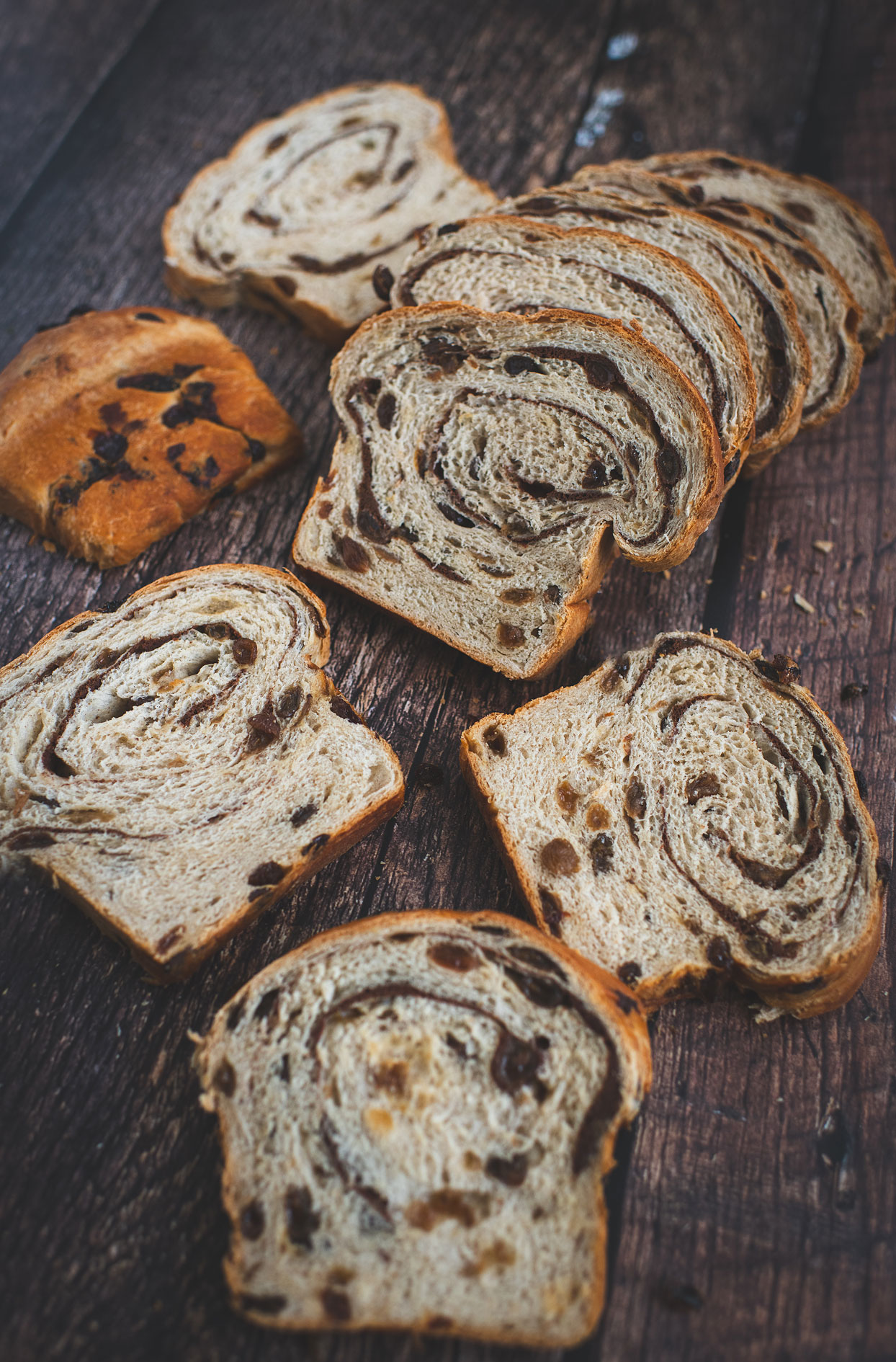
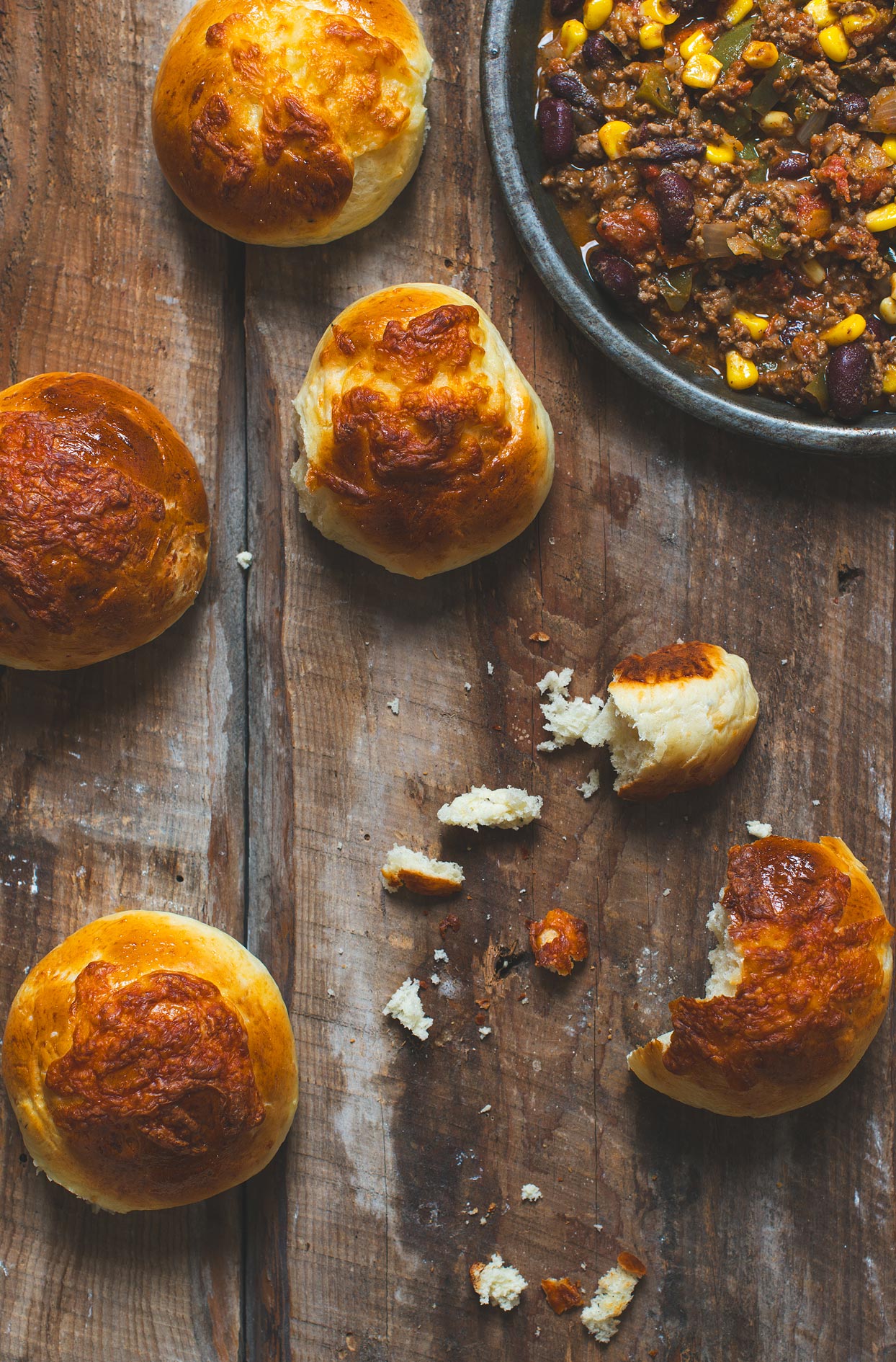
Plain, toasted, with a knob of butter, or turned into French toast the next morning, which is ridiculous in the best way. Coffee, hot chocolate, or a cold glass of moscato for a Christmas dessert. And if you like sweet yeasted doughs, go look at my cinnamon raisin bread and my cheesy brioche buns. Same family, same payoff, and the house smells just as good in all three cases.

Ads
Soaked fruit
- ⅓ cup (50 g) golden raisins
- ⅓ cup (50 g) dark raisins
- ⅓ cup (50 g) dried cranberries
- 1 cup (250 ml) dark rum
Dough
- 3 egg yolks
- ½ cup (125 ml / 100 g) sugar
- ½ tbsp salt, level
- 2 tbsp (18 g) instant yeast (rapid rise)
- Grated zest of 2 oranges
- Grated zest of 1 lemon
- 1 cup (240 ml) warm water, 105°F to 115°F (40°C to 45°C)
- ½ cup (113 g) unsalted butter, softened
- 4 cups (610 g) bread flour
Egg wash
- 1 egg yolk
- 1 tsp (5 ml) heavy cream 35% (or milk)
Ads
Preparation
- Put the golden raisins, dark raisins and dried cranberries in a bowl, pour the dark rum over to cover and let soak for at least 1 hour.
- Drain the fruit, then spread it on paper towel and pat it thoroughly dry. Set aside.
- In the bowl of a stand mixer, whisk the egg yolks and sugar together by hand for a few seconds.
- Add the salt, instant yeast, orange zest, lemon zest, warm water, softened butter and all of the weighed flour.
- Using the dough hook, knead on low speed (speed 2 or 3) for about 5 minutes, until the dough is very soft, smooth and slightly tacky, but still manageable without sticking to your hands.
- Cover the bowl and let rise for 1 hour in the oven, turned off with the light on, until the dough has doubled.
- Punch the dough down and work the drained fruit in by hand, stretching and folding the dough over itself, then kneading a little: damp fruit slips around and needs some insistence to spread evenly.
- Divide the dough into 2 equal portions, shape two smooth balls and set them seam-side down in two 5-inch paper panettone moulds lined with parchment paper.
- Let rise for 1 hour 30 in the oven, turned off with the light on, until the dough rises about 1 inch above the rim of the moulds.
- Take the moulds out of the oven and preheat it to 375°F (190°C).
- Whisk the egg yolk with the cream and brush it gently over the tops.
- Bake for about 35 minutes, until the crust is evenly golden and the centre is cooked through. Cover with foil after 20 to 25 minutes if the top is browning too fast.
- Let cool completely in the moulds for at least 2 hours before unmoulding and slicing: the bake finishes inside the crumb while the loaf cools.
Because the traditional version is a two-day project: a natural starter that has to be fed and kept alive, 24 to 36 hours of staged fermentation, and a very rich dough that resists rising. That is what makes it a professional baker’s bread. This version sidesteps all of it with instant yeast and two rises. It is not the same loaf, but you eat it the same day.
Bread flour. It has more protein than all-purpose, which gives the gluten the strength to hold a dough this loaded with butter and egg yolks. With all-purpose, the crumb struggles under the weight of the fruit. And weigh it: 610 grams, not four approximate cups.
Three of them. Measuring flour by the cup, which changes the dough completely. Adding the fruit straight from the rum without draining and drying it, which waterlogs the dough. And rushing the second rise: you wait until the dough climbs an inch above the rim of the mould, not until the timer says so.
Dark rum, in my version, and it only ever soaks the fruit. The raisins and cranberries sit in it for an hour, then get drained and patted dry: the alcohol stays in the bowl, the flavour stays in the fruit. Soak them in warm orange juice instead if you want it alcohol-free.
Because the crumb of a heavily enriched bread is dense and still moist when it leaves the oven. Traditional recipes fix this by hanging the loaf upside down on skewers. With the 5-inch moulds in this recipe, mine did not sink at all: it cools standing in its paper mould, which holds it up.
Once it has cooled completely, at least two hours out of the oven. Before that the crumb is still gummy and drags on the blade. After that it is up to you: unmould it entirely, or leave it in its paper mould, which keeps it moist and holds it upright. It is also what makes it an easy gift: a ribbon around the mould and it is wrapped.
Seven to ten days at room temperature, well wrapped, because there are no preservatives in it, unlike store-bought loaves that last for months. It freezes very well too. After a few days, a toasted slice with butter becomes the best way to eat it.
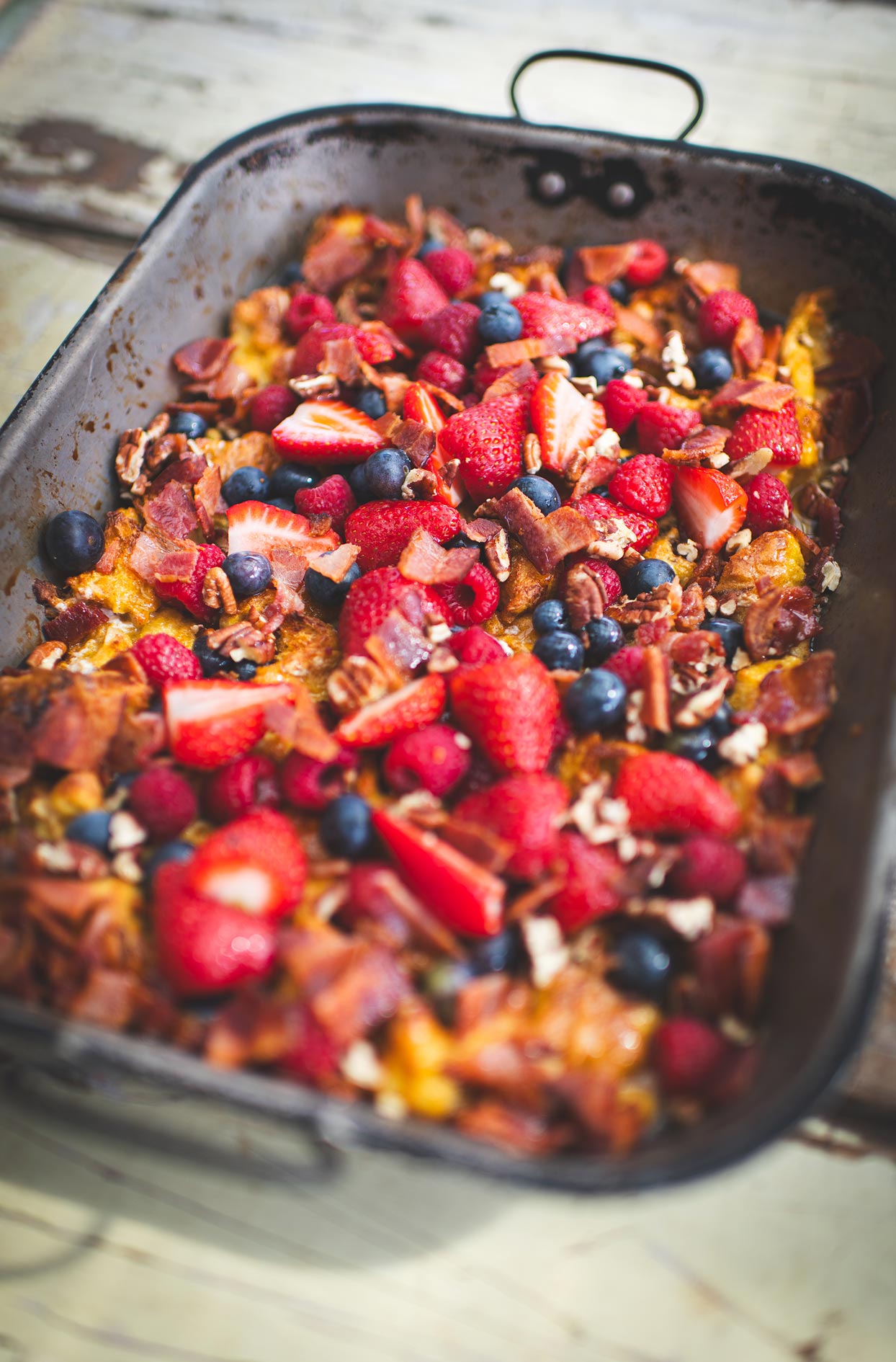
Toasted with butter, plain with coffee, or as French toast the next morning. For a holiday breakfast that turns heads, put it next to my bacon and pecan brioche casserole and my cinnamon raisin bread: sweet, salty, and nobody leaves the table.
Ads
Ads


Ads
Ads
Ads