

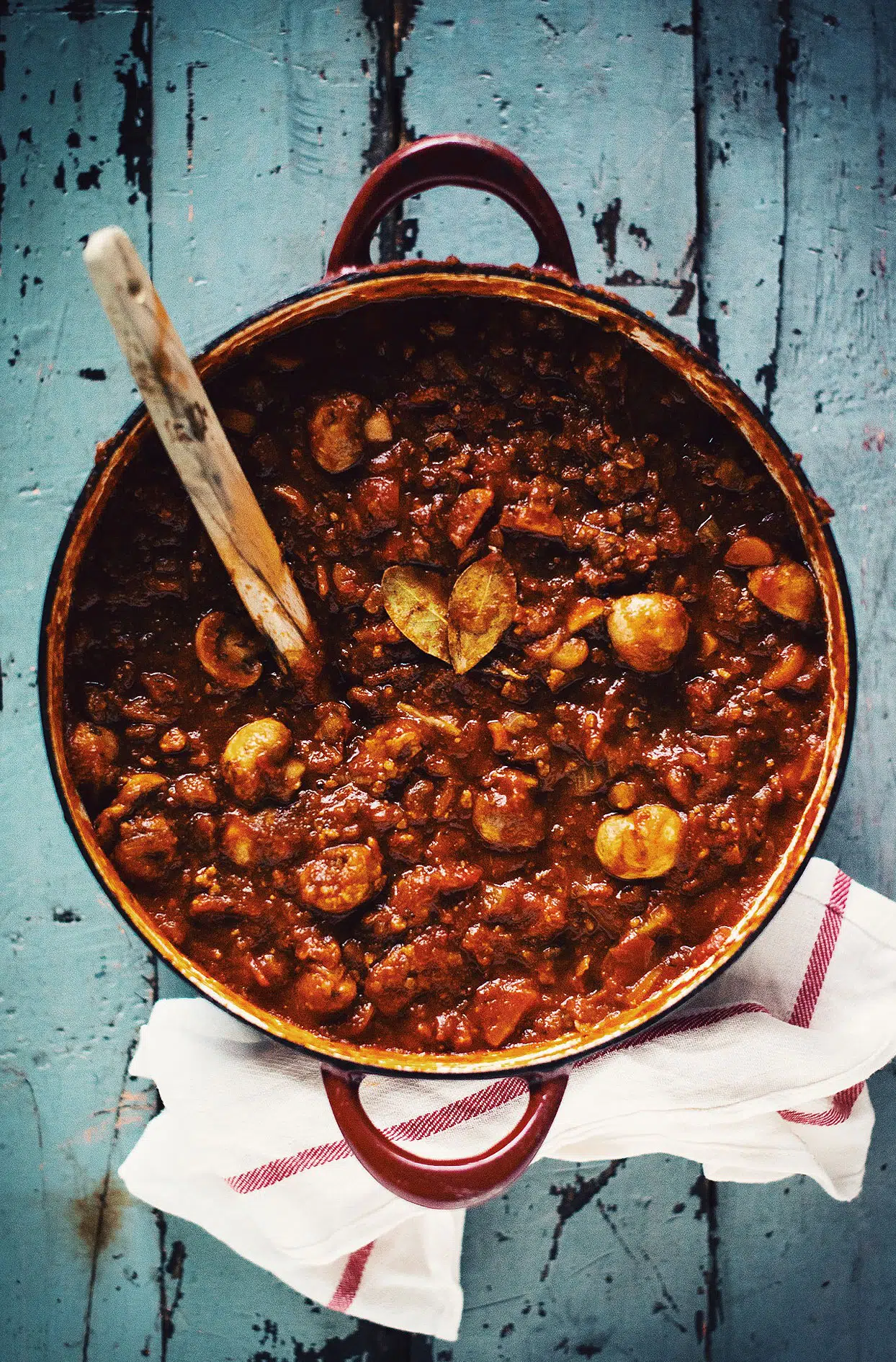
The best homemade meat spaghetti sauce
- Preparation 20 min
- Cooking 1 h 50 min
- Servings 12 to 15
- Freezing Absolutely
Ads
🍝 Three generations, and mine is the meatiest
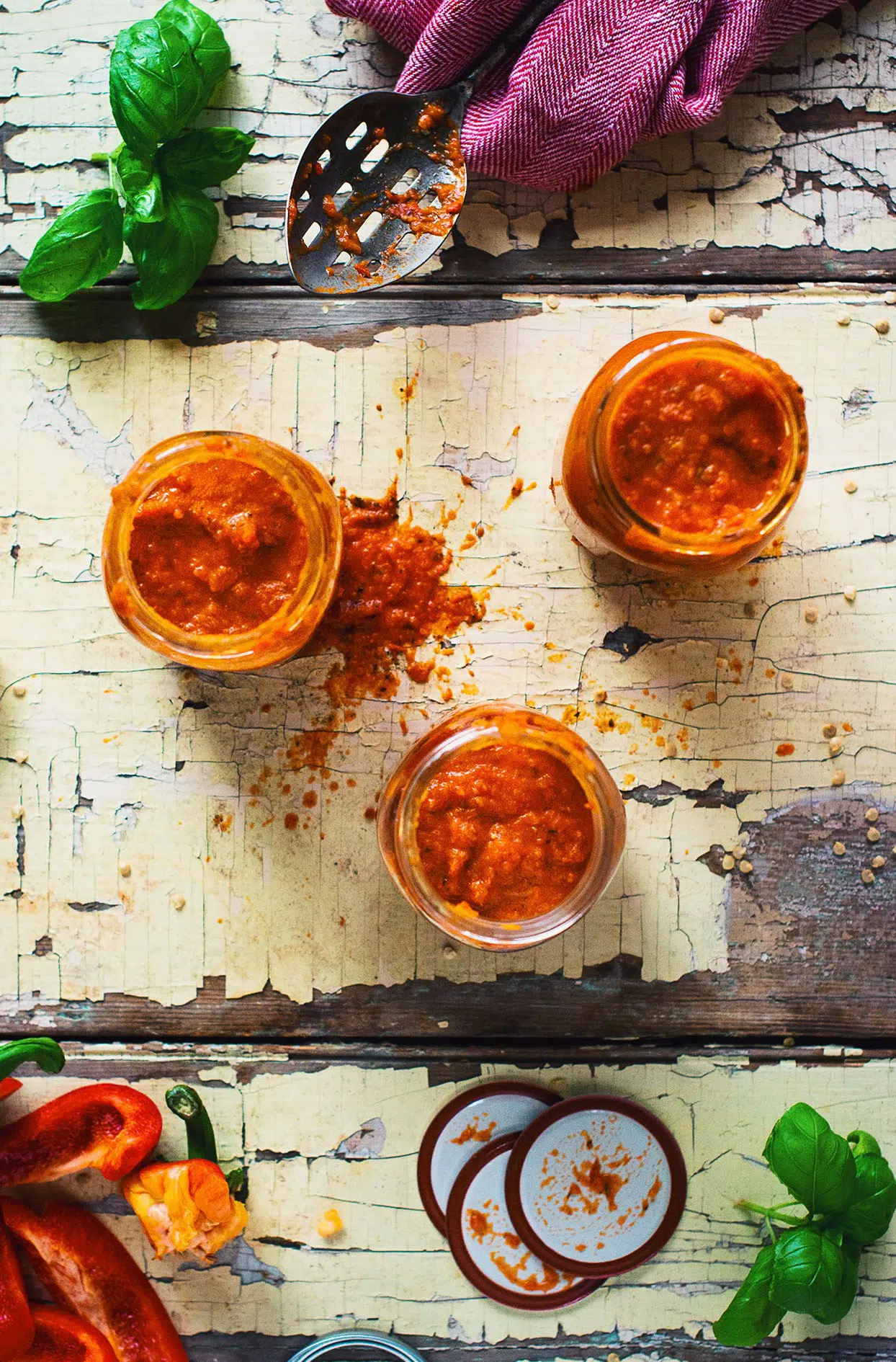
This homemade meat spaghetti sauce starts with my grandmother’s. Hers inspired my mom’s, and it’s my mom’s that I took over and reworked to my own taste. What I changed most is the meat: I made it very, very meaty. Hot Italian sausages in rounds, ground pork-veal-beef, and a vegetable base with real body under it all. Everyone who tastes it tells me the same thing. This is my traditional Quebec spaghetti sauce, the one I always come back to.
🤫 My own addition: a can of Catelli meat sauce
Neither my grandmother nor my mom did this. Adding a can of Catelli meat sauce was my call, because I thought it tasted really good. It brings little spices, a particular flavour, a layer of complexity I can’t get any other way. I think of it the way I think of white wine in a risotto. You don’t have to use it, it’s genuinely optional. If that kind of thing bugs you, swap it for another can of Hunts tomato sauce and go on with your day. But try it once before you decide.
⏱️ 1h15 of simmering, and yes, I add sugar
Traditional recipes ask for three or four hours. Mine is done after 1h15. On the stove or in the oven at 325°F, same sauce either way. The other big Quebec debate is sugar. I’m in the sugar camp and I own it: 2 tablespoons, added right at the end, not to sweeten but to cut the acidity of canned tomatoes. Savoury, with just enough sugar to round it off. And it makes 20 to 24 cups. Get out your biggest pot.
Ads
Ads
🍅 The secret to a good traditional Quebec spaghetti sauce
People look for a magic ingredient. There isn’t one. What makes the difference is the base: a whole celery, eight large carrots and a big Spanish onion cooked in olive oil before any meat touches the pot. Twelve minutes, not three. Then I brown the ground meat to get that seared flavour. The Italian sausages I never brown: they go into the sauce raw, in rounds, and release their fat and spices through the whole simmer. And three tomato sources instead of one, because a single can gives you a flat sauce.
⏱️ 1h15, not three hours
Every spaghetti sauce recipe tells you to simmer three or four hours. I stopped doing it. After 1h15 on low heat, my sauce is there: the meat is tender, the tomatoes are concentrated, the flavours have fused. The rest is evaporation and patience for nothing. If you’ve got the afternoon, push it to two hours, no harm done. But on a Tuesday night, 1h15 gives you the exact same sauce. That’s the real reason I make it so often.
🔥 Same sauce, in the oven at 325°F
I also make it in the oven instead of on the stove, and honestly I prefer it that way. Cook the vegetables and the meat on the stove as usual, add the cans, the sausages and the bay leaves, then slide the uncovered pot into the oven at 325°F (165°C) for 1h15. Pull it out, add the mushrooms and the sugar, and put it back for 15 minutes. Same total time as the stove. The heat comes from every side instead of just the bottom: nothing sticks, nothing scorches, and you don’t have to stir every ten minutes. Just make sure your pot is oven-safe, handles included.
🥫 The Catelli can: an option, not a rule
I add a can of Catelli meat sauce to my pot. That’s my own addition, the one that wasn’t in my grandmother’s recipe or my mom’s. It brings little spices you don’t keep in your cupboard and a taste I can’t reproduce otherwise. I see it the way I see white wine in a risotto: it’s not there for looks, it’s there to add a layer. You don’t have to use it. If that kind of thing bugs you, swap it for another can of Hunts tomato sauce and go on with your day. But if you trust Le Coup de Grâce, trust me on this one too.
🍯 The sugar goes in at step 4, never earlier
The 2 tablespoons of sugar go in at the very end, with the mushrooms, once the simmering is done. Not at the start, not halfway. The sugar doesn’t sweeten the sauce, it cuts the acidity of canned tomatoes and rounds everything off. You won’t taste it. The Tabasco goes in earlier, with the dried herbs: 7 drops, it doesn’t burn, it wakes things up. And the halved mushrooms go in for the last 15 minutes only, otherwise they release their water and turn rubbery.
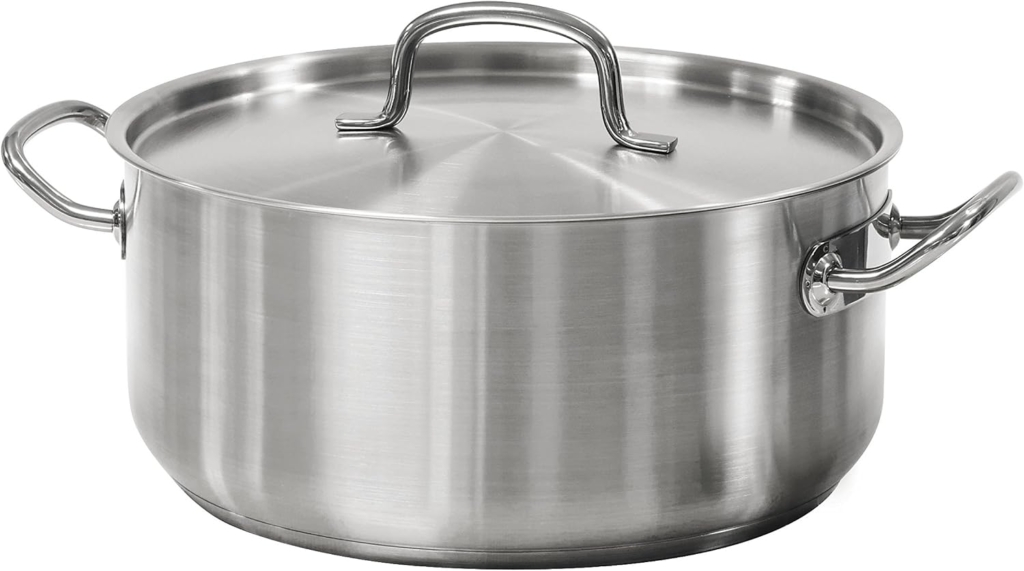
🍲 You need a big pot, and here’s the yield
This recipe gives you 20 to 24 cups of sauce, roughly 5 to 6 litres, or 12 to 15 generous servings. Which means you need a genuinely big pot, bigger than 20 cups. If you don’t have one, take your two largest, split the ingredients 50/50, cook both at the same time and combine at the very end. That’s exactly what I did for years before I bought a 9-litre.
📅 Get ahead the day before
The only thing that eats time here is the knife work. The whole celery, the eight carrots, the Spanish onion, the garlic, the mushrooms: cut it all the day before and store it in labelled containers in the fridge. Measure your dried herbs ahead too, in one small jar, since they all go into the pot at the same moment anyway. On the day, all that’s left is opening the cans and watching a pot. And if you’re hosting, you can go further and make the sauce the day before: it’s one of the rare things that gets better overnight.
❄️ Storing, reheating and freezing
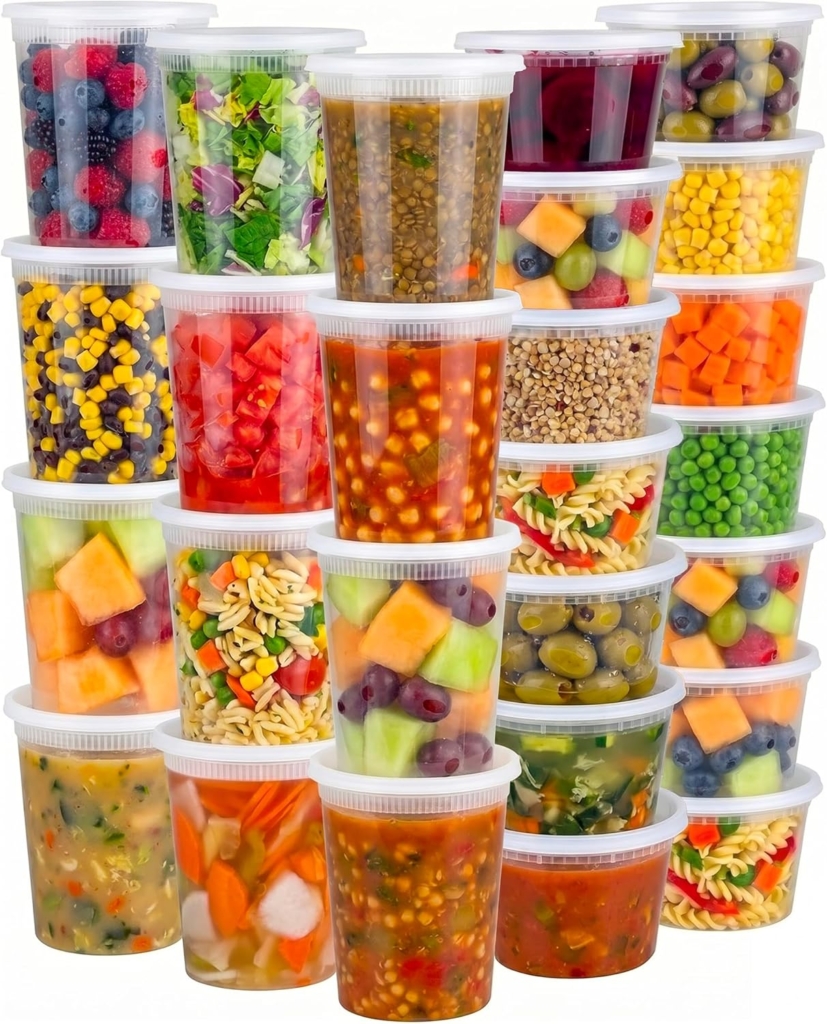
In the fridge, 4 to 5 days in an airtight container. In the freezer, 3 months. I freeze it in large format, in 32 oz plastic containers: one container is about 1 litre, so 2 to 3 servings. Thaw overnight in the fridge and reheat on low. One thing to know: the sauce thickens a lot as it cools. Loosen it with a bit of chicken broth when you reheat, never water. And sauce that has already been thawed does not go back in the freezer.
🍝 Five ways to use it up
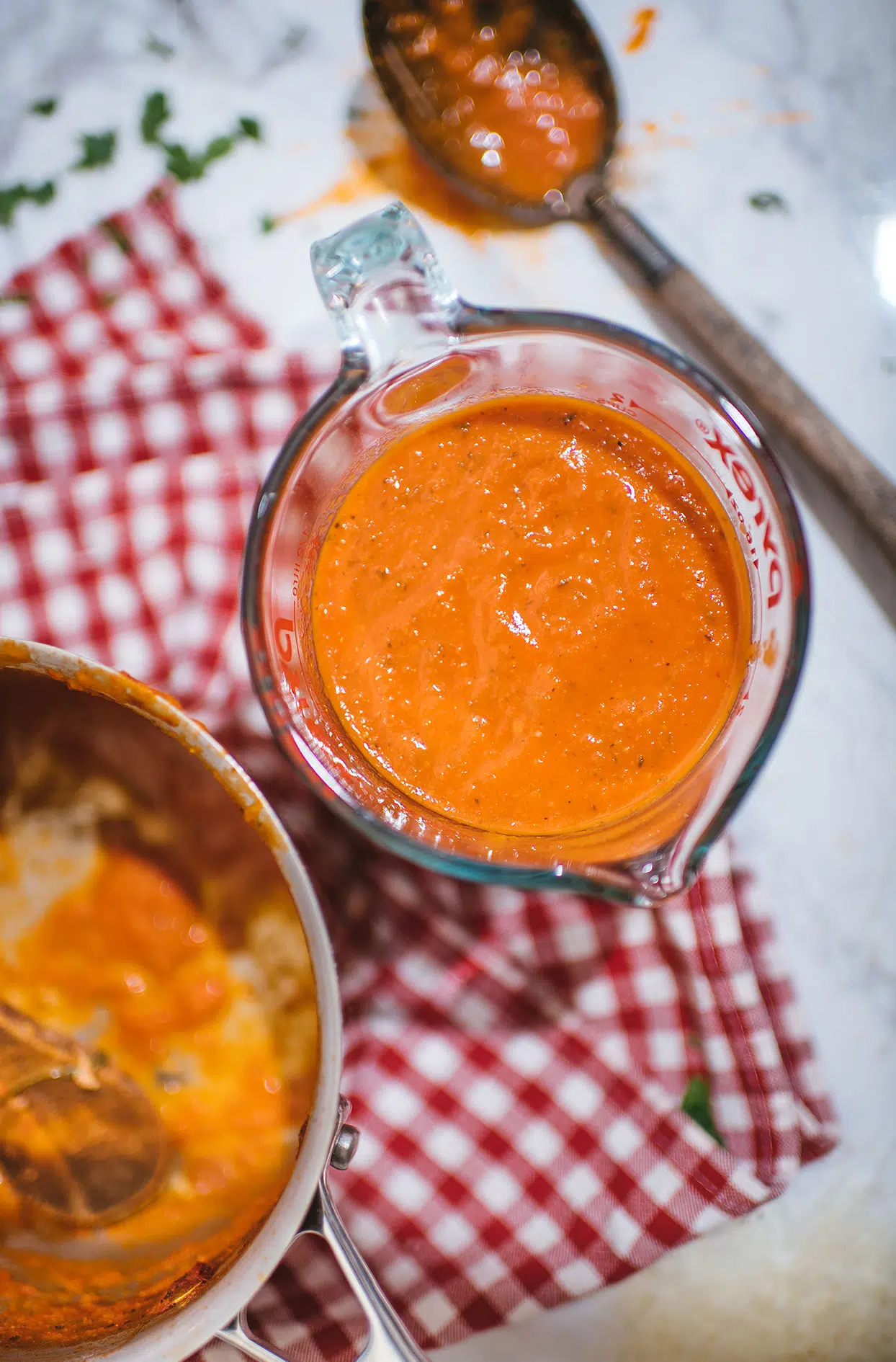
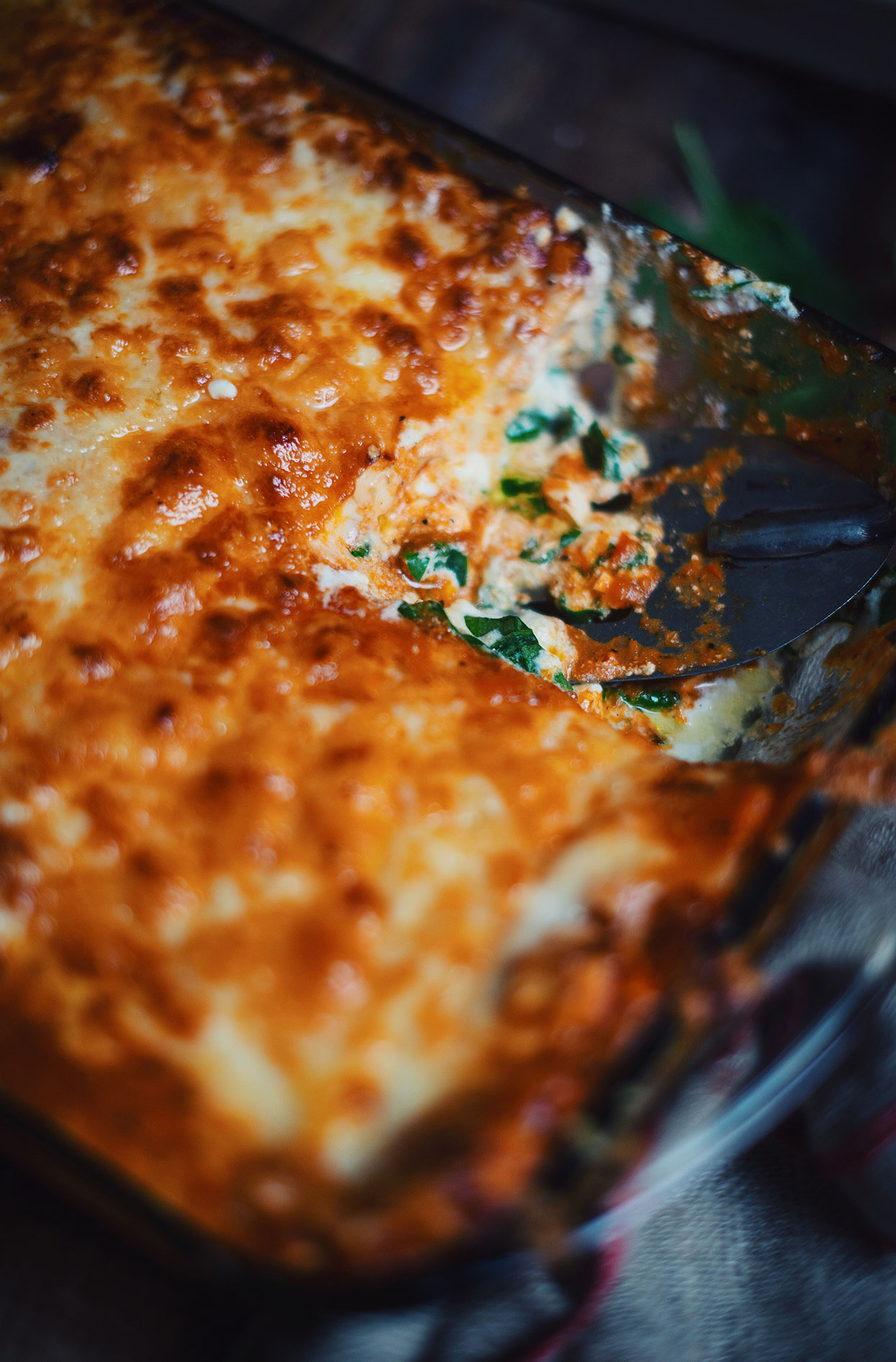
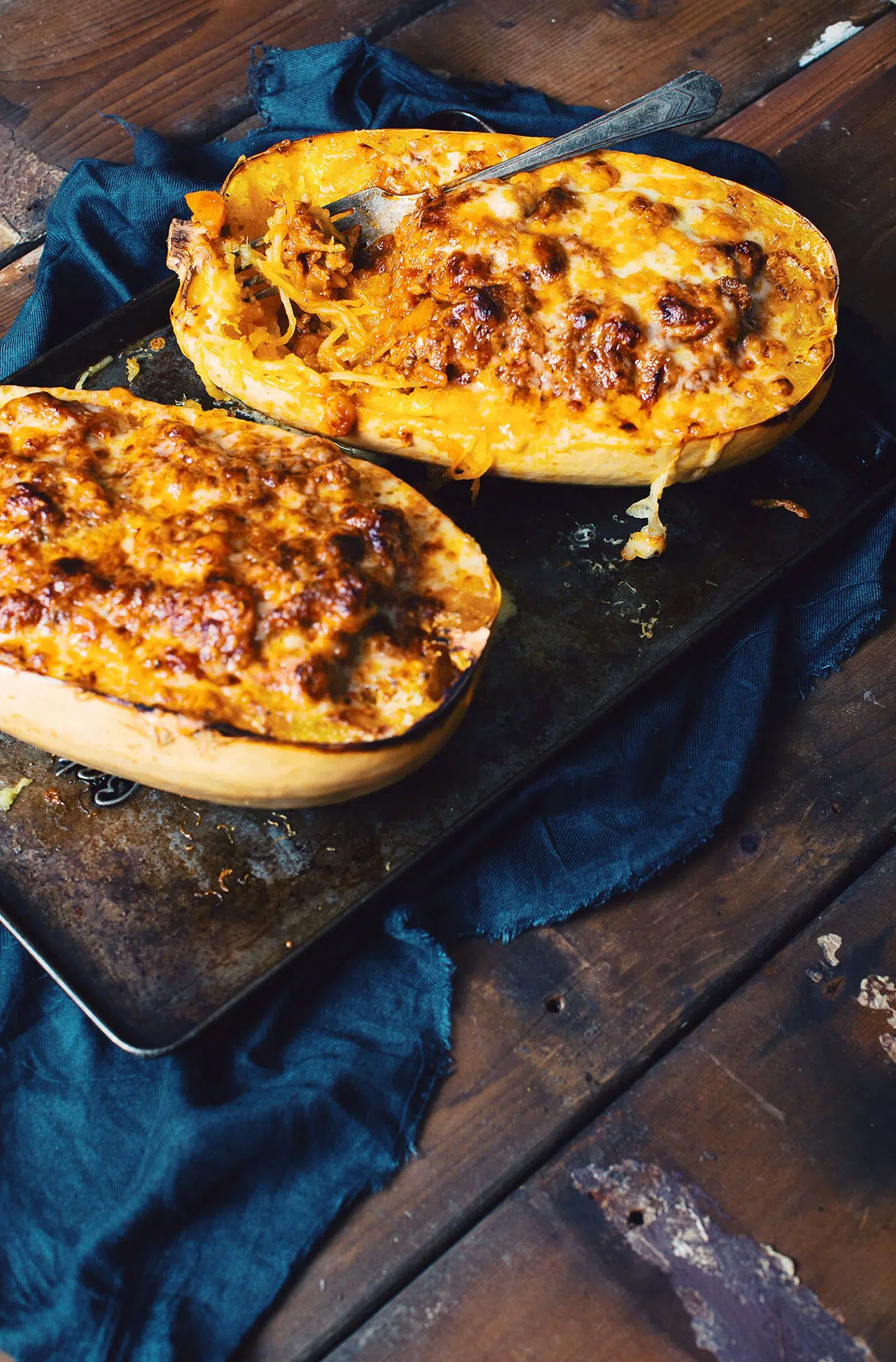
Once you’ve got 20 cups, you’re not just eating spaghetti. It replaces the bolognese in my cheese curd lasagna, and it’s better that way. It fills my pork and beef cannelloni. It turns into a chili mac and cheese. It’s the base on my homemade pizzas. And it’s exactly this sauce I spoon into my spaghetti squash gratin: the squash replaces the pasta, the sauce doesn’t change at all.
Ads
Ingredients
- 1 whole celery (about 700 g), diced
- 8 large carrots (about 1 kg), diced
- 4 garlic cloves, finely chopped
- 1 large Spanish onion (about 400 g), finely chopped
- Olive oil
- 550 g (1.2 lb) ground meat, pork/veal/beef blend
- 6 hot Italian sausages, cut into 3 cm (1.2 in) thick rounds
- 2 cans (796 ml / 28 oz each) diced tomatoes with Italian spices
- 2 cans (680 ml / 24 oz each) Hunts tomato sauce with fine herbs
- 1 can (680 ml / 24 oz) Catelli meat sauce (optional, or another can of Hunts tomato sauce with fine herbs)
- 4 bay leaves
- 1 teaspoon (5 ml) dried parsley
- 1 teaspoon (5 ml) dried thyme
- 1 teaspoon (5 ml) dried basil
- 1 teaspoon (5 ml) dried Italian spices
- 1 teaspoon (5 ml) dried oregano
- 7 drops of Tabasco (to taste)
- 2 tablespoons (30 ml) sugar
- Salt and freshly ground pepper
- 1 ½ packs white mushrooms (about 340 g), halved
Ads
Preparation
- In a huge pot over medium heat, warm a good drizzle of olive oil and add the vegetables except the mushrooms. Cook for about 10-12 minutes, stirring often. Season with salt and pepper. Add olive oil if needed.
- Add the ground meat with the spices (except the bay leaves) and cook until the meat is no longer pink, about 8-10 minutes. Break the meat into small pieces and stir often.
- Add the canned sauces and diced tomatoes, the raw Italian sausages and the bay leaves, then stir well. Let simmer over low heat for 1h15.
- Add the mushrooms and the sugar, then stir. Cook for another 15 minutes. Remove the bay leaves and adjust the seasoning if needed!
For me, it’s a can of Catelli meat sauce stirred in with the tomatoes. It brings little spices you don’t keep at home and a depth I can’t reproduce otherwise, the way white wine changes a risotto. It’s optional, not a rule: another can of Hunts tomato sauce works fine. But if you want the single change that moves the needle most, that’s the one. The runner-up is less glamorous: a real vegetable base of celery, carrots, onion and garlic, cooked properly before the meat goes in.
The Quebec base is a diced vegetable foundation (celery, carrots, onion, garlic) cooked in olive oil, browned ground meat, canned tomatoes, bay leaves and dried herbs, then a long simmer. Around here there’s also that 2 tablespoons of sugar people have been arguing about forever. My version starts with my grandmother’s recipe, runs through my mom’s, and I made it far meatier by adding hot Italian sausages to the ground meat.
Not sweet at all. The 2 tablespoons of sugar are there to cut the acidity of canned tomatoes, not to sweeten the sauce. They go in at the very end, at step 4, along with the mushrooms, not at the start of the simmer. You won’t taste the sugar: the sauce is just rounder, deeper, less sharp. I tested it for years without, with less, with more. Two tablespoons is the number.
Yes, and that’s often how I make it. Cook the vegetables and the meat on the stove, add the cans, the sausages and the bay leaves, then slide the uncovered pot into the oven at 325°F (165°C) for 1h15. Add the mushrooms and the sugar and put it back for 15 minutes. Total time is the same as on the stove. The upside: heat from every side, nothing sticking to the bottom, no stirring. You just need an oven-safe pot, handles included.
1h15 on low heat is enough, plus 15 minutes with the mushrooms. You don’t need the 3 or 4 hours traditional recipes ask for. After 1h15 the meat is tender, the flavours have fused, the tomatoes are concentrated and the texture is right. If you have time and want it even more concentrated, push to two hours, but you have nothing to prove.
Three things that work. One: keep simmering uncovered for another 20 to 30 minutes and let the water go. Two: stir in 1 tablespoon of tomato paste and cook it five minutes, which thickens and concentrates at the same time. Three: save a ladle of pasta cooking water and add it when you toss, the starch binds the sauce. The opposite problem, a sauce that’s too thick the next day, gets loosened with a little chicken broth.
My mix is 1 teaspoon each of dried parsley, thyme, basil, oregano and Italian seasoning, plus 4 bay leaves and 7 drops of Tabasco. The dried herbs go in with the meat, not at the end: they need the fat and the simmering time to open up. The bay leaves go in with the tomatoes and come out before serving. That’s my spaghetti sauce seasoning, and I haven’t touched it in a long time.
4 to 5 days in the fridge in an airtight container, and it’s better the next day. 3 months in the freezer. I freeze it in large format, in 32 oz plastic containers: one container is about 1 litre, so 2 to 3 servings. Thaw overnight in the fridge, reheat on low. Since it thickens as it cools, loosen it with a bit of chicken broth. And sauce that has already been thawed does not go back in the freezer.
The obvious one: al dente spaghetti with freshly grated parmesan. But it also replaces the bolognese in my cheese curd lasagna, it fills my pork and beef cannelloni, it turns into a baked mac and cheese, it’s the base on my homemade pizzas, and it’s what goes into my spaghetti squash gratin when I want the same thing without the pasta.
Five moves, no more. One: cook diced celery, carrots, garlic and onion in olive oil for 10 to 12 minutes. Two: brown the ground meat with the dried herbs. Three: pour in the canned tomatoes and sauces, add the raw Italian sausage rounds and the bay leaves. Four: simmer 1h15 on low, or in the oven at 325°F. Five: add the mushrooms and the sugar for the last 15 minutes. No chef technique anywhere in there.
Ads
Ads
Ads
Ads
Ads