

The best homemade pizza sauce with fresh tomatoes
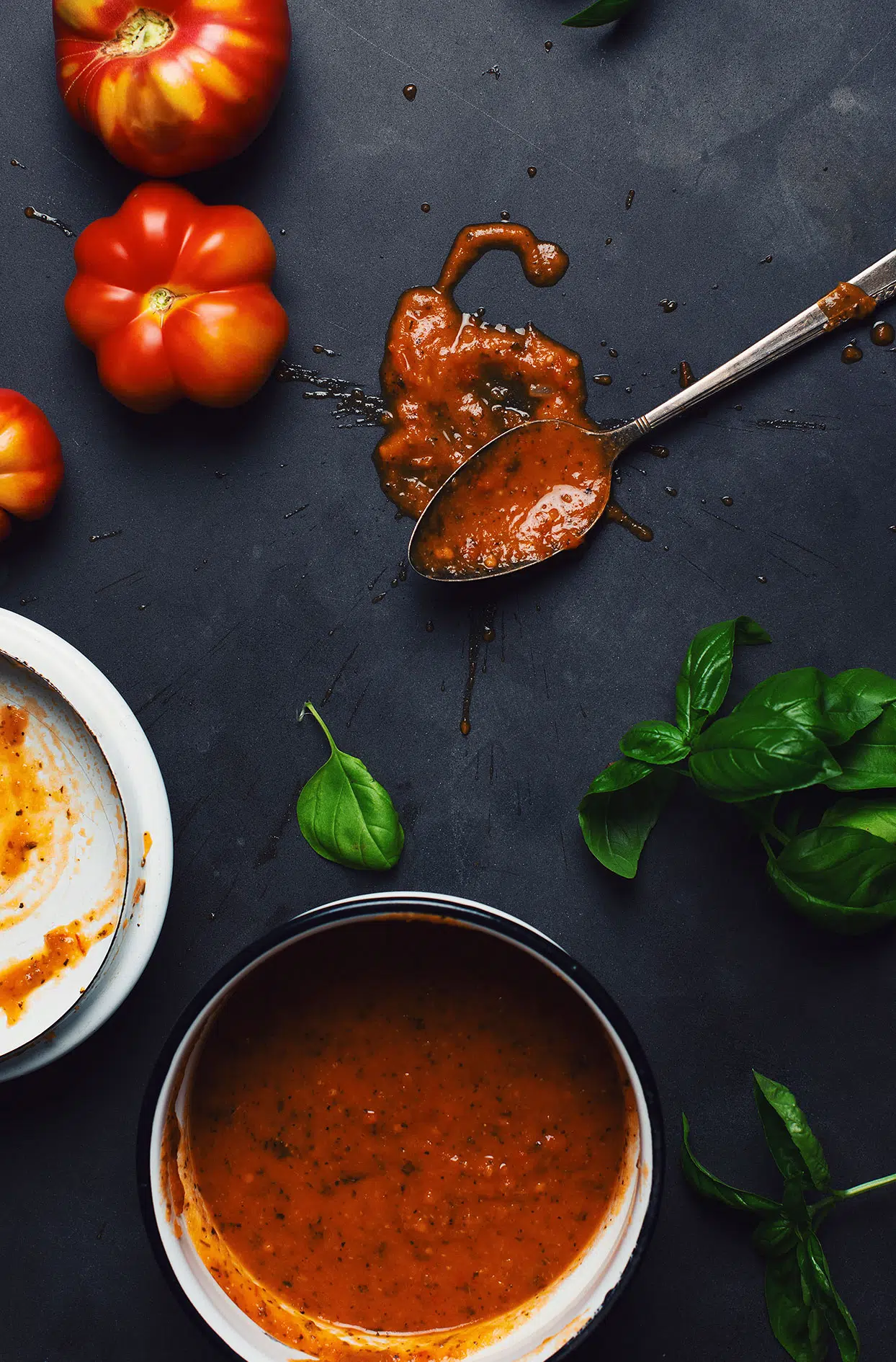
- Preparation 20 min
- Cooking 20 min
- Servings 2 cups
- Freezing Absolutely
Ads
🍕 The sauce I have been making for years, and nobody has ever turned it down
I have been making this pizza sauce with fresh tomatoes for years and I put it on just about everything. Pizza nights, parties, the stuffed crusts I tear off and dunk straight into the bowl. Everyone who tastes it asks for it. Every single time. And here is the part people get backwards: the crust gets all the credit, but the sauce does half the work. You can nail the best dough of your life and still eat a flat pizza if the sauce underneath is dull. So no, this is not a red layer poured out of a jar. This is a real homemade Italian pizza sauce, built on four ripe tomatoes, garlic, and enough seasoning to make it taste like something.
⏱️ Thirty minutes on the stove, and it beats the pizzeria
Nobody needs to babysit a pot all afternoon. Fifteen minutes gets you there, thirty makes it sing, and that is the whole cooking time. What you are after is balance: the tomatoes bring the acidity, a spoonful of sugar takes the sharp edge off, and the garlic and oregano do the rest. That is the difference between a quick pizza sauce and one that tastes like it came out of a Neapolitan kitchen.
🧊 How I actually freeze it: ice cubes or half-cup pucks
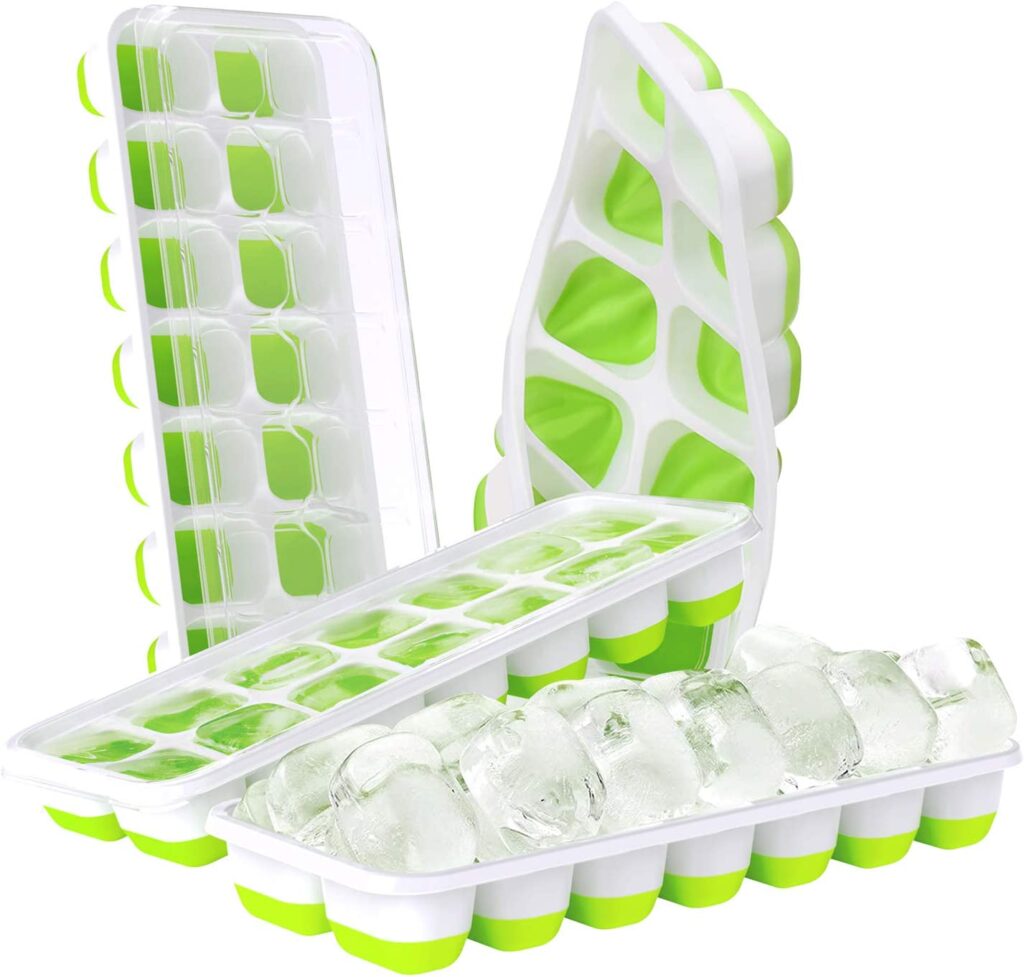
This is the trick I would keep if I had to throw out every other one. Freeze the sauce in portions. Ice cube tray for small doses: two cubes cover one mini pizza, which is exactly the format the kids use when they build their own. Half-cup pucks for real pizzas: pour half a cup into the bottom of an empty yogurt container, freeze overnight, knock it out, and drop all the pucks into one big freezer bag. Half a cup covers a medium pizza. It keeps three months, and you never throw sauce out again.
Ads
Ads
🍅 Fresh tomatoes over canned, and it is not close
My pick every time: four big, properly ripe tomatoes. That is the whole gap between a homemade Italian pizza sauce and something that still tastes like the can it came from. Riper tomatoes give you a brighter, cleaner, livelier sauce. If you are wondering about the best tomatoes for pizza sauce, Roma and San Marzano are the ones worth hunting down, in that order of availability. Out of season, a 28 oz (796 ml) can of diced tomatoes stands in for roughly four large ones and I use it without guilt in February. Just know the profile shifts: more liquid, less lift. Drain the excess liquid before it hits the pot or you will be simmering water for twenty extra minutes.
🔥 Fifteen minutes is the floor. Thirty is where it gets good.
Let it go at least 15 minutes. If you have half an hour, take it. The longer it reduces, the thicker it gets and the more the tomato concentrates. For the smooth, glossy pizzeria-style texture, hit it with an immersion blender once it comes off the heat. For something rustic with a bit of chew left in it, crush it against the side of the pot with a wooden spoon and stop there.
🌶️ The cayenne is not there to burn anybody
The pinch of cayenne flakes is quiet, and it is not optional in my kitchen. It does not make the sauce spicy. It adds a floor under everything else. Cooking for kids or someone with a low tolerance? Leave it out entirely, nothing breaks. Want the version that tastes like a good slice shop? Go up to ½ teaspoon. Calabrian ‘nduja or a spoon of mild chili paste does the same job with more character.
🍷 One tablespoon of white wine, right after the onion and garlic
One tablespoon. That is it, and it is the most Italian thing in the recipe. It builds an aromatic layer without ever announcing itself. A light dry white does the job perfectly, Pinot Grigio or Soave if you have a bottle open. No wine in the house? A tablespoon of white balsamic vinegar or lemon juice keeps that bright acidity in place.
🌿 Dried basil in the pot, fresh basil off the heat
Here is the herb balance most recipes get half right. Dried basil goes in during the simmer, where it has time to release the deep, almost sweet side of itself. Fresh basil goes in at the very end, after the heat is off, so it keeps its green and its perfume instead of turning brown and tired. Same logic for the oregano: dried in the pot, fresh scattered on top if you happen to have it. Stacking the herbs in two layers like that is what makes the sauce taste finished rather than seasoned.
🧊 Ice cube trays or half-cup pucks: two ways to freeze it
Two formats, two jobs. Ice cubes for small doses. One cube is about a tablespoon, and two cubes cover a mini pizza, which is the format the kids use when they are building their own. Half-cup pucks for a real pizza. Pour half a cup into the bottom of an empty yogurt container, freeze overnight, tap it out, then store every puck in one big resealable bag. Half a cup covers a medium pizza. Three months in the freezer, five days in the fridge in a sealed jar. Double the batch, freeze the second half, and future you gets a pizza night with no prep at all.
🍕 What to serve with this pizza sauce
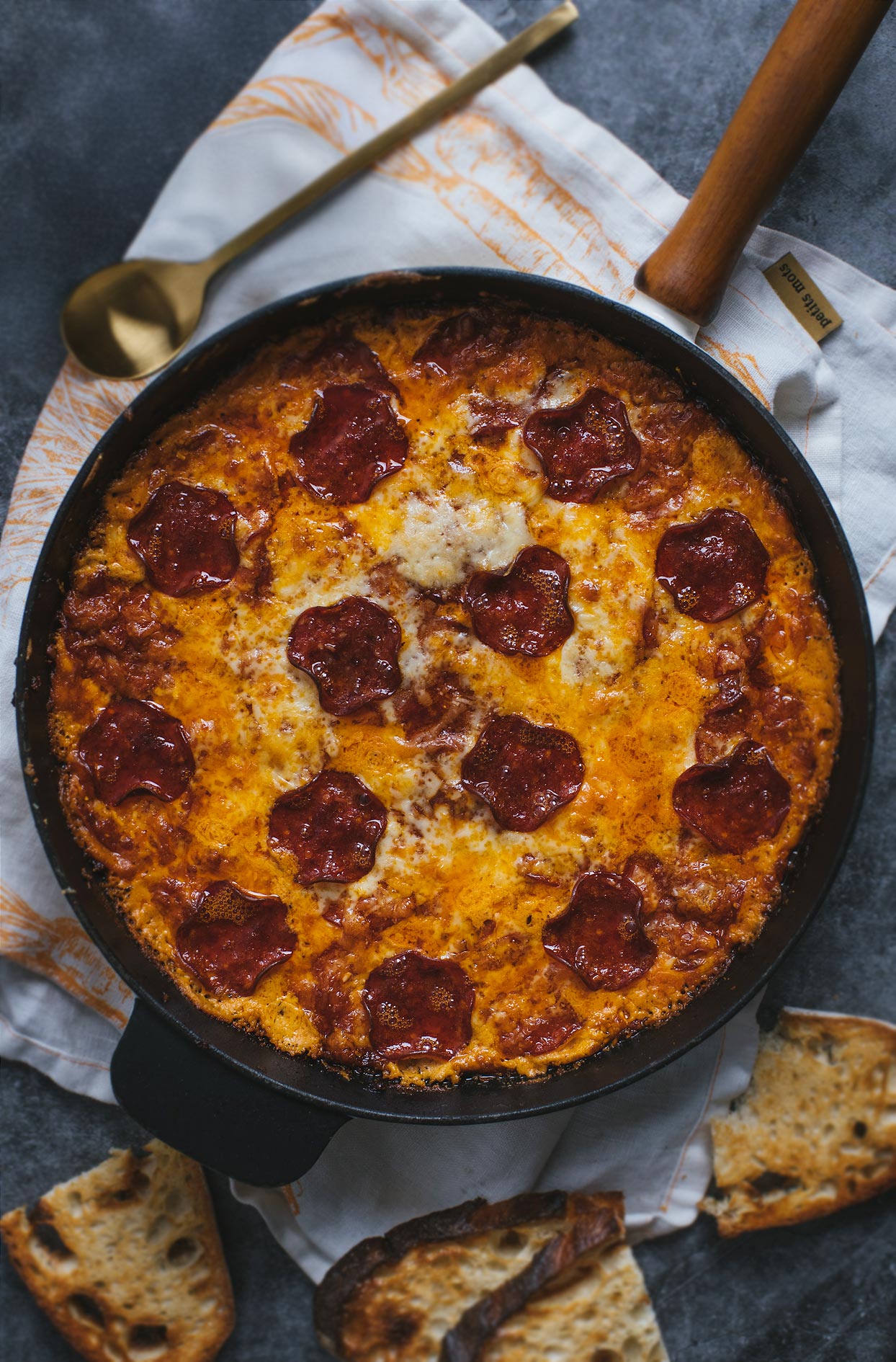
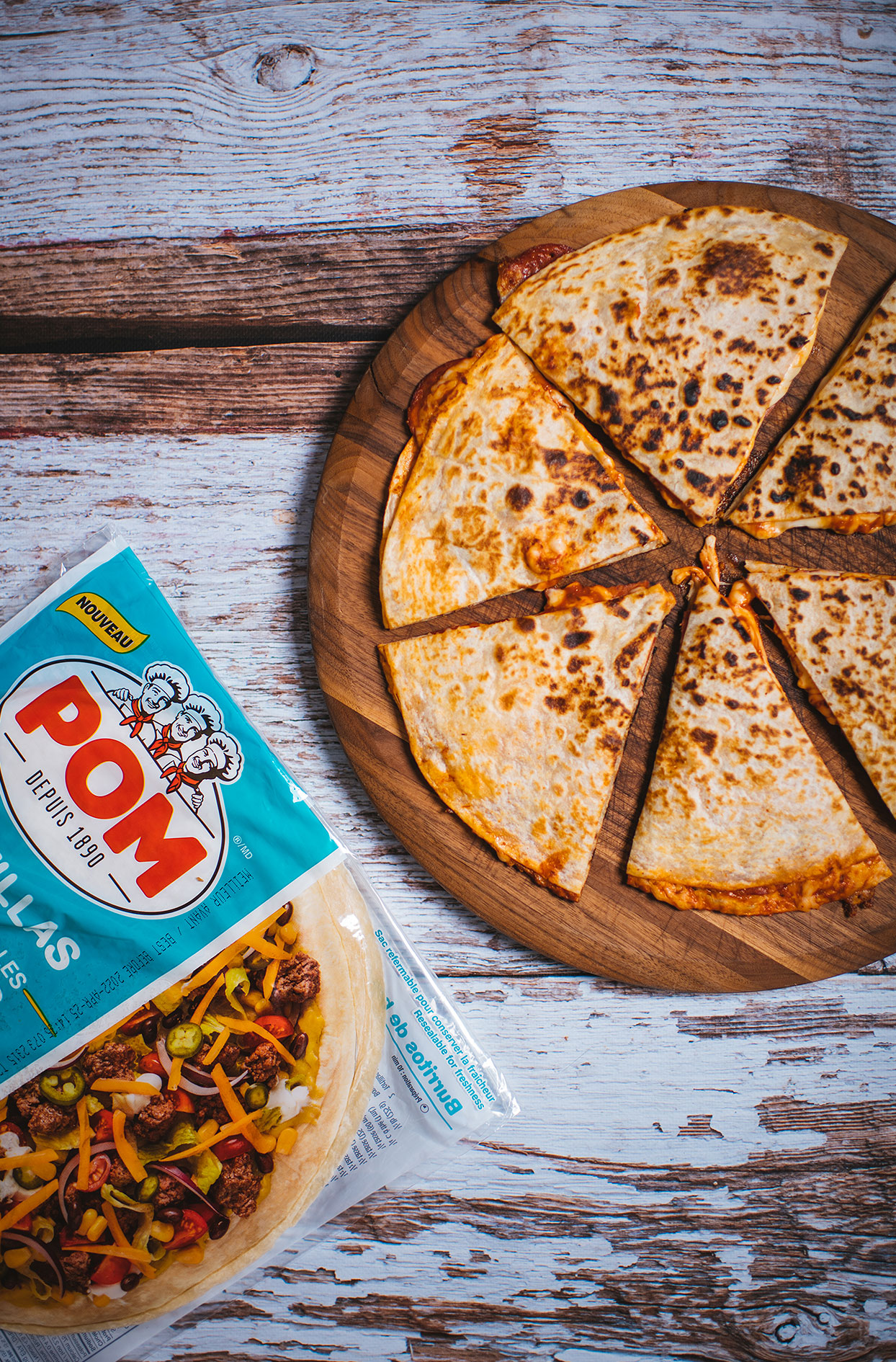
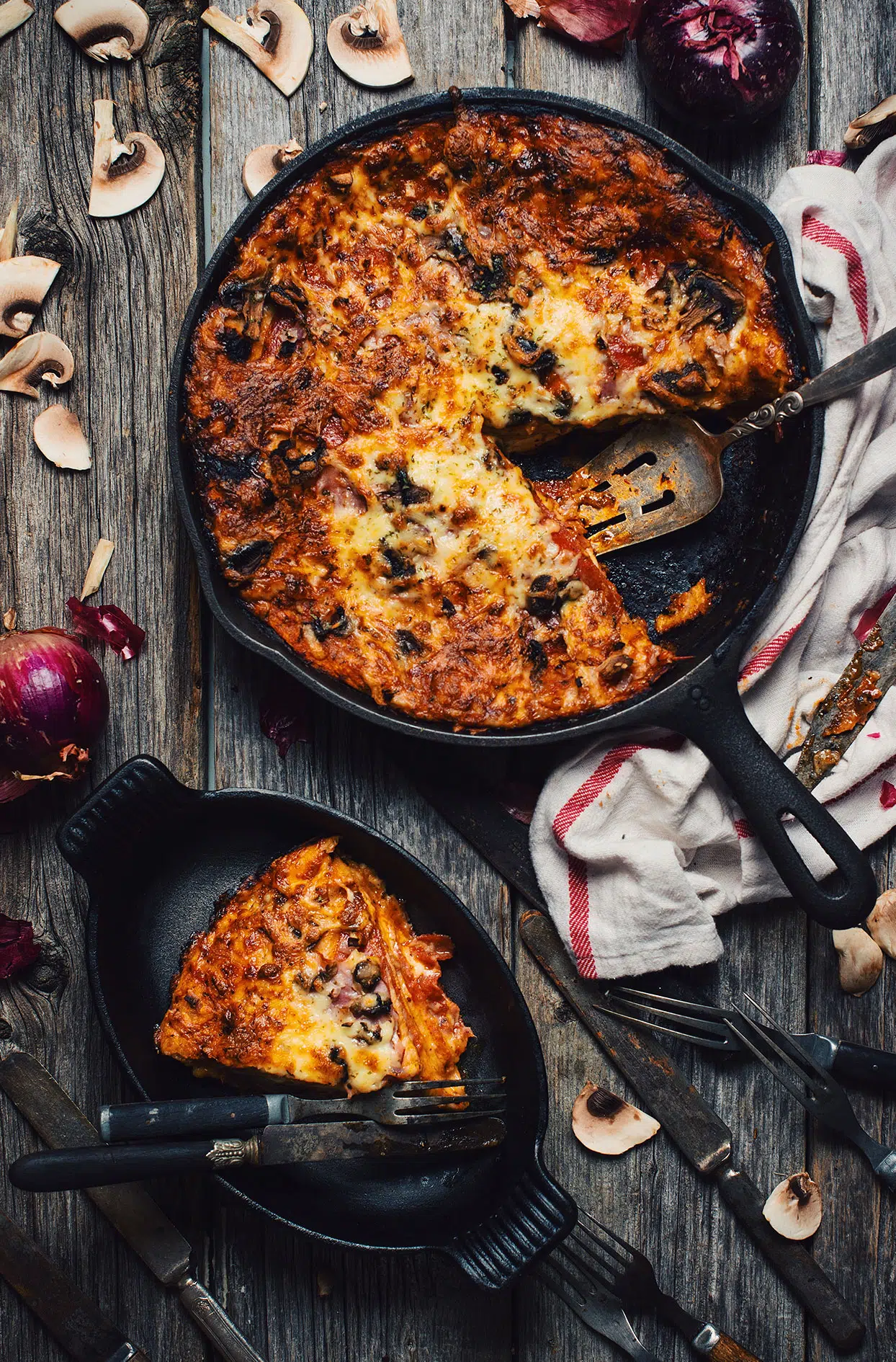
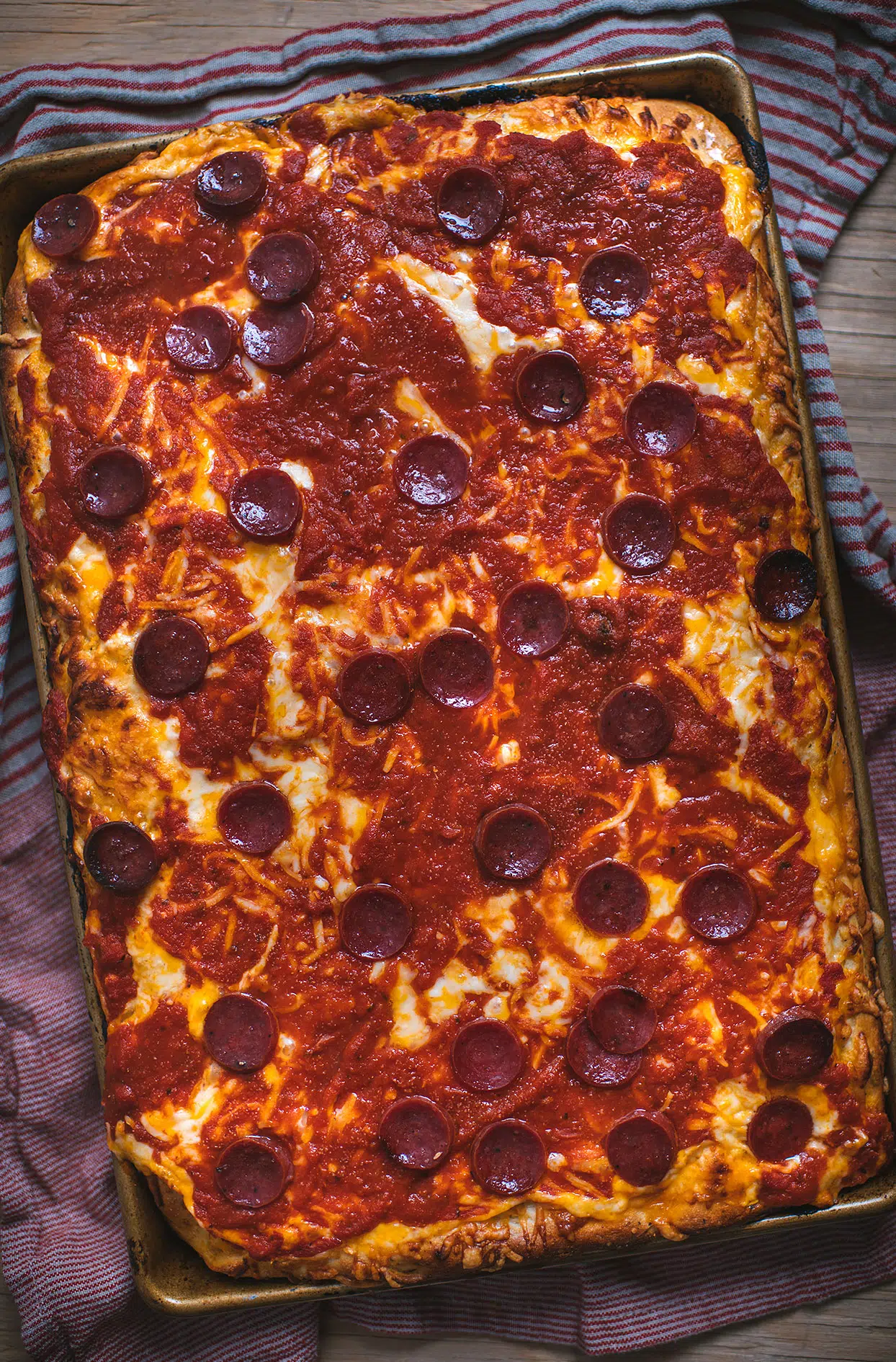
It is a pizza sauce, but calling it only that undersells it. The obvious pairing is my homemade pizza dough, and if you are feeding a crowd, the thick, cheese-edged Detroit-style pan pizza drinks it up. On a weeknight I go faster: tortilla pizza or pizza quesadillas, both of which take about as long as the oven takes to heat. It is also the base of my pizza-style hot dip, it goes inside calzones, and it will happily coat a bowl of pasta when nobody feels like cooking. Breadsticks and mozzarella sticks want it warm, in a small bowl, on the table.
Ads
Homemade pizza sauce
- 4 large tomatoes (about 2 lb/900 g), diced
- 2 teaspoons (10 ml) olive oil
- 1 Spanish onion, finely chopped
- 1 tablespoon (15 ml) white wine
- 2 large garlic cloves, finely chopped
- 1 tablespoon (15 ml) sugar
- 1 teaspoon (5 ml) dried oregano
- 1 teaspoon (5 ml) dried basil
- 1 teaspoon (5 ml) salt
- 10 fresh basil leaves
- A pinch of cayenne pepper flakes
- Ground pepper
Ads
Preparation
- In a saucepan at medium heat, add the olive oil and cook onion and garlic for 3-4 minutes. Add the white wine and continue cooking 1 minute.
- Add the rest of the ingredients, season with pepper then stir well. Simmer for 15 minutes while stirring often.
- Remove from heat and blend. Let cool down entirely before using on your pizza! I suggest freezing the sauce in ice cubes. One ice cube is about 1 tablespoon (15 ml) and I usually use 2-3 tablespoons (45 ml) for a medium pizza.
A well-seasoned homemade tomato sauce, cooked down until it stops being watery. Not a sweet jarred pizza sauce, and not leftover spaghetti sauce, which is too thin and too heavily seasoned for something that has to sit under cheese. A real pizza sauce is concentrated, a little tangy, balanced with a touch of sugar, and carried by garlic, oregano and basil. It should taste good enough to eat off a spoon before it ever sees dough.
They share a shopping list and part ways in the pot. Marinara is a finished pasta sauce: looser, cooked with more liquid, often with onion and a longer list of herbs, and it is served as is. Pizza sauce is thicker and more concentrated because it has to bake a second time on top of a crust without soaking it. Pour marinara on raw dough and you get a soggy centre. This recipe lands on the pizza side: it reduces for 30 minutes, then gets blended smooth.
Ripe ones, first and last. In season I use four large field tomatoes, and the riper they are, the sweeter and rounder the sauce. If you can find San Marzano or plain Roma tomatoes, take them: less water, more flesh, fewer seeds. Greenhouse tomatoes in the middle of winter still work, but add an extra pinch of sugar to make up for what they are missing. Canned diced tomatoes are a legitimate backup, and a 28 oz (796 ml) can stands in for four large tomatoes.
Dice four large tomatoes, skins and all. Soften the onion and garlic in olive oil for three or four minutes, splash in a tablespoon of white wine, then add the tomatoes with the sugar, salt, dried oregano and dried basil. Simmer 15 to 30 minutes, uncovered, stirring now and then so nothing catches. Off the heat, drop in the fresh basil and blend it smooth. Let it cool completely before it goes near dough. Warm sauce on raw dough is how you get a soggy pizza.
Two of them, and neither one is exotic. The first is one tablespoon of white wine, added right after the onion and garlic. It gives the sauce an aromatic depth nobody can name when they taste it. The second is a spoonful of sugar, which is not there to sweeten anything but to cancel the sharp edge of the tomatoes. Skip the sugar and the sauce tastes acidic and thin, no matter how long you simmer it.
Very little, which is the whole point. Tomatoes, olive oil, garlic, salt, oregano, fresh basil. In Naples the classic sauce is not even cooked: crushed San Marzano tomatoes, salt, a drizzle of oil, straight onto the dough, because a wood oven at 900 °F (480 °C) finishes it in ninety seconds. Home ovens do not run that hot, so cooking the sauce down first is what gets you the same concentration. The white wine and the onion in my version are a Northern habit more than a Neapolitan one, and I keep them because they taste better.
Time does most of it. Simmer it uncovered for 30 to 45 minutes and the water leaves on its own, which is the honest way. If you are working from canned tomatoes, drain them before they go in the pot instead of boiling that liquid off later. Blending also helps more than people expect: an immersion blender breaks the pulp down and the sauce reads thicker even at the same water content. Tomato paste works too, one or two tablespoons, but this recipe was built to get there without it.
Yes, and I would argue you should. Fridge: five days in a sealed jar. Freezer: three months. Two formats do everything. Ice cube tray, popped out and stored in a bag, gives you roughly a tablespoon per cube and two cubes per mini pizza. Half a cup frozen in the bottom of an empty yogurt container gives you one medium pizza per puck. Thaw overnight in the fridge, or straight into a warm pan if you forgot.
Ads
Ads

Ads
Ads
Ads