

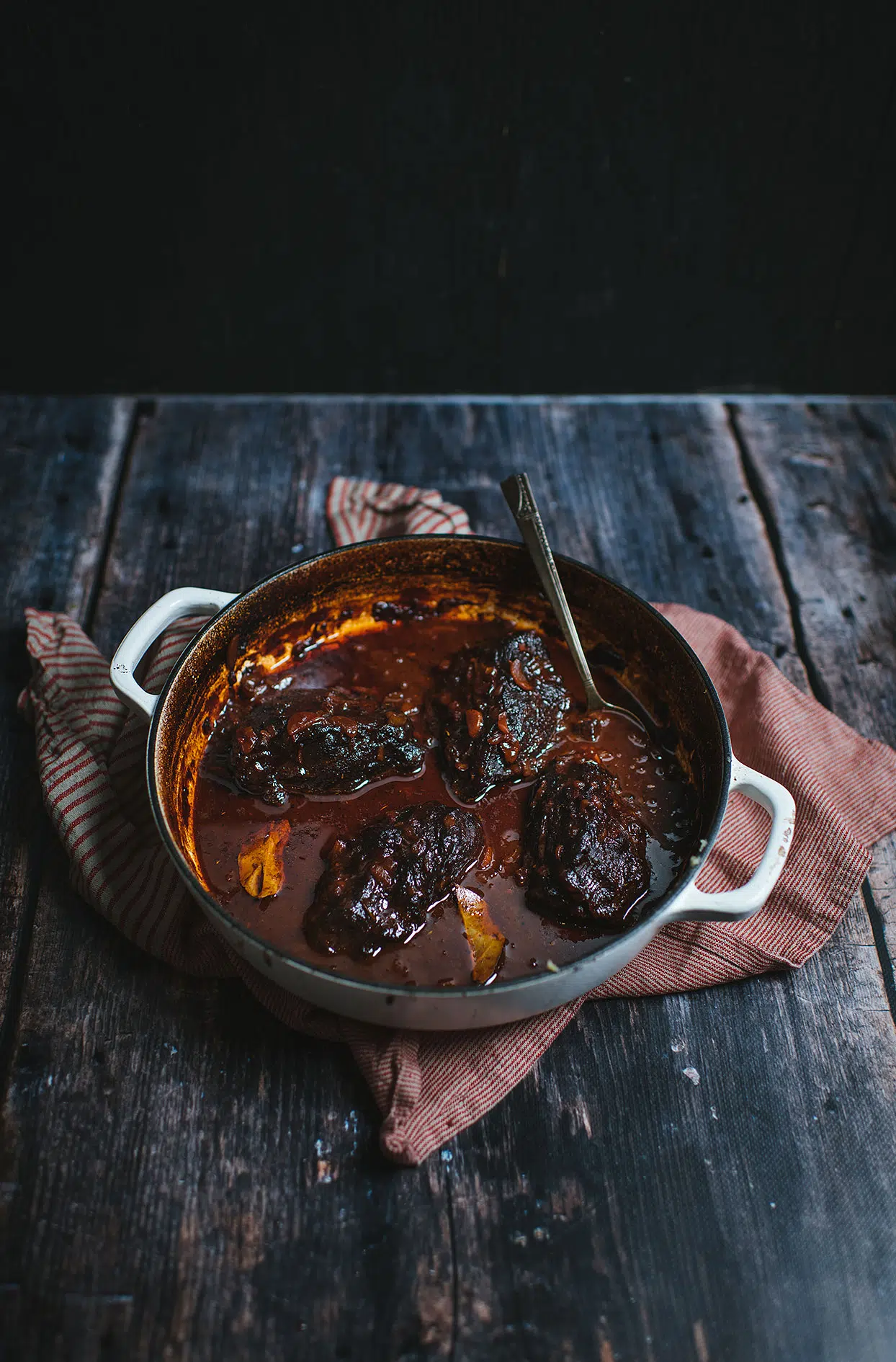
Braised beef cheeks with port
- Preparation 25 min
- Cooking 3 h 30
- Servings 4
- Freezing Absolutely
Ads
🥩 A butcher told me to try it, and that was that
I loved port. I love beef. A butcher told me one day to put the two together, and I have been making these braised beef cheeks ever since. Rich, deep, ridiculously good.
Beef cheek is the jaw muscle, the one the animal used every single day of its life. It is packed with collagen, which makes it tough as leather if you cook it fast and buttery if you leave it alone for three hours. No flour on the meat, no tricks. Just time and a lid.
🍷 Why port instead of red wine
Port is deeper, sweeter and a lot more flavourful than a regular table red. That is the whole reason this dish tastes the way it does rather than like every other braise you have had.
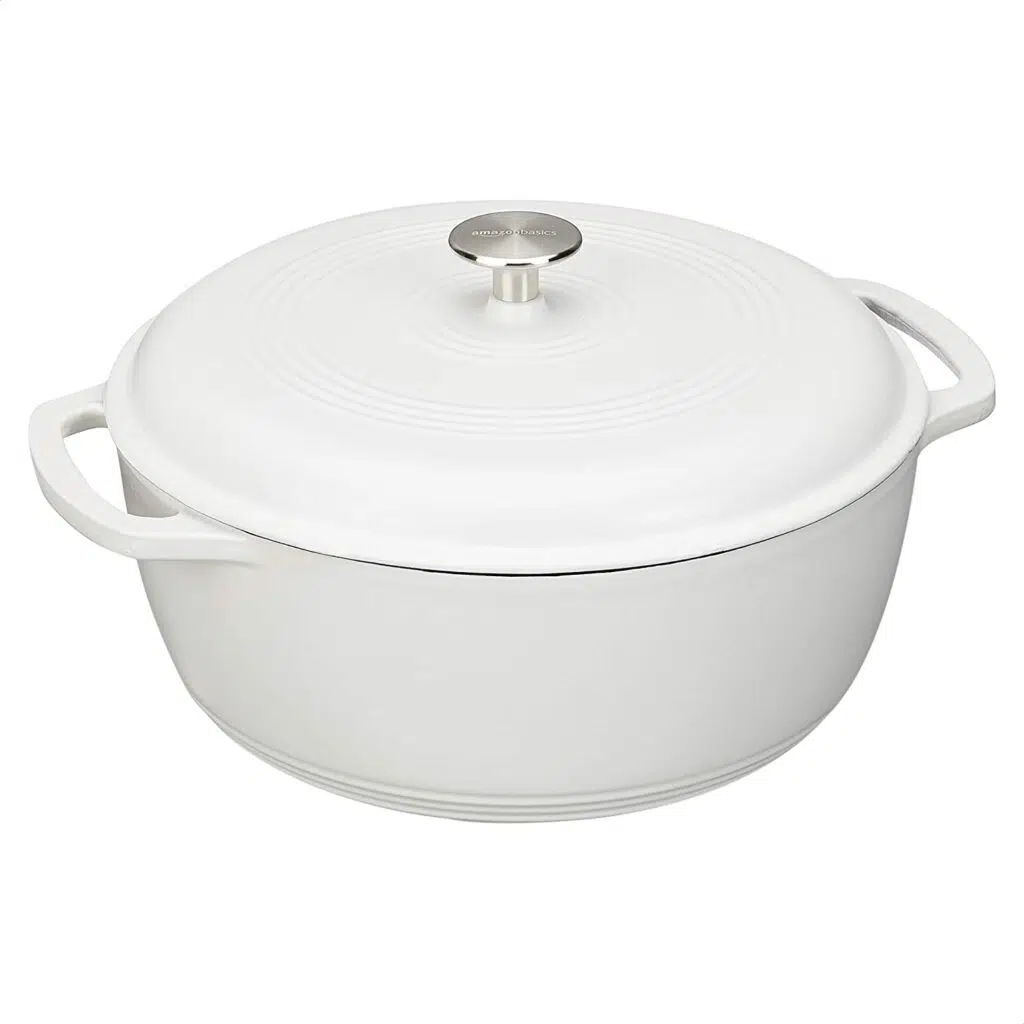
A cup and a half of port, beef broth, tomato paste, a spoonful of brown sugar, and a 350°F (180°C) oven does the work. Nothing needs to be reduced beforehand. This is an oven braise in a Dutch oven, not a slow cooker recipe, and the heavy lid is what keeps everything where it belongs.
🍽️ The one I make when people come over
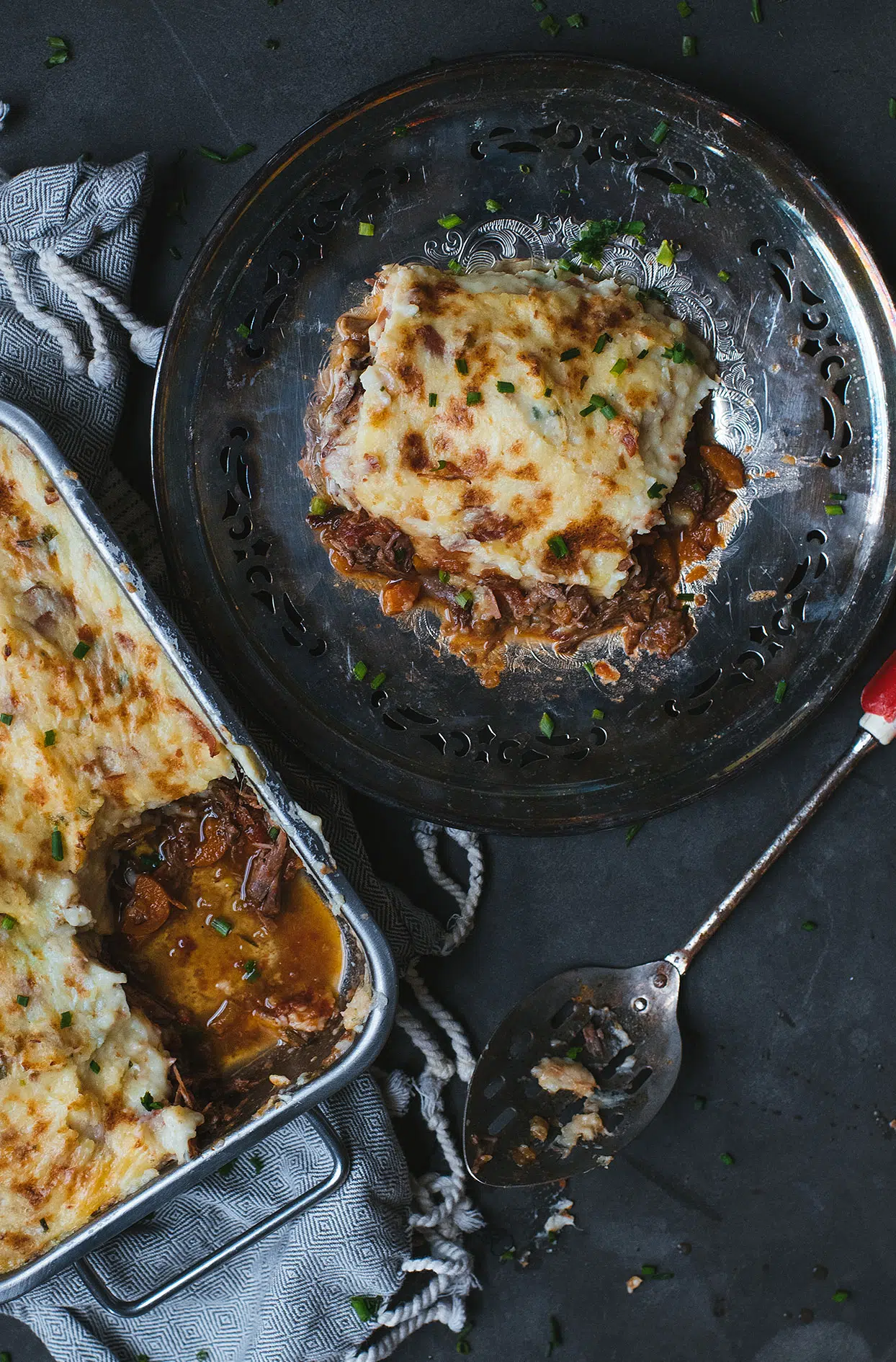
I do not buy beef cheeks every week. But when I want to spoil the people I have invited over, this is what comes out of the oven. Serve it on a good mash and watch the table go quiet.
Potatoes and celery root, butter, Parmesan. That is the pairing I stand behind. Creamy polenta works too, and so does a thick slice of bread for the sauce left in the bottom of the pot.
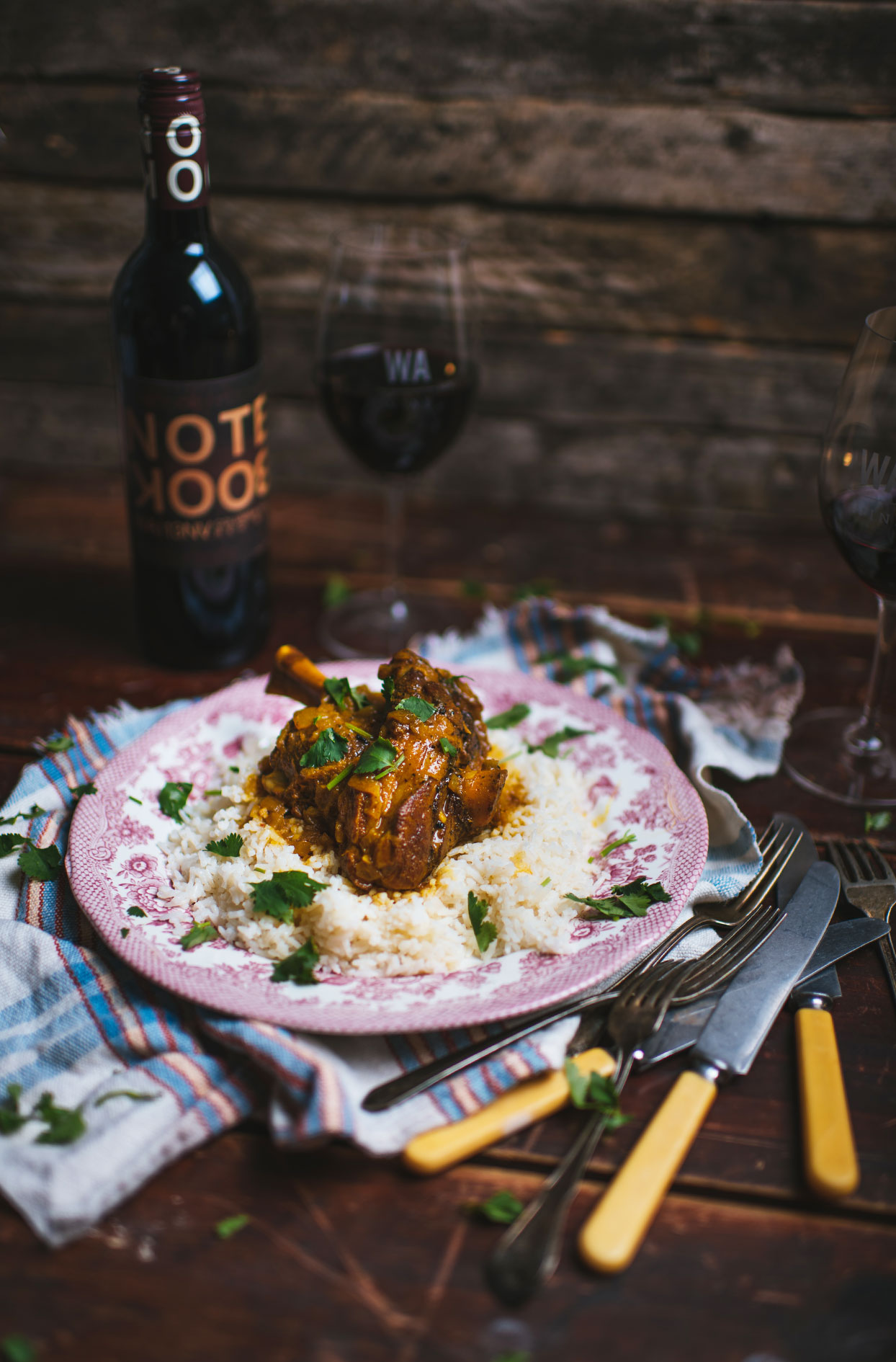
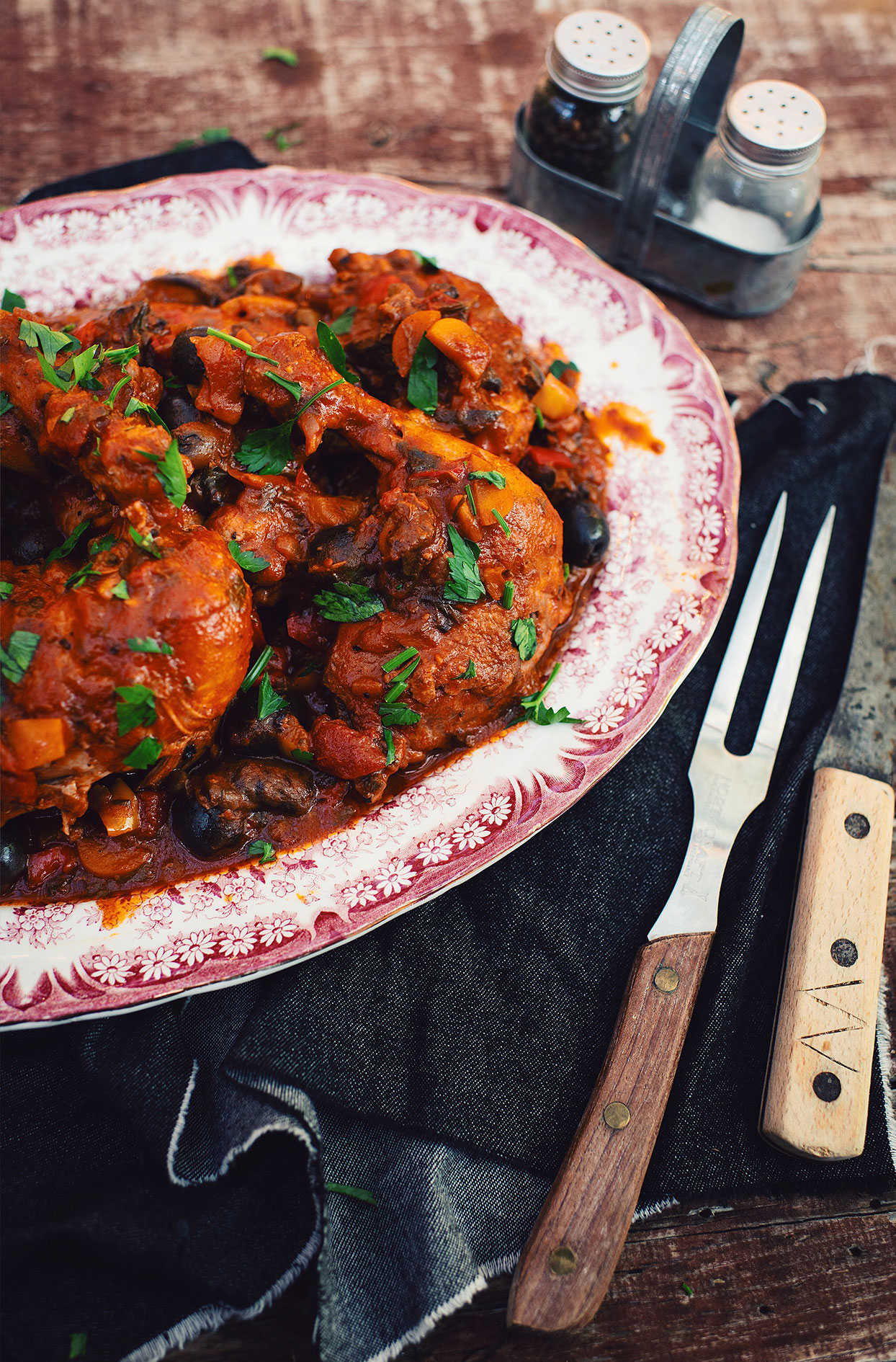
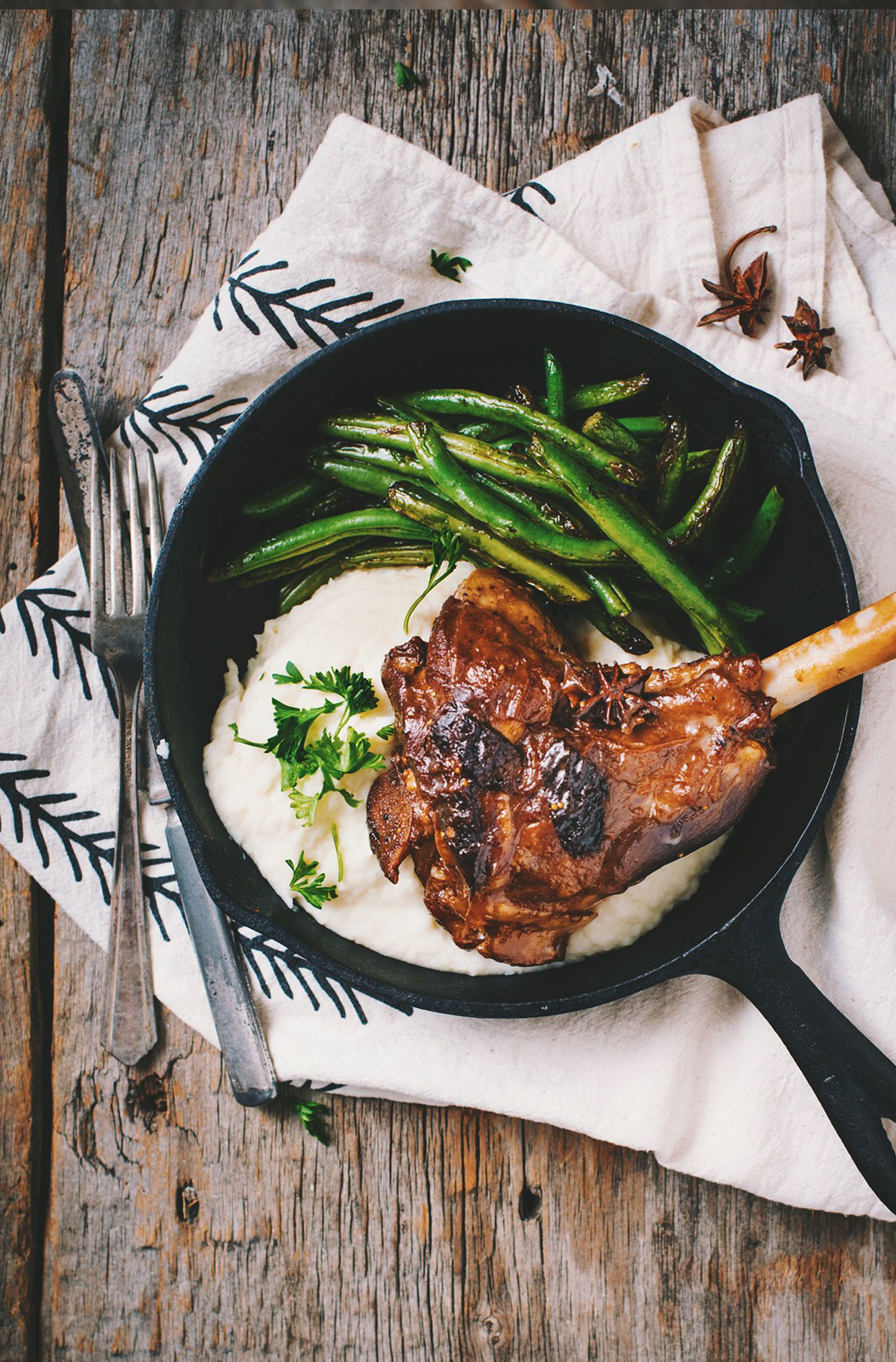
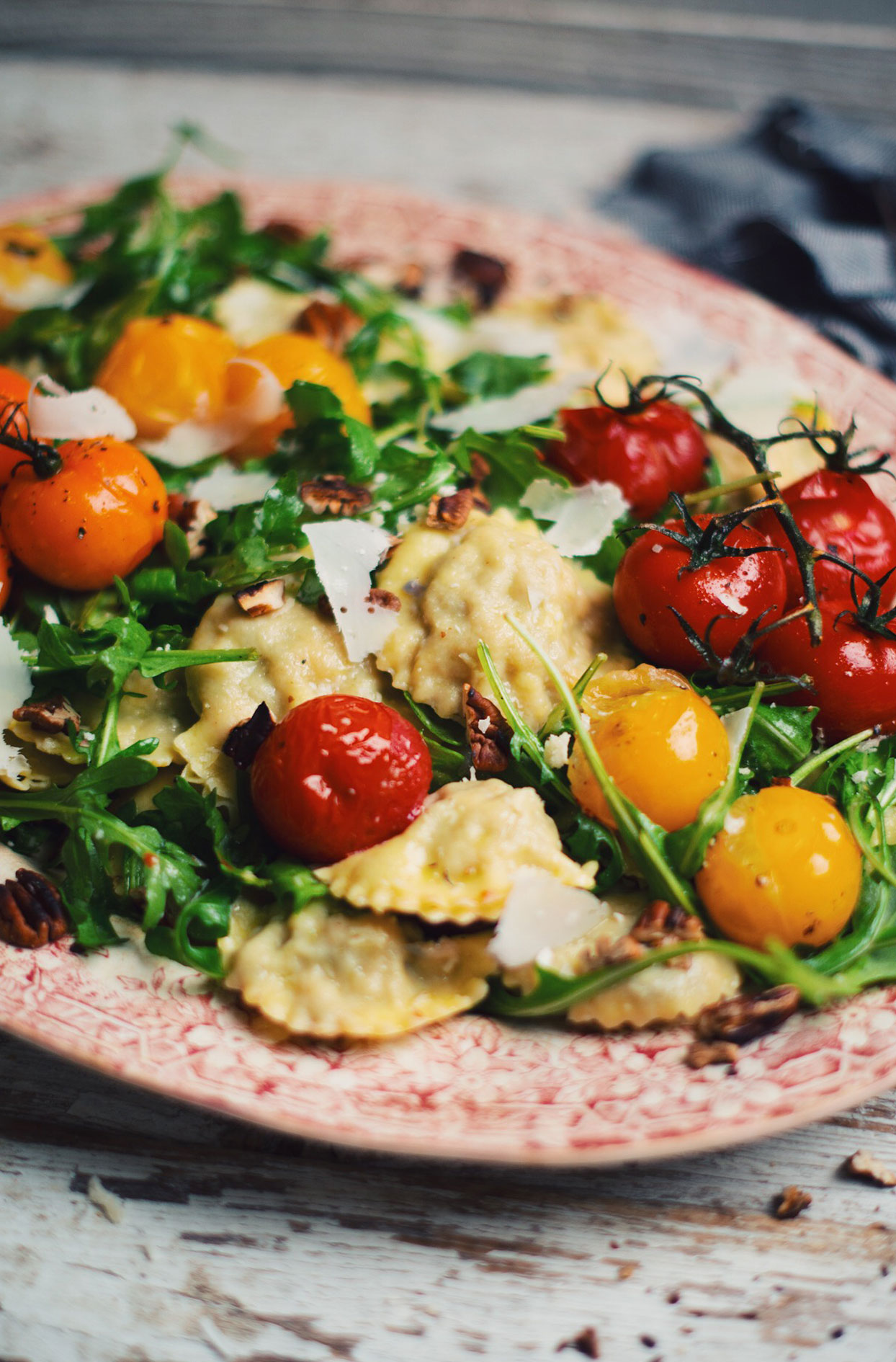
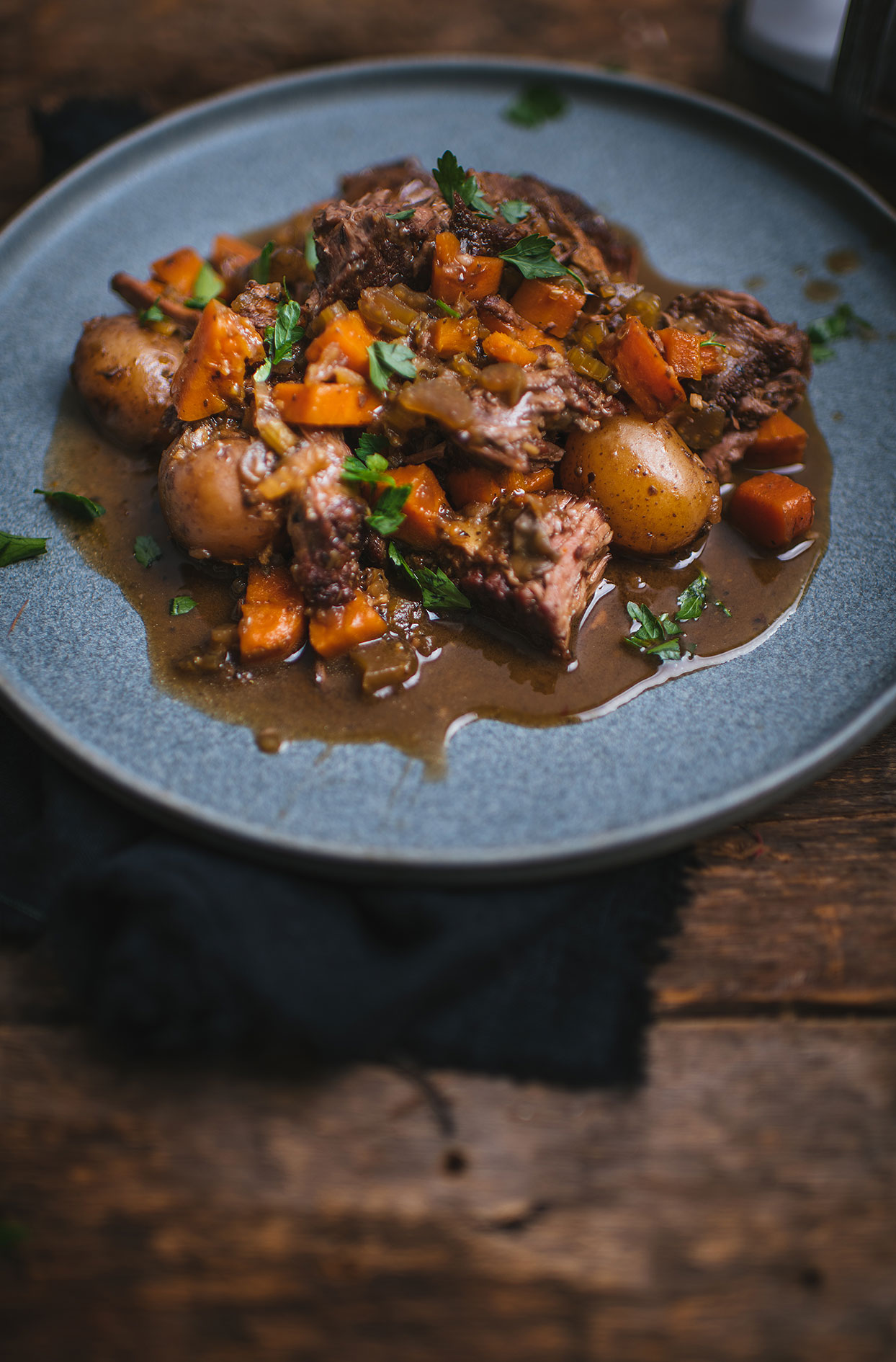
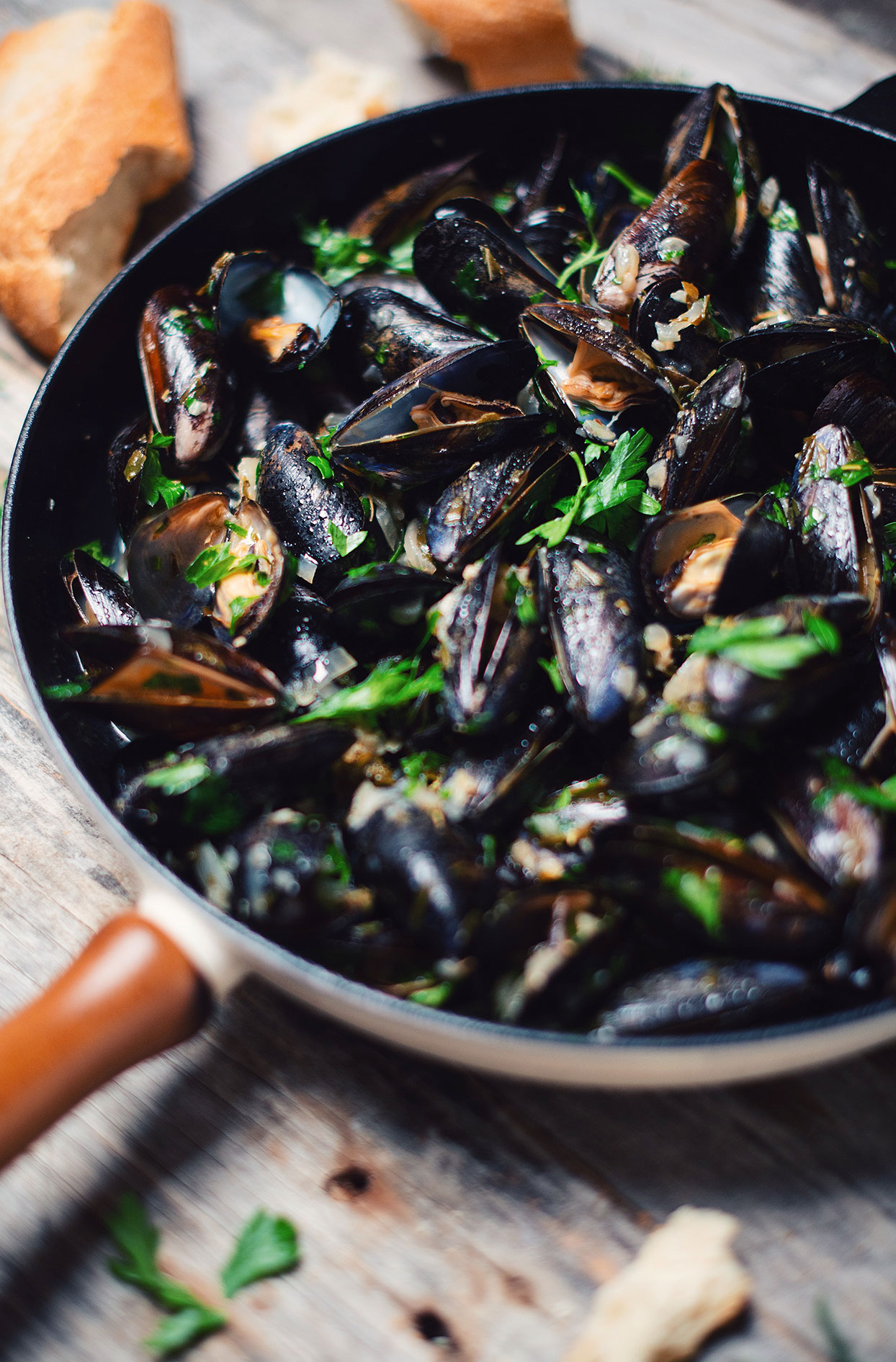
More slow, patient beef in the same family: Beef Bourguignon with flank steaks, Red wine braised beef cottage pie and Lamb shanks braised with cherry beer and port.
Ads
Ads
🥩 What beef cheek actually is
- It is the jaw muscle, the one that chewed for the animal’s entire life. All that work packs it with collagen, and three slow hours turn that collagen into gelatin. That is why a cheek melts while a lean cut would have turned into shoe leather.
- Ideally you peel off the silverskin before cooking. Most of the time, though, when you buy them from a butcher vacuum-packed and frozen, they come already trimmed. Ask at the counter, it takes two seconds.
- No cheeks anywhere? A chuck roast will carry the same spirit. It will not be the same meat, but it will be good.
🛒 Where to buy beef cheeks
- A butcher shop. Any butcher shop, and you just ask. They usually keep them vacuum-packed and frozen in the back rather than out in the case.
- This is not an expensive cut. It is a working muscle, not a showpiece, and that is exactly the good news here.
🔥 The braise itself
- 350°F (180°C), three hours, lid on. Not 300, not 400. Baste the meat now and then with the liquid at the bottom.
- The liquid should come three quarters of the way up the meat, no higher. Drown it and you end up with a thin sauce at the end.
- No flour on the cheeks before searing. The collagen melting over three hours thickens the sauce on its own.
📅 What you can do ahead
- I never make it the day before. But everything else can be done ahead: measure, chop the vegetables, peel the celery root, open the port. On the day, all that is left is searing and sliding the pot into the oven.
- The mash is a last-minute job while the pot finishes. That is the part that should be hot.
🥔 What to serve with braised beef cheeks
- The potato and celery root mash from this recipe, with the butter and Parmesan folded in. That is the version I stand behind and the one that makes the dish.
- Aligot, the stretchy French cheese-and-potato mash, if you really want to show off. Creamy polenta also works.
- And bread. There will be sauce left at the bottom of the pot, and leaving it there would be a crime.
❄️ Leftovers and freezing
- Better the next day, like every braise. Keep it in its sauce in the fridge and reheat gently over low heat.
- It freezes, no question. But freeze it with some sauce, never the bare meat: the sauce is what keeps it from drying out on the way back.
Ads
Braised beef cheeks with port
- 4 beef cheeks, about 9 oz (250 g) each
- Olive oil
- 1 carrot, halved lengthwise and thinly sliced
- 1 celery stalk, thinly sliced
- 2 large garlic cloves, finely chopped
- 1 small red onion, finely chopped
- 1 1/2 cups (375 ml) port wine
- About 3 cups (750 ml) beef broth
- 1/4 cup (60 ml) tomato paste
- 2 tablespoons (30 ml) brown sugar
- 1/2 teaspoon (2.5 ml) dried thyme
- 2 bay leaves
- Juice of 1 lime
Potato and celery root mash
- 3 large yellow potatoes, peeled and diced
- 1 celery root (celeriac), peeled and diced
- 1/4 cup (60 ml) butter
- 1 cup (250 ml) grated Parmesan
- 1/4 cup (60 ml) 15% cream (crème champêtre, a Quebec table cream; half-and-half does the same job)
Ads
Preparation
- Preheat the oven to 350°F (180°C).
- In a large Dutch oven over medium heat, pour a good dash of olive oil and brown the meat on all sides, about 12 minutes in total. Salt and pepper generously. Add oil as needed. Remove the meat and set aside on a plate.
- Reduce the heat to medium low and add the carrot, celery and garlic with a thin drizzle of olive oil. Cook 3 to 4 minutes, stirring.
- Add the red onion and another good drizzle of olive oil, then stir. Caramelize for 12 minutes, stirring occasionally.
- Deglaze with the port and scrape the bottom well to lift all the flavour.
- Add the beef cheeks, the beef broth, tomato paste, brown sugar, thyme, bay leaves and lime juice. Salt and pepper generously and stir. There should be enough liquid to cover the meat three quarters of the way up; add a little more beef broth if needed.
- Cover, bring to a boil and transfer to the oven. Cook for 3 hours, basting the meat occasionally.
- Meanwhile, make the potato and celery root mash. In a saucepan of salted boiling water, cook the potatoes and celery root for about 25 minutes, or until the vegetables are very well cooked.
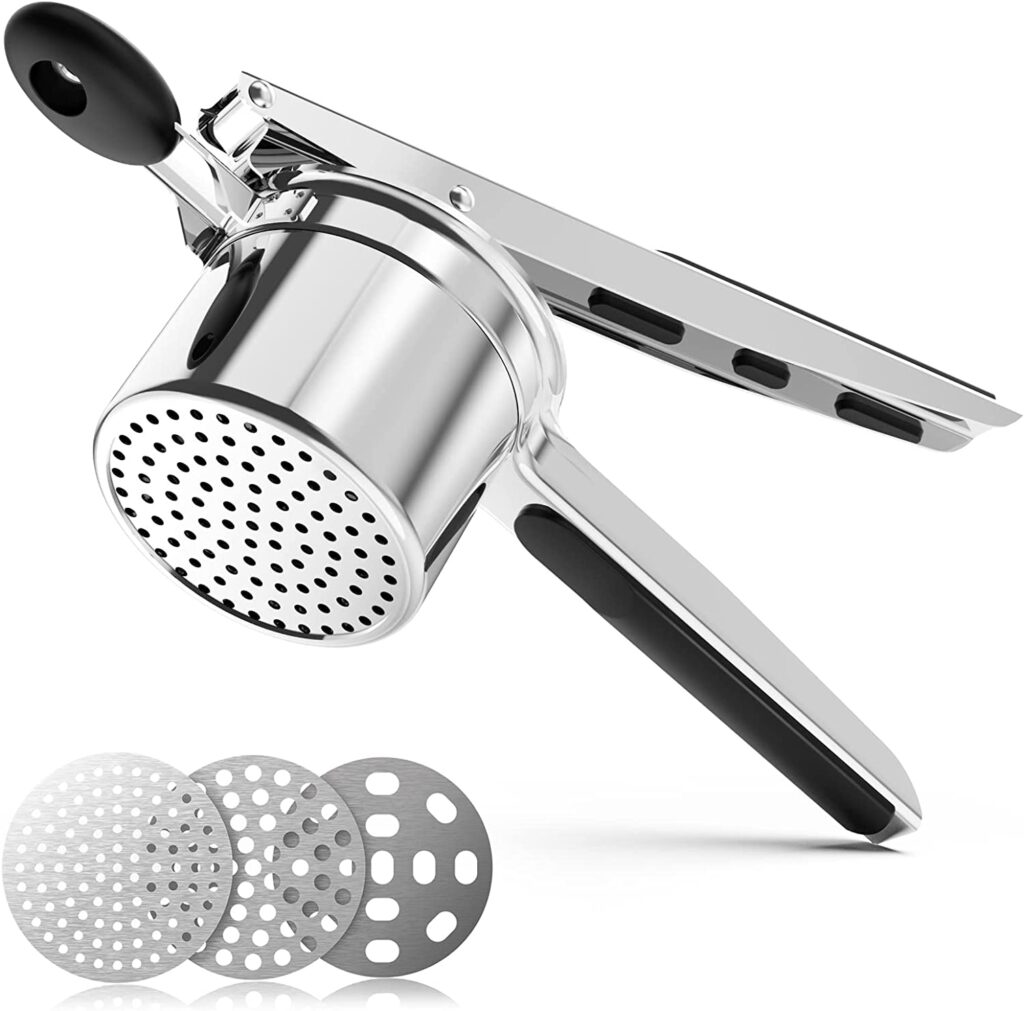
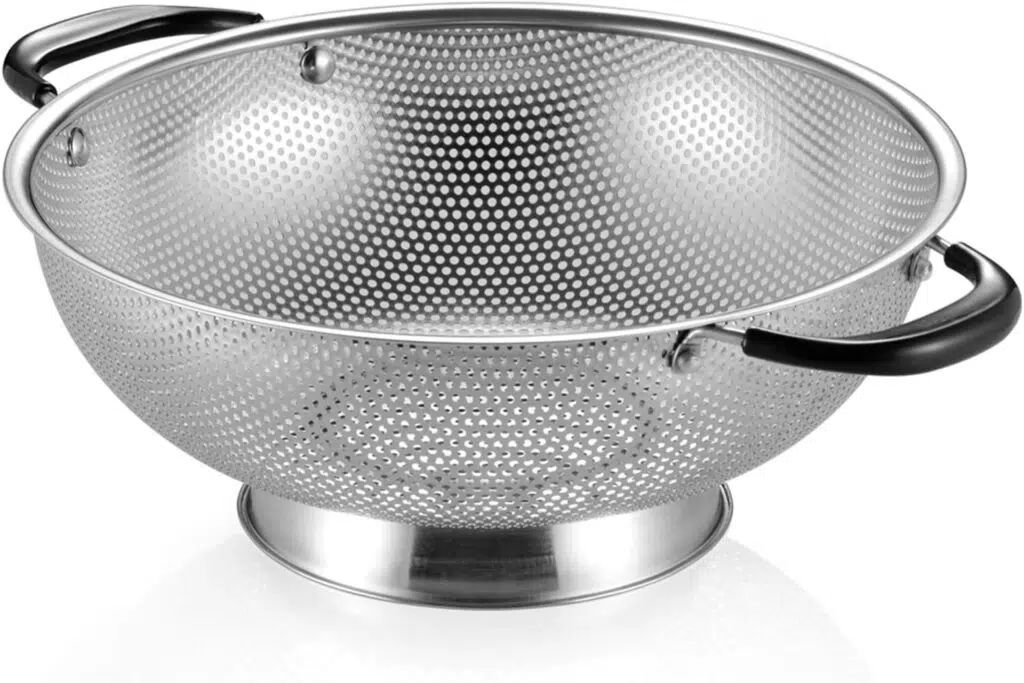
- Pour into a colander, drain very well, then mash the vegetables with a potato masher and return them to the saucepan over medium heat. Add the butter and Parmesan and melt while stirring. Add the cream a little at a time, until you reach the texture you want.
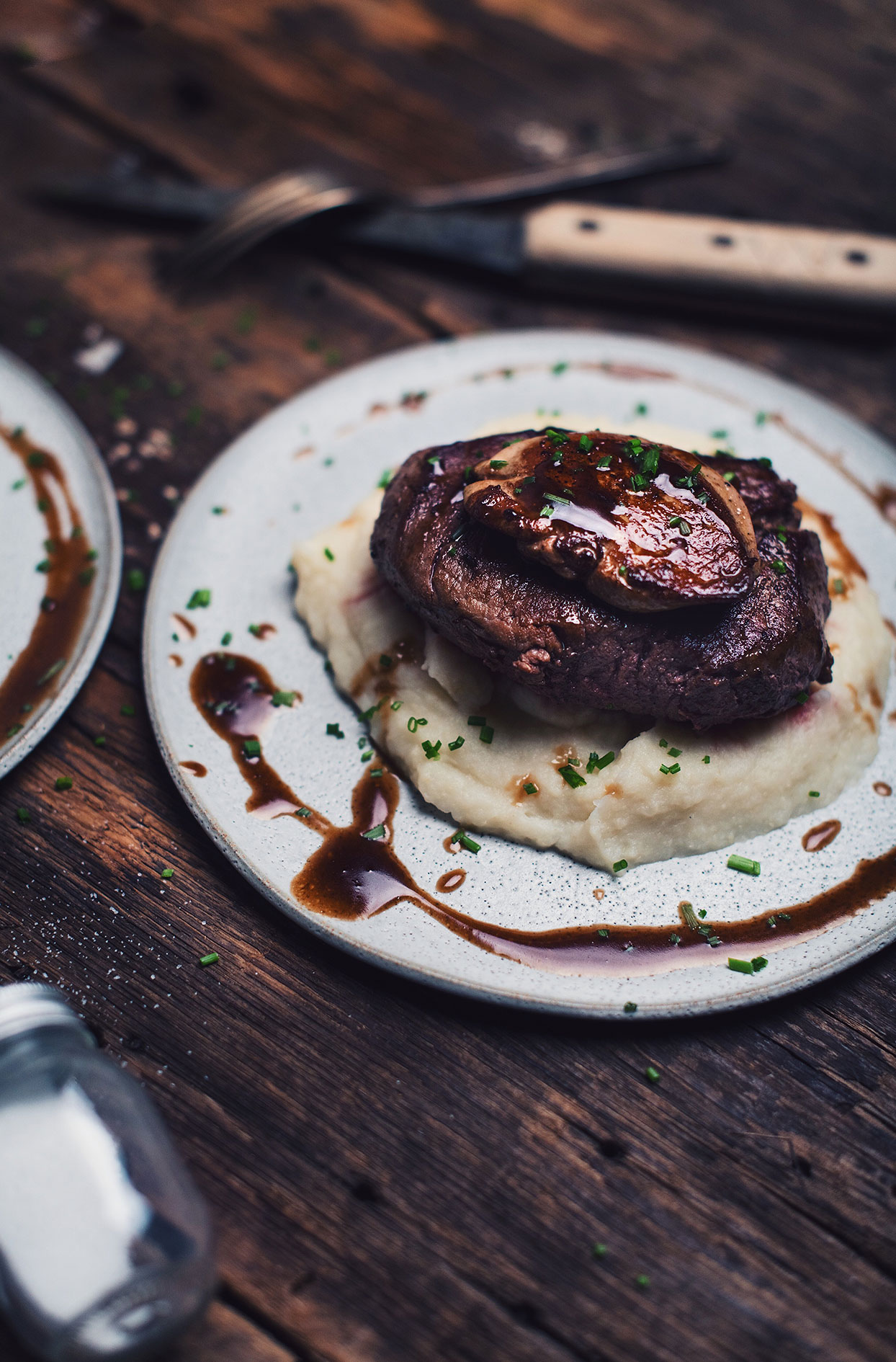
- Spoon some mash onto each plate, set the meat on top and spoon over the sauce from the bottom of the pot!
Beef cheek is the facial muscle around the jaw. Because the animal used it constantly, it is dense and shot through with collagen, which makes it firm when raw and silky after a long, slow braise. It is a butcher’s cut rather than a display-case cut, which is why you rarely see it at a regular supermarket meat counter.
It is one of the best cuts for braising, and one of the worst for anything fast. Sear it and eat it right away and it fights back. Braise it for three hours in liquid and it turns into the most tender beef on the animal, with a body that short ribs and chuck never quite reach. The collagen is the whole point.
Ask at a butcher shop. Almost any butcher can get them, usually vacuum-packed and frozen, and they are not an expensive cut. If your butcher has none out front, they can generally order them for the following week.
Three hours in a covered Dutch oven at 350°F (180°C), with enough liquid to come three quarters of the way up the meat. Counting the searing and the vegetables on the stovetop, plan on about 3 hours 30 minutes total. If the meat still resists a fork at the three-hour mark, it is not ruined, it is just not done. Give it another 30 minutes.
You can, but you are making a different dish. Port is deeper and sweeter than a table red, and that sweetness is what gives the sauce its savoury-dessert edge. If you have none, use a full-bodied red and add a spoonful of maple syrup to replace the missing sugar. It will be good. It will not be this.
Ads
Ads
Ads
Ads
Ads