

Braised pork shank osso buco with apples
- Preparation 35 min
- Cooking 3 h 30 min
- Servings 4
- Freezing Absolutely
Ads
🍽️ The dish I make when people are coming over
I start this one in the morning and then I forget about it. The oven does the work for three and a half hours, the house smells incredible all day, and when everybody shows up at six there is nothing left to do. No pot boiling over, no last-minute panic. Just pork shanks falling apart at the touch of a fork and a kitchen that is already clean. That is the real strength of a braised pork shank osso buco: all the work happens hours before anyone knocks on the door.
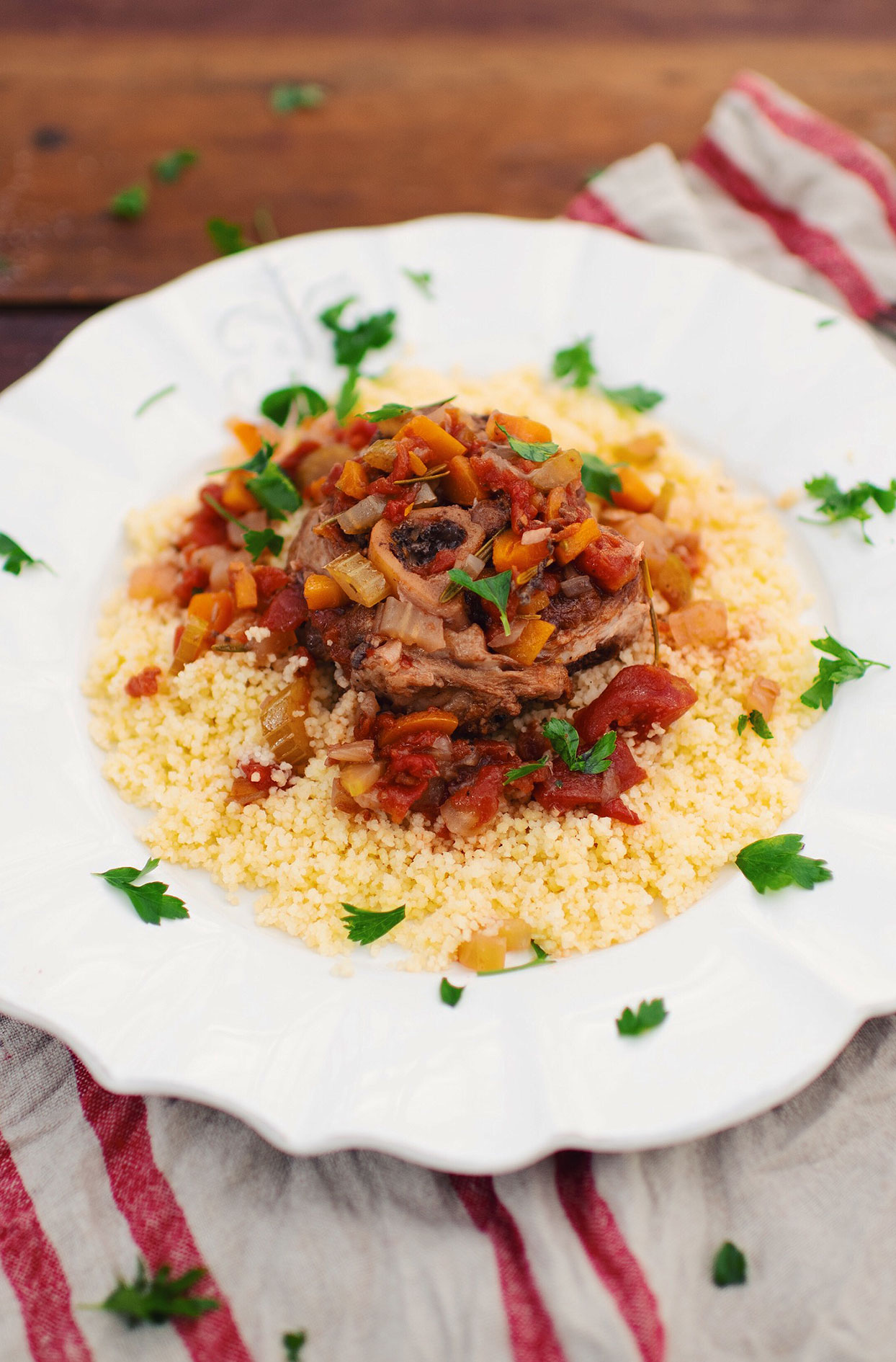
I already have a tomato version, my pork osso buco with port and tomatoes, and I love it. This one plays a different game entirely. Apple white ale, apples melting into the braise, that faint sweetness chasing the pork, and then the gremolata cutting straight through it. Honestly? This is my favourite of the two, and one of the best things I have ever done with a pork shank.
🍏 Apples twice, two textures
Five Cortland apples go into the pot right at the start. Three and a half hours later they are gone. They melted into the liquid, and they are what gives the braising juice that round, almost sweet edge that sets this apart from an ordinary braise.
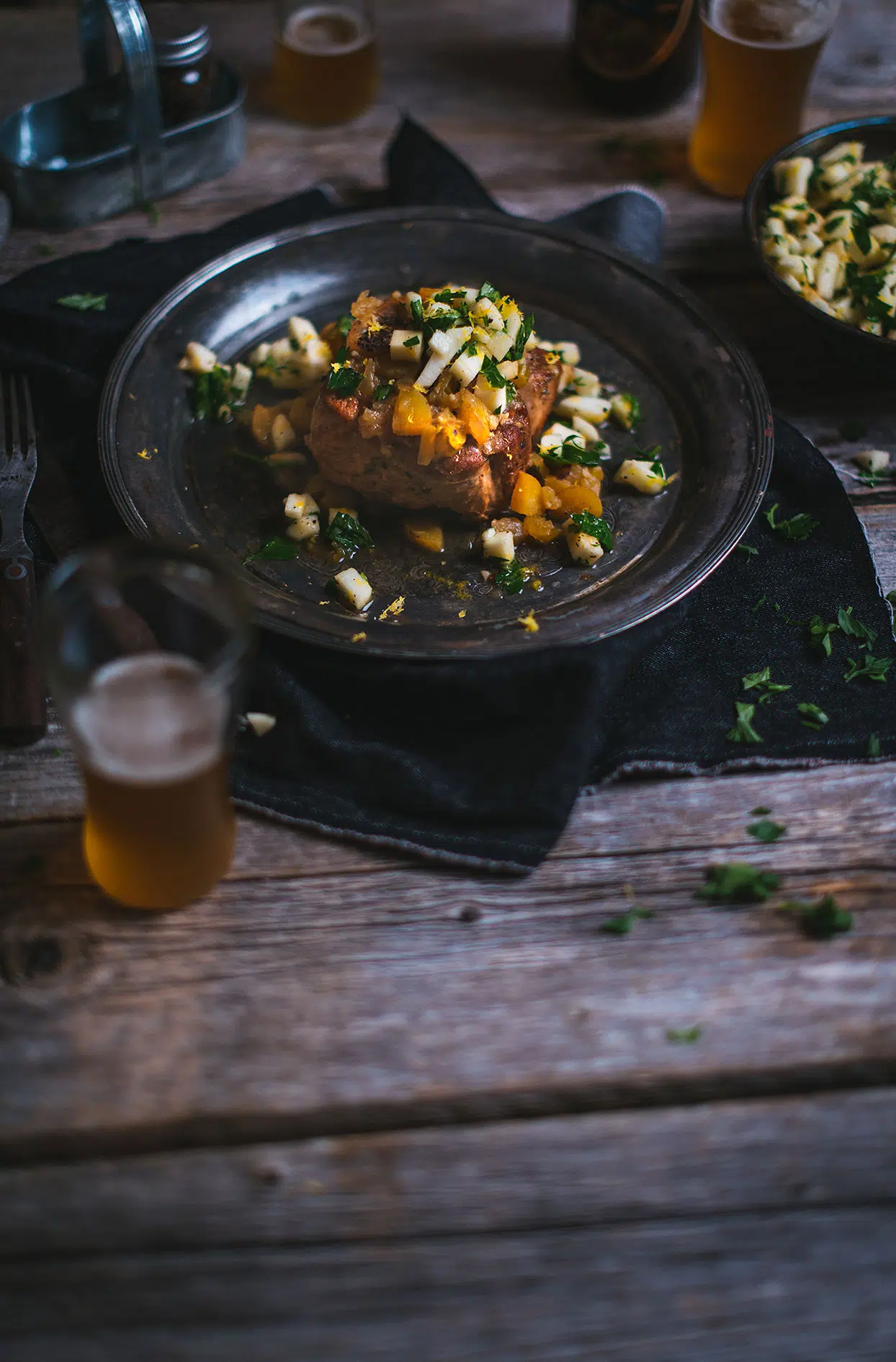
The other two stay raw, cut into tiny dice, and they go into the gremolata. Classic gremolata is parsley, garlic and citrus zest. That is it. Everybody makes it the same way. I swap the citrus flesh for raw apple and keep the lemon zest. It crunches, it is cold, it is tart, and it lands on meat that just spent the afternoon in the oven. That contrast is half the dish.
🦴 So what exactly is a pork shank?
It is the lower part of the leg, right above the trotter. Cut into thick slices across the bone, you get rounds with a hole in the middle: the hollow bone, full of marrow. Osso buco is Italian for exactly that, bone with a hole. The classic version uses veal. With pork it costs a fraction of the price and the flavour is more direct.
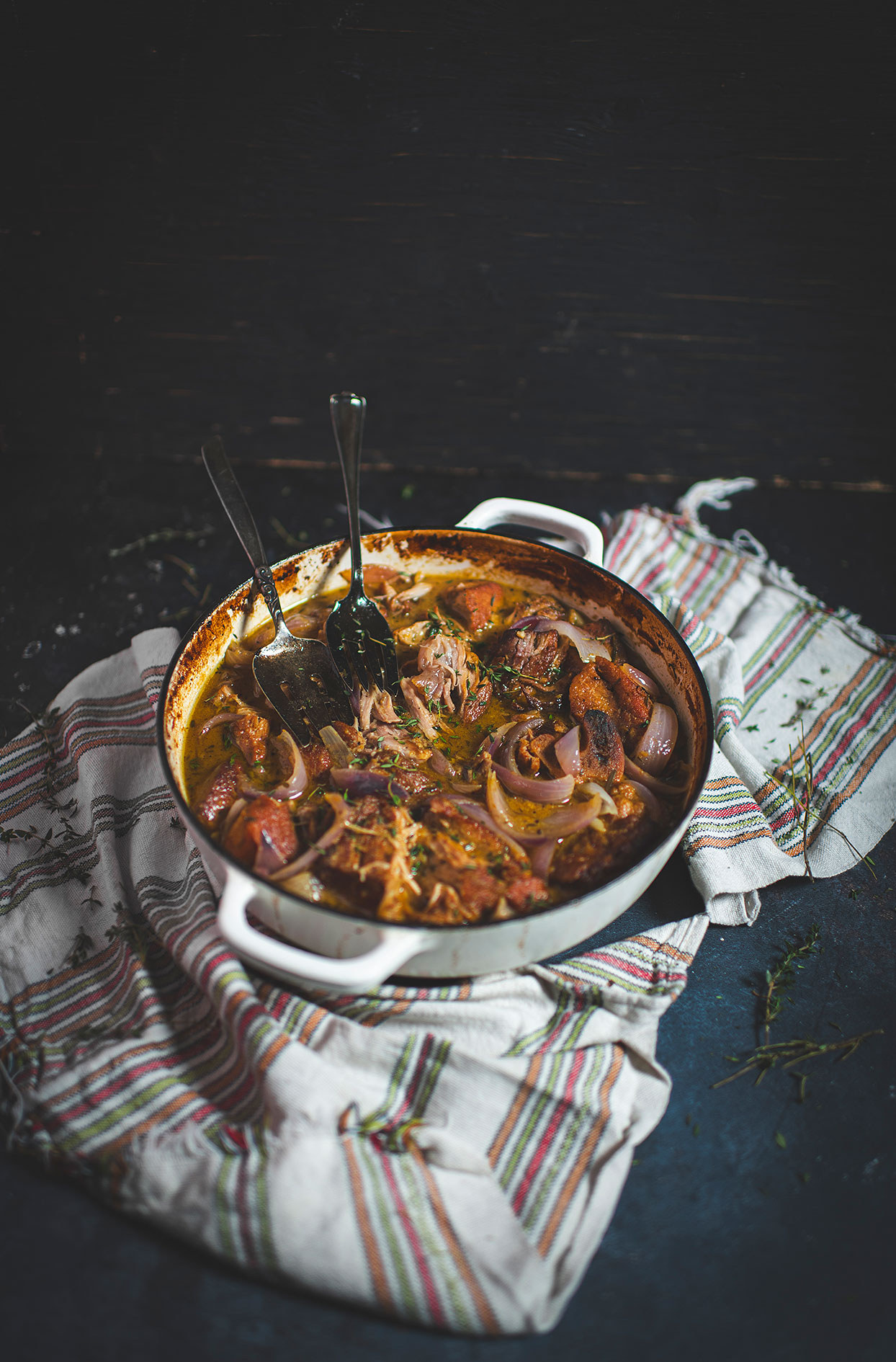
This is a muscle that works, so it is loaded with collagen. Cooked hot and fast it would be inedible. Braised covered for three and a half hours, that collagen turns to gelatin, the meat falls apart on its own, and the juice takes on a silky texture nothing else gives you. There is no shortcut here. It is just time.
Ads
Ads
🥩 Ask your butcher for the right slices
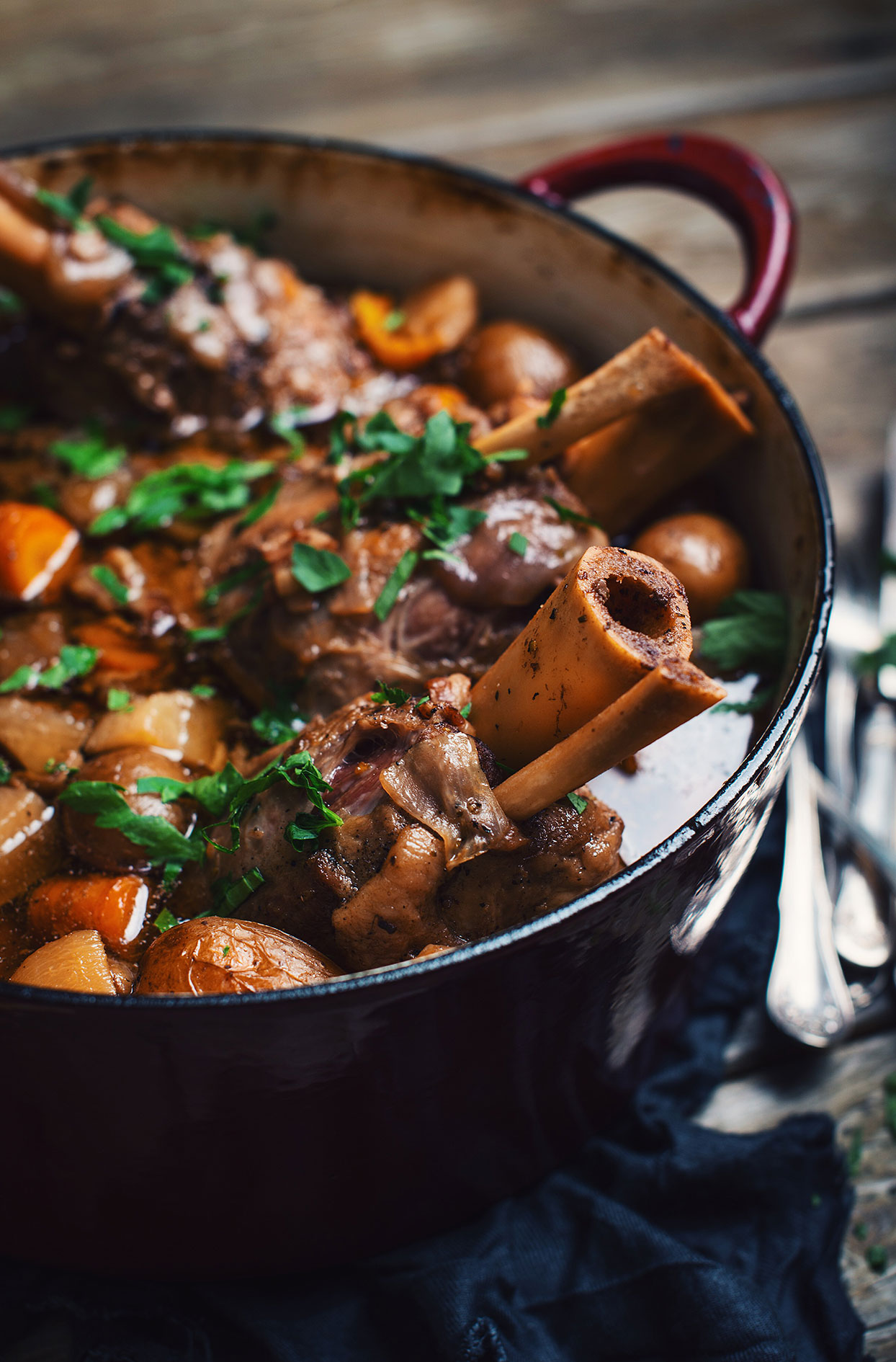
The only real trap in this recipe happens at the counter, before you even get home. Pork shank slices that are too thin dry out and fall apart long before the braise is done. Ask for slices 1½ to 2 in (4 to 5 cm) thick, cut straight across the bone. A butcher will saw them on request, it takes two minutes. Four slices of about 14 oz (400 g) each and you are set for four people.
🧵 To tie or not to tie
I do not tie mine. They go into the pot as is and it has never bothered me. That said, after three and a half hours the meat wants to leave the bone, and a slice or two sometimes ends up in pieces on the plate. A loop of butcher’s twine around each slice fixes that completely. I recommend it even though I skip it myself.
🔥 350 °F, and I am not moving on that
There is a school that braises at 325 °F, even 300 °F, chasing a gentler cook. I have always braised my things at 350 °F (180 °C). At that temperature the liquid simmers properly under the lid, the apples melt instead of staying in chunks, and the juice reduces enough to have body without any extra work afterwards. Three and a half hours, covered, done.
🍏 Cortland, and what to use instead
Cortland holds up to the heat without turning to mush, it is tart in exactly the right way, and it browns slowly once cut, which helps a lot for the gremolata. If you cannot find it, Empire, Spartan or Honeycrisp all do the job. What to avoid is McIntosh and Lobo. They collapse after twenty minutes in the oven and all you get is applesauce at the bottom of the pot.
🦴 The marrow, you eat it
The hole in the middle of the bone is marrow, and it is probably the best bite on the plate. I leave it in the shank for the whole cook, it melts slowly and perfumes the braising juice. At the table you dig it out with the tip of a knife or a small spoon and spread it on a piece of bread. That is exactly why this dish gets served with bread, and not only for mopping up.
💧 Broth halfway up, no more
Braising is not boiling. If the shanks are completely submerged the juice stays pale and thin and the meat ends up bland. Halfway up, the bottom cooks in liquid, the top cooks in the steam under the lid, and what is left after three and a half hours is properly concentrated. Depending on your pot it takes 2 to 3 cups (500 to 750 ml). Go by the level in the pot, never by the measuring cup.
🍺 The beer in the pot, and how to replace it
An apple white ale is the obvious match, but any witbier works: coriander and orange peel are exactly the register you want here. Skip browns and IPAs in the braise. The first one buries the apples, the second brings a bitterness that comes right back after three hours in the oven. That is about the cooking liquid only, mind you: a brown ale in the glass beside the plate is a different question, and a very good one. For an alcohol-free version, 1½ cup (375 ml) of raw apple juice cut half and half with broth gets you very close.
🌿 Apple gremolata is not the classic one, and that is the point
Traditional gremolata is parsley, garlic and citrus zest, full stop, and it exists to cut through a rich braise. I keep the lemon zest and swap the rest of the citrus for raw Cortland dice. You lose a bit of sharpness, you gain crunch and cold, and on a braised pork shank that has spent the afternoon in the oven the contrast is worth more than the acidity. Build it in the last five minutes, never earlier, or the apple browns and the parsley goes limp.
❄️ Freezing, absolutely
It freezes without a problem, up to 3 months. Let it cool completely, then freeze the shanks with their juice in an airtight container. The juice is what protects the meat, without it the meat dries out in the freezer. Thaw overnight in the fridge, then reheat covered in a 350 °F oven for about 25 minutes. The gremolata does not freeze: make a fresh one at serving time, it takes five minutes.
📅 Make-ahead prep
The braise itself happens the same day, no discussion. Three and a half hours of oven time during which you have nothing to do is precisely the argument for this recipe: start it in the morning, go about your day, and dinner is ready when people arrive. What you can do the night before is the mise en place. Onion, carrot and celery chopped, together in a labelled container. Garlic minced separately in a small jar, otherwise it takes over everything else. Wine and broth measured out. Thyme and bay leaves waiting in a saucer. The next day all that is left is to sear and to put the pot in the oven, and it changes the rhythm of the whole day. The gremolata is the exception: raw apples brown and parsley dies in a sealed container, so you build it at the last minute while the shanks rest.
✅ What to serve with braised pork shank osso buco
Mashed potatoes, and there is nothing to argue about. The braising juice needs somewhere to go and mash was built for it. My Boursin garlic and herb mashed potatoes are perfect here, and if you want to go big, aligot with gruyère and mozzarella stands up to this dish without breaking a sweat. A slightly bitter green helps too, rapini or roasted Brussels sprouts, if you find the apples push the plate too far to the sweet side. Plus a baguette on the table, cut in thick slices, for the marrow and for mopping. That is all it takes.
Ads
Ingredients
- 4 pork shank slices, 1½ to 2 in (4 to 5 cm) thick, about 14 oz (400 g) each
- Olive oil, a good drizzle for the pot
- 1 Spanish onion, finely chopped
- 1 big carrot, cut in half lengthwise then sliced
- 1 celery stalk, sliced
- 4 garlic cloves, finely chopped
- 5 Cortland apples, peeled and cored, cut in big cubes
- 1 cup (250 ml) white wine
- 1½ cup (375 ml) apple white ale, or any other white beer
- 1 tablespoon (15 ml) fresh thyme
- 2 bay leaves
- Chicken broth, enough to come halfway up the meat, about 2 to 3 cups (500 to 750 ml)
- Salt and ground pepper
Apple gremolata
- 2 Cortland apples, peeled and cored, cut in small dice
- ¼ cup (60 ml) fresh Italian parsley, finely chopped
- 2 tablespoons (30 ml) olive oil
- Zest of 1 lemon
- Salt and ground pepper
Ads
Preparation
- Preheat the oven to 350 °F (180 °C).
- In a big Dutch oven over medium-high heat, add a good drizzle of olive oil and sear the pork shank slices on all sides until nicely coloured, about 15 minutes total. Remove the pork and set aside on a plate.
- In the same pot, add the onion, carrot, celery, garlic and apples. Season with salt and pepper and add oil if needed. Cook for 4 to 5 minutes, stirring, until everything caramelizes.
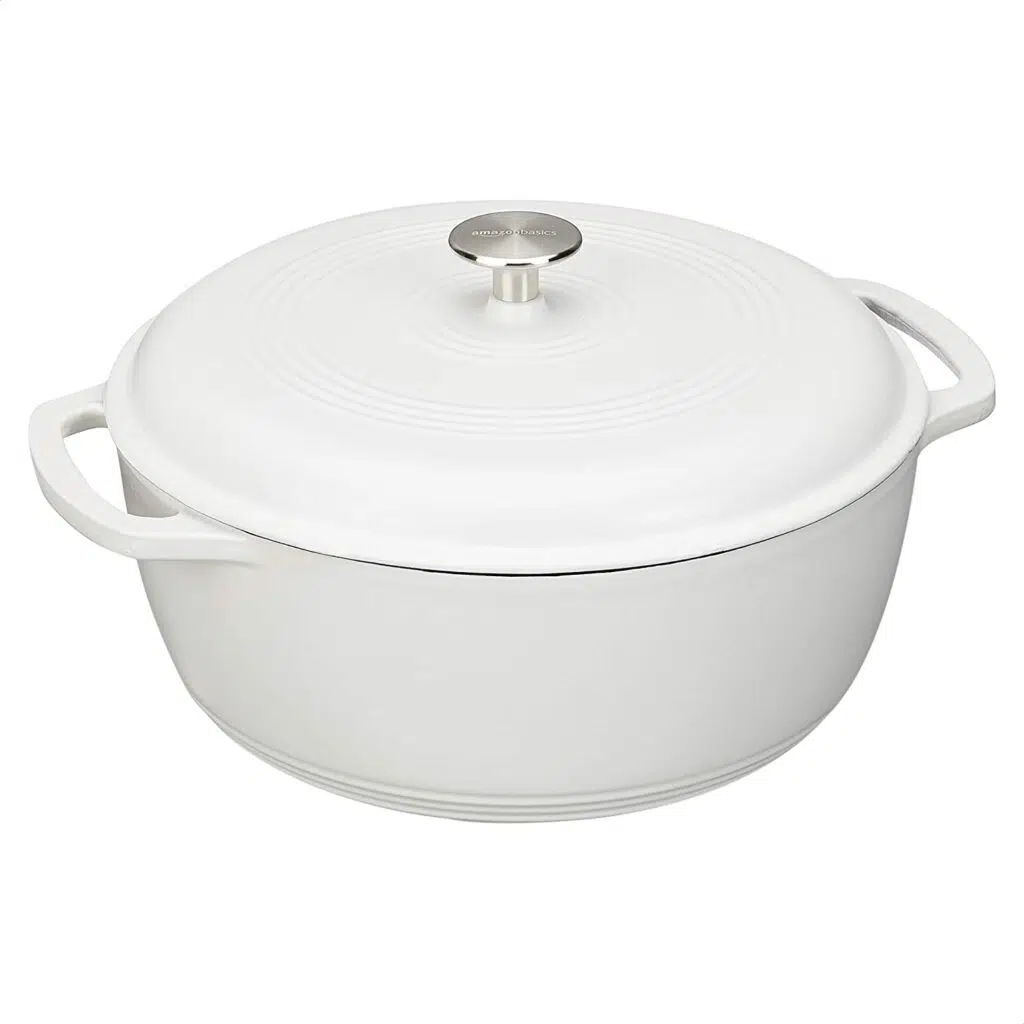
- Deglaze with the white wine and scrape the bottom well to get all that flavour! Add the beer, thyme and bay leaves, then stir well. Place the shanks back in the pot, then add enough chicken broth to come halfway up the meat.
- Bring to a boil, reduce to low heat and cover. Place in the oven and cook for 3 hrs 30 min, until the meat falls apart with a fork.
- For the gremolata, simply combine all the ingredients in a bowl, then season with salt and pepper. Make it right before serving, never ahead of time.
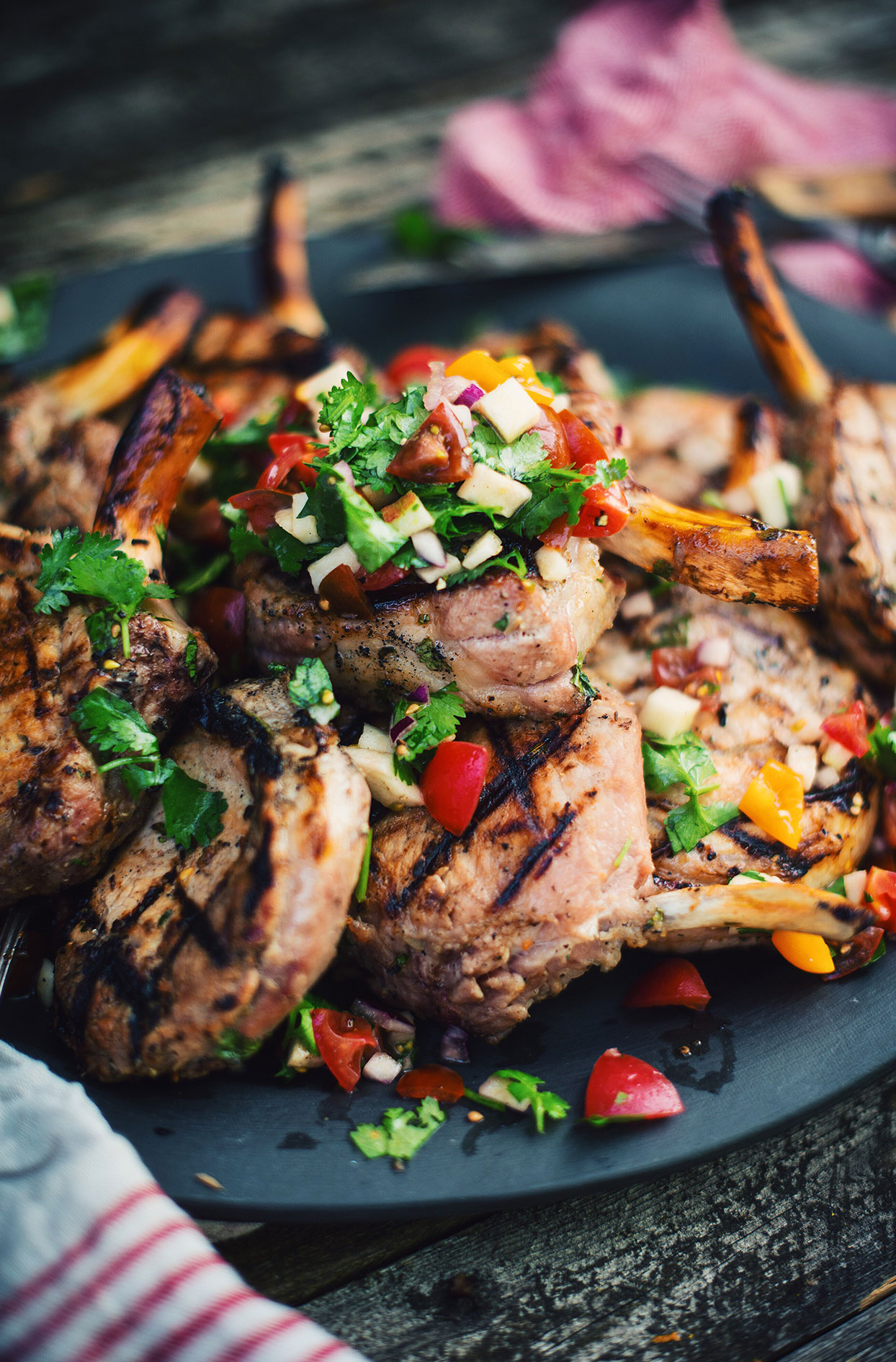
- Place the shanks on plates, spoon over the braising juice, add the braised vegetables and a generous amount of apple gremolata!
They are not the same kind of word. The shank is the cut: the lower part of the pig’s leg. Osso buco is a way of cutting and cooking it, that same shank sliced across the bone into thick rounds and then braised for hours. So every pork osso buco starts from a shank, but a whole untrimmed shank is not osso buco. The name is Italian and means bone with a hole, a reference to the marrow in the centre.
It is the section of leg between the knee and the trotter, front or back. A muscle that works all the animal’s life, so it is firm, extremely rich in collagen, and genuinely cheap. It is also one of the most flavourful cuts on the pig once you give it the time it asks for. Hind legs give bigger, meatier slices if your butcher lets you choose.
Time, and a lid. The collagen in a shank only really turns to gelatin around 160 °F, and that takes hours, never minutes. Three and a half hours at 350 °F, covered, with liquid halfway up the meat. If the meat still resists, it is never because it is overcooked: it is undercooked. Put it back for 30 minutes and check again. The initial sear does not make the meat tender, it gives colour and flavour.
Yes, up to 3 months, and it is one of the dishes that handles the freezer best. Freeze the shanks with their braising juice in an airtight container, once everything has cooled completely. Thaw overnight in the fridge and reheat covered in a 350 °F oven for about 25 minutes. Make the gremolata fresh at serving time: that is what gives the dish its brightness back.
Mashed potatoes to catch the juice, and a baguette cut thick for the marrow and for mopping the plate. A slightly bitter green on the side, rapini or roasted Brussels sprouts, cuts the sweetness of the apples if you find the dish leans too far that way. Nothing complicated: the shank and its juice do all the work, everything else is there to catch it.
Gremolata is the raw condiment that goes on top of an osso buco: parsley, garlic and citrus zest, chopped fine and never cooked. Its whole job is to cut through a long braise so the plate does not taste heavy. Here the citrus flesh is replaced by raw Cortland dice and only the lemon zest stays. It crunches, it is cold, and it lands on meat that has been in the oven all afternoon. Make it in the last five minutes: raw apple browns and parsley wilts fast.
Ads
Ads



Ads
Ads
Ads