
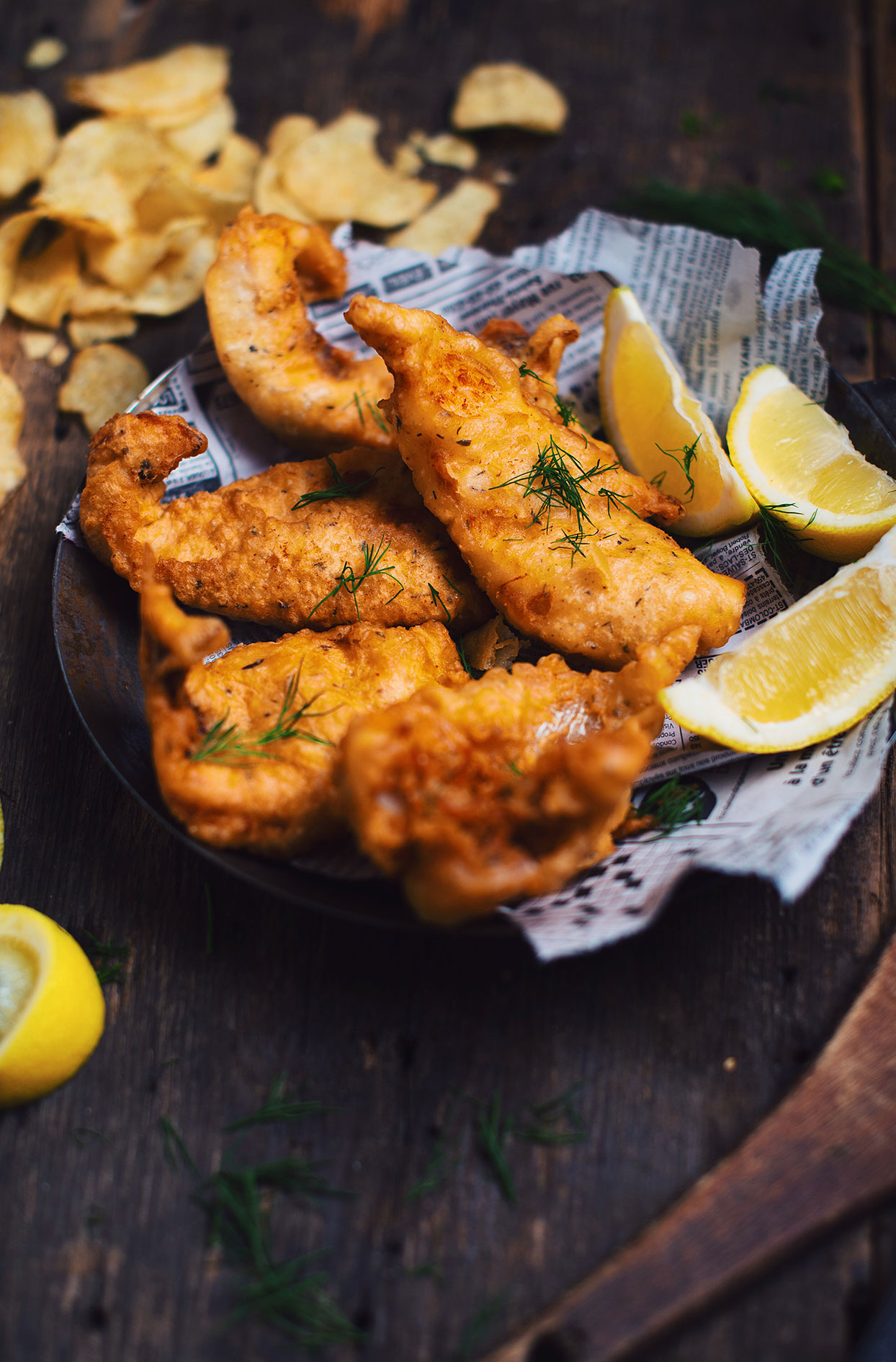
Beer battered fish and chips with dill tartar sauce
- Preparation 15 min
- Cooking 30 min
- Servings 4
- Freezing I do not suggest
Ads
🍺 The best beer battered fish and chips I know
This is one of the oldest recipes on my site, and I still haven’t made a better beer battered fish and chips. The coating shatters when you bite into it. The homemade dill tartar sauce is so good you’d brush your teeth with it. Honestly, just writing about it is making me hungry. It’s a full pub night without leaving your kitchen, big cold beer included.
🐟 What makes the beer batter this light
Flour plus tempura mix. That’s the whole secret, and it’s why the batter fries up crisp instead of thick and bready. I also throw in a little dried thyme, my own addition, and it does more for the fish than you’d think. The beer is a Belgian-style blonde, for bubbles that lift the batter. Then comes the rule that beats all the others: the batter has to be VERY cold when the fish goes in. Cold batter, oil at 350°F (180°C), and you get the crunch you’d pay restaurant money for.
🥄 The dill tartar sauce is not optional
Real fish and chips comes with real tartar sauce, and mine is a homemade dill tartar sauce with capers, shallots and a squeeze of lemon. Two minutes of work, and it changes the whole plate. Serve everything with fries, lemon wedges and that cold beer on the side. Simple, filling, and better than any takeout counter.
Ads
Ads
🧊 Ice-cold batter, screaming-hot oil
This is trick number one and nothing else comes close. The beer batter has to be very cold the moment the fish goes in. That collision between icy batter and hot oil, plus the carbonation in the beer, is exactly what builds a shell that crackles. Keep the beer in the fridge until the last second and don’t mix the batter an hour ahead.
🌡️ Let the oil climb back to 350°F between batches
Nobody waits, and that’s why so much homemade beer battered fish turns out greasy. Cold oil soaks into the coating instead of sealing it. Watch your thermometer, let it come back to 350°F (180°C), then drop the next fillets.
🍳 Small batches
Crowding the pot drops the oil temperature and can push it over the rim. A few fillets at a time cook better and it’s a lot safer.
🌾 Flour the fish before it hits the batter
Dust each fillet with a thin layer of flour and shake off what doesn’t stick. The batter grabs onto that flour instead of sliding off into the oil. One extra bowl, and the coating actually stays on the fish.
🐟 Haddock, cod or pollock
Haddock is what I reach for every time. It’s a little sweeter than cod and it holds together in hot oil. Cod is the pub standard and flakes bigger; pollock is cheaper and honestly does the job too, and tilapia works if that’s what’s in the freezer. Whichever you pick, slice the thick pieces in half through the thickness. Thin fillets fry faster and the batter is golden before the fish overcooks. If you’d rather skip the fryer altogether, my pan-fried cod with butter and lemon sauce handles the same fish a whole other way.
🔥 A rack, not a plate
Park the fried fillets on a rack set over a baking sheet in a 200°F (95°C) oven while you fry the rest. Air moves under them, so the bottom stays crisp instead of steaming itself soft. Everyone eats hot at the same time.
✅ What to serve with beer battered fish and chips
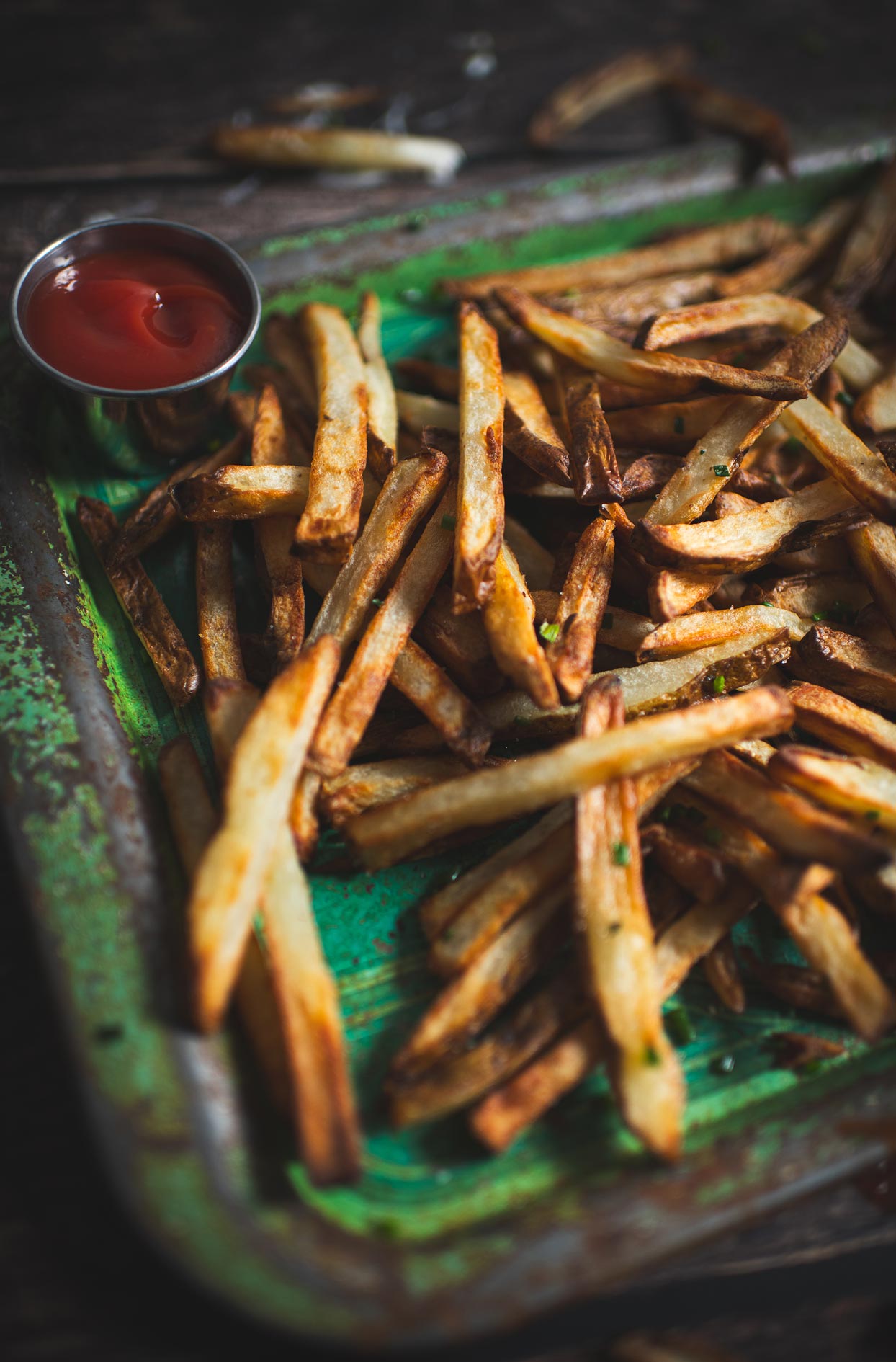
The classic plate: air fryer french fries, my homemade dill tartar sauce and lemon wedges. If you’re feeding a crowd, beer-battered onion rings come out of the same pot of oil and the same kind of batter. Leftovers go in the air fryer, never the microwave.
Ads
Tartar sauce
- 1 cup (250 ml) mayonnaise
- 1/4 cup (60 ml) sweet relish
- 1/4 cup (60 ml) capers, finely chopped
- 1/4 cup (60 ml) French shallots, finely chopped
- 2 tsp (10 ml) Dijon mustard
- 1 tbsp (15 ml) lemon juice
- 2 tbsp (30 ml) fresh dill, finely chopped
Beer batter
- 3/4 cup (180 ml) all-purpose flour
- 1/2 cup (125 ml) tempura mix
- 1 1/4 cup (310 ml) very cold Belgian-style blonde beer
- 1 tsp (5 ml) dried thyme
Fish and frying
- 1 3/4 lb (800 g) firm white fish (haddock, cod or tilapia), cut into small thin fillets
- 1 cup (250 ml) flour
- 6 to 8 cups (2 L) canola oil
- Lemon wedges
Ads
Preparation
- Pour the ingredients for the tartar sauce in a bowl and stir well. Reserve in the fridge.
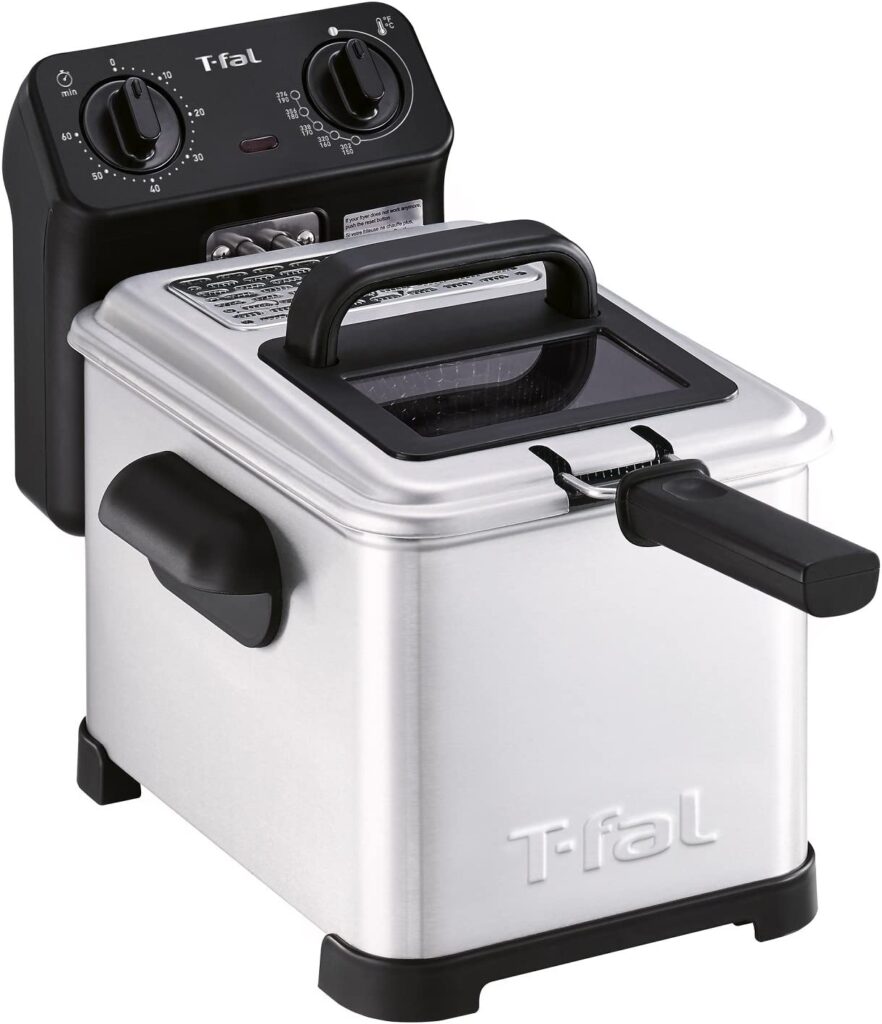
- In a large pot (or a deep fryer), add the oil, about 3 in (8 cm) deep, then heat to 350°F (180°C). Check the temperature by dropping 1/4 tsp (1.25 ml) of batter in the oil: it should brown quickly without burning. ALWAYS BE CAREFUL WITH HOT OIL!!!
- In a large bowl, pour the ingredients for the beer batter and stir well. If the mix is too thick, add a bit more beer!
- Cut the fish into small fillets. Slice the thicker pieces in half through the thickness, they cook much more evenly!
- Preheat the oven to 200°F (95°C).
- Pour 1 cup (250 ml) of flour into a large bowl, then coat the fish fillets in a thin layer.
- Dip the fish in the batter and scrape off the excess by lightly dragging the fillets on the rim of the bowl. Lower them right into the hot oil and repeat with the rest. Fry a small quantity at a time. Fry for 6 to 8 minutes, until the fillets are deep golden!
- Drop them on paper towel for a few seconds to soak up the excess fat. Set a rack on a baking sheet, place the fillets on top and keep them warm in the oven!
- Garnish with fresh dill, serve with the dill tartar sauce, lemon wedges and your favourite chips!!!
A Belgian-style blonde, ice cold. It’s carbonated enough to lift the batter and it doesn’t drag any bitterness onto the fish, which is what happens when people reach for an IPA. A lager or a witbier will do the same job. What matters more than the label is the temperature: cold beer, cold batter, hot oil.
Haddock is my pick. It’s slightly sweeter and it stays in one piece in the fryer. Cod is the pub standard and gives you those big flakes, pollock is the budget option and still fries beautifully, and tilapia works fine. Any firm white fish will do, as long as you cut the thick pieces in half through the thickness so they cook evenly.
Almost always the oil. If it sits below 350°F (180°C), the coating drinks the fat instead of sealing shut, and you get soft and greasy instead of crisp. Fry a few fillets at a time so the temperature doesn’t crash, wait for it to climb back between batches, and keep the batter cold in the fridge until the second you use it.
Air fryer, a few minutes at 375°F (190°C). The coating tightens back up and it’s close to freshly fried. A hot oven on a rack works too. The microwave is the one thing that ruins it, turning the batter soft and rubbery in under a minute.
Fries, lemon wedges and tartar sauce, and that’s the whole plate. I use air fryer french fries so the deep fryer stays free for the fish, plus my homemade dill tartar sauce. Coleslaw on the side if you want something cold and sharp against all that fried fish.
Ads
Ads
Ads
Ads
Ads