

Aligot Recipe (French Cheesy Mashed Potatoes)
- Preparation 15 min
- Cooking 20 min
- Servings 4 to 6
- Freezing Absolutely
Ads
🥔 What aligot actually is
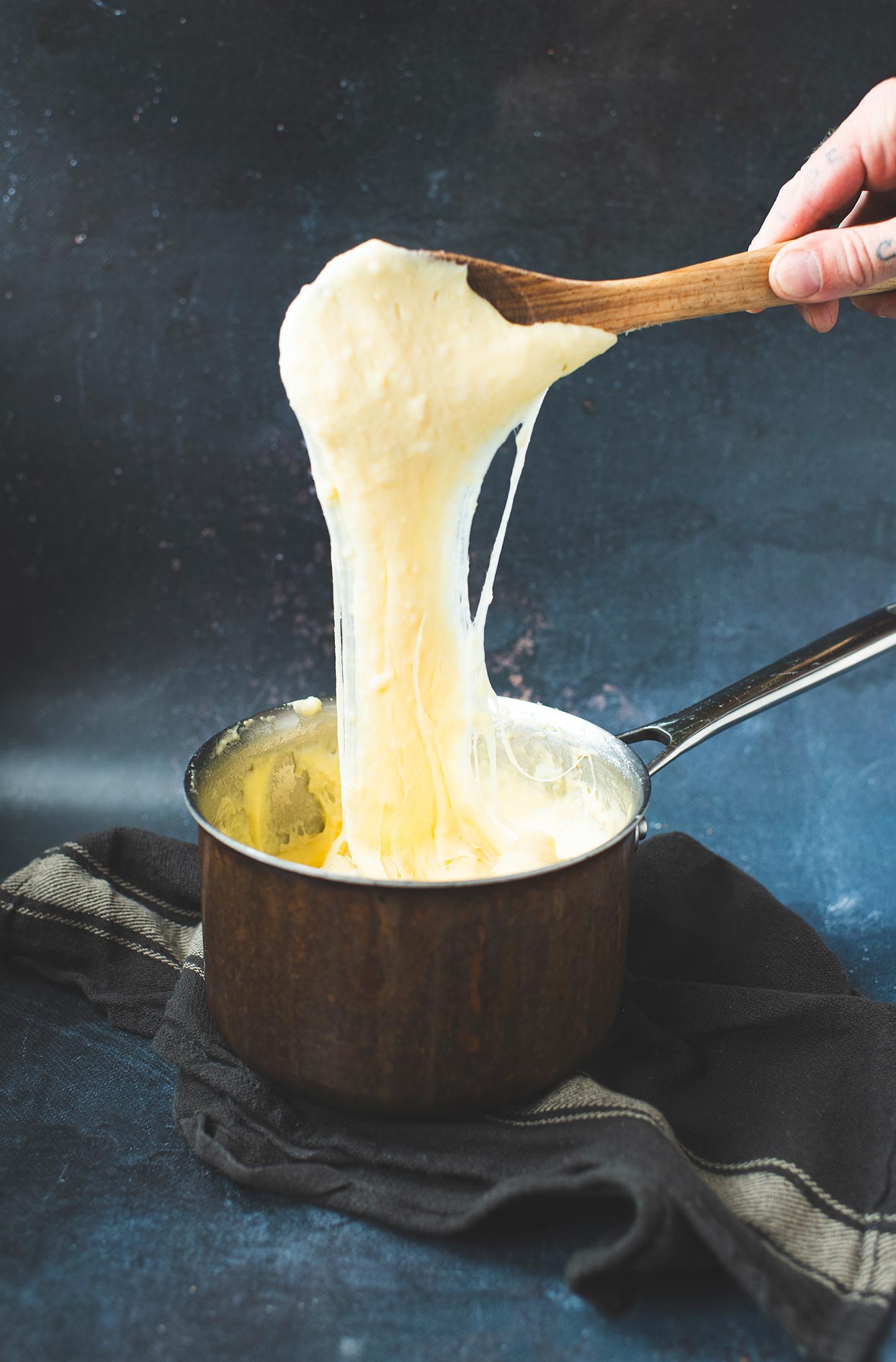
Aligot is mashed potatoes beaten with so much cheese that it stretches like taffy when you lift the spoon. It comes from Aubrac, a high plateau in central France, where cheesemakers fed it to pilgrims walking through. The first time I had it I did not know what it was called. I spent the next five minutes lifting my spoon just to watch it stretch. Everybody does the exact same thing.
🧀 The cheese problem, solved
Real aligot uses tome fraiche from Laguiole, a young unaged curd cheese you will not find at a North American grocery store. Block mozzarella plus Gruyere is the substitution that actually works: mozzarella brings the stretch, Gruyere brings the flavor. Roughly two parts to one. Grate both fine and let them sit out for a solid thirty minutes before you start, because cold cheese hitting hot potatoes seizes instead of melting. That one step decides whether this works.
🍽️ What to serve it with
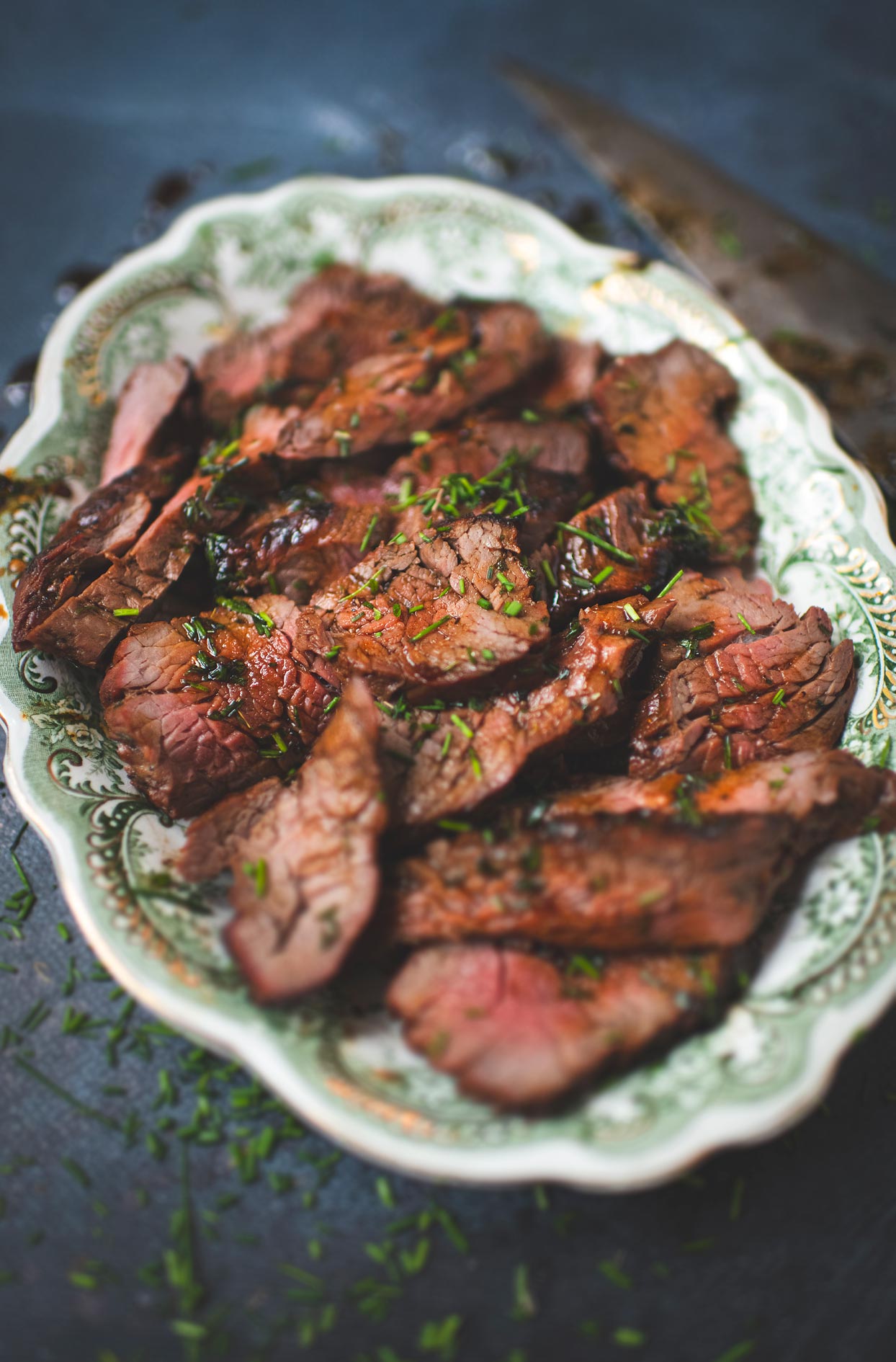
At my house it shows up whenever something is on the grill. Sausage, steak, a rack of lamb. But the best version of this meal is aligot next to something braised and falling apart, like a chuck roast or pulled pork shoulder. The braising juices running into the cheese is almost too much. Make more than you think you need, because nobody takes a normal portion.
Ads

Ads
🧀 Room temperature cheese is the whole game
Grate it 20 to 30 minutes ahead and leave it on the counter. Cold cheese dropped into hot potatoes seizes instead of melting, and you end up with lumps that never smooth out. Half an hour is better. This is the step everyone skips and it is exactly the one that decides whether your aligot stretches.
🥔 Ricer first, masher second
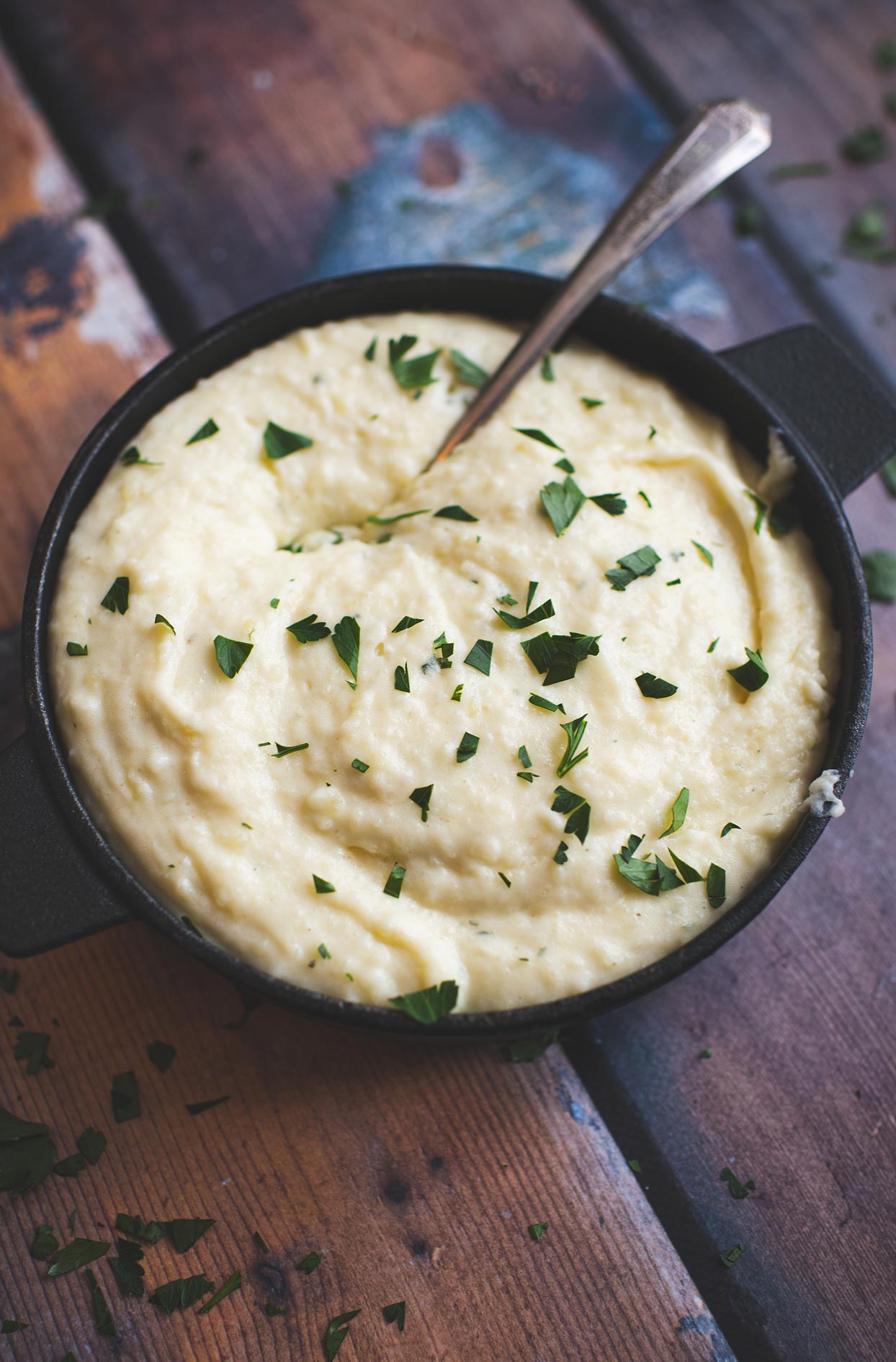
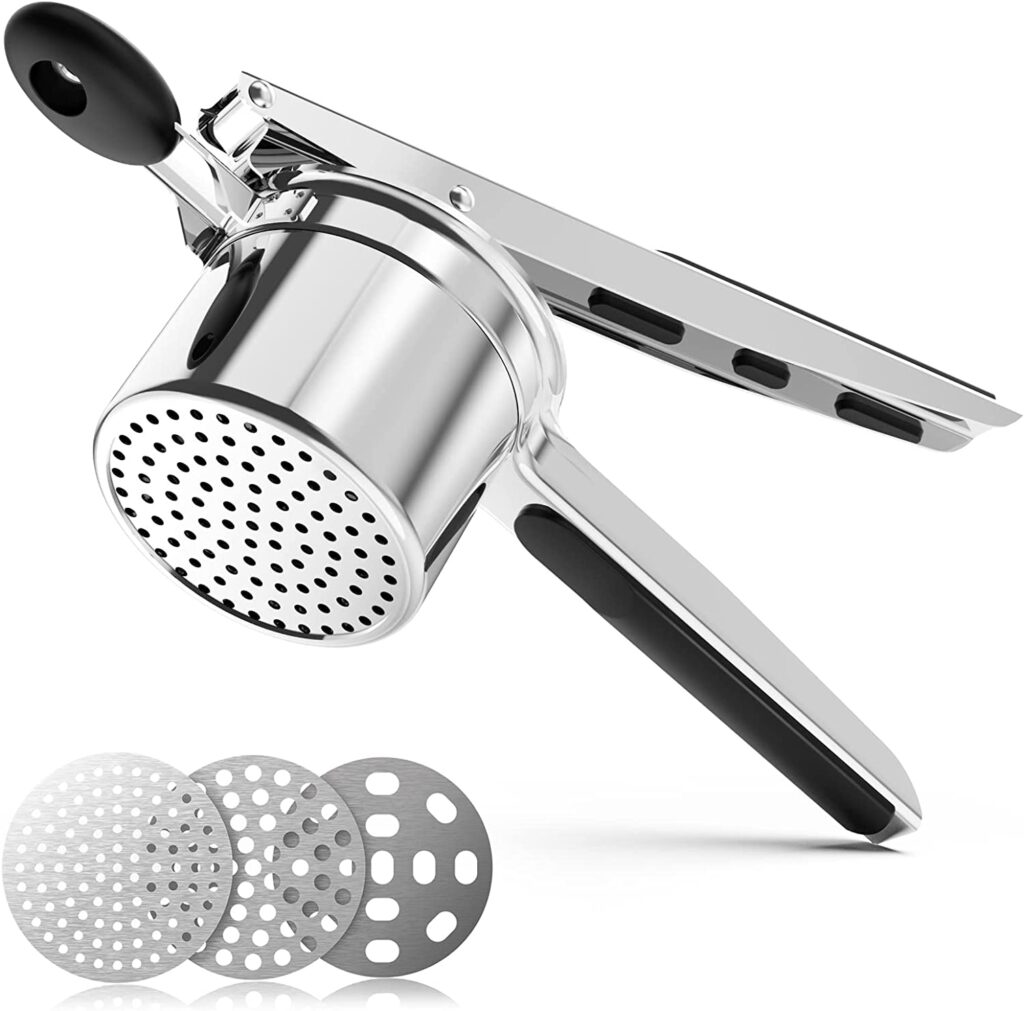
The ricer pushes the potatoes through in fine strands right onto the butter. The masher then works the butter in and gets the texture truly smooth. One minute of hard mashing, and that is where the whole thing is won. Never a food processor: the blades wreck the starch and you get glue.
🛑 Know when to stop
The second the mash stretches when you lift the spoon, you are done. Stop. Stirring past that point is what turns good aligot into gummy paste, and there is no coming back from it. Three to five minutes of stirring total, not ten.
⚖️ More cheese does not mean better
Everyone assumes adding more will improve it. The opposite happens. The ratio that works is roughly one part cheese to two parts potato, so 350 g cheese for 680 g potatoes. Go past that and the fat splits out instead of emulsifying.
🧄 The garlic stays in the cream
Plenty of recipes have you infuse the garlic and then strain it out. I keep it. Grated fine enough, it disappears into the mash, and the garlic flavor is honestly better when it stays. Want it milder? Use two cloves instead of four.
📅 Make ahead
The cooking itself does not happen ahead, aligot is a serve-immediately dish. Everything else does. Peel and cube the potatoes in the morning and hold them in a bowl of cold water in the fridge. Grate both cheeses, mix them together in one labeled container, and cube your butter. The cream and garlic can even be simmered ahead and rewarmed gently. Pull the cheese out of the fridge half an hour before you start, not sooner: it needs to be at room temperature when it goes in, not sitting out all afternoon.
❄️ Storage
Honestly, eat it right away. This is a 35 minute dish that does not survive waiting. Leftovers keep two days in the fridge and reheat over low heat with a splash of milk to loosen them, but be warned: the texture does not come back the way it was. Freezing is out, it separates completely.

Ads
Ingrédients
- 1 1/2 lb (680 g) Yukon Gold potatoes, peeled and cubed
- 3/4 cup (175 ml) heavy cream 35%
- 4 garlic cloves, finely grated
- 1/4 cup (60 ml) butter, cubed
- 9 oz (250 g) block mozzarella, finely grated and at room temperature
- 3 1/2 oz (100 g) Gruyere, finely grated and at room temperature
- Salt and pepper
Ads
Preparation
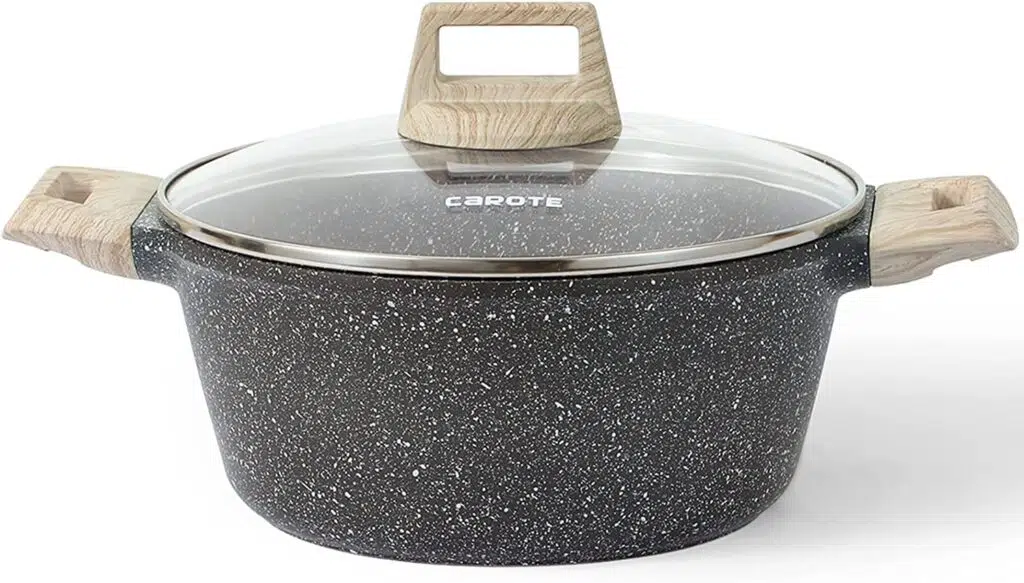
- Cook the potatoes in a large pot of boiling salted water until very tender, about 15 minutes. Drain them and keep the pot.
- Meanwhile, bring the cream and grated garlic to a boil in a small saucepan. Reduce to medium and simmer 5 minutes. Leave the garlic in, do not strain it: that is where the flavor lives.
- Take the large pot off the heat and drop in the cubed butter. The pot is still hot, so the butter starts melting on its own. Pass the hot potatoes through a ricer straight over the butter, then work them with a masher until the mash is completely smooth and fine.
- Stir the hot garlic cream into the potatoes until just combined.
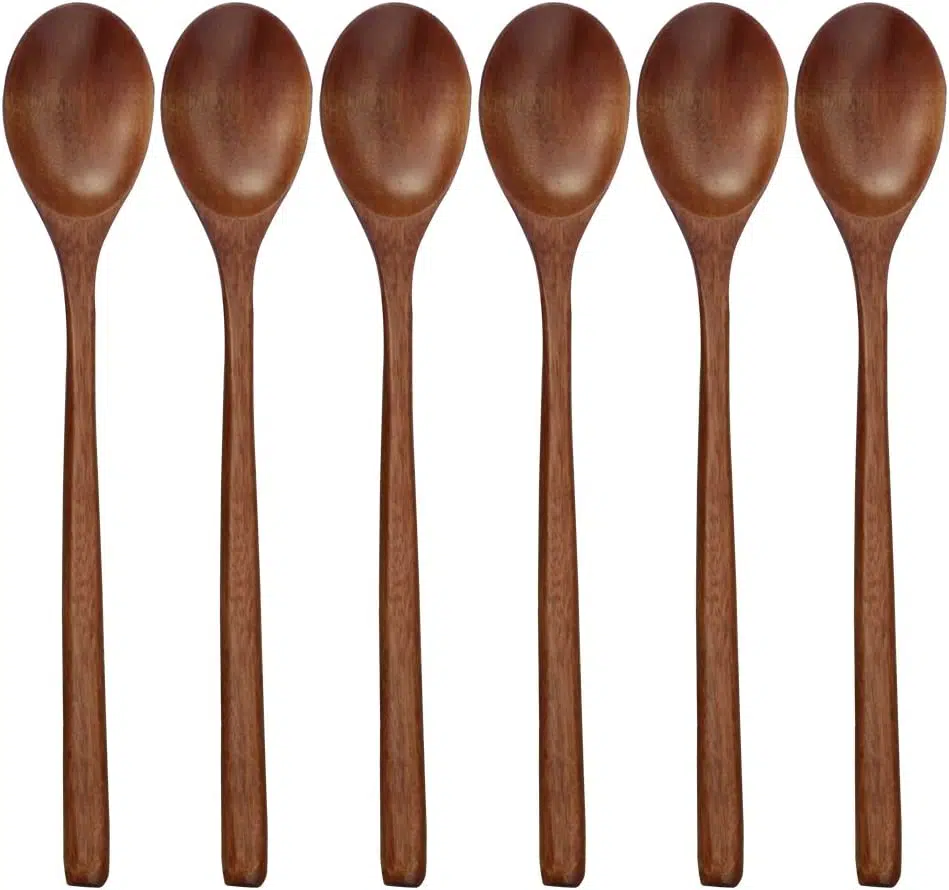
- Set the pot back over medium-low heat. Add the mozzarella and Gruyere a handful at a time, stirring with a wooden spoon after each addition, until the cheese melts and the mash stretches when you lift the spoon, 3 to 5 minutes. Stop stirring the moment it stretches.
- Season with salt and pepper and serve right away.
Potatoes, cheese, butter, cream and garlic. That is the entire list. In France it is made with tome fraiche, a young unaged cheese from the Aubrac plateau. Outside France, block mozzarella mixed with Gruyere gets you the same stretch and a very close flavor.
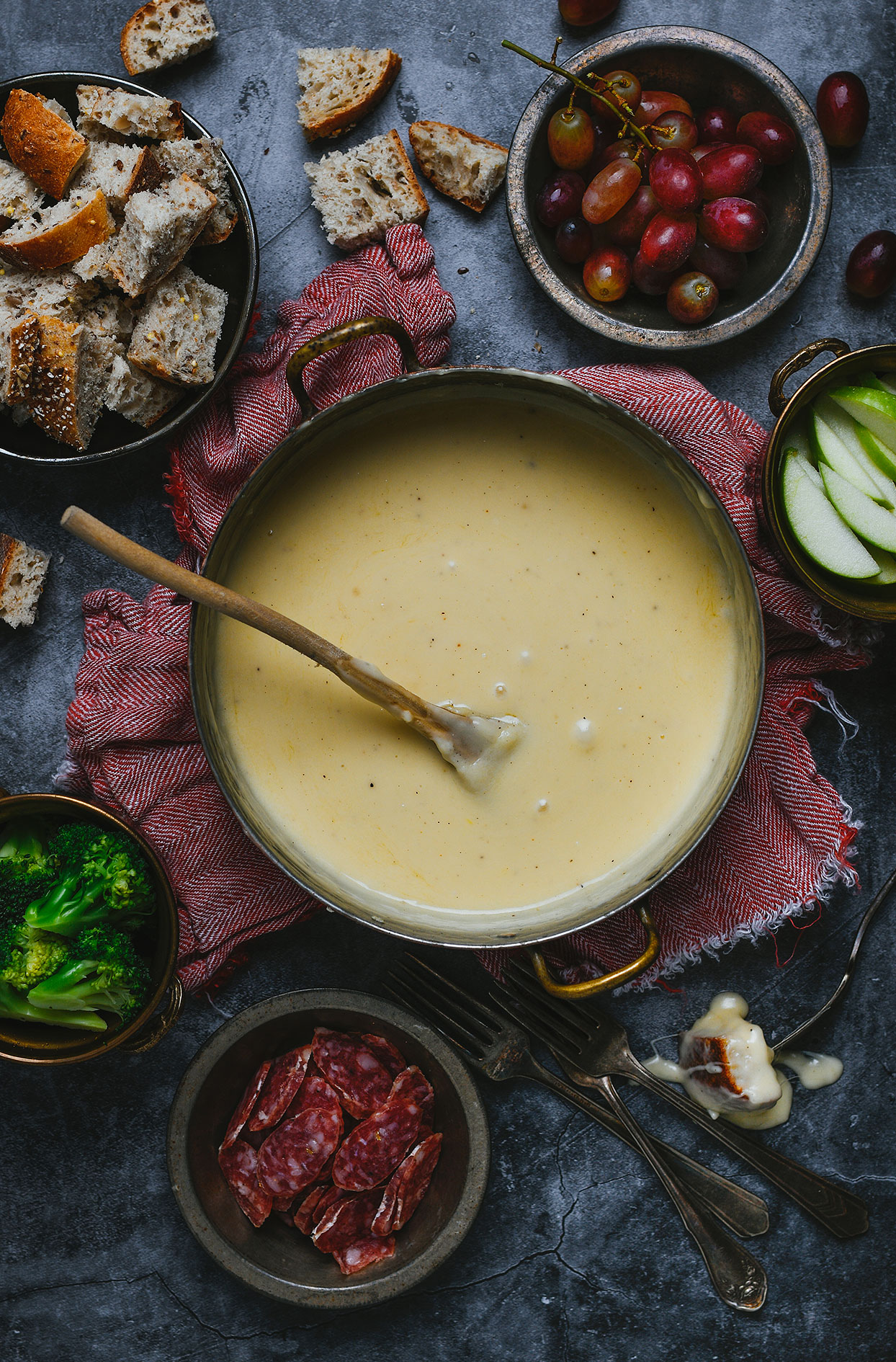
Like the richest mashed potatoes you have ever had, with a savory nutty edge from the Gruyere and a clear hit of garlic. The texture is the surprise: it is elastic and glossy rather than fluffy, closer to a very thick cheese fondue than to a side of mashed potatoes.
Ah-lee-GOH. The final t is silent, and the stress lands on the last syllable, the way it does in most French words.
As a side, and traditionally with sausage. It also goes with steak, lamb or anything off the grill. The best pairing is something braised and shreddable like a chuck roast or pulled pork, so the cooking juices run into the cheese.
Almost always one of three things. The cheese was cold out of the fridge. You used too much cheese for the amount of potato. Or you kept stirring after the stretch appeared. Room temperature cheese and medium-low heat fix most of it.
Yes. Russets are starchier, so the mash comes out lighter and a little less dense. Yukon Gold stays my first choice because it has enough starch for the elastic texture while keeping a naturally buttery flavor. Avoid new potatoes and red potatoes entirely: not enough starch, and it will not stretch.
Ads
Ads


Ads
Ads
Ads