

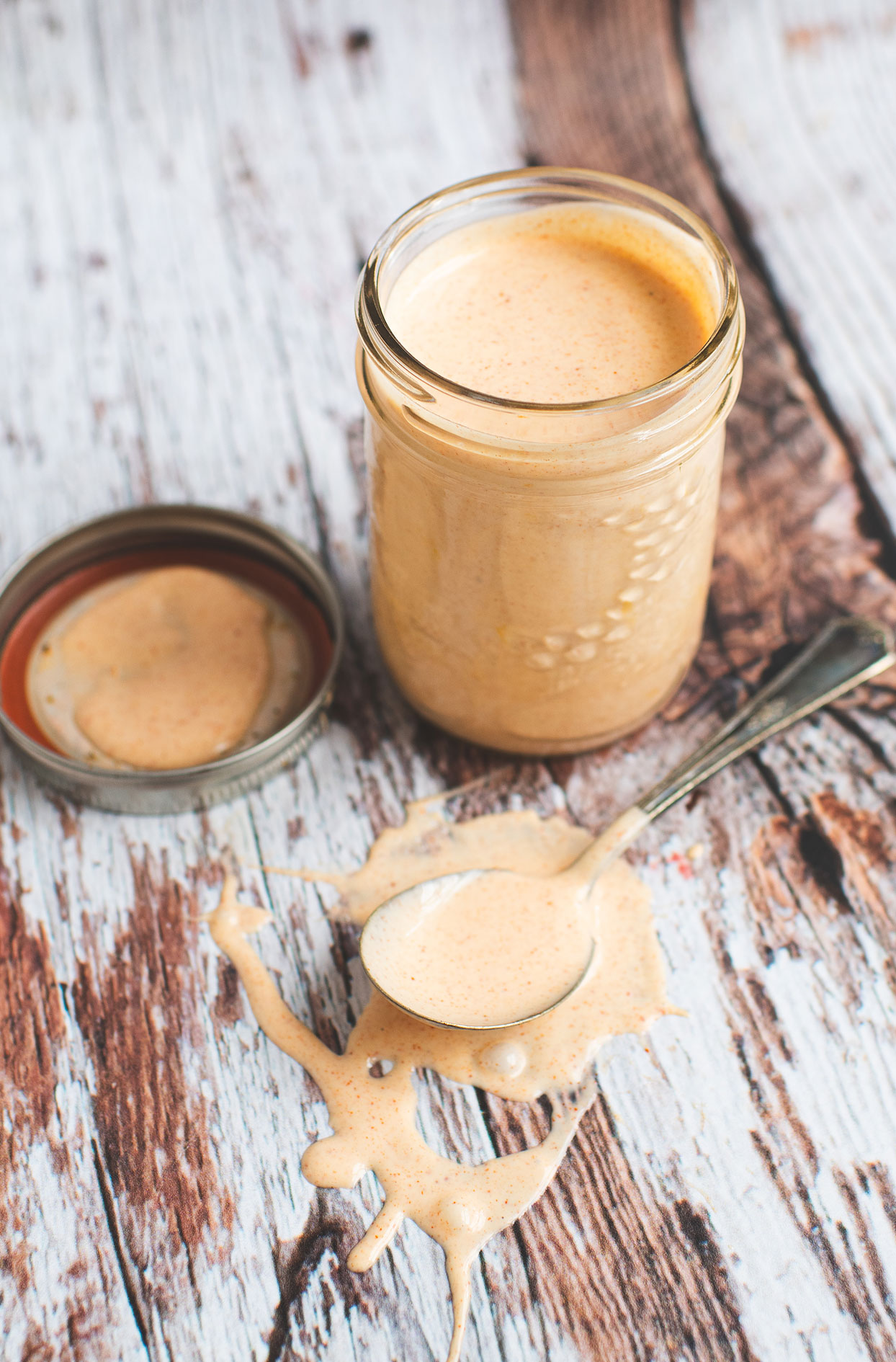
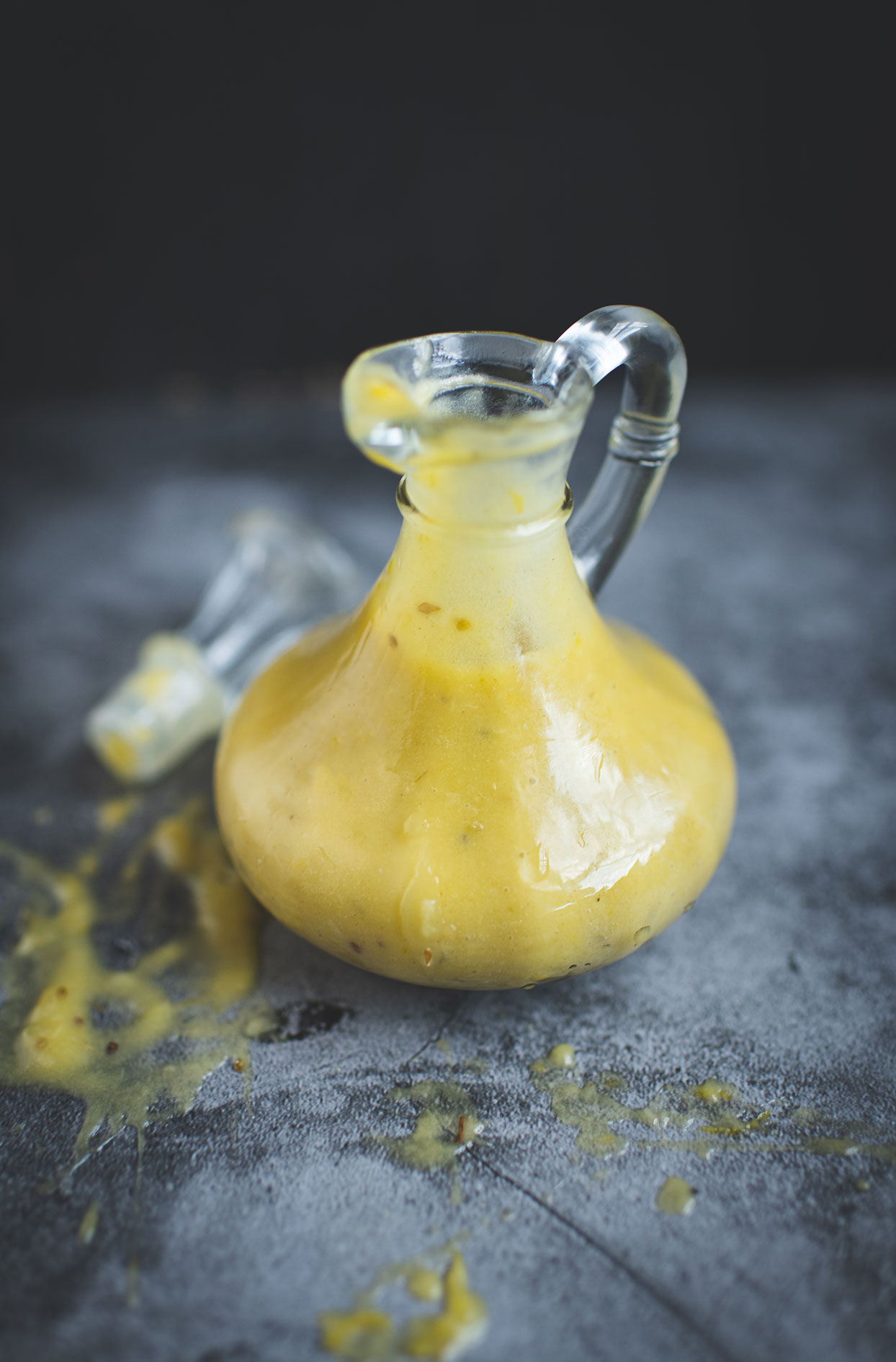
Honey, thyme and smoked paprika vinaigrette
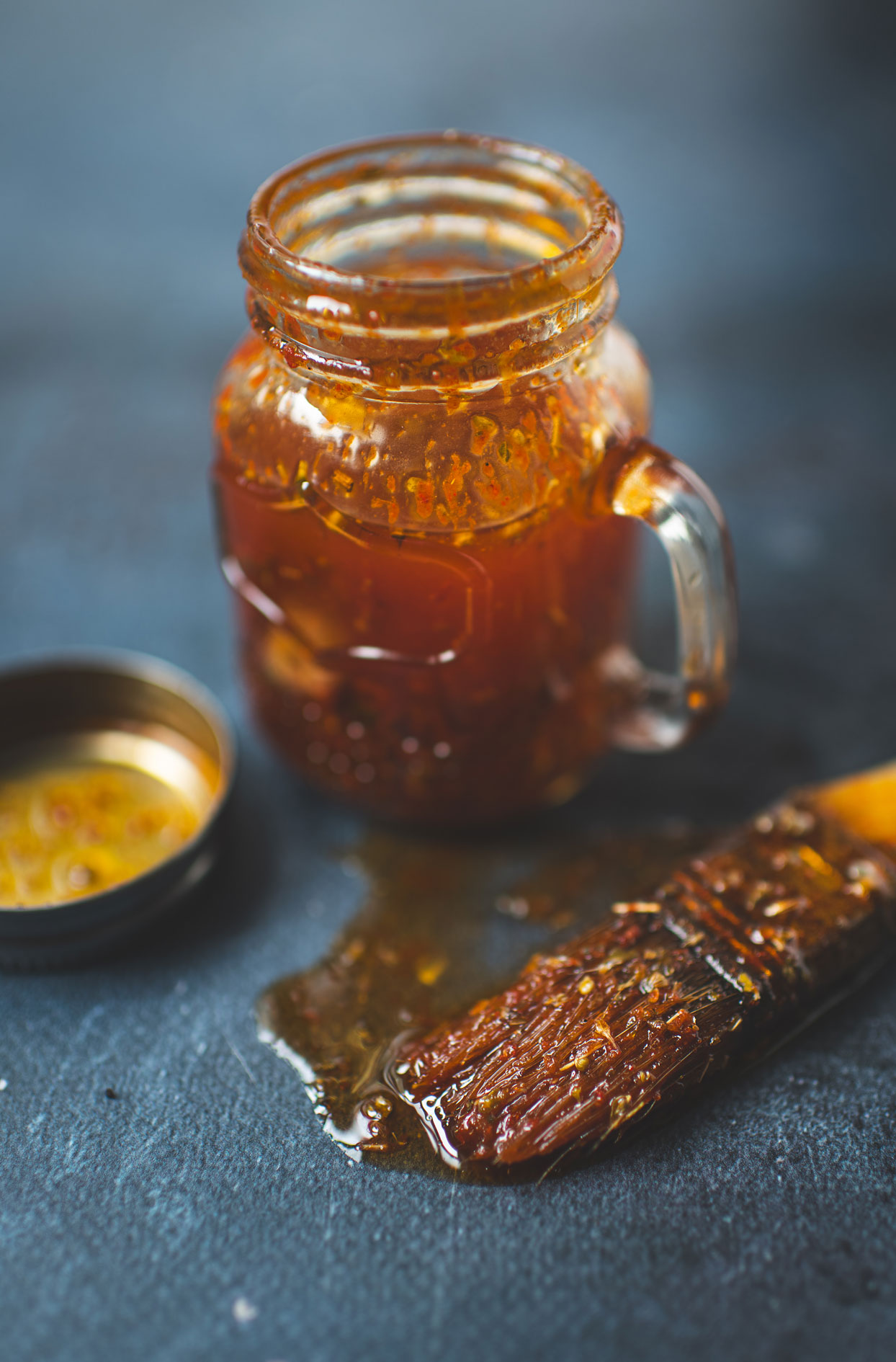
- Preparation 5 min
- Servings ⅔ cup (160 ml)
- Freezing Absolutely
Ads
🍯 Born for halloumi, stayed for everything else
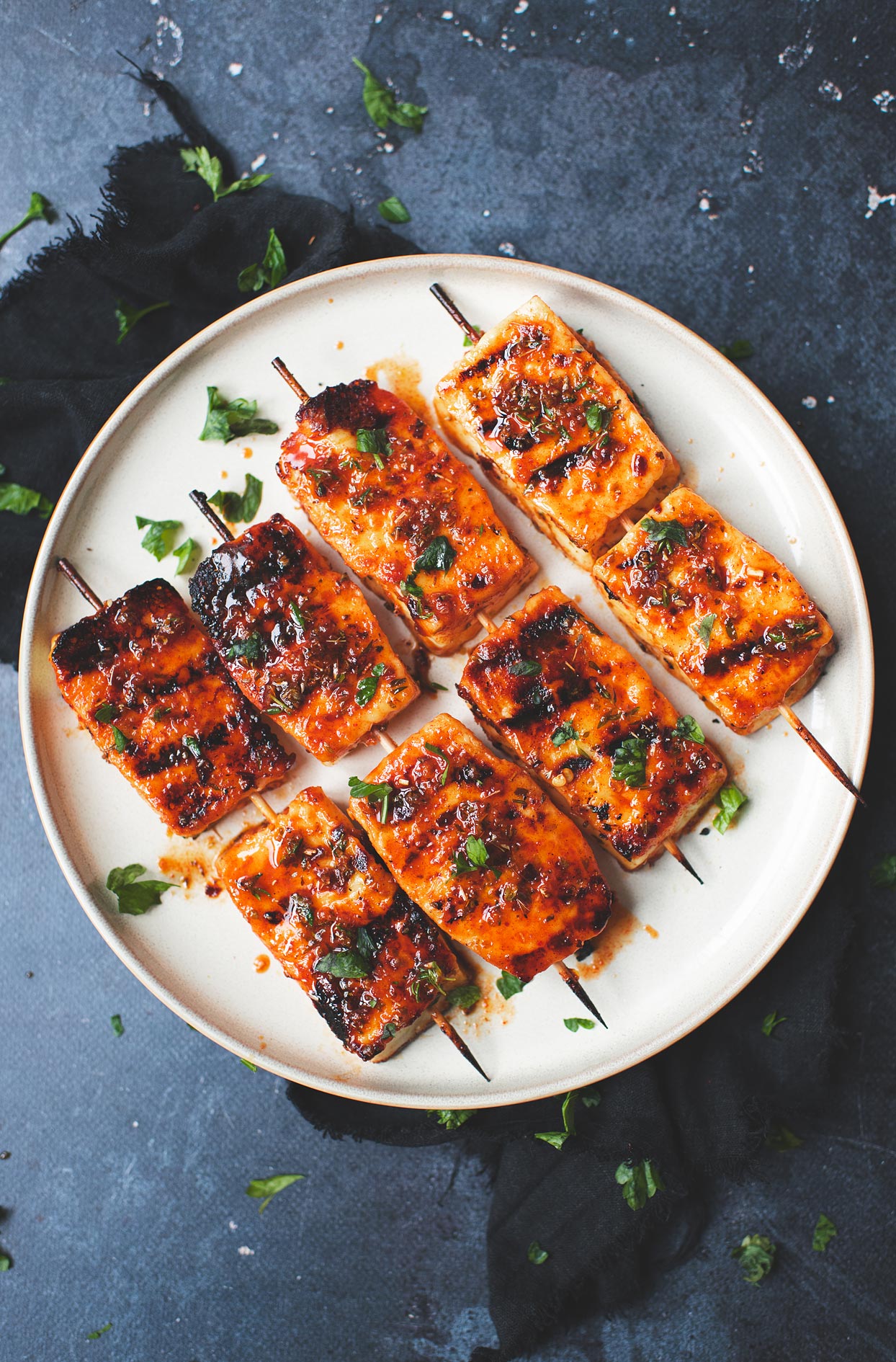
I originally created this vinaigrette as a marinade for my grilled halloumi skewers with honey, thyme and lemon sauce. But once I tasted the unheated finishing sauce left at the bottom of the bowl, I knew I absolutely had to extract it from the halloumi recipe and share it as a standalone vinaigrette. Because it’s so good that I’d put it on any salad, and it would be a shame to limit it to just one use. So here it is, liberated and versatile.
🥗 Salad dressing number 1, BBQ marinade number 2
This is a vinaigrette that works just as well on a simple green salad or a quinoa-feta-tomato bowl as it does as a marinade for grilling halloumi, chicken, pork, shrimp or summer vegetables. Its primary use remains as a vinaigrette. That’s what struck me first when I tasted it. But it also excels as a marinade, where the honey caramelizes on the BBQ and the smoked paprika reaches its full depth when it meets the flame. Three distinct uses, one homemade sauce to keep in the fridge. That’s the definition of a vinaigrette to keep in permanent stock.
🌬️ Smoked paprika and chili flakes, my signature addition
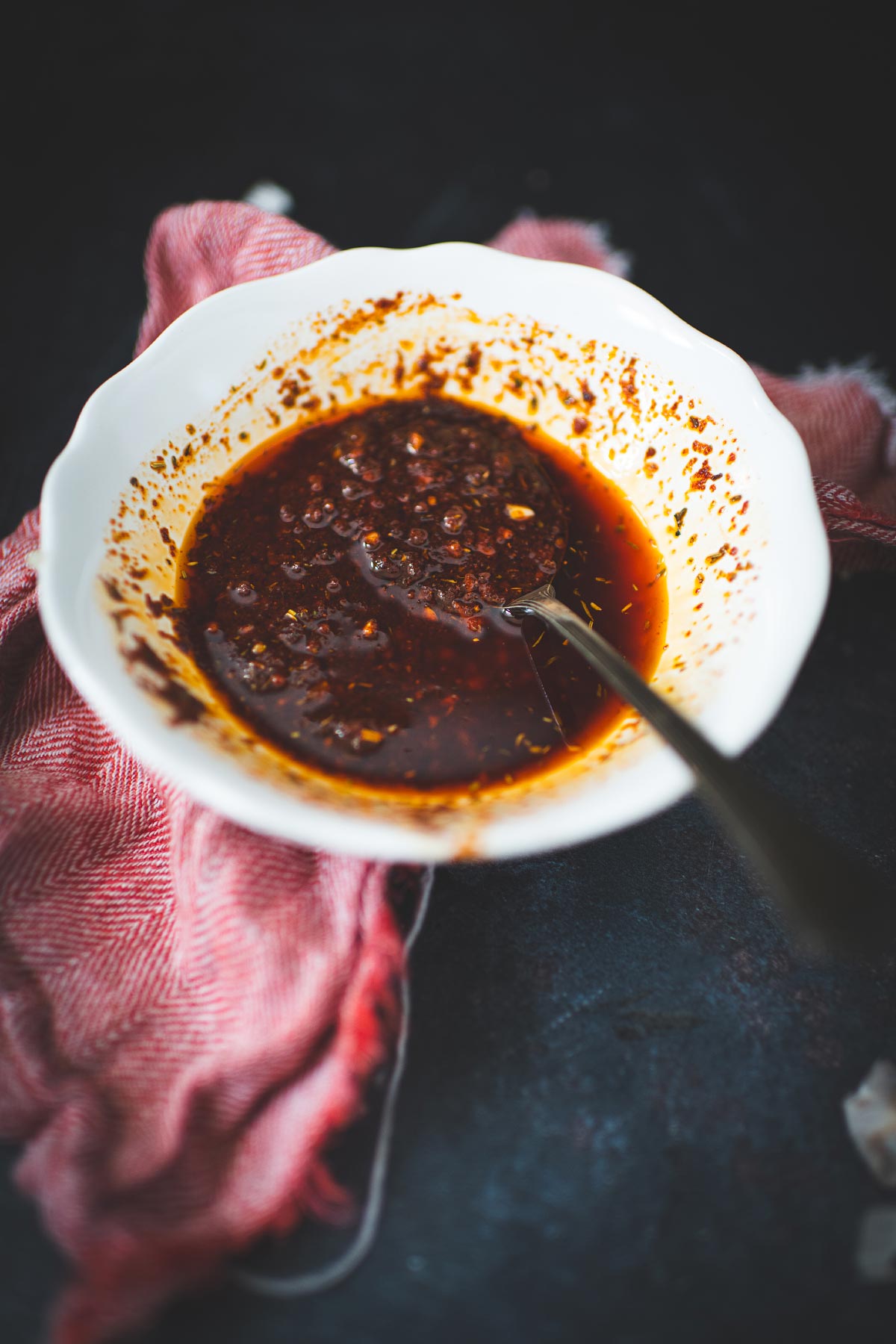
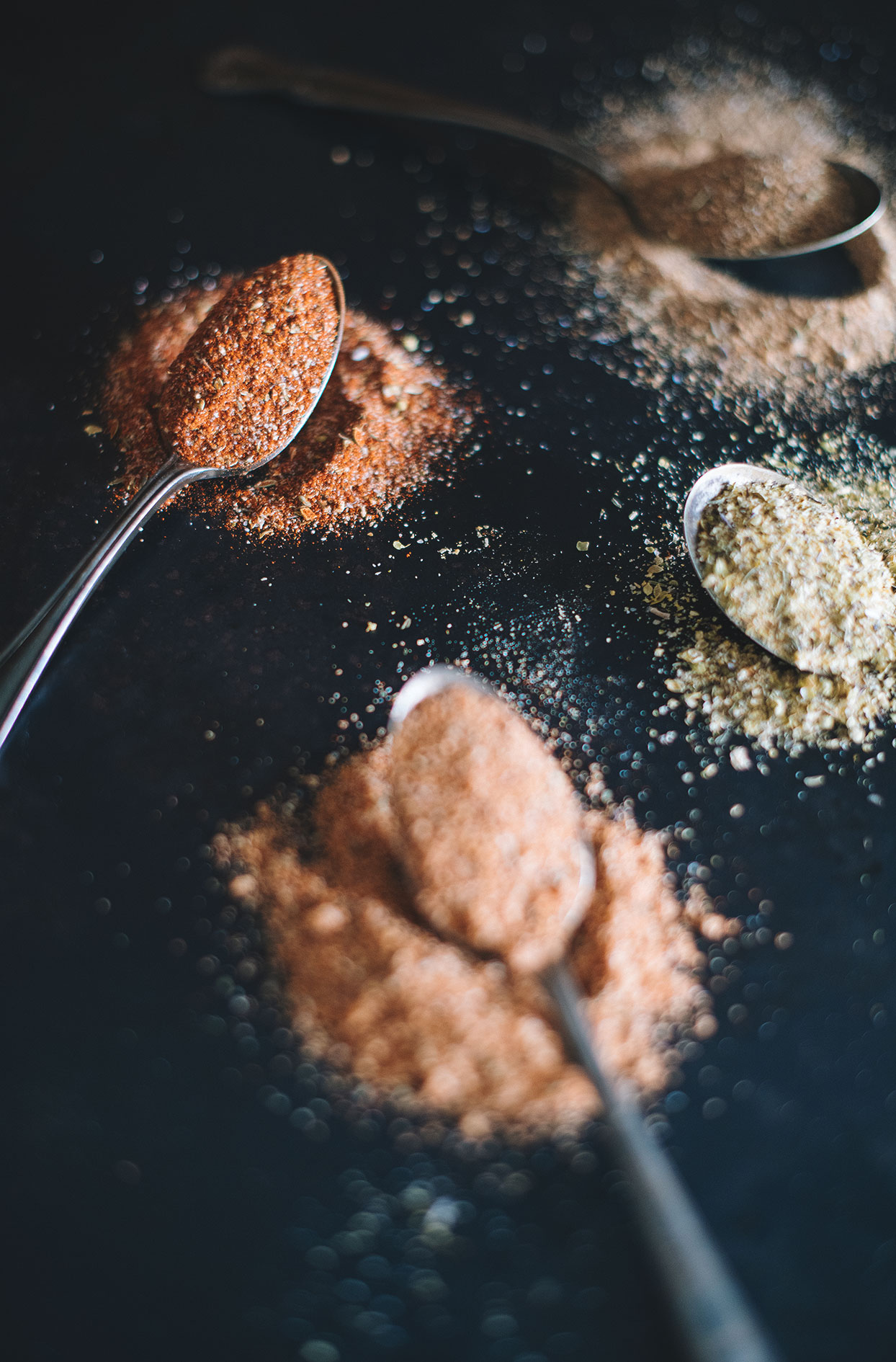
What distinguishes my version from the classic honey-lemon vinaigrettes you see everywhere is the addition of smoked paprika (2 generous tsp) and red pepper flakes (½ tsp). The smoked paprika brings a Mediterranean depth that pairs beautifully with the fresh thyme and dried oregano. The chili flakes give just enough heat to awaken the honey without dominating the profile. The combo makes this vinaigrette something other than an ordinary honey-lemon dressing. It’s a vinaigrette with character that packs a punch with every bite.
Ads

Ads
🌬️ Smoked paprika and chili flakes, my signature addition
This is what distinguishes my version from classic honey-lemon vinaigrettes. The smoked paprika (2 tsp) brings a smoky Mediterranean depth that pairs with the honey and herbs. The red pepper flakes (½ tsp) give just enough heat to awaken the honey without overpowering. You can adjust the flakes according to your spice tolerance: ¼ tsp for a mild version, ½ tsp for the standard version, 1 tsp for heat lovers. But don’t skip the smoked paprika. That’s what makes all the difference.
🌿 Fresh thyme AND dried oregano: double Mediterranean layer
My version uses BOTH herbs: 1 tsp of fresh thyme leaves stripped from the stem for volatile freshness, and 1 tbsp of dried oregano for lasting Mediterranean depth. Many vinaigrettes use just one OR the other, which gives an incomplete profile. With both, you get a vinaigrette that has body and will pair equally well with a delicate salad or a robust BBQ protein.
🍋 Lemon zest AND juice: double citrus
You can make the vinaigrette with just the juice, it’s fine. But the added zest brings the essential oils from the peel. That’s what multiplies the citrus intensity without increasing the acidity. A zero-cost small adjustment that adds character. Grate the zest with a Microplane that only scrapes the yellow part while avoiding the bitter white pith.
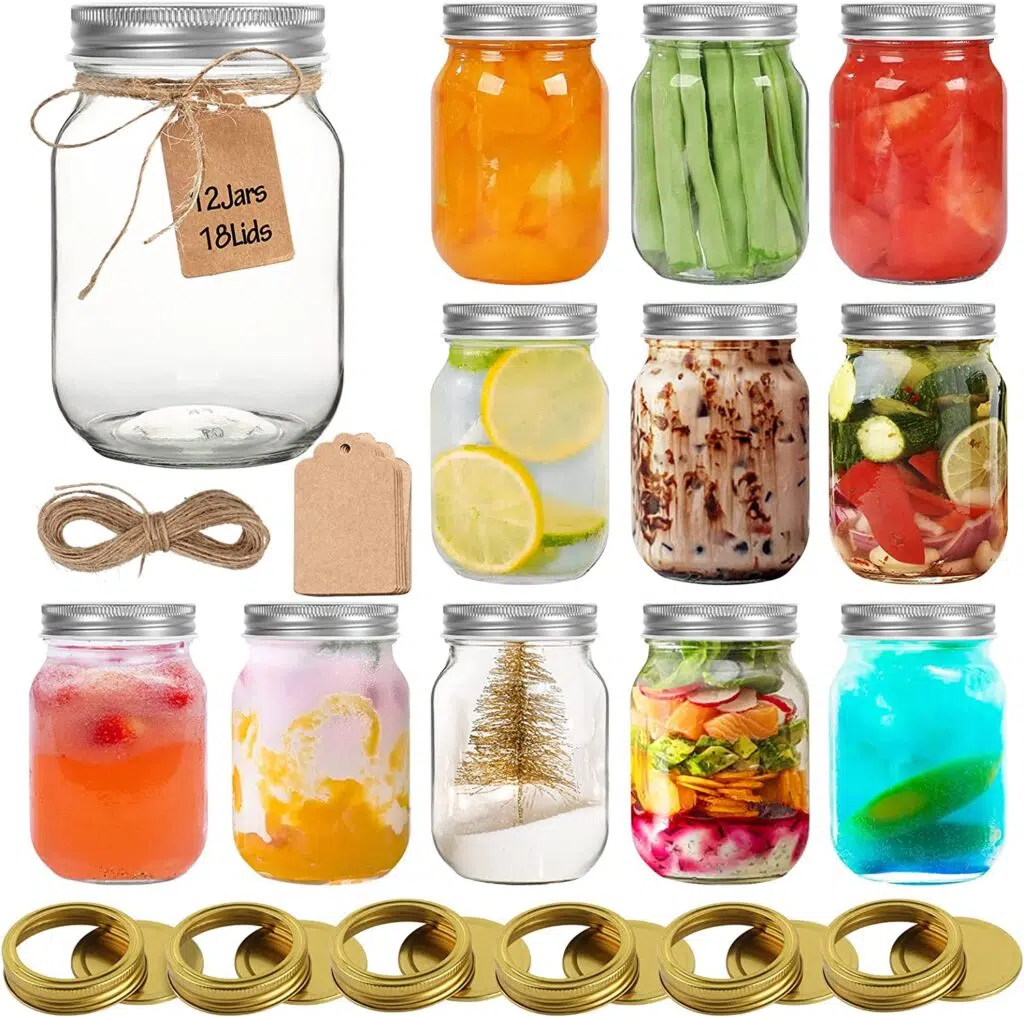
🥫 Mason jar + shaking = no need for mustard emulsifier
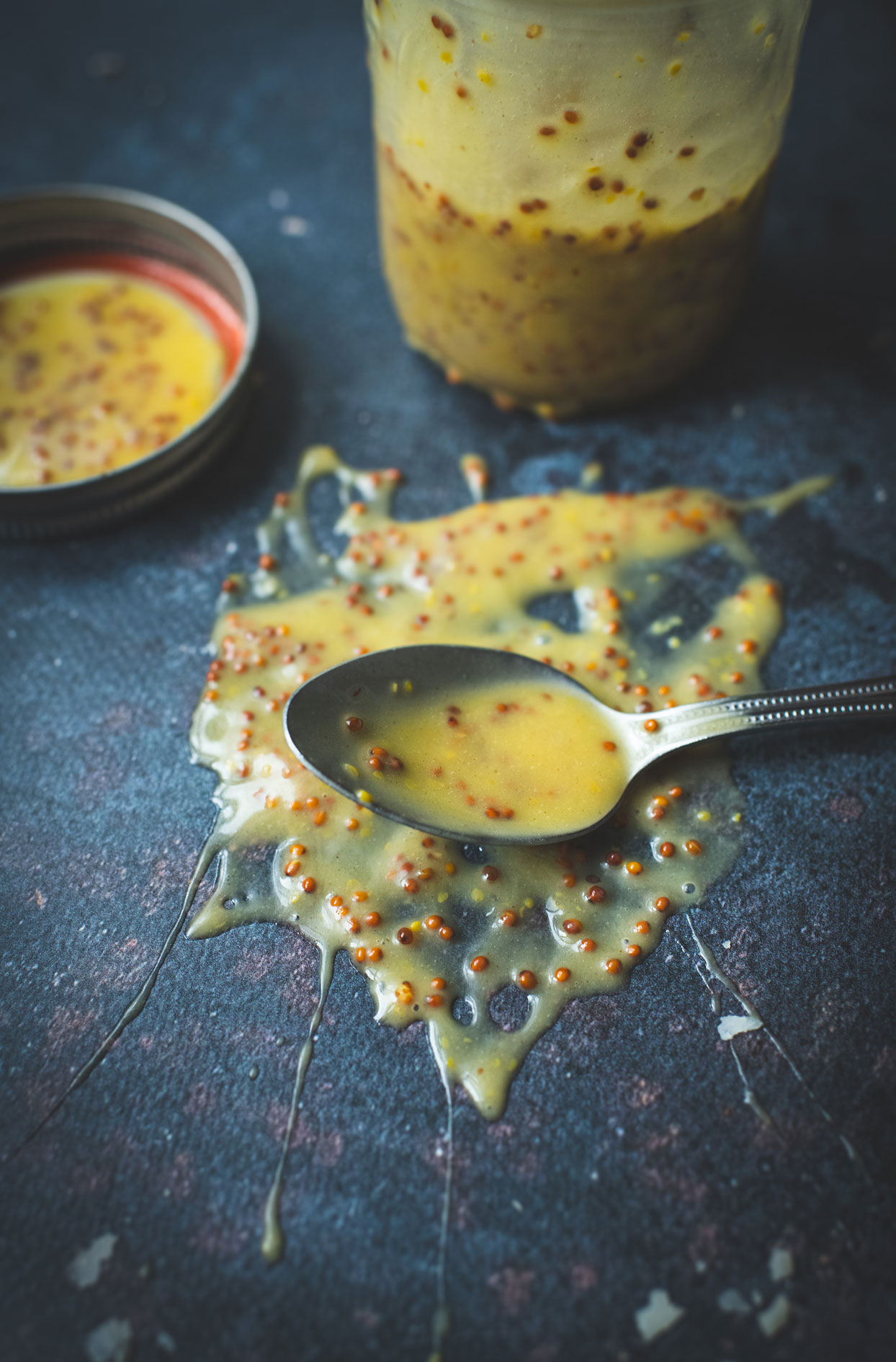
Most vinaigrettes use Dijon mustard as an emulsifier to prevent the oil and lemon from separating. My version goes against the grain: no mustard at all, we assume the vinaigrette will naturally separate after a few minutes. The airtight Mason jar allows you to shake it vigorously before each use to instantly re-emulsify. Purer flavor profile without the mustard mask, and it’s just as practical in the kitchen.
❄️ Oil that solidifies in the fridge is normal: take out 1 hour before
After a few days in the fridge, you’ll notice that the olive oil in your vinaigrette has solidified. Whitish texture, partially solid. This is completely normal and doesn’t mean your vinaigrette is spoiled. Olive oil naturally solidifies at low temperatures. Simply take your jar out of the fridge 1 hour before using to let the oil return to room temperature, shake vigorously, and you’re back in business like day one.
🥗 VINAIGRETTE ratio for salad: 3 tbsp per 4 servings
To use as a salad dressing, count about 3 tbsp for a large salad that serves 4 people (green mix, quinoa, rice, cold pasta, grilled vegetables…). Pour at the last minute just before serving and mix well. With my 150 ml yield, that allows you to dress about 4 to 5 large salads.
🍢 MARINADE ratio for protein or vegetables: ½ cup per 1 kg
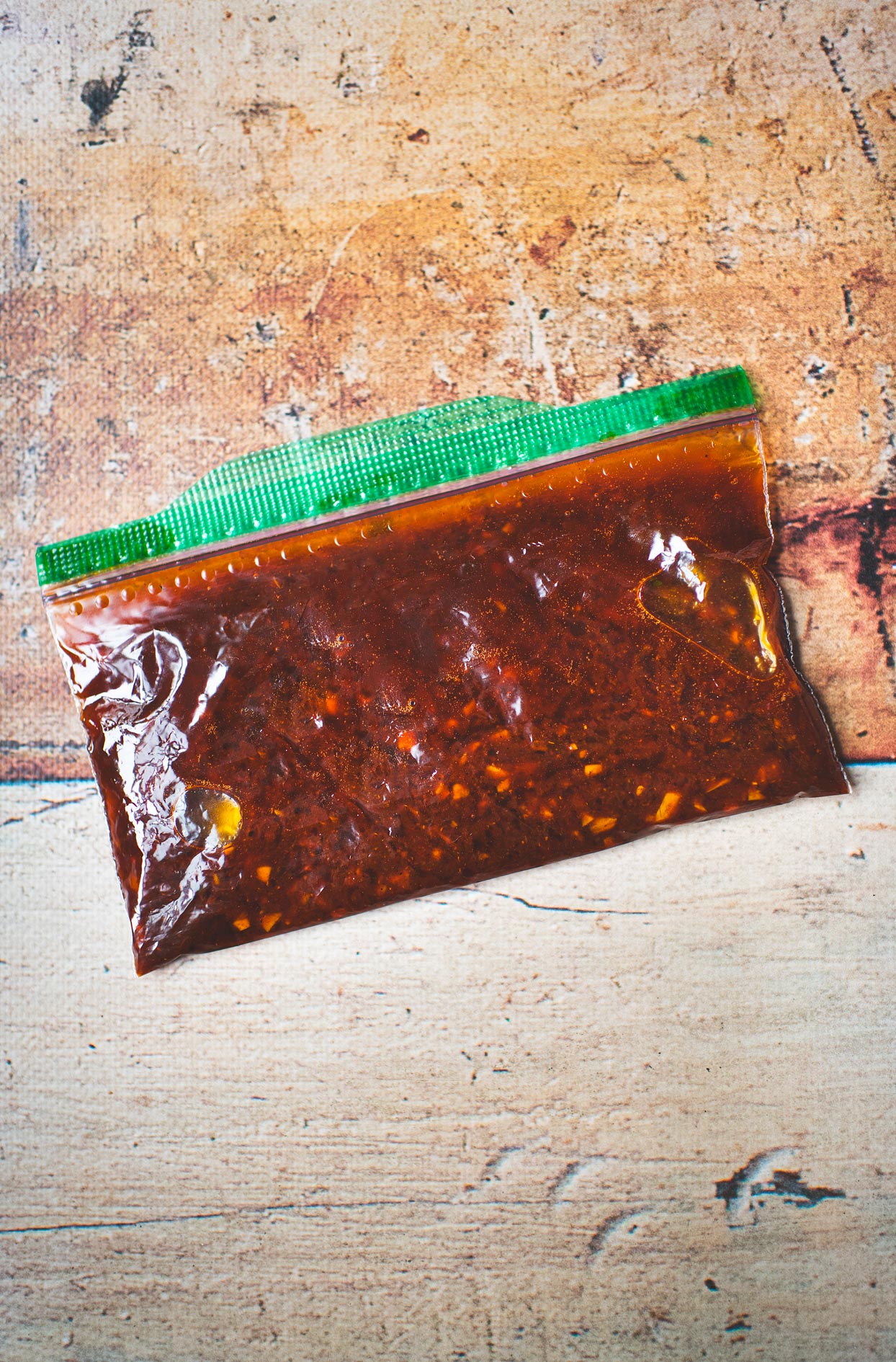
To use as a marinade, count ½ cup (125 ml) for 1 kg of protein (chicken, pork, halloumi, shrimp) or vegetables to grill. Coat in a resealable bag or covered bowl, marinate 30 minutes to 2 hours in the fridge (never more than 45 minutes for halloumi because of the lemon acidity that breaks down the texture). Keep some of the vinaigrette aside to drizzle after cooking.
✅ What to use my honey, thyme and smoked paprika vinaigrette with?
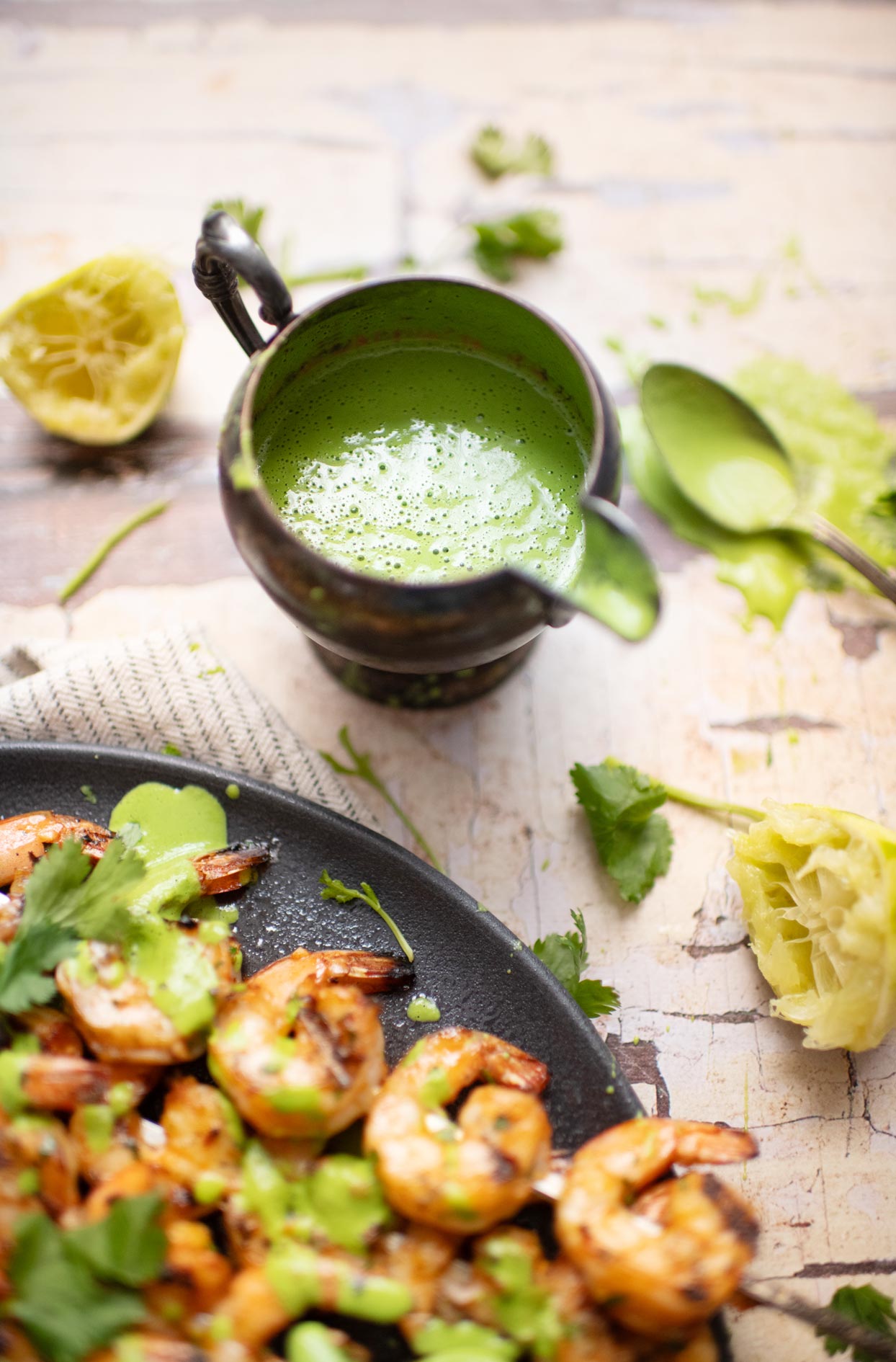
It’s incredibly versatile. As a VINAIGRETTE, use it on green salads (arugula, baby greens, kale), quinoa, barley or couscous salads, on tomato-mozzarella or a poke bowl. As a MARINADE, it’s perfect for my Grilled halloumi skewers with honey, thyme and lemon sauce, on chicken, pork, shrimp or grilled vegetables (zucchini, eggplant, peppers). As a FINISHING SAUCE, brush after cooking on grilled halloumi, roasted vegetables or steak.

Ads
Honey, thyme and smoked paprika vinaigrette
- ¼ cup (60 ml) extra-virgin olive oil
- 2 tbsp (30 ml) honey
- 2 tbsp (30 ml) fresh lemon juice
- Zest of 1 lemon
- 1 tsp (5 ml) fresh thyme leaves
- 1 tbsp (15 ml) dried oregano
- 2 tsp (10 ml) smoked paprika
- ½ tsp (2 ml) red pepper flakes
- ¼ tsp (1 ml) salt
- ¼ tsp (1 ml) freshly ground black pepper
Ads
Preparation
- In an airtight 250 ml (1 cup) Mason jar, combine the olive oil, honey, lemon juice and zest, fresh thyme leaves, dried oregano, smoked paprika, red pepper flakes, salt and pepper.
- Close tightly and shake vigorously for 30 seconds to 1 minute, until all ingredients are well incorporated and the vinaigrette is emulsified.
- Taste and adjust as needed: an extra splash of lemon juice if too sweet, a bit more honey if too acidic, more salt and pepper to taste.
- Use immediately or store in the airtight Mason jar in the refrigerator for up to 1 week, shaking vigorously before each use to re-emulsify.
My vinaigrette keeps for up to 1 week in an airtight Mason jar in the fridge. The oil will naturally separate and possibly solidify after a few days. This is completely normal and doesn’t mean it’s spoiled. Shake vigorously before each use to re-emulsify, and if the oil has solidified, take the jar out 1 hour before to let it come to room temperature.
This is a normal reaction of olive oil to low refrigerator temperatures. The oil takes on a whitish, solid or semi-solid texture, which can be surprising the first time. No quality issue. It’s even a sign that your oil is pure (adulterated olive oils don’t solidify as well). Take the jar out of the fridge 1 hour before use, leave it at room temperature, shake vigorously and the vinaigrette regains its fluidity.
It depends on the ratio and context. As a VINAIGRETTE for salad: count about 3 tbsp for a large salad that serves 4 people. You pour at the last minute just before serving and mix well. As a MARINADE for protein or vegetables: count ½ cup (125 ml) for 1 kg, coat in a resealable bag or covered bowl, marinate 30 minutes to 2 hours in the fridge. For halloumi, don’t marinate more than 45 minutes (the lemon acidity breaks down the texture).
Absolutely. For a richer autumn version, replace half the lemon juice (1 tbsp) with quality balsamic vinegar. You get a deeper vinaigrette, slightly sweet-tangy, perfect for arugula salads with pears, roasted beets, or for marinating pork and duck. Adjust the honey down by 1 tsp to compensate for the natural sweetness of the balsamic.
It’s ultra versatile. AS A VINAIGRETTE: green salads, quinoa-feta-tomato salads, arugula and pear salad, tomato-mozzarella, poke bowl, cold grilled vegetables. AS A MARINADE: my grilled halloumi skewers with honey, thyme and lemon sauce, chicken, pork, shrimp, vegetables to grill (zucchini, eggplant, peppers). AS A FINISHING SAUCE: brush after cooking on grilled halloumi, roasted vegetables, steak. With 150 ml, you can dress about 4 to 5 large salads or marinate 300 g to 500 g of protein.
Ads
Ads
Ads
Ads
Ads
Ads