

Financiers Recipe (Maple Brown Butter)
- Preparation 15 min
- Cooking 13 min
- Servings 12
- Freezing Absolutely
Ads
🍁 The French tea cake that tastes like Quebec
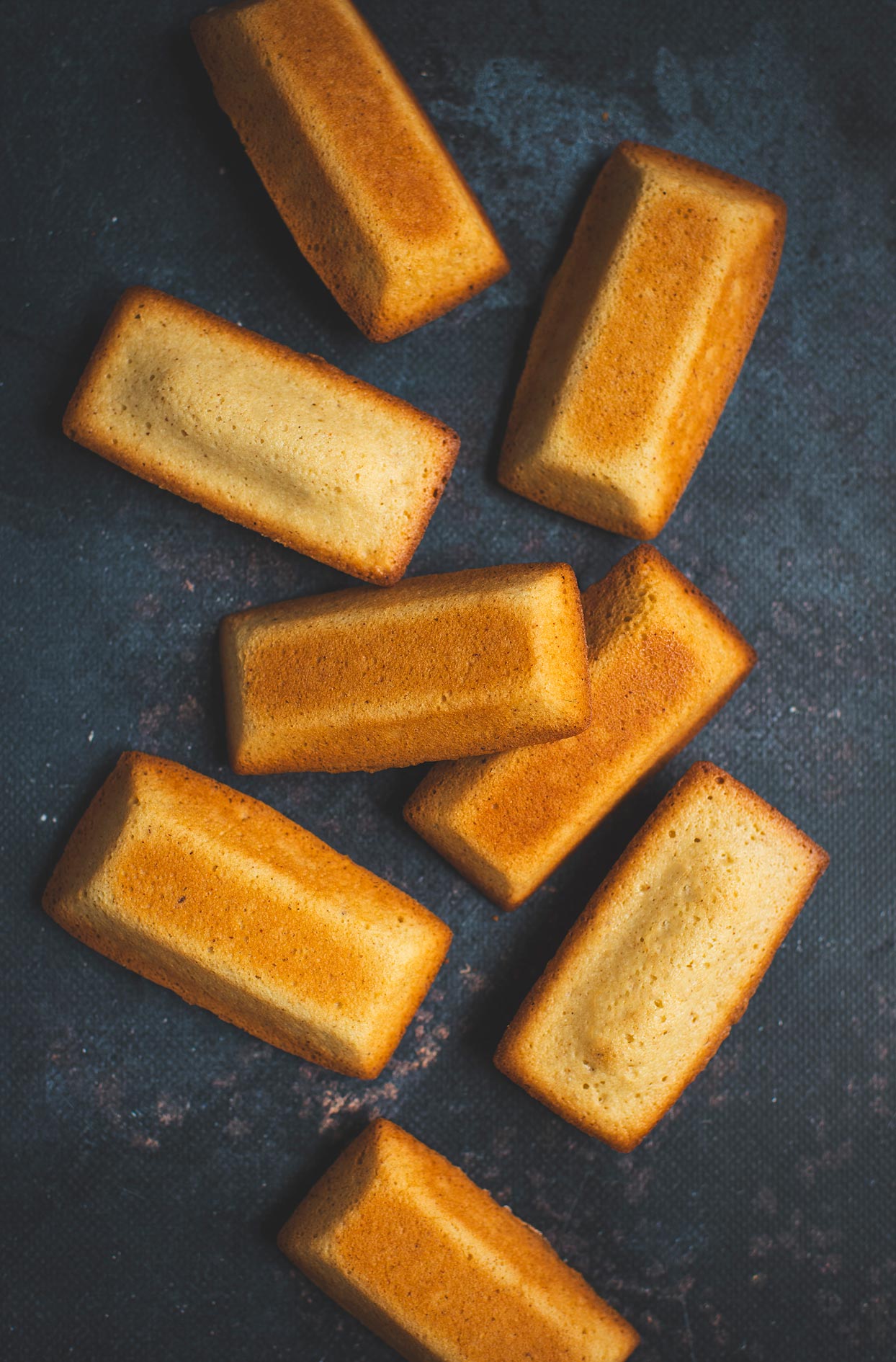
Make these once and you’ll understand why I baked a dozen in one shot! A financier is a small French cake: crisp edges, a dense almond centre, and a flavour that comes almost entirely from browned butter. The one change I made is swapping the honey for maple syrup, because that’s what sits in my cupboard and because it felt obvious. The result beats the original, and I know exactly what I’m saying there.
🧈 Everything rides on the brown butter
Three or four minutes in a light-coloured pan and your butter goes from yellow to golden brown, smelling like toasted hazelnuts. THAT is where the flavour lives, not in the almonds. I strain it through a fine sieve but I let the little golden specks through, because that’s pure flavour and throwing it out would be a shame. Don’t walk away. The gap between perfect and burnt is measured in seconds.
🔔 Thirteen minutes, not a second more
Start to finish this is a twenty-minute recipe, and the bake decides everything. I pushed mine to fifteen the first time and they were very good, but I should have pulled them sooner. Thirteen is the number. You’ll see a small dome rise on top, and if you lift one with a fingertip the underside is deep golden. That’s your cue. I promise you’ll eat three standing at the counter before they ever reach a plate.
Ads
Ads
🍳 Use a pale pan or you’re flying blind
Brown your butter in stainless steel or a light-bottomed saucepan. In a black nonstick pan you can’t see the colour change at all, and colour is the only thing telling you when to stop. Three to four minutes on my stove, but it depends on your burner and how thick the pan is. Stand there, keep stirring, and trust your nose as much as your eyes.
🥄 Keep the golden specks
I strain through a fine sieve, but I’m not trying to catch everything. Those little brown bits at the bottom are caramelized milk solids and they’re concentrated flavour. Pastry books usually tell you to discard all of it. I let them through into the batter and I think you can taste it. If you want perfectly smooth financiers for a buffet, strain tight, but you’re giving something up.
❄️ Chilling the batter: I skipped it
The books tell you to rest the batter an hour or overnight. I skipped it and mine came out perfect, so I’m not going to make you wait. That said, resting does hydrate the flours and gives a slightly finer, denser crumb. If you have the time, try it both ways and decide for yourself. If you don’t, go ahead, you’re not missing anything dramatic.
🧁 Three-quarters full, never more
This is the expensive mistake. The batter rises and spills over the edges, and now you have one big financier welded into the pan instead of twelve. Fill them three-quarters and give them room to climb. A freezer bag with a snipped corner does the exact same job as a piping bag and goes in the garbage instead of the sink.
🌰 The baking powder isn’t optional
A pastry chef’s financier doesn’t contain any: whipped egg whites do all the lifting. I use an eighth of a teaspoon and I recommend it, because it buys you insurance when you’re not whipping the whites to peaks. It’s a tiny amount, you can’t taste it, and it forgives a poorly whisked egg white on a Tuesday night.
📅 Getting ahead
Nothing gets baked ahead here, the whole thing takes thirty minutes, and a day-old financier isn’t really a financier anymore. The prep, though, can be done entirely in advance: brown butter made, strained and refrigerated in a labelled container, flours and baking powder sifted together in another, sugar weighed out, egg whites separated and pulled from the fridge an hour ahead. The next day you whisk for three minutes and slide the pan in. Brown butter keeps a good week cold, just let it come back to room temperature before using it.
🫙 Same day, honestly
In an airtight container they hold up for a day or two and they’re still good. But let’s be honest: financiers are a same-day thing. The edges lose their crispness after a few hours and that crispness is the entire point. That’s why this recipe makes twelve and not thirty-six.
✅ What to serve with my financiers with brown butter and maple syrup
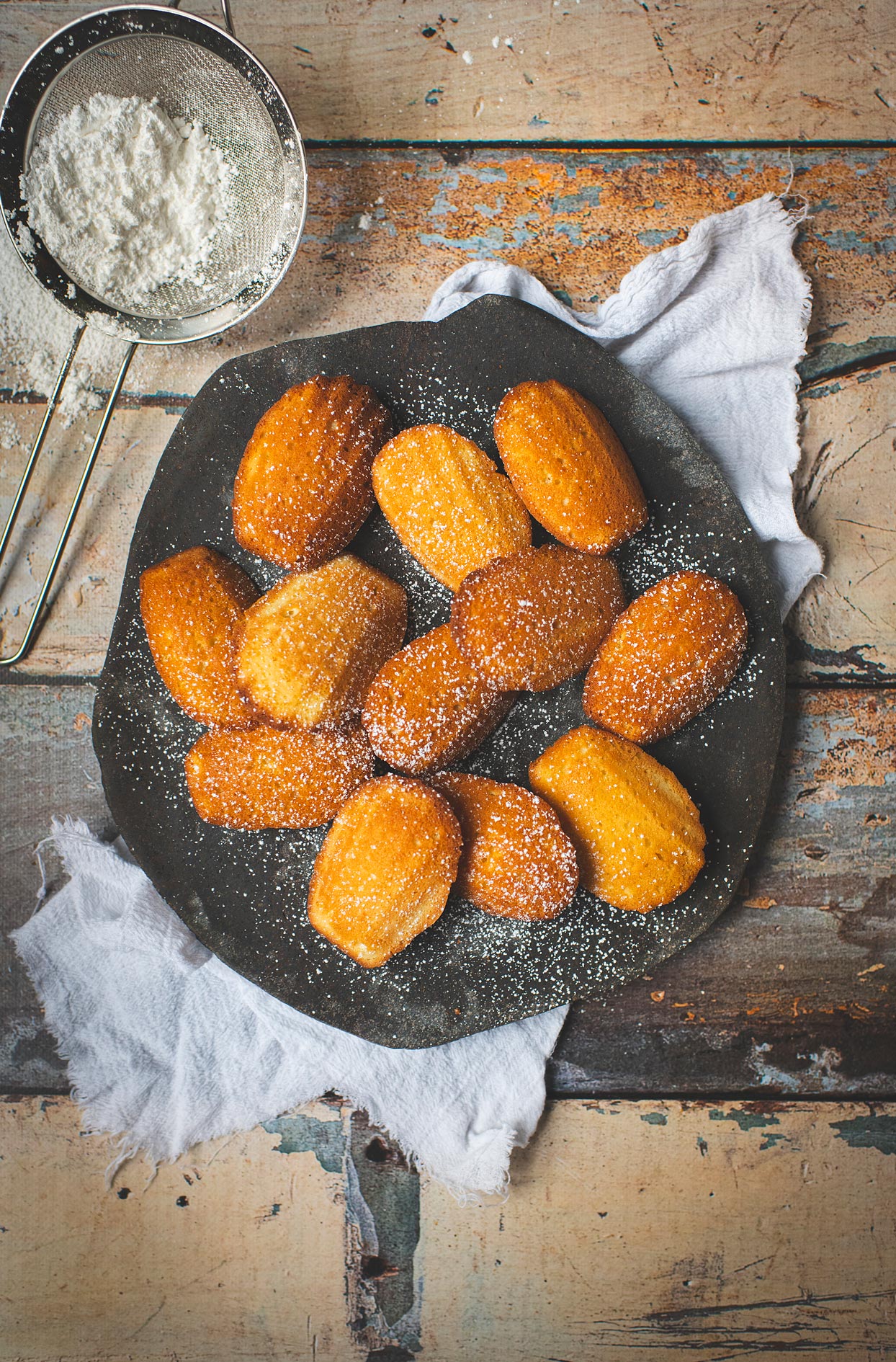
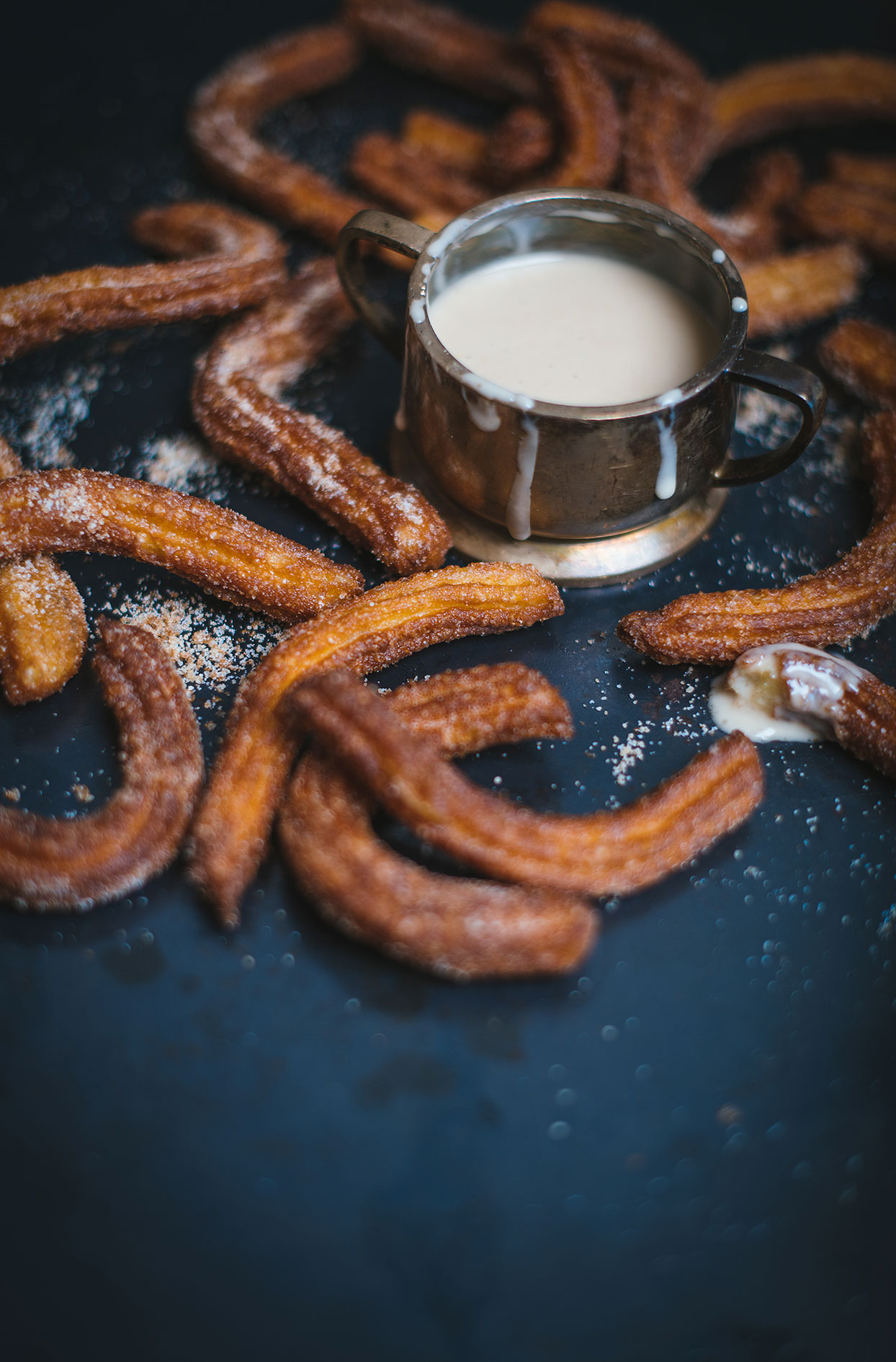
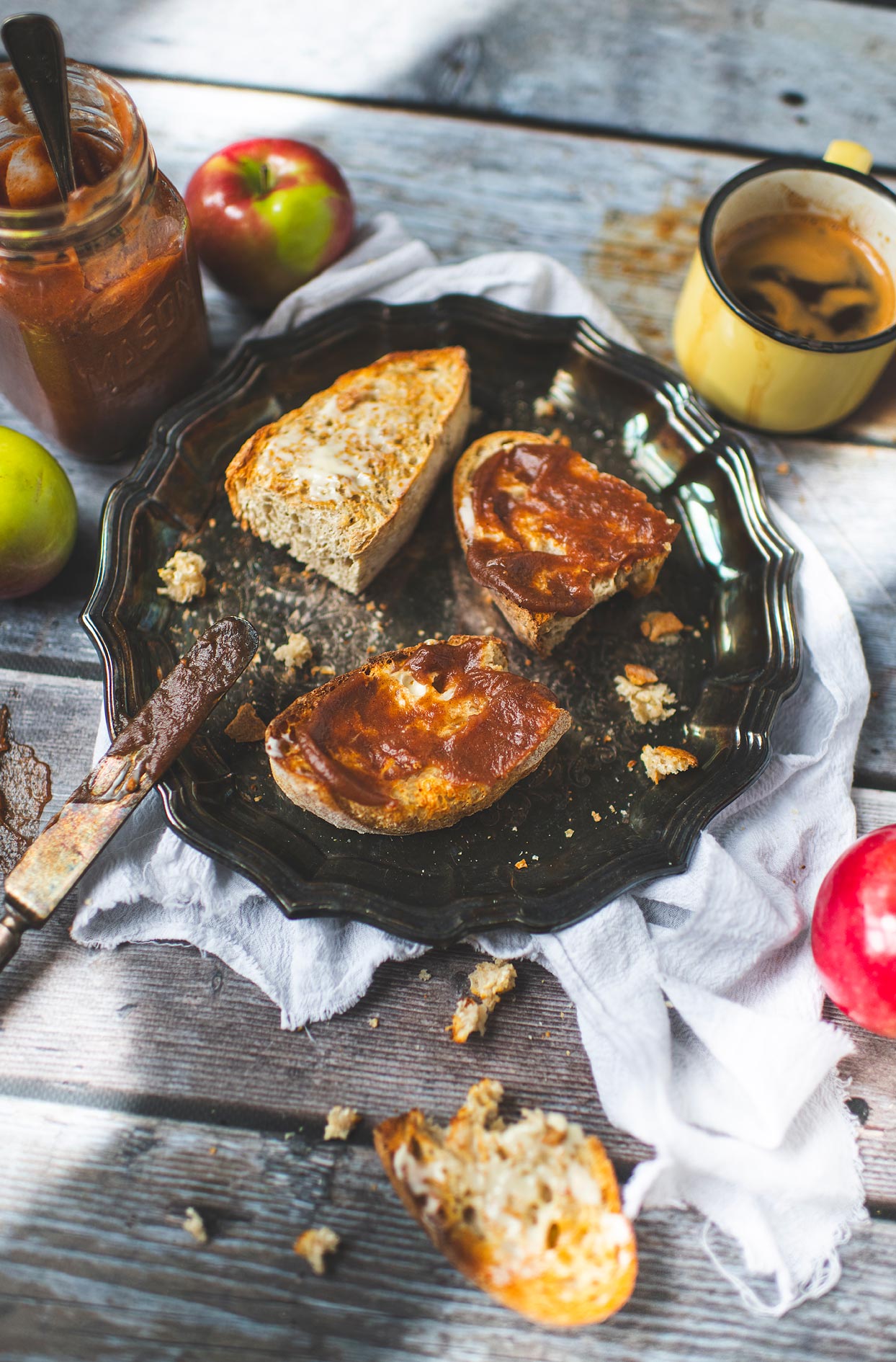
A strong coffee, a black tea, or a scoop of vanilla ice cream beside them when you want a real plated dessert. They’re excellent on a brunch table too, next to something softer like my lemon madeleines, the other great French tea cake, or my maple syrup churros if you’re staying on the maple theme. And if you want something to spread on the table at the same time, my apple butter with maple syrup does the job.
Ads
Ingrédients
- 7 tbsp (100 g) salted butter
- 3 egg whites (90 g), at room temperature
- 7 tbsp (90 g) granulated white sugar
- 1 tbsp (15 ml) maple syrup
- 6 ½ tbsp (50 g) all-purpose flour
- 7 ½ tbsp (45 g) blanched almond flour
- ⅛ tsp (0.5 ml) baking powder
- Thinly sliced almonds, to garnish (optional)
- Butter for the pan
Ads
Preparation
- In a medium light-coloured skillet, melt the butter over medium-low heat. It will foam as it melts. Stir constantly so the milk solids don’t stick and burn. After about 3 to 4 minutes the butter turns from yellow to golden brown and smells nutty. Pull it off the heat as soon as the solids are deep golden, never black.
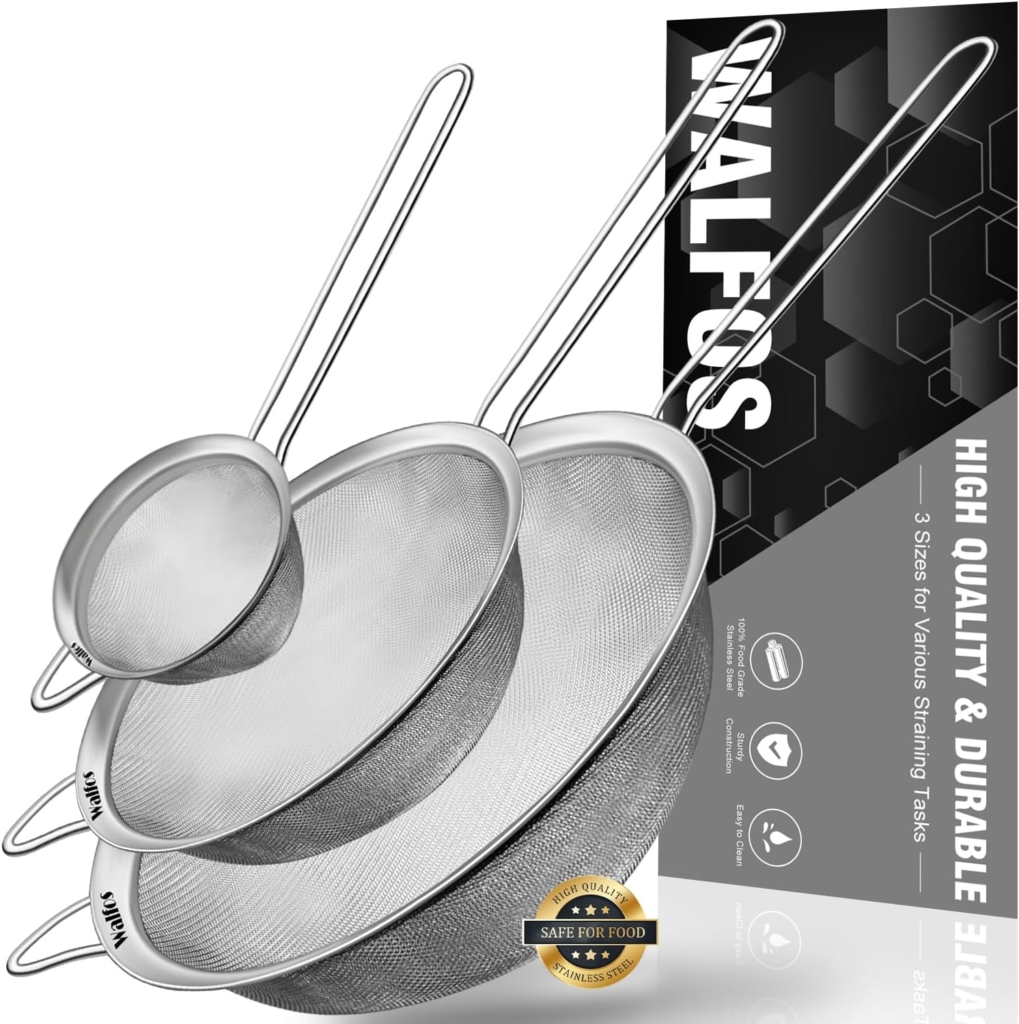
- Strain the butter immediately into a heatproof bowl, letting the little golden specks from the bottom of the pan go through. Transferring it right away stops the hot pan from cooking it further. Let it cool completely.
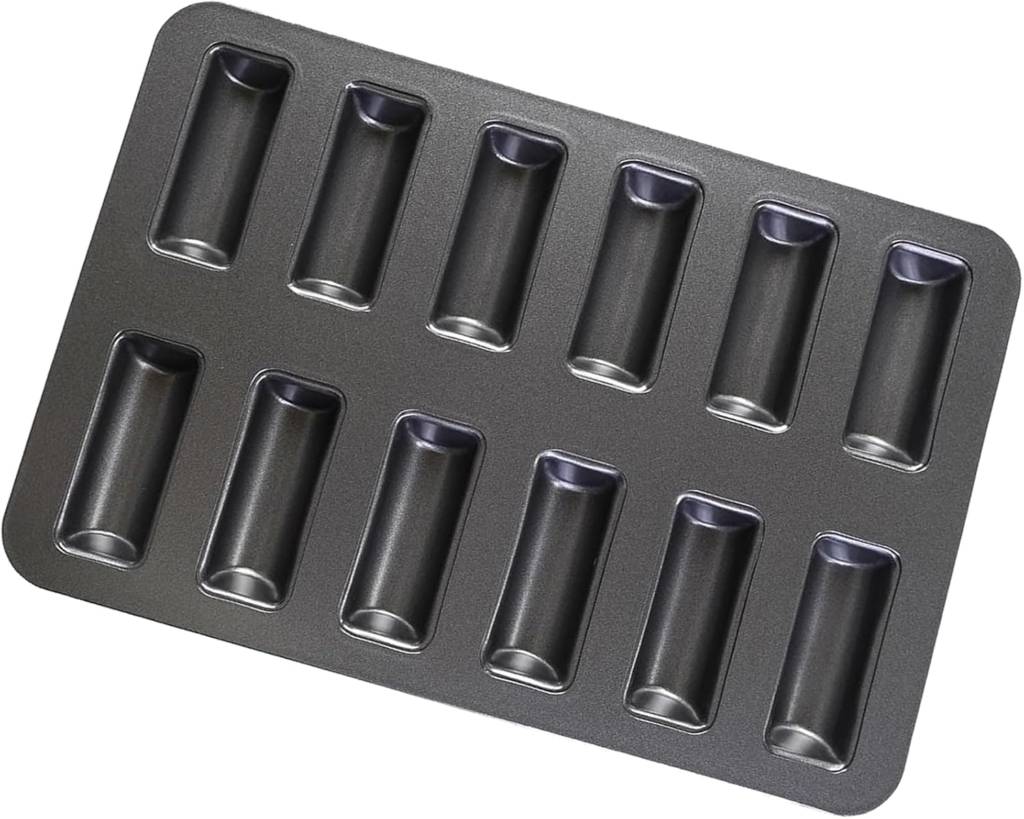
- Preheat the oven to 375°F (190°C) and butter a 12-cavity financier pan generously.
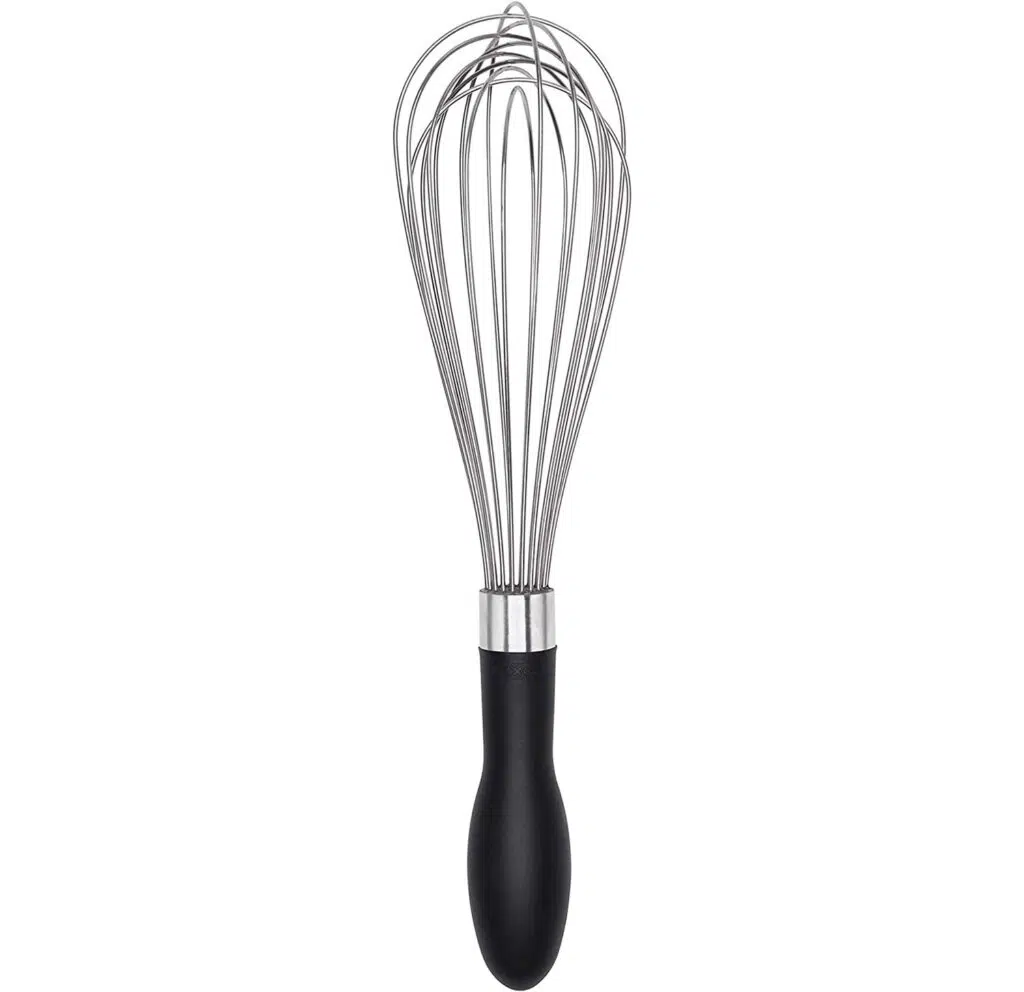
- In a large bowl, whisk the egg whites lightly to break them up. Add the sugar and maple syrup, then whisk by hand until the sugar has dissolved.
- Sift the all-purpose flour, almond flour and baking powder over the top, then whisk until smooth.
- Add the cooled brown butter and whisk until fully incorporated.
- Transfer the batter to a piping bag, or to a freezer bag with one corner snipped off, and fill each cavity three-quarters full. Don’t fill them to the top. A spoon works perfectly well too.
- Garnish with sliced almonds if you like.
- Bake for 12 to 15 minutes, with 13 being the sweet spot. They’re ready when a dome forms on top and the underside is deep golden when you lift one slightly.
- Unmould immediately and let cool completely on a rack.
It’s a small French cake built on egg whites, almond flour and brown butter, baked in a rectangular mould. No yolks, no chemical leavening in the classic version, and barely any flour. What sets it apart from every other little cake is the brown butter: that’s where the toasted, nutty flavour comes from. The texture is the other hook: crisp edges and a genuinely moist, almost fudgy centre.
Two stories circulate. The popular one says a 19th-century Parisian pastry chef with a shop near the stock exchange shaped his cake like a gold bar to please the brokers, who could eat it without dirtying their gloves. The other simply credits the cake’s golden colour for the name. Both hold up, nobody has settled it, and honestly the rectangular mould really does look like a bullion bar.
No, and the difference is sharp. A madeleine uses whole eggs, plain melted butter and wheat flour, it’s shell-shaped, and it has the texture of a soft sponge cake. A financier uses whites only, swaps a big share of the flour for almond, and browns its butter. The result is denser, moister and far more aromatic. If you’ve made my lemon madeleines, you’ll spot the difference on the first bite.
Yes, a muffin tin works well and it’s what most people already own. You lose the bar shape and the edge-to-centre ratio shifts a little, so watch the bake: in a muffin tin they often need an extra minute or two because the batter sits deeper. Butter the cavities well either way. Silicone works too, but you won’t get the same crisp edges.
Of course, that’s the original version and it’s excellent. Honey and maple syrup are both hygroscopic, meaning they hold on to moisture, and that’s what keeps the centre soft. The texture barely changes. The flavour does: honey brings a floral note, maple brings a caramelized one that reaches for the brown butter far more directly. You can probably guess which one I prefer.
Ads
Ads
Ads
Ads
Ads