

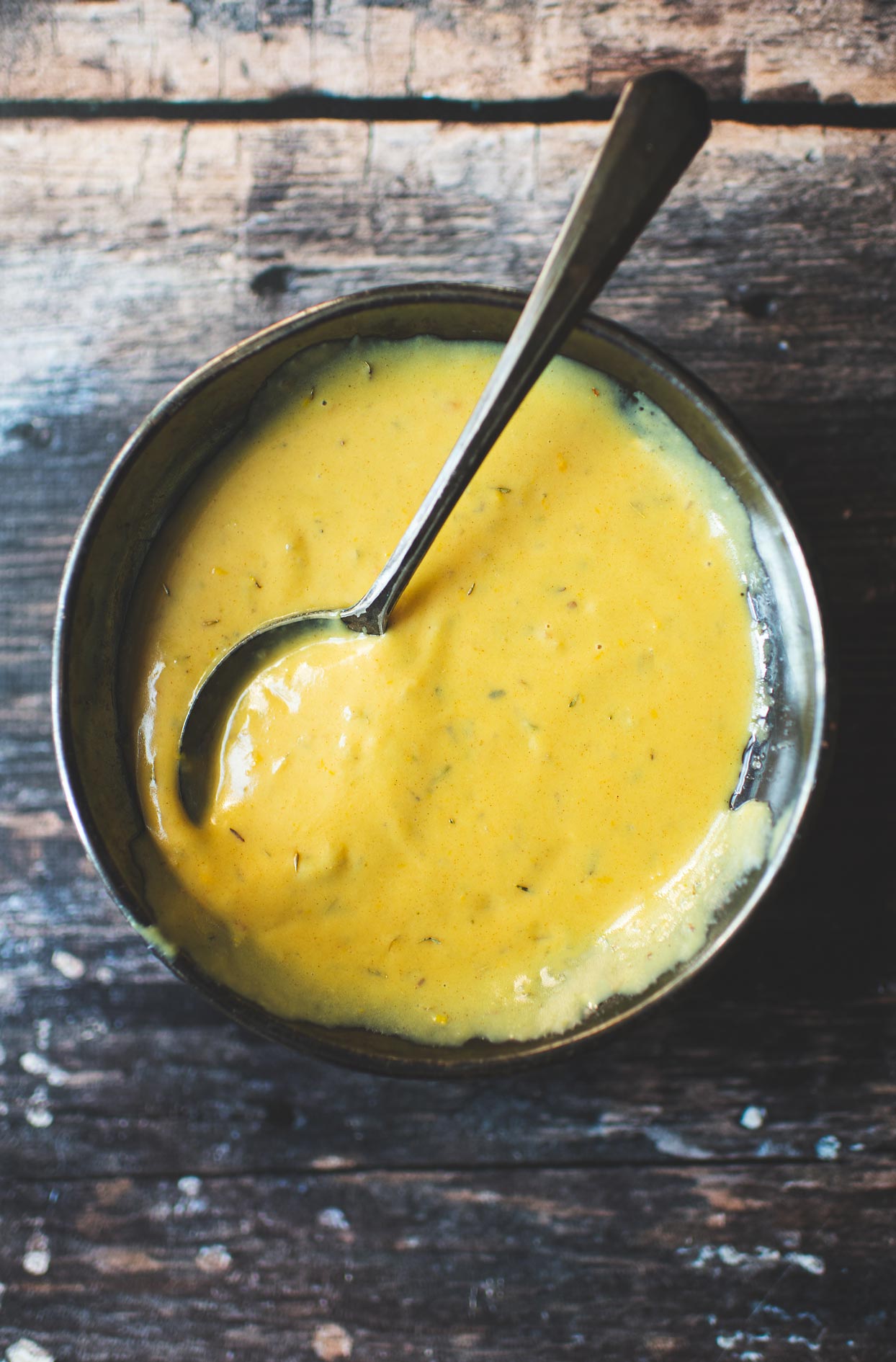
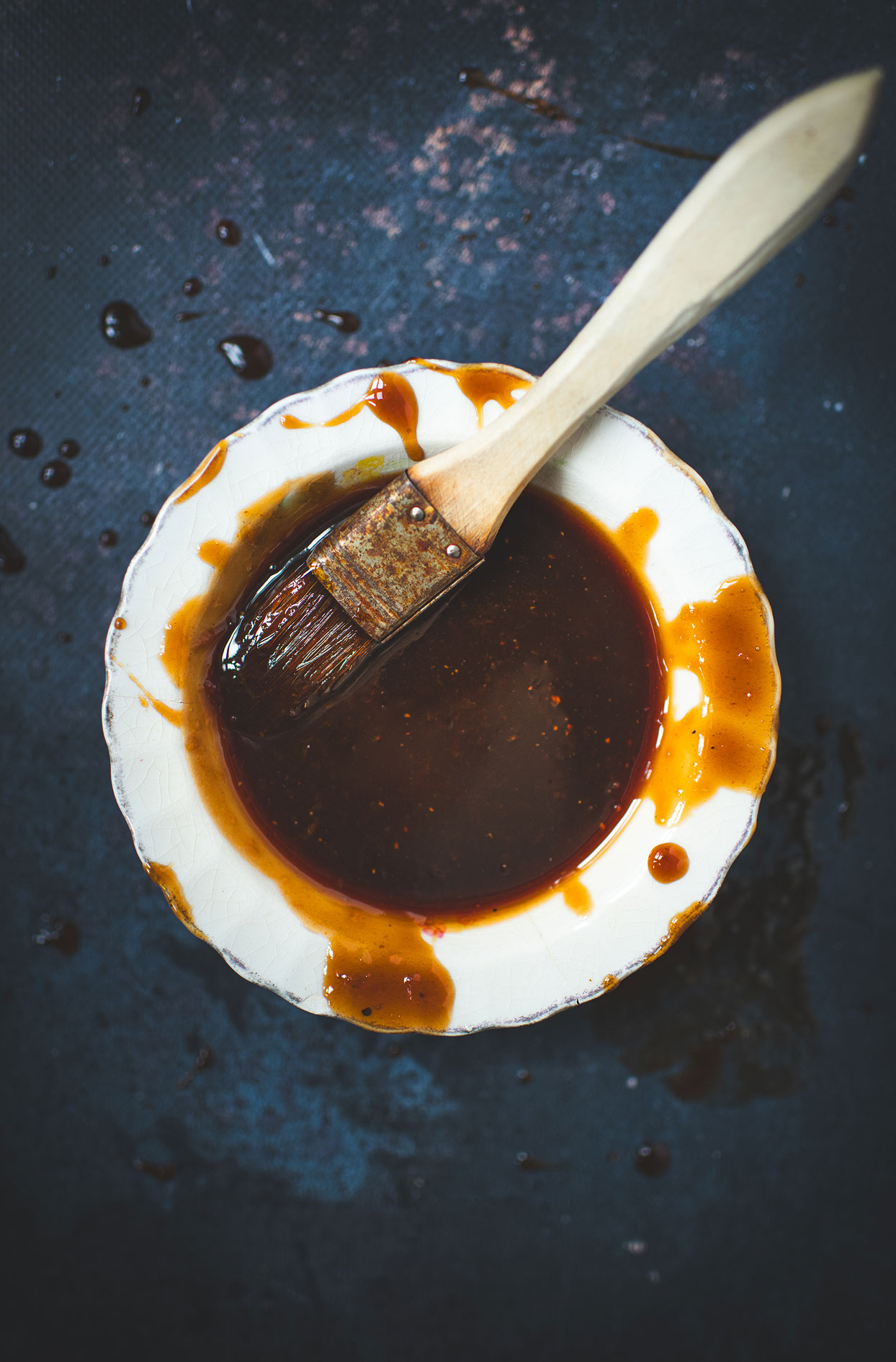
Dijon mustard and beer marinade
- Preparation 10 min
- Servings 1 ½ cups (375 ml)
- Freezing Absolutely
Ads
🥩 The legendary flank steak marinade, now on its own
This is the legendary marinade from my Dijon mustard flank steak. The one my friends practically eat with a spoon. It’s so good I pulled it out of the recipe so it could stand on its own. Dijon mustard, blonde ale, honey, herbes salées du Bas-du-Fleuve and a serious kick of lemon zest: it tenderizes the meat and gives it a caramelized crust that’ll knock your socks off.
🍺 Beef, pork, chicken, and even grilled vegetables
This is a go-to marinade to keep in your back pocket all summer long. I’ve used it on beef, pork and chicken, and even on ribs served with beans. It was absolutely insane. And the best-kept secret: it’s also incredible on any vegetable you throw on the barbecue, from asparagus to onions. Make it once, adapt it to whatever you have on hand.
🥄 The reserved dipping sauce trick
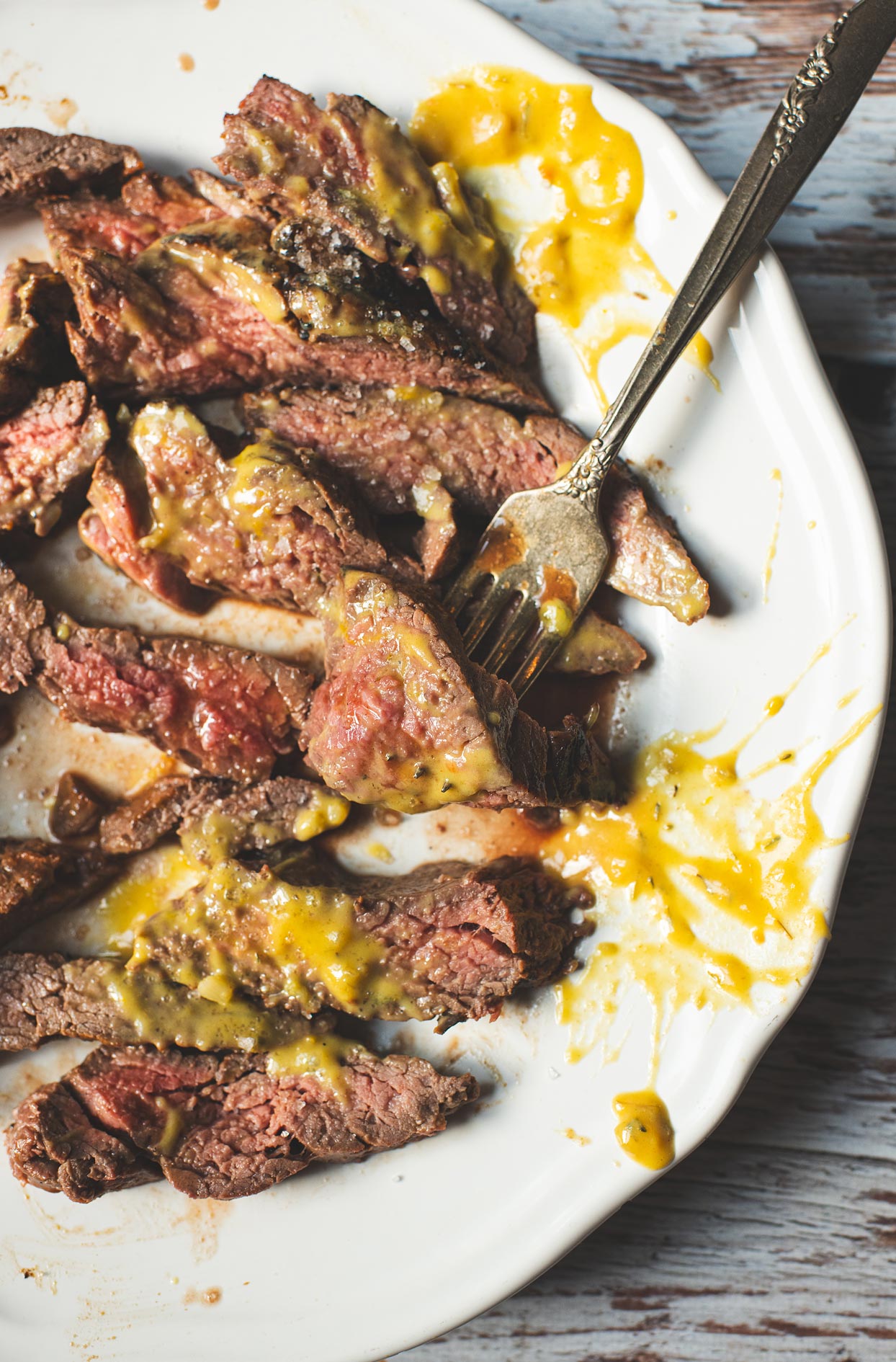
Do yourself a favour and set aside a good amount of clean marinade before the meat ever touches it, so you can serve it as a dipping sauce at the table. Once the meat is grilled and sliced, dip your pieces in and it’s even better. Just keep it separate. Clean, untouched by raw meat. It’s the kind of detail that turns a great dinner into an unforgettable one.
Ads

Ads
🥄 Always set aside a clean portion before marinating
Reserve about one third of the marinade BEFORE pouring it over the raw meat. This clean portion is used for basting or dipping the meat at serving time. Never reuse marinade that has touched raw meat without boiling it first. It’s a food safety issue. The reflex of “reserve first” solves the problem at the source.
⏱️ Three hours is the sweet spot
For beef, pork and chicken, three hours of marinating in the refrigerator is honestly ideal. The Dijon mustard and blonde ale tenderize the meat and drive all that flavour in during that time. Don’t go over this time. The acidity will eventually change the texture of the meat. For vegetables, 30 minutes to 1 hour is more than enough.
🧂 No salt in the marinade, but a pinch of fleur de sel at serving
The herbes salées du Bas-du-Fleuve already add plenty of salt to the marinade, so don’t add any more. That said, a small pinch of fleur de sel over the sliced meat at serving time, if you feel it’s needed, lifts the whole dish without making it overly salty.
🍋 The lemon zest, the secret kick
Do not skip the lemon zest. In the middle of all that mustard, honey and beer, it brings a bright, tangy freshness that wakes up the whole marinade and keeps everything from feeling heavy. It’s the little detail that makes everyone ask “what on earth is that amazing flavour?”
🥬 Just as amazing on grilled vegetables
This marinade isn’t just for meat. Brush it on your asparagus, onions, zucchini or bell peppers before grilling them on the barbecue, and you get caramelized, flavour-packed vegetables. One recipe that covers your entire BBQ plate.
🧊 It freezes beautifully
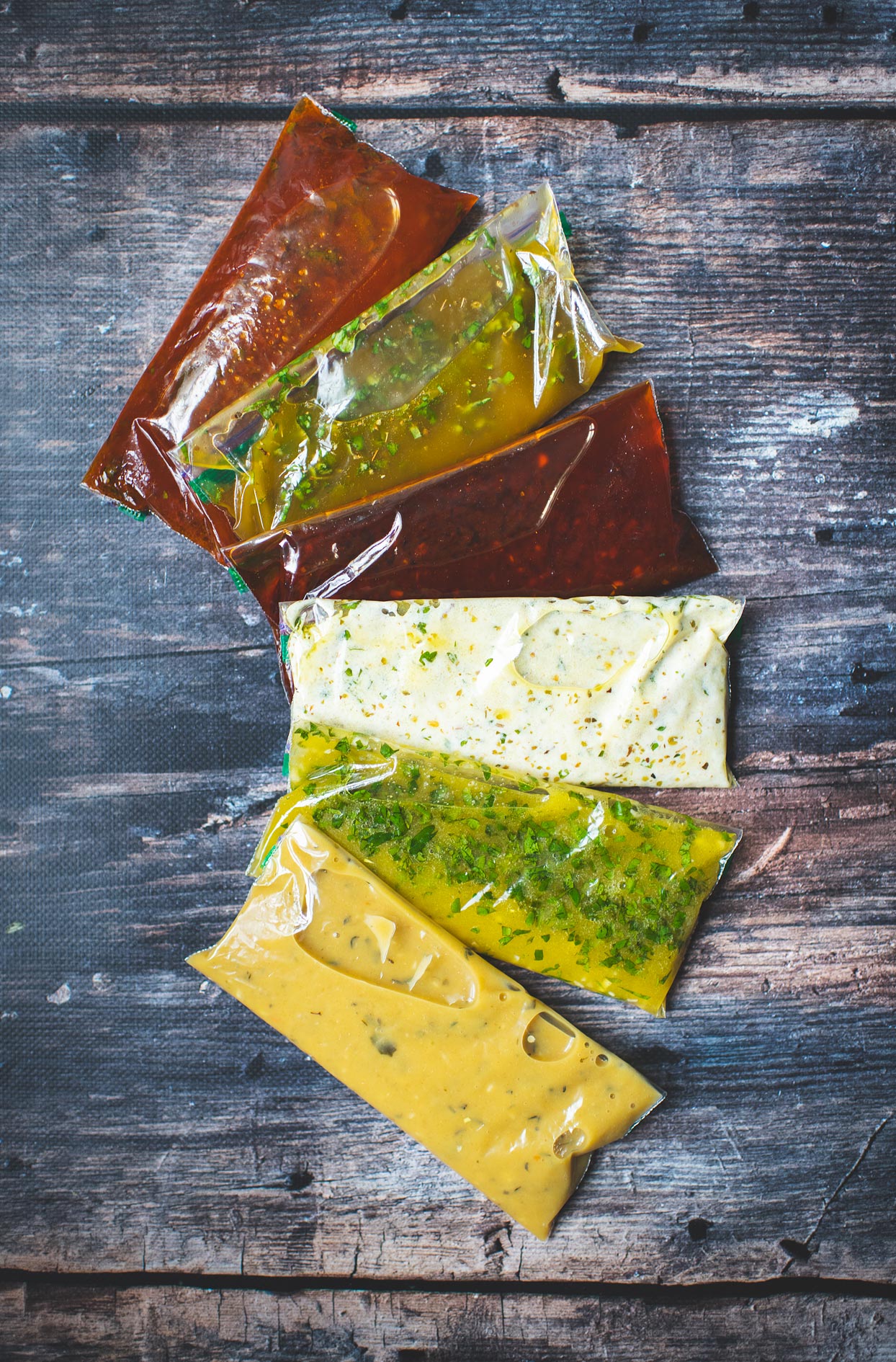
Make a double batch and freeze the extra for up to 3 months in an airtight container, leaving a little room for expansion. The olive oil may solidify in the cold. That’s normal: just take the marinade out ahead of time and whisk it back to its smooth texture before using.
✅ What can I use my Dijon mustard and beer marinade on?
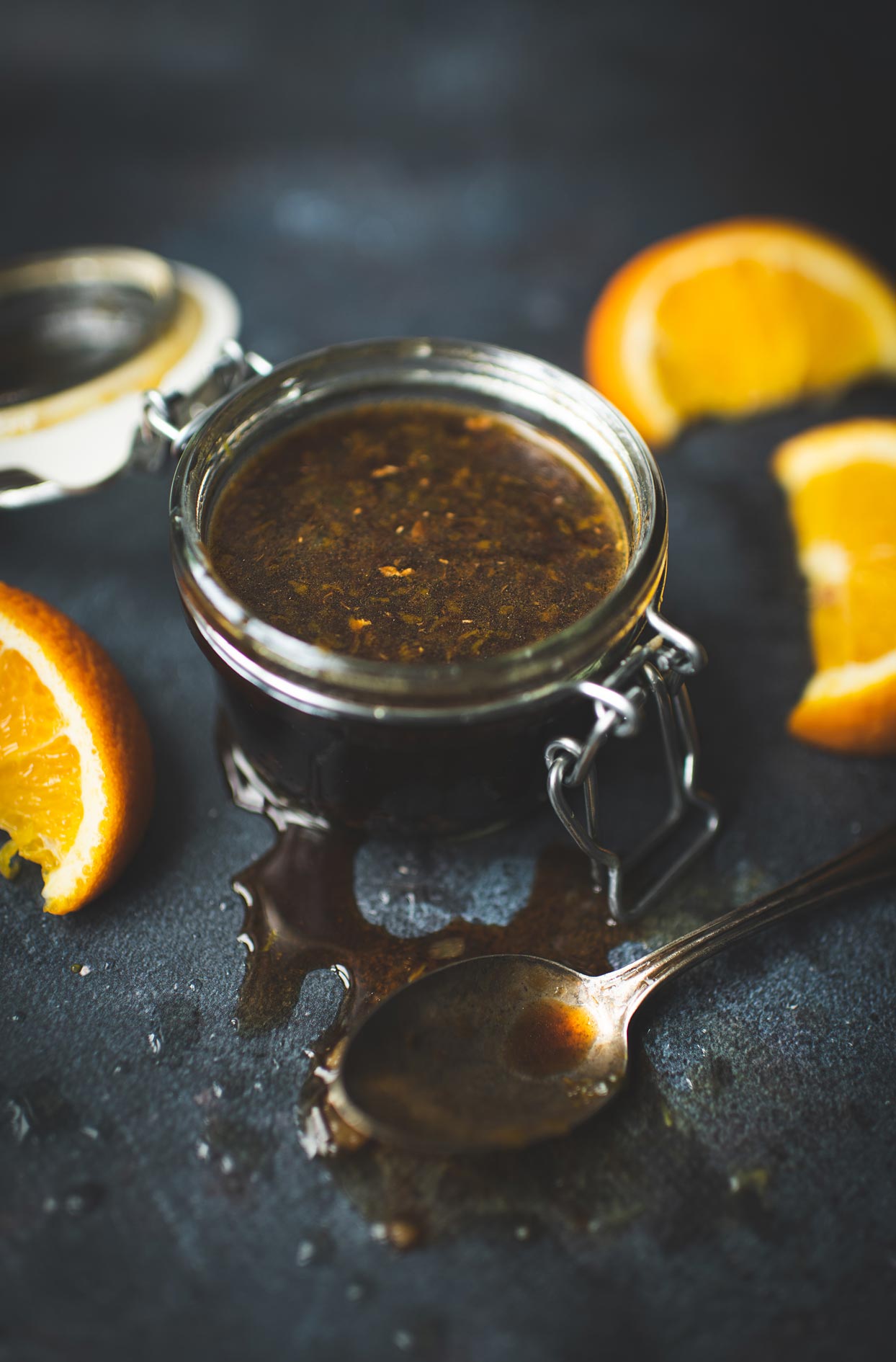
It shines on my Flank steak with Dijon mustard and beer, but also on pork, chicken and garden vegetables on the grill. If you love homemade marinades, take a look at my maple and dijon mustard marinade and my Asian orange marinade.

Ads
Marinade
- 1 cup (250 ml) Dijon mustard
- ¼ cup (60 ml) olive oil
- ¼ cup (60 ml) blonde ale
- 3 tbsp (45 ml) honey
- 1 tbsp (15 ml) herbes salées du Bas-du-Fleuve
- 1 tbsp (15 ml) finely chopped French shallot
- 1 tsp (5 ml) dried thyme
- 2 large garlic cloves, finely chopped
- Zest of 1 lemon
- Freshly ground pepper, to taste
Ads
Preparation
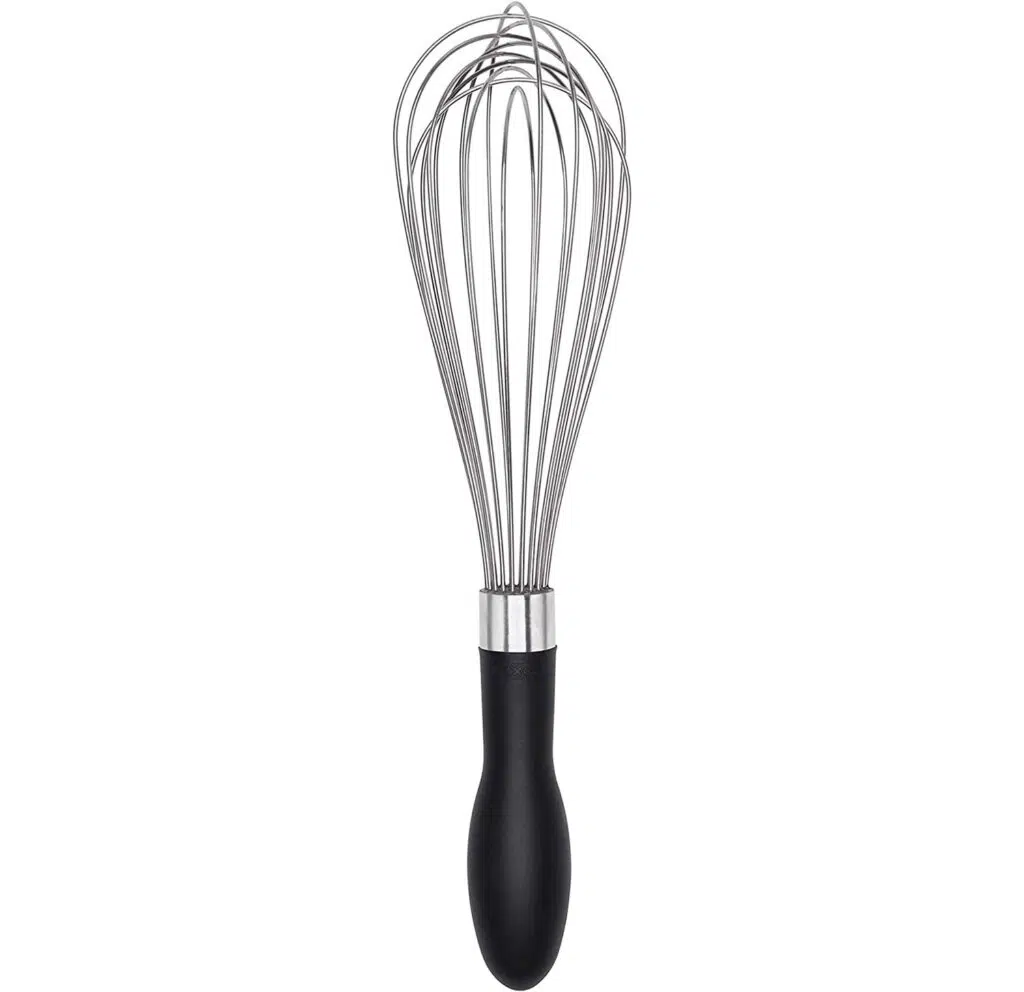
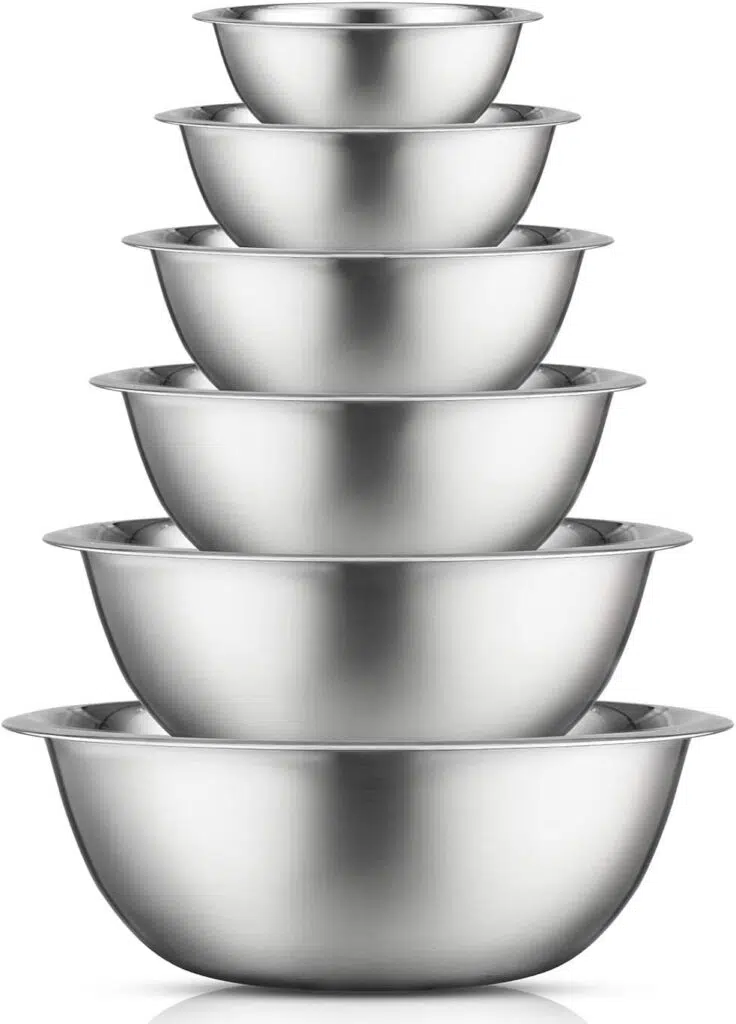
- In a bowl, whisk together the Dijon mustard, olive oil, blonde ale, honey, herbes salées, shallot, thyme, garlic and lemon zest. Season generously with pepper (do not add salt. The herbes salées already contain plenty).
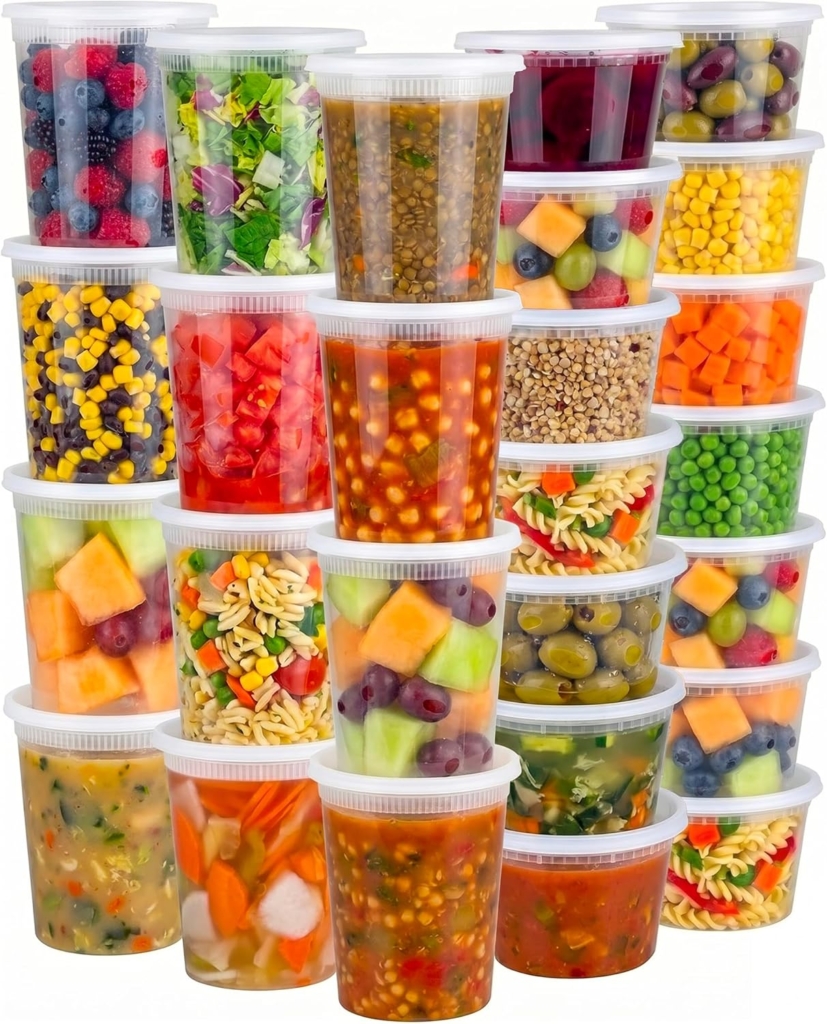
- Set aside about one third of the marinade in a separate container in the refrigerator to serve as a dipping sauce (it must never come into contact with raw meat).
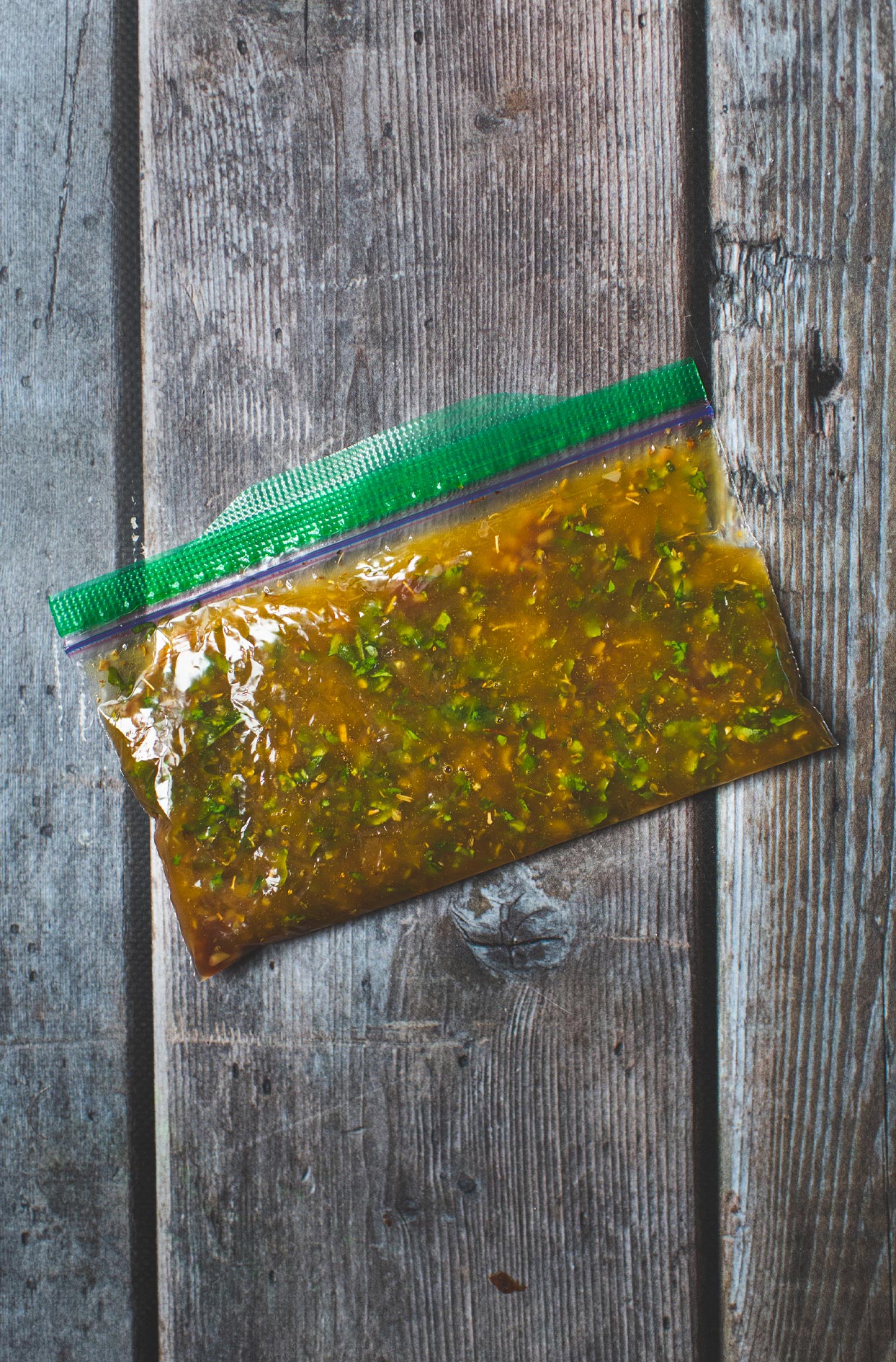
- Pour the remaining marinade over your protein of choice (beef, pork, chicken) or your vegetables, coat well, cover and refrigerate for 3 hours before grilling.
On just about anything you can grill. It’s perfect on beef (especially flank steak), pork and chicken, but also on grilled vegetables like asparagus, onions, zucchini and bell peppers. The mustardy, malty and slightly sweet flavour profile works just as well on rich meats as it does on garden vegetables. Simply adjust the marinating time depending on what you’re cooking.
Three hours in the refrigerator is the sweet spot for beef, pork and chicken. The mustard and beer tenderize the meat and drive in the flavour without breaking it down. Don’t exceed this time, as the acidity will eventually change the texture. For more delicate vegetables, 30 minutes to 1 hour is more than enough.
No, not as-is. Marinade that has been in contact with raw meat contains bacteria and should never be served uncooked. That’s why you always set aside a clean portion BEFORE marinating. If you absolutely want to use the remainder, bring it to a boil for at least 5 minutes to make it safe.
Yes, but adjust the salt. Herbes salées are a blend of fresh herbs and salt typical of Quebec. If you don’t have any, replace them with a mix of fresh or dried herbs (parsley, savory, chives) and add salt to taste, since you’ll be missing the salt from the herbes salées. The flavour will be slightly different, but still delicious.
Made ahead and stored in an airtight container, the marinade keeps for up to 1 week in the refrigerator. It also freezes very well, for up to 3 months: leave a little room for expansion and whisk it after thawing, as the olive oil solidifies in the cold. That way you always have a homemade marinade ready to coat your next grilled dish.
Ads
Ads

Ads
Ads
Ads