

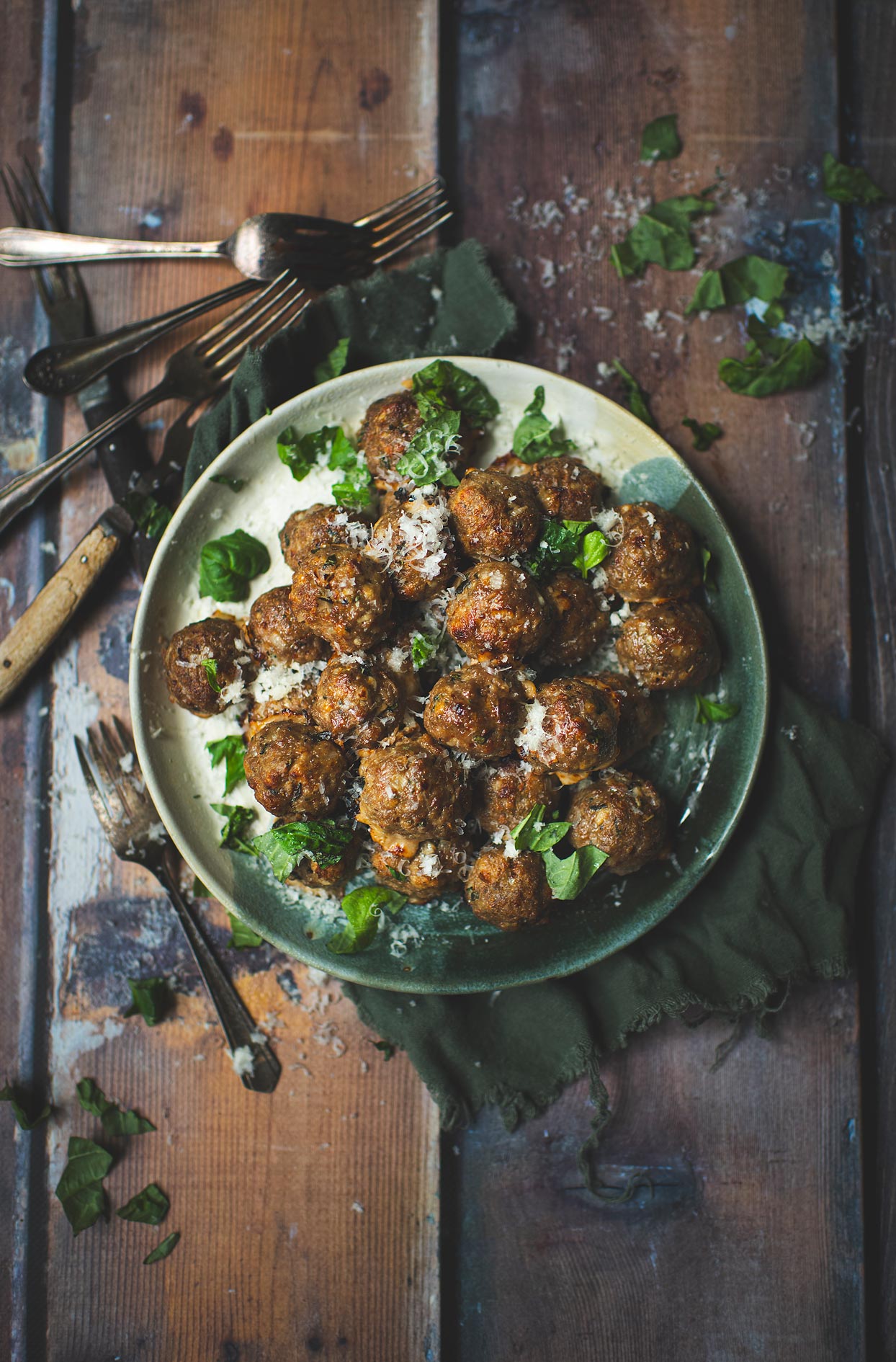
Baked Meatballs Recipe (Veal and Parmesan)

with l'épicier
- Preparation 15 min
- Cooking 25 min
- Servings 4
- Freezing Absolutely
Ads
🍖 Make these meatballs, seriously!
I will say it straight: these are the best meatballs I have ever made. There is nothing but veal in them. No beef, no pork, no Italian sausage squeezed out of its casing the way everybody else does it. Just veal.
Yes, ground veal costs a bit more. But you will see: it is soft, it is fine, and it leaves all the room to the parmesan and the basil. That is exactly why they taste as good as they do.
🍞 The secret is bread soaked in milk
Two slices of white bread with the crusts off, a quarter cup of milk, five minutes, mashed with a fork. It is called a panade, and it is half the recipe.
The starch in the bread swells with the milk and forms a gel that settles between the meat fibers. The proteins can no longer bond and tighten as they cook. The result: tender meatballs that keep their juice instead of leaving it on the pan. Dry breadcrumbs do exactly the opposite.
🔥 Eighteen minutes, then the broiler, and that is where it gets good
Oven at 425 °F, already hotter than most people go. Eighteen minutes, and then you move the rack up a notch and give it two or three minutes under the broiler.
Do it, do not skip this step! Without the broiler, you have cooked meatballs. With it, you have meatballs roasted and crisp on top, still juicy inside. It is night and day. Just watch them like a hawk, under a broiler they go from golden to burnt in thirty seconds.
Ads
Ads
🍞 The panade, and why breadcrumbs do not do the same job
Two slices of white bread with the crusts off, a quarter cup of milk, five minutes, mashed with a fork. It looks like a detail and it is half the recipe. The starch in the bread absorbs the milk and forms a gel that wedges itself between the meat proteins, keeping them from bonding and contracting as they cook. Lab testing gives meatballs roughly 35% more tender with a panade than with dry breadcrumbs. Breadcrumbs arrive dry and pull juice out of the meat. That is the exact opposite of what you want.
✋ Twenty seconds of mixing, no more
Ground veal contains myosin, a protein that activates when you work it. Overmixed before cooking, it turns the meatball dense and springy, exactly like overkneaded bread dough. So you fold, you do not knead. Twenty to thirty seconds by hand, and you stop the moment it comes together, even if it does not look perfectly uniform. That is fine.
🔥 The broiler, and the rack moved up one notch
Eighteen minutes at 425 °F cooks the meatballs. The broiler roasts them. Those are two different things and nobody does the second one. Move the rack up one notch, not all the way to the top, and count two to three minutes standing right at the oven door. I am not joking: it goes from golden to black in half a minute. The tops turn crisp while the inside stays juicy, and that contrast is exactly what makes these better than average.
📏 One heaping tablespoon, about 28 meatballs
That gives you meatballs of roughly 3 cm, which is the size I prefer: small enough to eat in one bite, big enough to stay juicy. They all fit on one large sheet pan with space between them, which matters because meatballs touching each other steam instead of roasting. If you make them bigger, add a few minutes before the broiler.
🧀 Real parmesan, finely grated
Three quarters of a cup for 500 g of meat is a lot, and it is deliberate. But it has to be real parmigiano off the block that you grate yourself, not the pre-grated stuff in a bag. Pre-grated contains cellulose to keep it from clumping, it does not melt the same way and it barely tastes of anything. Grated fine, it distributes through the mix instead of forming pockets.
🌿 Basil, not parsley
This is the change that surprised me most. Everybody puts parsley in their meatballs. I used a quarter cup of finely chopped fresh basil, and it changes the dish completely. Basil goes with parmesan as if the two had been invented together, and it pulls the whole thing Italian without a drop of tomato sauce anywhere. I add more of it coming out of the oven.
🌡️ 160 °F (71 °C) if you want to be sure
Like all ground meat, veal has to reach 160 °F (71 °C) in the center per the USDA, because grinding distributes bacteria throughout the mass instead of leaving them on the surface. With 18 minutes at 425 °F plus the broiler, we clear that threshold easily, so I do not bother with a thermometer. But if you make your meatballs bigger than mine, it is worth checking.
📅 Make ahead
The mixture can be made entirely the day before and keeps a day in the fridge, covered. You can even shape the meatballs ahead and line them up on a plate: the next day they go straight from fridge to pan, you just add two or three minutes because they start cold. They also freeze, raw or cooked. Raw, I freeze them flat on a tray first before transferring to a bag, otherwise they weld into one block. Cooked, they reheat straight from the freezer. What I never do ahead: the broiler and the finishing parmesan. The broiler happens at serving time, and the grated parmesan has to land on scorching meatballs to start melting. That is three minutes of work while people are sitting down.
✅ What to serve with my veal and parmesan meatballs?
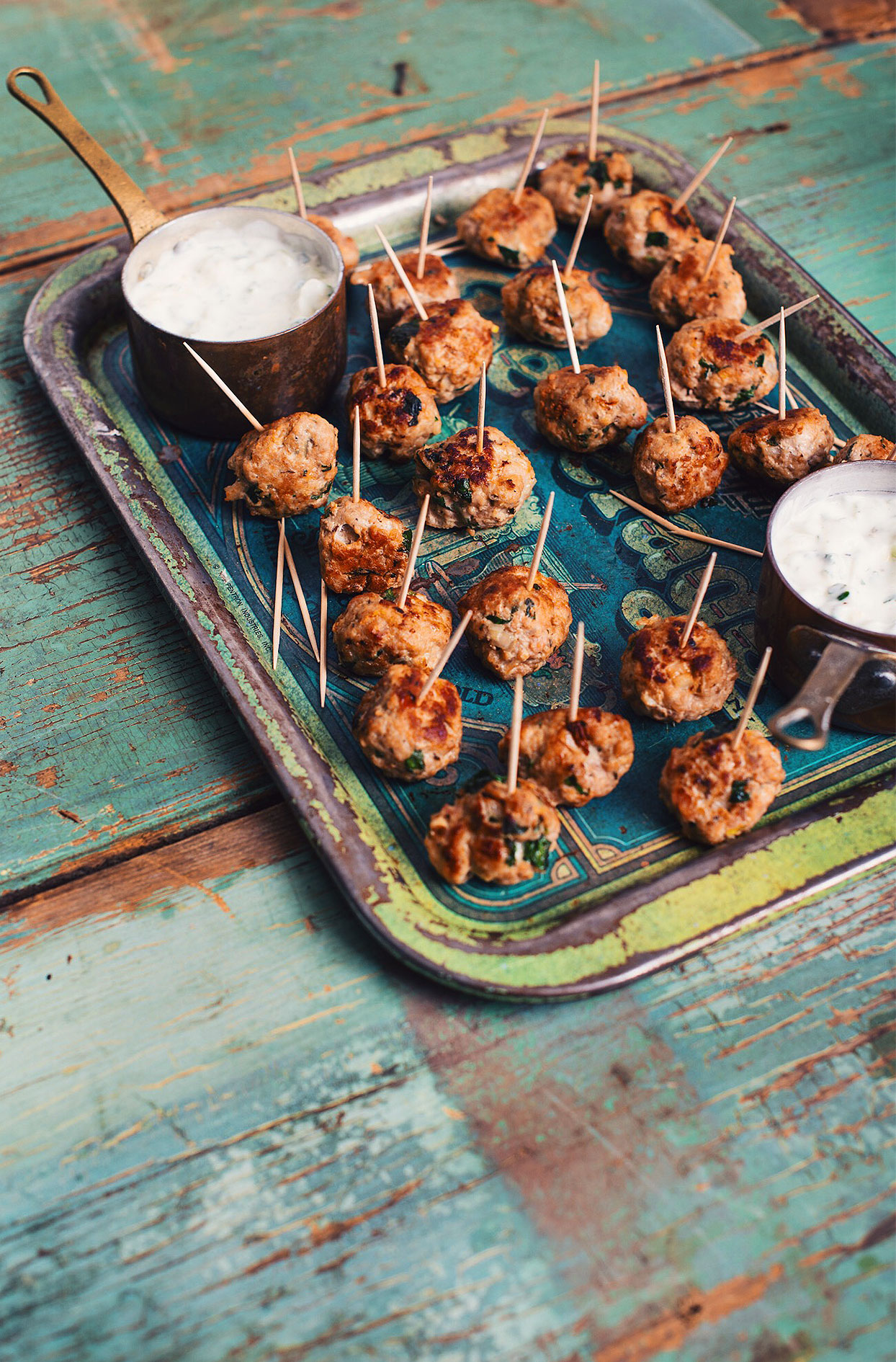
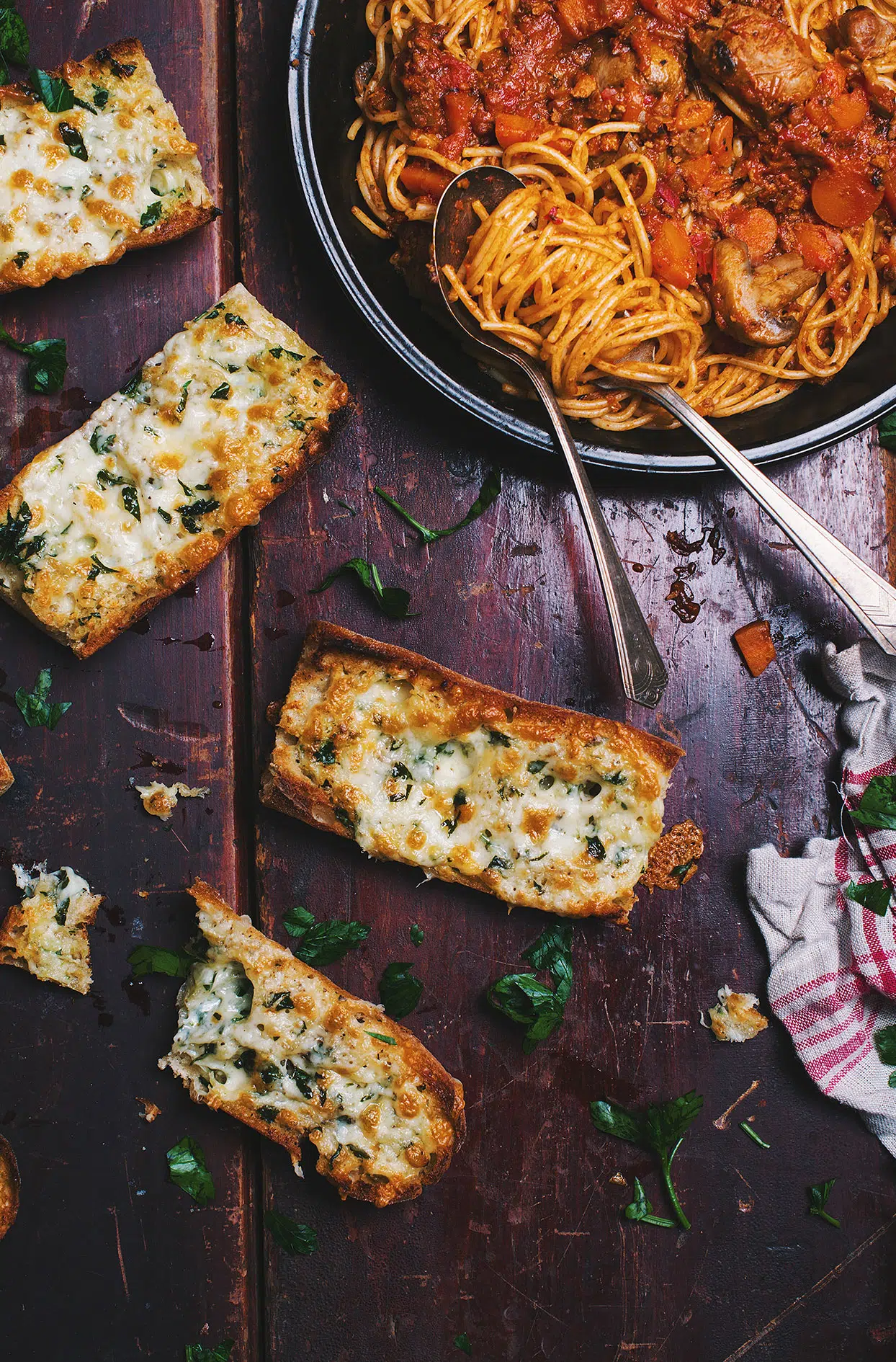
There is no sauce in this recipe and that is on purpose, so the choice is wide open. My tzatziki mint sauce as a dip is my favorite: cold and sharp against hot meatballs, unbeatable. Over egg noodles or garlic butter pasta, it becomes a full dinner. My cheesy garlic bread on the side does the job nicely, and a grilled Caesar salad balances the whole thing. And honestly, just like that, standing in the kitchen eating them with your fingers, they are delicious too. If you like meatballs, go look at my Swedish meatballs, which take a completely different road.
Ads
Panade
- 2 slices white bread, crusts removed, cut into cubes
- 1/4 cup (60 ml) milk
Meatballs
- 500 g (1 lb) ground veal
- 3/4 cup (180 ml) finely grated parmesan, plus more for serving
- 1 egg
- 2 garlic cloves, finely minced
- 1 French shallot, finely chopped
- 1/4 cup (60 ml) fresh basil, finely chopped, plus more for serving
- 1/2 tsp (2.5 ml) Italian seasoning
- 1/4 tsp (1.25 ml) ground nutmeg
- Salt and pepper, generously
- 1 1/2 tbsp (22 ml) olive oil
Ads
Preparation
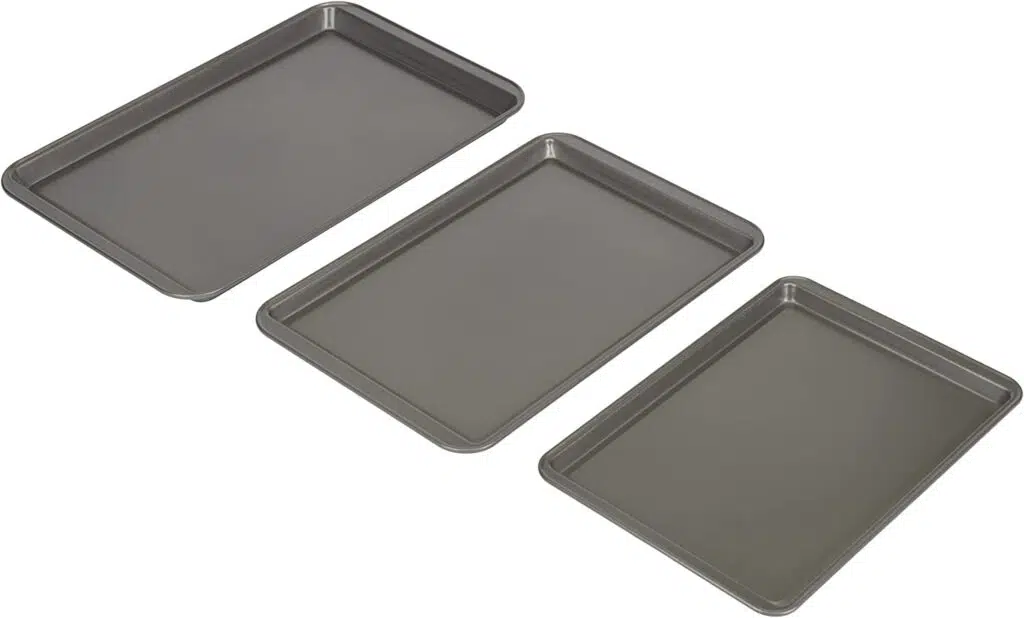
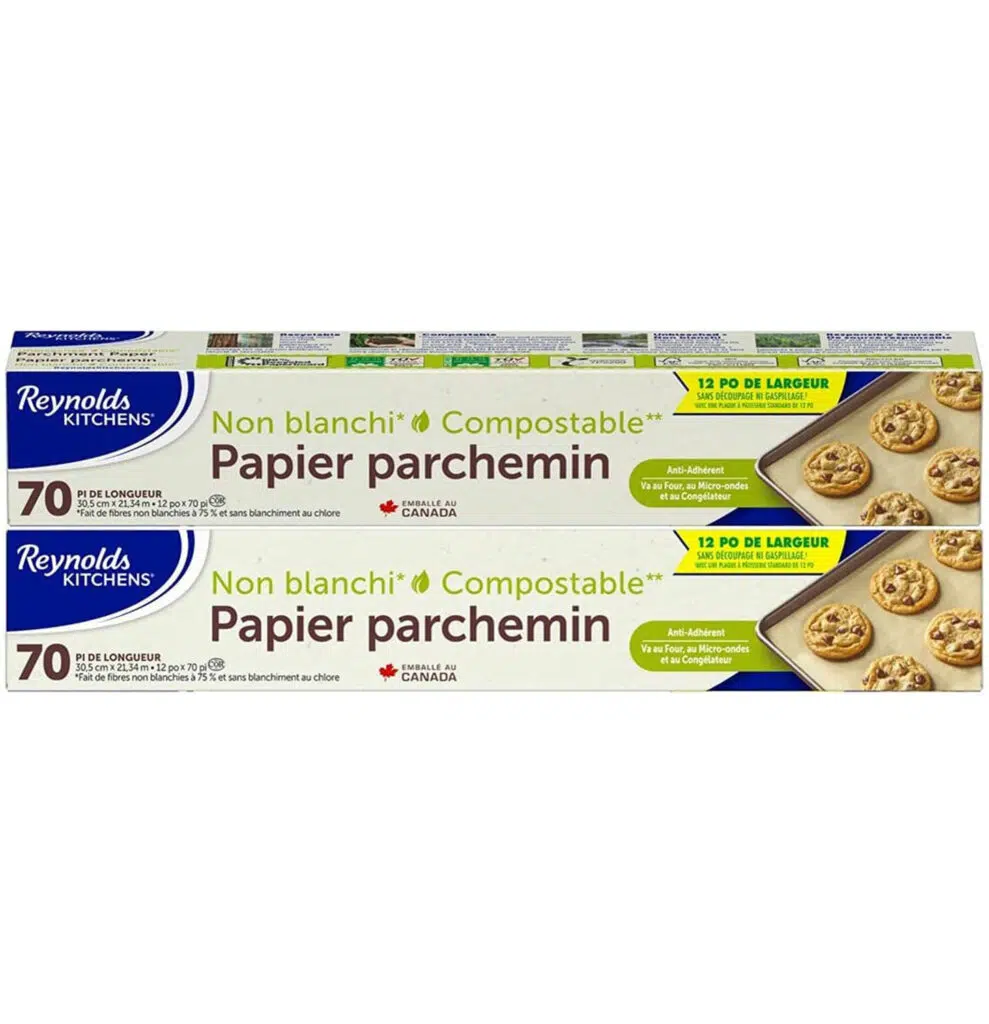
- Set the rack in the center of the oven and preheat to 425 °F (220 °C). Line a large sheet pan with parchment paper.
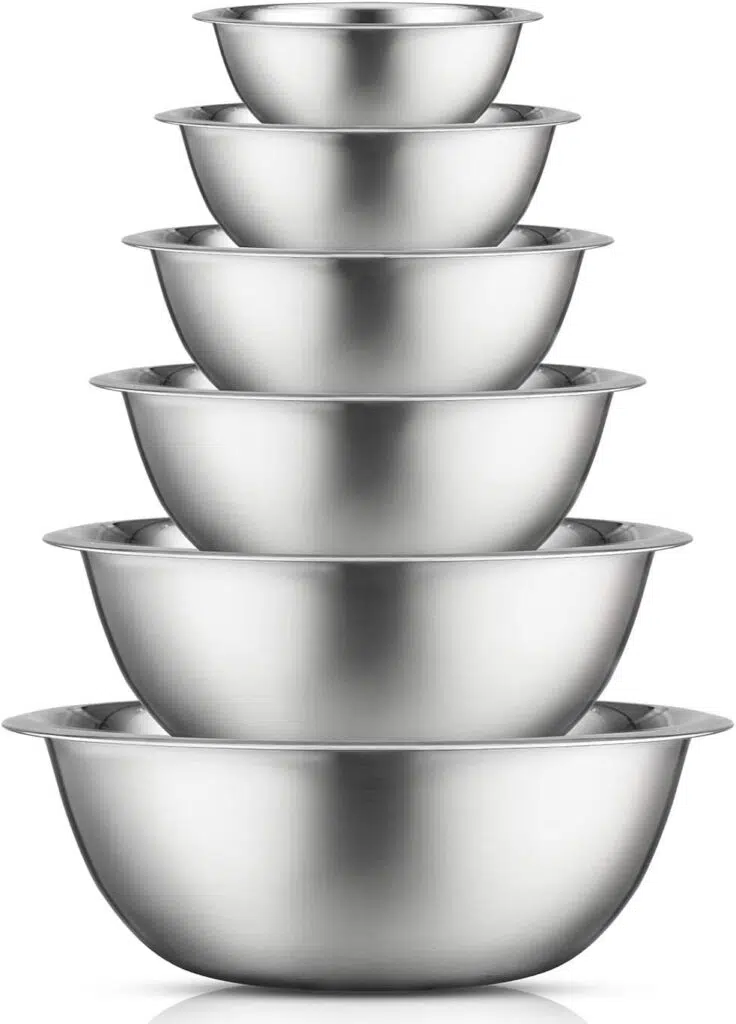
- In a large bowl, add the bread cubes and pour the milk over them. Let soak 5 minutes, then mash with a fork into a paste.
- Add the veal, parmesan, egg, garlic, shallot, basil, Italian seasoning and nutmeg. Season generously with salt and pepper. Mix with your hands just enough to bring everything together, about twenty seconds. The more you work it, the denser the meatballs get.
- Shape about 28 meatballs of roughly 3 cm, one heaping tablespoon each, and set them on the pan with space between them. Drizzle with olive oil.
- Bake 18 minutes. Then move the rack up a notch and broil 2 to 3 minutes, until the tops are deeply roasted. Watch them the whole time, under a broiler they burn in seconds.
- Grate a little more parmesan over them as they come out of the oven and scatter with fresh chopped basil.
A panade. Bread soaked in milk and mashed into a paste, instead of dry breadcrumbs. The starch forms a gel that sits between the meat proteins and stops them from bonding and tightening as they cook, so the meatball stays open and holds its juice. The second secret is the opposite of what people expect: mix as little as possible. Twenty seconds by hand. Overworked meat turns springy and dense, exactly like overkneaded dough.
Three things. Do not overmix, which activates myosin and gives you rubber. Do not use dry breadcrumbs as your only binder, because they pull moisture out of the meat rather than adding any. And do not crowd the pan: meatballs touching each other trap steam between them and end up pale and soft instead of roasted. Space them out, even if it means using a bigger sheet pan.
Neither, in my kitchen. I go to 425 °F. Lower temperatures cook the meatballs slowly, which gives them time to weep their juice into the pan instead of keeping it. At 425 the outside sets fast and the juice stays where it belongs. Eighteen minutes for meatballs around 3 cm, then two to three minutes under the broiler for the top. Ground veal needs to hit 160 °F (71 °C) internally, and this method clears that comfortably.
Not only can you, it is better. Two slices of white bread with the crusts removed, soaked in a quarter cup of milk, replace half a cup of breadcrumbs perfectly. The difference is that the bread arrives already wet and gives moisture to the mix, while breadcrumbs arrive dry and take it. If you have no bread at all, crushed crackers soaked the same way work, but plain bread is better.
Baked, for two reasons. They cook evenly on all sides without you turning them one by one, which is how they get misshapen and broken. And twenty-eight meatballs never fit in a skillet: you would need three batches and the first ones would go cold. Frying does give a darker crust, that is true, but three minutes under the broiler at the end closes that gap.
Yes, raw or cooked. Raw, freeze them flat on a tray for an hour or two first, then transfer to a bag, otherwise they fuse into a single block. They bake straight from frozen with about five extra minutes. Cooked, they reheat in the oven, the air fryer or the microwave, all three work. In the fridge, count on three to four days.
Ads
Ads

Ads
Ads
Ads