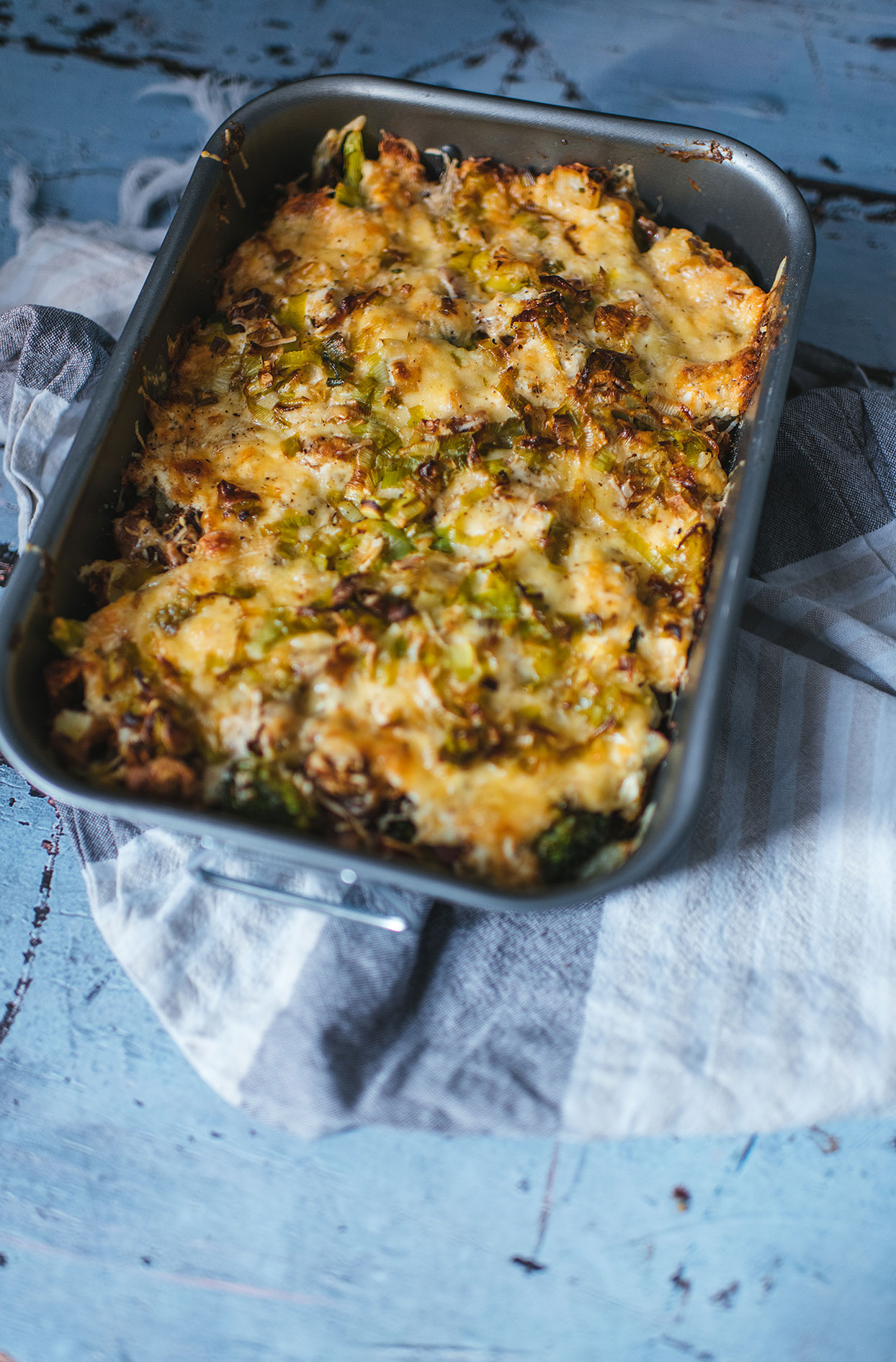
A casserole is cream and melted cheese piling up spoonful after spoonful, with chicken, salmon or sweet potatoes. The mouth goes to sleep well before the end of the plate.
Too much malt weighs down what's already heavy, too much bitterness fights the creaminess. Witbier is our base beer: the banana and clove from its yeast follow the cream without weighing it down, the zest or coriander lift the Parmesan and the fresh herbs. Sour beer comes second. For wine, a dry Vouvray from the Loire, with a Pinot gris behind it.
Chicken, cream and cheese, salmon or sweet potatoes: the sweet potato version leans sweet, the salmon one changes the balance of the fat. The page has a beer and wine pairing for each, and our casserole recipes below.
This witbier, with notes of clove, banana and orange zest, follows the cream without weighing it down. Its body is light, almost without bitterness, so you can sip it between bites without killing your appetite. Its small acidity keeps the dish awake instead of letting it settle. Great for a Sunday casserole that bubbles up golden in the oven!
The sour is tart and lively, where the witbier is round and soft. Go for it if the casserole is very creamy and you want to slice through the fat, or if you like beers that make your mouth water.
This dry Vouvray chenin blanc, with notes of apple, pear and quince, has a freshness that stays lively even when the wine seems round. With the cream and melted cheese, it does the job of a squeeze of lemon: it breaks down the fat with each sip. A white doesn't dry out the mouth, so the casserole stays pleasant to the bottom of the dish.
Pinot gris is rounder and richer in the mouth, with ripe pear and a hint of sweet spice. It follows the cream instead of slicing through it. Go for it if your casserole is made with chicken or vegetables, without a very spicy sauce.
The gin and tonic tastes dry and bitter, with lively bubbles that finish on quinine. The chicken casserole with cream and cheese is very rich, a fat that lingers in the mouth: the bitterness of the tonic and its bubbles will break that fat down between bites. A simple drink for a comforting weeknight dinner.
Otherwise, a Tom Collins: a gin lemonade, long and sparkling, when you prefer lemon to bitterness to cut through the cream. It makes dinner lighter without losing the gentleness of the chicken.
Alcohol-free
Peppermint tea
A slow-cooked dish is rich, deep and long on the palate. Hot and unsweetened, it closes a hearty meal without weighing it down.
This saison, with notes of pepper, citrus and straw, has lively bubbles. Salmon has a finer fat than meat, but it's in the same cream: the bubbles clean off the sauce, the citrus lifts the fish, and the yeast pepper adds some edge. The salmon stays tender and the cream doesn't cling. Great for a weeknight supper!
The blonde ale is softer and rounder than the saison, with a little malt and almost no bitterness. Go for it if your casserole is creamy and mildly spiced, or if the pepper in the saison feels too sharp.
This Burgundy chardonnay, with notes of apple, hazelnut and a little butter, has the round body to follow the sauce and the freshness to cut it. The fat in salmon is finer than in meat, and a white, which doesn't dry out the mouth, won't toughen the fish. Serve it chilled, not icy!
Pinot gris gives notes of pear and a hint of smoke, with a rounder body and less freshness than chardonnay. Go for it dry if the casserole is on the mild side: its light smoke follows the salmon.
The Gin fizz is a light, lemony mix of gin, sugar and bubbles. With a salmon casserole, finer richness and the same cream, it refreshes without overpowering the fish, and lemon suits it.
Our recipe → · Alcohol-free version: Sparkling water, lemon and elderflower syrupThe elderflower keeps the gin's floral side, and the lemon and bubbles make the fizz.
This amber ale, with notes of caramel and toasted bread, has a mild bitterness. The sweet potato adds its natural sugar to the creaminess: the malt in the beer follows that sweetness, and the bitterness holds the dish back before it gets too sweet. The golden top of the casserole meets the toasted bread in the beer. Great for a fall supper!
The saison is dry and peppery: it cuts the sweetness instead of following it like the amber ale. Go for it if your casserole is very sweet, or if the amber ale feels too soft with sweet potatoes.
This Loire chenin blanc, with notes of baked apple, quince and light honey, has a lively freshness. With the sweet potato, its round fruit follows the sugar, while its freshness cuts the creaminess. Pick it dry or barely off-dry: a wine that's too dry would seem thin, and one that's too sweet would make the whole dish sickly.
Viognier gives notes of apricot, peach and white flowers, with a rich body and little sharp freshness. Go for it if the casserole is very sweet and creamy: its roundness and apricot follow the sweet potato.
The Gin fizz, gin, lemon and bubbles, stays light. With a sweet potato casserole, a bit sweeter, it brings the acidity that balances the natural sugar and the cream rather than piling on more sweetness.
Our recipe → · Alcohol-free version: Sparkling water, lemon and elderflower syrupThe elderflower keeps the gin's floral side, and the lemon and bubbles make the fizz.
This casserole has ground beef, a very present tomato sauce and a cheese topping that forms a crust. Amber ale has caramel, hazelnut, a round body and a soft bitterness. Its caramel softens the acidity of the tomato, and its toasted malt answers the browned cheese, so the dish feels rounder.
Red ale is a little drier, with toasted bread and a light fruitiness. Take it if the sauce is very acidic, or if your casserole has a lot of cheese, because its dryness cleans the fat.
Tuscan Sangiovese smells of sour cherry, sun-dried tomato and herbs, with a bright acidity and firm tannins that dry the mouth. Against a tomato sauce, its acidity follows that of the tomato instead of tasting bland, and its tannins clean the fat of the browned cheese. It's the red that goes with anything Italian.
Piedmont Barbera smells of cherry and plum, with a very bright acidity and little tannin. Take it if your sauce is well spiced, because it stays supple and fruity against the tomato.
The Manhattan, whisky and sweet vermouth, silky, has roundness and a little sweetness. With a ground beef and tomato casserole, baked with cheese, it backs up the meat and answers the tomato without getting lost in the cheese.
Alcohol-free version: Tart cherry juice and cold black tea, a cherry at the bottomThe cherry and the black tea recall the red vermouth and the whisky, with the same deep base.
The cheese-baked vegetables are soft and a little sweet, under a cheese crust, in a lighter dish. Blonde ale has a light biscuit malt, a softness and little bitterness. It respects the sweetness of the vegetables, and its lightness leaves room for the cheese without weighing down the meal.
Saison has fine bubbles, pepper and a dry finish, without heaviness. Take it if your vegetables are roasted or a little bitter, like broccoli or cauliflower, because its pepper lifts them.
Alsatian Pinot blanc smells of apple, lemon and white flowers, supple and fresh, with a soft acidity. Against cheese-baked vegetables, this wine doesn't cover their flavour, and its freshness cuts the cheese. It has no tannin to dry the mouth, so the vegetables stay sweet, without bitterness, and the gratin is easy to finish.
Burgundy Chardonnay smells of apple, lemon and a little butter, rounder. Take it if your gratin is rich in cheese, because its body has the same roundness and its acidity keeps the dish fresh.
The Gin fizz, gin, lemon, sugar and bubbles, is fresh and light. With a veggie casserole of cheese-baked vegetables, lighter on fat, it follows the lightness of the vegetables and cuts the baked cheese.
Our recipe → · Alcohol-free version: Sparkling water, lemon and elderflower syrupThe elderflower keeps the gin's floral side, and the lemon and bubbles make the fizz.
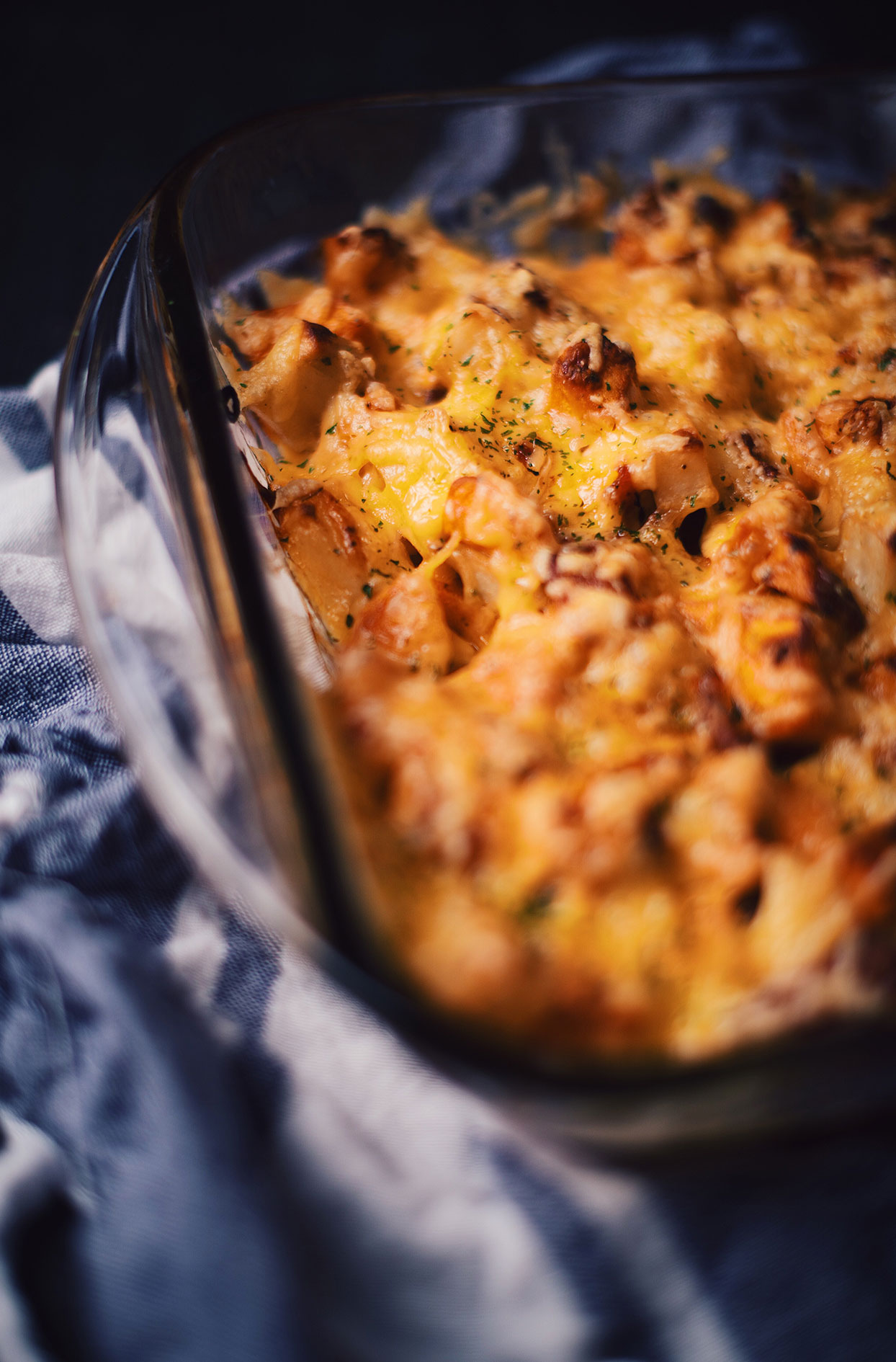
Here there is the salty ham, the tender potatoes and a creamy cheese, browned on top. Blonde ale has a light biscuit malt, a softness and little bitterness. Its lightness lets the ham speak, and its bubbles cut the fat of the cream without masking the potatoes, so the casserole stays easy to finish.
Amber ale has a caramel and hazelnut malt, with more roundness. Take it if the gratin is well browned, because its toasted malt joins the crust and its caramel softens the salt of the ham.
Alsatian Pinot gris smells of pear, honey and a hint of spice, round, with a little freshness. Against a salty, creamy, browned dish, that roundness follows the cream of the potatoes, and its freshness cuts the fat of the cheese. The hint of spice joins the ham without dominating it, and since it has almost no tannin, the wine stays soft against the salt.
Gamay from Beaujolais smells of cherry and raspberry, light and lively, with little tannin. Take it if you want a red, because its fruit freshens the salt of the ham without crushing the potatoes.
The gin and tonic tastes dry and bitter, with quinine and bubbles. With a ham and potato casserole, salty, creamy and baked, it cleans your mouth and keeps the cheese from clinging.
Our recipe → · Alcohol-free version: Tonic, cucumber and rosemary over lots of iceThe tonic already brings the quinine, and the cucumber and rosemary do the gin's job.
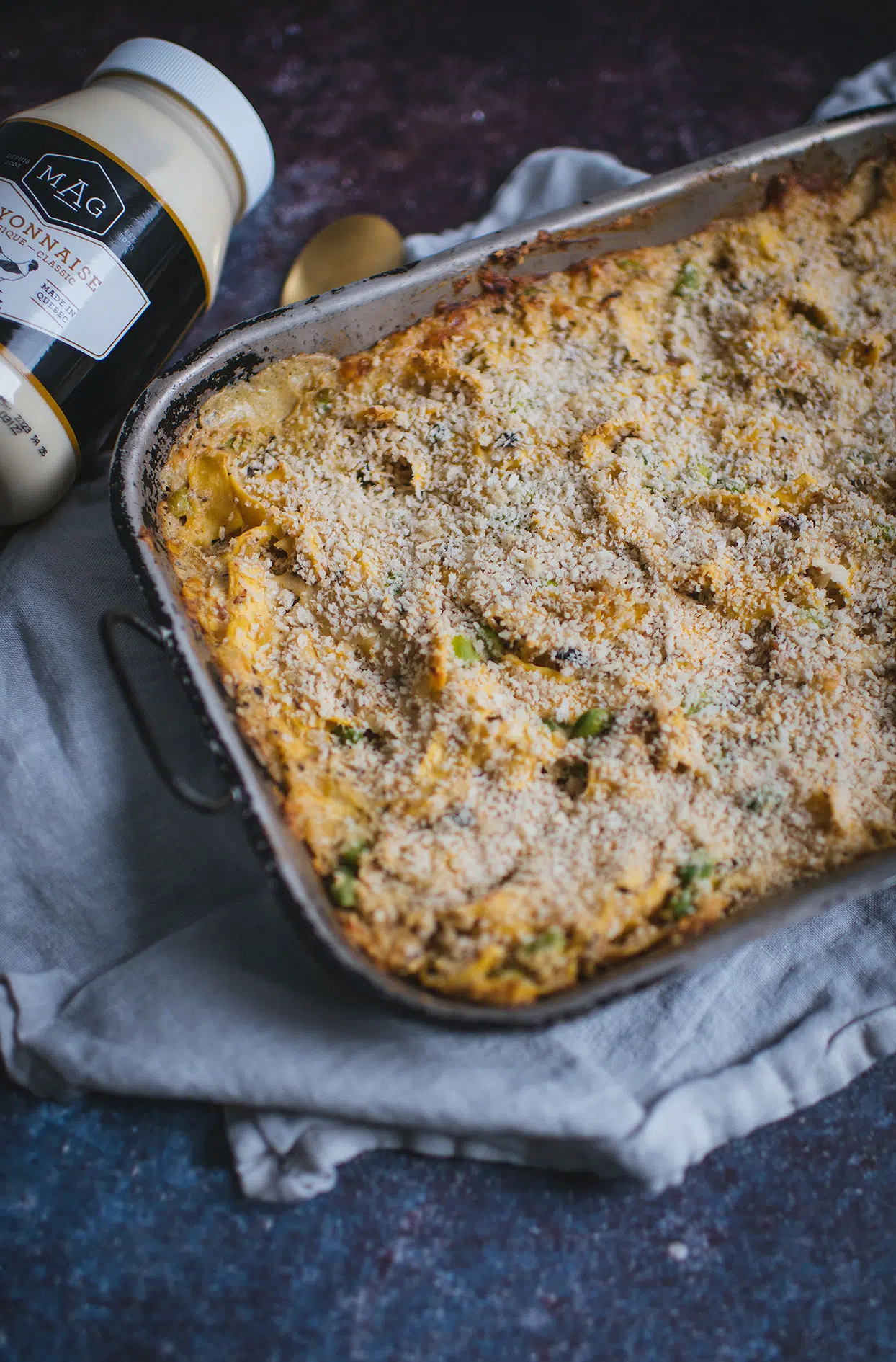
A creamy casserole coats the mouth and doesn't let go. This weizen brings clove and banana that follow the cream and the parmesan gently, and its silky texture answers the texture of the dish. Dry and low in bitterness, it drinks easily between bites.
This very pleasant Mâcon Villages is marked by notes of honey, green apple, dried stone fruit and lemon. It's a lovely natural all-rounder, great with creamy dishes or white meats. It will be impeccable with this dish.
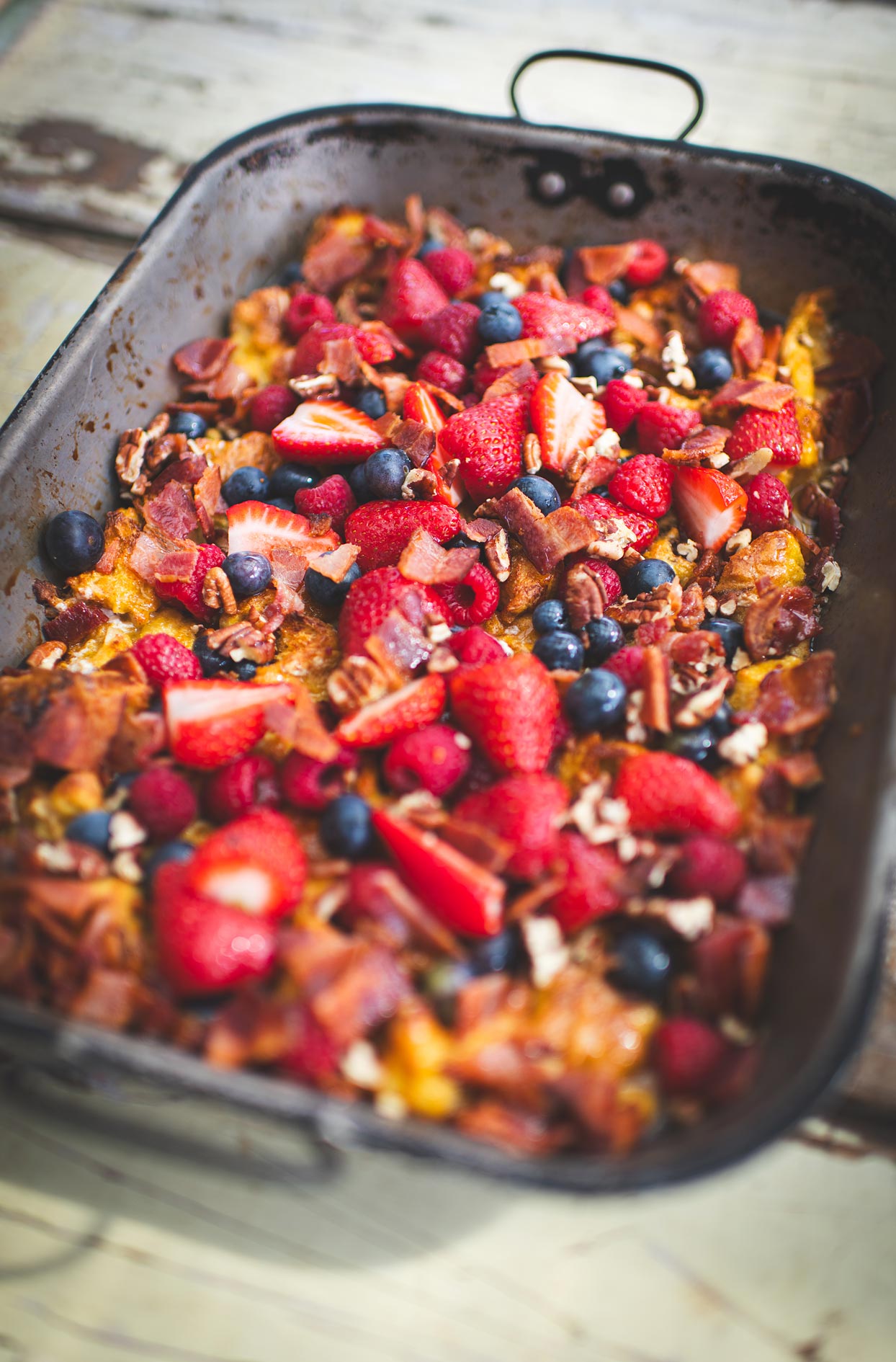
A slightly tart saison with strong raspberry notes is great with this bacon and pecan brioche casserole. It gets along with the red fruit and cinnamon in the brioche, and its lively acidity cuts the extra sugar from the maple syrup and the French toast side. Just what you need to go back for another bite without the guilt.
With this bacon and pecan brioche casserole, this delectable sparkling wine made from pinot auxerrois, riesling and pinot gris is a remarkably elegant match. Its very fine bubbles and exquisite balance cut through the richness of the eggs and the cinnamon brioche, while its natural liveliness lightens every sweet and salty bite. Long live Alsace.
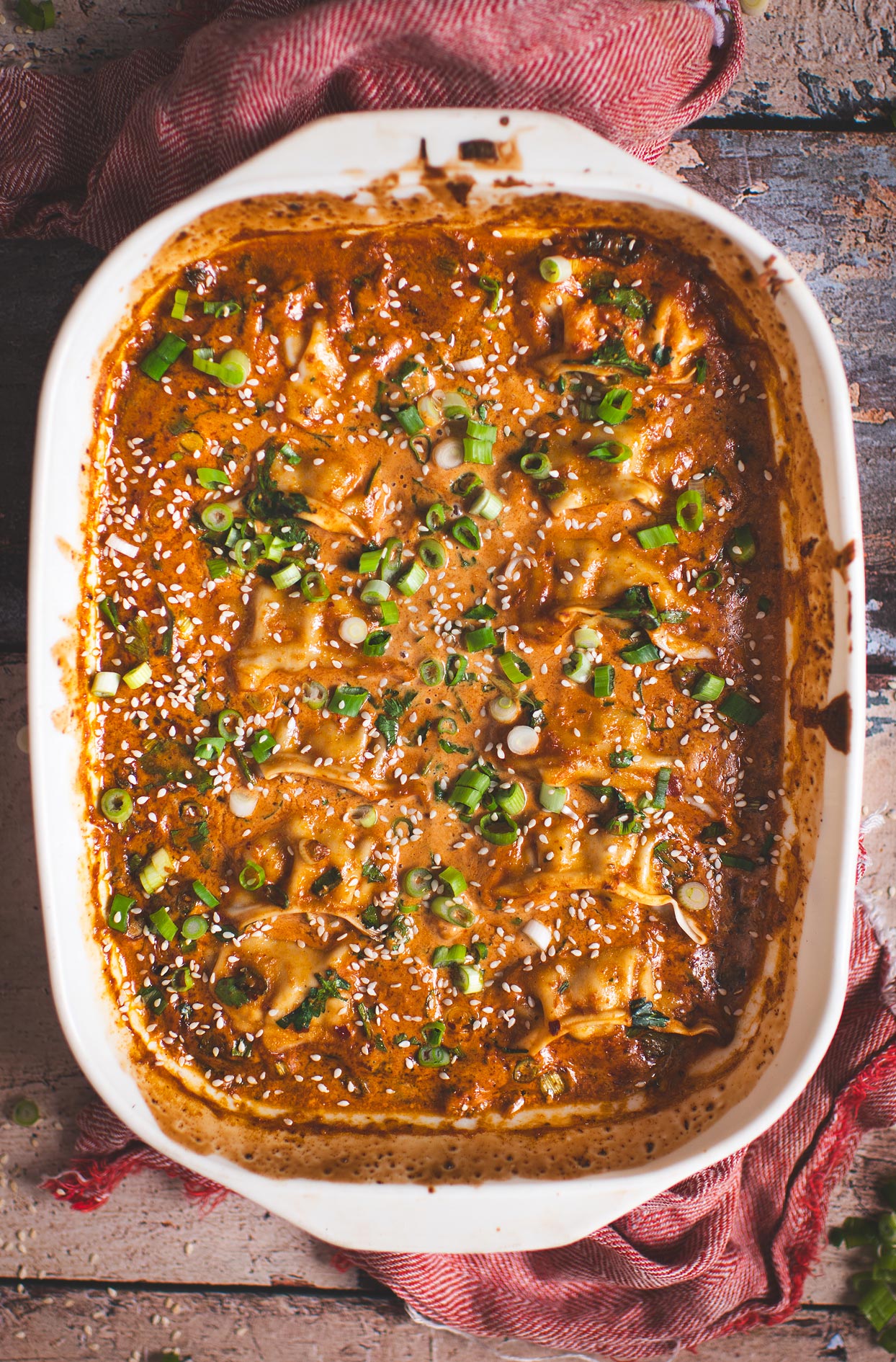
This pale wheat beer is soft, fresh and not very bitter. Up against the red curry and the chili crunch, it plays firefighter: its freshness calms the heat, and its lightness eases the coconut milk without fighting it. The ginger and cilantro in the broth stay front and centre. A bite of dumpling, a sip, and off you go again!
With the red curry coconut milk dumpling pot, an Italian Pinot Grigio known for its white flower and Granny Smith apple aromas brings a clean, precise freshness. Its bright acidity balances the richness of the coconut milk, calms the heat of the red curry and cleans the palate between each bite, which makes the dish easier to digest and even more enjoyable to eat.
Melted feta and burst cherry tomatoes give you salty and tangy at the same time. The saison's nose of clove, pepper and lemon zest mingles with the herbs in the pan and brings out their fragrance. Its fine bubbles lift the tomato instead of flattening it.
This wine, made of 100% Teroldego, has soft tannins and a light body, with notes of red berries, licorice and pepper. Fresh and energetic, it will go with simple, tasty dishes like this one.
Salmon in a casserole ends up swimming in cream, so you need something that keeps the mouth awake. This hefeweizen brings banana, apricot, clove and pepper that complement the dish, and its soft texture follows the creaminess. A comfort pairing, without the weight.
This beautiful rosé, 80% Carignan and 20% Alicante Nero, is a powerful and wonderful rosé! Sturdy and dry, with spring floral notes, dried herbs, fresh red fruit and citrus, it's THE rosé for a salmon casserole. Just beautiful.
A breakfast casserole calls for coffee, so you might as well go for an imperial stout that contains some. Its roasted grains do the work of the cup, and its residual sugar stands in for the drizzle of maple syrup. Watch the alcohol level though: at that strength, the day can get long.
This natural sparkling made of 90% Glera and 10% Verdiso is crisp and lively. Dry, with notes of small tart apple and lemon, it's sharp, and perfect with hearty weekend breakfasts. It will reset your palate in no time!
The prosciutto is salty, the eggs round things out, and brunch quickly tips to the heavy side. A cloudy wheat witbier with coriander and orange peel puts some sun back in. Its liveliness balances the cured meat and its lightness lets you go back for another portion.
With this Spanish-inspired dish, you drink Spanish! This fresh, easy-drinking red has aromas of ripe fruit and spice. It's so affordable that it might be worth planning on a second bottle.
Sweet potatoes and melted cheese: soft, sweet and rich on the same forkful. This Belgian witbier with lemon peel and chamomile brings lemon, ginger and pepper that lift all of it. Its slight acidity recalls that of the cream and keeps the dish from falling asleep.
Melted cheese, chicken, sweet potato that sweetens everything a little: a round, creamy casserole. This chardonnay, from Chile's Central Valley, cuts this richness with apple and pear flavours, typical of the grape. A white to serve well chilled, that gets the fork moving again. Grab the ladle.
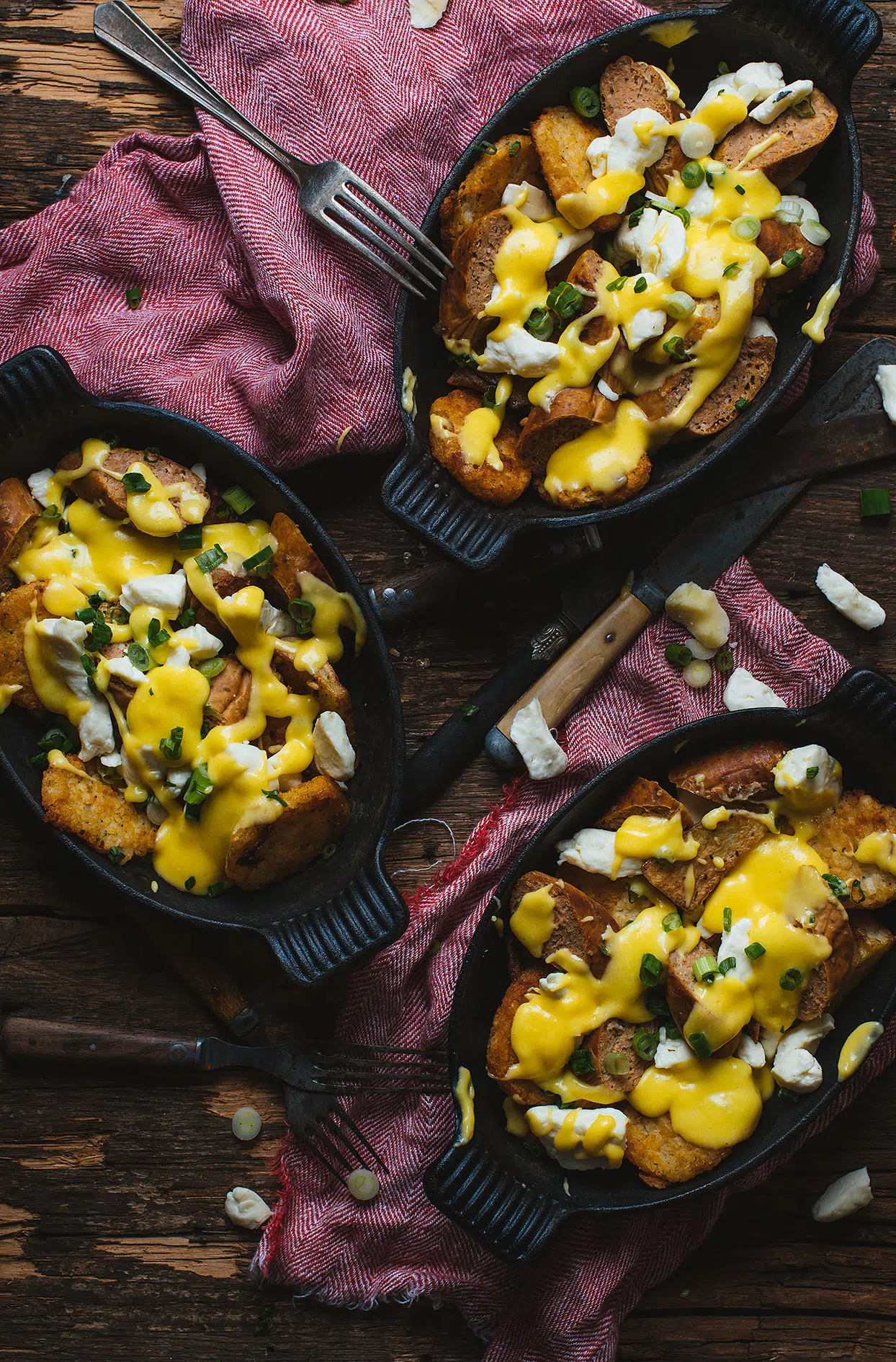
A breakfast casserole calls for a breakfast beer. This one is fermented with orange juice, which puts it somewhere between a sour and a mimosa. Fruity and low in alcohol, it lightens the sausages and melted cheese without making you feel like you're opening a beer at ten in the morning.
This natural sparkling, 34% Sémillon, 33% Len de l'el and 33% Mauzac, is the perfect sparkling to go with good weekend breakfasts! With floral and fruity notes, green apple and white fruit, and a sparkling little bubble, you'll turn heads (!) with your fire pairing!