

Ads
🔥 The secret weapon of grill masters
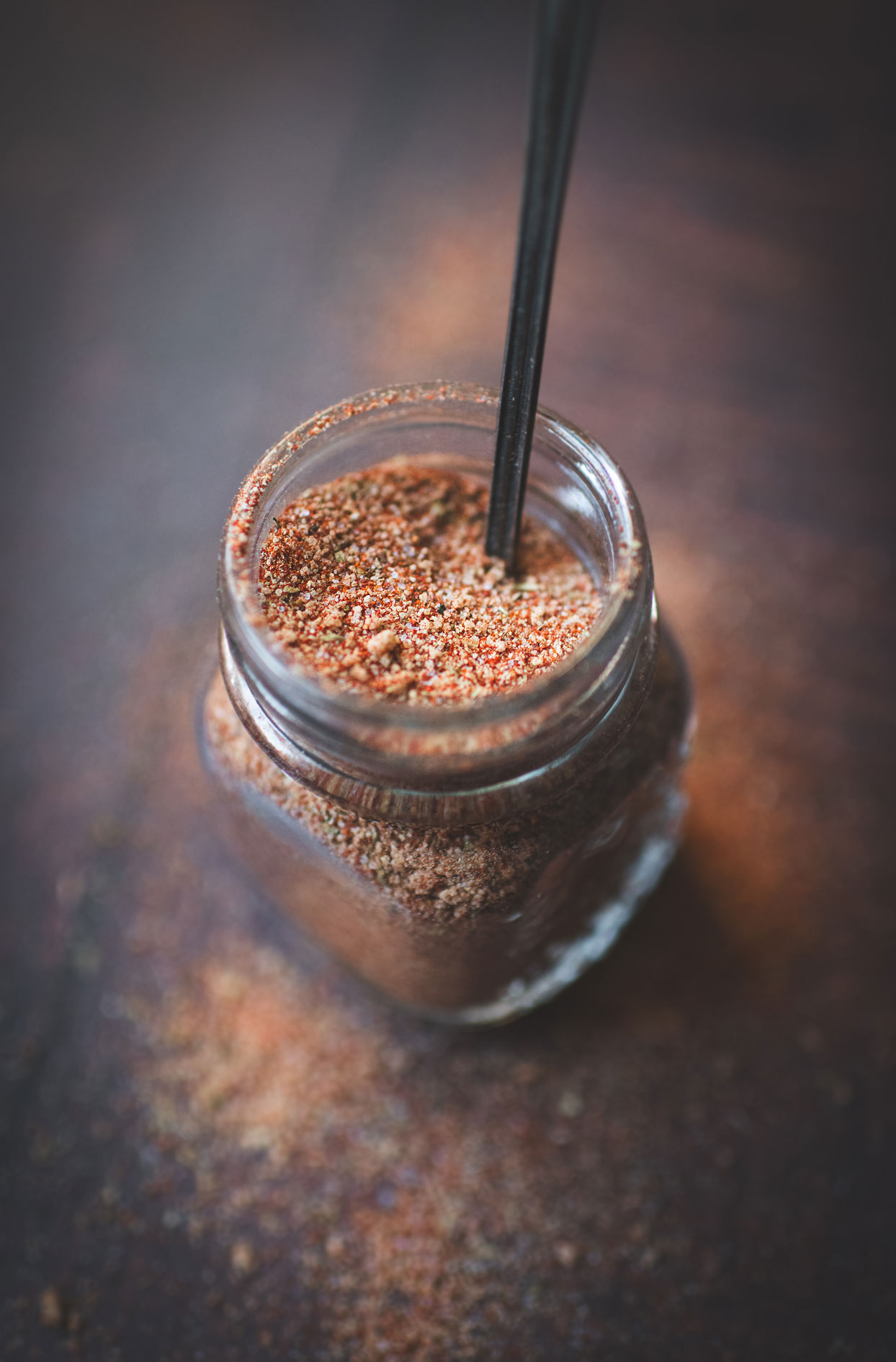
This homemade BBQ spice blend is the kind of recipe you keep jealously and pull out to impress guests during a summer barbecue, Canada Day celebration, or football tailgate. The brown sugar caramelizes with the heat and creates that irresistible golden crust, the smoked paprika brings depth, and the cayenne gives just enough heat to wake up the taste buds without burning them. In five minutes of preparation, you have a rub that transforms any piece of meat into something memorable.
🍖 A jar that lasts months and does everything
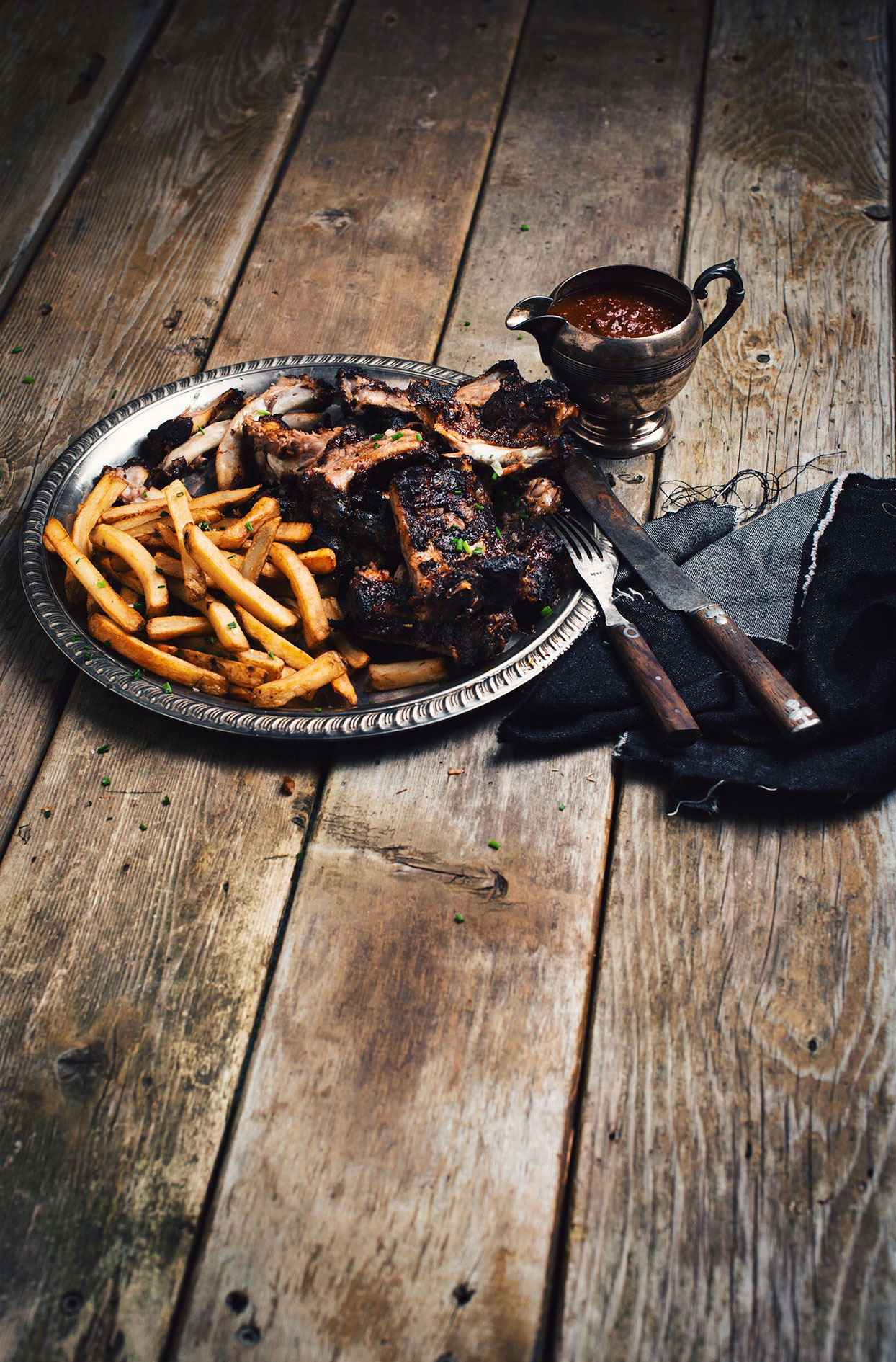
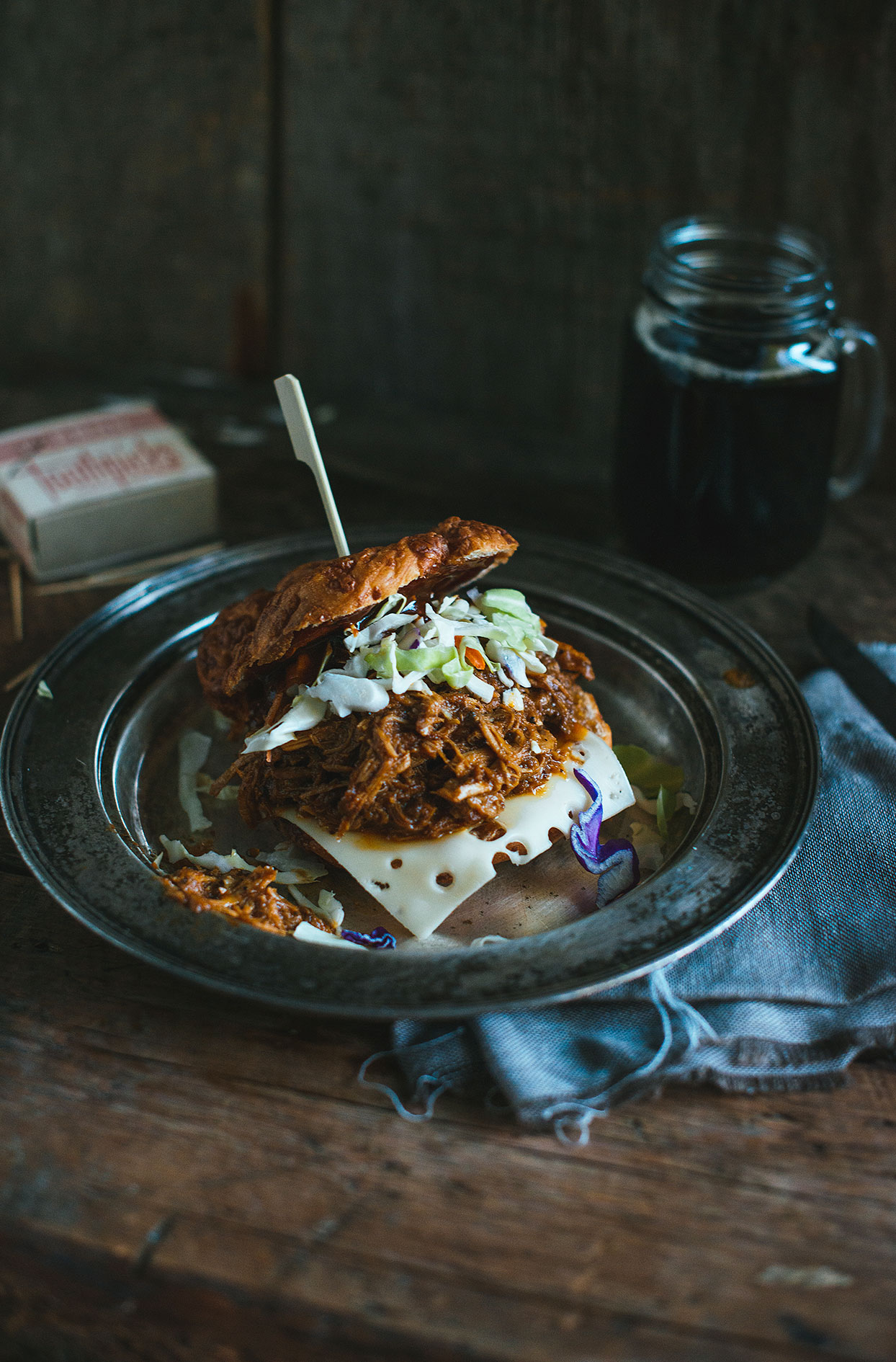
The beauty of this homemade BBQ spice blend is its absolute versatility. Pulled pork, ribs, chicken breasts, flank steak. Everything works. A tightly sealed jar in the pantry and you’re equipped for weeks of grilling without ever having to wonder. Rub generously, let rest at least 30 minutes (ideally 2 to 12 hours in the refrigerator), and let the fire do the rest. It’s the kind of smart shortcut that makes the difference between a decent BBQ and a legendary BBQ.
Ads
Ads
🔪 Break up all brown sugar lumps
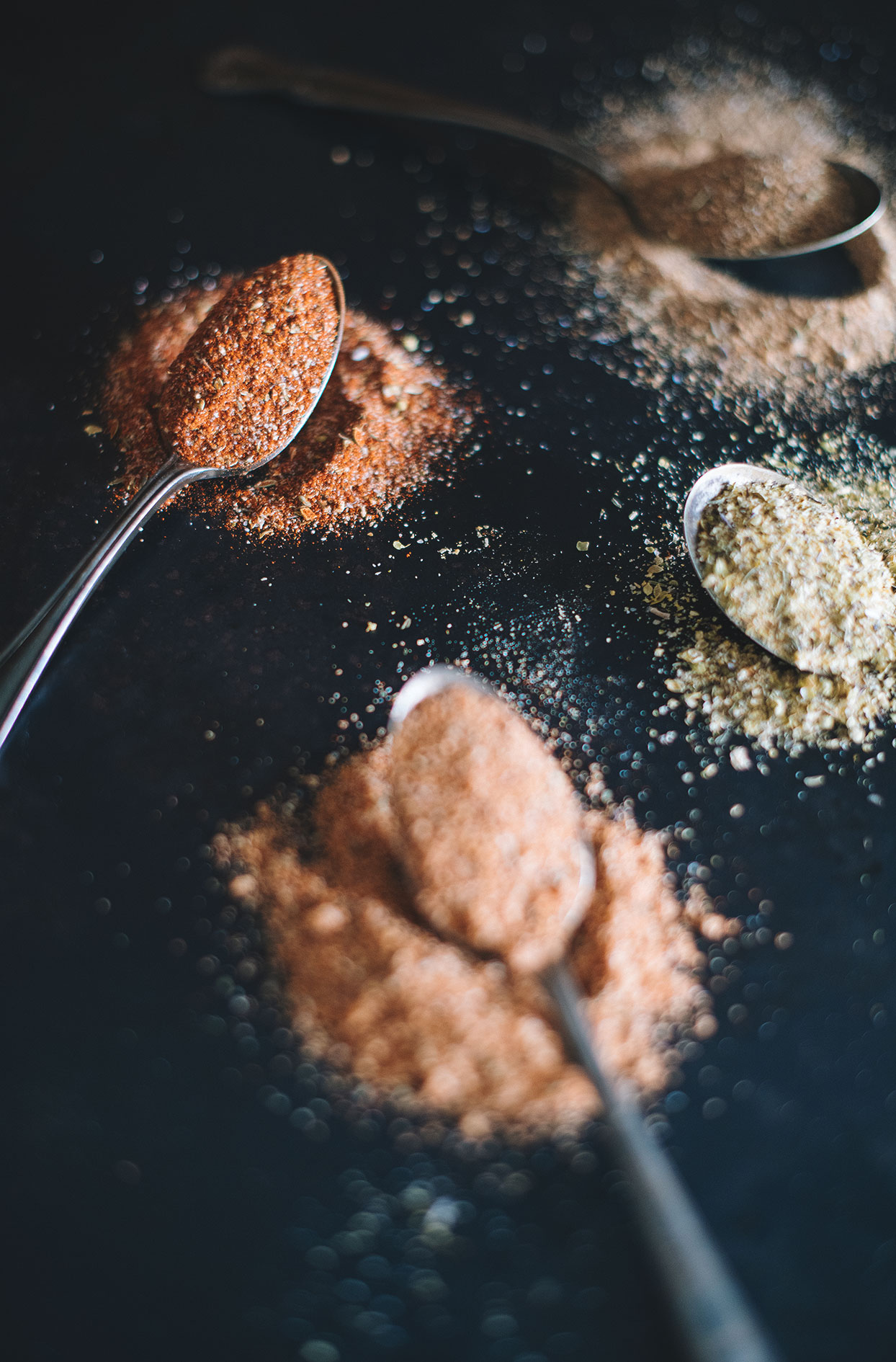
Brown sugar tends to form clumps that won’t distribute evenly on the meat. Taking the time to crush each lump with the back of a spoon or with your fingers guarantees a homogeneous blend. A fine-mesh strainer can also help sift the brown sugar before adding it to the other spices.
📐 Adjust cayenne according to your tolerance
The 1/4 tsp of cayenne gives a subtle heat in the background. For a bolder rub, increase to 1/2 or even 1 tsp. For children or sensitive palates, omit it completely. The rest of the blend has enough character to shine without the heat.
⏱ Let marinate longer for more flavor
Thirty minutes of rest is the minimum for the salt to start penetrating the meat. But 2 to 12 hours in the fridge allow the spices to really permeate the flesh and for the brown sugar to start drawing moisture to create that perfect crust when cooking. The longer, the better.
❄️ Store in a cool, dry place
This BBQ spice blend keeps easily 3 to 4 months in an airtight container at room temperature, away from heat and humidity. The brown sugar may harden over time. Simply crush the lumps before use. Label the jar with the preparation date.
🔥 Don’t salt the meat additionally
This blend already contains 1 tbsp of salt, which is sufficient to season the meat. Adding extra salt before or after cooking risks making the result too salty. Trust the rub’s ratio and let the spices do their work.
Ingredients
- 1/4 cup (55 g) of brown sugar (break up chunks)
- 1 tbsp (15 ml) of salt
- 2 tbsp (30 ml) of smoked paprika
- 1 tbsp (15 ml) of regular paprika
- 1 tbsp (15 ml) of ground black pepper
- 1 tbsp (15 ml) of dried oregano
- 2 tsp (10 ml) of garlic powder
- 1/2 tsp (2.5 ml) of mustard powder
- 1/4 tsp (1.25 ml) of cayenne pepper (or more, to taste)
Ads
Preparation
- Pour all ingredients into a bowl. Mix well until you obtain a uniform blend, crushing any brown sugar lumps with the back of a spoon if necessary.
- Transfer to a clean, dry airtight container. Keeps 3 to 4 months at room temperature, away from heat and humidity.
Absolutely. The oven at 375-400 °F gives excellent results, especially for chicken and pork. The brown sugar caramelizes the same way as on the BBQ. For more crust, finish under the broiler for 2 to 3 minutes.
Yes, but with moderation. Fish absorbs flavors quickly and the brown sugar can burn on delicate flesh. Use a light layer and reduce marinating time to 15-30 minutes maximum. Salmon and tuna handle spices better than white fish.
Of course. Multiply all ingredients proportionally and mix well. A large batch allows you to have rub on hand for the entire BBQ season. Store in Mason jars for perfect hostess gifts.
Smoked paprika (pimentón) is dried over wood fire, which gives it a distinct smoky flavor. Regular paprika is sweeter and fruitier. The combination of both in this BBQ spice blend gives complexity. The smoked for depth, the regular for color and sweetness.
About 1 to 2 tbsp per pound of meat, depending on thickness and your preferences. Ribs and pulled pork can handle a generous layer, while chicken and beef require a slightly lighter hand.
Ads
Ads
Ads
Ads
Ads