

Homemade multigrain bread
- Preparation 6 h
- Cooking 30 min
- Servings 2 loaves
- Freezing Absolutely
Ads
🍞 The bread that will ruin all other breads for the rest of your life
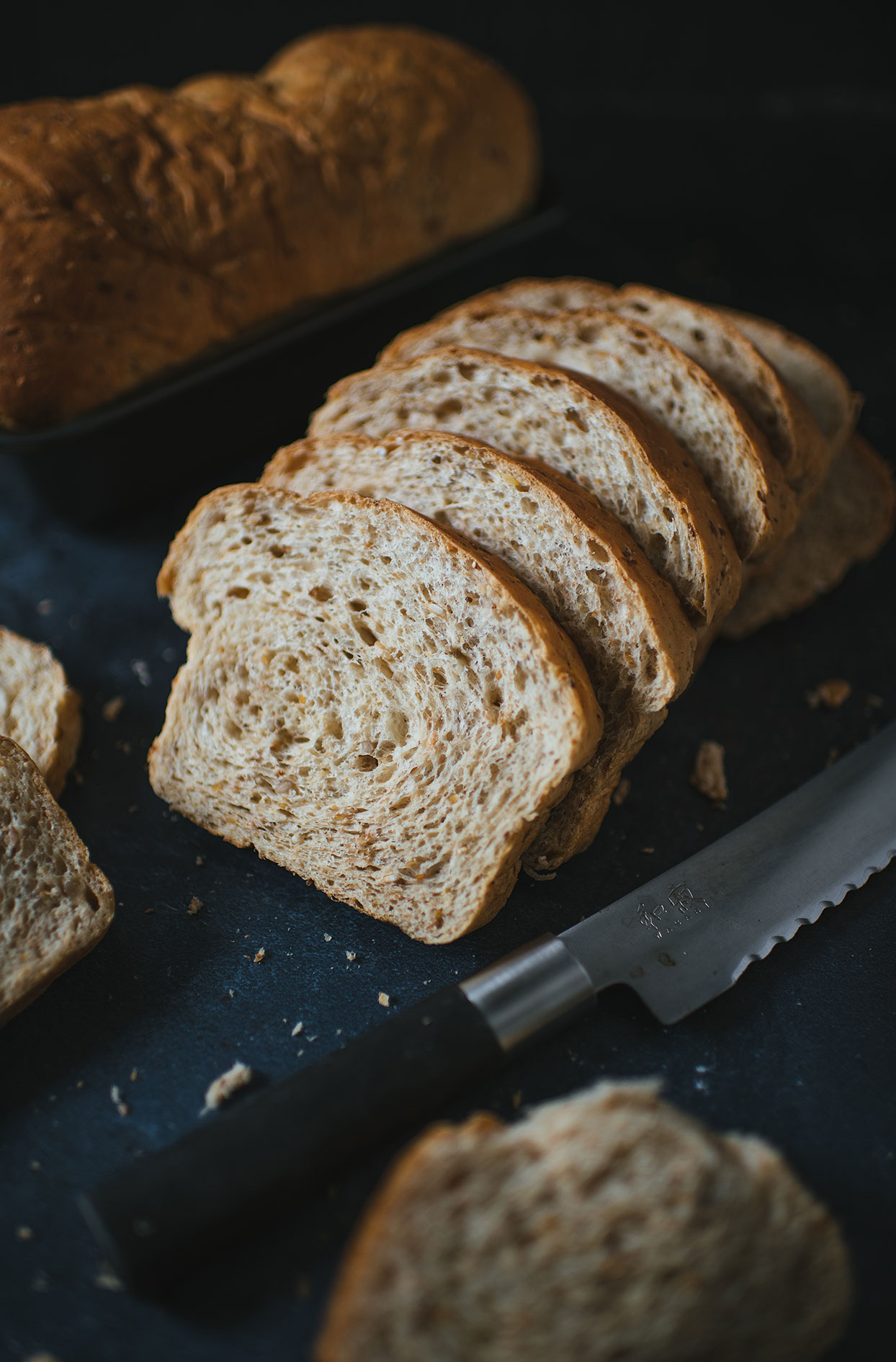
This homemade multigrain bread is the kind of Sunday project that transforms your kitchen into an artisan bakery. Yes, it takes 6 hours from start to finish. Yes, it’s worth every minute. A blend of spelt flakes, oats, quinoa, flax seeds and sunflower seeds creates a dense, soft and nutritious crumb that has absolutely nothing in common with industrial bread. Perfect for family brunch mornings, weekday lunches or simply toasted with butter on a lazy Sunday morning.
🥖 Two loaves, a week of happiness and a well-stocked freezer
The beauty of this recipe is that it yields two generous loaves. One for the week, one for the freezer. Sliced before freezing, this bread comes out one slice at a time and toasts directly from frozen. It’s the kind of recipe you make once a month and it covers all your homemade bread needs. Sunday meal prep, weekday sandwiches, morning toast. This bread does it all and does it better than anything else.
Ads


Ads
🔪 Let the water cool before adding the yeast
Boiling water kills yeast instantly. Waiting the full 20 minutes allows the water to drop to an ideal temperature around 110 °F that activates the yeast without destroying it. Properly activated yeast means bread that rises high and develops an airy crumb. Skipping this step results in dense, sad bread.
📐 The bread improver makes a real difference
This is not an optional ingredient. Fleischmann’s bread improver contains ascorbic acid and enzymes that improve the texture, volume and shelf life of the bread. Without it, the bread will be denser and won’t keep as long. It’s easily found in grocery stores in the flour aisle.
⏱️ Always proof in the oven (off) with the light on
The 45-minute first rise and the 2-hour second rise are non-negotiable, but they only work if the dough is in a warm enough environment. The absolute rule: place your bowl (or loaf pans) in the oven (turned off) with only the light on. The bulb generates a gentle, constant warmth around 24-27 °C (75-80 °F) that guarantees a perfect rise, regardless of season or kitchen temperature. A cold kitchen = fermentation that won’t rise and bread that comes out compact, dense and flat. Bonus: place a cup of boiling water at the bottom of the oven at the same time to boost ambient humidity (≈ 75 %) — maximum oven spring guaranteed, especially for dense doughs like multigrain.
❄️ Slice before freezing for easy access
The key to convenient frozen bread is slicing it before putting it in the freezer. Each slice separates easily and goes directly into the toaster without thawing. Wrapping the slices in a freezer bag while removing the air extends freshness up to 3 months without altering taste or texture.
🔥 Check the internal temperature for perfect baking
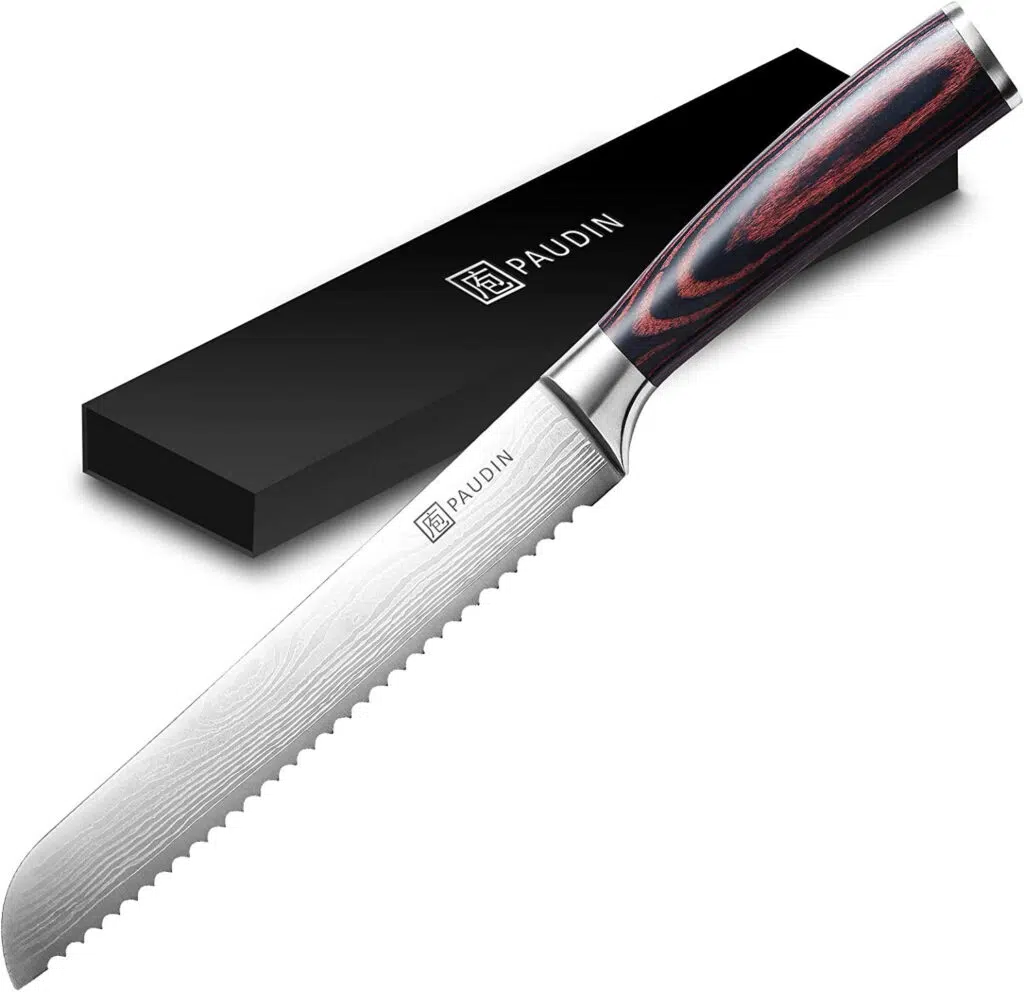
A golden-surfaced bread can be raw in the center. The only way to ensure perfect baking is to verify that the internal temperature reaches 190 °F. An instant-read thermometer is the most useful tool for home baking. Insert it in the center of the loaf for an accurate reading.

Ads
Multigrain mix
- 1/4 cup (60 ml) spelt flakes
- 1/4 cup (60 ml) quick-cooking oat flakes
- 1/4 cup (60 ml) whole oats
- 1/4 cup (60 ml) quinoa
- 1/4 cup (60 ml) flax seeds
- 1/4 cup (60 ml) unsalted sunflower seeds, shelled
Ingredients
- 1 3/4 cups (435 ml) boiling water
- 1 cup (250 ml) multigrain mix
- 3 tbsp. (45 g) packed brown sugar
- 2 tsp. (16 g) active dry yeast
- 3 tbsp. (45 ml) vegetable oil
- 2 cups (345 g) unbleached bread flour
- 1 1/3 cups (220 g) whole wheat flour
- 3 tsp. (16 g) Fleischmann’s bread improver
- 1 1/2 tsp. (16 g) salt
- All-purpose flour for the work surface
- Vegetable cooking spray (PAM style)
Ads
Preparation
- In a large airtight container, combine all the multigrain mix ingredients. Close and shake for 1 minute.
- In a large bowl, pour the boiling water and let cool for 20 minutes. Add 1 cup of multigrain mix, stir and let rest for 5 minutes.
- Add the brown sugar and yeast, mix well to dissolve the sugar. Let rest for 7 to 10 minutes, until the mixture starts to foam. Add the vegetable oil.
- In the bowl of a stand mixer, combine the bread flour, whole wheat flour, bread improver and salt, then mix.
- Add the yeast mixture to the bowl and knead with the dough hook for 4 minutes. You can also knead by hand. Add a little flour if the dough sticks too much.
- Place the ball in a large bowl greased with cooking spray and cover with plastic wrap. Place the bowl in the oven (turned off) with only the light on and let rise for 45 minutes, until the ball has doubled in size.
- Punch the dough to release the air and place on a floured work surface. Knead 20 times then cut into two equal parts.
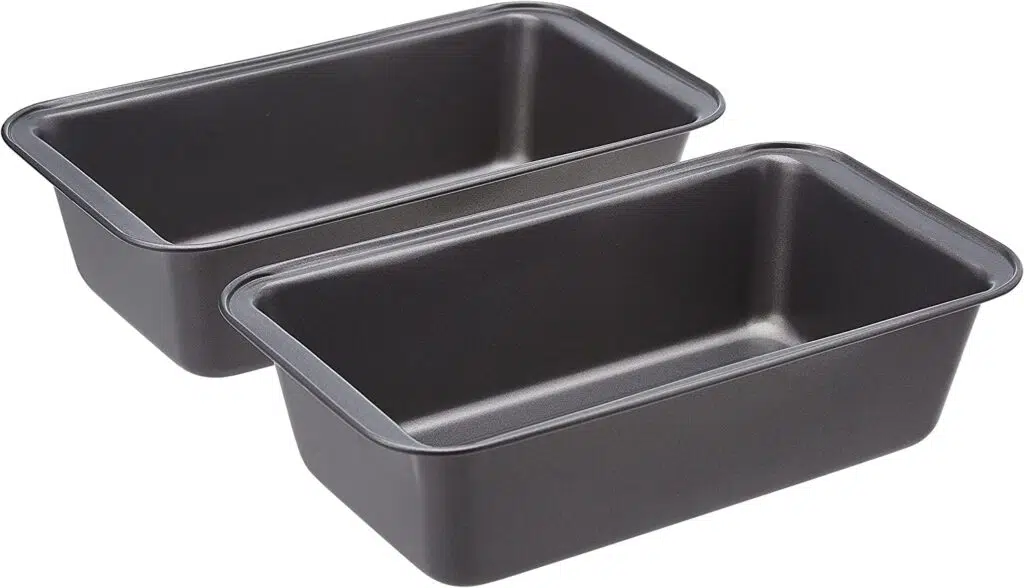
- Grease two loaf pans with cooking spray.
- Using a rolling pin, roll out the two pieces to the width of the loaf pans and about 30 cm long.
- Roll tightly from bottom to top, pinch the seams and flip so the seams are underneath. Also fold the ends slightly underneath and place in the loaf pans.
- Cover with a very damp dish towel and place the loaf pans in the oven (turned off) with only the light on to create constant warmth around 25 °C (77 °F). Let rise for about 2 hours, until the bread rises dramatically. A cold kitchen = fermentation that won’t rise.
- Preheat the oven to 350 °F (175 °C).
- Gently place the loaves in the oven on the center rack and bake for about 30 minutes or until the internal temperature reaches 190 °F (88 °C).
- Let cool for 1 hour before unmolding. Place on a rack and let cool for 2 hours before slicing. Keeps for about 1 week in an airtight bag and freezes wonderfully once sliced.
Absolutely. The mix is flexible according to your preferences or what you have on hand. Chia seeds, pumpkin seeds, oat bran or even millet work very well. Keep the same total volume of 1 1/2 cups for the complete mix.
Yes. Knead by hand for 8 to 10 minutes until the dough is smooth and elastic. It’s good exercise and the result is identical. The dough is ready when it springs back after being pressed with your finger.
At room temperature in an airtight bag, the bread keeps for about 1 week. In the freezer, it stays fresh for up to 3 months. Never refrigerate bread, as the cold accelerates staling.
Yes, you can substitute instant yeast for active dry yeast at a 1:1 ratio in almost any recipe. Instant yeast is more potent and acts faster, so you may need to reduce rise times by 10–15 minutes. You can mix it directly into the flour without pre-dissolving it in water.
The most common causes are dead yeast (check the expiration date), water that was too hot and killed the yeast, or a location that was too cold during rising. Always make sure the mixture foams after 10 minutes before continuing.
Ads
Ads





Ads
Ads
Ads