

Veal Osso Buco Recipe (Milanese-Style)

with l'épicier
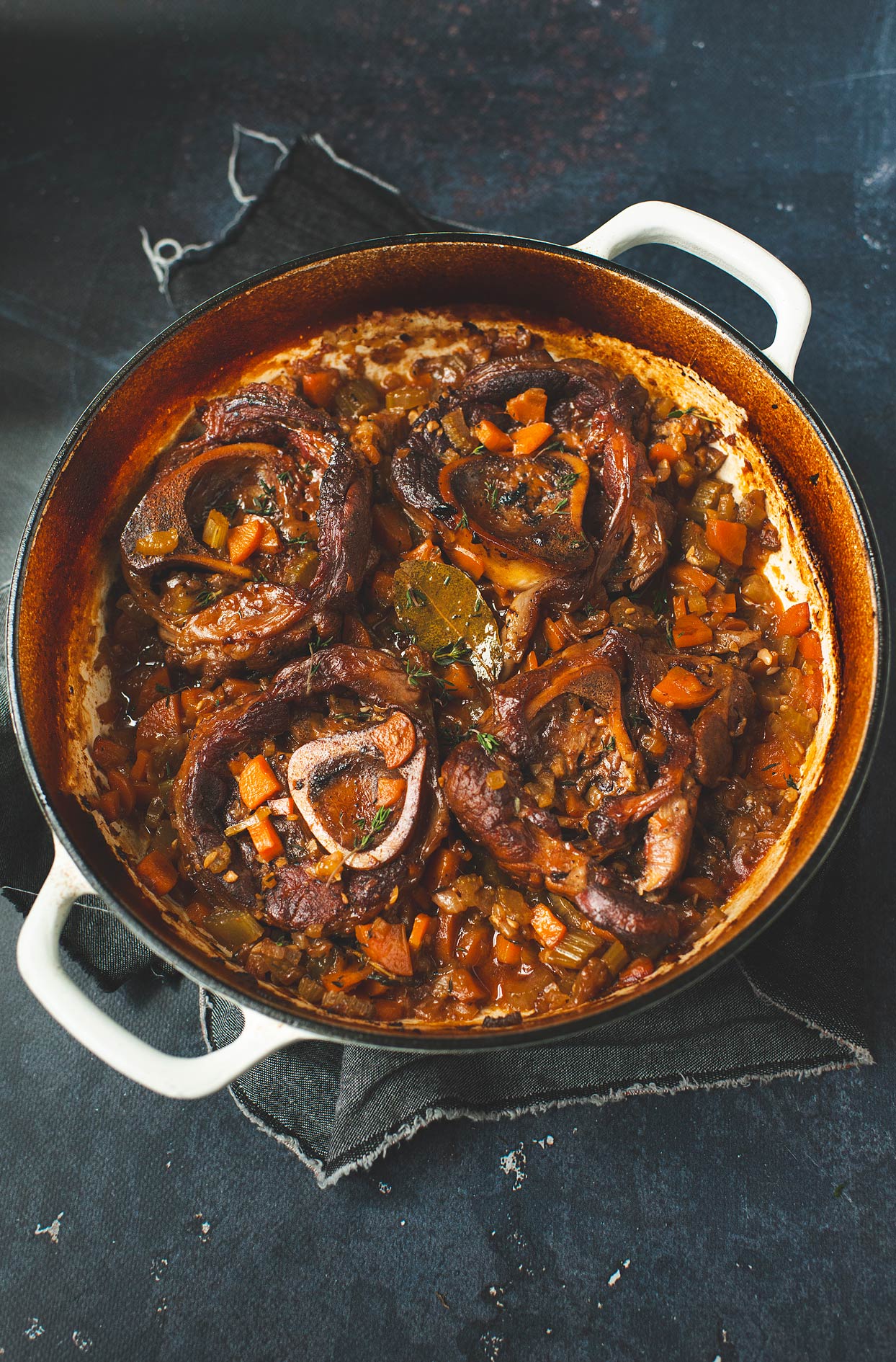
- Preparation 25 min
- Cooking 3 h 20 min
- Servings 4
- Freezing Absolutely
Ads
🍖 The veal shank that makes the whole table say wow!
Veal shank slices braised for three hours in the oven, until the meat falls off the bone on its own. A white wine sauce that reduces by itself, a lemon gremolata that wakes everything up at the last minute, and the marrow in the middle of the bone, eaten with a little spoon. When I served it, people just said “wow”. It was seriously that good!
🍋 Milanese-style, with white wine and gremolata
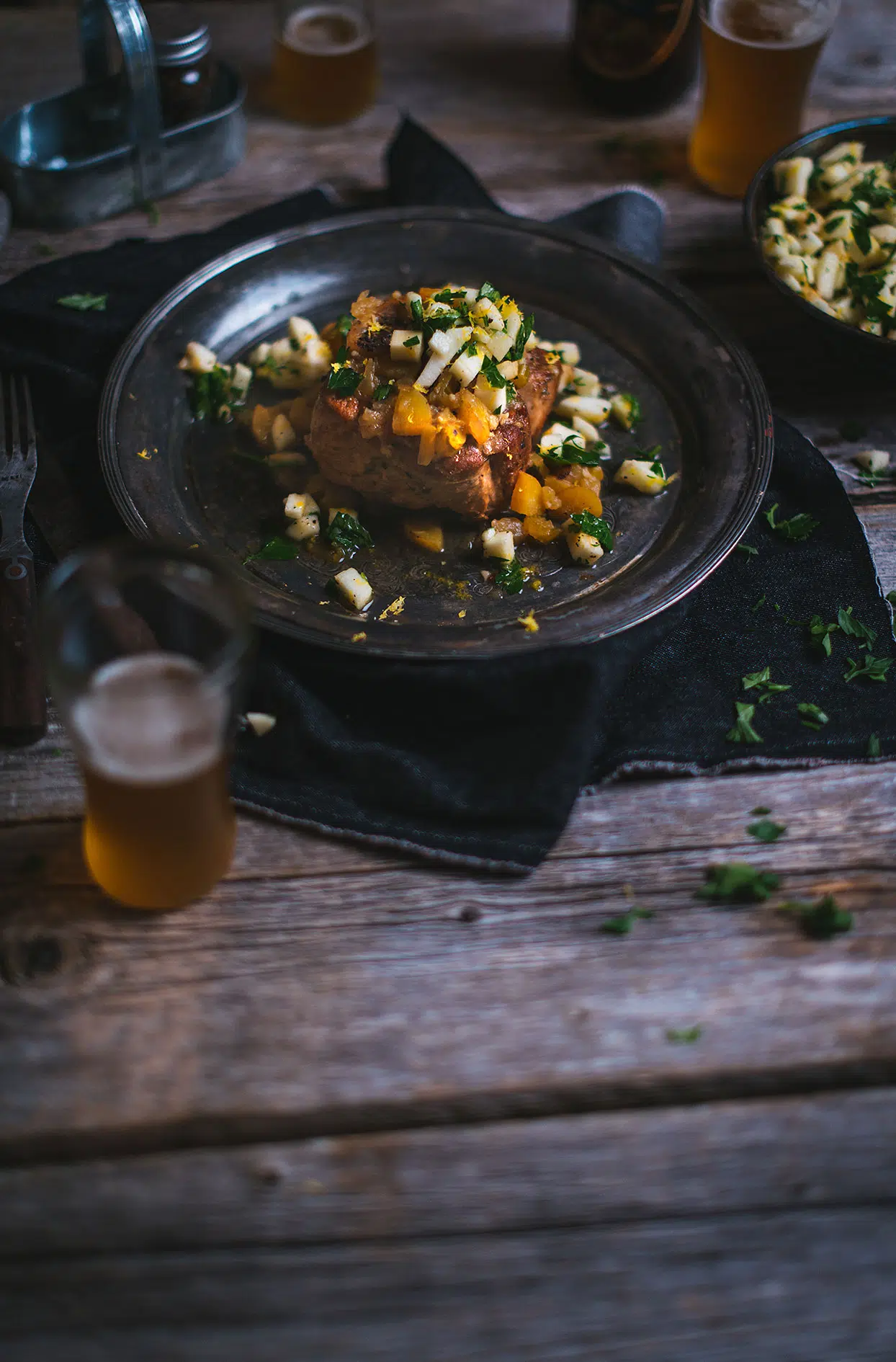
I wanted a veal version. My two other osso buco recipes are pork, and this one follows the Milan way: white wine leads, with just a spoonful of tomato paste for colour. At the end, a gremolata of parsley, lemon zest and raw garlic cuts through the richness of the shank and the marrow. It is lighter than the version most people know, and honestly, it is unreal.
⏱️ Three hours in the oven, and the oven does the work
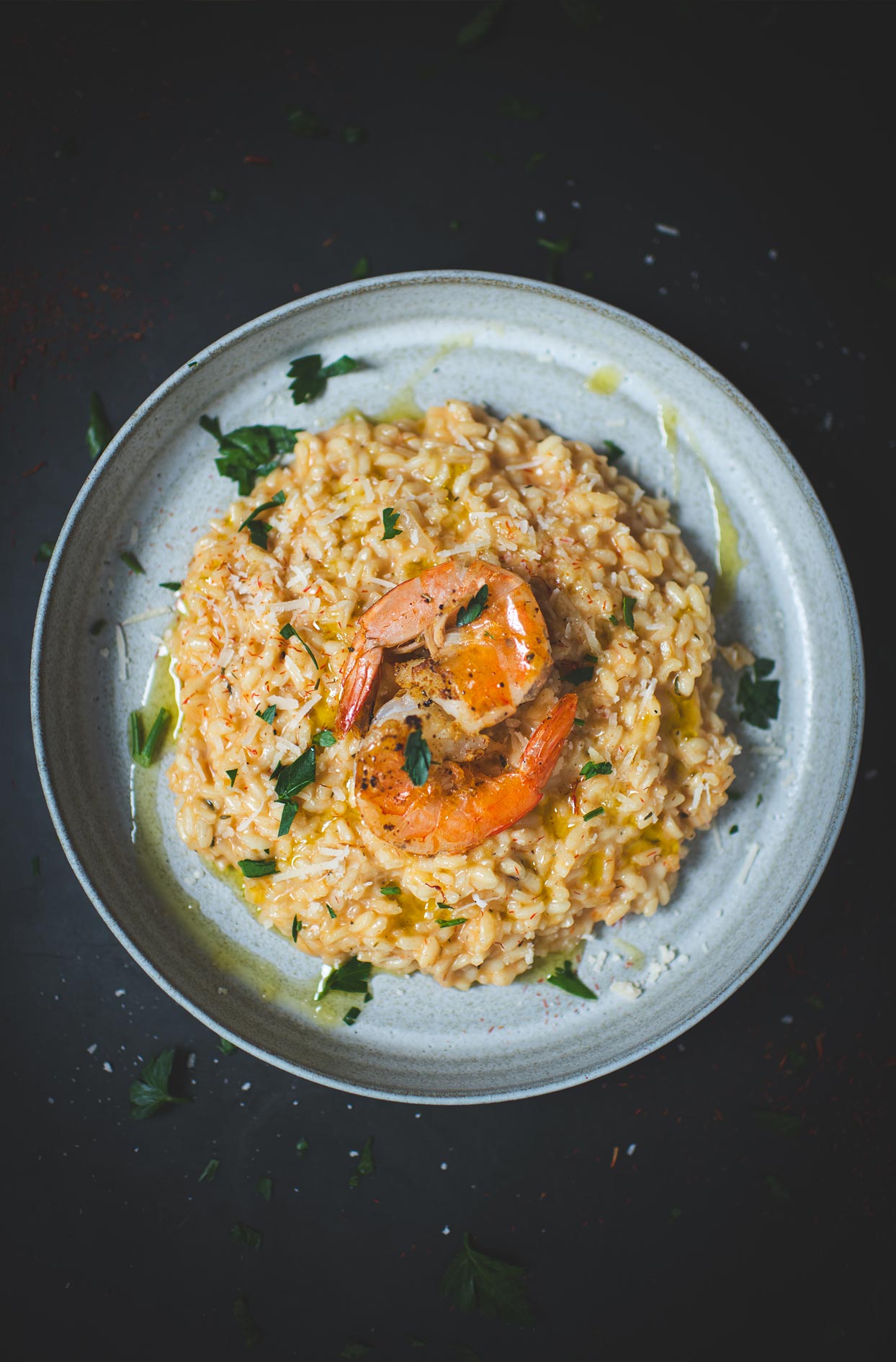
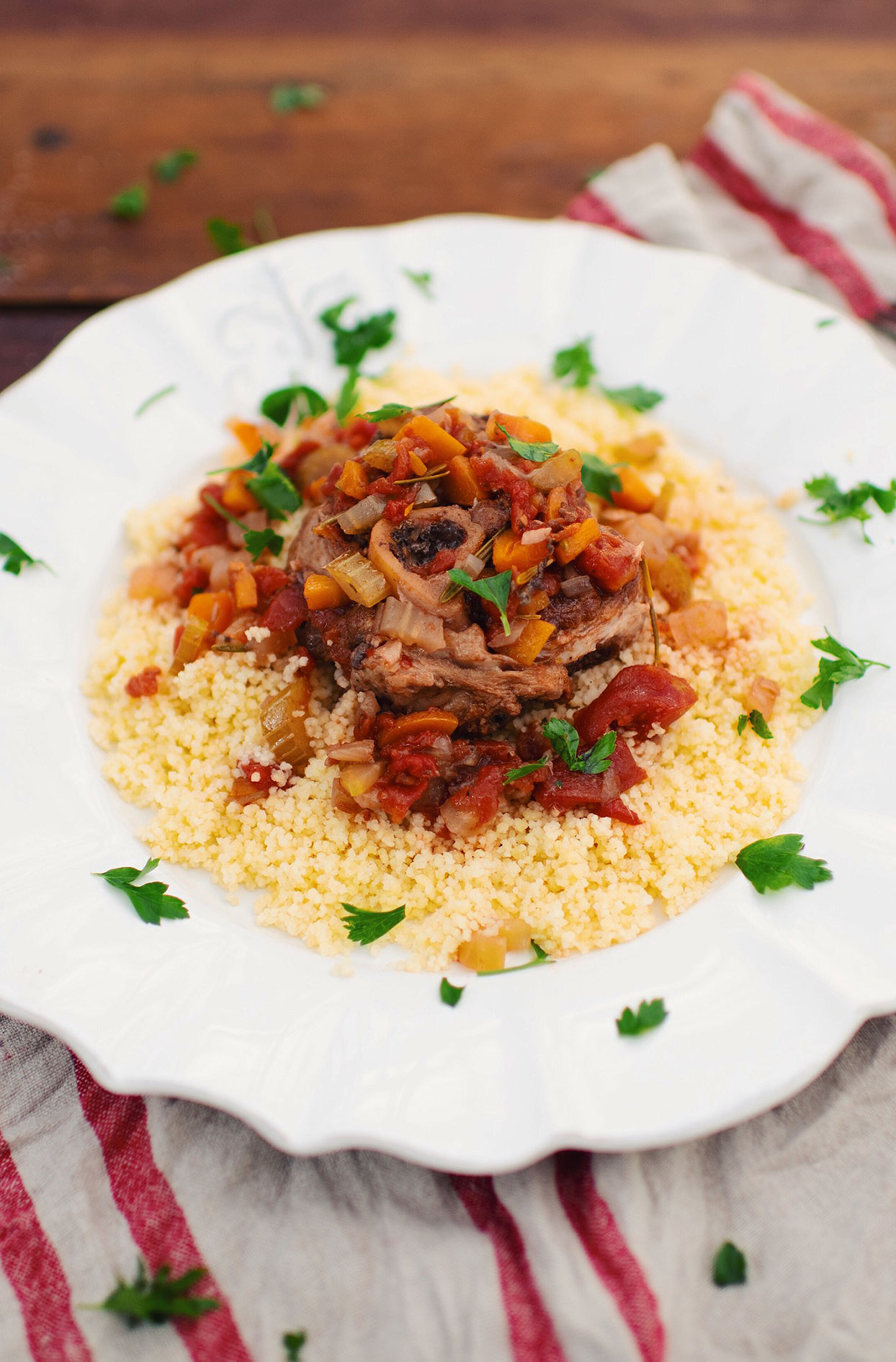
You brown the shanks, soften the vegetables, pour in the wine and the stock, and forget the pot in the oven for three to three and a half hours. No babysitting. I serve it with my saffron risotto, the Milanese way, or over mashed potatoes. It is the perfect dish for a dinner that is a little out of the ordinary.
Ads
Ads
🧵 Score the membrane and tie your slices
I didn’t, and I really should have. A veal shank, like a lamb shank, is thinner than you’d think, and when you sear it, the membrane around it tightens and the slice curls up. Make three or four small cuts in the membrane and run butcher’s twine around each slice. Your slices will look much better. Lesson learned. The twine also keeps the meat tight against the bone during the long hours of cooking.
⏱️ Three to three and a half hours, veal or beef
That’s the time it takes, whether you use veal or beef shank. The test is the fork: the meat should pull away from the bone without any effort. If it resists, put the pot back in the oven and check again in half an hour. A shank is a muscle that works hard, full of tissue that needs time to melt. That’s what makes the sauce silky and the meat tender.
🥕 One carrot, one celery stalk, no more
The first time I used two of each, and I found there was a bit too much in the sauce. One carrot and one stalk of celery give flavor without crowding the meat. Cut them in tiny dice: they melt into the sauce as it cooks and give it body. Cook them in the same pot as the shanks to take advantage of the browned bits left on the bottom.
🍷 A dry white wine you’d drink
I always use a dry white wine that’s good to drink, never a sweet one. It reduces by half before the braise, so its flavor stays in the sauce. A sweet wine would give a sauce that tastes like syrup, while a dry wine brings acidity to balance the richness of the veal and the stock. Pour it in right after the tomato paste and scrape the bottom of the pot well.
🥣 Veal stock, even better
Veal stock gives an even rounder sauce. A good beef broth also does the job just fine. Veal stock has more body because it comes from veal bones and tissue: it leaves a slightly sticky feel on the lips once the sauce has reduced. With broth, you’ll have a slightly lighter sauce, but just as tasty with the juices from the shanks.
💧 The sauce reduces on its own
Mine reduced so well during the three hours in the oven that I didn’t even need to reduce it at the end. Look at it and taste it first: if it already coats a spoon, go straight to the butter. If it’s still runny, boil it for a few minutes over medium-high heat. Add the butter off the heat, so it blends into the sauce and makes it glossy.
🥩 Veal shank, from the butcher
I found mine at the butcher. It’s often sold vacuum-packed, already sliced. Ask for slices about 1 ½ inches thick. If they’re too thin, they fall apart before the cooking is done and the marrow escapes. Choose slices of the same thickness so they all cook at the same time, and make sure each slice has its bone in the center.
🦴 The marrow is the best part
In the middle of the bone is the marrow. You eat it with a little spoon, and at our table it got the biggest reaction. It turns soft and rich as it cooks, a bit like butter. Serve it with a small piece of bread or a spoon right on the plate of whoever wants it. Whatever you do, don’t throw it out when you take off the twine.
📅 Make-ahead prep
The day before, dice your vegetables, score and tie your shanks, and keep everything in the fridge. On the day, all you have to do is brown and braise. Osso buco is also very good the next day: it keeps 3 to 5 days in the fridge in its sauce, and it absolutely freezes. Make the gremolata right before serving.
✅ What to serve with my veal osso buco
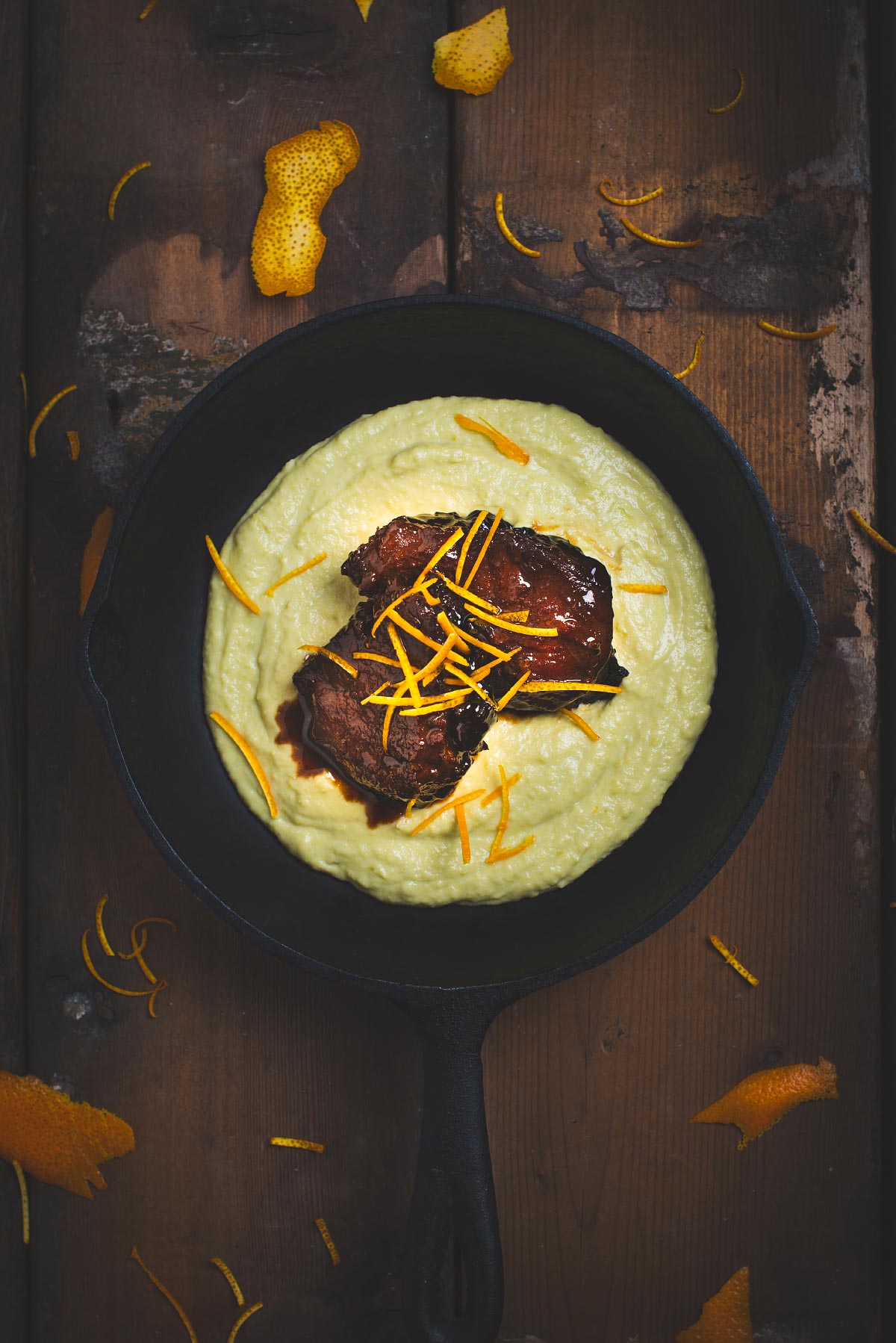
The Milanese way, with my risotto alla Milanese. Mashed potatoes work great too, to soak up all the sauce. If you love braises, try my orange-braised veal cheeks. And for a pork version, I have my pork osso buco with port and tomatoes and my braised pork shank osso buco with apples.


Ads
Osso buco
- 4 veal shank slices, 1 ½ inches (4 cm) thick, about 2 ½ to 3 lb (1.2 to 1.4 kg)
- ¼ cup (60 ml) all-purpose flour
- 2 tbsp (30 ml) olive oil
- 2 tbsp (30 ml) butter, divided
- 1 yellow onion, finely diced
- 1 carrot, finely diced
- 1 celery stalk, finely diced
- 3 garlic cloves, finely chopped
- 1 tbsp (15 ml) tomato paste
- 1 ½ cups (375 ml) dry white wine
- 2 cups (500 ml) veal stock or beef broth
- 2 sprigs fresh thyme
- 2 bay leaves
- Salt and freshly ground pepper
Gremolata
- ½ cup (125 ml) fresh parsley, finely chopped
- Zest of 1 lemon
- 1 small garlic clove, grated
- 1 tbsp (15 ml) olive oil
Ads
Preparation
- Preheat the oven to 325°F (160°C), with the rack in the center.
- Make three or four small cuts in the membrane around each shank slice. Tie each slice around the outside with butcher’s twine so the meat stays attached to the bone. Pat the meat dry, season with salt and pepper, then dredge in flour and shake off the excess.
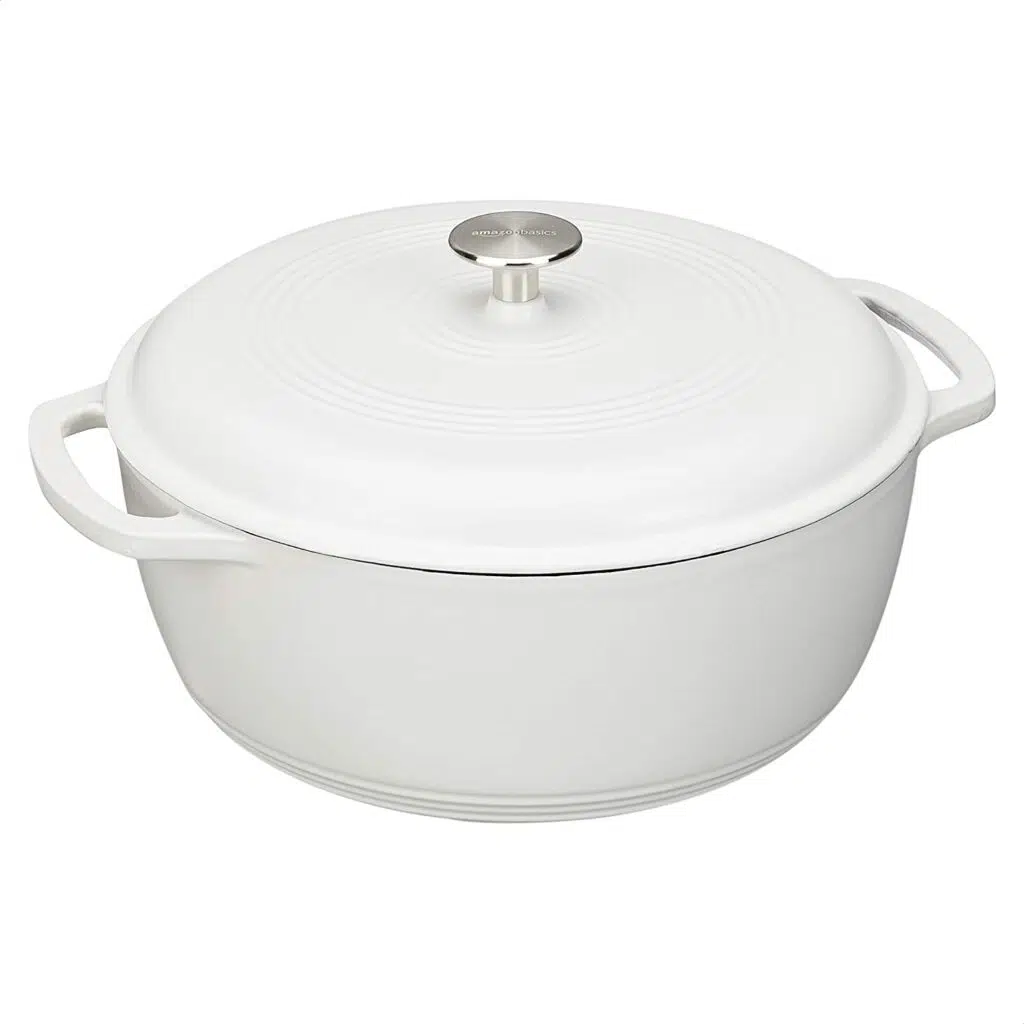
- In an ovenproof Dutch oven, heat the oil and 1 tbsp (15 ml) of the butter over medium-high heat. Brown the shanks for 3 to 4 minutes per side. Set aside on a plate.
- Lower the heat to medium. In the same pot, cook the onion, carrot and celery for 5 to 6 minutes, until the onion is translucent. Add the garlic and tomato paste and cook for 1 minute, stirring.
- Pour in the white wine and scrape the bottom of the pot. Let it reduce by half, about 5 minutes. Add the veal stock, thyme and bay leaves.
- Return the shanks to the pot. The liquid should come two thirds of the way up the meat. Cover and bake for 3 to 3 ½ hours, until the meat pulls away from the bone with a fork.
- Meanwhile, mix all the gremolata ingredients in a small bowl.
- Transfer the shanks to a serving dish and remove the twine. Remove the thyme and bay leaves. The sauce has usually reduced enough in the oven; if it is still too thin, let it reduce for a few minutes over medium-high heat. Off the heat, stir in the remaining butter and adjust the seasoning.
- Spoon the sauce over the shanks and top with gremolata.
Traditionally, veal shank cut crosswise with the bone in. The name is Italian for “bone with a hole”: it’s the shank bone, with the marrow in the middle. It can also be made with pork, like my pork osso buco with port and tomatoes.
The Milan version is made with white wine, little or no tomato, and finished with a gremolata of parsley, lemon zest and garlic. It’s classically served over saffron risotto. The very tomato-heavy version most people know comes from further south in Italy.
3 to 3 ½ hours at 325°F, in a covered Dutch oven, for slices about 1 ½ inches thick. It’s ready when the meat pulls away from the bone with a fork.
Absolutely. Freeze the shanks in their sauce. It’s also very good the next day, gently reheated. Make a fresh gremolata when you serve it.
Saffron risotto, the Milanese way, or mashed potatoes. Try it with my risotto alla Milanese.
Ads
Ads


Ads
Ads
Ads