

The best traditional Greek salad

- Preparation 15 min
- Servings 4
- Freezing I do not suggest
Ads
🧀 My secrets: feta in blocks, English cucumber, no lettuce
Three non-negotiable choices make all the difference in this recipe. The feta ALWAYS in blocks from the brine (never pre-crumbled from the store. The texture is completely different), and NEVER low-fat which crumbles weirdly. The ENGLISH cucumber specifically for its thin skin and less bitter taste than regular cucumbers. And above all NO LETTUCE. This is a real Greek salad, pure and traditional, where all the vegetables shine on their own. The feta is cut into generous dice in the mix, and a little crumbled is added as final garnish for texture and presentation.
🍴 BBQ side, main course, legendary summer lunch
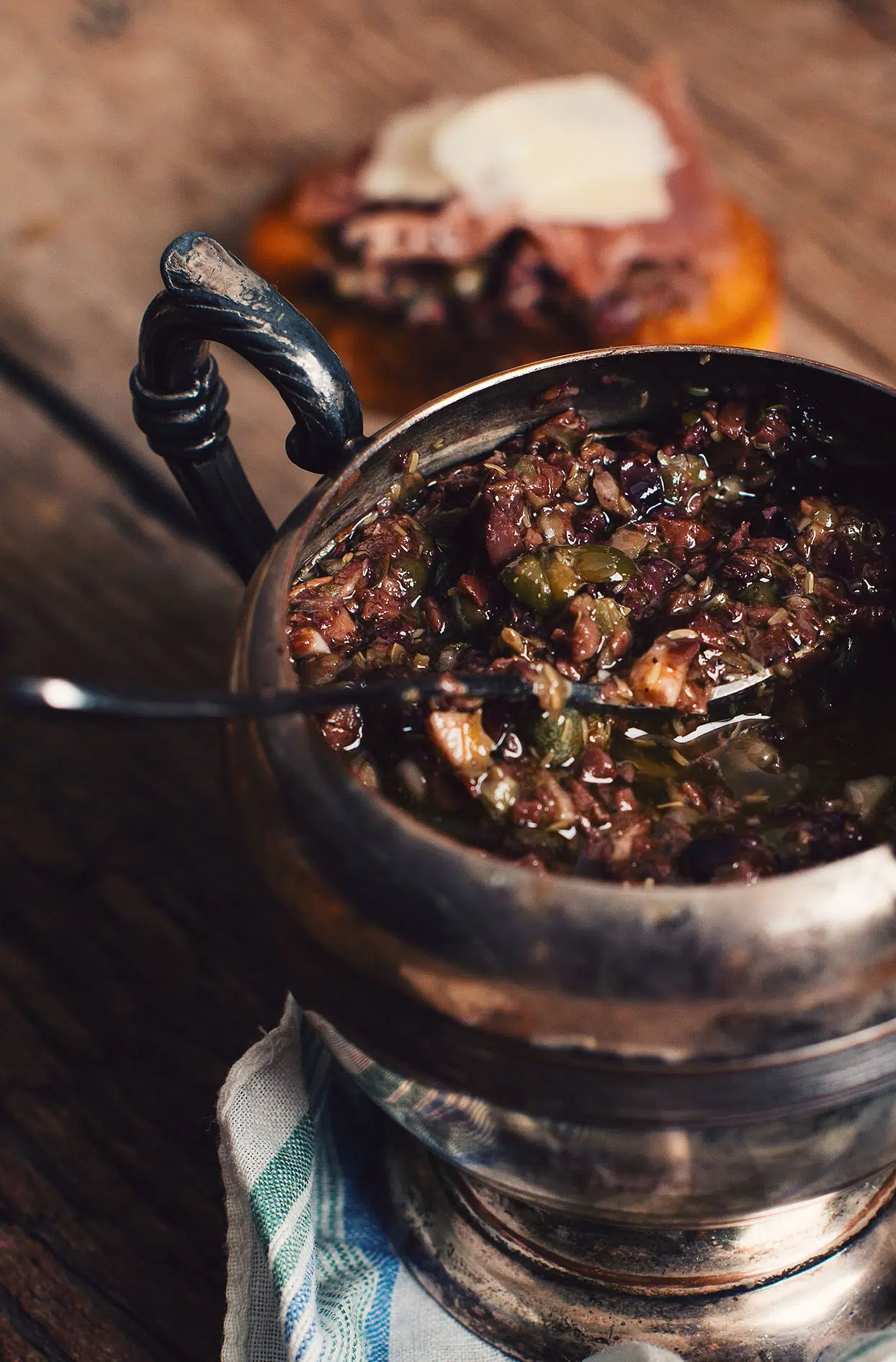
This is exactly the kind of versatile recipe you want in your summer repertoire. Perfect side for my grilled meats, my grilled rack of lamb with kalamata olive and herb tapenade or any summer BBQ. You can transform it into a main course by adding grilled chicken, shrimp, sliced lamb, grilled chickpeas, croutons or grilled pita. And for a legendary summer lunch, serve it with a good baguette and a little cheese on the side. It’s completely insane. Bonus of this recipe: the homemade Greek dressing also goes on any other salad you make, and you can even marinate chicken breasts in it for a full Greek combo.
Ads
Ads
🧀 Block feta in brine, NEVER pre-crumbled
This is the non-negotiable point of this recipe. Feta sold in blocks in brine has a perfect creamy-crumbly texture, unlike pre-crumbled store-bought feta which is dry and bland. And above all, always get regular feta. Never low-fat feta, which crumbles weirdly and loses all its structure. You cut the block into generous dice yourself and reserve a little to crumble for finishing.
🥒 ENGLISH cucumber specifically
English cucumber has thin skin and is much less bitter than regular cucumber. You don’t need to peel it (the skin brings color, texture and nutrients) and there are fewer seeds inside. It’s the superior choice for a self-respecting Greek salad.
🚫 NO lettuce. Pure traditional Greek salad
This is the most common mistake in North American versions: adding lettuce. The real traditional Greek salad (“horiatiki” in Greece) is ONLY the vegetables, feta, olives and dressing. No lettuce, no croutons, no chicken. Pure and simple. It’s this purity that makes each ingredient shine.
🍇 Good quality red wine vinegar
For the dressing, go with a red wine vinegar from a recognized brand, not some dubious generic product. You’re going to taste the vinegar directly in the salad. Quality matters. Avoid vinegars that are too acidic or too sweet.
🥄 Touch of Dijon to bind
I add just 1 tsp of Dijon mustard to the dressing. It’s what binds all the other ingredients and perfectly flavors the whole thing. Not enough to taste the mustard directly, just enough to emulsify and give that signature coating texture that sticks to the vegetables.
⚖️ Mistake #1: too much dressing at once
The classic mistake. Start by pouring about HALF the dressing, mix gently, taste, then add more as needed. Personally I use about three quarters of the dressing. But it depends on taste. Too much dressing = soggy salad. Too little = flat flavors. Balance comes in stages.
🥢 Mix gently, feta is fragile
When you mix the salad with the dressing, go gently with a spoon or two forks. No rough movements. Otherwise the feta dice fall apart and you end up with creamy mush instead of nice intact cubes. You want each ingredient to remain visually intact.
🥖 To transform into a complete meal
Add sliced grilled chicken, sautéed shrimp, sliced lamb, grilled chickpeas, homemade croutons or grilled pita to transform the salad into a main course. For a legendary summer lunch, serve with a good baguette and a little cheese on the side.
🍶 Versatile Greek dressing. Bonus
The leftover dressing (and you’ll have some with my ¾ cup to taste) goes on any other salad you make and it’s delicious. You can even marinate chicken breasts in it for 30 minutes to 1 hour before grilling for a full Greek combo. It keeps 1 to 2 weeks in the fridge in an airtight jar.
❄️ Storage
Assembled salad: 1 to 2 days maximum in the fridge (the cucumber releases water and the salad gets slightly soggy, but remains good). Dressing separately: 1 to 2 weeks easy in the fridge. You can prep all the vegetables the night before and keep them separately, then assemble with the dressing just before serving for optimal results.
✅ What to serve with my best traditional Greek salad?
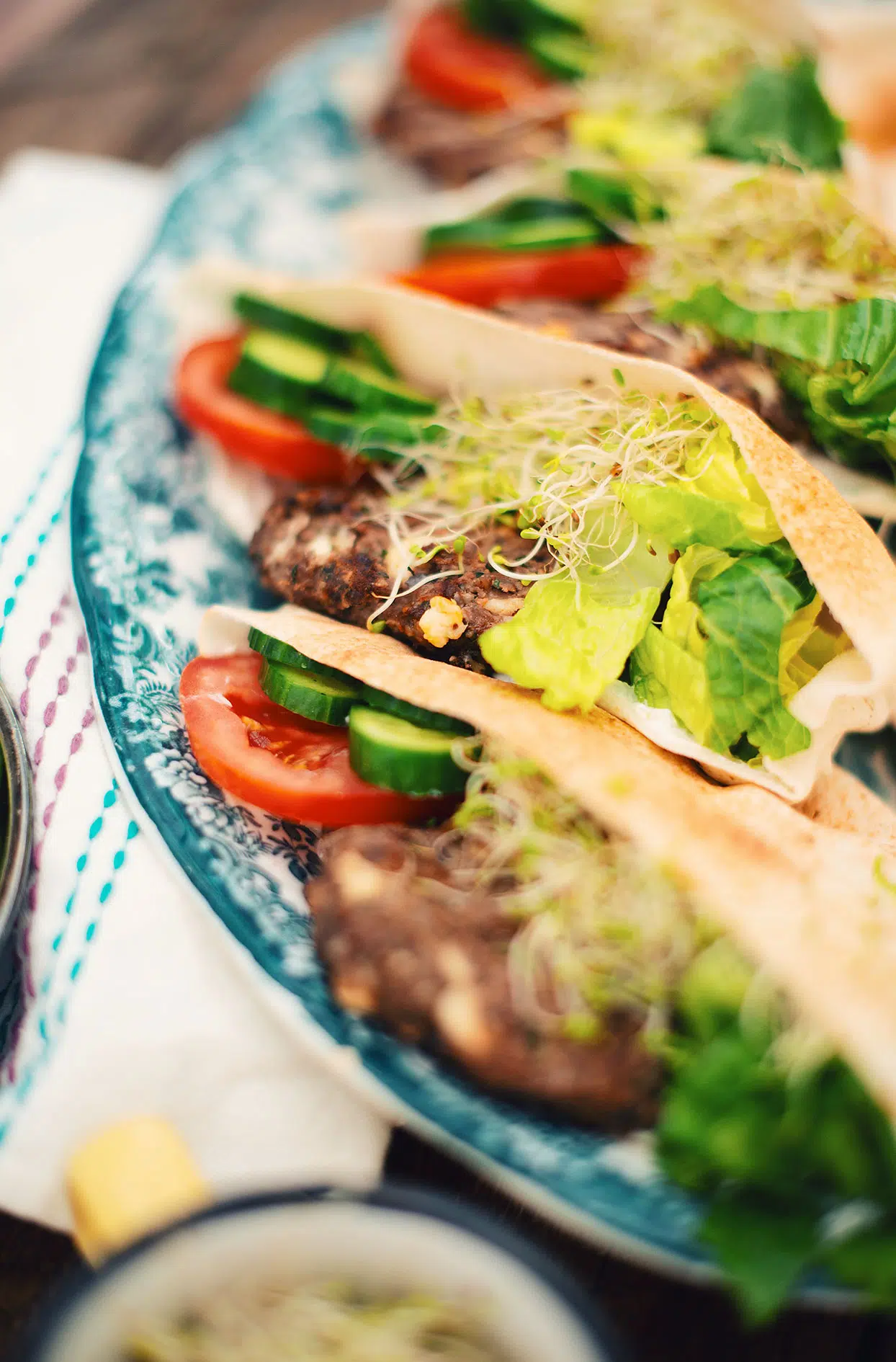
This salad is the ultimate Mediterranean side. Serve it with my Grilled rack of lamb with Kalamata olive and herb tapenade to push the Greek theme all the way, with my Mediterranean kefta lamb burgers on grilled pita for a complete Greek meal, with my Kalamata olive tapenade as appetizer before, or with my bbq ribs for a classic summer BBQ with a Mediterranean twist.

Ads
Salad
- 1 English cucumber, diced
- 1 pint (500 ml) cherry tomatoes, halved
- 1 green bell pepper, diced
- ½ red onion, thinly sliced
- 1 cup (250 ml) pitted Kalamata olives, halved
- 150 g block feta (in brine), cut into generous dice
- Salt and freshly ground black pepper
Greek dressing
- ⅓ cup (80 ml) good quality red wine vinegar
- Juice of 1 lemon
- 1 tsp (5 ml) Dijon mustard
- 2 garlic cloves, finely minced
- ½ tsp (2.5 ml) dried oregano
- ¼ tsp (1 ml) salt
- ¼ tsp (1 ml) ground black pepper
- ½ cup (125 ml) extra virgin olive oil
For serving
- A little crumbled feta for garnish
Ads
Preparation
- In a large salad bowl, combine the cucumber, cherry tomatoes, green bell pepper, red onion, Kalamata olives and feta dice. Season generously with salt and pepper. Set aside.
- Prepare the dressing: in a small bowl, whisk together the red wine vinegar, lemon juice, Dijon mustard, garlic, dried oregano, salt and pepper.
- Incorporate the olive oil in a thin stream while whisking vigorously until you get a smooth and shiny emulsion.
- Pour about half the dressing over the salad and mix gently to avoid crushing the feta. Taste, adjust seasoning and add more dressing to taste (personally I use about three quarters of it).
- Garnish with a little crumbled feta on top and serve immediately.
The real traditional Greek salad (“horiatiki”) contains only: cucumber, tomatoes, green bell pepper, red onion, Kalamata olives, block feta, olive oil, red wine vinegar, dried oregano, salt and pepper. NO LETTUCE. This is the most common mistake in North American versions. The purity of the recipe is what makes each ingredient shine.
Good quality red wine vinegar is the traditional and authentic choice. I also add the juice of a fresh lemon for an extra layer of acidity and a touch of Dijon mustard to bind the dressing. Avoid balsamic vinegar (too sweet, too dark) which completely changes the profile.
The Greek salad (horiatiki) contains cherry tomatoes, cucumber, green bell pepper, red onion, Kalamata olives and feta. The Cretan salad (dakos) is different. It’s a salad mounted on a base of hard barley bread (paximadi) soaked, with tomatoes, Cretan feta and olive oil. The Greek is fresh and crunchy, the Cretan is more rustic with its bread base.
Because the real traditional Greek salad (horiatiki, which means “village salad”) doesn’t contain any. It’s a pure vegetable salad that highlights each ingredient. Adding lettuce is a North American adaptation that dilutes the intense flavors of feta, olives and oregano. Stick to the pure version.
This salad is the ultimate Mediterranean side. Serve it with my grilled rack of lamb with kalamata olive and herb tapenade, my mediterranean kefta lamb burgers on grilled pita, my kalamata olive tapenade as appetizer, or transform it into a main course by adding grilled chicken, shrimp, lamb, grilled chickpeas or grilled pita.
Ads
Ads






Ads
Ads
Ads