

Pork yaki udon (udon noodle stir fry)
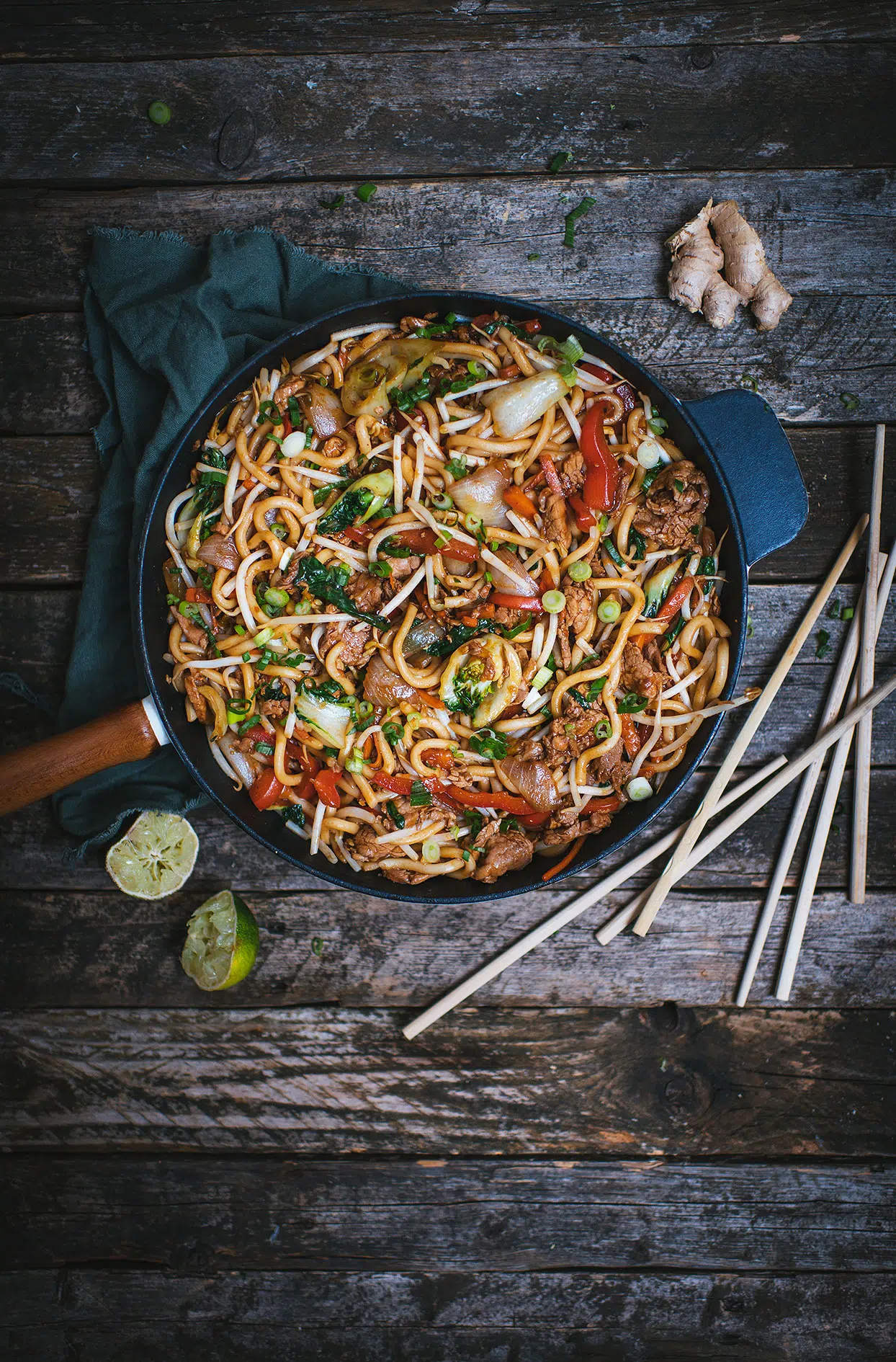
- Preparation 15 min
- Refrigeration 1 h
- Cooking 15 min
- Servings 4 to 6
- Freezing I do not suggest
Ads
🥢 Pork yaki udon. Thirty minutes, one wok, zero takeout
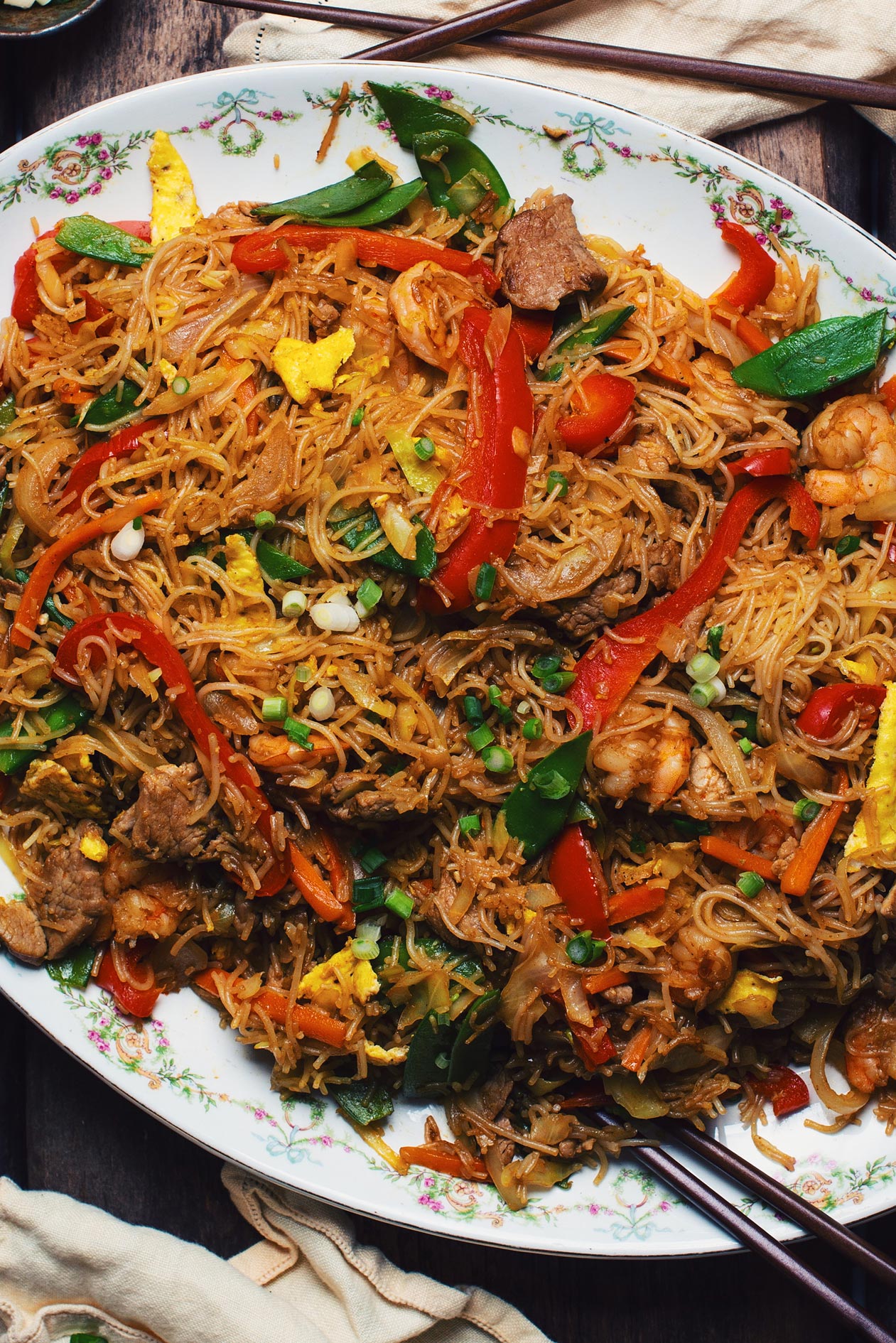
Yaki udon just means fried udon. That’s it. No mystery, no special equipment, no trip to a Japanese grocery unless you feel like one. You boil thick wheat noodles for two minutes, you throw them in a screaming hot pan with marinated pork and whatever vegetables are wilting in the crisper, and eleven minutes later dinner is done. The noodles are the point: fat, chewy, slippery, they hang on to sauce in a way spaghetti never will. If you have only ever met udon floating in broth, this is the other half of its life.
🔥 The marinade does the heavy lifting: hoisin, mirin, sriracha, sesame
Seven things in a bowl, whisked, and the pork sits in it for an hour. Hoisin brings the dark sweetness and the caramelizing sugars. Mirin keeps it Japanese instead of generic. Sesame oil goes in at the end of the whisk because it is loud and you only need two teaspoons. Sriracha is there for warmth, not for heat, and you can double it without anyone crying at the table.
An hour in the fridge is the part people skip. Don’t. Thin slices of tenderloin soak all the way through in that time, so the meat tastes seasoned rather than sauced.
🥬 Swap almost everything and it still works
Chicken, thin-sliced sirloin, shrimp, firm tofu: the marinade doesn’t care. Neither do the noodles, honestly. Fresh ramen, lo mein, even soba if you like that earthier buckwheat edge. Vegetables are whatever you have. I have made this with bok choy and bell pepper because that is what my fridge held on a Tuesday, and I have made it with broccoli, snap peas and gai lan because that is what was on sale. The sauce is the recipe. The rest is inventory.
Ads
Ads
🍜 What udon noodles actually are, and which package to buy
Udon are thick wheat noodles, roughly the diameter of a pencil, and they come three ways at the store. Frozen blocks are the best of the three by a wide margin: they thaw in boiling water in about two minutes and keep a real chew. Vacuum-sealed shelf-stable packs are fine and always available. Dried udon is the weakest option here because it needs eight or nine minutes and comes out softer than you want for a stir fry. If you are choosing at the counter, buy frozen.
❄️ Thirty minutes in the freezer before you slice
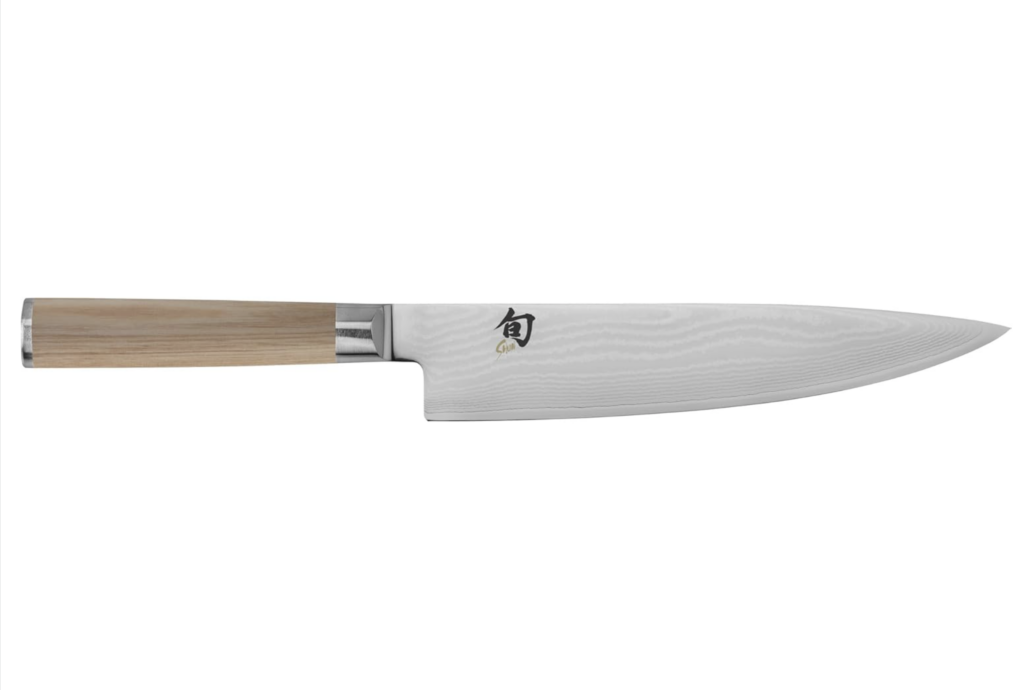
Pork tenderloin is too soft at room temperature to slice thin. Half an hour in the freezer firms it just enough that the knife glides and you get ⅛ in (3 mm) strips in about two minutes. Chinese restaurants do this all day long. Thin strips cook in a flash and stay tender, which is the whole game in a stir fry.
⏰ The hour in the fridge is not optional
Once the pork is sliced and coated, give it a full hour. Two or three is better. Past four the acid starts working on the flesh and the texture goes chalky, so that is the ceiling.
💧 Two minutes, then cold water. That is the whole noodle technique
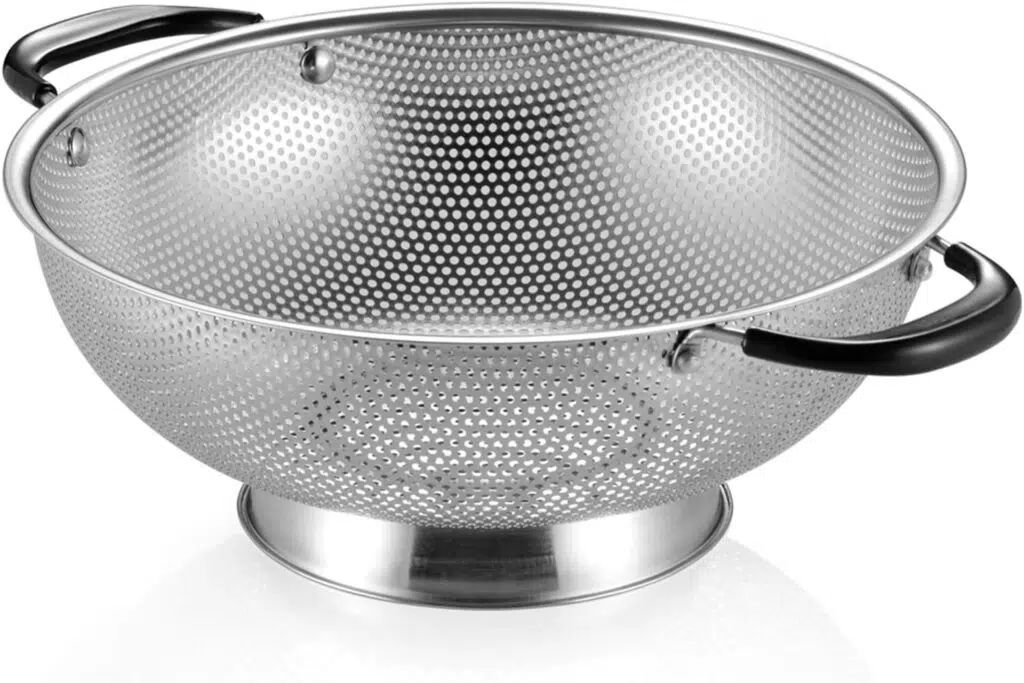
Boil udon two minutes and no longer. Then rinse them hard under cold water, which stops the cooking and washes off the surface starch that glues them into a brick. This is the single reason most home yaki udon turns into one giant clump. Frozen udon barely needs the pot at all: a quick dunk to loosen the block, then straight into the rinse. If your noodles come out sticky anyway, a teaspoon of sesame oil tossed through will keep them separate until they hit the wok.
🍳 Screaming hot pan, half full at most
The pan has to be hot before the pork goes in. Crowd it and the temperature crashes, the meat steams in its own juice, and you end up with something wet and grey instead of caramelized. Keep the wok half full. Doubling the recipe means cooking the pork in two batches, which takes four extra minutes and saves the dish.
🧄 Grate the ginger, don’t mince it
A Microplane turns fresh ginger into a paste that melts into the sauce with no stringy bits. Keep the knob in the freezer and grate it frozen, straight from the bag. It lasts three months that way. Ground ginger is not a substitute: it scorches over high heat and leaves a bitter finish.
🦕 Swaps that actually hold up
Chicken strips cook in the same two minutes. Sirloin, sliced thin, wants a hard sear and nothing more. Shrimp go in at the very end, 2 to 3 minutes, or they turn to rubber. Firm tofu needs to be pressed dry and seared 4 to 5 minutes to build a crust before the sauce touches it. For a crunchier restaurant-style plate, scatter ¼ cup (60 ml) of coarsely chopped toasted unsalted peanuts over the bowls at the table.
♻️ Leftovers, and the one thing that ruins them
Reheat in a hot pan with 2 to 3 tbsp (30-45 ml) of water to bring the noodles back. Three or four minutes, stirring. The microwave works but the udon go rubbery, so I only do it at the office.
✅ What to serve with my pork yaki udon
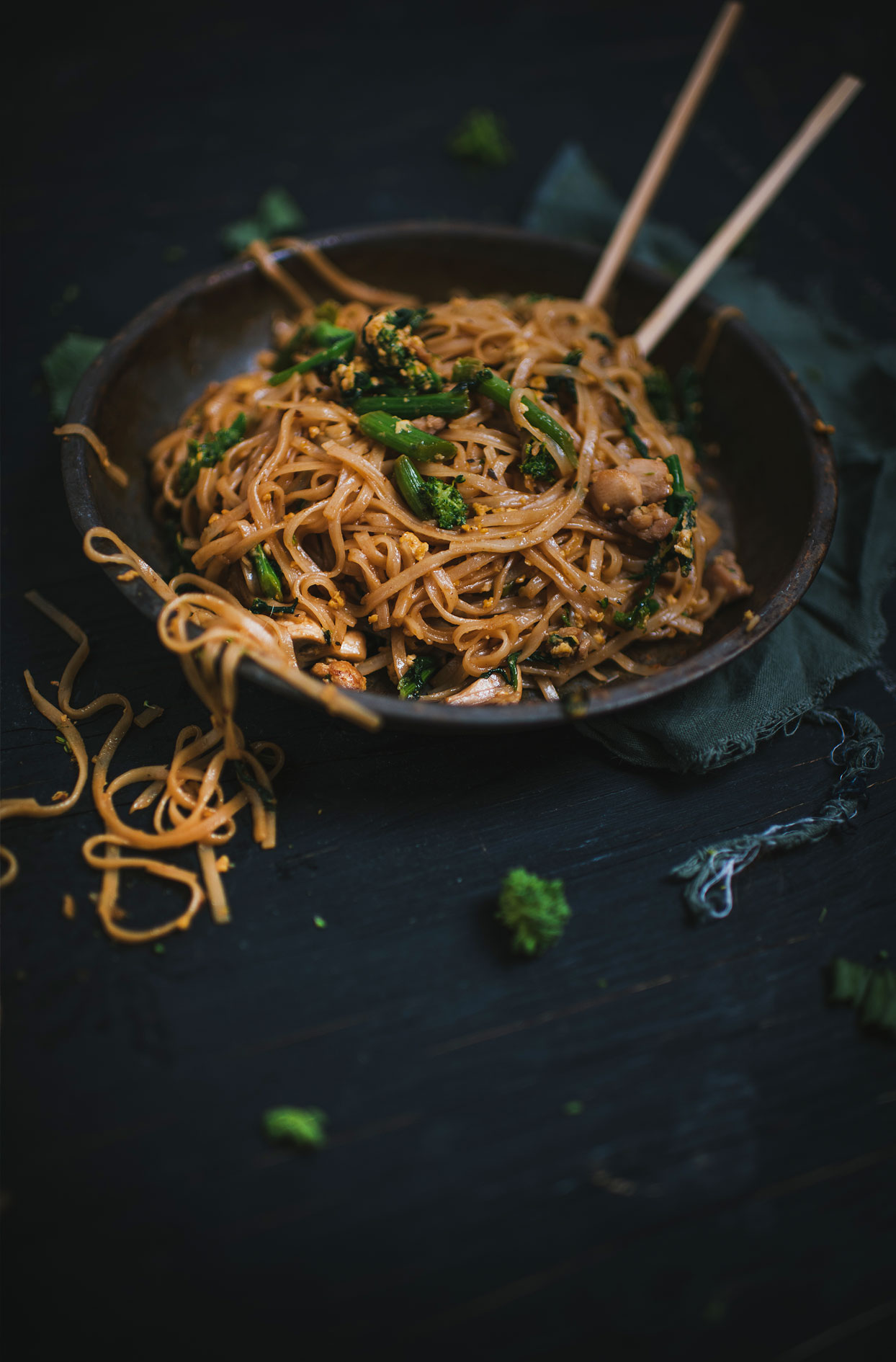
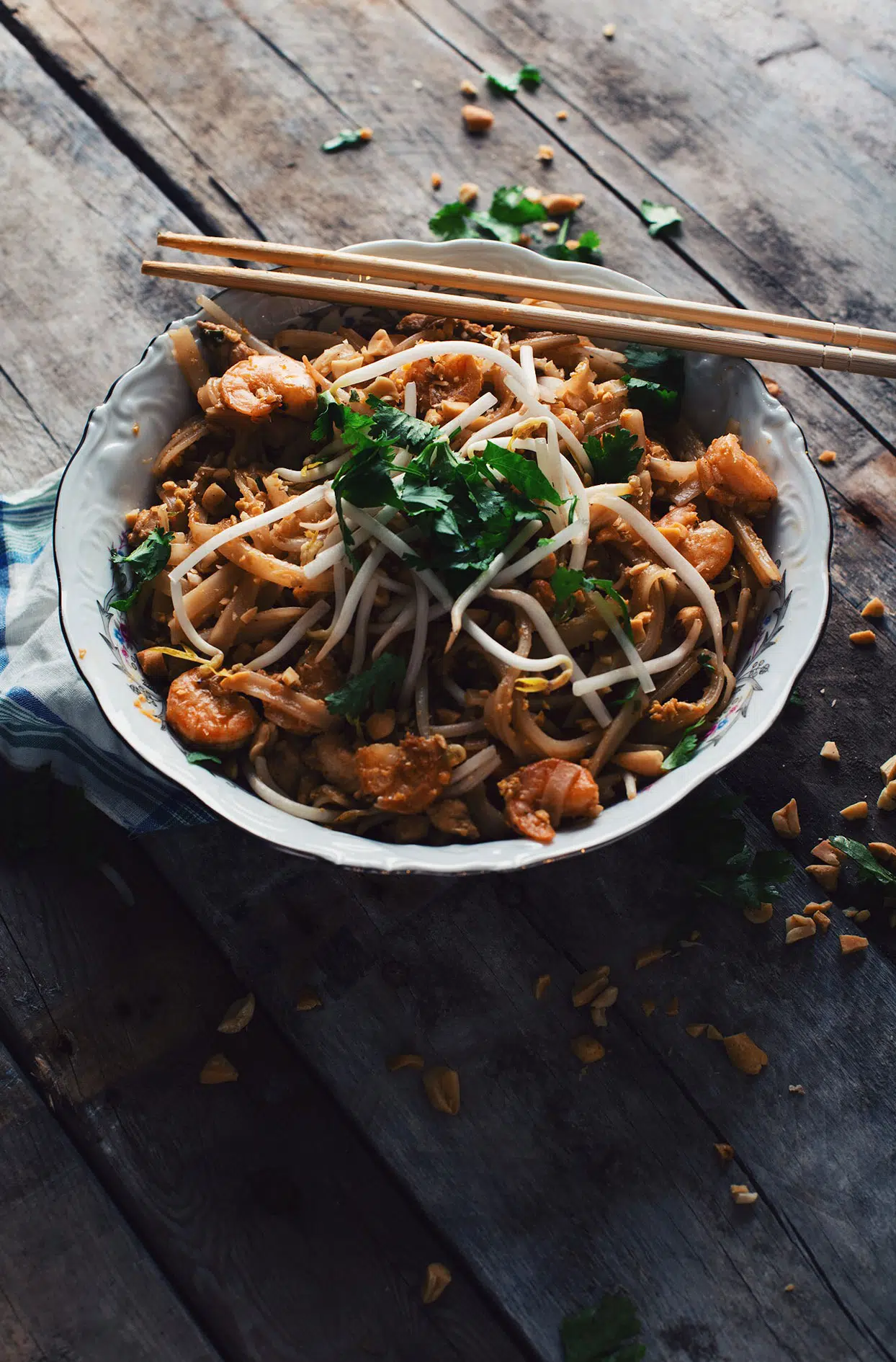
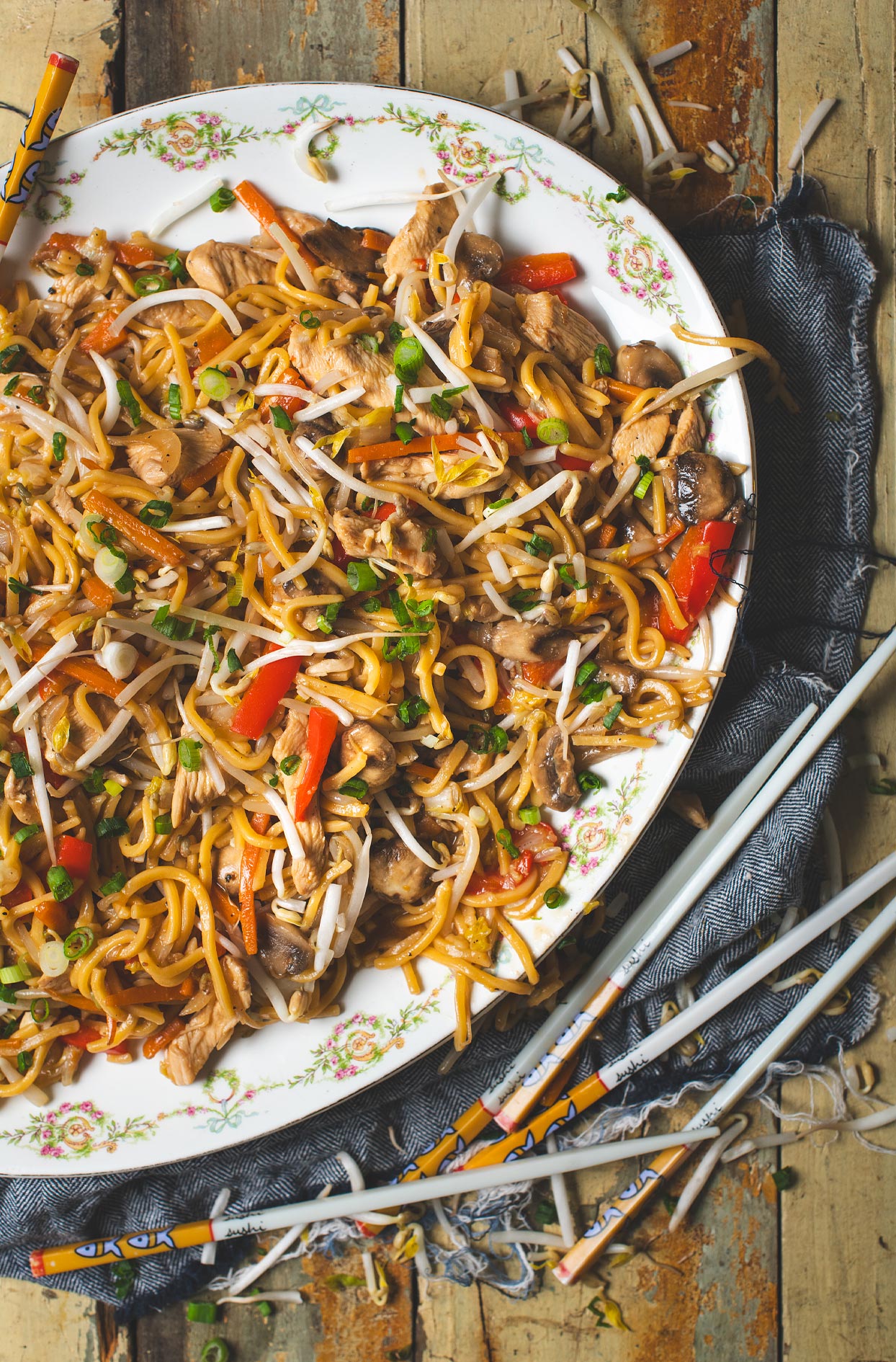
It is a full dinner on its own, and most nights that is exactly how it gets eaten here. If you want to build it out, steamed dumplings up front with my homemade dumpling sauce are the easiest win, and a plate of Asian cucumber salad on the side keeps everything from tasting too rich. Feeding a crowd? Put this beside my pad thai with chicken and shrimp, my chicken chow mein or my Singapore noodles and let people build their own plates. And if you have leftover udon in the fridge, the cold udon noodle salad is where the rest of the package goes.

Ads
Sauce ingredients
- 6 tbsp (90 ml) soy sauce
- 5 tbsp (75 ml) hoisin sauce
- 2 tbsp (30 ml) vegetable oil
- 1 tbsp (15 ml) mirin (or rice vinegar + ½ tsp / 2.5 ml sugar)
- 2 tsp (10 ml) sesame oil
- 1 tsp (5 ml) sriracha
- Juice of ½ lime
- 1 lb (500 g) pork tenderloin, thinly sliced
Pork yaki udon
- 1 ¼ lb (600 g) udon noodles
- 3 tbsp (45 ml) vegetable oil
- 1 yellow onion, cut into large pieces
- 4 medium carrots, julienned
- 3 large garlic cloves, finely minced
- 1 tbsp (15 ml) freshly grated ginger (Microplane)
- 1 red bell pepper, halved and sliced
- 5 baby bok choy, roughly chopped
- 2 cups (500 ml) bean sprouts, rinsed and drained
- 2 green onions, sliced (for serving)
Ads
Preparation
- Put the pork tenderloin in the freezer for 30 minutes so you can slice it paper thin. Meanwhile, whisk all the sauce ingredients together in a large bowl.
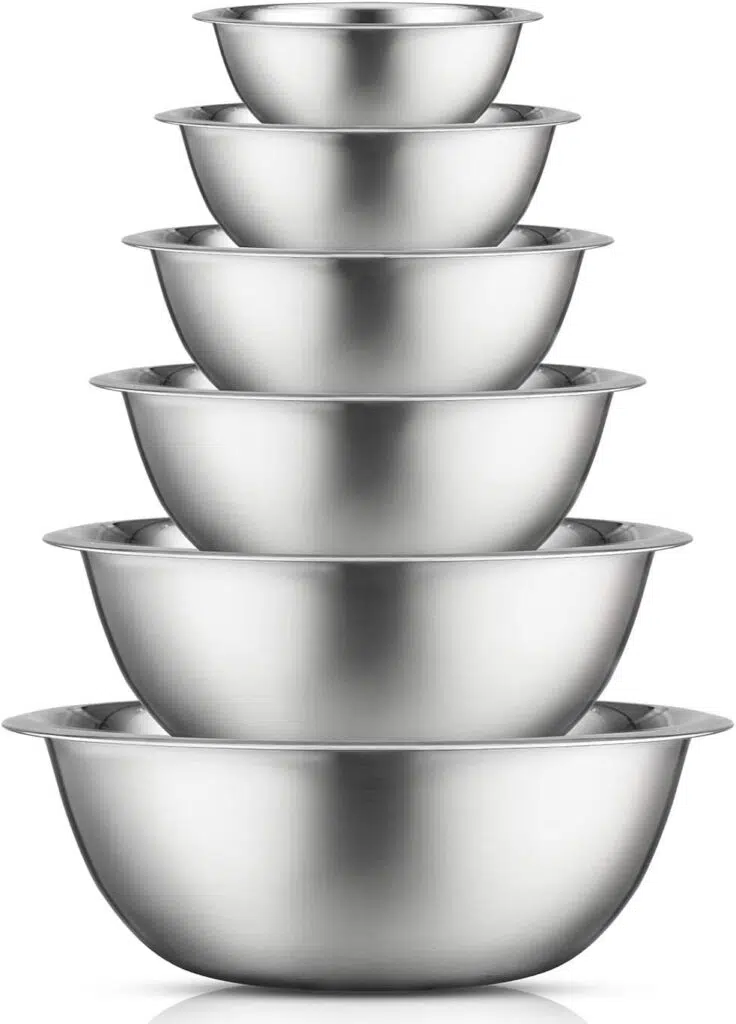
- Take the pork out, slice it into strips about ⅛ in (3 mm) thick and drop them into the sauce. Toss to coat. Refrigerate 1 hour.
- Boil the udon noodles for 2 minutes only. Drain, rinse well under cold water to stop the cooking, then drain again. Snip them shorter with scissors if you like, and set aside.
- Heat a wok or a very large pan over medium heat. Add the oil, then the onion, carrots, garlic and ginger. Cook 3 to 4 minutes, stirring.
- Turn the heat to high and add the pork with all its marinade. Cook 2 minutes, stirring. Season with salt and pepper.
- Add the bell pepper and cook 3 to 4 minutes, until the pork is cooked through.
- Add the baby bok choy and the noodles, then cook 3 minutes, stirring, until everything is hot and coated in sauce.
- Off the heat, stir in the bean sprouts. Serve, and finish with the green onions.
They are one of the best noodles for it. Udon are thick and slippery, so they take a hot pan without falling apart and they carry more sauce per strand than a thin noodle does. The trick is that they arrive already cooked or nearly so, which means they go into the wok last, for about three minutes, purely to heat through and pick up sauce. Treat them like pasta and boil them for eight minutes and they will turn to mush.
It depends on the package. Frozen udon needs about 2 minutes in boiling water, just to loosen the block. Vacuum-sealed fresh udon often needs nothing more than 30 seconds in hot water or a rinse to separate the strands. Dried udon is the only one that needs a real boil, 8 to 9 minutes, and even then pull it a minute early. Whatever you use, rinse under cold water afterward. That rinse is what keeps them from gluing together.
For a stir fry you want something dark, salty and a little sweet, so it caramelizes instead of pooling. Mine is soy sauce, hoisin, mirin, sesame oil, sriracha and lime, and it doubles as the pork marinade so there is only one bowl to wash. Classic yaki udon uses soy, mirin and oyster sauce, which is drier and more savory. Skip anything thickened with cornstarch: udon are slick enough that the sauce clings on its own.
Both are wheat noodles, and that is where the similarity ends. Udon are thick, pale and soft, made from flour, water and salt, with a chew you notice. Ramen are thin, springy and yellow because of an alkaline salt called kansui, which is also why they taste faintly different. In a stir fry udon give you a heartier, chewier bite; ramen give you something closer to a noodle bowl. Swapping one for the other works, just cook the ramen a minute less.
It is a complete meal, so most of the time nothing. When I want a bigger table, it is steamed dumplings first, then an Asian cucumber salad beside the bowls to cut the richness. For a real spread, line it up with my pad thai with chicken and shrimp, my chicken chow mein or my Singapore noodles. A cold Alsace pinot gris or an Irish red ale finishes it.
The Pfaff Pinot Gris from Alsace is a brilliant match for my pork yaki udon. Its roundness and its lightly spiced, honeyed notes balance the hoisin, the sesame, the sriracha and the ginger to perfection. The citrus freshness of the wine cuts clean through the caramelized sweet-and-salty pork and the udon noodles. Serve it well chilled, around 46°F (8°C).
See the productWith my pork yaki udon, the Chronique from Le Trèfle Noir (4.8% ABV) is perfect. This dark Irish red ale, hopped with fuggle and golding, opens on caramel and toasted bread, notes that answer the caramelized pork and the sweetness of the mirin. Its restrained bitterness cleans the palate between bites without flattening the sesame or the sriracha. Serve it cool, around 46°F (8°C).
See the productAds
Ads
Ads
Ads
Ads