

Shortbread Cookies Recipe (Classic)
- Preparation 15 min
- Cooking 18 min
- Servings 24
- Freezing Absolutely
Ads
🍪 The Christmas cookie you cannot mess up
Some recipes are a sure thing, and this is one of them. Butter, sugar, vanilla, flour. No eggs, no baking powder, nothing to complicate your life. These shortbread cookies were built for the holidays, but fair warning: you will end up making them in May too. Try them once and you will understand why they come back every single year at my house!
⚖️ I ruined my first batch
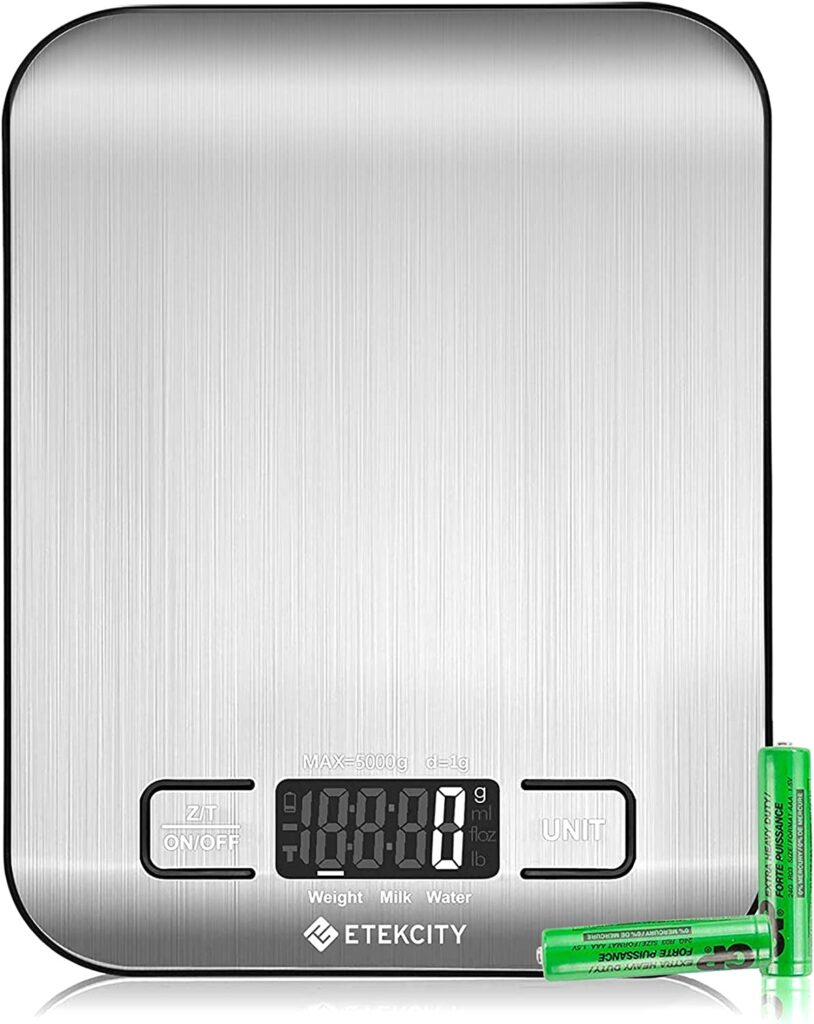
True story. Too much flour, a dry crumbly cookie, and it took me a while to figure out why. The answer is a SCALE. In baking, a cup of flour has no fixed weight, it depends entirely on how you scoop it out of the bag. Two cups means 250 g, not 280. Weigh it and the butter-to-flour ratio lands perfectly on the first try. Best 4 seconds you will ever spend in a kitchen.
🧈 Melt-in-your-mouth, not crunchy
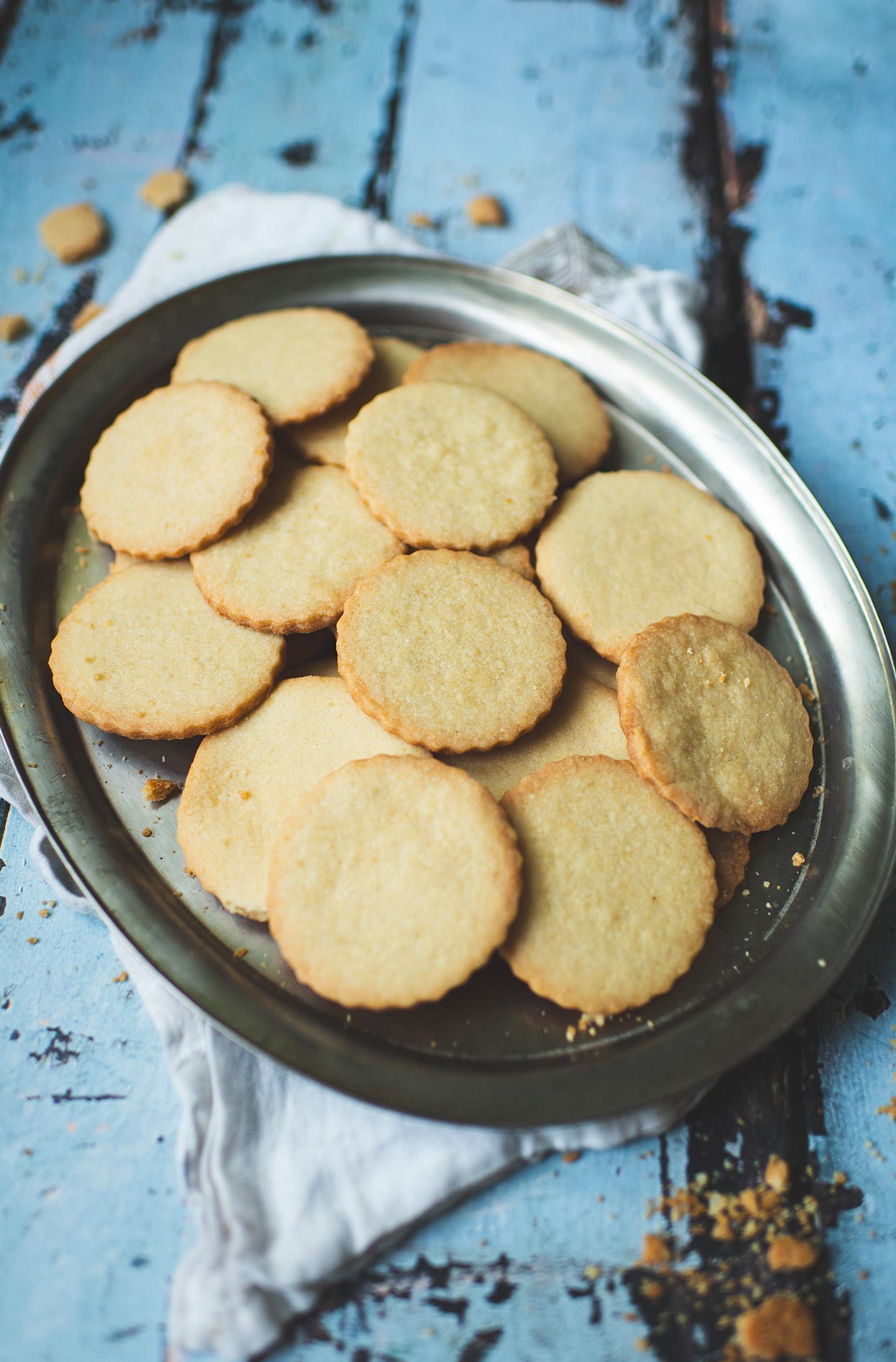
The cornstarch is where the magic happens. It is what gives you that short, tender crumb that dissolves on your tongue instead of snapping between your teeth. With unsalted butter and real vanilla extract, you get three ingredients that actually taste like something and nothing hiding them. A fluted round cutter, a fork to prick the tops, and they look like they came out of a bakery case. Honestly, you are not working hard for this one!
Ads
Ads
⚖️ Weigh the flour, that is the whole secret
I said it above and I will say it again, because it is THE tip for this recipe. My first batch was dry. Not a little dry: dry. I had packed in too much flour without knowing it, because a cup of flour has no fixed weight. Depending on how you dip the cup into the bag, you can pick up 125 g or 150 g, and over two cups that gap becomes huge. A small digital scale settles it: 250 g flour, 40 g cornstarch, 226 g butter, 135 g sugar. The ratio stays right and the cookie stays tender.
❄️ Two hours in the fridge, not three
The original said three hours. I tried it, and the dough turns into a brick: you cannot roll it or cut it cleanly. Two hours is plenty. And if it still comes out too stiff, let it sit on the counter for 10 to 15 minutes before cutting. Cold but pliable, that is what you are after.
📄 Roll between two sheets of parchment
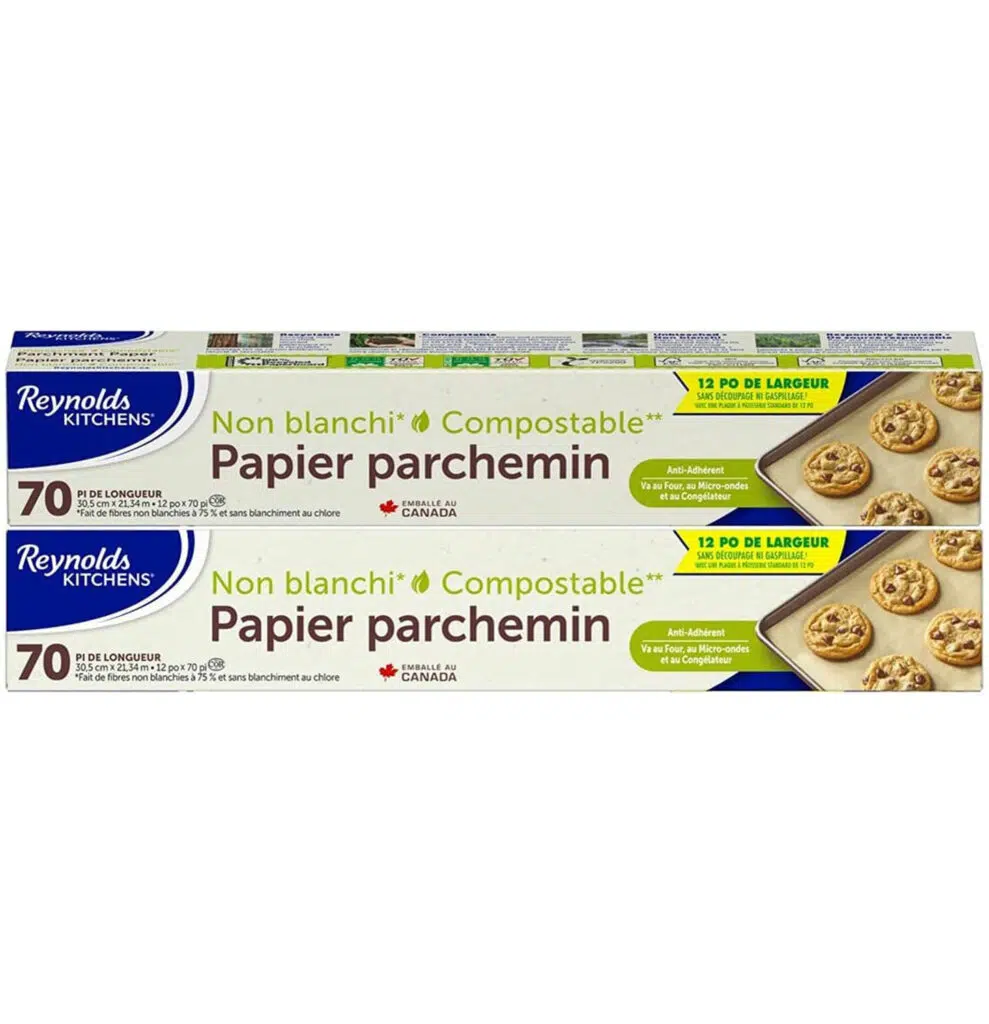
I roll the dough between two sheets of parchment paper instead of flouring the counter. No extra flour means no dry cookies, and the rolling pin never sticks. Bonus: you carry the rolled sheet straight onto a pan and into the fridge. One less thing to wash.
🍪 Re-roll every last scrap
Once I am done cutting, I gather everything left, press it back together, roll it out and start again. Right down to the last piece. It does not toughen up the way pie dough does, so go ahead. With my fluted round cutters, I used the biggest one, and it gave me two full sheets, around 24 good-sized cookies.
👀 The edges decide, not the timer
At 15 minutes, mine were not golden at all. I gave them three or four more minutes and that was it: edges lightly golden, centres still pale. So 17 to 18 minutes in my oven. Yours may run faster. Watch the colour around the rim and pull the pan the second it shows up.
📅 Make it ahead
This recipe is made for it. Weigh your dry ingredients the night before and leave them in a covered bowl, set the butter out so it is truly at room temperature, and above all, roll the dough ahead. Rolled between its two sheets of parchment, it keeps three or four days in the fridge. The day you want cookies, take it out, let it sit an hour and a half to two hours so you can re-roll it if needed, and start cutting. Cutting and baking happen the same day: 20 minutes of oven time and the whole house smells like butter when your guests walk in.
🥫 Storage
In a metal tin, they keep a week easily. That is my container of choice here: the cookie stays crisp and firm instead of picking up moisture the way it does in a plastic box sealed too soon. Let them cool completely before stacking, or the steam will soften them.
✅ What to serve with my classic shortbread cookies
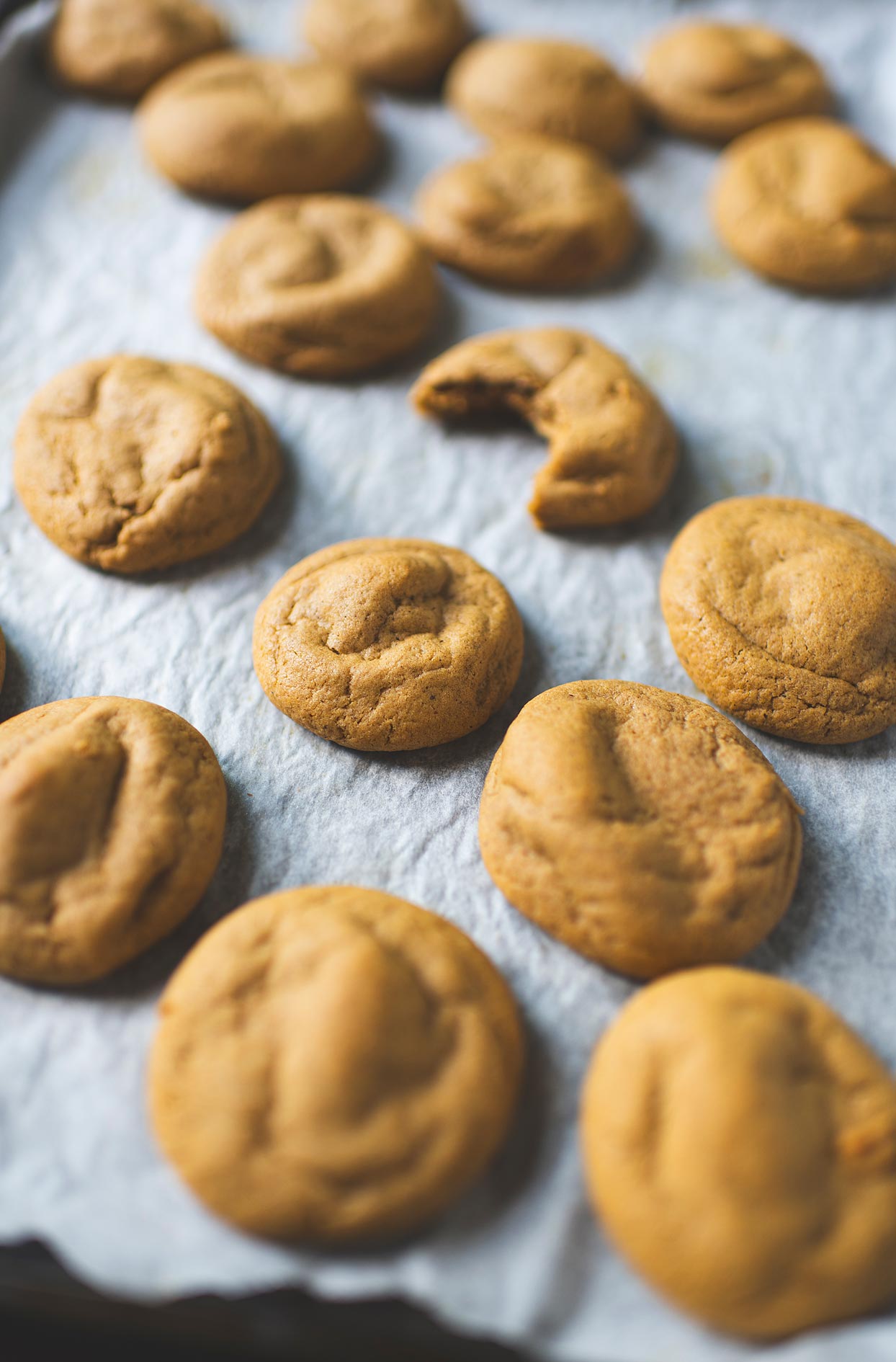
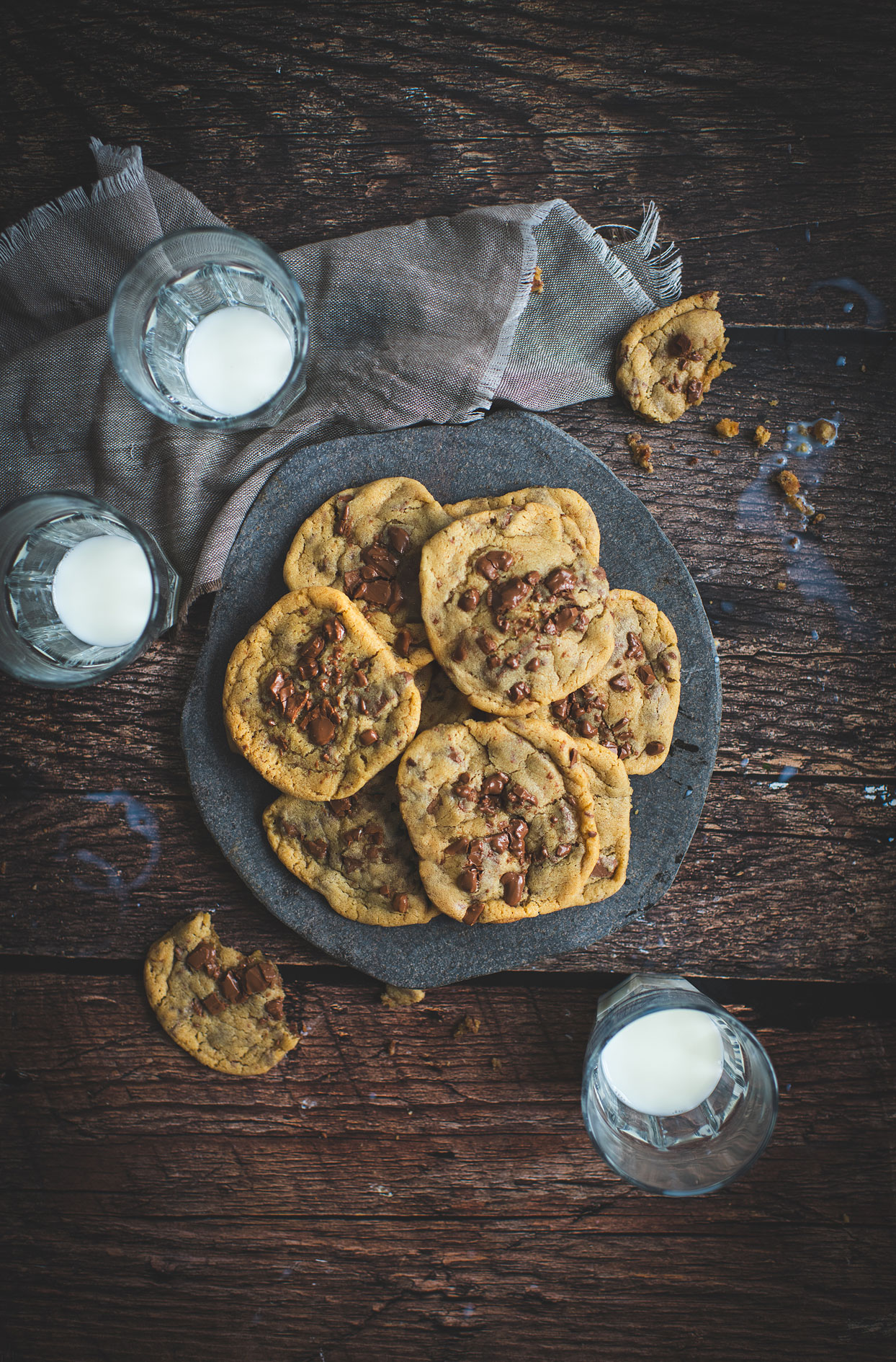
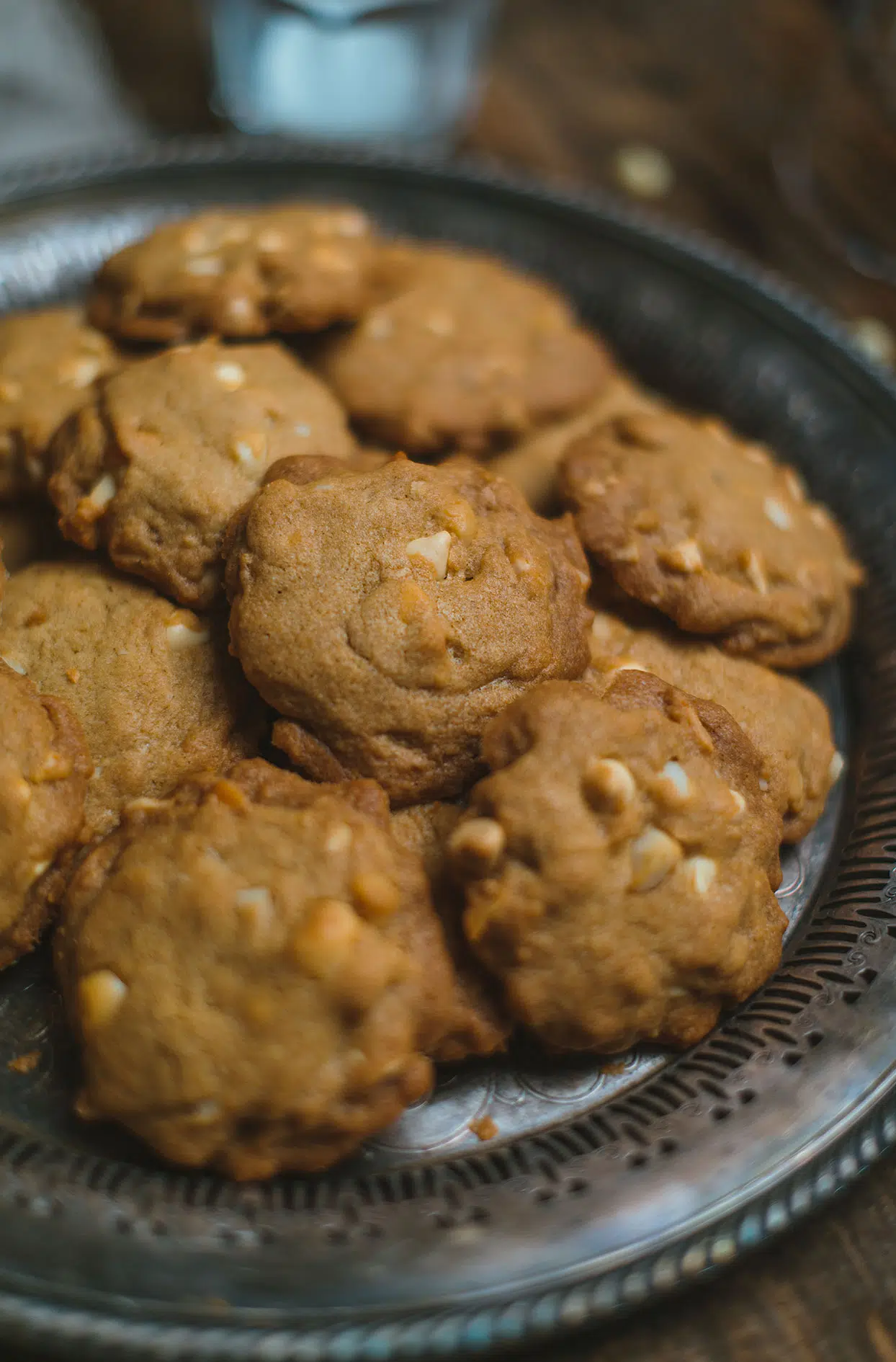
Shortbread wants something hot beside it. Coffee, tea, hot chocolate, or a tall glass of cold milk if you never really grew up. That is all it takes, and that is exactly why a tin of these lives in the cupboard. If you are building a holiday cookie plate, go with three kinds: these, my molasses cookies for the spiced side, and my chocolate chip cookies for the chocolate crowd. Three textures, three flavours, and your plate looks like a bakery window.

Ads
Ingrédients
- 1 cup (226 g) unsalted butter, softened
- ⅔ cup (135 g) sugar
- 1 tsp (5 ml) pure vanilla extract
- 2 cups (250 g) all-purpose flour
- ⅓ cup (40 g) cornstarch
- ⅛ tsp salt
- Coarse sugar, for sprinkling (optional)
Ads
Preparation
- Using a hand mixer, cream the butter and sugar on medium-high speed for 3 minutes, until pale and creamy, then beat in the vanilla.
- Add the flour, cornstarch and salt. Beat on low speed for 1 minute, then on medium speed until the dough comes together into a soft mass.
- Roll the dough out between two sheets of parchment paper to a ¼-inch (0.5 cm) thickness.
- Slide the rolled dough onto a baking sheet, cover and refrigerate for 2 hours.
- Take the dough out of the fridge and let it sit on the counter for 10 to 15 minutes, just until it bends without softening.
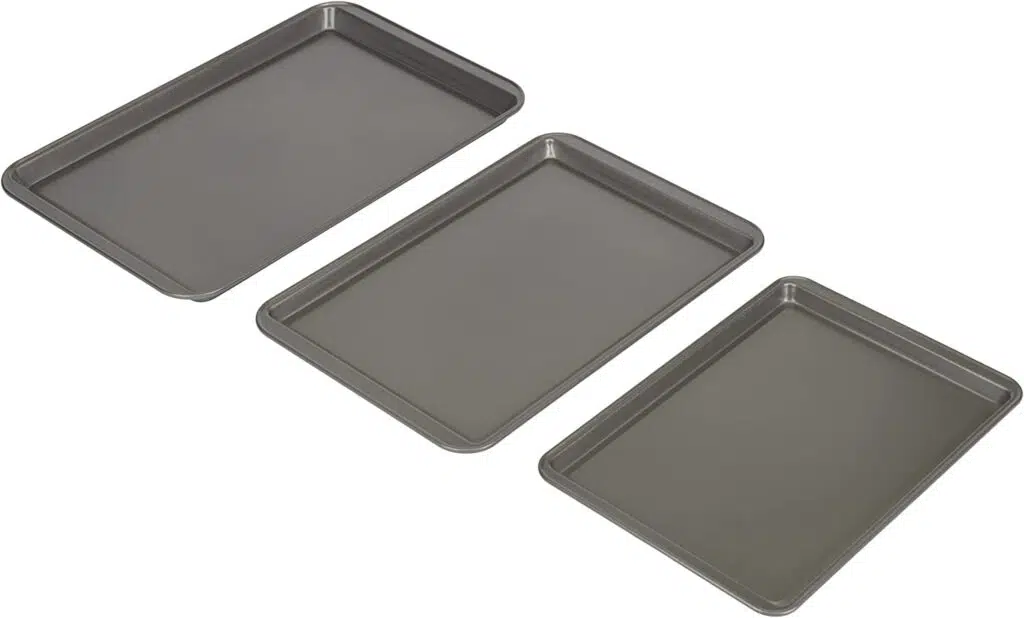
- Preheat the oven to 350°F (177°C) and line two baking sheets with parchment paper.
- Cut out shapes with a cookie cutter, place them on the sheets, prick the tops lightly with a fork and sprinkle with coarse sugar if you like.
- Gather the scraps, roll them out to the same thickness and cut again, until the dough is used up.
- Bake for 15 to 18 minutes, until the edges are just set and lightly golden, then pull the sheets out right away.
- Let the cookies rest on the baking sheet for 10 minutes, then transfer them to a wire rack to cool completely.
Weighing your flour and keeping the dough cold. Those two things fix almost every shortbread problem. Too much flour makes it dry and sandy in a bad way, and a warm dough spreads in the oven and loses the sharp edges of your cutter. Weigh 250 g of flour, chill the rolled dough for two hours, and let it sit 10 minutes before you cut.
It is the classic Scottish ratio by weight: 1 part sugar, 2 parts butter, 3 parts flour. My version is richer than that, closer to one-to-one on butter and flour, and part of the flour is swapped for cornstarch. That is exactly what makes it melt in your mouth instead of snapping.
The ratio and the texture. Shortbread is a lot of butter for very little flour, with no eggs and no leavener, so it never rises. And the name comes from the crumb: it breaks short and dissolves on your tongue rather than cracking like a dry biscuit.
Three of them. Too much flour, which is what wrecked my first batch. Butter that is not soft enough to cream properly, so you never beat air into it. And chilling the dough so long that it cracks instead of rolling out. Two hours of fridge time is the sweet spot, not three.
Two hours, and no longer. The cold firms up the butter, which stops the cookies from spreading and lets you cut clean shapes without adding flour. Past three hours the dough gets too hard to roll. If that happens, leave it on the counter for 10 to 15 minutes.
Yes, and it is genuinely handy. Rolled between two sheets of parchment, it keeps three or four days in the fridge. Pull it out an hour and a half to two hours before cutting so it is pliable enough to re-roll if you need to.
A week easily in a metal tin, as long as they are completely cool before you stack them. A metal tin keeps them firm, while a plastic container sealed too early traps steam and softens the crumb.
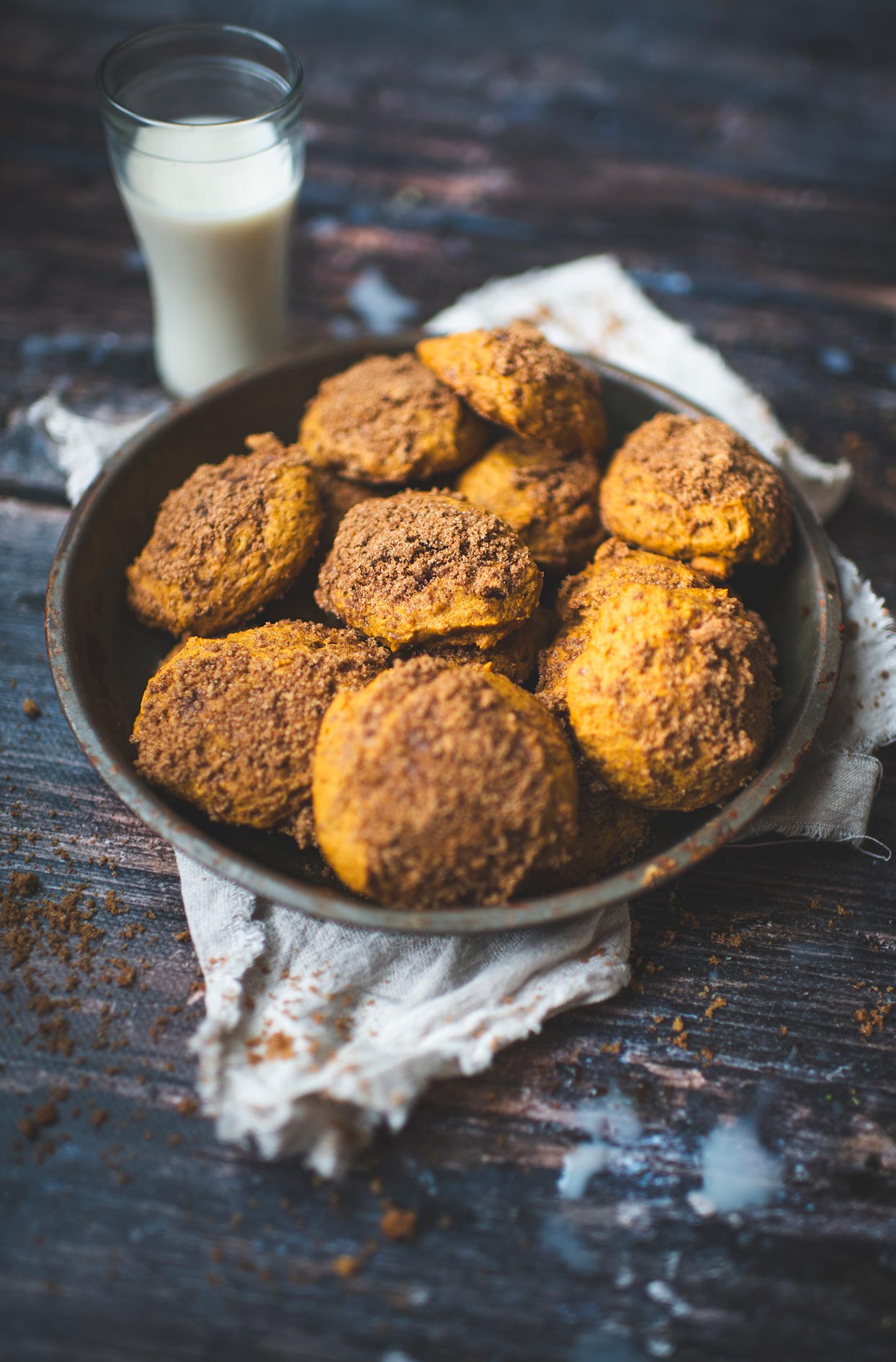
Coffee, tea, hot chocolate, or a tall glass of cold milk. For a holiday cookie plate, set them next to my molasses cookies and my pumpkin cookies: one tender and buttery, one spiced and chewy, one soft and full of fall.
Ads
Ads


Ads
Ads
Ads