

Thumbprint Cookies Recipe (Raspberry Jam)
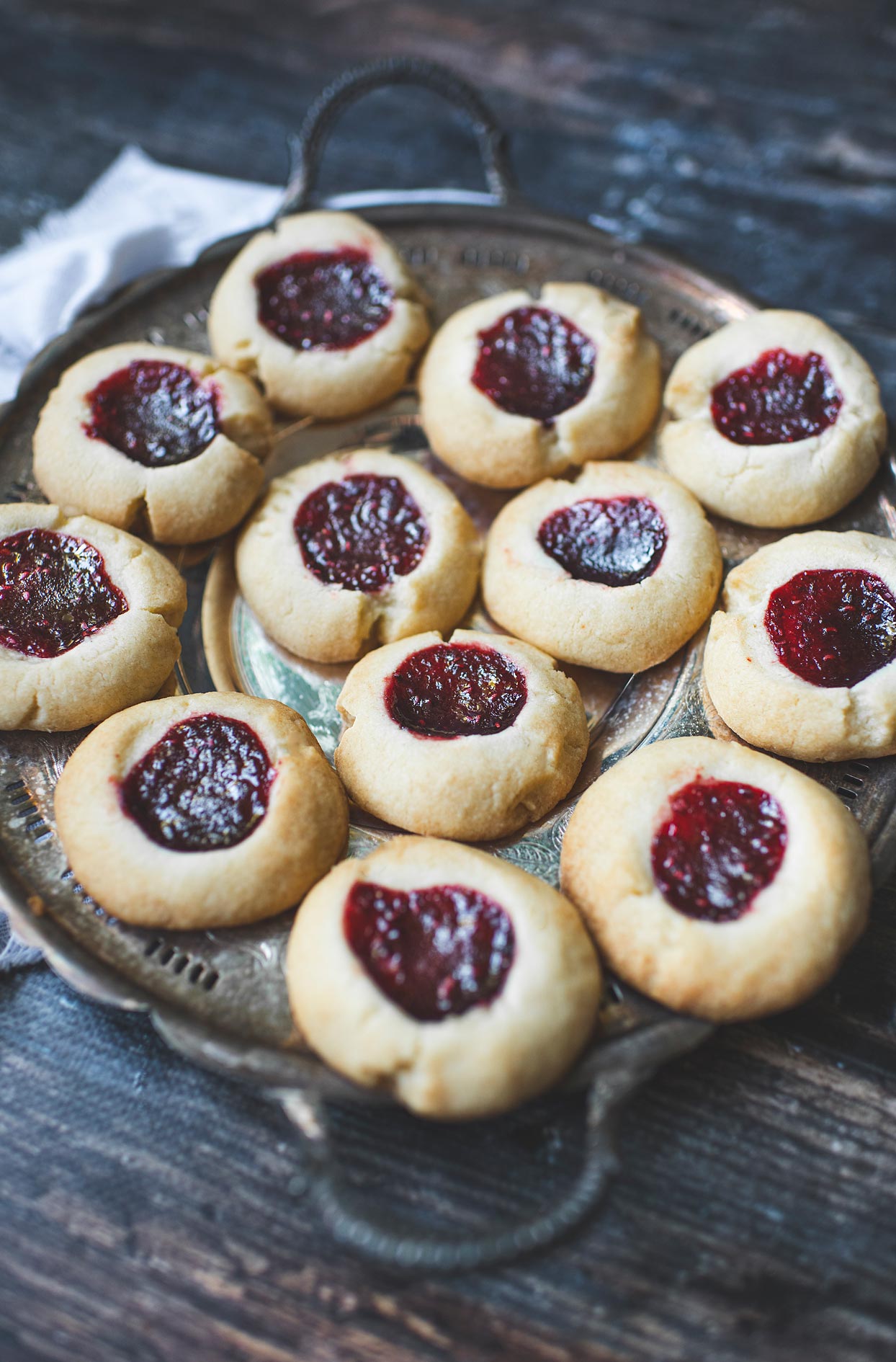
- Preparation 15 min
- Cooking 12 min
- Servings 12
- Freezing Absolutely
Ads
🍓 Twelve cookies, one pan, and everyone wants one
Butter, sugar, vanilla, flour, and a spoonful of jam in the middle. That is the whole thing, and it is ridiculously good! The dough comes together in five minutes, you roll twelve balls, press your thumb into each one, fill them and they go in the oven. Ten minutes later you have buttery cookies with golden edges and a glossy jam centre that looks like it cost money. Make them once with kids in the kitchen and watch what happens!
👍 A real thumbprint, with the well
Careful, because plenty of recipes called jam cookies are actually sandwiches: two cut-out cookies stuck together after baking. This is not that. Mine is the original format from northern Europe, where the raspberry-filled version is a classic. You press your thumb into the ball of dough to hollow out a compartment, the jam goes in, and everything bakes together. The jam sets inside the well instead of being glued on afterward.
🎄 Built for Christmas, good all year
I developed these as a holiday cookie, and they do look great on a Christmas plate. But honestly, they are good twelve months a year. An afternoon coffee, a dessert in the kids’ lunchbox, someone dropping by unannounced. They are easy, they are fast, and you put whatever jam you like in them. My only warning: they are hard to keep around, because they are that good.
Ads
Ads
👍 Press to the halfway point, and mean it
This is the key move of the recipe and it is where people hold back. Your thumb should go down to the middle of the ball to create a real compartment. A timid dent and the jam spills over the sides instead of staying put. Press firmly, but not so hard that you flatten the whole cookie: you want a bowl, not a disc.
🩹 The edges will crack, and that looks good
As you press, the sides will split a little. Do not panic and do not start over. It is part of the cookie’s charm, and it is what makes it look handmade. I tried getting them perfectly smooth and honestly, they looked worse. Leave the cracks alone.
🧊 Fifteen minutes in the fridge before shaping
The dough comes out of the mixer a little soft. Fifteen minutes in the cold firms it just enough: the balls roll cleanly, your thumb makes a crisp well instead of squashing everything, and nothing sticks to your fingers. If your kitchen is warm and the dough softens while you work, put the whole pan back in the fridge for ten minutes before baking.
🍓 Use a SMOOTH jam, nothing chunky
This is the one real constraint on the filling. I use raspberry because it is delicious and because it is the classic, but blueberry works beautifully, orange marmalade would be excellent, and strawberry is fine as long as it is smooth. A jam full of fruit chunks will not settle into the well and bakes unevenly. Aim for something closer to a jelly.
🥄 Slightly less than half a teaspoon
It sounds like nothing, but it is the right amount. In my oven nothing overflowed or bubbled out of the wells. If your compartment is bigger, add a little more, and if you fill it to the brim, the jam will run onto the pan as it bakes. Stay below the rim.
👀 Edges just golden, no further
Ten to twelve minutes at 400°F, and you watch the colour around the rim. The moment it starts to turn, the pan comes out. At that point the cookies have settled slightly while keeping their round shape, which is exactly right. Two minutes more and you lose the tender bite.
⏳ Fifteen minutes on the pan is not optional
Out of the oven they are fragile and the jam is molten. Fifteen minutes on the sheet and everything sets: the cookie holds together, the jam firms up, and you can move them to a rack without breaking a single one. They are good warm or at room temperature, so nothing is lost by waiting.
📅 Make it ahead
The cookies can be baked the day before with no downside and they are just as good the next day, which makes them an obvious pick when you are assembling a holiday plate over several days. Keep them in a metal tin. If you want a head start without baking, the dough can also be made the night before: it waits in the fridge, well wrapped, and you let it sit out a few minutes before rolling.
🥫 Storage
Four to five days easily, in a metal tin. And no, the jam does not soften the cookie over time, which was my worry and it did not happen. As for freezing, I have not tested it, so I am not going to tell you it works: I will confirm once I have.
✅ What to serve with my raspberry thumbprint cookies
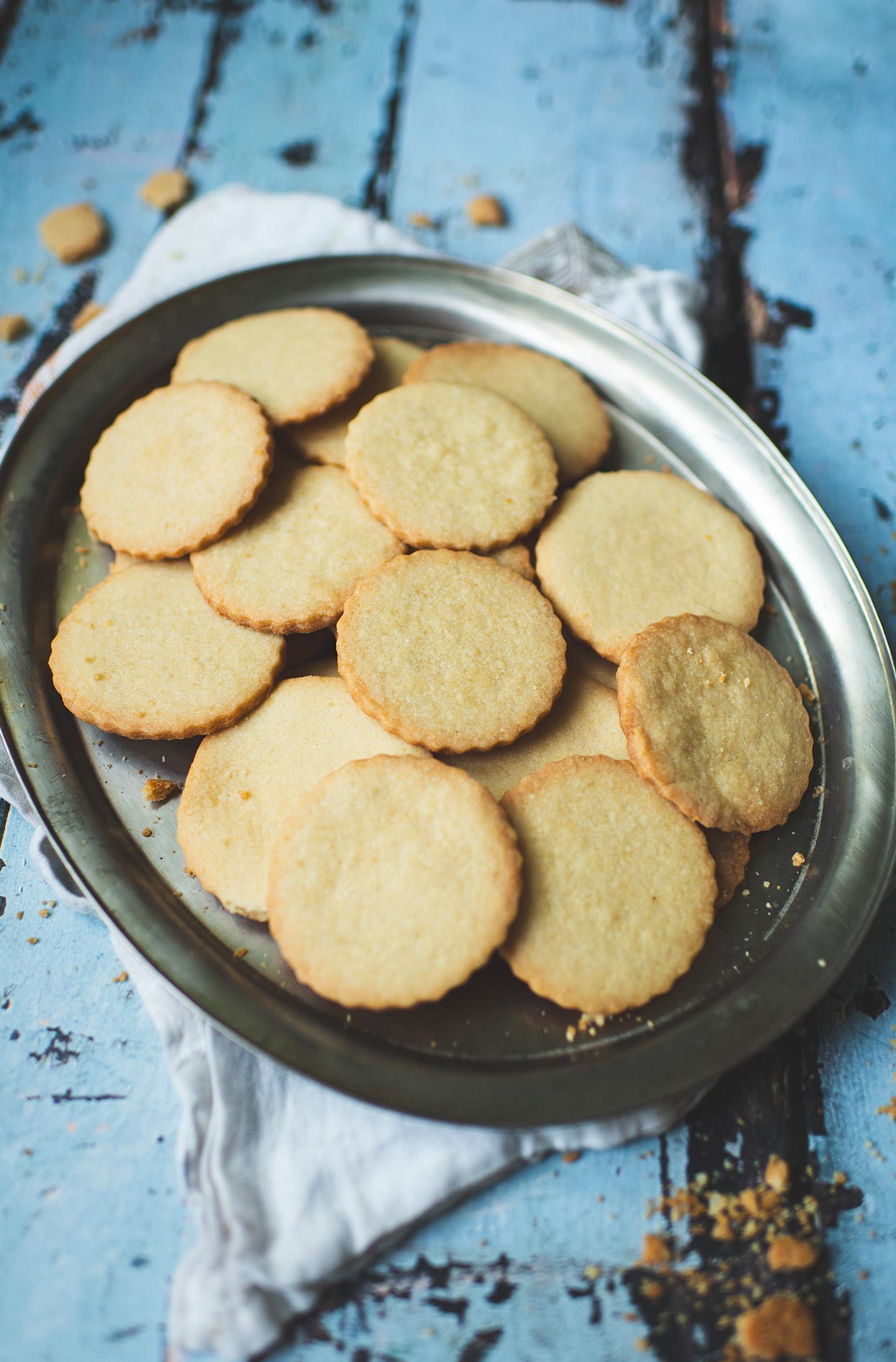
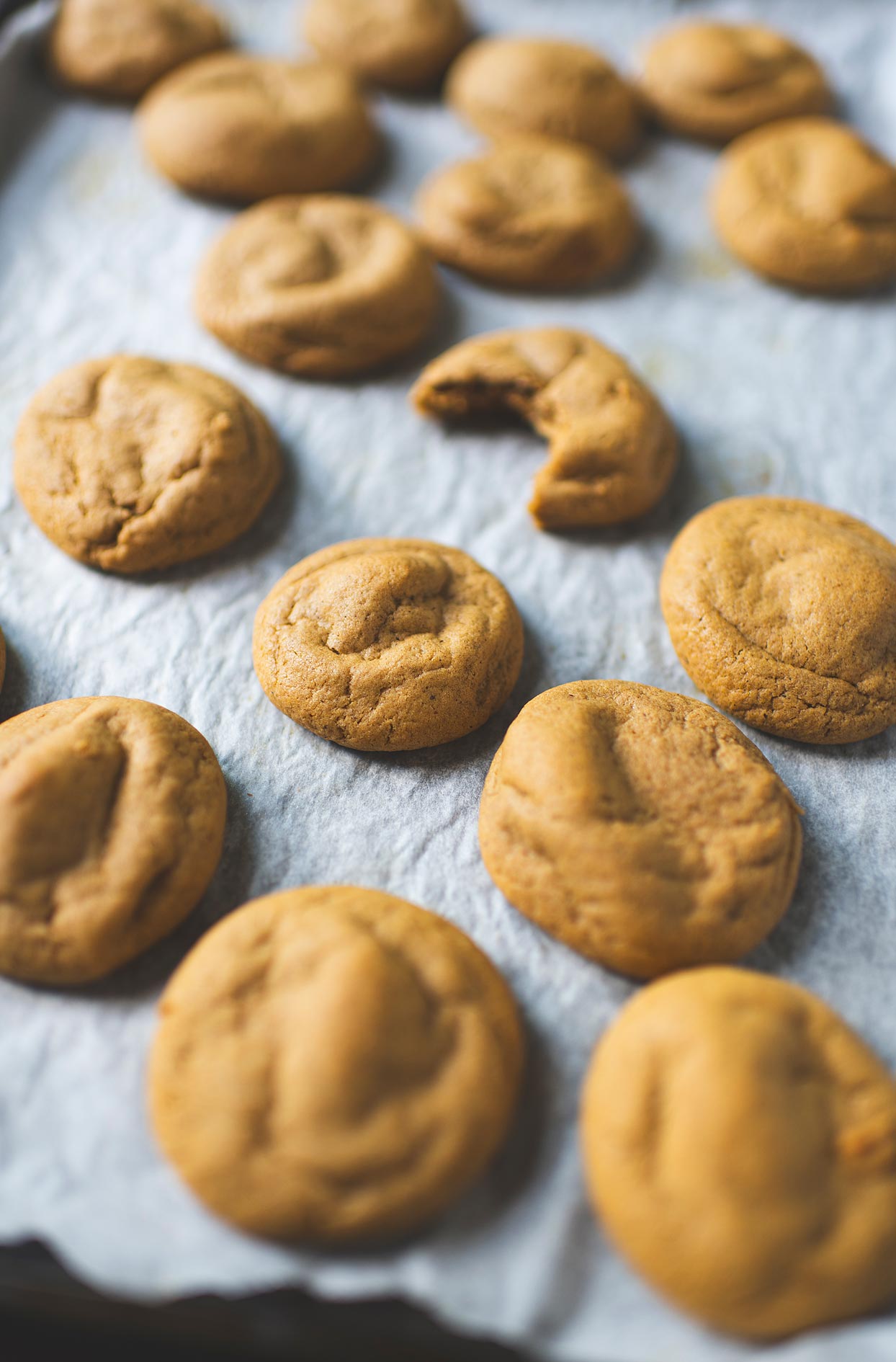
An afternoon coffee, a tea, a glass of milk for the kids. They also slide perfectly into a lunchbox as dessert. If you are building a holiday cookie plate, set them beside my classic shortbread cookies and my molasses cookies: three shapes, three textures, and the plate looks like a bakery window.

Ads
Dough
- 113 g (½ cup) unsalted butter, softened
- 50 g (¼ cup) sugar
- 2 tsp (10 ml) vanilla extract
- 140 g (1 cup + 3 tbsp) all-purpose flour
- 1 ½ tbsp cornstarch
- 1 tsp baking powder
- 1 pinch of salt
Filling
- 2 to 4 tbsp smooth jam, raspberry preferred
Ads
Preparation
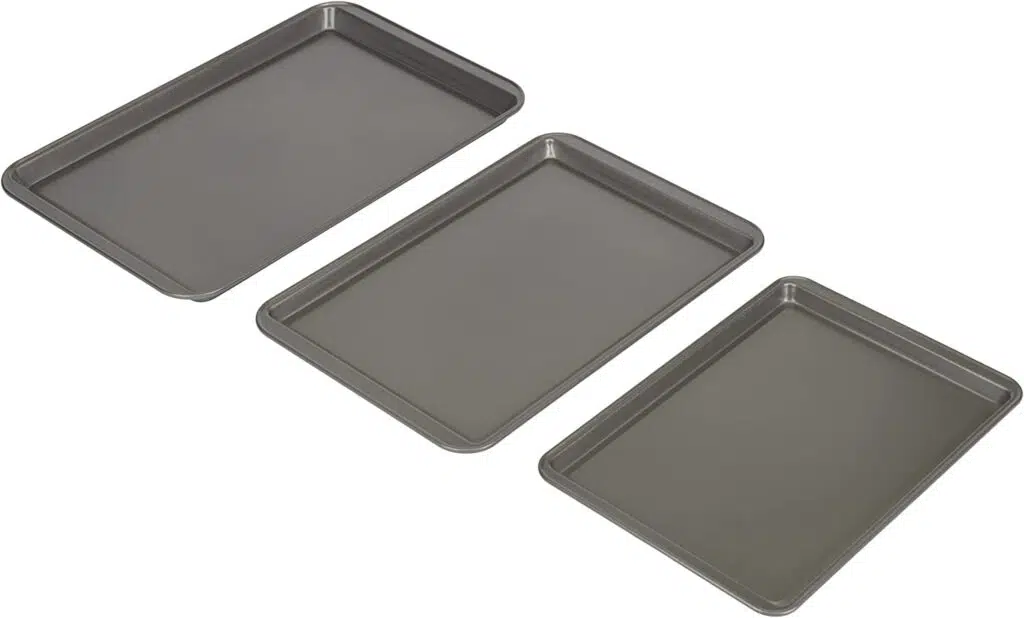
- Preheat the oven to 400°F (200°C) and line a baking sheet with parchment paper.
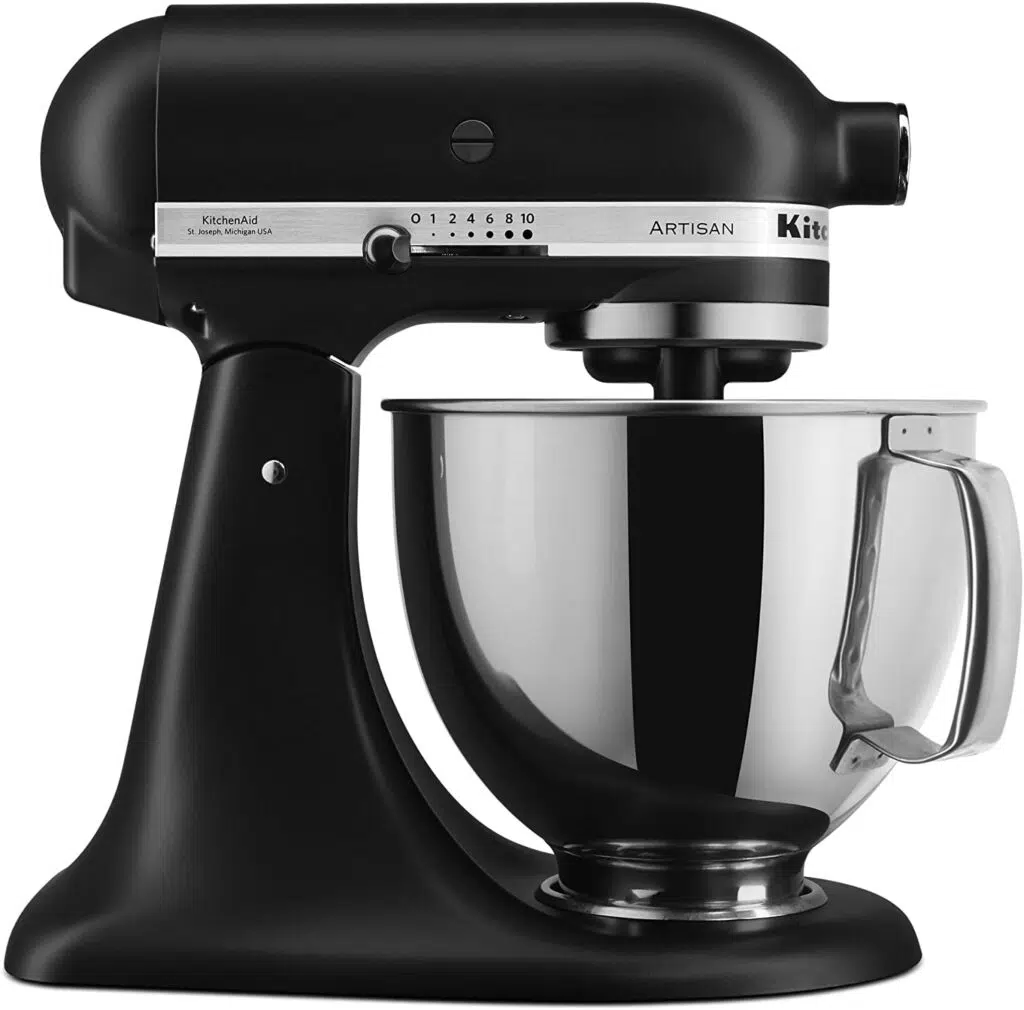
- Using a stand mixer fitted with the paddle, or a hand whisk, cream the softened butter and sugar until light, then beat in the vanilla.
- In a separate bowl, whisk together the flour, cornstarch, baking powder and salt.
- Add the dry ingredients to the butter mixture and mix on low speed just until it comes together into a ball with the texture of modelling clay. Add 1 tbsp of flour if the dough is too sticky.
- Refrigerate the dough for 15 minutes: it firms up slightly and becomes far easier to handle.
- Divide the dough into 12 equal balls and space them out on the prepared sheet.
- Press your thumb into the centre of each ball, down to the halfway point, to hollow out a real compartment. Press firmly, without flattening the whole cookie.
- Spoon slightly less than ½ tsp of jam into each well, depending on its size.
- Bake for 10 to 12 minutes, until the edges are just starting to turn golden.
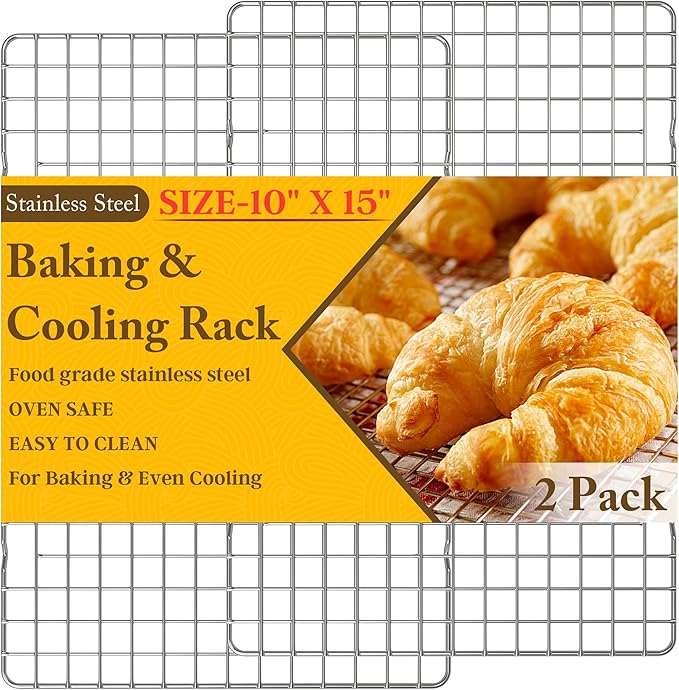
- Let the cookies rest on the sheet for 15 minutes so they set and the jam firms up, then transfer them to a wire rack.
Before, in this format. That is what defines a true thumbprint: you hollow out the well, you fill it, and everything bakes together so the jam sets into the cookie. The versions you often see called jam cookies are really sandwiches filled after baking, which is a different cookie entirely.
Because you are pressing cold dough, and it is completely normal. The sides split a little as your thumb goes down. It is not a flaw to fix, it is what gives the cookie its handmade look. If the cracks really bother you, smooth them with a fingertip before adding the jam.
A smooth one, with no fruit chunks. Raspberry is the classic and the one I use, but blueberry and orange marmalade are excellent, and strawberry works as long as it is smooth. A chunky jam will not settle into the well and bakes unevenly.
Slightly less than half a teaspoon, adjusted to the size of your well. Stay below the rim of the compartment: filled to the top, it runs onto the pan during baking. In my oven nothing overflowed or bubbled out.
Because it comes out of the mixer on the soft side. The cold firms it just enough that the balls roll cleanly and your thumb carves a crisp well instead of squashing the cookie. It is not an optional step, it is what makes the shaping easy.
Four to five days in a metal tin, easily. The jam does not soften the cookie over time, contrary to what you might expect. They are as good the next day as they are fresh, which makes them a great cookie to bake ahead.
Yes. Twelve cookies is a small batch, one pan, and nothing in here resists doubling: no whipped whites, no live yeast, just a dough you stir together. I have not done it myself, but there is no reason it would not work.
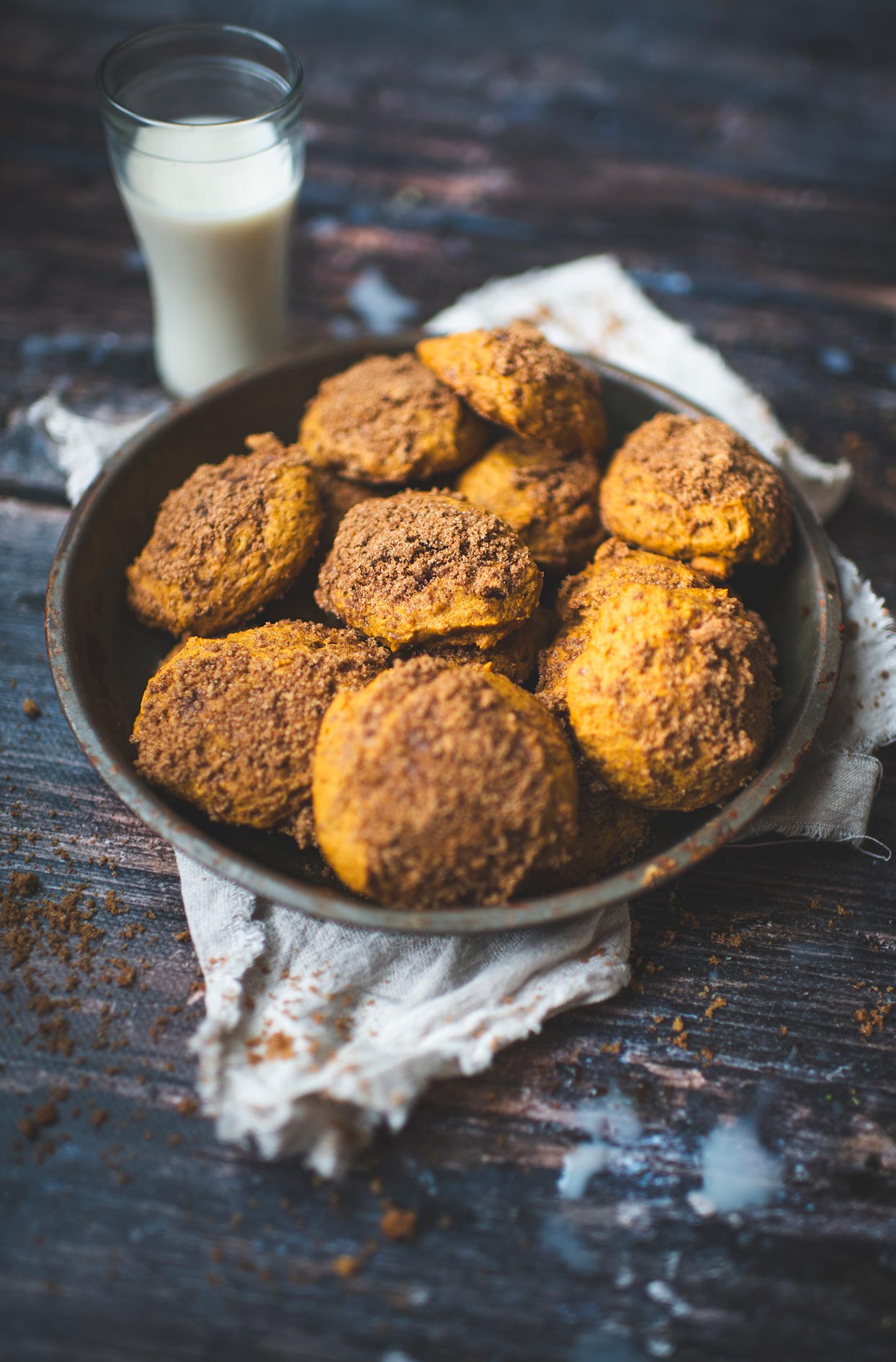
Coffee, tea, a glass of milk. In a kid’s lunchbox they make a perfect dessert. For a Christmas plate, serve them with my classic shortbread cookies and my pumpkin cookies.
Ads
Ads

Ads
Ads
Ads