

Roasted Cauliflower Soup Recipe (Garlic)
- Preparation 15 min
- Cooking 35 min
- Servings 6
- Freezing Absolutely
Ads
☁️ It tastes like eating a cloud
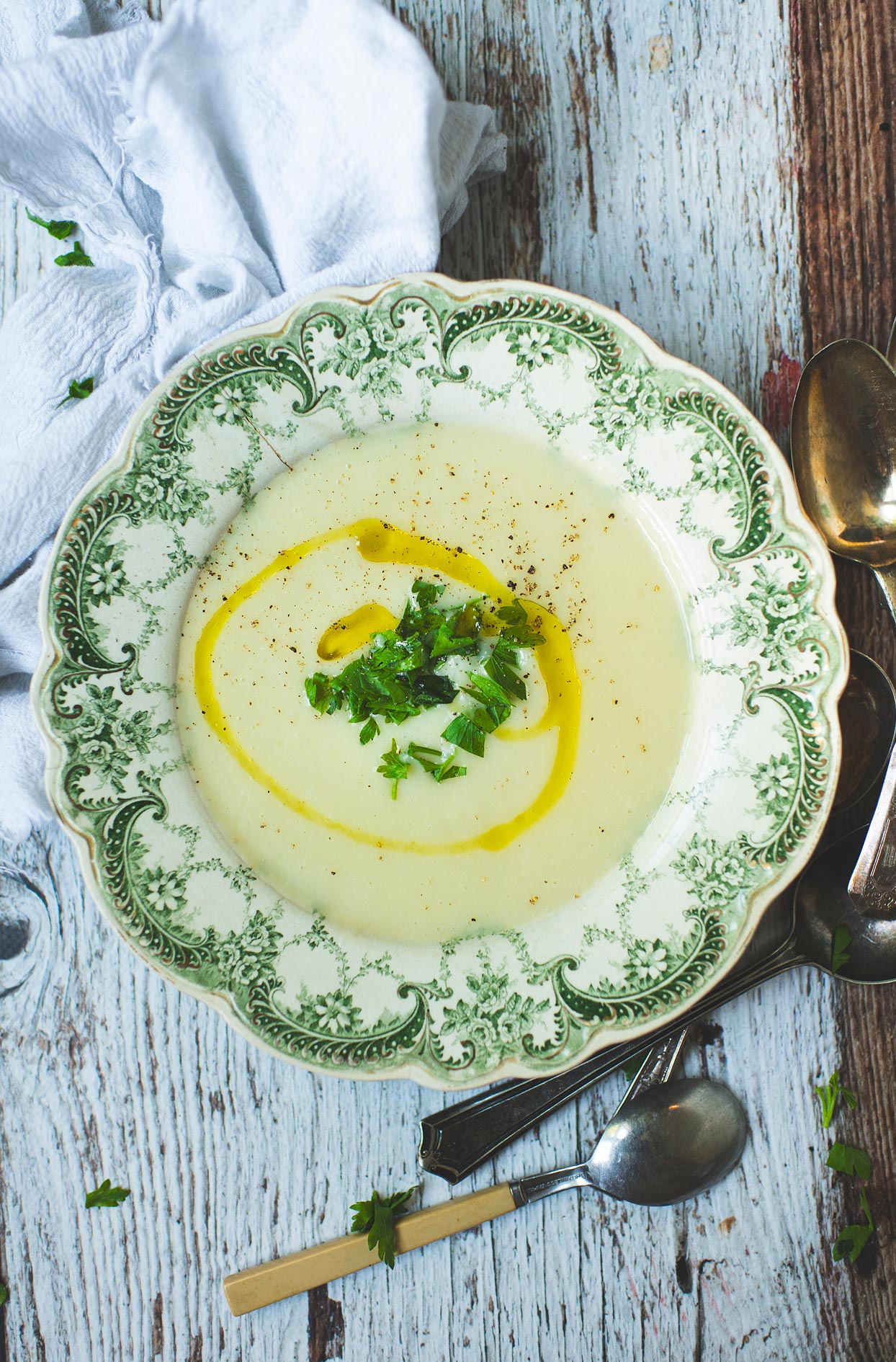
I’ll say it plainly: this soup is pure happiness in a bowl! It’s velvety, it’s creamy, it’s boldly seasoned, and it works fast. We went through the pot in no time at my place, and my kids loved it. Make it once on a cold night, serve it with a warm crusty baguette and butter, and then try to tell me you’ve eaten better this fall. You won’t be able to.
🔥 The oven does all the work
Boiled cauliflower tastes like boiled cabbage. Full stop. Roasted at 425°F for 30 minutes it becomes a different vegetable: the edges brown, the sugars caramelize, and it takes on a nutty flavour no amount of cream can fake. That’s the entire difference between an ordinary cauliflower soup and this one, and it costs you nothing but oven time while you do something else. Don’t pull it early. Wait for the deep golden edges.
🥄 Everything goes in the blender. All of it.
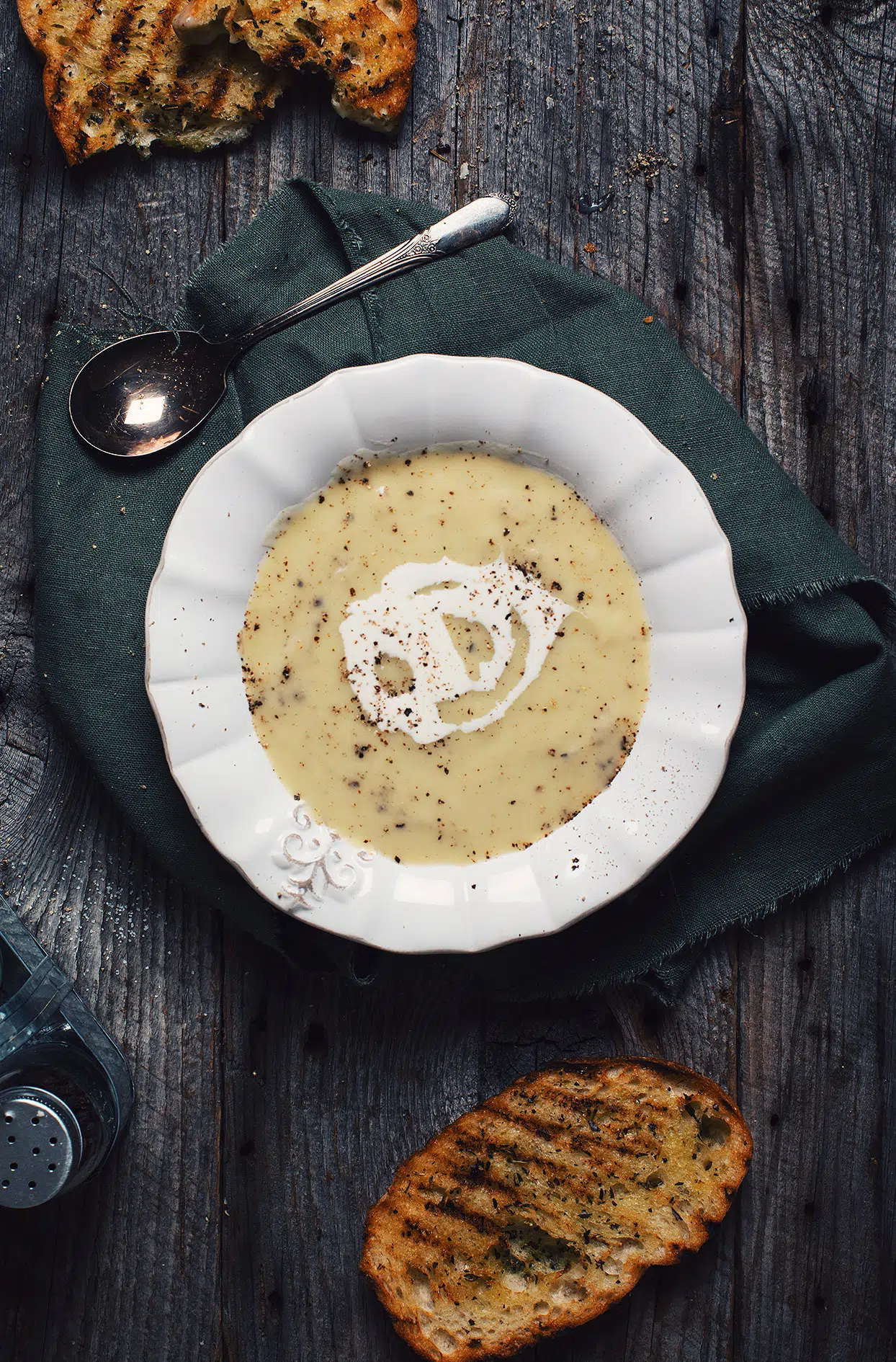
Plenty of recipes tell you to hold back a few pretty florets to scatter on top. I tried it and I stopped: they go soft in the bowl and you’ve given up flavour in the soup for a photo. Everything in, everything blended, until it’s completely smooth. The garnish is parsley, a drizzle of olive oil and a LOT of cracked pepper. It tastes better and it’s more honest.
Ads



Ads
🔥 Don’t pull it out of the oven early
This is the only real secret in the recipe. Deeply golden edges, almost brown in spots, are what give the soup its depth without you adding more fat. Thirty minutes at 425°F on my stove and it was perfectly roasted. Pale cauliflower pulled at twenty minutes gives you a flat soup that no amount of cream will rescue. Go by colour, not by the timer.
🍳 Single layer, even if it takes two sheets
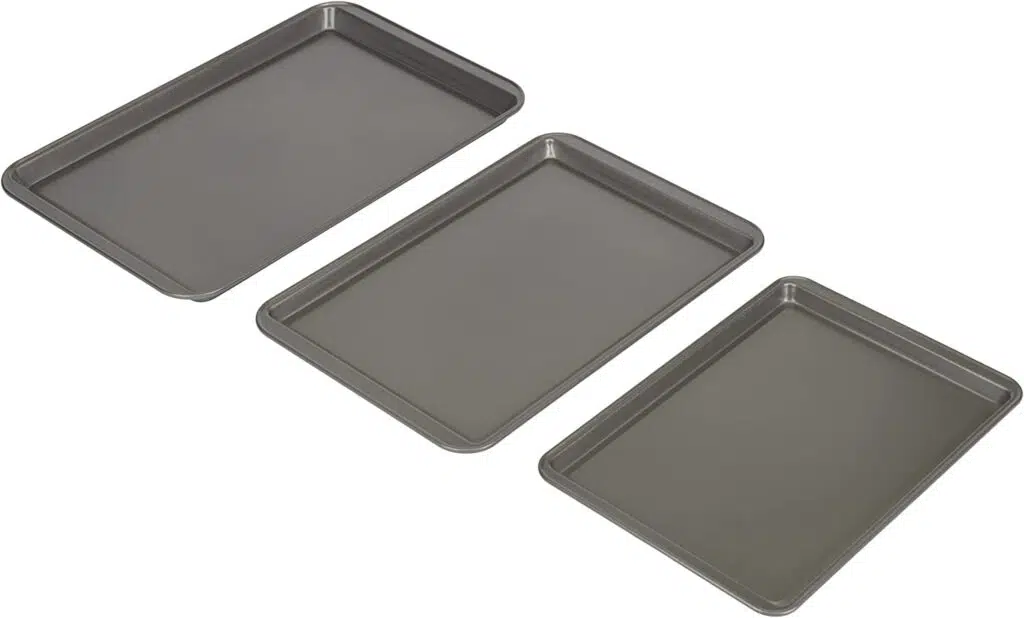
Crowded cauliflower doesn’t roast, it steams in its own moisture. You need a large rimmed sheet and a single layer with space between the florets. If your 900 grams won’t fit, pull out a second sheet instead of forcing it. It doesn’t change the cooking time and it changes everything about the result.
🌪️ A countertop blender beats a stick blender
Ideally use a countertop blender: that’s what gives you the truly silky texture, the one that makes people say it tastes like a cloud. Work in two or three batches, never fill the jar to the top, and let the steam escape or the lid will blow. An immersion blender works too and saves you the dishes, but you’ll keep a little texture. Both are good, they just aren’t the same thing.
🥄 The cauliflower decides the thickness, not the recipe
Heads of cauliflower vary enormously in size. Depending on yours, the soup will come out thicker or thinner, and that’s normal. Keep hot broth beside you and loosen it at the end, a ladle at a time, until it’s how you like it. Better to adjust at the end than to guess at the start.
🧄 Three cloves, and the garlic stays in the background
The garlic is sautéed with the onion, not roasted with the cauliflower. It builds an aromatic base without ever taking over, and that’s on purpose: the star here is the caramelized cauliflower. If you like garlic sweet and forward, slip a whole head cut in half onto the sheet with the cauliflower and squeeze the cloves into the pot. That makes a completely different soup, softer and rounder.
📅 Getting ahead
The soup itself is best made the same day, but everything else can be done the night before, which makes it a great dish for company. Break the cauliflower into florets and store it in a labelled container, chop the onion and the garlic, wash and dry the parsley. When people arrive you slide the sheet into the oven, and the soup finishes in twenty minutes while the whole house smells incredible. Only one thing waits until the last minute: the cream, which goes in over low heat right before serving.
🫙 It freezes, and it keeps
Three to four days refrigerated in an airtight container, and it freezes very well. Reheat gently over medium-low heat, stirring, never at a hard boil, because cream doesn’t like fierce heat. If it thickened in the fridge, a ladle of hot broth brings it right back to day one.
✅ What to serve with my roasted cauliflower soup with garlic
A warm, lightly crusty baguette with butter, and good cured sausage on the side. That’s how we eat it at home and honestly it’s hard to beat. As a starter, small cups are plenty; as a main with the bread and charcuterie, it’s a full supper. If you want to stay in soup territory, try my butternut squash and pumpkin soup, built on the same roasted-vegetable principle, or my potato leek soup, the great classic.


Ads
Ingrédients
- 1 large head of cauliflower (about 2 lb / 900 g), cut into florets
- 3 tbsp (45 ml) olive oil, divided
- 1 tbsp (15 ml) butter
- 1 medium onion, chopped
- 3 garlic cloves, roughly chopped
- 4 cups (1 litre) chicken broth
- ½ tsp (2 ml) dried thyme
- 1 bay leaf
- 1 pinch ground nutmeg
- ½ cup (125 ml) 35% cream
Garnish
- 2 tbsp (30 ml) fresh flat-leaf parsley, chopped
- A drizzle of olive oil
- Cracked black pepper, generously
Ads
Preparation
- Preheat the oven to 425°F (220°C) and line a large rimmed baking sheet with parchment paper.
- Spread the florets on the sheet, drizzle with 2 tablespoons of the olive oil, season generously with salt and pepper, and toss to coat. Spread in a single layer. If the sheet is crowded, use two rather than piling them up.
- Roast for 30 minutes, until the edges are deeply golden and caramelized and the cauliflower is fork-tender.
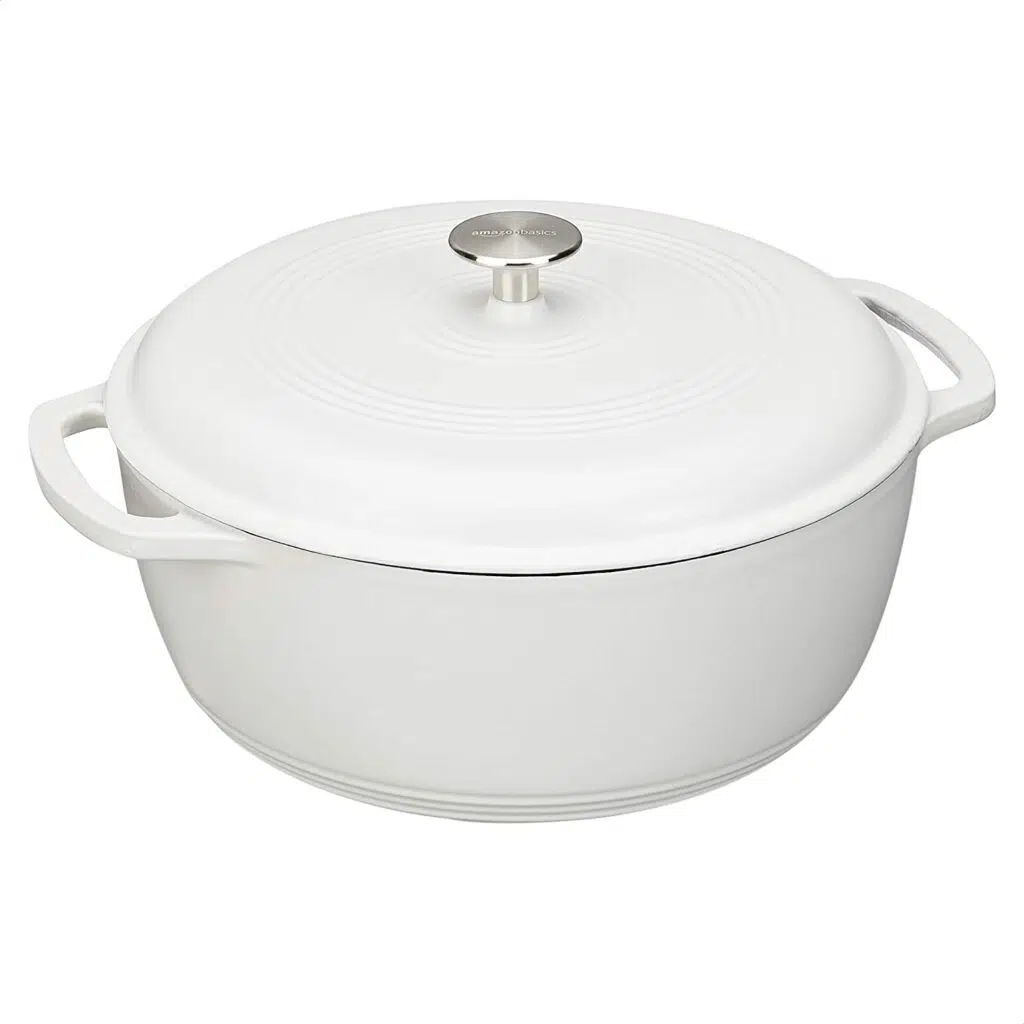
- Near the end of the roasting time, heat the remaining olive oil and the butter in a large heavy-bottomed pot or dutch oven over medium-high heat.
- Add the onion and cook for 4 to 5 minutes, stirring, until soft and translucent. Add the garlic and cook 1 minute more.
- Pour in the broth, then add the dried thyme and the bay leaf.
- Take the cauliflower out of the oven and add all of it to the pot. Bring to a boil, lower to medium-low and simmer for 15 minutes, stirring occasionally.
- Remove from the heat and discard the bay leaf. Blend until completely smooth, working in two or three batches and watching out for the steam. An immersion blender works right in the pot.
- Return to medium-low heat. Stir in the cream and the nutmeg, then season with salt and pepper. Let it barely simmer for 3 to 4 minutes. If the soup is thicker than you want, loosen it with a little hot broth.
- Serve hot, topped with parsley, a drizzle of olive oil and plenty of cracked pepper.
Roasting the cauliflower first, and it isn’t close. Boiled cauliflower stays pale and faintly sulphurous, which is the cabbage note plenty of people dislike. In a 425°F oven its natural sugars caramelize on the edges and it develops a nutty, toasted flavour. The difference isn’t subtle, it hits on the first spoonful. It’s also what lets you use half a cup of cream instead of a cup and a half.
Three of them. Crowding the pan, so the cauliflower steams instead of roasting. Pulling it out while it’s still pale, which costs you all the depth. And under-blending, which leaves you with something merely mixed rather than silky. A fourth, less common: boiling the soup hard after the cream goes in, which can break it. None of these are hard to avoid once you know they exist.
Yes, and it’s still very good. Roasted cauliflower blended long enough is surprisingly creamy all on its own, which is exactly what made this style of soup popular. Swap the cream for milk, for coconut cream if you’re avoiding dairy, or for nothing at all with a spoonful of butter stirred in at the end. You lose a bit of roundness, not the flavour.
Three things. Let the cauliflower simmer the full 15 minutes in the broth, it should collapse against a fork with no resistance. Use a countertop blender rather than a stick blender if you have one, the texture difference is real. And blend longer than your instinct says, a good minute per batch. That’s where it turns silky instead of merely blended.
Absolutely, and it’s one of the few creamy soups I’ll say that about without hesitating. Freeze it in portions in airtight containers and it keeps for months. Thaw overnight in the fridge and reheat gently, stirring. If it looks slightly separated coming out of the cold, that’s normal: a quick whisk or thirty seconds with a stick blender brings it right back.
Ads
Ads






Ads
Ads
Ads