

Cipaille Recipe (Venison and Duck Meat Pie)
- Preparation 1 h
- Refrigeration 6 h
- Cooking 3 h
- Servings 10 to 12
- Freezing Absolutely
Ads
🦌 The meat pie of Christmas Eve and hunting season!
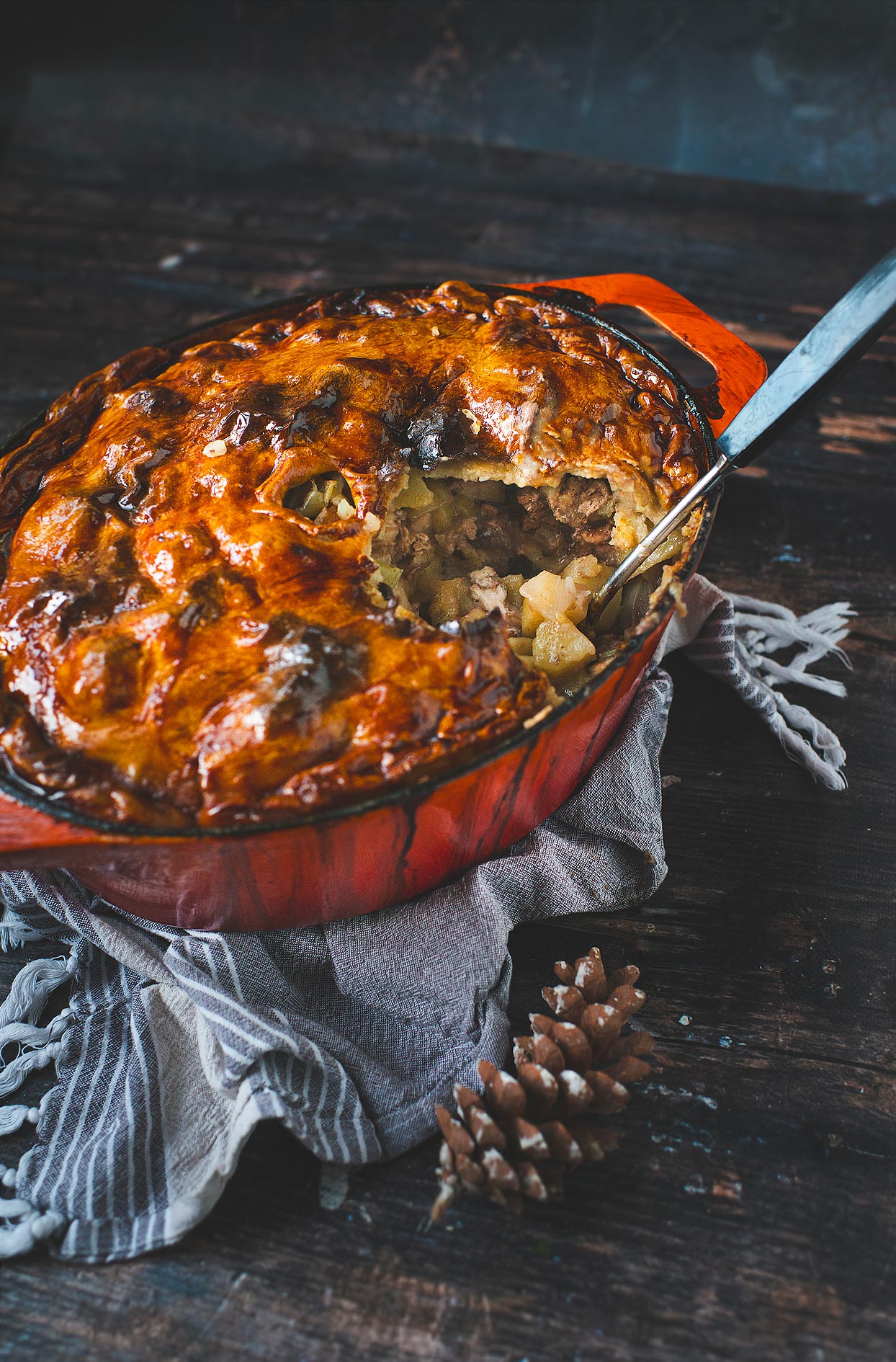
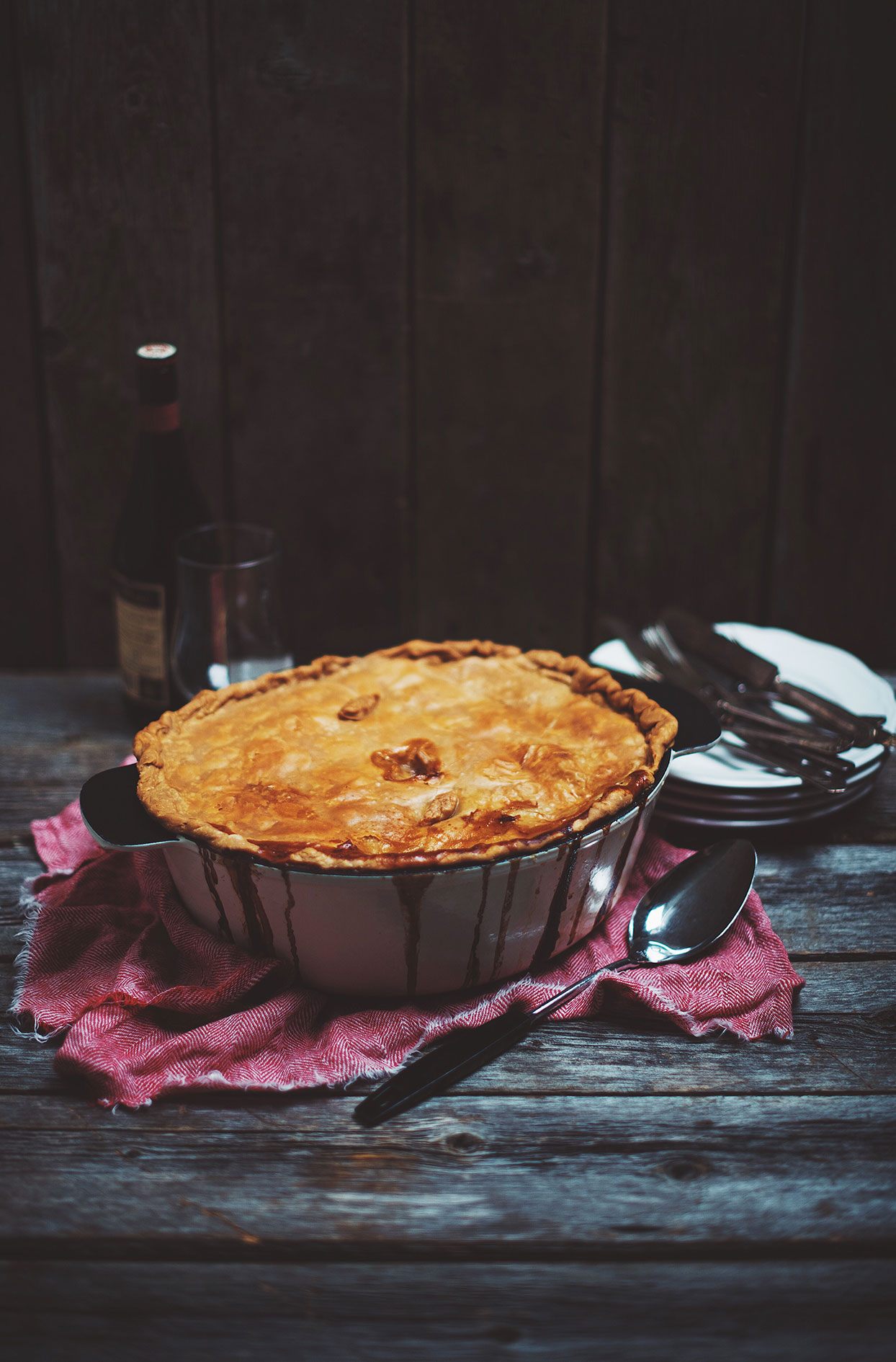
A big Dutch oven coming out of the oven with a golden crust, juices bubbling up through the hole in the middle, and the smell of meat, spices and maple bacon filling the whole house. That’s cipaille. Meats marinated overnight, potatoes, apples, two layers of homemade pastry and three hours in the oven. It’s the dinner for Christmas Eve, hunting season and the holidays, and it easily feeds a crowd!
🤝 A recipe lent by a follower
It was my first time making a cipaille. A Le Coup de Grâce follower lent me her recipe, and I adapted it to the one I already had. Thank you! The star is venison, which you can find at the butcher. With beef cubes, it’s super good too. And I added duck breast, because duck is absolutely delicious in there.
🥧 Cipaille, cipâte or six-pâtes?
Depending on the region of Quebec, it’s called cipaille, cipâte or six-pâtes. The word comes from the English “sea-pie”, the sailors’ pie. My cipaille is built in two layers: meat, apples and potatoes, a sheet of pastry right in the middle, then more meat and a second sheet of pastry on top. That middle layer of pastry is what sets it apart from a tourtière.
Ads

Ads
🌙 Overnight in the marinade is the best
Six hours works. But a full night in the fridge is what gives the meat the most flavour. Make your marinade the night before and forget about it until the next day.
🦌 Venison, beef or whatever game you like
You can find venison at the butcher, no need to be a hunter. You can also swap in whatever game you have on hand, or beef cubes: it’s super good too. The duck, though, stays: it’s absolutely delicious in there.
🥓 Bacon on the bottom of the pot
It goes on the bottom so nothing sticks, and to add a layer of flavour. It melts right down during the cooking. When you serve, dig all the way to the bottom so every portion gets its share of bacon.
🥧 The pastry: easy, but a bit of a challenge
It comes together with a fork and your hands, no food processor. It rolls out pretty well, but it will still give you a bit of a challenge: flour your counter well and take your time. You end up with a pastry that’s lightly crisp on top.
💧 Broth through the hole
Cut your hole all the way to the bottom of the pot, through the middle sheet of pastry: that way the broth reaches the bottom layer instead of sitting on top. At the start, pour in broth until it reaches the level of the pastry. After that, no need for an exact amount: the goal is to keep it nice and moist inside. Add broth through the hole when the recipe says so, and a little more if it looks dry.
🍎 Apples in a meat pie
Apples are good, and they add complexity to the flavours. They melt between the meat and the potatoes and give a slight sweetness to the juices.
🍷 A full-bodied red wine
For the marinade, I used a full-bodied red, like a Tempranillo or a Bordeaux. If you don’t have any, use beef broth instead.
✨ Pan juices on top
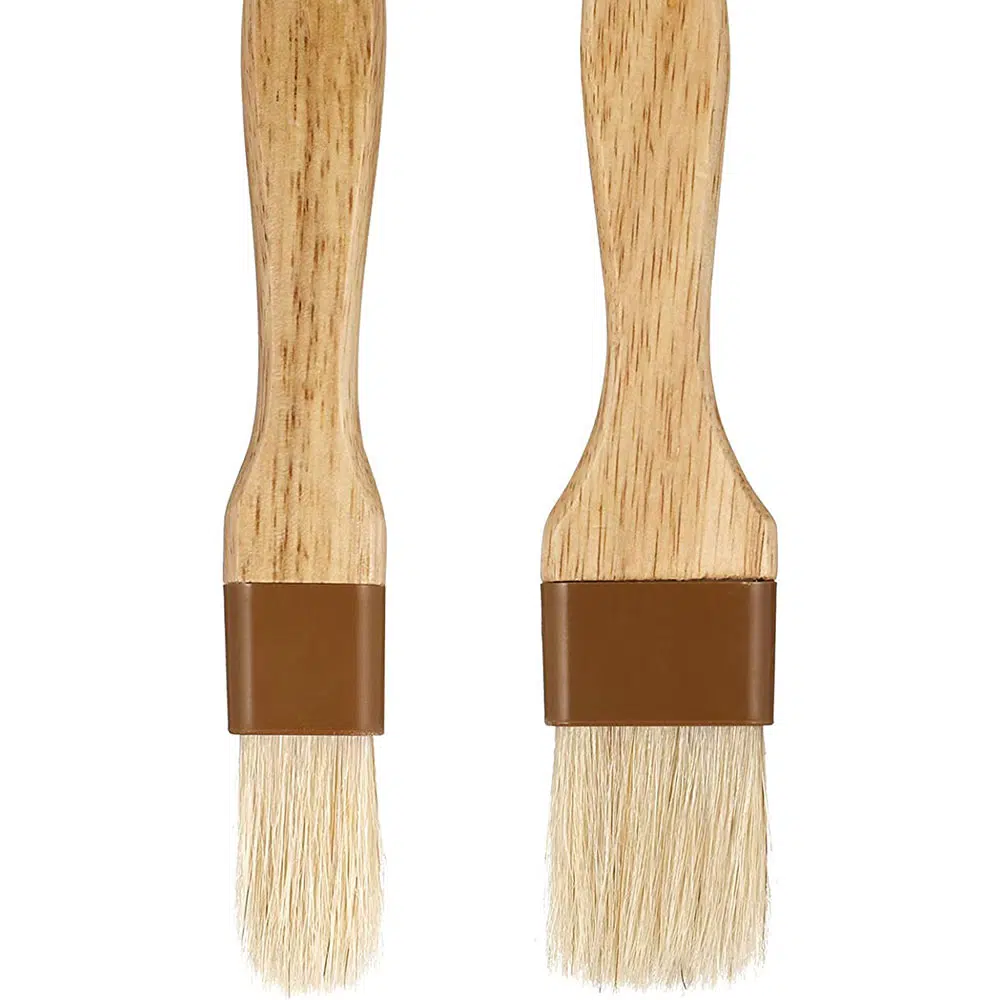
When it comes out of the oven, I brush the top with the juices that ran onto the baking sheet. The crust gets even more golden and shiny.
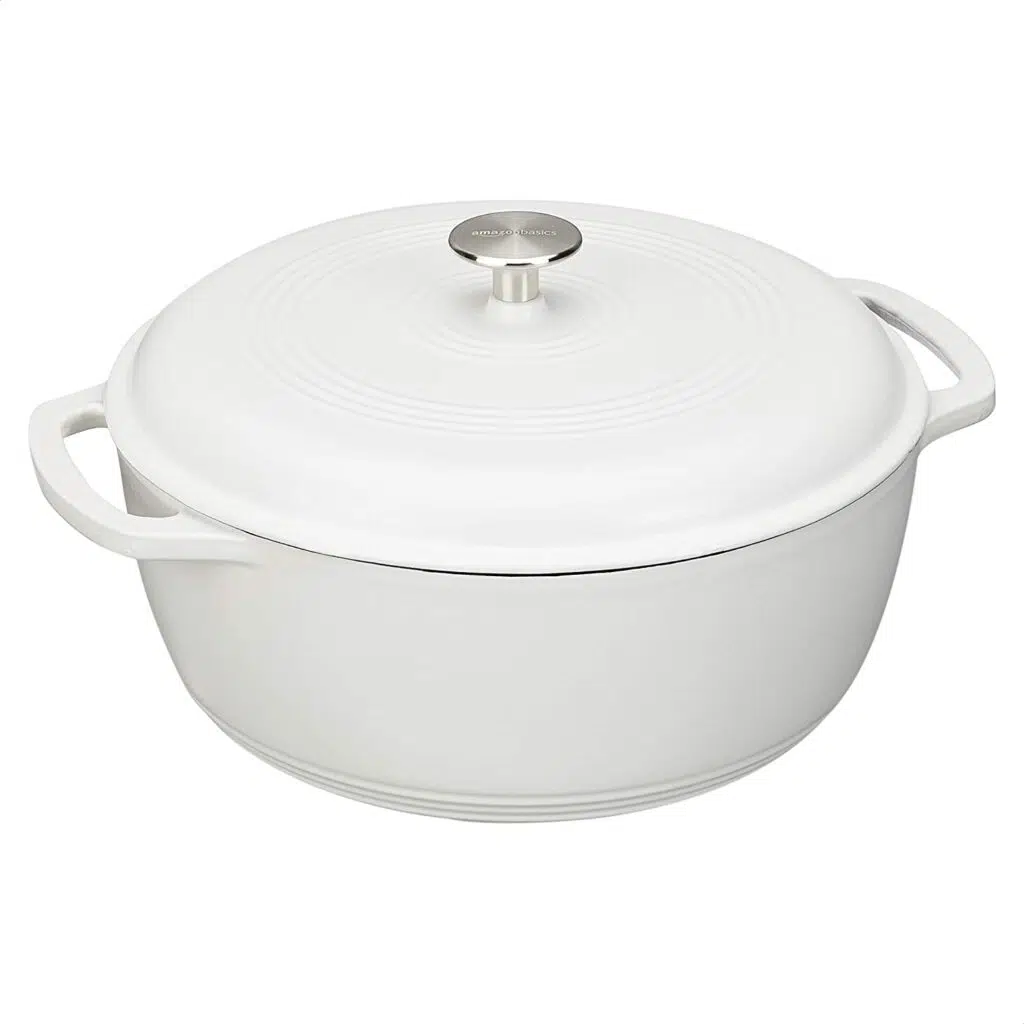
🫕 An enameled cast-iron Dutch oven
I recommend it. It holds even heat for the full three hours, and the bottom doesn’t burn.
📅 Make-ahead prep
The marinade is made the day before. The pastry is made in the morning, at least 4 hours before baking. The cipaille itself is always best freshly made: serve it out of the oven after its 20-minute rest. Leftovers keep 3 to 5 days in the fridge, and it freezes once baked.
✅ What to serve with my cipaille
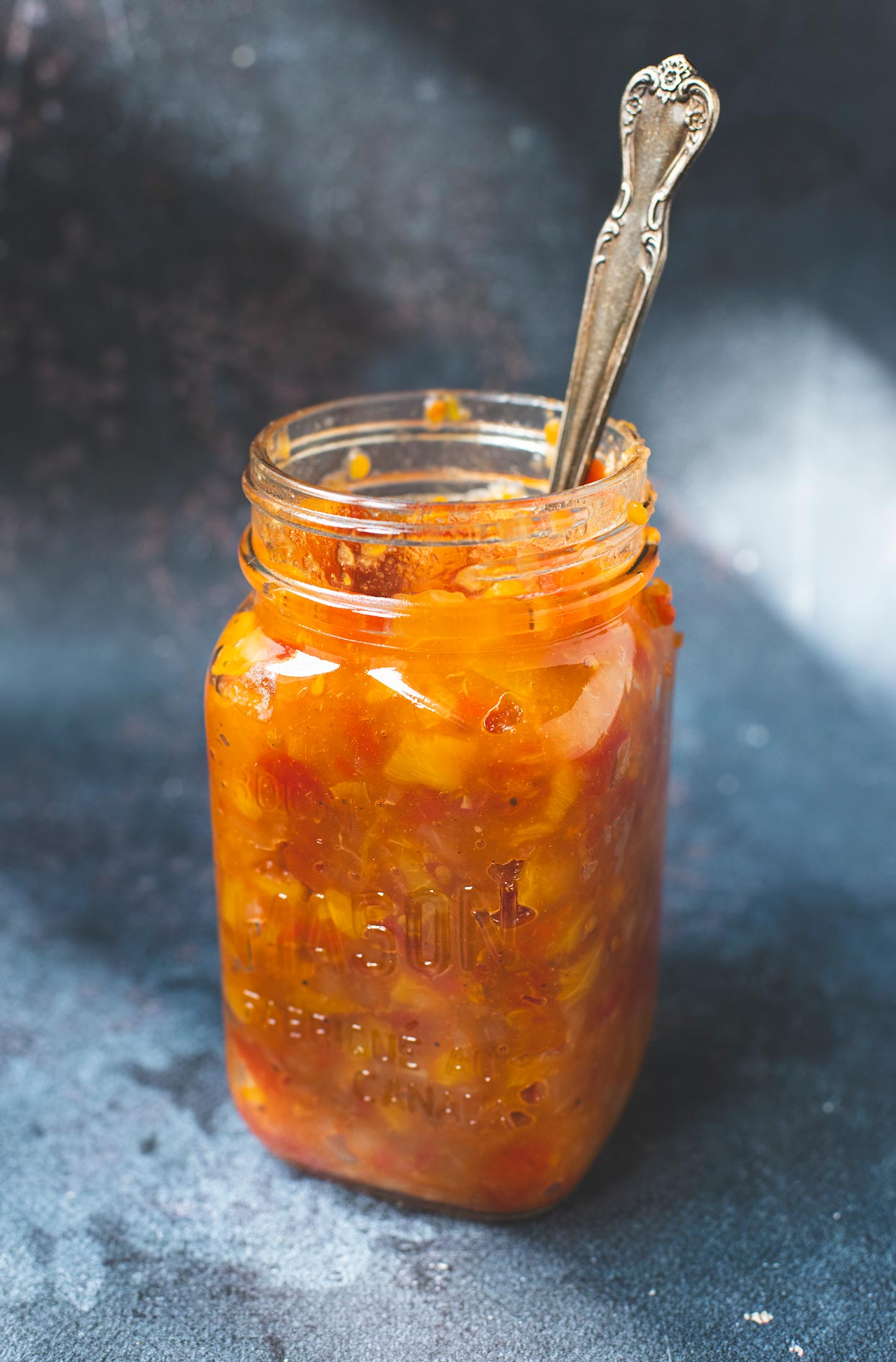
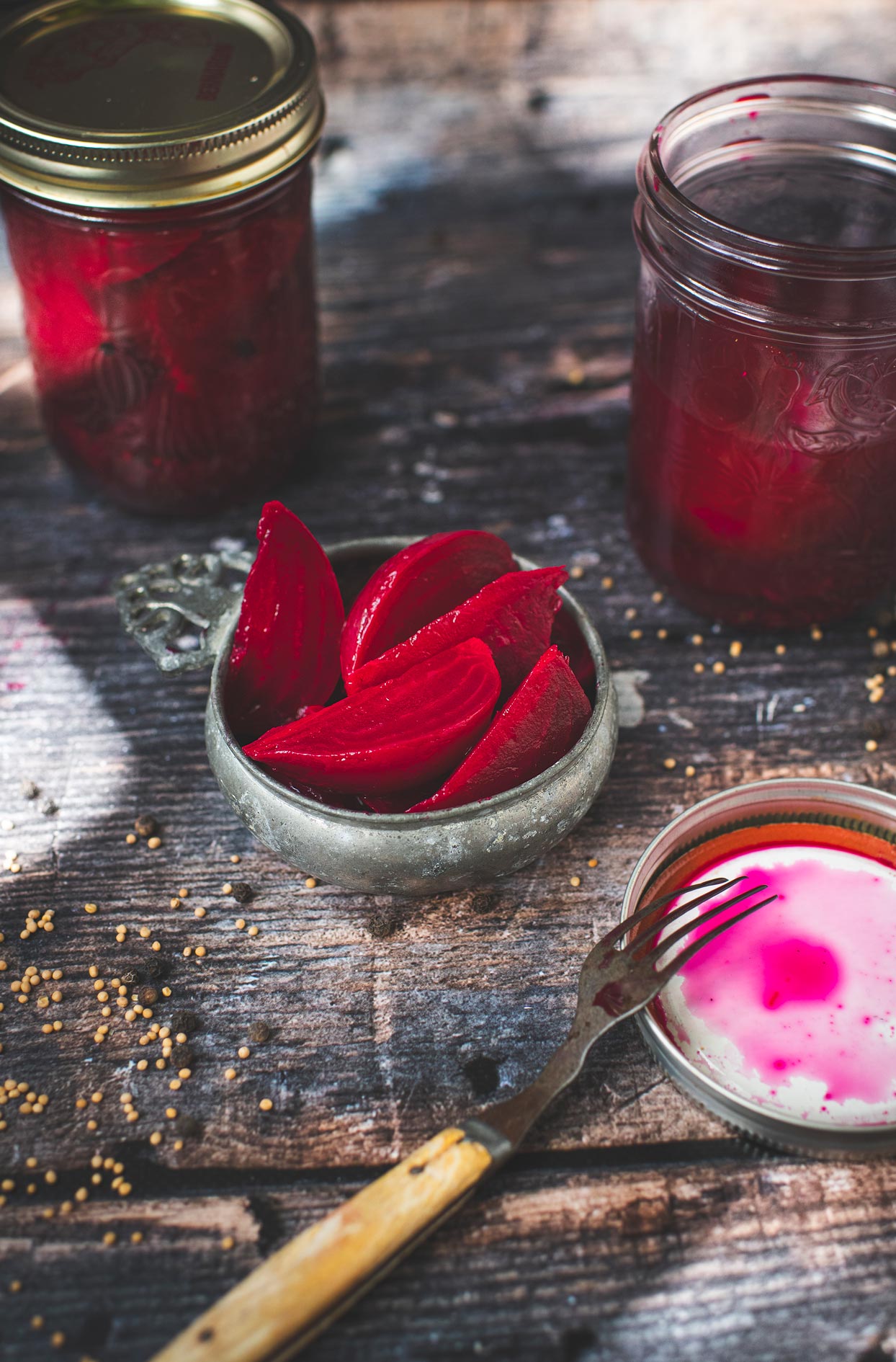
Fruit ketchup and pickled beets, absolutely. Mine are on the site: my homemade fruit ketchup and my homemade pickled beets. If you love the big holiday meat pies, my Lac-Saint-Jean tourtiere and my tourtine with beef flank and duck confit are from the same family.

Ads
Marinade
- 1 ¾ lb (800 g) venison (or beef cubes), cut into large cubes
- 3 duck breasts, fat trimmed, cut into large cubes (about 800 g once trimmed)
- 3 onions, cut into large pieces
- 3 celery stalks, finely diced
- 3 carrots, peeled and sliced
- 4 garlic cloves, crushed
- 2 bay leaves
- ½ tsp (2 ml) ground cloves
- ½ tsp (2 ml) ground cinnamon
- 1 tbsp (15 ml) herbes de Provence
- 1 cup (250 ml) full-bodied red wine, such as a Tempranillo or a Bordeaux (or beef broth)
- 1 cup (250 ml) beef broth
- Salt and pepper
Pastry
- 4 cups (1 L) unbleached flour
- 1 tbsp (15 ml) baking powder
- 1 pinch salt
- ¾ cup (180 ml) vegetable shortening
- 1 cup (250 ml) cold water
- ¼ cup (60 ml) vegetable oil
- 1 egg yolk
Assembly
- 1 package (375 g) maple bacon, cut into large pieces
- 2 apples, peeled and diced
- 3 ½ lb (1.6 kg) potatoes, peeled and cut into large pieces
- 1 ½ cups (375 ml) hot beef broth, plus more as needed
- 1 egg yolk beaten with 1 tbsp (15 ml) milk, for the egg wash
Ads
Preparation
- The day before, in a very large bowl, combine the venison, duck, onions, celery, carrots and garlic.
- Add the bay leaves, cloves, cinnamon, herbes de Provence, wine and beef broth. Season well with salt and pepper.
- Cover and refrigerate overnight, or at least 6 hours.
- Pastry, at least 4 hours before baking. In a large bowl, mix the flour, baking powder and salt.
- Add the shortening, then work it in with your hands until the mixture is flaky.
- Add the water, oil and egg yolk. Mix with a fork until it forms a ball, then knead a few times.
- Divide the dough into 2 balls, wrap and refrigerate for 4 hours.
- Assembly. Set the rack in the center of the oven and preheat to 350°F (180°C).
- Roll each ball of dough into an oval a little larger than the Dutch oven (13-inch, 33 cm oval Dutch oven).
- Spread the bacon over the bottom of the Dutch oven.
- Add half of the meat with half of the marinade, half of the apples, then half of the potatoes. Season with salt and pepper and cover with one sheet of pastry.
- Repeat with the rest of the meat, marinade, apples and potatoes, then cover with the second sheet of pastry. Seal the edges.
- Cut a 2-inch (5 cm) hole in the center of the pastry, pushing the knife through the middle sheet of pastry all the way to the bottom of the pot. Pour in hot broth until it reaches the level of the pastry.
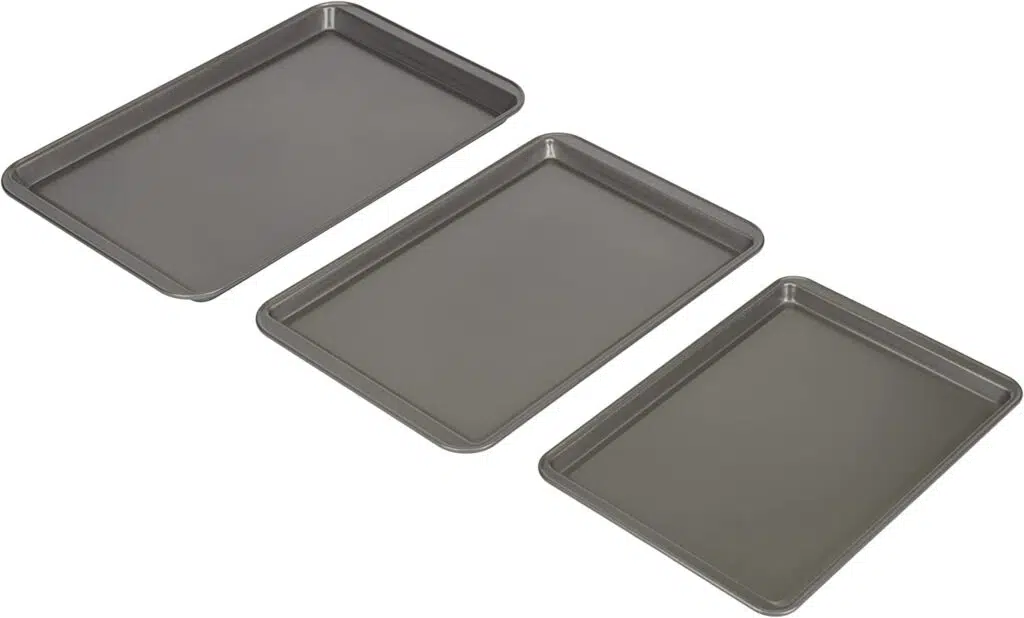
- Brush the pastry with the egg wash. Set the Dutch oven on a baking sheet.
- Bake uncovered for 30 minutes. Pour ½ cup (125 ml) of broth into the hole.
- Cover and lower the oven to 300°F (150°C). Bake for 2 ½ hours, adding ¼ cup (60 ml) of broth into the hole twice.
- Remove the lid for the last 20 minutes to brown the pastry.
- When it comes out of the oven, brush the top with the juices that ran onto the baking sheet. Let rest 20 minutes before serving.
It’s a Quebec layered meat pie, baked in a Dutch oven: meat, potatoes and sheets of pastry, cooked low and slow. The name comes from the English “sea-pie”, the sailors’ pie, and depending on the region it’s also called cipâte or six-pâtes.
Marinate the meat overnight with vegetables, spices, red wine and broth. The next day, layer bacon, half the meat, apples and potatoes, a sheet of pastry, then the rest of the filling and a second sheet on top. Pour broth through a hole cut down to the bottom, bake 30 minutes at 350°F, then 2 ½ hours at 300°F, adding broth as it cooks.
The cooking method, what goes inside, and above all the layer of pastry right in the middle. My cipaille is built in two layers of meat separated by a sheet of pastry, with a second sheet on top. My Lac-Saint-Jean tourtiere is made a different way.
I don’t suggest it. There’s pastry in it, and if you want a nice crisp crust, a slow cooker isn’t where that happens. A low oven does the job.
Yes, once baked. But honestly, it’s always best freshly made. Leftovers keep 3 to 5 days in the fridge.
My homemade fruit ketchup and my homemade pickled beets.
Ads
Ads




Ads
Ads
Ads