

Bechamel Sauce Recipe (Classic French)
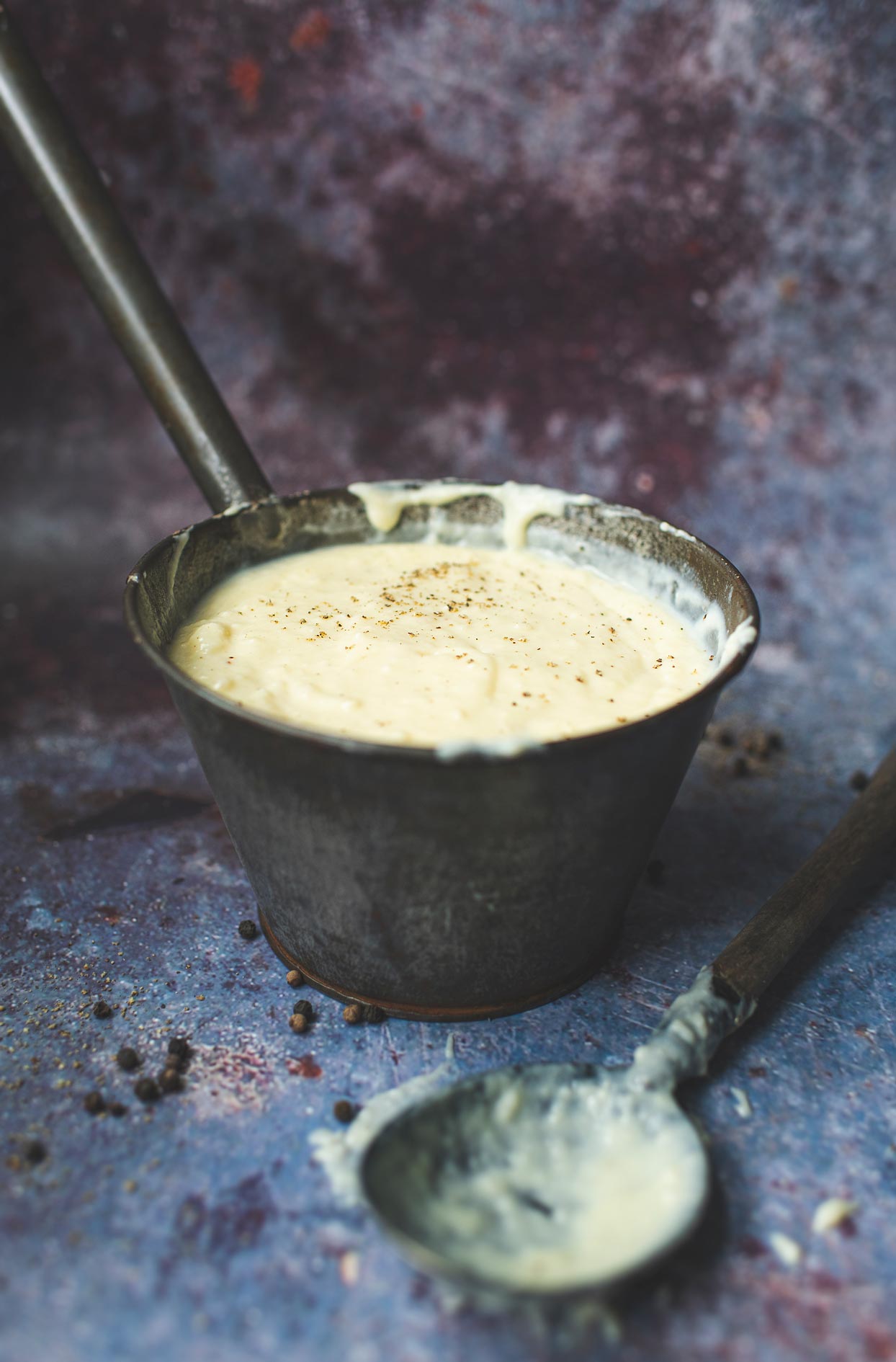
- Preparation 5 min
- Cooking 15 min
- Servings 8
- Freezing Absolutely
Ads
🥄 The sauce that unlocks about twenty recipes
Learn this one properly and you’ve just unlocked lasagna, gratins, mac and cheese, croque-monsieur and half the casseroles you make all winter. Three ingredients. Butter, flour, milk. That’s it, and that’s exactly why it goes wrong so often: there’s nothing to hide behind. Make it once while understanding what’s happening and you’ll never miss it again.
⚖️ “Equal parts” means by WEIGHT. That’s THE trap.
Everywhere you read “as much butter as flour.” Except people measure it by the cup, and that’s where it falls apart. A third of a cup of butter weighs about 80 g. A third of a cup of flour barely hits 40. You’ve just used half the flour you thought you did, and you end up with a thin sauce that coats nothing. That’s why I write ⅓ cup butter and ⅔ cup flour: the cups don’t match, the weights do.
📊 Three consistencies, and only one is right for your dish
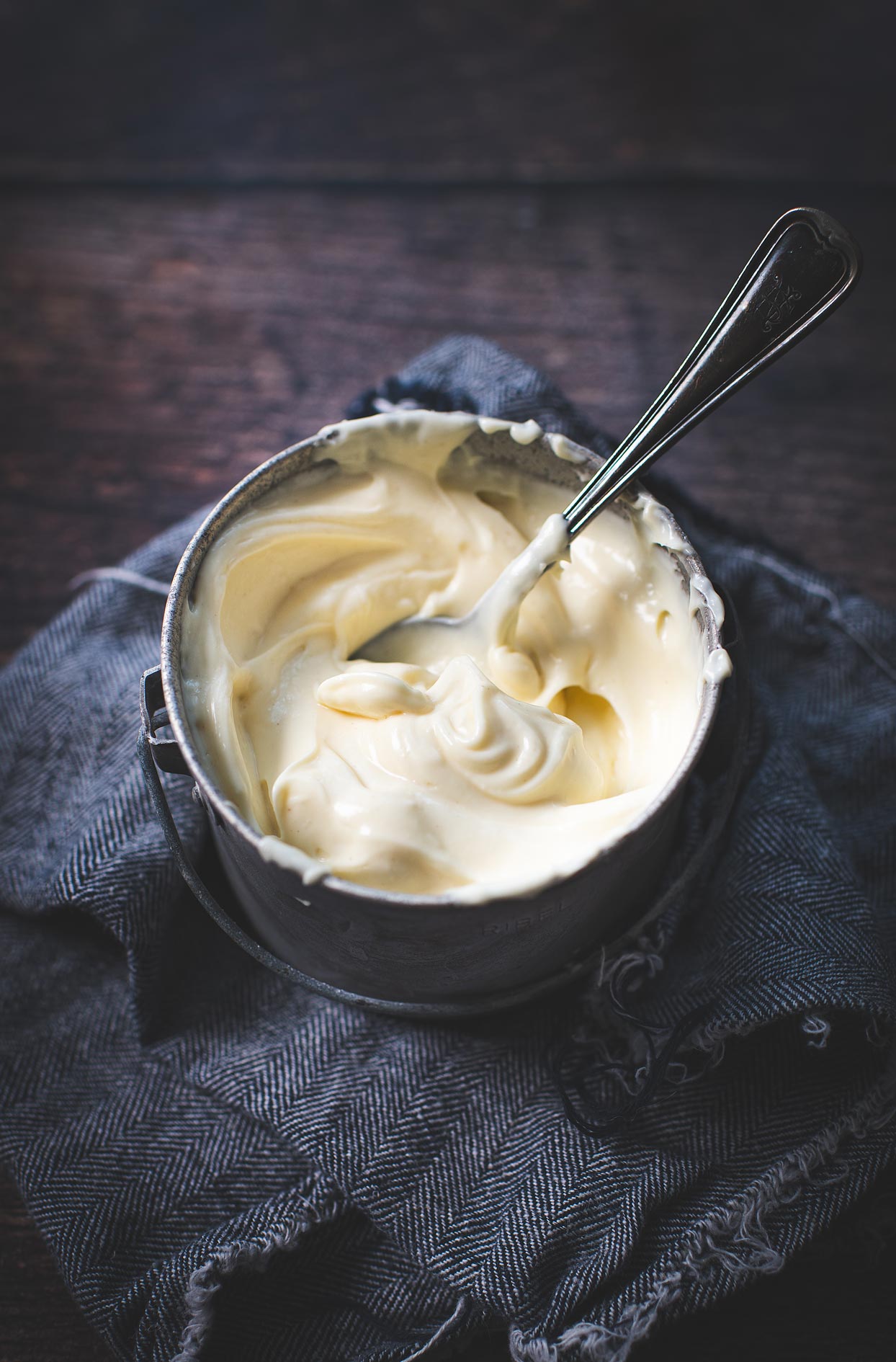
Per liter of milk: 40 g of butter and flour for a thin sauce, for veloutés and soups. 80 g for the medium one, the version here, the all-purpose sauce that goes into lasagna, a gratin or a croque-monsieur. 100 g for thick, the soufflé and croquette version that has to stand on its own. This recipe makes 3 ½ cups (850 ml) of sauce, enough to build a lasagna or coat a 9 x 13 gratin. Same technique in all three, only the roux changes. Nobody publishes that table, and it’s the one thing you need to never get it wrong.
Ads

Ads
⚖️ Weigh the butter and flour if you can
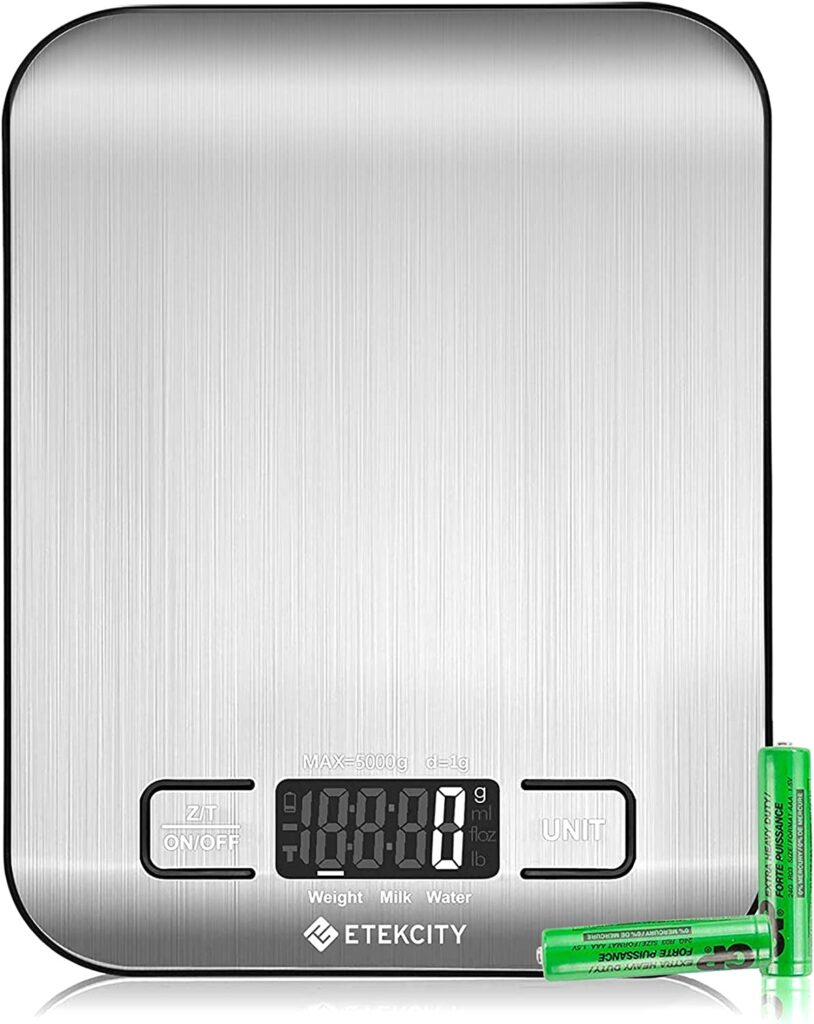
This is the one place a kitchen scale genuinely changes the outcome. Eighty grams of each and your sauce coats perfectly on the first try. Without a scale, the cup measures in the recipe get you there, but don’t fall into the trap of using the same measure for both: ⅓ cup butter to ⅓ cup flour is half the flour you need.
💧 Cold milk, hot milk, it makes no difference
Everyone tells you to warm the milk. The side-by-side test has been done and both sauces finish identical. I use cold milk every time, straight out of the fridge, and I’ve never had a problem. The only advantage of hot milk is that it comes up to temperature faster. The only advantage of cold is that you get more time to whisk before it thickens.
🌀 Lumps don’t come from temperature
They come from two things: flour that wasn’t fully coated in butter at the start, and milk poured in too fast. A lump is a ball of dry flour sealed inside a shell of cooked starch, and once it forms nothing gets in. That’s why you add the milk in small ladles at first, waiting for each to go smooth. Once a third of it is in, the rest can go in a stream, the danger has passed.
🧽 A lumpy bechamel is salvageable
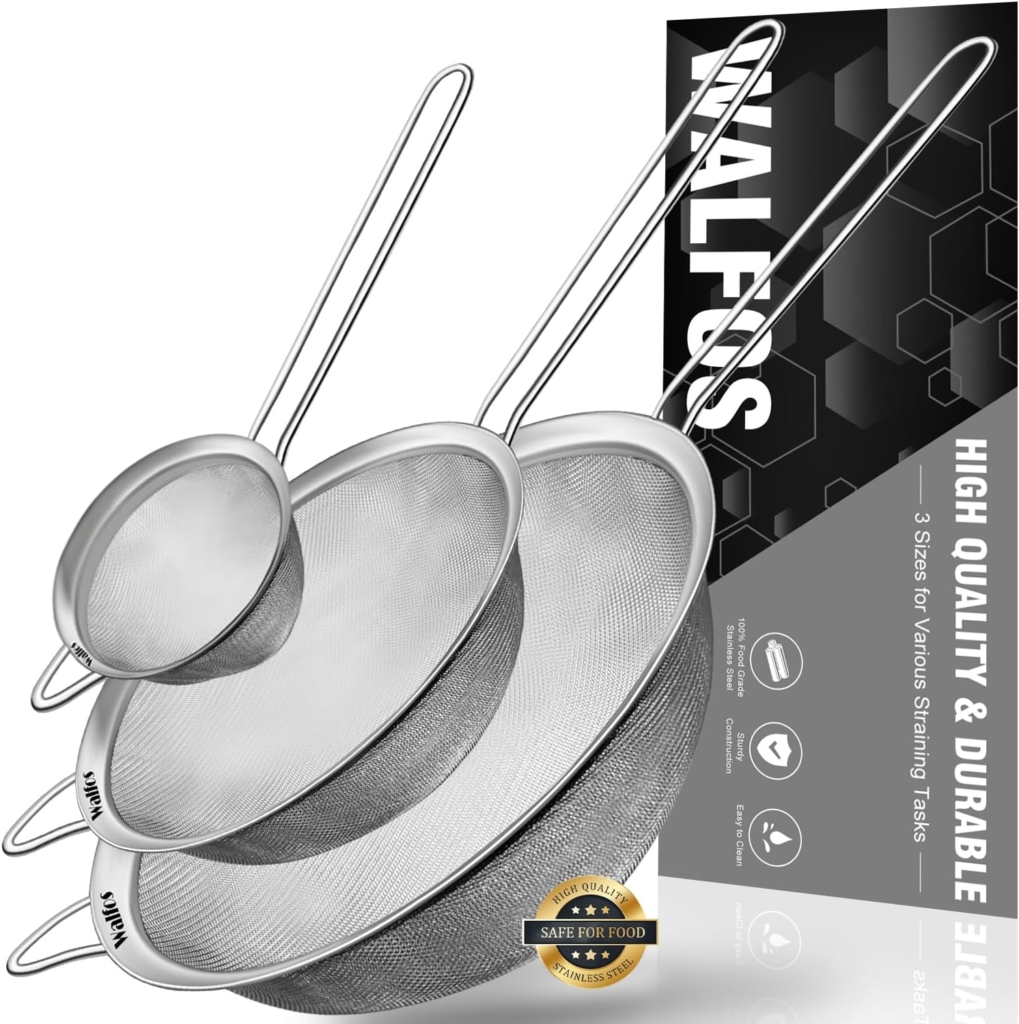
Push it through a fine mesh sieve, that’s all. The lumps stay behind and you get a smooth sauce back. An immersion blender works too, but it whips air in and leaves the sauce foamy. The sieve is the clean fix.
⏱️ A few minutes is enough, not thirty
Some references have you simmer half an hour to cook out the raw flour taste. That’s true when you eat the sauce as is. But in a lasagna or a gratin that’s about to spend 45 minutes in the oven, the oven finishes the job, and your roux already cooked the flour before the milk showed up. Three to five minutes until it coats a spoon is plenty. Serving it straight over vegetables? Give it another ten minutes.
🧀 The variations take two extra minutes
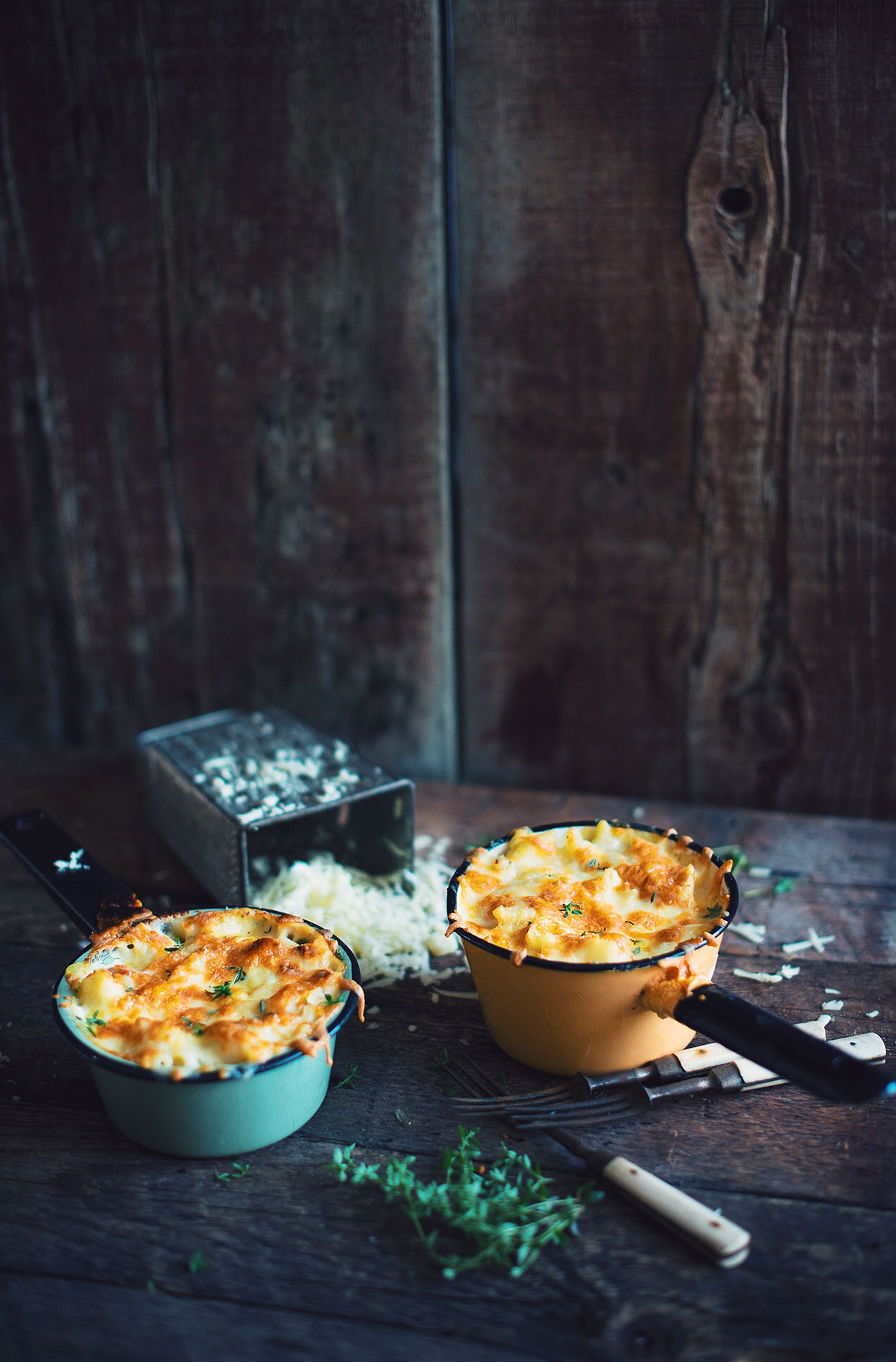
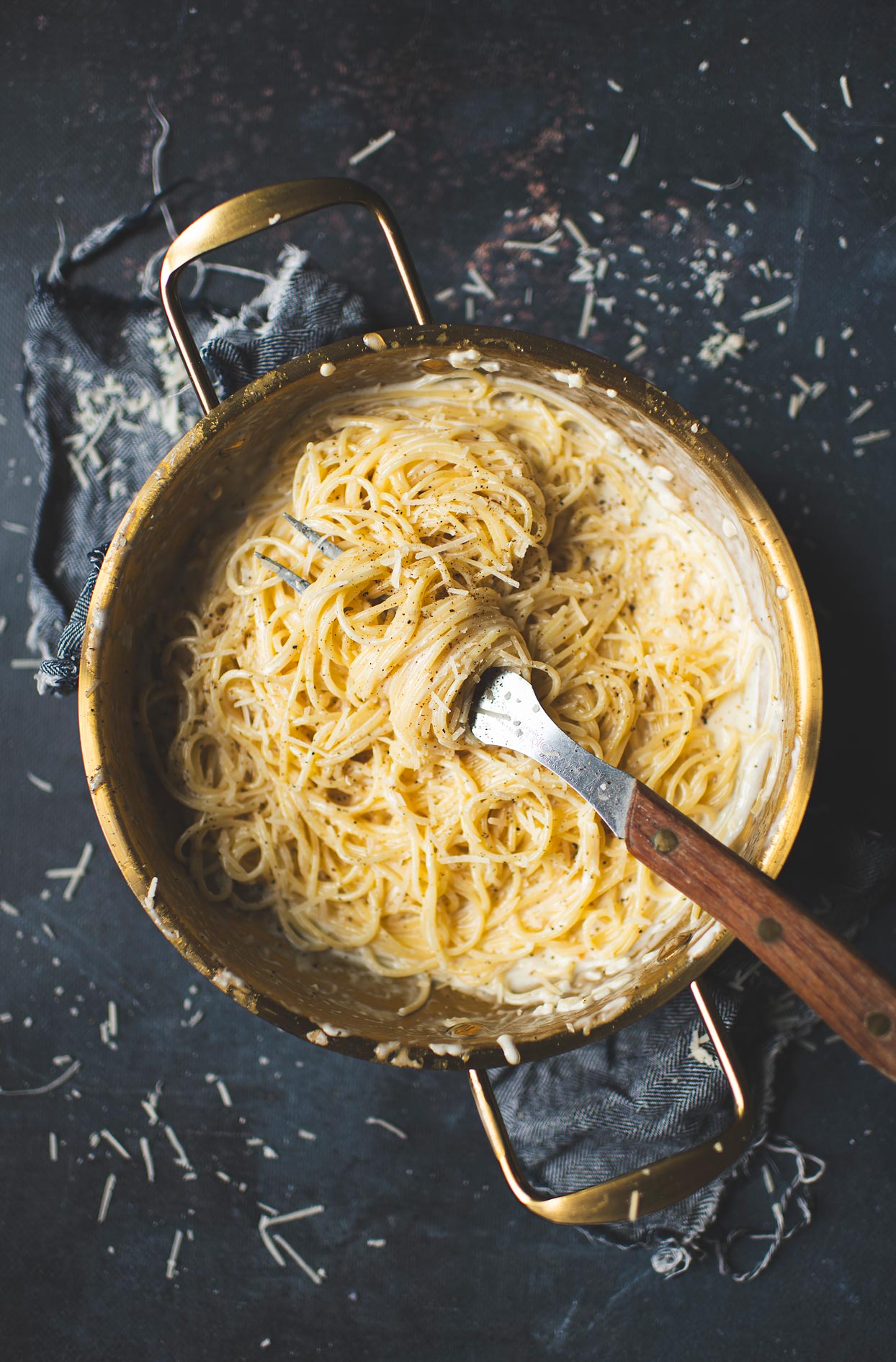
Stir a generous cup of grated gruyère or sharp cheddar in off the heat and you’ve made a Mornay, the sauce behind croque-monsieur and mac and cheese. Sweat chopped onions in the butter before adding the flour and you get a soubise, excellent over roast pork. Same base, two completely different sauces.
🌾 The gluten-free version
Swap the flour for the same weight of white rice flour and simmer two or three minutes longer, since rice thickens a little slower. Cornstarch works too, but at half the amount and slurried into cold milk rather than made into a roux, which isn’t really a bechamel anymore.
🥚 So what about the bechamel in moussaka?
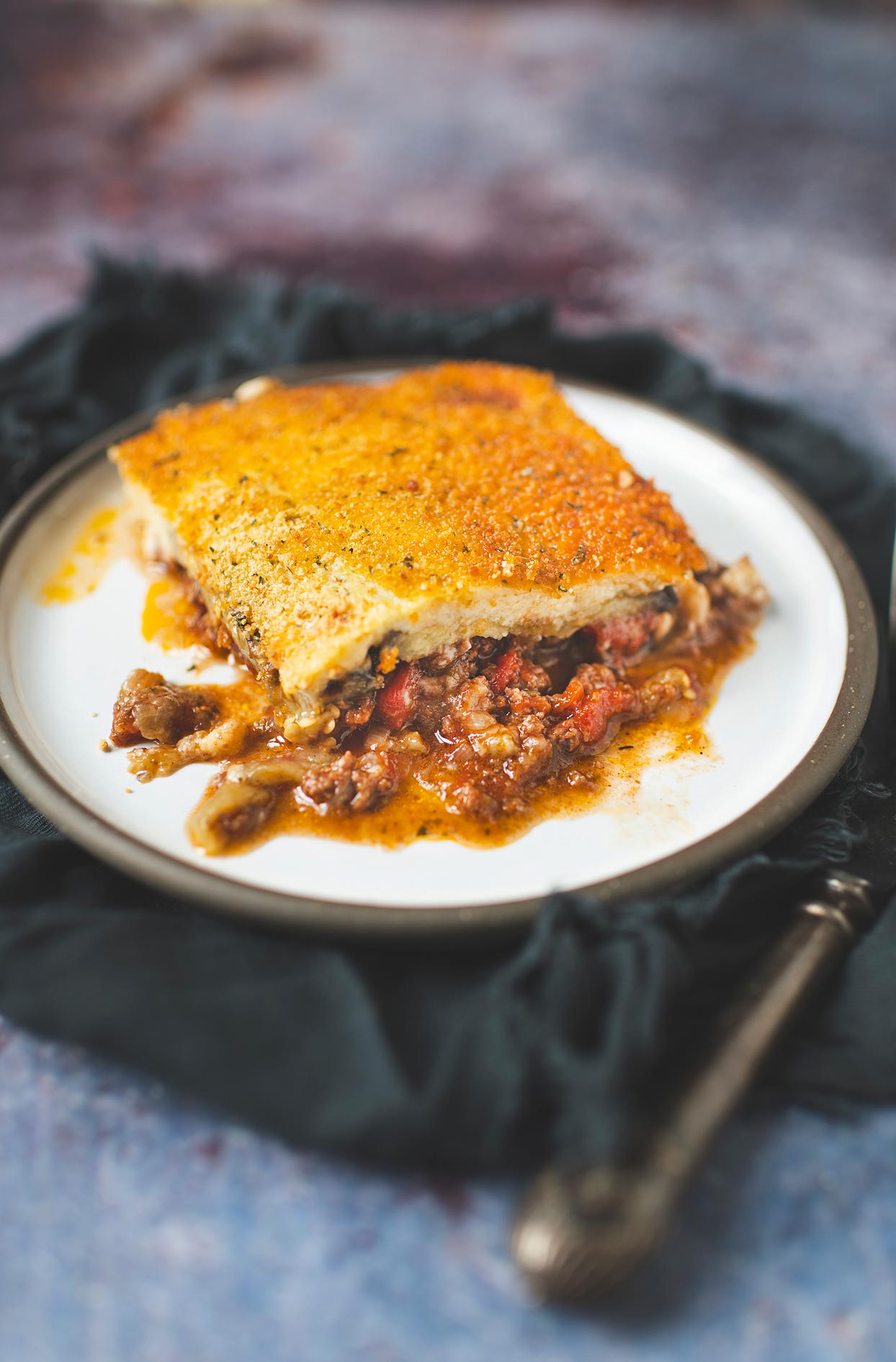
That one has eggs in it, and it isn’t a whim. The eggs make it SET in the oven like a custard, which gives you a layer that slices cleanly instead of running across the plate. That’s the Greek version, and it lives in my Greek moussaka with lamb. French bechamel never contains eggs.
📅 Make-ahead
It takes fifteen minutes, so there isn’t much to gain by making it the day before. If you do, press plastic wrap directly onto the surface or a skin forms as it cools. It sets solid in the fridge: reheat gently with a good splash of milk while whisking and it comes right back. Two to three days refrigerated.
✅ What to serve with my classic bechamel sauce?
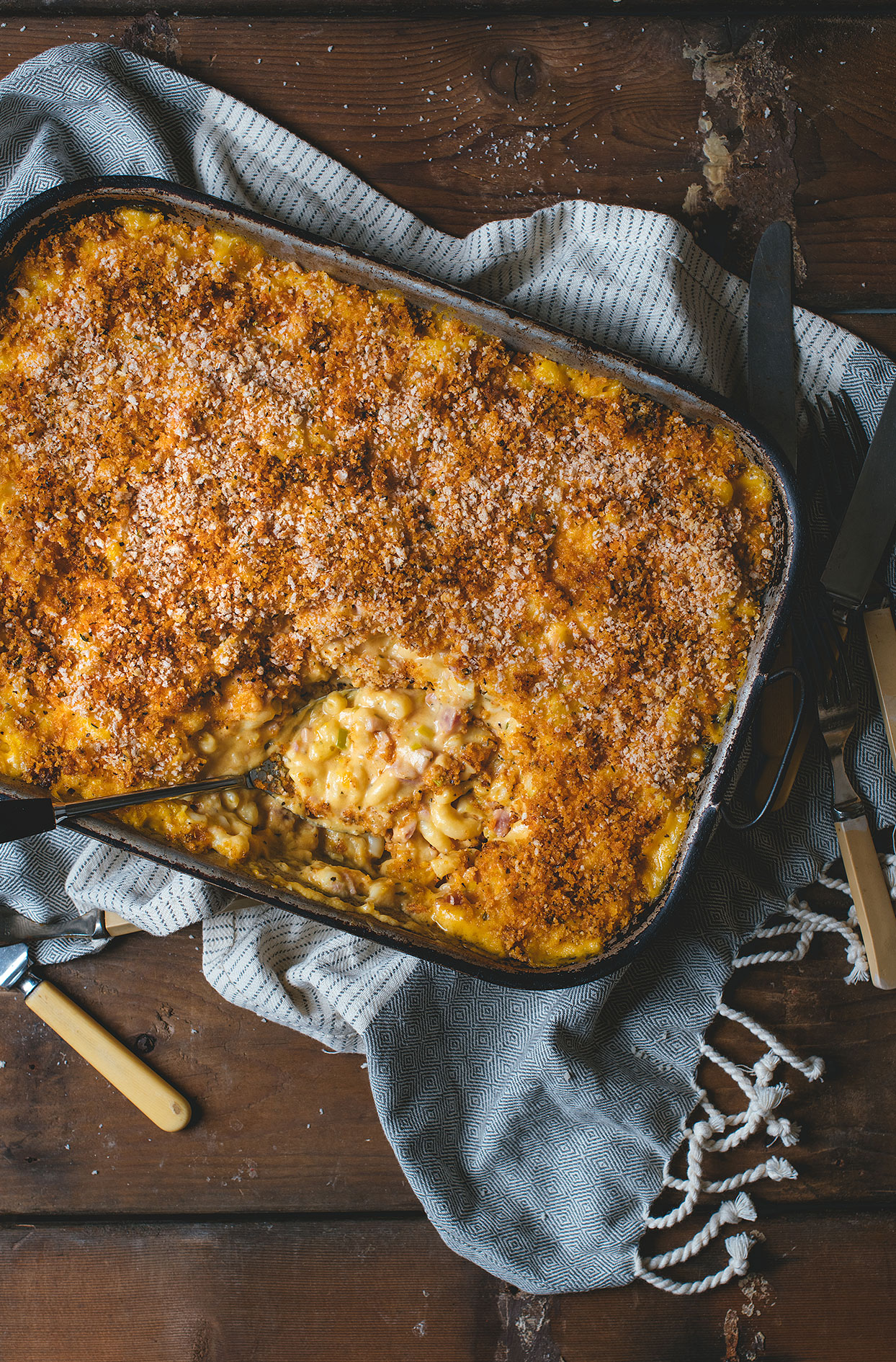
It isn’t served on its own, it’s a foundation. Coat steamed vegetables, build a gratin, bind a mac and cheese, fill savory crepes. On the site it’s the heart of my crepes gratin with asparagus and ham and my macaroni and cheese with ham and carrot purée.
Ads
Ingrédients
- ⅓ cup (80 g) salted butter
- ⅔ cup (80 g) all-purpose flour
- 4 cups (1 L) cold milk
- ¼ tsp (1 ml) ground nutmeg
Ads
Preparation
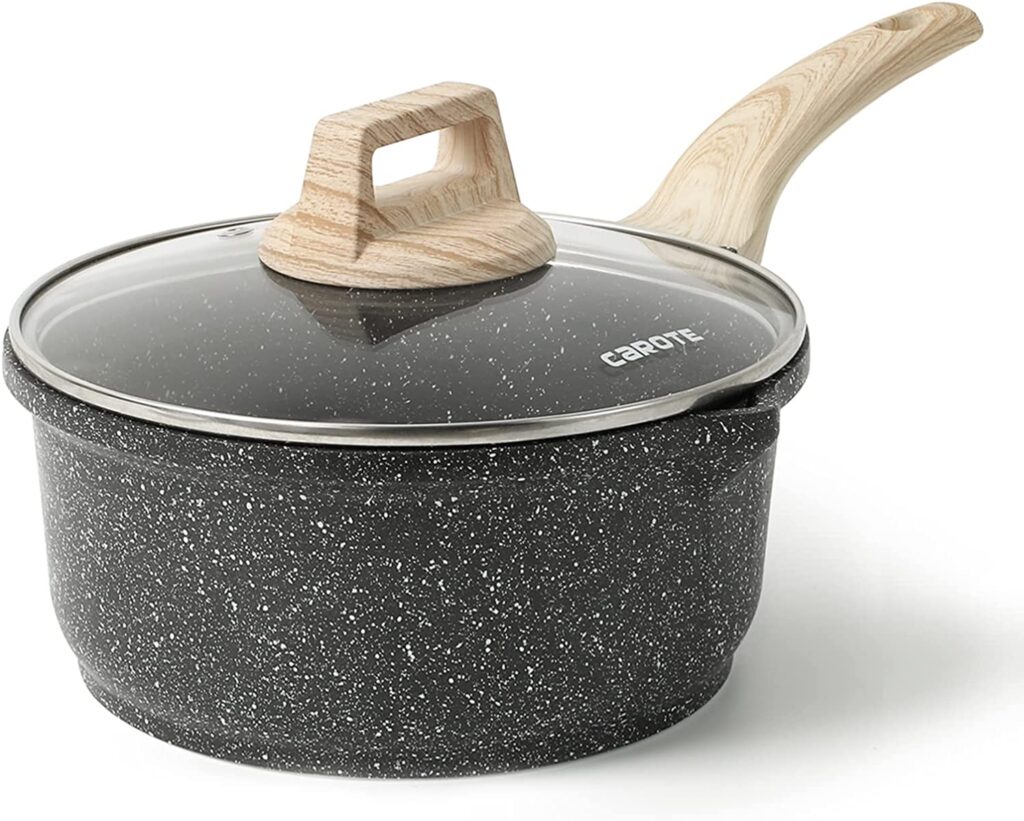
- In a heavy-bottomed saucepan, melt the butter over low heat.
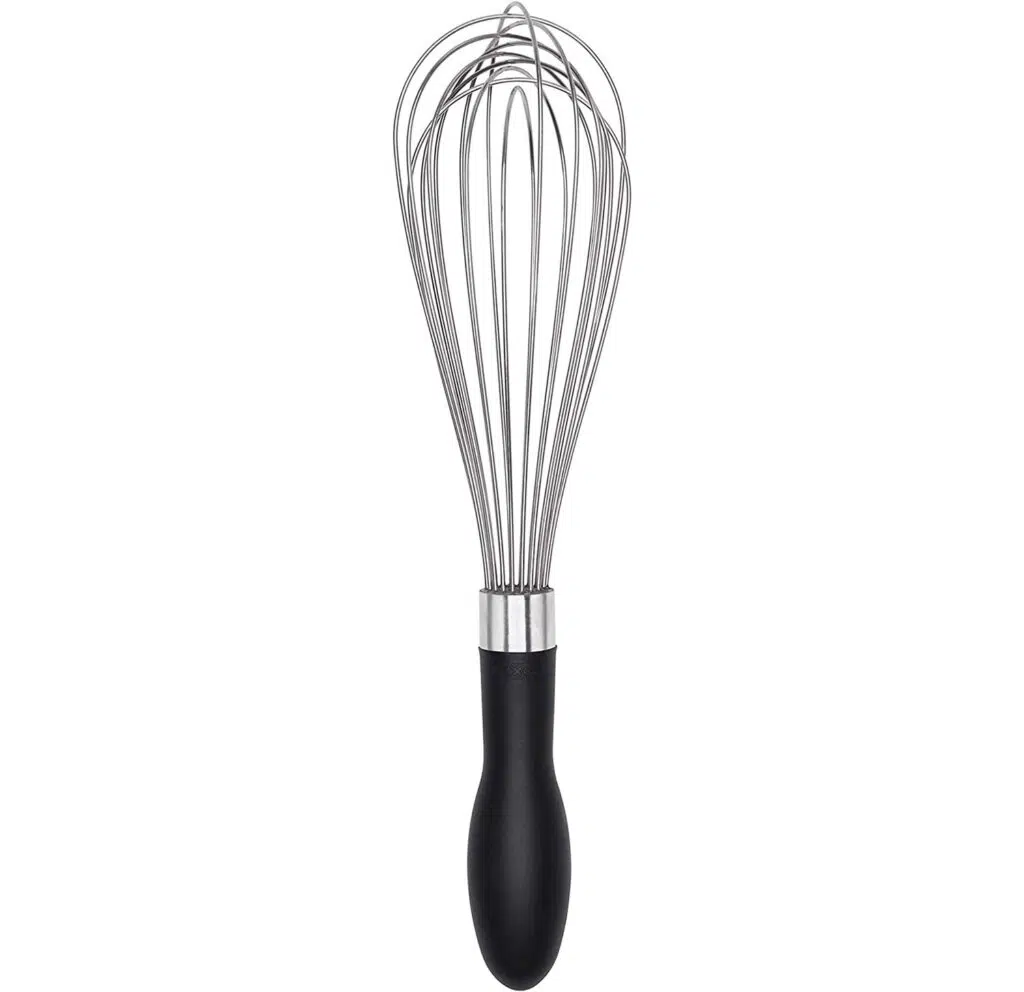
- Add the flour all at once and cook, whisking constantly, for 2 to 3 minutes. The mixture will foam and smell faintly nutty. It should take on no color at all.
- Pour in the cold milk a small ladle at a time to start, whisking constantly and waiting until each addition is perfectly smooth before adding the next. Once about a third of the milk is in, pour the rest in a steady stream, still whisking.
- Raise the heat to medium and bring to a boil, stirring constantly, then lower it right away and simmer for 3 to 5 minutes, until the sauce coats the back of a spoon.
- Take it off the heat, add the nutmeg and season with pepper. Taste and add salt only if it needs it, the salted butter already brought some.
Three things and nothing else: butter, all-purpose flour and milk. The butter and flour cook together into a white roux, then the milk goes in and thickens. Nutmeg and pepper are the only classic seasonings, added at the end. Anything you add on top gives it a different name: cheese makes it a Mornay, onions make it a soubise. And if someone puts eggs in it, that’s a Greek bechamel, not a French one.
No, and they aren’t even built the same way. Bechamel is thickened with a roux, meaning flour cooked in butter, then loosened with milk. Real alfredo has no flour and no milk at all: it’s butter and parmesan emulsified with starchy pasta water, and the cheese does the thickening. The North American version of alfredo made with heavy cream sits somewhere in between, but it still skips the roux. If a recipe calls for flour, you’re making bechamel.
They give you two different lasagnas, both legitimate. Ricotta is the Italian-American route: it stays in distinct pockets, tastes fresh and slightly grainy, and it’s faster since there’s nothing to cook. Bechamel is the northern Italian and French route: it binds the whole thing, gives you clean slices and a creamier bite all the way through. For a lasagna that holds its shape when you cut it, bechamel wins. Use a medium sauce, 80 g of butter and flour per liter of milk.
Yes, and it changes nothing. Warming the milk is the advice everybody repeats, but the side-by-side test shows both sauces finish the same. What actually prevents lumps is cooking the roux properly for 2 to 3 minutes, adding the milk in small amounts at first, and never stopping the whisk. Cold milk even buys you a little more time to whisk before the sauce starts thickening.
It isn’t a standalone sauce, it’s a base. Coat steamed vegetables, build a gratin, bind mac and cheese, fill savory crepes, or layer a lasagna. On the site you’ll find it in my crepes gratin with asparagus and ham and my macaroni and cheese with ham and carrot purée.
Ads
Ads

Ads
Ads
Ads