

Basque Cheesecake Recipe (Burnt Top)
- Preparation 15 min
- Cooking 35 min
- Servings 8
- Freezing Absolutely
Ads
🔥 The one cheesecake you actually want BURNT
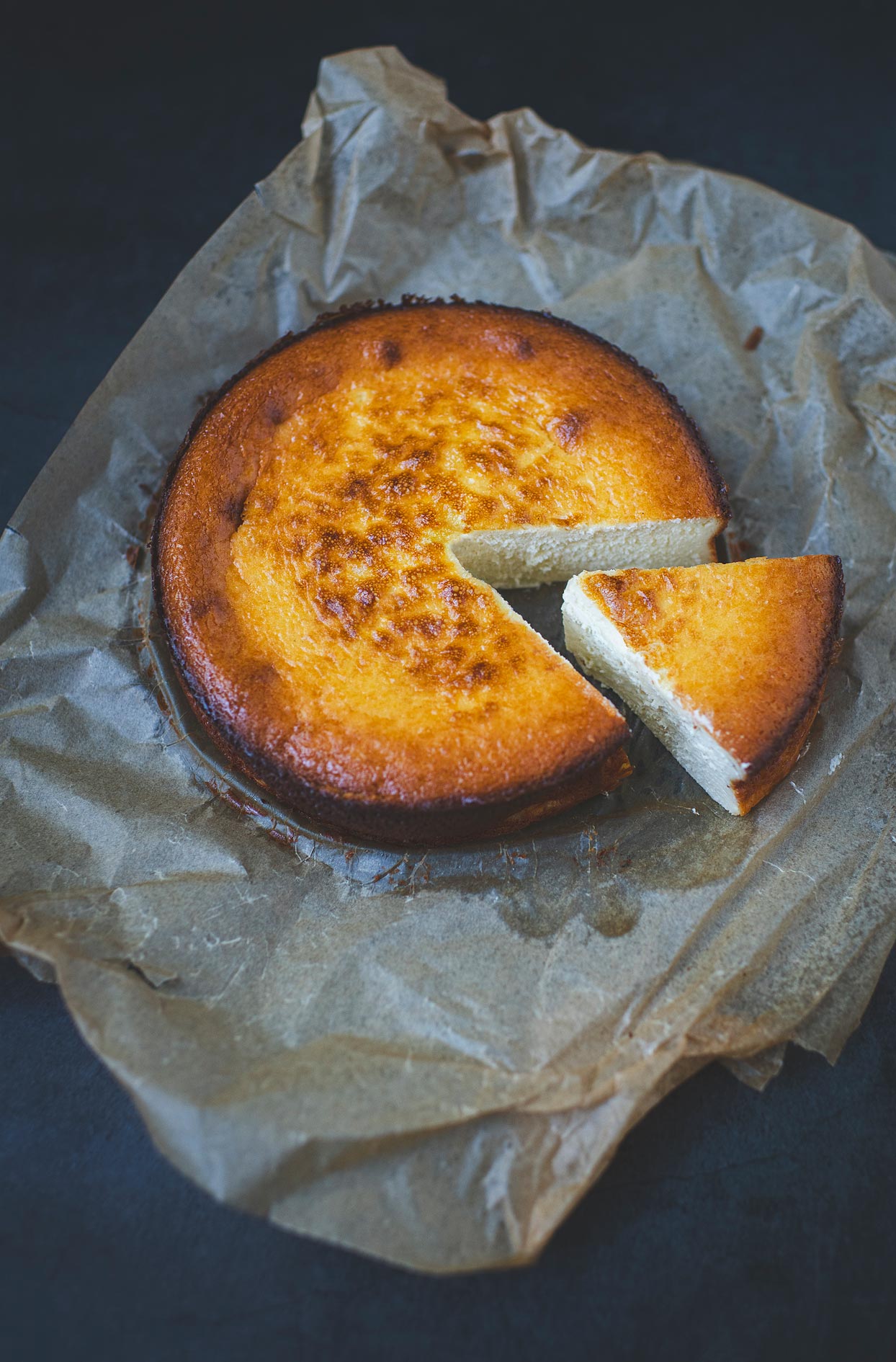
I will be straight with you: this one is seriously good, and I am happy with where it landed. The top goes properly dark, and that is EXACTLY what you want: it tastes of caramel, it cuts straight through the richness, and underneath the centre stays as creamy as custard. Seven ingredients, fifteen minutes of prep, no crust to make. You slide it into a 450°F oven, pull it out 35 minutes later, and everyone at the table will ask which bakery you bought it from. Make it once and you will understand why this dessert went around the world!
🥣 Fifteen minutes of prep. That is the whole job.
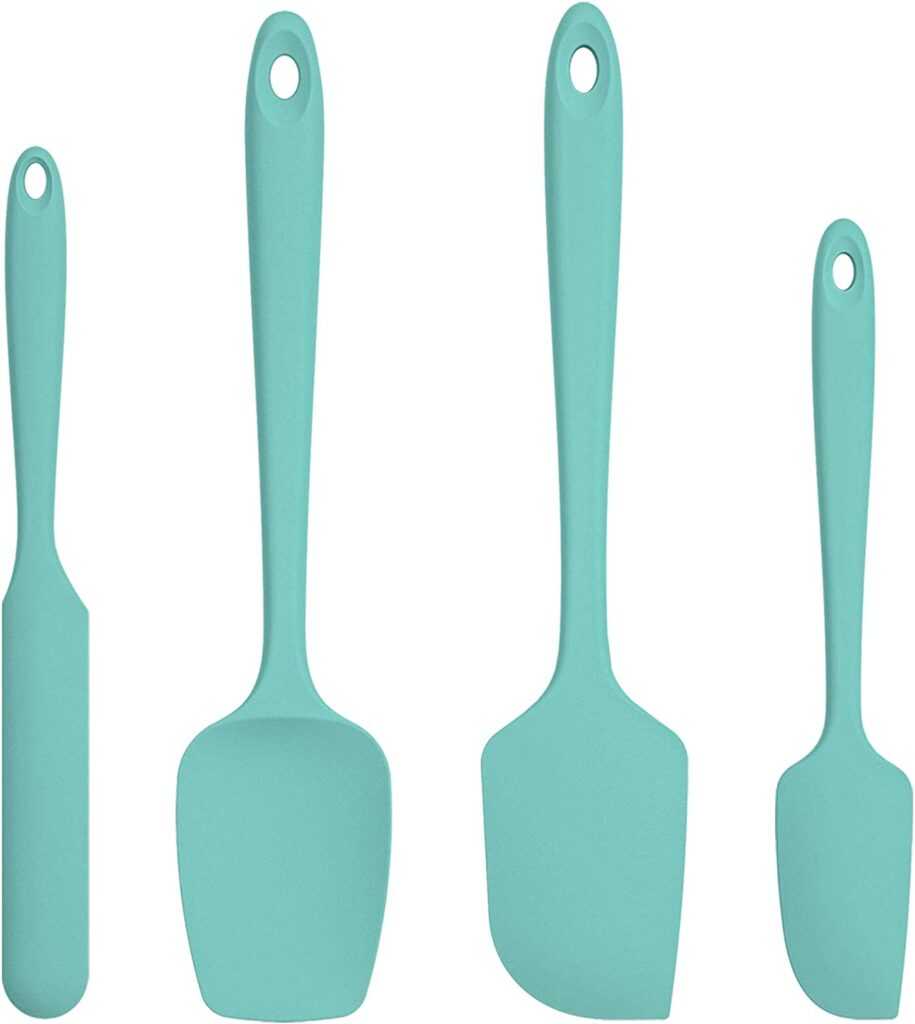
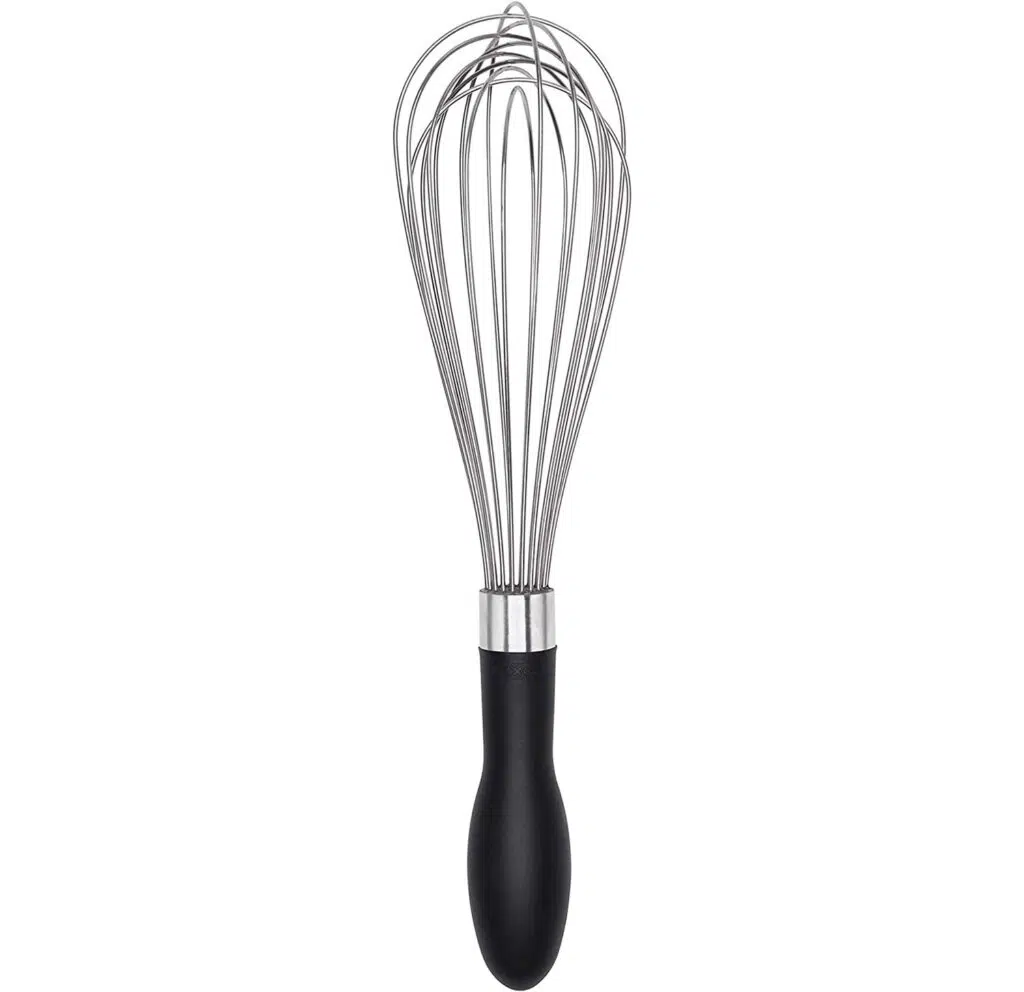
This is the part that feels almost unfair. One bowl, a spatula, a whisk, and you are done. Cream cheese, sugar, vanilla, the eggs one at a time, a little cornstarch, the cream. Pour it in the pan, tap it twice on the counter, into the oven it goes. Thirty-five minutes later you have a dessert that looks like it came out of a San Sebastián bakery. I found this recipe and rewrote it completely, pushing the bake time and the cream, and I am happy with where it landed.
🥄 Creamy in the middle, and it sinks. That is normal.
It will puff up in the oven like a soufflé and drop back down as it cools. Do not panic, that is part of the deal. What matters is the centre: at 35 minutes in my oven it no longer wobbled and it was perfect, creamy without being liquid. Pull it earlier and it will be paler with a properly molten middle. The four hours in the fridge, though, are not up for debate. And let it sit out for 30 minutes before slicing, that is when it gives you everything.
Ads
Ads
🌡️ Room temperature, no exceptions
This is tip number one and it is the one everybody skips. Cream cheese, eggs and cream come out of the fridge a full hour ahead. Cold cream cheese never smooths out completely: you are left with little lumps that will not disappear no matter how long you whisk. My shortcut is to cube the block as I take it out, which softens it twice as fast. And if lumps survive anyway, push the batter through a sieve before it goes in the pan. I did not need to, but it saves a texture.
🔥 Deep brown, almost burnt. Not just golden.
It is the name of the recipe and it is where people lose their nerve. When you look in the oven and the top is genuinely dark, your instinct will be to pull it. Do not pull it. That top is not a mistake, it is caramelized sugar and cheese, and it is what gives this cake its flavour. A pale Basque is just an ordinary crustless cheesecake.
⏲️ Thirty to thirty-five minutes, and you get to choose
In my oven it is 35 minutes. At that point the centre no longer moves when you shake the pan, and the cake is creamy without being liquid. That is how I like it. Pull it closer to 30 and it comes out paler with a properly molten middle, almost like a custard. Both are good, it is a matter of taste. Just remember every oven is different: check the colour of the top before you check the clock.
🧻 Crumple the parchment first
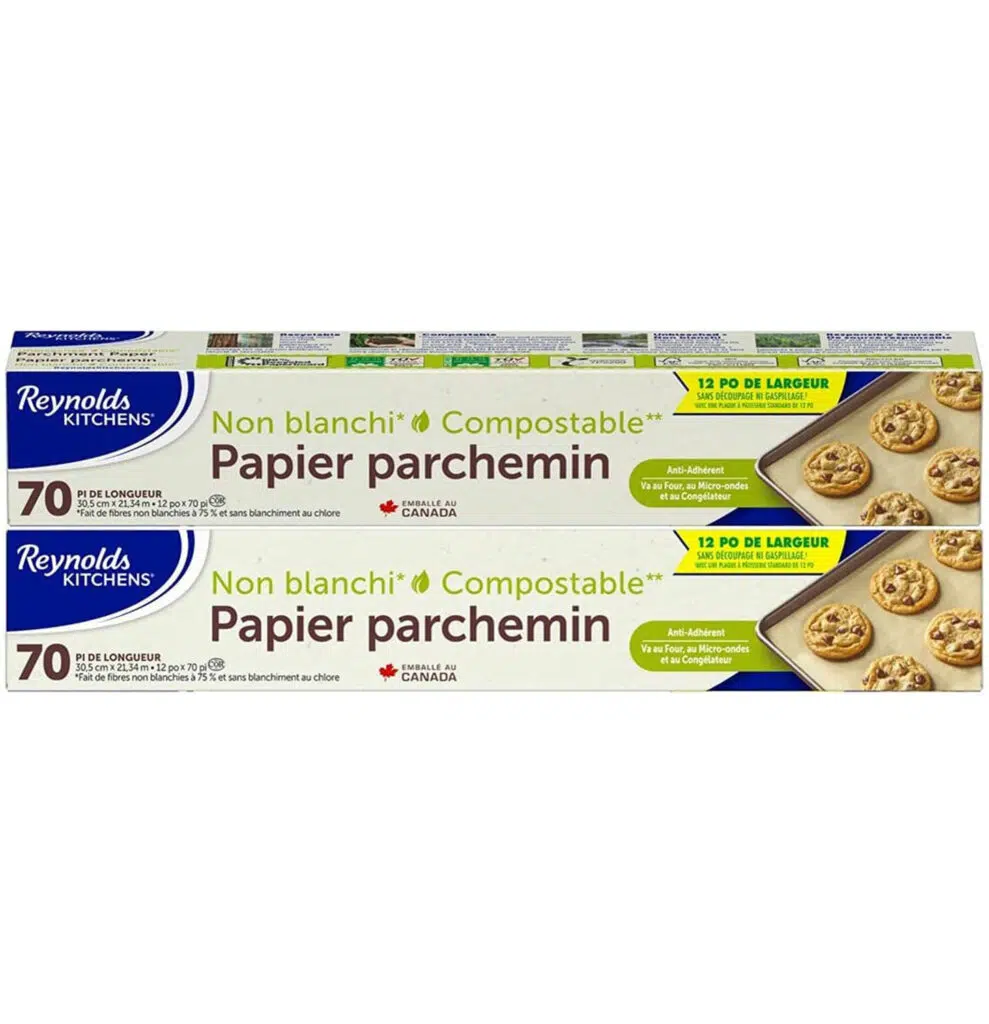
Take a big square sheet, scrunch it into a ball in your hands, open it back up and press it into the pan. Crumpled, it hugs a round pan instead of fighting it, and you never have to cut anything. Let it hang over by at least two inches: the cake rises a lot during baking and that collar is what holds it. The uneven pleats up the sides are the visual signature of a Basque.
🫧 Tap the pan on the counter
Two or three firm taps once the batter is in. That brings the air bubbles you whisked in up to the surface where they burst. Skip it and you find them as little holes in the slice, and a Basque should be dense and smooth all the way through.
🎈 It puffs, then it sinks
In the oven it climbs like a soufflé. As it cools it comes back down and the centre settles a little. That is normal, it happens to every Basque cheesecake, and it does not mean you got it wrong. That dip is exactly what gives it its rustic look.
📅 Make it ahead
This one is built to be made the day before. Bake it in the evening, let it cool, park it in the fridge overnight and it is even better the next day. For entertaining it is unbeatable: zero stress on the day, you pull it out 30 minutes before serving and that is it. Just set your ingredients out an hour before you start, that is the only planning it asks of you.
❄️ Storage
Three or four days in the fridge. And it freezes very well in slices: wrap each slice in parchment paper before freezing and you have a last-minute dessert for the night someone drops by unannounced.
✅ What to serve with my Basque cheesecake
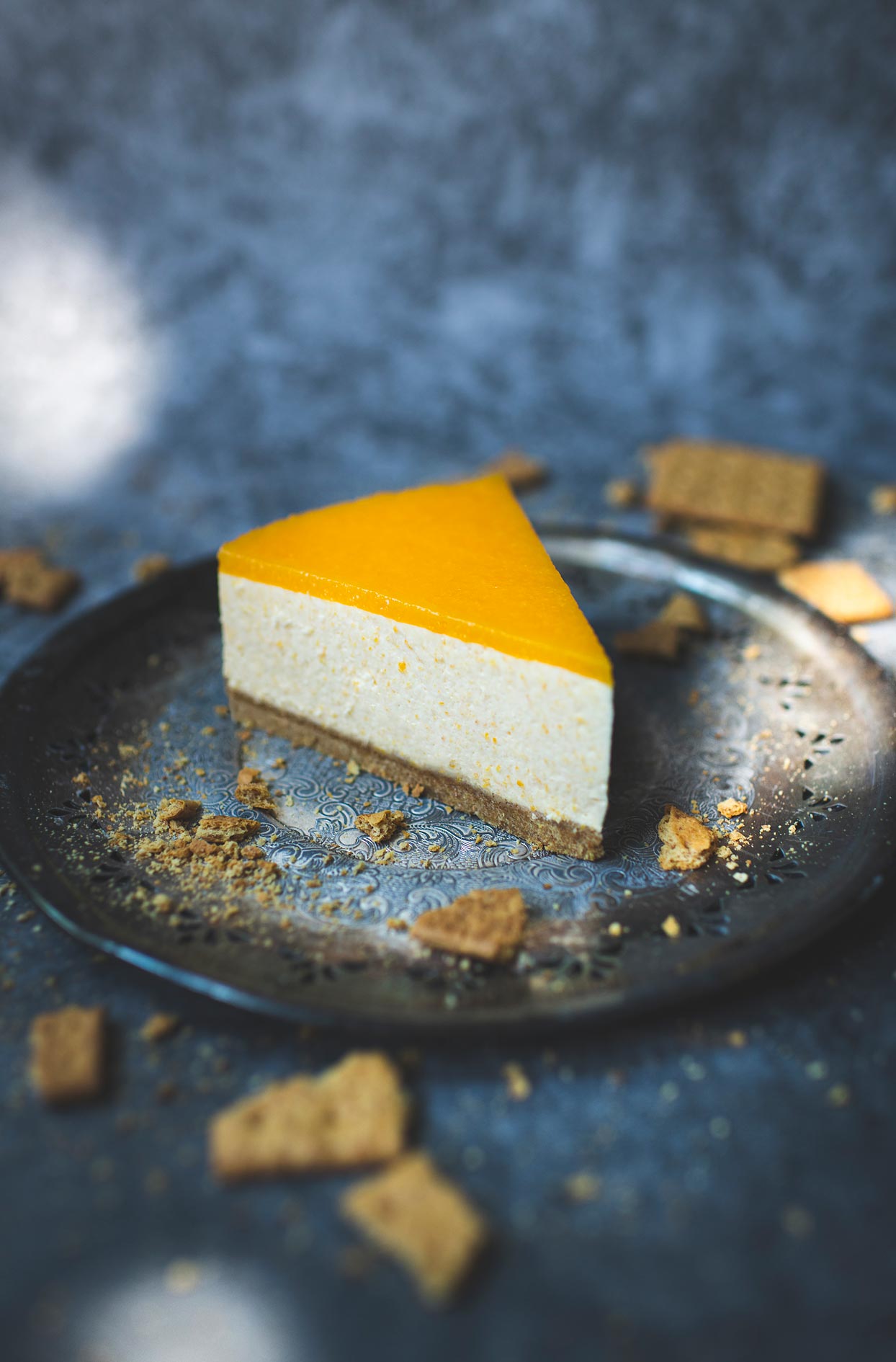
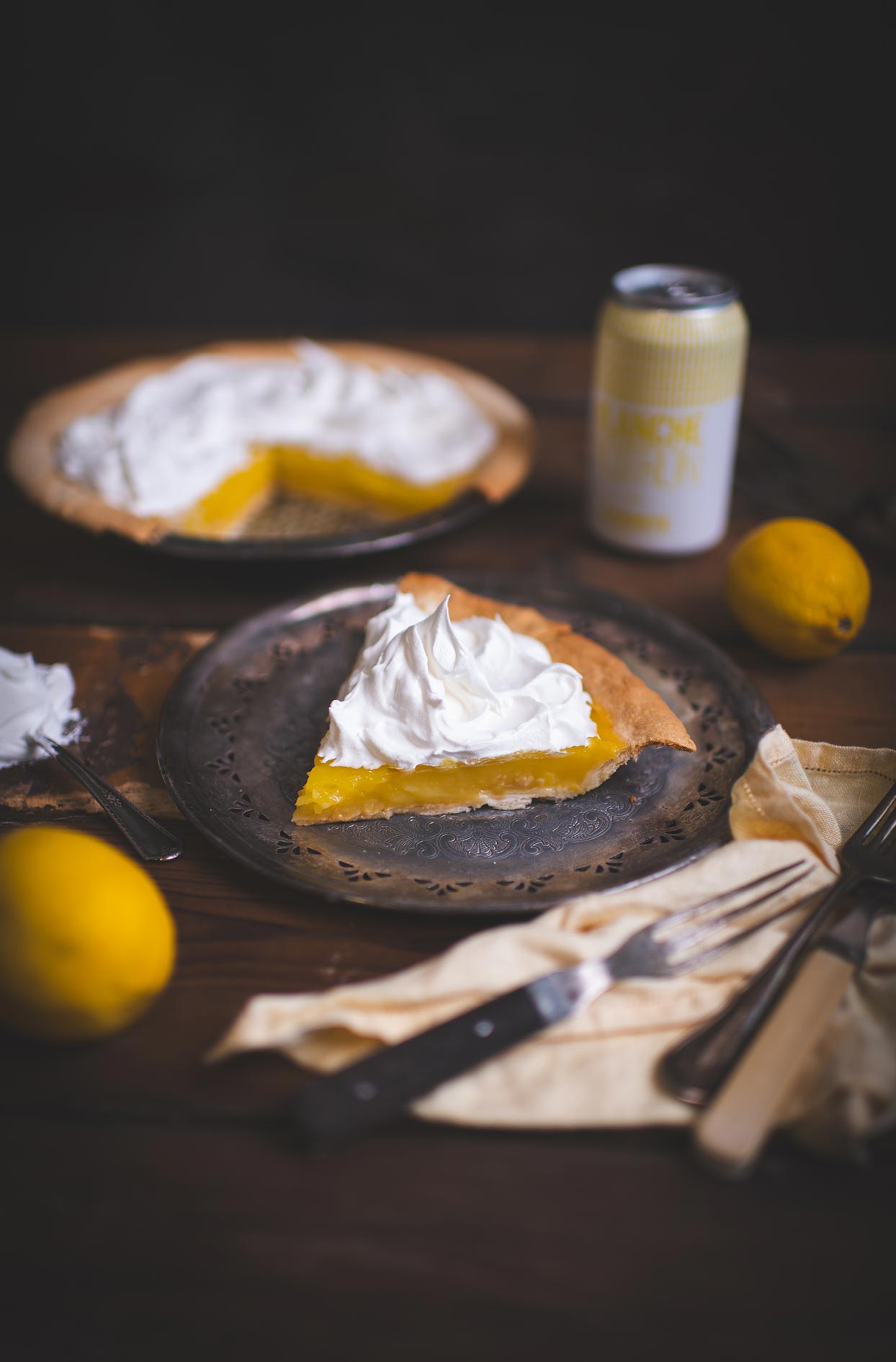
I serve it plain, exactly as it is. It is rich enough and flavourful enough that it asks nothing of anyone. That said, fresh berries on the side or a fruit coulis work nicely if you want to dress up the plate. If you are after more desserts in this family, take a look at my no-bake peach cheesecake, its perfect summer opposite, and my lemon tart when you want something sharper.
Ads
Ingrédients
- 375 g (1 ½ blocks / 1 ½ cups) cream cheese, softened
- ½ cup (100 g) sugar
- ⅛ tsp salt
- 1 tsp (5 ml) pure vanilla extract
- 3 large eggs
- 2 tbsp (15 g) cornstarch
- ¾ cup (200 ml) heavy cream 35%
Ads
Preparation
- Take the cream cheese, eggs and cream out of the fridge about 1 hour ahead, and cut the cream cheese into cubes so it softens faster.
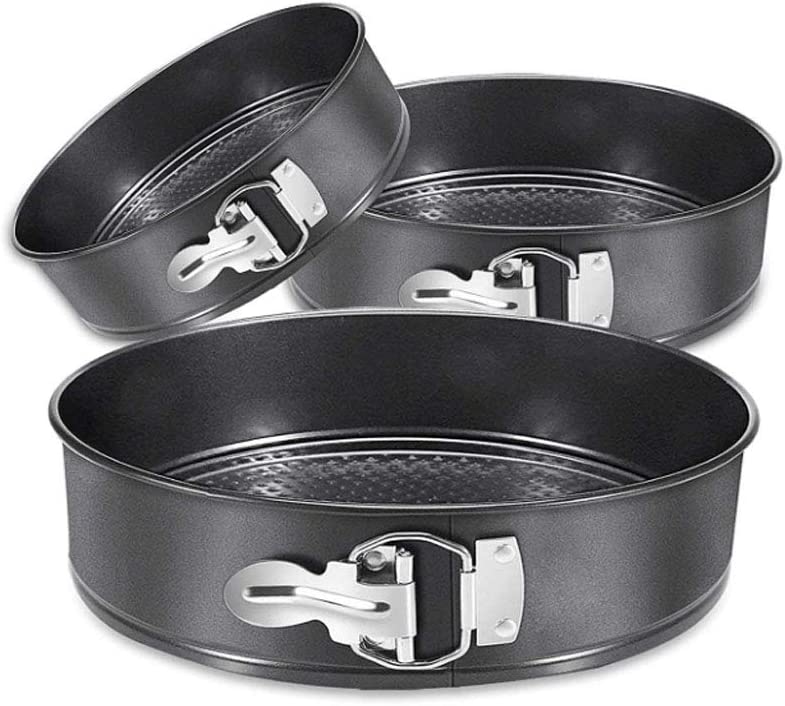
- Preheat the oven to 450°F (230°C) and line a 6-inch round pan with a sheet of crumpled parchment paper, letting it hang 2 inches over the rim.
- In a large bowl, work the cream cheese with a spatula until it is completely smooth and free of lumps.
- Add the sugar, salt and vanilla, then whisk until creamy and uniform.
- Whisk in the eggs one at a time, beating thoroughly after each addition.
- Sift the cornstarch over the batter and whisk just until incorporated.
- Pour in the cream and fold gently with the whisk until silky.
- Pour into the prepared pan, through a sieve if any bits of cream cheese remain, then tap the pan on the counter to release the air bubbles.
- Bake for 30 to 35 minutes, until the top is deep brown and the centre no longer wobbles.
- Let cool to room temperature, then refrigerate uncovered for at least 4 hours.
- Unmould, peel off the parchment and let it sit out for 30 minutes before slicing.
It is a cheesecake born in San Sebastián, in the Spanish Basque Country. It has no crust, no water bath, and it bakes at very high heat so the top goes deep brown. The result is a caramelized exterior, a creamy centre, and a far lighter texture than an American-style cheesecake.
Because it is meant to be. The intense heat caramelizes the sugar and the proteins in the cream cheese at the surface before the centre has finished setting. That dark top brings a slightly bitter caramel note that cuts the richness. The contrast is the whole point of the dessert, and a pale Basque is a failed Basque.
No, and that is exactly what sets it apart. No crust, no pastry, nothing underneath it. The cornstarch does the stabilizing work: it absorbs a little moisture and holds the batter together, which is what lets the cake unmould and slice cleanly with nothing underneath it.
Because it is supposed to. It rises dramatically in the oven, like a soufflé, then settles back as it cools and the centre dips slightly. That is not a baking error or a shortage of cornstarch, it is the rustic shape the Basque style is known for.
I would not. Full-fat cream cheese is what gives a Basque its dense, silky texture. Light versions carry more water and less fat, which gives you a looser batter, a rubbery texture and flavour that falls flat. In a seven-ingredient recipe, every one of them counts.
Four hours minimum, uncovered, and overnight is better still. The cold firms the cake up and lets the flavours settle. Then take it out 30 minutes before slicing: straight from the fridge it is too firm and it tastes of less.
Yes, very well, and in slices for preference. Wrap each slice in parchment paper before it goes in the freezer. In the fridge it keeps three or four days, well covered. It is also a dessert you can make the day before without a second thought, and it is better for it.
Plain, honestly. It needs nothing. If you want to dress the plate, fresh berries or a fruit coulis do the job. For a dessert spread, set it beside my no-bake peach cheesecake: same base ingredient, two desserts with nothing in common.
Ads
Ads
Ads
Ads
Ads