

Pumpkin Pie Recipe (Old-Fashioned)
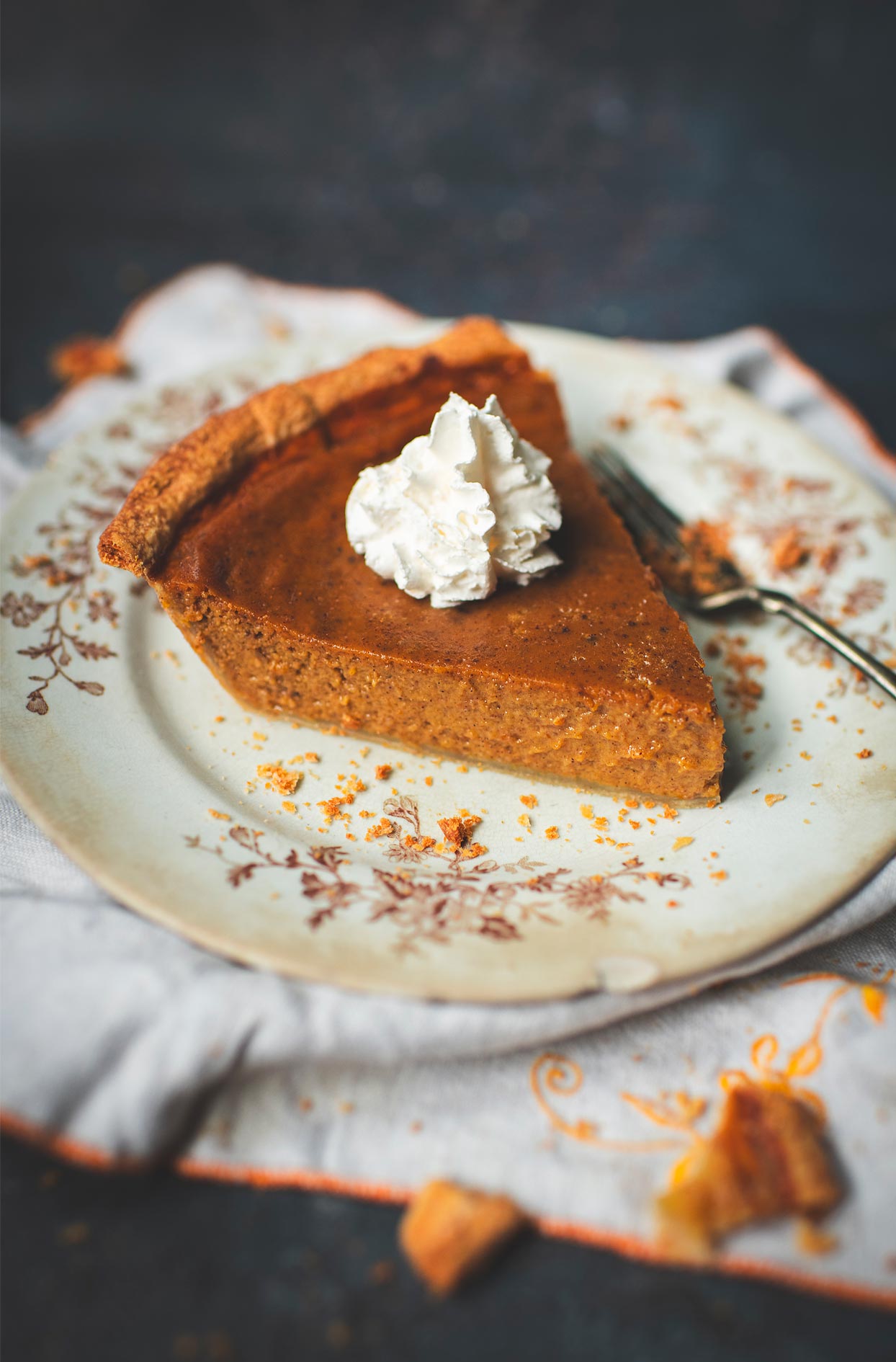
- Preparation 25 min
- Refrigeration 3 h
- Cooking 1 h 5 min
- Servings 8
- Freezing Absolutely
Ads
🎃 Five spices, not a jar of pumpkin spice
Most recipes tell you to grab pumpkin pie spice and leave it at that. I use five, measured one at a time: cinnamon, ginger, nutmeg, cloves and allspice. It sounds like more work. It isn’t. You already have all five in your cupboard, you control exactly how much of each goes in, and you’re not buying a jar of a blend you’ll use once a year.
🥛 Evaporated milk, so I pick my own sugar
A lot of recipes reach for sweetened condensed milk. It works, but the sugar comes with it and you have no say in how much. I use evaporated milk and add my own brown sugar. I like what brown sugar tastes like, better than anonymous white sugar, and I decide the amount. Evaporated milk has had about 60% of its water removed, so it gives a dense, smooth custard that slices clean.
🥧 No blind baking, and the bottom is fine
I’ve read plenty of times that you have to blind bake the crust for pumpkin pie. I don’t, and my bottom crust comes out right. The pie starts at 425 °F, and that heat sets the pastry before the filling’s moisture has time to soak through. I use a store-bought crust on top of that, because it’s good and it saves me a step. A pie you actually make on a Tuesday beats a perfect pie you never make.
Ads
Ads
🌶️ Your five spices, one at a time
Cinnamon, ginger, nutmeg, cloves, allspice. That’s it, and you already own all five. A jar of pumpkin pie spice holds exactly the same things in proportions you don’t control, and it sits in the cupboard drying out until next fall. Measuring them yourself takes thirty extra seconds and gives you a pie that tastes the way you want it to.
🥛 Evaporated milk, not sweetened condensed
The two cans look alike on the shelf and have nothing in common. Evaporated milk is milk with about 60% of its water removed: no added sugar, and a dense custard that slices clean. Sweetened condensed milk is already sweet. Grab that one by mistake alongside this recipe’s brown sugar and your pie will be inedibly sweet.
🥧 The bottom won’t go soggy, and here’s why
Plenty of recipes insist on blind baking. It isn’t needed here. The first 15 minutes at 425 °F set the pastry while the filling is still cold, and the bottom firms up before the moisture can work through it. Drop straight to 350 °F and yes, you’re risking a soft bottom.
🛡️ The crust shield, homemade version
No need to buy the silicone ring. Cut long strips of aluminum foil and fold them over the rim of the pie, like a crown. Takes two minutes and does exactly the same job. Put them on once the edges have coloured, around 15 to 20 minutes in, not before. They need that time to brown.
🥫 Canned purée, no guilt
It’s what I use and I’m not switching. Canned pumpkin is made from a dense-fleshed squash with far less water than a field pumpkin. If you’re set on doing it from scratch, get a small sugar pumpkin, not a carving one, roast it rather than boiling it, then drain it overnight in the fridge in a sieve. Too much water and your filling will never set.
❄️ Cooling is part of the recipe
Two hours on the counter, then at least an hour in the fridge. It sounds long, but the custard only sets as it cools: the pie comes out of the oven deliberately jiggly in the middle, and the drop in temperature is what firms it. Cut warm, it runs. I like it cold myself, though it’s very good at room temperature too.
📅 Prep ahead, bake fresh
Everything but the baking can be done in advance. The night before, line your pie plate, crimp the edges and keep it wrapped in the fridge. Measure your five spices into a small labelled container so you’re not pulling out five jars while guests arrive. On the day, all that’s left is whisking the filling, pouring and baking. Build the cooling time into your plan: three hours before serving, not three hours before dinner.
✅ What to serve with pumpkin pie
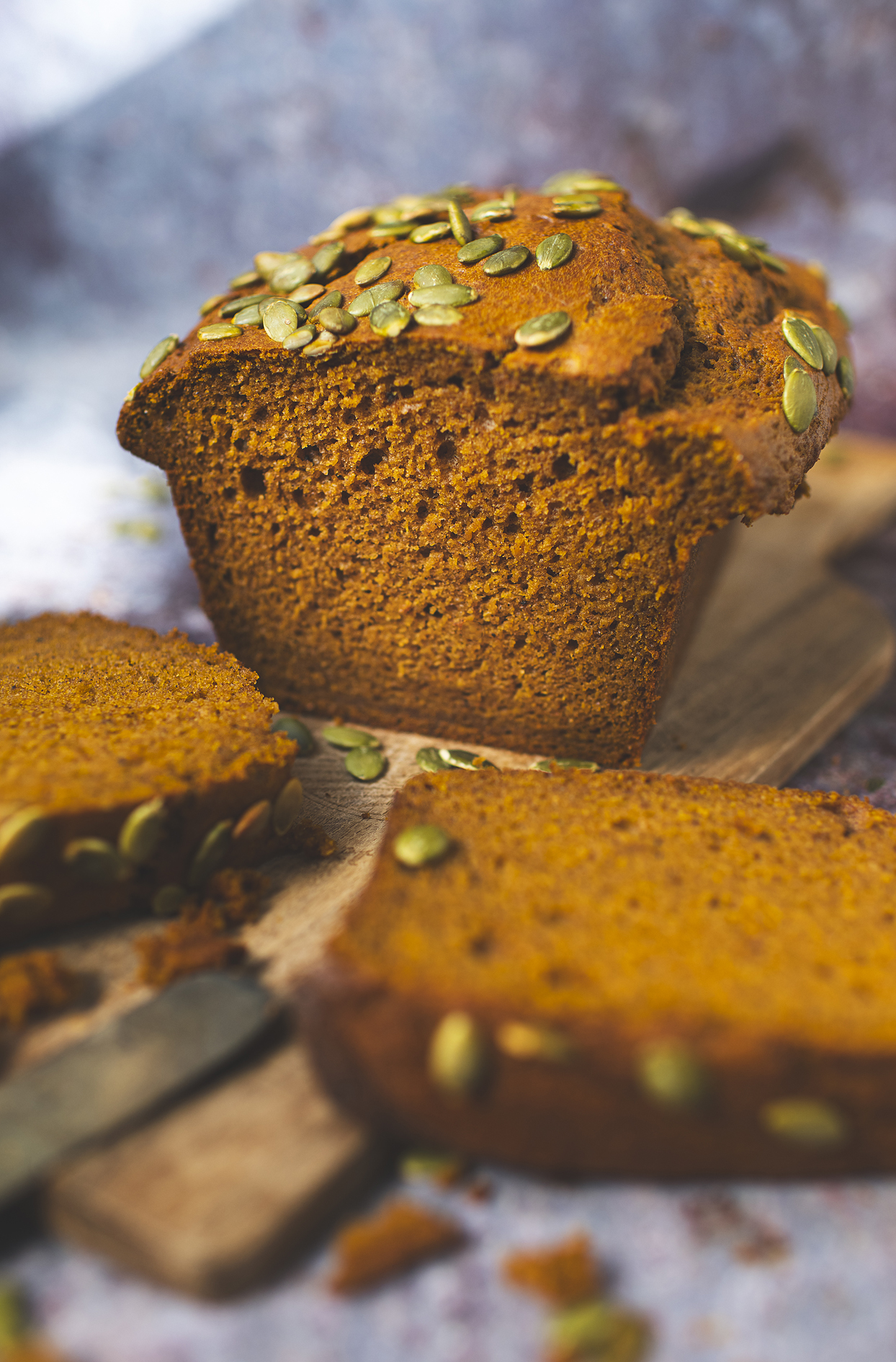
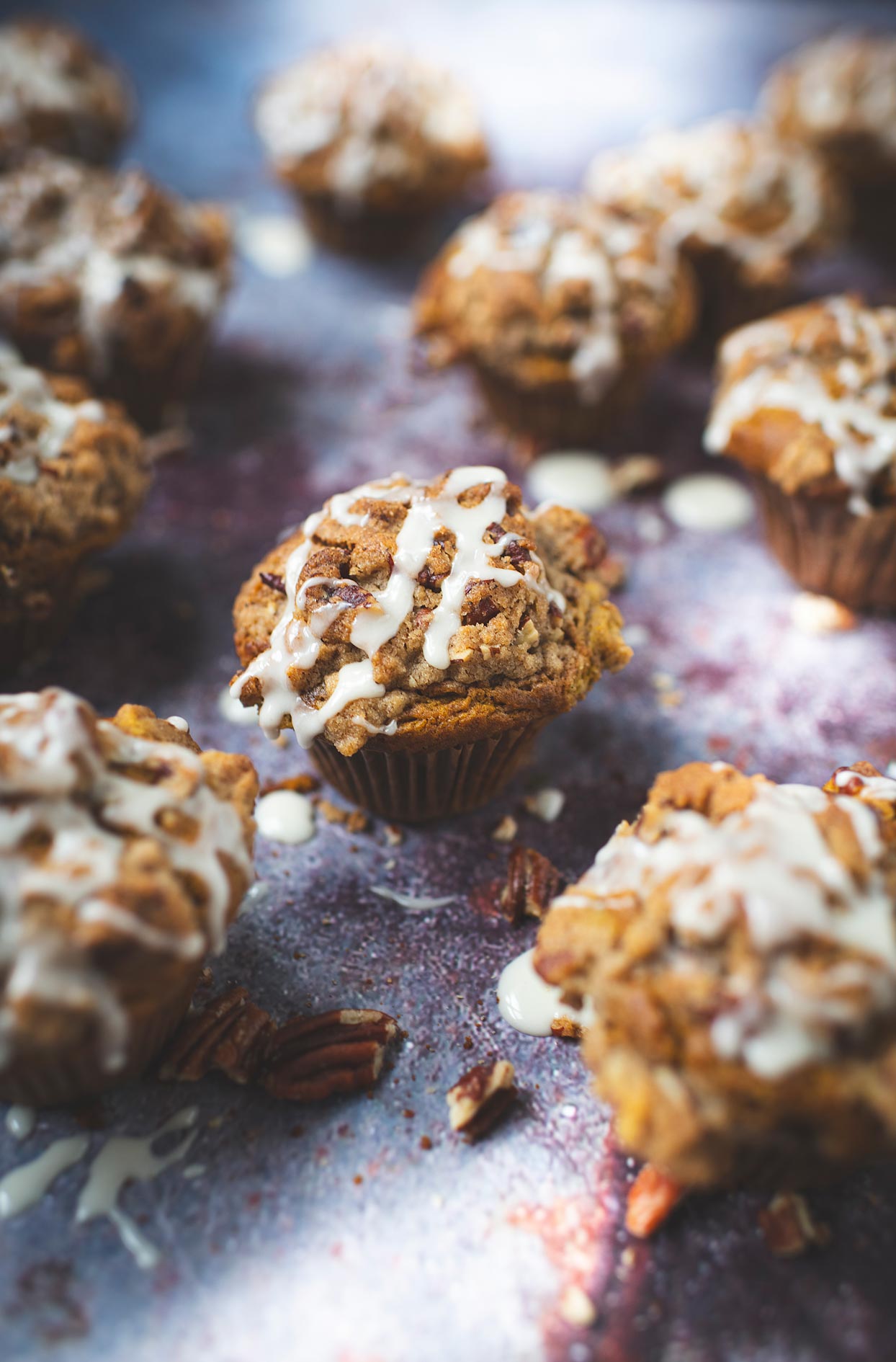
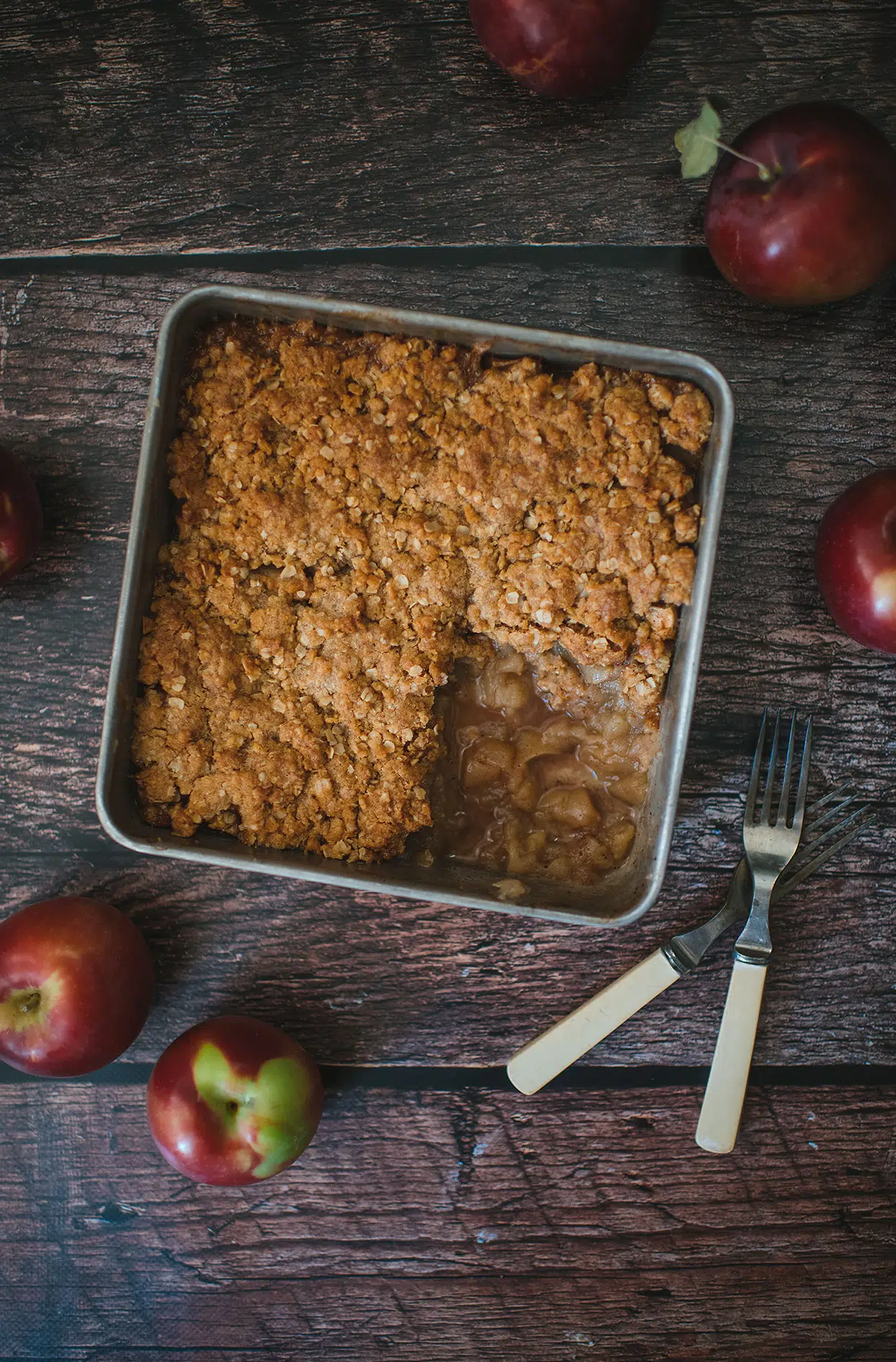
Homemade whipped cream, barely sweetened so you don’t double up on the pie’s sugar. For a full fall dessert spread, put it beside my apple crisp. And if you’ve fallen into pumpkin this season like I have, there’s my pumpkin bread and my pumpkin muffins with pecan streusel.

Ads
Crust
- 1 pie shell, 9 in (23 cm), homemade or store-bought
Filling
- 2 large eggs
- 1 can (354 ml / 12 oz) evaporated milk
- 3/4 cup (180 ml) brown sugar, packed
- 1 1/2 cups (375 ml) canned pumpkin purée
- 1 tsp (5 ml) ground cinnamon
- 1/2 tsp (2 ml) ground ginger
- 1/2 tsp (2 ml) ground nutmeg
- 1/4 tsp (1 ml) ground cloves
- 1/4 tsp (1 ml) ground allspice
- Homemade whipped cream, to serve
Ads
Preparation
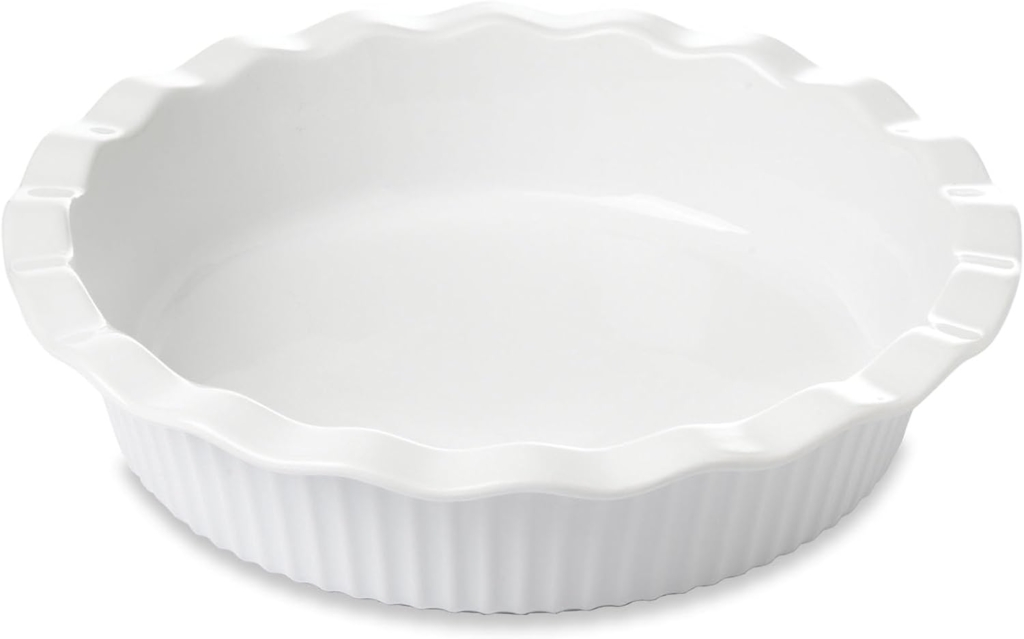
- Take the pie shell out of the fridge and let it sit at room temperature 15 to 20 minutes, until it’s soft enough to roll. Set it on a floured surface and dust the top lightly with flour. With a floured rolling pin, roll from the centre outward, turning the dough a little as you go, until it’s 1 to 2 in (2.5 to 5 cm) wider than your pie plate. Re-flour the pin and the underside as needed so it doesn’t stick.
- Roll the dough loosely around the pin, then unroll it into the pie plate. Trim the excess and crimp the edges. Refrigerate 30 minutes.
- Preheat the oven to 425 °F (220 °C). In a medium bowl, whisk the eggs, evaporated milk, brown sugar, pumpkin purée, cinnamon, ginger, nutmeg, cloves and allspice until smooth.
- Pour the filling into the shell and smooth the top. Bake 15 minutes at 425 °F (220 °C), then reduce to 350 °F (175 °C) and bake another 45 to 50 minutes, until the centre is puffed but still slightly jiggly. As soon as the edges are golden, around the 15 to 20 minute mark, cover them with strips of aluminum foil so they don’t burn.
- Remove from the oven and cool completely on a rack, about 2 hours. Then refrigerate at least 1 hour before serving. Serve with homemade whipped cream.
Two things nobody tells you. First, the initial 15 minutes at 425 °F: that heat sets the crust before the wet filling can soak into it, which is why blind baking isn’t necessary. Second, pulling the pie while the centre still jiggles. A custard sets as it cools, so a pie baked until the middle is firm is already overbaked and will crack.
Evaporated milk, for texture. It’s had about 60% of its water removed, which concentrates the milk solids and gives a dense custard that slices clean. Cream makes something lighter and softer that doesn’t hold its shape as well. What you must not substitute is sweetened condensed milk: it already contains sugar, and combined with this recipe’s brown sugar the pie becomes cloying.
Three come up over and over. Baking until the centre is completely firm, which overcooks the eggs and cracks the surface. Cutting it before it has cooled through, so it runs onto the plate. And using fresh pumpkin purée without draining it, which leaves too much water for the custard to set. Fixing all three costs nothing but patience.
Five: cinnamon, ginger, nutmeg, cloves and allspice. That’s precisely what’s inside a jar of pumpkin pie spice. Measuring them separately lets you control the balance, and you almost certainly own all five already. Cinnamon leads, ginger brings the bite, nutmeg the roundness, cloves and allspice the depth.
Cold or at room temperature, never hot. The filling is an egg custard that only sets as it cools, so a pie cut too early runs. I prefer it cold, straight from the fridge, but it’s excellent at room temperature. Plan two hours on the counter and one in the fridge.
Not with this method. The first 15 minutes at 425 °F set the pastry while the filling is still cold, and the bottom firms before moisture works through. Blind baking makes sense when the whole pie bakes at a low temperature throughout. Here, the initial blast of heat does the work for you.
Ads
Ads


Ads
Ads
Ads